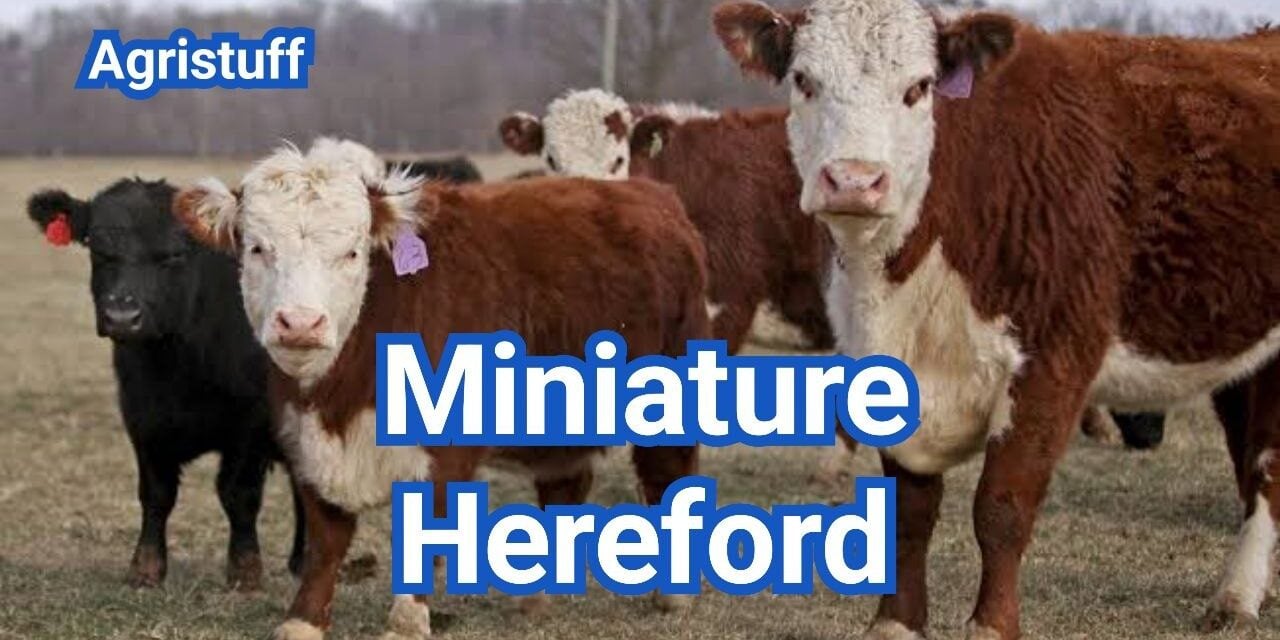
Moving to a rural property offers a unique chance to embrace a simpler lifestyle. Many new landowners find that raising miniature hereford stock is the perfect way to manage their acreage while enjoying the rewards of animal husbandry.
These compact animals are ideal for small farms because they require less space than traditional breeds. However, success depends on your personal energy and commitment to providing proper facilities. Before you begin, you must assess your land, fencing, and water access to ensure a safe environment.
Remember that these animals are social creatures that thrive in groups. Bringing home a miniature hereford cattle herd requires careful planning regarding their long-term health and nutrition. Understanding the specific needs of hereford miniature cattle will help you build a sustainable and fulfilling homestead experience.
Key Takeaways
- Assess your land and fencing requirements before purchasing livestock.
- Ensure you have adequate water and handling equipment for safety.
- Recognize that these animals are social and should be kept in small, compatible groups.
- Evaluate your personal time and energy to maintain a healthy herd.
- Focus on long-term goals like breeding, grazing management, or hobby farming.
What Miniature Hereford Cattle Are and How the Breed Developed
Understanding what miniature hereford cattle are requires looking past their smaller stature to their deep genetic heritage. These animals are not a separate species or a novelty creation; they are authentic, full-blood Hereford cattle. Breeders have carefully selected them over generations to maintain the classic traits of the breed while achieving a more manageable, smaller frame.
Defining the Miniature Hereford
It is a common misconception that these animals are merely novelty pets. In reality, why they are not toy cattle or dwarf cattle is a fundamental aspect of their breed identity. True miniatures are structurally sound, fertile, and hardy, possessing the same vigor as their larger counterparts without the health complications often associated with genetic dwarfism.
“The goal of the miniature breeder is to produce a functional, efficient animal that retains the classic Hereford characteristics in a smaller package.”
U.S. breed development and the role of selection
The history of u.s. breed development centers on the pursuit of feed efficiency and ease of handling. By selecting for smaller mature sizes, producers created cattle that thrive on smaller acreages while maintaining excellent beef quality. This process relies on strict adherence to breed standards to ensure that the animals remain productive and healthy.
The following table highlights the key differences between functional miniatures and other small-stature cattle types:
| Feature | Miniature Hereford | Dwarf Cattle | Toy/Novelty |
|---|---|---|---|
| Genetic Origin | Full-blood Hereford | Genetic Mutation | Mixed/Unknown |
| Structural Soundness | High | Low | Variable |
| Fertility | Excellent | Often Compromised | Poor |
| Purpose | Beef/Homestead | None | Display |
The Miniature Hereford Breeders Association and American Hereford Association
The Miniature Hereford Breeders Association (MHBA) plays a critical role in maintaining the integrity of the breed. They work closely with the American Hereford Association to ensure that lineage is tracked accurately. This partnership regarding AHA registration and MHBA oversight provides buyers with the confidence that they are purchasing a purebred miniature hereford with verified ancestry.
When you invest in a registered miniature hereford, you are securing a documented history of performance and health. This pedigree status is essential for those who intend to show their cattle or participate in a responsible breeding program. Proper documentation ensures that the breed continues to flourish while maintaining the high standards expected by the agricultural community.
Mini Hereford Size: Mature Height, Weight and Measurement

The stature of a full-grown Miniature Hereford is defined by specific breed standards rather than guesswork. Understanding mini Hereford size requires looking at established benchmarks that separate these animals from their larger counterparts.
How big a full-grown Miniature Hereford gets
Many enthusiasts often ask, how big does a full-grown Miniature Hereford get? According to official breed standards, a mature female should not exceed 45 inches in height at the hip. Bulls and steers are typically capped at 48 inches at the hip when they reach maturity.
These height limits ensure the breed maintains its compact, efficient frame. While weight can fluctuate based on body condition and diet, a healthy adult typically weighs significantly less than a standard-sized animal. Maintaining these proportions is vital for the breed’s long-term health and utility.
How to measure Miniature Hereford height correctly
When determining miniature hereford height, accuracy is paramount. The industry standard dictates that how is height measured? involves using a specialized measuring stick while the animal stands squarely on level ground.
The measurement must be taken at the highest point of the hip, not the shoulder. Relying on visual estimates or photographs often leads to errors, as posture and camera angles can be misleading. Proper weight and measurement method practices ensure that breeders remain compliant with registry requirements.
“Structural integrity and correct height measurements are the foundation of a successful breeding program. Breeders must prioritize these metrics to preserve the unique characteristics of the Miniature Hereford.”
Why size estimates differ among breeders and registries
Variations in mature height estimates often stem from differences in age, nutritional status, and genetic lines. A young animal may not have reached its full growth potential, leading to temporary size discrepancies. Furthermore, different breeding programs may emphasize slightly different frame scores, which can influence the average size within a specific herd.
It is important to note that environmental factors, such as pasture quality and supplemental feeding, also play a role in how an animal develops. These variables explain why two animals of the same age might show slight differences in their physical dimensions.
Whether an official “micro Miniature Hereford” category exists
A common question among newcomers is, is there an official micro miniature hereford category? The answer is no; there is no recognized registry category for “micro” or “teacup” cattle. Such terms are generally used as informal marketing language to describe smaller-than-average individuals.
Responsible breeders focus on the established breed standards rather than chasing extreme, non-standard sizes. Relying on official registry definitions protects the breed from potential health issues associated with extreme dwarfism or structural instability.
| Category | Mature Height (Hip) | Typical Weight Range |
|---|---|---|
| Miniature Hereford Cow | Up to 45 inches | 800 – 1,100 lbs |
| Miniature Hereford Bull | Up to 48 inches | 1,000 – 1,400 lbs |
| Standard Hereford Cow | 54+ inches | 1,300 – 1,700 lbs |
| Standard Hereford Bull | 58+ inches | 1,800 – 2,400 lbs |
Miniature Hereford Cows, Bulls and Calves: Growth and Physical Traits
Successful breeders pay close attention to the unique biological needs of their miniature hereford cow, miniature hereford bull, and miniature hereford calf populations. Understanding these growth patterns ensures that each animal receives the specific care required for optimal health and productivity. Recognizing the nuances in cow, bull and calf differences is the foundation of a thriving small-scale cattle operation.
Miniature Hereford cow characteristics
A productive female requires consistent monitoring of her body condition score throughout the year. Breeders should prioritize cows that demonstrate excellent fertility and strong mothering instincts. A well-structured udder is also vital to ensure the calf receives adequate nutrition during the critical early weeks of life.
Miniature Hereford bull characteristics
Selecting a high-quality miniature hereford bull involves more than just looking at size. Structural soundness, particularly in the feet and legs, is essential for long-term mobility and breeding success. Owners must also prioritize temperament, as safe handling is non-negotiable when managing mature males in a small-farm environment.
Miniature Hereford calf development
The arrival of a miniature hereford calf is a highlight for any breeder, with birth weights typically ranging from 30 to 50 pounds. Early development focuses on successful nursing and steady weight gain. As the calf matures, owners must decide between retaining the animal for breeding or preparing young males for castration and potential beef production.
| Animal Category | Primary Management Focus | Key Physical Trait |
|---|---|---|
| Cow | Fertility and Mothering | Udder Structure |
| Bull | Reproductive Soundness | Feet and Leg Structure |
| Calf | Growth and Nutrition | Birth Weight (30-50 lbs) |
Miniature vs. Standard Hereford: Size, Structure and Management

When evaluating livestock, the choice between miniature vs standard hereford often comes down to scale and operational capacity. While both types share the iconic white-faced appearance and docile nature, their physical requirements vary significantly. Understanding these differences helps owners choose the right animal for their specific land and goals.
Comparing mature height and body weight
The most obvious distinction lies in the physical dimensions of the animals. Miniature Herefords typically reach a mature weight between 500 and 1,000 pounds, whereas full-size Herefords generally weigh between 1,200 and 1,800 pounds.
Height measurements follow a similar trend. Miniature cattle are bred to maintain a smaller frame, which directly impacts their overall mass and the amount of space they occupy in a barn or trailer.
| Feature | Miniature Hereford | Standard Hereford |
|---|---|---|
| Mature Weight | 500–1,000 lbs | 1,200–1,800 lbs |
| Space Needs | Lower | Higher |
| Handling Effort | Moderate | High |
Similar Hereford breed traits and differences in proportions
Despite the size gap, both types share the same fundamental breed characteristics. They are known for their hardiness, excellent foraging ability, and calm temperament. However, breeders must ensure that smaller cattle retain correct skeletal structure and body capacity.
A common misconception is that smaller cattle require less structural integrity. In reality, a miniature animal must still possess a balanced frame to remain healthy and productive. Proportions should remain consistent with the breed standard, ensuring the animal is not just “small,” but a true representation of the Hereford type.
How miniature and standard Herefords differ in daily management
Many new farmers wonder how do they differ from standard herefords? when it comes to daily care. The smaller stature of the miniature variety often translates to lower feed intake and reduced pasture pressure, making them ideal for smaller acreage.
Management differences include:
- Fencing: Smaller cattle may require more secure or lower-set fencing to prevent escapes.
- Facilities: Chutes and handling equipment must be sized appropriately to ensure safety.
- Physical Effort: Routine tasks like grooming or medical checks are often easier due to the manageable size of the animal.
Ultimately, knowing how do they differ from standard herefords? allows owners to prepare their facilities properly. Whether you choose the miniature vs standard hereford, success depends on providing adequate nutrition and a safe environment tailored to the specific needs of the animal.
Miniature Hereford Temperament and Safe Handling Practices
Owners often choose this breed for its gentle disposition, yet proper temperament and handling remain the cornerstone of a safe and productive farm environment. While these cattle are smaller than their standard counterparts, they still possess the instincts of a large bovine. Understanding these traits helps ensure a positive experience for both the handler and the animal.
Typical Miniature Hereford temperament
The miniature hereford temperament is widely recognized for being docile and manageable, making them a popular choice for youth projects and small-scale homesteads. However, docility is not a guarantee; it is an individual trait influenced by genetics, early socialization, and daily environment. Owners should never assume an animal is completely risk-free, regardless of its size.
Factors such as pain, maternal instincts, or past negative experiences can significantly alter how an animal reacts to humans. A calm, consistent environment helps maintain their natural, friendly nature. Always observe the animal’s body language to gauge its comfort level before initiating close contact.
Step-by-step handling practices for cows, bulls and calves
Effective handling relies on patience and a clear understanding of bovine behavior. Always approach an animal from the side, staying out of its blind spot to avoid startling it. Respecting the animal’s flight zone—the personal space that, when entered, causes the animal to move away—is vital for stress-free movement.
- Calm Approach: Move slowly and avoid sudden, loud noises that can trigger a flight response.
- Halter Training: Introduce halters gradually, using positive reinforcement to build trust.
- Alley Work: Use properly sized chutes and alleys to keep the animal secure during medical or grooming tasks.
- Reward-Based Familiarity: Offer small treats or verbal praise to create a positive association with human interaction.
Safety precautions for owners, children and visitors
Safety must always be the top priority when interacting with livestock. Children should only be allowed near the cattle under strict adult supervision, as even a small calf can move quickly and unpredictably. Ensure that all fencing and gates are secure to prevent accidental escapes or unauthorized visitor access.
Avoid any practices that resemble “rodeo” behavior, such as chasing, roping, or aggressive herding. These methods increase stress and the risk of injury for everyone involved. Instead, focus on building a relationship based on mutual respect and calm, predictable movements.
| Practice | Recommended Action | Avoid |
|---|---|---|
| Approach | Slow, steady movement | Running or shouting |
| Restraint | Properly sized chutes | Forced roping |
| Interaction | Positive reinforcement | Aggressive dominance |
| Supervision | Constant adult presence | Unattended children |
Miniature Hereford Care: Space, Feed, Facilities and Health

Keeping smaller cattle involves unique considerations that differ significantly from managing standard-sized livestock. Providing high-quality miniature hereford care requires a proactive approach to environmental management and animal welfare. By preparing your property correctly, you ensure these animals thrive in their new home.
Planning breed-specific space and pasture
Many prospective owners often ask, are they suitable for small acreage? The answer depends on your local environment rather than a universal formula. Factors such as soil quality, rainfall, drainage, and weed management dictate how many animals your land can support.
Effective pasture planning is vital for long-term success. You should conduct soil tests to determine the nutritional value of your forage. Rotating grazing areas helps prevent overgrazing and keeps your grass healthy throughout the growing season.
Feeding Miniature Hereford cattle
Understanding feed and facility implications is crucial for maintaining proper body condition. While these cattle are smaller, they still require a balanced diet consisting of high-quality hay, fresh water, and essential minerals. You must monitor their weight regularly to ensure they are neither underfed nor overweight.
Always keep a reserve of hay on hand for times when pasture growth slows down. Providing free-choice mineral supplements helps fill nutritional gaps in your forage. Consistent monitoring of body condition scores allows you to adjust their intake based on seasonal changes.
Facilities suited to smaller cattle
Smaller cattle require specialized infrastructure to ensure safety and ease of handling. You should install secure fencing that is appropriately sized to prevent escapes. A reliable water source that remains accessible during all weather conditions is also a non-negotiable requirement.
Before your cattle arrive, establish a functional catch pen and holding area. Having a safe restraint chute designed for smaller frames makes routine tasks much easier. These facilities reduce stress for both the animals and the handler during medical procedures.
Routine health and hoof care
Preventive medicine is the cornerstone of a healthy herd. Work with a local veterinarian to create a vaccination schedule tailored to your specific region. Regular parasite control programs are also necessary to maintain optimal growth and vitality.
Hoof maintenance is an often overlooked aspect of miniature hereford care. You should perform visual hoof checks every few months to identify potential issues early. Keeping their hooves trimmed and healthy prevents lameness and ensures the animals remain comfortable while grazing.
Breeding, Calving and the Miniature Hereford Dwarfism Gene
When you decide to raise Miniature Herefords, your breeding program becomes the foundation of your success. Establishing a healthy herd requires more than just pairing two animals; it demands a commitment to genetic health and structural soundness. By focusing on verified pedigrees and proven performance, you ensure the longevity of your operation.
Planning a responsible Miniature Hereford breeding program
A responsible program relies on selecting animals with sound conformation and high fertility. Breeders should prioritize documentation, ensuring that parentage is clear and that the animals meet breed standards for size and temperament. It is vital to evaluate the mature-size expectations of both the sire and the dam to maintain the desired characteristics of the breed.
Consistency in your herd comes from tracking calving history and selecting for traits that improve the overall quality of your cattle. Avoid breeding animals with structural defects or unknown health backgrounds. Careful planning prevents the propagation of undesirable traits and keeps your herd productive for years to come.
Managing pregnancy and calving
Effective breeding and calving management is essential for the safety of both the cow and the calf. During pregnancy, provide balanced nutrition and monitor the animal’s body condition regularly. Maintaining clean, quiet facilities helps reduce stress as the due date approaches.
Observation is your best tool during the calving process. Be prepared to provide assistance if labor stalls, but avoid unnecessary intervention. Once the calf arrives, ensure it receives adequate colostrum immediately to build a strong immune system. Having an emergency plan and a relationship with a local veterinarian provides peace of mind during this critical time.
Understanding the dwarfism-gene distinction
Many prospective owners ask: are they associated with a dwarfism gene? It is important to understand the dwarfism-gene distinction. Miniature Herefords are bred for smaller stature through selective breeding, which is entirely different from the genetic defects associated with chondrodysplasia or other forms of dwarfism.
True Miniature Herefords should exhibit proportional growth and structural integrity. When a breeder focuses on intentional selection, they avoid the health complications that often plague animals carrying recessive dwarfism genes. Understanding this difference is key to maintaining a healthy, functional herd.
When veterinary evaluation and genetic testing are warranted
Genetic testing becomes a necessary tool when records are incomplete or when parentage is uncertain. If you notice physical abnormalities in a calf or if an animal fails to meet expected growth milestones, consult a professional immediately. A veterinarian can help determine if these issues are environmental or if they stem from a genetic concern.
Always utilize breeding and calving management practices that include regular health screenings. If you suspect your animal carries a genetic defect, stop the breeding cycle and seek expert advice. Prioritizing the dwarfism-gene distinction through testing ensures that you are contributing positively to the breed’s future.
Miniature Hereford Beef, Shows, Youth Programs and Homestead Uses

The adaptability of the Miniature Hereford makes it a standout choice for diverse homesteading and educational goals. These cattle offer a unique blend of manageable size and traditional breed characteristics that appeal to a wide range of producers.
Miniature Hereford beef production
Many people ask, can they be raised for beef? The answer is a resounding yes. These animals produce high-quality miniature hereford beef that is well-suited for household freezer programs.
Because of their smaller carcass size, they are often more practical for families looking to process a single animal at a time. Producers must still maintain strict animal-health plans and ensure they follow all local regulations regarding processing and marketing.
Show and youth-project suitability
You might wonder, are they suitable for youth shows? Their calm temperament and manageable stature make them an excellent entry point for 4-H and FFA members.
Youth participants learn valuable skills in training, fitting, and transportation while working with an animal that is less intimidating than a standard-sized cow. Proper supervision is essential to ensure that both the child and the animal remain safe during the entire show cycle.
Homestead and small-farm applications
For those managing a homestead, these cattle provide a sustainable way to utilize limited acreage. They require less pasture and feed than larger breeds, making them ideal for small-farm operations.
Families often find that these cattle are easier to handle for daily chores and routine maintenance. Their presence on a small farm can provide a reliable source of food while keeping land management tasks simple and efficient.
Agritourism and educational uses
The breed is also gaining popularity in homestead and agritourism uses. They serve as wonderful ambassadors for agriculture when visitors come to learn about farm life.
When hosting guests, it is vital to prioritize animal welfare and visitor safety. Always provide clear signage, maintain controlled contact, and ensure handwashing stations are available. Remember that these animals are livestock, not petting-zoo props, and should be treated with the respect they deserve.
Advantages and Disadvantages of Keeping Miniature Herefords
Evaluating the advantages and disadvantages of Miniature Herefords is a vital step in ensuring a successful and sustainable livestock operation. While these cattle are popular for their manageable size, a balanced assessment of their traits is necessary for any prospective owner to avoid common pitfalls.
Potential advantages
The primary appeal of this breed lies in its efficiency and temperament. Because of their smaller stature, these animals require less acreage than standard-sized cattle, making them ideal for small-scale homesteads.
- Lower feed requirements: Their smaller body mass translates to reduced forage and hay consumption.
- Approachable handling: Most owners find them easier to manage due to their calm nature and physical size.
- Beef utility: They produce high-quality, flavorful beef that is perfect for direct-to-consumer sales or family consumption.
- Facility impact: Smaller cattle cause less wear and tear on gates, fences, and barn structures.
Potential disadvantages
Despite their benefits, owners must remain realistic about the challenges involved. The advantages and disadvantages often overlap, as the smaller size does not mean the animals are entirely maintenance-free.
Veterinary care and hoof maintenance remain essential, and these costs are often similar to those for larger breeds. Furthermore, you may face difficulties in marketing surplus animals if you are not connected to a specific niche network.
- Equipment costs: You may still need specialized chutes or handling equipment designed for smaller frames.
- Breeding complexity: Managing genetics, particularly regarding the dwarfism gene, requires careful record-keeping and planning.
- Feed expenses: During drought years, the cost of supplemental feed can rise quickly, regardless of the animal’s size.
- Physical strength: Even a small Hereford is a powerful animal that requires respect and proper safety protocols.
Deciding whether the breed fits the operation
Before committing to a purchase, use this checklist to determine if the breed aligns with your goals. Consider your available resources and the long-term commitment required for healthy, productive livestock.
| Factor | Consideration | Impact |
|---|---|---|
| Land Capacity | Available acreage | High |
| Time Commitment | Daily care and monitoring | Medium |
| Financial Budget | Vet, feed, and facility costs | High |
Ultimately, the advantages and disadvantages should be weighed against your personal capacity for labor and your specific land management goals. If you have the time to invest in proper care and the space to support them, these cattle can be a rewarding addition to your farm.
How to Verify Pedigree, DNA Records and a Miniature Hereford Breeder

Purchasing quality livestock requires a systematic approach to ensure you are investing in healthy, genetically sound animals. Navigating the market for Miniature Hereford cattle involves more than just looking at the animal; it requires a deep dive into documentation and breeder transparency. By following a structured process, you can protect your investment and ensure the long-term success of your herd.
Step-by-step breeder and buying checklist
Before finalizing any purchase, you should conduct a thorough site visit to observe the cattle in their natural environment. Always ask to see the herd’s living conditions, as clean facilities often reflect a breeder’s commitment to animal welfare. Use a checklist to evaluate the animal’s conformation, temperament, and overall structural soundness.
Verify that the seller is a reputable member of recognized associations. Request references from previous buyers to gauge their satisfaction with the breeder’s communication and the health of the animals sold. Ensure that all transfer paperwork is ready to be processed upon the completion of the sale.
Records to request before buying
When asking what registration and dna records should a buyer request, prioritize official documentation from the American Hereford Association. You must verify the animal’s registration certificate to confirm its lineage and status. DNA and parentage verification are essential to ensure the animal is truly a purebred Miniature Hereford and not a crossbreed.
Additionally, request a comprehensive health history for the animal. This should include vaccination records, deworming schedules, and any reproductive history for cows or bulls. Reviewing these documents helps you identify potential health risks before bringing the animal onto your property.
Questions to ask Miniature Hereford breeders
Engaging with Miniature Hereford breeders requires asking the right questions to uncover the animal’s background. Inquire about the specific feeding program the cattle are currently on and how they handle different types of forage. Ask about the temperament of the animal, especially if you have children or plan to use the cattle for agritourism.
Furthermore, ask why the animal is being sold and if there are any known genetic issues in the bloodline. Discuss the breeder’s policy on guarantees, transport logistics, and ongoing support after the sale. A transparent breeder will be happy to provide detailed answers to these inquiries.
Factors that affect purchase price without relying on live price quotes
Understanding the factors affecting price without publishing live prices allows you to evaluate value objectively. While show awards can be impressive, they do not always equate to superior breeding potential or structural integrity. Focus on the following criteria to determine if the asking price aligns with the animal’s quality.
| Factor | Impact on Value | Key Consideration |
|---|---|---|
| Registration Status | High | Must be registered with the official association. |
| Pedigree Continuity | High | Proven lineage reduces genetic uncertainty. |
| Conformation | Medium | Structural soundness is vital for longevity. |
| Breeding Potential | High | Based on EPDs and reproductive history. |
| Seller Reputation | Medium | Reliability adds long-term value to the purchase. |
Costs and ROI snapshot
Miniature Hereford Cattle purchase prices vary sharply by age, sex, pedigree, fertility, registration, training, and show record. As a current market reference rather than a guaranteed price, the 2026 Ohio Beef Expo reported a high-selling Miniature Hereford bull at $1,600 and a high-selling female at $5,000; private offerings and elite breeding animals can fall below or above that span. Buyers should budget for the delivered, healthy animal rather than the sale price alone.
- Breeding animals: A practical planning range is roughly $1,500–$5,000 or more per head, with proven females, cow-calf pairs, and elite genetics potentially commanding more.
- Fencing and water: Existing infrastructure can make a small herd feasible; building perimeter fence, water lines, tanks, gates, and electric subdivisions from scratch can add several thousand dollars.
- Handling and shelter: Panels, a correctly sized chute, trailer access, a dry lot, shade, windbreaks, and hay storage are capital costs that beginners often omit.
- Annual operating costs: Pasture, hay, minerals, veterinary work, breeding, bedding, utilities, repairs, insurance, processing, marketing, and labor must be recorded per head.
- Revenue paths: Weaned calves, registered breeding stock, show prospects, freezer beef, agritourism, and grazing services have different customers, regulations, labor demands, and risk.
- What improves return: High reproductive efficiency, low death loss, controlled winter feed cost, productive pasture, honest performance records, advance processor bookings, and confirmed buyers.
- When it makes sense: The investment is strongest when the farm already has suitable land and infrastructure and can earn a documented specialty premium rather than relying only on pounds sold.
Miniature Hereford Cattle should be evaluated with a whole-enterprise budget, because lower feed use per head does not automatically produce a higher return on investment. Missouri’s 2026 on-farm finishing model shows how pasture, feed, labor, veterinary expenses, replacements, utilities, marketing, interest, depreciation, insurance, and taxes all affect net return; a mini enterprise needs its own weights and prices substituted into the calculation.
Miniature Hereford Cattle may earn better margins through registered stock or direct beef, but a premium exists only when a real customer will pay it. Compare the return from selling a calf at weaning with the additional feed, health, processing, storage, customer service, and marketing costs required to finish or retail it. Direct sellers should price every cut or animal share to cover total cost and verify applicable inspection rules, using the practical considerations in Mississippi State University’s direct-marketing guide.
Common mistakes to avoid
- Buying by a “mini” label alone: Verify age, hip height, parent size, registration, and expected mature size.
- Assuming small means harmless: Use low-stress stockmanship and never trust a bull simply because he is shorter.
- Using a fixed acres-per-head rule: Match animal demand to measured forage supply and drought conditions.
- Overfeeding easy keepers: Test forage, weigh supplements, and monitor body condition throughout the year.
- Keeping one animal alone: Provide compatible cattle companionship and avoid using human attention as a substitute for a herd.
- Skipping handling facilities: Have safe restraint and trailer access before an illness, injury, or difficult calving occurs.
- Choosing only for extreme shortness: Protect feet, legs, fertility, udder quality, calving performance, and genetic diversity.
- Ignoring biosecurity: Quarantine arrivals, document health history, and prevent shared equipment from carrying disease.
- Expecting automatic profit: Build a market and calculate cost per calf or pound before paying a novelty premium.
FAQ
How tall are mature Miniature Herefords?
Miniature Hereford Cattle must not exceed 45 inches at the hip for mature females or 48 inches for mature bulls and steers under MHBA standards. Because height limits also apply by age in sanctioned shows, owners should measure on a level surface and review the current rulebook before entering an animal, using the association’s official show rules.
How many Miniature Herefords can live on one acre?
Miniature Hereford Cattle cannot be stocked responsibly from acreage alone, and one acre may support seasonal grazing in a productive region without supplying year-round feed. Calculate forage dry matter, grazing days, utilization, and each animal’s weight and production stage, then retain a drought reserve. Regional examples show how pasture quality changes acres per cow-calf pair, as illustrated by Alabama Cooperative Extension stocking guidance.
Are Miniature Herefords good for beef?
Miniature Hereford Cattle are true beef animals and can supply home or direct-market beef, although each finished animal generally produces a smaller total quantity than a standard commercial steer. Estimate packaged yield from live weight and carcass yield, reserve processing early, and match package size to customer freezer capacity. A conventional 1,300-pound beef example demonstrates why live weight does not equal take-home meat in the University of Minnesota whole-animal buying guide.
Are Miniature Herefords good for beginners?
Miniature Hereford Cattle can be a practical beginner breed when the owner has cattle-safe fencing, a mentor, veterinary support, handling equipment, sufficient forage, and realistic finances. Their stature may make routine work feel more approachable, but beginners must still learn stockmanship, nutrition, calving, records, biosecurity, and emergency response. U.S. producers can build those fundamentals through Beef Quality Assurance online certification.
Can Miniature Herefords be kept as pets?
Miniature Hereford Cattle can be kept as companion or agritourism animals where local rules allow, but they remain herd livestock rather than house pets. Owners should avoid bottle-raising practices that encourage unsafe pushing or head-butting, keep animals with compatible bovine companions, and maintain boundaries during feeding and handling. Written care expectations help everyone interact consistently with the herd, as encouraged by Beef Quality Assurance cattle-care guidance.
What miniature Hereford cattle are and how do they differ from “toy” breeds?
Miniature Hereford cattle are purebred Miniature Hereford animals that have been selectively bred for a smaller mature size over decades of U.S. breed development. Unlike “toy” cattle or those affected by the miniature Hereford dwarfism gene, these are structurally sound, functional beef animals. They are simply smaller versions of the standard Hereford, maintaining the same hardiness, fertility, and beef conformation without the health complications associated with dwarfism.
How big does a full-grown miniature Hereford get?
A full-grown miniature Hereford is defined by its mature height rather than just weight. Generally, a miniature Hereford cow will stand up to 45 inches at the hip, while a miniature Hereford bull or steer can reach up to 48 inches. In terms of miniature Hereford weight, mature females typically range from 500 to 1,000 pounds, compared to the 1,200 to 1,800 pounds seen in full-sized counterparts.
How is height measured correctly for registration?
The measurement method requires the animal to stand squarely on a level, hard surface. The miniature Hereford height is measured specifically at the hip (the hook bones). Accurate measurement is vital for AHA registration and MHBA records, as estimations from photographs can be misleading due to pasture depth or camera angles.
Is there an official micro miniature Hereford category?
No, there is no official “micro miniature Hereford” category recognized by the American Hereford Association or the Miniature Hereford Breeders Association. While some miniature Hereford breeders may use the term “micro” as informal marketing language to describe cattle that are significantly smaller than the breed average, they are still registered under the same general miniature standards.
Are miniature Herefords purebred and how do I verify their pedigree?
Yes, they are purebred Miniature Hereford cattle. To verify this, a buyer should request AHA registration papers. A registered Miniature Hereford will have a documented pedigree and often includes DNA and parentage verification to ensure the integrity of the bloodline. This documentation is a critical part of any breeder and buying checklist.
How do they differ from standard Herefords in terms of management?
When comparing miniature vs standard Hereford management, the smaller cattle offer significant feed and facility implications. They require less forage, smaller stalls, and lower fencing, making them suitable for small acreage. However, they still require the same high-quality miniature Hereford care, including vaccinations, parasite control, and routine hoof maintenance.
Can they be raised for beef production?
Yes, miniature Hereford beef is highly regarded for its marbling and flavor. They are an excellent choice for homestead and agritourism uses because a single miniature Hereford calf provides a carcass size that is much more manageable for a household freezer than a standard-sized steer.
Are they suitable for youth shows and children?
Because of the gentle miniature Hereford temperament, these cattle are exceptionally suitable for youth shows. Their smaller stature makes them less intimidating for children to lead and groom, providing an ideal entry point for young people into the world of livestock exhibition and 4-H projects.
What registration and DNA records should a buyer request from miniature Hereford breeders?
Prospective buyers should ask for the official registration certificate from the American Hereford Association, a verified pedigree, and DNA and parentage verification results. You should also ask for a complete health history, including breeding and calving management records for older cows, and proof of a negative dwarfism-gene distinction test if the lineage is not already well-documented.
What factors affect the purchase price of these cattle?
Several factors affecting price without publishing live prices include the animal’s age, sex, conformation, and show history. Additionally, the reputation of the miniature Hereford breeders, the scarcity of specific bloodlines, and whether the animal is sold as a “proven” breeder or a young miniature Hereford calf will influence the final cost.
Are there specific advantages and disadvantages to the breed?
The advantages and disadvantages vary by goal. Potential advantages include lower feed costs, easier handling, and suitability for small farms. Potential disadvantages may include the initial cost of registered Miniature Hereford stock and the fact that, despite their size, they are still powerful livestock that require proper handling and safety precautions and specialized transport equipment.
Final Thought
Miniature Hereford Cattle are best suited to owners who value compact, registered beef genetics and are prepared to manage them as livestock, not as a low-maintenance novelty. Start with land capacity, infrastructure, animal welfare, and a believable market; then select sound cattle whose height, health, performance, and temperament fit that plan. Eligible farms may also ask their local USDA service center about conservation assistance for grazing, fencing, water, and shelter practices through NRCS livestock and pasture resources.
Sources & References
- Miniature Hereford Breeders Association — Sire Directory
- Miniature Hereford Breeders Association — Cattle of Excellence
- American Hereford Association — Animal Scoring
- American Hereford Association — Production Catalogs
- Oklahoma State University — Hereford Cattle
- Nebraska Extension — Beef Cattle Publications
- Nebraska Extension — Beef Production Calendar
- Alabama Cooperative Extension — Interpreting a Forage Analysis
- University of Minnesota Extension — Grazing and Pasture Management
- USDA NRCS — Pasture Practices and Assistance
- Beef Quality Assurance — National Producer Resources
- USDA APHIS — Cattle and Bison Diseases
- USDA APHIS — Cattle Identification
- Kansas State University — Livestock Enterprise Budgets
- Kansas State University — Detailed Cow-Calf Budget
- University of Wisconsin Extension — Direct Marketing Meat