
Definition
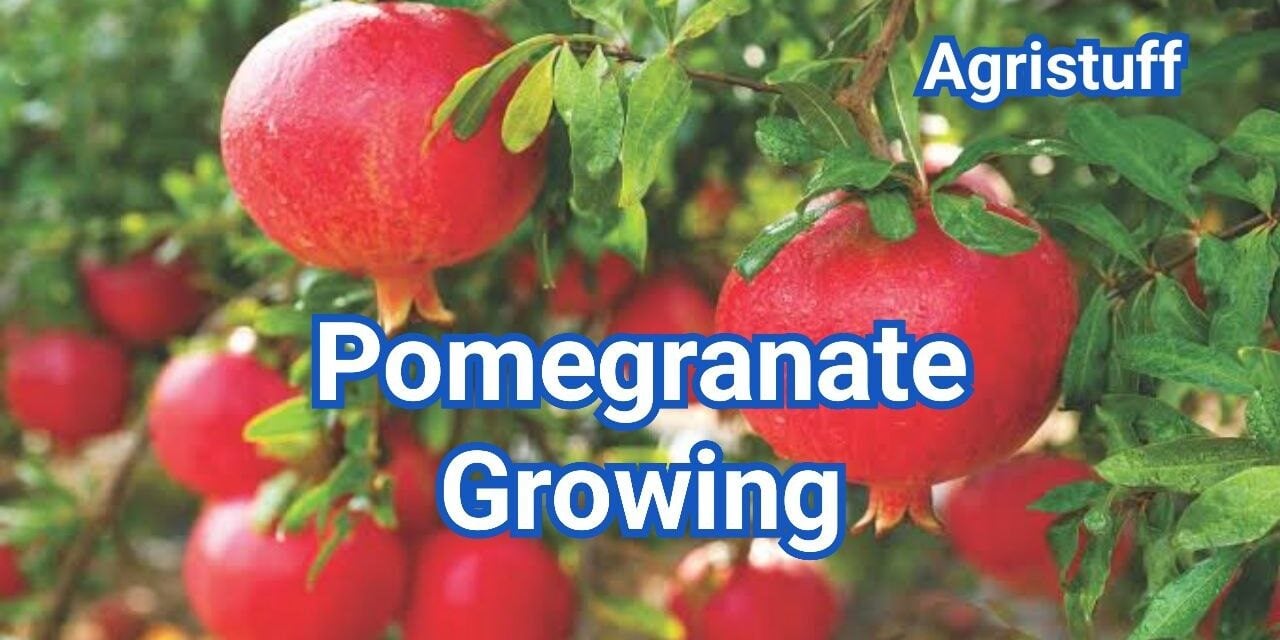
Pomegranate Growing means cultivating Punica granatum, a perennial shrub or small tree, for its fruit or ornamental value. The fruit contains seeds surrounded by juicy edible tissue called arils, while the plant typically loses its leaves during winter. Growers can maintain its natural shrub form or train it into a small tree. NC State Extension’s pomegranate plant profile.
Quick answer: Successful Pomegranate Growing starts with a locally adapted fruiting cultivar, a sunny position, well-drained soil, and consistent moisture while fruit develops. Choose the plant for eating quality and local performance, then maintain it with modest feeding and selective pruning. Established plants tolerate drought, but regular moisture management helps protect the harvest from poor development and splitting. UF/IFAS guidance for homegrown pomegranates.
A sunny, well-drained spot gives a pomegranate the strongest start, but a warm growing season also matters for fruit. If you are new to gardening, choosing a place that suits your yard and local weather can make the difference between a healthy plant and a dependable harvest. This guide helps you choose a site, establish your plant, and care for it through harvest. An aril is the juicy, edible covering around a pomegranate seed. The arils are what you eat, fresh or pressed for juice.
Good care can support flowering and fruit production, but local conditions still affect how reliably fruit develops. A healthy plant can also earn its place as an ornamental, with showy flowers and attractive foliage, even where fruiting remains uncertain. Pay attention to full sun, soil drainage, and winter exposure before you plant. These choices shape the care your plant will need as it grows.
Key Takeaways
- Choose a sunny spot with good drainage.
- Check USDA zones and local winter conditions.
- Allow room for the plant’s mature form.
- Water steadily when quality fruit is the goal.
- A plant can look beautiful even without a reliable crop.
A little attention to climate and steady care can help a new gardener avoid the most common early setbacks.
Which USDA Zones Can Grow Pomegranates?
Pomegranates are generally grown in warm regions, with published hardiness descriptions spanning USDA Zones 7-10 and 8-11. Those ranges offer guidance, not a promise for every variety or yard. Cold tolerance varies, and pomegranates generally suffer cold damage below 12 degrees F.
Your pomegranate growing zone is only one part of the decision. A plant may survive winter yet fail to produce fruit regularly if summers are too cool or the growing season is short. Pomegranates need about 150-300 chill hours, a period of cool winter weather that supports normal growth.
Hardiness ranges and chill needs
The differing USDA zones reflect variation in local conditions and plant response. In the southwestern United States, pomegranates grow successfully in dry areas with low rainfall and low humidity. That dry climate is a good fit, especially where the warm season lasts long enough for fruit to develop.
Local experience can refine the broad zone guidance. The Utah Farm Bureau’s southern Utah pomegranate guidance notes that plants may need protection near 15 degrees F and may not survive below 10 degrees F.
What cold can do to a plant
In North Carolina, pomegranates usually survive winter, but temperatures below 10 degrees F can kill them to the ground. A plant that regrows from its base may live, yet cold damage can reduce flowering and fruit production. Survival alone does not mean a reliable harvest.
Think about the cold your yard actually gets, including exposed spots and frost pockets. A sheltered location can make borderline conditions easier on a plant, while repeated hard freezes can damage growth. In a borderline climate, consider how often local temperatures fall below 12 degrees F, not just the zone label.
USDA zone ranges are a starting point, not a guarantee. In a borderline climate, pay close attention to temperatures below 12 degrees F.
Which Pomegranate Form and Variety Fits Your Yard?

A pomegranate can grow as a multi-stem shrub, a trained small tree, or a compact dwarf ornamental. Choose the form that fits your space and what you want from the plant. A typical shrub or tree reaches 10-12 feet tall and 8-10 feet wide, while trained and dwarf forms differ.
A pomegranate plant may be sold as a pomegranate bush or as a pomegranate tree for sale, so check the label before deciding where it belongs. Size changes with form and growing conditions. Flowers and foliage can make the plant worthwhile even if fruit production is not your main goal.
Shrub, tree, or dwarf ornamental
Shrub form means several main stems rise from the base. This is a natural choice when you want a broad, multi-stem plant. A trained tree has one main trunk and can reach 12-15 feet high; in Florida, trees may reach 20 feet. Florida shrubs commonly grow 6-12 feet tall.
Dwarf ornamental pomegranates grow about 2-4 feet tall and wide. They suit a small yard or a container, though their fruit may be less important than their flowers and foliage. Flower colors range from pale pink to orange-red, and fruit skin can range from pinkish-yellow to purplish-red.
Choosing a named cultivar
Florida cultivar examples include ‘Girkanets’, ‘Kazake’, ‘Wonderful’, ‘Al-sirin-nar’, ‘Medovyi Vahsha’, ‘Christine’, and ‘Salavatski’. These are regional examples, not universal recommendations for every climate. Color alone also does not identify ripeness, since varieties differ in flower and fruit color.
When assessing a pomegranate tree for sale, check the cultivar name, plant form, and local suitability rather than assuming every listing suits every climate. That quick check can prevent a large plant from outgrowing its place or a cultivar from disappointing in your conditions. Match the plant’s mature form to the space you can give it, not only to the fruit color pictured on its label.
Pomegranate Growing Conditions for Sun, Soil, and Space
Choose a site that receives at least 6 hours of direct sun and does not stay soggy after rain. Full sun helps fruit develop sugars and full flavor, though a pomegranate can grow in part shade. Good drainage matters because waterlogged soil can damage roots.
Pomegranates grow in different soil types, as long as excess water can drain away. Before planting, look for a location that has enough room for the mature plant and is easy to reach for care. Spring planting after the last frost is a practical option.
Choose a bright, well-drained site
For a home garden, allow 10-12 feet between plants. Commercial rows use 12-14 feet within rows, with wider spacing between rows. A container-grown plant needs at least 10 gallons of capacity and drainage holes. These measurements help prevent crowded growth and make room for light and airflow.
| Setup | Sun exposure | Spacing or container size |
|---|---|---|
| Home garden | 6 hours | 10-12 feet between plants |
| Commercial rows | 6 hours | 12-14 feet within rows |
| Container | 6 hours | At least 10 gallons |
Suggested row spacing is 14-16 feet for home gardens and 18-20 feet for commercial plantings. A sunny location can support better fruit flavor, while good drainage protects the roots. If you plant in a pot, make sure water can escape through its drainage holes.
Prepare the planting spot
Dig a hole about twice as wide as the root ball, but no deeper than the root system. Set the root flare, where the trunk widens into the roots, level with or slightly above the surrounding soil. Planting too deeply can leave the base sitting in excess moisture.
- Choose a sunny, drained spot.
- Dig a hole no deeper than the roots.
- Set the root flare level with or slightly above the soil.
- Water thoroughly after backfilling.
If water pools where you plan to plant, improve drainage or choose a raised planting area before setting the roots.
How Often Should You Water Pomegranates?

Young plants need consistent moisture while their roots establish, while mature plants can tolerate some drought. For a plant grown for quality fruit, a deep watering every 7-10 days is a useful starting point. Check soil moisture and water deeply rather than following a rigid calendar.
Drought tolerance after establishment does not mean a fruiting pomegranate needs no irrigation. Even moisture supports fruit development, while soil that stays soggy can harm roots. Light soil dries faster than clay, so the same schedule may not suit both.
Establishing young plants
First-year plants may need water twice a week in light soil and once a week in clay soil. The goal is steady root moisture, not saturated ground. Feel the soil before watering, especially after rain, and adjust if the surface is still wet.
| Situation | Interval | Guidance |
|---|---|---|
| First-year plant in light soil | Twice weekly | Maintain steady root moisture |
| First-year plant in clay soil | Once weekly | Avoid keeping soil soggy |
| Plant grown for quality fruit | Every 7-10 days | Water deeply |
| Dormant container plant | About once a month | Water sparingly |
Keeping fruit development steady
A deep, thorough watering every 7-10 days is suggested for pomegranates grown for quality fruit. The interval is a guide, not a fixed rule for every garden. Soil type, rainfall, and the plant’s stage of growth affect how quickly moisture runs out.
Cracking can follow swings between dry soil and heavy rain or irrigation. Late-summer and early-fall rains are especially relevant when fruit is close to harvest. Mulch can help reduce soil moisture swings, but keep it away from the trunk to limit excess dampness at the base.
Use the soil as your guide when the weather changes. If the root area is still moist, wait; if it has dried, water thoroughly. Keep irrigation as even as practical as fruit approaches harvest, especially if late-season rain is likely.
How Should You Prune for Fruit?
Light, purposeful pruning shapes a pomegranate without removing more fruit-bearing growth than necessary. You can maintain a shrub or train a tree, but the approach differs by form. Severe pruning reduces yield, so preserve productive wood as the plant matures.
Pomegranate branches can be thorny, so wear gloves and long sleeves before pruning. Suckers are shoots growing from the base; remove them when you want a clear trunk, or keep selected suckers to maintain shrub form. Make cuts with the plant’s future shape in mind.
Shape a shrub or tree while it is young
For bush-form plants, prune shoot tips during the first 2-3 years to encourage new shoots. After that, leave the tips unpruned to promote fruiting. For tree form, prune a young pomegranate at 24-30 inches, then remove lower branches as shoots develop.
| Stage or approach | Pruning action | Intended effect |
|---|---|---|
| Bush during first 2-3 years | Prune shoot tips | Encourage new shoots |
| Established bush | Leave tips unpruned | Promote fruiting |
| Young tree at 24-30 inches | Remove lower branches as shoots develop | Encourage a single main stem |
| Mature plant | Prune lightly | Preserve productive wood and yield |
Preserve productive wood as the plant matures
Removing lower branches from a young tree encourages a single main stem. A shrub-form plant can keep several stems instead. The right choice depends on the shape you want and how much space the plant has.
Pomegranate fruit generally grows on branch tips in full sun. Short spurs on 2-3 year old wood are the most productive, so avoid cutting these areas without a reason. Light structural pruning removes unwanted growth while retaining productive wood; severe cuts can reduce fruit production.
When a plant carries small clusters, thinning some fruit while it is still small can favor larger fruit on the branches left behind. Keep the cuts selective, especially once the structure is established. Before making a large cut, check whether the branch tip or short spur may be carrying next season’s crop.
Do You Need Two Trees for Fruit Set?

You usually do not need a second pomegranate for fruit, since one plant can pollinate itself. Pomegranates are self-pollinating and self-fruitful, so a healthy single tree can produce fruit set. Bees and other insects likely help move pollen among the flowers.
A young plant may need to be 2-3 years old before it starts bearing fruit. Flowers without fruit do not always mean the plant is unhealthy. Age, sun, and local pollination conditions can all affect fruit production.
In the Southeast, pomegranates may not fruit reliably, mostly because of poor pollination and humid conditions. Warmth alone does not ensure a crop. A flowering plant may need favorable weather and insect activity for pollen to reach flowers successfully.
- Confirm the plant is old enough to fruit.
- Review whether it gets adequate sun.
- Consider whether humidity or poor pollination is limiting fruit set.
If your plant is young, give it time to mature before judging its fruit production. For an established plant, review its light and the conditions during flowering. A single pomegranate tree can set fruit, but a crop is not guaranteed in every climate.
University of North Carolina guidance notes that poor pollination and humid conditions can make fruiting unreliable in the Southeast. Those factors can explain why flowers appear but few fruits develop. If a mature, sunny plant flowers but rarely sets fruit in a humid Southeast garden, treat local pollination conditions as a likely factor.
Can You Grow Pomegranates in Pots or From Seed?
A pot makes pomegranate growing possible in a small yard or a climate where you need to shelter the plant in winter. Use a container of at least 10 gallons with drainage holes. Growing pomegranate in pots suits limited space or a climate where a plant can be moved for winter.
In regions with freezing weather, container plants need a sheltered winter location. A garage or greenhouse can protect a pot from cold. A container also limits root space, so growth may differ from a pomegranate planted in the ground.
Growing in a container
Pick a sturdy pot that holds at least 10 gallons and has open drainage holes. A container-grown pomegranate can add greenery and flowers to a patio, balcony, or small yard. Check the pot after rain to make sure excess water can drain out.
Move the container to a sheltered garage or greenhouse when freezing weather threatens. Dormant container plants may need water about once a month, but do not keep the soil wet. A pot exposed to winter cold can be more vulnerable than a plant growing in the ground.
Starting from seed
Pomegranates grown from seeds will not be true to type. A seedling may not share the fruit traits of its parent, including size, flavor, or other characteristics. If matching fruit matters, a named nursery cultivar is the more predictable choice.
As a general rule of thumb, young pomegranate trees may grow roughly 1-2 feet in a favorable year. Cultivar, warmth, sunlight, moisture, plant age, and container restriction affect the rate. A young tree in a small pot or a cool spot may grow more slowly than one in favorable conditions.
Seed growing can be a fun experiment if you are willing to accept surprises. It does not guarantee the same fruit as the plant that supplied the seed. Choose a seedling for experimentation, and choose a named cultivar when predictable fruit characteristics matter.
When Do Pomegranates Ripen and How Do You Harvest Them?

In the United States, pomegranates are generally harvested from September through January, with peak flavor from October through December. ‘Wonderful’ typically reaches its best quality from October through December. Pick fruit when it is ripe, because pomegranates do not continue ripening after harvest.
Ripe fruit may not be deep red; color varies by variety. Fruit size also varies, with pomegranates measuring about 2 ½ to 5 inches wide. In St. George, Utah, fruit typically reaches picking stage toward the end of October, about 6-7 months after flowering, as described in the Utah Farm Bureau’s local harvest guidance.
Use several signs together rather than relying on skin color alone. A ripe fruit can look different across varieties, so its shape, feel, and sound help you judge readiness. Check fruit on the plant before you cut it.
- Skin turns from shiny to slightly matte.
- Color suits the variety.
- Fruit becomes somewhat angular.
- A gentle tap sounds metallic.
- Fruit feels heavy for its size.
Cut each pomegranate from the stem with sharp shears instead of pulling it from the branch. Pulling can damage the fruit or the plant. Handle the fruits carefully after cutting, since bruised or split skin can affect storage quality.
Pomegranates can store for 6-7 months between 32 and 41 degrees F for highest quality. Keep them in the recommended cool range and check stored fruit for damage. Sample a fruit when you are unsure, because picking early will not give it more time to ripen off the tree.
What Problems Can Affect Pomegranate Plants?
A pomegranate can lose leaves during a cool winter without that alone signaling a serious problem. Pomegranates are deciduous in cooler areas and may remain evergreen in tropical zones. Waterlogged soil raises root-rot risk, so drainage and airflow matter.
Leaves can also show signs of pests or disease, especially after humid or wet weather. Look across the plant rather than judging its health from one fallen leaf. Changes in pattern, such as spots or clusters of insects, can help you spot trouble early.
Protect plants through winter
Apply a 2-3-inch layer of mulch around the root zone, but leave space around the trunk. Mulch helps protect roots without trapping moisture against the plant’s base. In a spot exposed to winter winds or frost, choose a sheltered position or use a protective covering.
Seasonal leaf drop is part of the plant’s cycle in cooler regions. Look for new growth when the weather warms, rather than assuming bare branches mean the plant has died. Tropical plants may keep their leaves instead of going fully dormant.
Leaf loss in a cool winter can be normal for pomegranates. Focus on protection, drainage, and signs of pests or disease.
Spot pests, disease, and excess moisture
Florida pomegranates can develop leaf blotch and fruit spot. Common pests include aphids, whiteflies, mealybugs, mites, and scale. Check leaves and stems for spots, sticky residue, webbing, or insects so you can notice a change before it spreads.
Soil that stays waterlogged can contribute to root rot. Good drainage and airflow help reduce risks linked to excess moisture. Clear crowded weeds and plant debris near the base, and avoid piling mulch against the trunk.
Inspect the plant after storms or a long stretch of rain. If water stands around the roots, address the drainage rather than adding more water. Check the leaves, fruit, and soil after wet weather so early disease signs or standing water do not go unnoticed.

Quick checklist
- Check your USDA zone and the site’s frost exposure.
- Confirm that the growing season can ripen the chosen cultivar.
- Buy a named fruiting plant when eating quality matters.
- Provide at least six hours of direct sunlight.
- Test soil and correct drainage problems before planting.
- Leave enough room for mature branches and harvest access.
- Keep the root crown near grade and mulch away from stems.
- Install and check a reliable watering system.
- Prune selectively and inspect fruit for pests, lesions, and splitting.
- Harvest ripe fruit carefully and record the usable yield.
Common mistakes to avoid
- Confusing survival with productivity: Check summer heat and ripening time as well as winter hardiness.
- Buying an ornamental for orchard production: Confirm the cultivar name, fruit size, and eating quality.
- Planting too deeply: Find the upper roots before setting the final planting depth.
- Using a fixed watering calendar everywhere: Adjust to soil moisture, rainfall, plant size, and container conditions.
- Feeding every problem: Diagnose yellow leaves or poor fruiting before adding fertilizer.
- Removing too much productive wood: Use selective pruning instead of repeatedly cutting the whole canopy back.
- Leaving rotten fruit behind: Remove fruit that can harbor pests or disease between seasons.
- Counting every fruit as saleable: Deduct splits, decay, undersized fruit, and unsold inventory when estimating returns.
Costs and ROI snapshot
For Pomegranate Growing, build the budget around current local quotations for plants, irrigation, site preparation, and labor. A 2015 University of Nevada example used $25 per tree and $2,765 for drip tubing and emitters across a three-acre planting; these are historical assumptions, not current prices or a complete startup budget. Their value is showing why plant count and water infrastructure must be estimated separately. University of Nevada’s historical pomegranate enterprise budget.
| Budget item | What increases cost | What improves value |
|---|---|---|
| Plants and establishment | Larger nursery stock, freight, replacements, drainage work | Suitable cultivars and a small trial before expansion |
| Irrigation | New water supply, pumping, filtration, repairs | Reliable distribution and regular emitter checks |
| Annual management | Pruning labor, weeds, disease pressure, water charges | Accessible plants and timely maintenance |
| Harvest and marketing | Picking, sorting, packaging, transport, market fees | High marketable quality and a confirmed buyer |
| Years before dependable crops | Maintenance expenses without substantial sales | Conservative cash-flow planning |
An illustrative Pomegranate Growing calculation can show the difference between sales and profit without predicting your farm’s results. If annual operating costs were $3,000 and you sold 2,000 pounds at $2 per pound, revenue would be $4,000 and the operating surplus $1,000; operating break-even would be $1.50 per pound. Establishment recovery, land, financing, and any labor or overhead excluded from that operating figure would still need to be covered. University of Delaware’s enterprise budgeting framework.
- For a backyard: Compare the cost with several years of fruit, gardening enjoyment, and landscape value rather than expecting quick cash repayment.
- For a small farm: Confirm local performance, labor availability, and a realistic sales channel before planting an acre.
- Before expanding: Record marketable pounds, selling price, culls, and labor hours across multiple harvests.
- Investment makes more sense when: The site suits the crop, water is dependable, buyers are identified, and conservative projections cover full costs.
FAQ
How long does a pomegranate tree take to produce fruit?
A nursery-grown plant commonly begins producing some fruit about two to four years after planting, depending on its age, cultivar, and conditions. For Pomegranate Growing, treat the first fruit as an establishment milestone rather than a mature yield forecast; Texas A&M describes fruit production beginning around three to four years after planting. Texas A&M AgriLife’s pomegranate production guide.
Do you need two pomegranate trees to get fruit?
No, a single suitable fruiting plant can produce a crop because pomegranates are generally self-fertile. A second compatible cultivar may improve fruit set in Pomegranate Growing, but it does not correct inadequate sunlight, winter injury, or an unsuitable planting site. University of Maryland Extension’s pomegranate pollination answer.
Can you grow a pomegranate from seed?
Yes, but a seedling may differ from the fruit it came from in flavor, seed hardness, and other characteristics. Seed propagation suits experimentation, while Pomegranate Growing for predictable fruit quality is better started with a named plant propagated vegetatively, such as from a cutting. UF/IFAS information on pomegranate propagation.
Can pomegranates grow in USDA Zone 7?
Some cultivars may succeed in favorable Zone 7 sites, but winter survival and dependable fruiting remain less certain than in warmer locations. Approach Pomegranate Growing there as a local trial, using a protected site and a cultivar with documented performance nearby. A container that can receive winter protection is another option where outdoor survival is unreliable. University of Maryland Extension’s assessment of a Zone 7 planting.
Is pomegranate difficult to grow?
Pomegranate is generally manageable in a sunny, well-drained site. The main challenges are cold conditions that damage growth and humid weather that can make fruiting less reliable, especially in the Southeast. A plant can still grow and look attractive when fruit production is uncertain. Choose a location that suits your local climate, then watch how the plant responds.
Do pomegranates grow back every year?
Yes, established pomegranate plants return from dormancy and grow again each year. In cooler regions, pomegranates are deciduous and lose their leaves during winter. In tropical areas, they may remain evergreen. Leaf drop in a cool season does not alone mean the plant is dead, though cold damage can affect its growth.
Why does pomegranate fruit crack on the tree?
Uneven moisture can contribute to pomegranate fruit cracking. Soil that dries out and then receives heavy rain or irrigation can expose developing fruit to a sharp change in moisture. Late-summer and early-fall rain can also trigger cracking when fruit is close to harvest. Keep watering as even as practical and make sure excess water drains away.
Can pomegranates survive winter in pots?
Yes, container pomegranates can survive winter when you move them to a sheltered place in regions with freezing weather. A garage or greenhouse can protect a pot from cold. Containers are more exposed than in-ground plants, so do not leave one in an open, freezing spot. Water a dormant container plant sparingly, about once a month.
Final Thought
The best start in Pomegranate Growing is a suitable fruiting cultivar in a sunny, well-drained position, followed by steady observation and restrained pruning. Begin with a manageable number of plants, learn how they respond to your weather, and use actual harvest quality to guide future expansion. UC Marin Master Gardeners’ pomegranate growing guidance.
Sources & References
- Pomegranates: Seasonal Fruits with Ancient Roots
- UF/IFAS: Growing Pomegranates in Florida—Establishment Costs and Production Practices
- CDFA research report: Improving Pomegranate Fertigation and Nitrogen Use Efficiency
- Utah State University Extension: How to Preserve Pomegranates
- UC IPM: Alternaria Fruit Rot in Pomegranate
- UC IPM: Pomegranate Pest Management Guidelines
- University of Arizona Cooperative Extension: Pomegranate Growing in the February 2018 Garden Newsletter
- UC Master Gardeners: Pomegranate Growing Fact Sheet
- Royal Horticultural Society: Dwarf Pomegranate Plant Profile
- UC Master Gardeners of Santa Clara County: October Tips and Pomegranate Harvesting
- UC Master Food Preserver Program: Using and Preserving Pomegranates