Definition
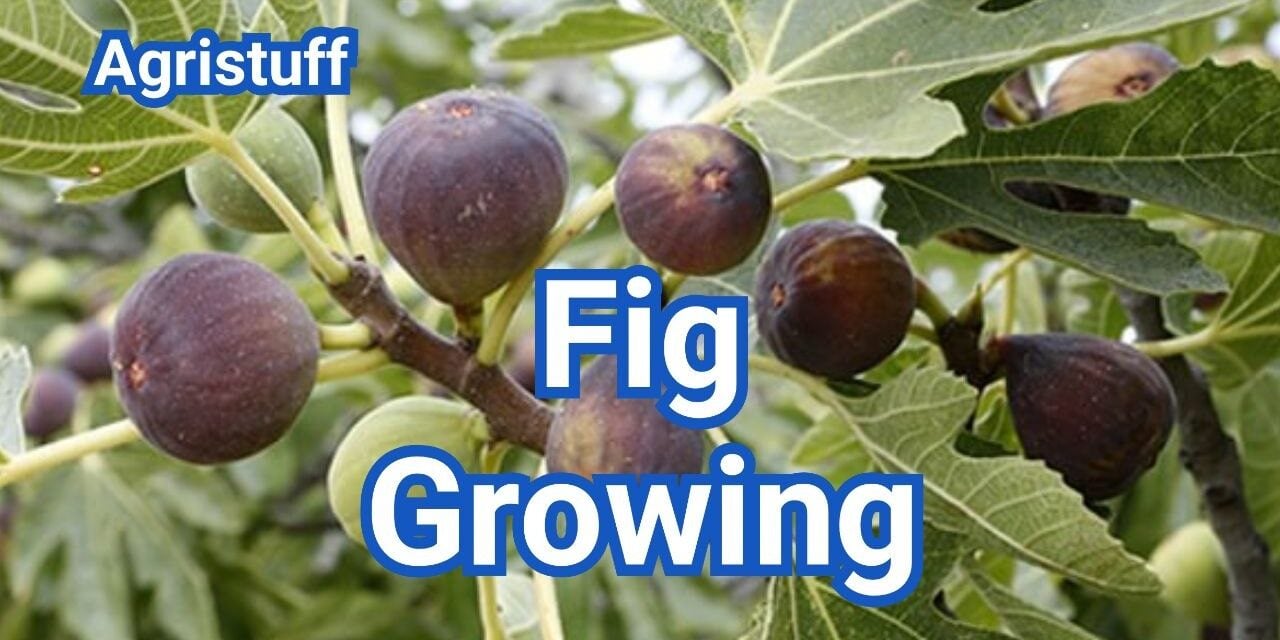
Fig Growing means cultivating the edible fig, Ficus carica, for fruit in the ground or in containers. This deciduous member of the mulberry family can be managed as a tree or a multistem shrub, and its tiny flowers develop inside the enclosed structure that becomes the edible fig. NC State Extension: common fig plant profile.
Quick Answer: Successful Fig Growing starts with a locally adapted cultivar, approximately eight hours of direct summer sunlight, and soil that drains freely. Maintain consistent moisture during establishment and fruit development, keep fertilizer applications moderate, and plan winter protection where cold injury is likely. Choose a location with enough room to manage the mature plant and reach its fruit. Clemson Cooperative Extension: fig care fundamentals.
A warm, sunny yard can support a productive fig tree, but successful fig growing depends on local winters and space. Sunlight, drainage, climate fit, and seasonal care all shape the harvest you can expect each year. A fig can grow in the ground or in a container, so even a small patio can offer room to start.
The breba crop is the early fig crop that grows on the previous season’s wood. Some trees also produce a main crop later in the year, on new growth. Your local climate and the tree’s form affect how much fruit ripens, so a first harvest may take patience.
You do not need a large orchard to get started. The right variety, a suitable spot, and a few steady habits can help you make good use of the space you have.
Key Takeaways
- Match a fig variety to your local winter temperatures and growing season.
- Choose a sunny site with soil that drains well.
- Use a pot when ground space is limited or winter protection requires moving the tree.
- Keep soil evenly moist, but do not let roots sit in water.
- Check fruit softness before picking, since figs do not ripen off the tree.
You’ll find a clear path from choosing a site and variety to harvesting ripe fruit, starting with climate and cultivar selection.
Which Fig Varieties Fit Your Climate?
A variety that thrives in a hot, dry yard may not be the best choice for a humid or cold site. Cold hardiness and the length and warmth of your growing season both affect whether figs will ripen reliably. Zone 7 is generally the coldest zone described as safe without winter protection.
Choose for your winter lows and growing-season warmth, not just for a variety’s flavor. Zone 7 is generally the coldest zone considered safe without protection.
Match cold tolerance to your growing zone
Common figs are often grown in USDA Zones 5-11, with protection in colder areas. Growers in Zones 5 and 6 can use containers or winter protection. A listing for a zone describes typical hardiness, not a guarantee that every tree will survive every winter.
Variety choice also depends on summer warmth. In a short or cool growing season, fruit may not mature before cold weather returns. A tree that handles local winters but cannot ripen fruit during your summer may disappoint.
Compare four backyard varieties
This comparison helps narrow down fig varieties by their listed zones and climate fit. For types of fig trees with pictures, use labeled cultivar photos alongside the names below, so you can connect each variety’s appearance with its growing needs.
| Variety | Skin and flesh | Flavor or use | Listed zones | Climate fit |
|---|---|---|---|---|
| Black Mission | Purple-black skin, pink flesh | Sweet, fresh eating or drying | 6-11 | Hot, dry conditions |
| Hardy Chicago | Purple-brown skin, red flesh | Sweet, fresh or preserved | 6-10 | Adaptable to most climates |
| Celeste | Light brown skin, pink flesh | Sweet, fresh eating | 6-10 | Humid climates |
| Kadota | Green-yellow skin, amber flesh | Mild, fresh or preserved | 6-10 | Hot, dry conditions |
What to consider when growing figs in California
Fig growing in California still calls for matching the variety to local conditions. Coastal locations, inland valleys, and higher elevations can have different winter lows and summer warmth. The state is not one uniform growing climate, so consider your own location’s seasons before choosing.
With the cultivar narrowed down, turn to the yard’s light, drainage, and available space.
Where Should You Plant a Fig Tree?

Start by tracking how much direct sun the proposed spot receives during the growing season. Fig trees need full sun, generally at least 6-8 hours of direct sunlight daily. Eight hours is a useful target in a South Carolina growing site during the growing season.
Choose a sunny place with well-drained soil and enough room for mature growth. A fig tree planted in shade or waterlogged ground may grow leaves without producing a strong crop. Check the site on more than one day, since nearby trees and buildings can cast long shadows.
Use this five-point site checklist before choosing a final planting spot:
- Daily sun: Count at least 6-8 hours of direct sunlight during the growing season.
- Ground drainage: Avoid soggy low spots where water lingers after rain.
- Mature room: Leave space for the tree’s canopy and roots to expand.
- Wind exposure: Note strong gusts that could stress a young tree or its branches.
- Nearby competition: Look for grass or weeds that compete for water and nutrients.
In colder locations, a warm microclimate beside a structure may help shelter the tree. Avoid planting close to other plants that compete heavily for light, water, or root space. Grass and weeds near the trunk can also make it harder to keep the root area clear.
What should you avoid planting near a fig tree? There is no universal list of incompatible plants. Instead, give the tree room to receive direct sunlight and access moisture without close competition from nearby roots.
Once the spot passes those checks, prepare the soil and plant at a suitable time.
How Do You Plant a Fig Tree?
A young tree establishes most readily when its roots meet prepared soil at a mild point in the local season. Spring planting after the last frost is a common approach, while early fall can suit warmer climates. Set a young tree 2-4 inches deeper than it sat in its nursery pot.
Choose a healthy young tree or rooted cutting, then plant it in a sunny location with good drainage. Dormant bare-root trees and container-grown trees can have different planting windows, so use the tree’s condition and local season to guide timing.
Follow these five steps to establish a fig plant in the ground:
- Prepare the site by loosening the soil in the planting area and removing grass or weeds.
- Slide the tree from its container and gently loosen roots that circle the root ball.
- Set the tree in the hole, positioning the root ball 2-4 inches below its nursery-pot level.
- Backfill with soil, firm it gently around the roots, and water the planting area in.
- Spread a 2-3-inch layer of mulch over the root area, keeping it away from the trunk.
Do not pull hard on tangled roots or pack the backfill tightly. Roots need contact with the surrounding soil, but they also need air and a path for excess water to drain. A shallow basin around the planting area can help direct water toward the roots.
For a newly rooted cutting, handle the roots carefully and keep the young plant steady as you backfill. Water the soil in after planting, then watch for settling. If the soil drops around the root ball, add a little more to keep the roots covered.
Spring planting gives a young tree time to grow before winter in many locations. In warmer climates, early fall may also work, but avoid planting when heat or cold will put fresh roots under stress. After planting, decide whether the tree will stay in the ground or benefit from the flexibility of a pot.
How Do You Grow Figs in Pots?

A pot makes fig growing possible where there is no suitable garden bed or where winter protection requires moving the tree. Mobility is the main advantage, but containers restrict roots and dry faster than garden soil. Every fig container needs drainage holes.
Match the pot to the tree’s age and root system. A container that is far too large can hold more wet soil than the young roots can use. As the plant grows, it may need a larger home with enough space for roots and a stable base.
Choose a container for the tree’s stage
Use the age-based ranges below as a starting point. Choose a sturdy pot with holes that let excess water escape, and use a well-draining potting mix. A blocked drain can leave the root zone wet even when the surface looks dry.
| Setup | Typical space or pot size | Mobility | Key tradeoff |
|---|---|---|---|
| In-ground tree | Open garden space | Not movable | Roots have room, but winter shelter is harder |
| Young potted tree, 1-2 years | 3-5-gallon pot | Usually movable | Easy to move, but root space is limited |
| Mature potted tree, 2 or more years | 10-15 gallons or larger | Harder to move | More root room, with greater weight |
Keep a potted fig healthy in a small space
Fig growing in pots works well on patios and balconies where a tree cannot spread through a garden bed. A movable container can also help you shift a tree away from severe cold. Leave enough room around the pot to water it and check the drainage holes.
Container soil dries faster than ground soil, especially in summer. You may need to check it more often during hot weather or when the tree is actively growing. Do not rely on the pot’s surface alone; the top can dry while soil below remains damp.
Roots in a pot cannot draw moisture from surrounding ground, and their limited space also affects how the tree grows. Choose a pot you can move safely, or set it on a wheeled base if needed. Make sure it remains stable in wind and can drain without spilling water onto a walkway.
Whether the tree is in a pot or in the ground, its day-to-day success depends on moisture and soil conditions.
What Does Fig Growing Need Through the Season?
Check the soil before reaching for the hose, because wet and dry conditions call for different responses. Consistent moisture supports growth, but saturated soil can harm roots. About 1 inch of water per week from rain or irrigation is a general South Carolina guideline.
Keep the root zone moist rather than saturated, and adjust watering to soil and weather. Young trees need regular attention as roots establish. Established trees need water according to their soil moisture, rainfall, and growing conditions, not a rigid daily schedule.
Before fruit set, steady moisture helps the tree grow without large swings between dry and wet conditions. After fruit set, reduce watering if the soil stays wet, but do not let the root zone dry severely. Excess moisture after fruit set can dilute fruit sugars.
Consistent soil moisture can reduce fruit splitting, while too little water can contribute to fruit drop. Waterlogging can lead to root rot and weak growth. The goal is neither a dry root ball nor soil that stays soaked for long periods.
Check beneath the surface with a finger or small hand tool before watering. Warm soil and hot weather can dry faster than cold soil, which calls for less frequent watering. Containers also lose moisture faster than ground soil, so check pots more often during summer.
Mulch helps maintain even moisture by slowing evaporation from the soil surface. Keep the layer clear of the trunk, and still check the soil beneath it. Rainfall counts toward the weekly total, so recent showers may mean the tree does not need more water.
Once the watering routine is clear, consider whether the soil’s fertility calls for feeding.
What Soil and Fertilizer Help Figs Thrive?

A fig tree in healthy, moderately fertile soil may need less fertilizer than a potted tree. Start with a soil test before adding amendments to ground soil. Figs tolerate a range of pH, with a commonly recommended target of 6-7.5.
Container-grown fig trees usually need fertilizer, while ground-planted trees may need little in moderately fertile soil. Potting mixes hold a limited supply of nutrients, and nutrients can leach out through drainage. Poor ground soil may also call for feeding, but test results can help you avoid unnecessary additions.
Use these four checks before you feed:
- Soil test: Test ground soil before choosing an amendment or fertilizer.
- Visible growth: Look for steady growth rather than reacting to one damaged leaf.
- Container or ground: Potted plants are more likely to need regular nutrient replacement.
- Fertilizer directions: Follow the product label for amount and application timing.
Do not feed heavily or late in the growing season. A late flush of tender growth may not harden before cold weather. Excess nitrogen can also delay fruit maturity or reduce fruit quality, even when leaves look lush.
For ground-planted trees, a soil test can show whether the soil needs a change. Avoid adding fertilizer just because a tree has not fruited yet. Age, light, winter damage, and variety can also affect production.
Container plants have less soil to draw from, so they often need feeding during active growth. Follow the label rather than guessing at a stronger dose. A moderate approach protects roots and helps you avoid pushing leafy growth at the expense of fruit.
With soil and feeding addressed, shape the canopy so light reaches the fruiting growth.
How Should You Prune a Fig Bush or Tree?
A lightly managed canopy is easier to protect, harvest, and keep open to sunlight than an overcrowded one. Choose a form that fits your site: a bush can suit places where cold injury is common, while a tree form works where its structure can be maintained.
Prune dormant growth after leaves fall and before new growth begins. In South Carolina, winter pruning is best after the coldest weather has passed but before spring growth. Keep cuts clean and return them to a bud or branch rather than leaving bare stubs.
Choose a bush or tree form
A fig bush grows from several stems near the base, which can make it easier to manage after cold damage. A tree form has a trunk and higher canopy, so it needs enough space and a climate where the structure can be maintained. Either form should let light reach fruiting branches.
Do not remove healthy branches just to make the tree look tidy. Figs form fruit on growing wood, and the breba crop grows on the previous season’s wood. In a cold location, removing damaged wood may be necessary, but avoid cutting more than the tree needs.
Prune while dormant and pinch selectively
Use this four-item pruning checklist to keep the canopy in good shape:
- Dead or damaged wood: Remove branches that are broken or clearly dead.
- Crossing branches: Thin crowded growth that rubs against other branches.
- Open canopy: Keep enough space for light and air to move through the center.
- Unwanted suckers: Remove shoots that crowd the base or do not fit the chosen form.
Make each cut back to a bud or branch, not halfway along a stem. Bare stubs can die back and leave an untidy wound. Use selective cuts to guide growth rather than shearing the top into a flat shape.
Summer pinching is optional. Pinching the tips of selected shoots can bring a harvest about two weeks earlier, but it will not give every tree a larger crop. Try it on a few shoots first, then compare their timing with the rest of the tree.
The form and pruning routine should reflect the winter conditions the tree will face.
How Can You Protect a Fig Tree in Winter?

A fig’s winter plan should be set by expected low temperatures, not by the warmest days of summer. Winter lows of 5-10°F are safer for many varieties than 0°F, but cold injury varies by cultivar and branch condition. Zone 7 is generally the coldest zone considered safe without protection.
New branches that have not fully hardened can be more vulnerable than mature wood. A single temperature does not guarantee survival, since the cultivar, cold duration, and tree condition matter. Plan for the colder stretches your yard may face.
| Growing setup | Winter risk | Practical protection | Temperature guidance |
|---|---|---|---|
| Zones 5-6 | High risk of cold injury | Wrap or insulate an in-ground tree, or use a movable pot | Many varieties fare safer at 5-10°F than at 0°F |
| Zone 7 | Generally safe, with some risk | Use a protected microclimate or suitable wrapping | Coldest zone generally safe without protection |
| Container in Zones 4-8 | Roots and branches can face severe cold | Move the pot to a stable protected location | Store between 15°F and 50°F |
In Zones 5 and 6, a sheltered spot beside a structure may offer a warmer microclimate. In-ground growers can use suitable wrapping or insulation to protect the tree. Choose a method that stays in place and does not trap standing moisture against branches.
A movable pot is useful in cold climates, but it still needs a stable winter location. For container fig trees in Zones 4-8, a stable location kept between 15°F and 50°F can offer protection. Avoid treating that range as a promise for every variety or growing setup.
After the cold-season plan, set realistic expectations for growth and the first dependable crop.
How Long Does a Fig Tree Take to Grow and Fruit?
A healthy fig tree can take a few seasons to establish before it gives a dependable crop. Many trees begin bearing in their second or third year, though young, vigorous plants can take three or four years to produce reliable edible fruit.
Growth depends on warmth, water, light, and variety, so there is no fixed promise of a fast crop. A tree in a warm, sunny place may grow more actively than one in a cool or shaded site. Winter injury can also set growth back.
Some fig trees produce two crops. The breba crop grows on the previous season’s wood and ripens in early summer. The main crop grows on current season’s wood and ripens in summer or later. Some varieties produce only one crop.
Cold-damaged stems can remove the wood that would have carried an early crop. A tree may still grow new branches after winter damage, yet lose its breba crop for that year. The main crop depends on new growth and the warmth remaining in the season.
Fruit may take about 70-130 days from formation to ripen, depending on variety and soil temperatures. A cool stretch can slow development, while warm conditions can help fruit mature sooner. The same tree may ripen its crop at a different pace from year to year.
Age, climate, and fruit formation all affect crop timing. A young tree may put its energy into roots and branches before it produces much fruit. If a mature tree does not fruit, check its light and winter history, along with whether its variety suits the local season.
Understanding the crops makes the tree’s flowers and pollination requirements easier to interpret.
What Are Fig Flowers and How Do Fig Trees Set Fruit?

A fig’s flower is hidden inside the structure that later develops into the fruit. The fig syconium is a hollow, fleshy structure lined with tiny flowers, not a typical blossom displayed on a stem. The flowers are inside, which is why you rarely see a fig tree flowering in the usual way.
Common figs are self-fertile and do not require pollination by the fig wasp to set fruit. Other fig types depend on pollination by a specialized wasp. That wasp does not survive in some climates, which can make those types impractical for local backyard growers.
Where the flowers are and how pollination works
The tiny flowers grow along the inside of the syconium. As the structure develops, it becomes the fig you recognize. Since the flowers are enclosed, pollination works differently from the familiar process of insects visiting an open garden bloom.
Some fig types rely on a particular fig wasp to carry pollen between plants. The wasp and the fig have a close relationship, but the insects do not live everywhere. A type that depends on them may fail to set fruit in a place where the wasp cannot survive.
Why common figs can fruit without a wasp
Common figs can set fruit without fig-wasp pollination. Choosing a common, locally suitable variety means your harvest does not rely on a pollinator that may not live in your area. This is a practical reason to confirm a variety’s type before planting.
The so-called gross truth is less dramatic than it sounds: fig flowers grow inside the structure, and some types rely on specialized wasps. That does not mean every edible fig contains a wasp. Common backyard figs do not need wasp pollination to set fruit.
If you are choosing a tree for a home garden, focus on the type that can fruit in your climate. The hidden flowers explain why a fig looks unusual, but they do not change the basic care routine. Once fruit has developed, the next skill is knowing when it is ripe enough to pick.
How Do You Know When Figs Are Ripe?

Feel the neck of the fruit rather than judging ripeness by color alone. A ripe fig’s neck softens, and the fruit often droops. Softness at the neck is a better check than color or cracking, which can vary among figs.
Figs do not ripen off the tree. Pick only fruit that has softened and drooped. Latex at the neck or stem after picking is a sign that a fig was underripe, so leave firm fruit on the tree longer.
Handle ripe fruit gently because the skin and flesh can bruise easily. If you pick a fig too early, setting it on a counter will not finish the ripening process. It may soften, but it will not develop the same ripe flavor as fruit left on the tree.
Latex from underripe fruit can irritate skin. Keep it away from your eyes and mouth, and wash your hands after handling it. If latex gets on your skin, rinse the area with water rather than rubbing it toward your face.
What is the best way to eat figs? Eat a ripe fig fresh for a simple option, or dry or cook the fruit. Fresh figs can be enjoyed as they are, with no special preparation beyond a gentle rinse.
Pick only what you can use soon, since ripe figs are delicate. Check the fruit by touch and give firmer figs more time on the tree. If the harvest is still far away, propagation offers a way to start another tree.
How Can You Propagate Fig Trees?

A cutting is usually the simplest route when the goal is to reproduce a tree with known fruit. Cuttings clone the parent, while seed-grown trees can differ from the tree that produced the fruit. Fig cuttings about 6-12 inches long can root in moist soil or water in about 2-4 weeks.
Air layering also makes a clone, but the branch stays attached while roots form. Seed is an option for experimentation, not a dependable way to repeat a favorite variety. The methods differ in timing and in how predictable the result will be.
Grow a fig tree from a cutting
For how to grow a fig tree from a cutting, start with a healthy piece of young wood about 6-12 inches long. Place it in moist, well-drained rooting conditions, either in soil or water. Keep the medium moist, not saturated, and check for roots after about 2-4 weeks.
Once roots form, handle the cutting gently. Newly formed roots can break if you tug on the stem to test it. Give the young plant time to establish before moving it into a larger space or exposing it to harsh conditions.
Make a clone with air layering
Air layering roots a branch while it remains attached to the parent tree. A section of branch is encouraged to form roots before you cut it free. An air layer can be ready to separate after about 1-3 months, though the branch must show roots before you remove it.
This method can suit a branch that is difficult to bend down to the ground. Keep the rooting area moist while it develops. When roots are visible and established, separate the new plant and handle it carefully as it begins life on its own.
What happens when you grow figs from seed
Fig growing from seed can produce a tree unlike the parent, and it may not produce desirable fruit. Seed-grown trees may take several years to fruit. Their results are less predictable than a cutting or air layer from a tree with fruit you already like.
| Method | Starting material | Typical timeline | Likely result |
|---|---|---|---|
| Cutting | 6-12-inch piece of young wood | Roots in about 2-4 weeks | Clone of parent tree |
| Air layering | Attached branch | Ready in about 1-3 months | Clone of parent tree |
| Seed | Fig seed | Several years to fruit | May differ from parent |
New trees can still encounter familiar growing problems, so finish by checking the most common reasons for poor performance.
What Can Keep a Fig Tree From Thriving?

A poor crop or dropping leaves usually points to a growing condition worth checking before replacing the tree. Start with the symptoms and look at light, age, cold injury, and soil. Root-knot nematodes can damage fig roots, and fig rust often appears on leaves in late summer.
Check growing conditions and root health before replacing a fig tree. Poor fruiting or dropping leaves can have more than one cause.
Use this troubleshooting list to choose a sensible first check:
- Failure to fruit: A young tree may need more time. Too little sun, cold-damaged wood, excess fertilizer, or an unsuitable variety can also limit production.
- Premature fruit drop: Check for moisture stress and recent cold damage, especially on a young tree.
- Yellowing or dropping leaves: Look for wet roots, root-knot nematodes, or late-summer rust on leaves.
- Souring fruit: Gas bubbles, scummy material, and a fermented odor can point to fruit souring.
A fig tree itself is not a mosquito breeding site. Standing water near it can support mosquitoes, while fallen fruit can attract other insects. Clear seasonal fruit from beneath the canopy to limit the mess and reduce unwanted visitors.
Growing figs also takes space for roots and canopy, plus winter protection in cold areas. The fruit needs seasonal cleanup, and latex from underripe figs can irritate skin. These practical downsides are manageable when you plan for them before planting.
Use the final checklist to choose one appropriate next step for the tree you have.

Quick checklist
- Check your USDA hardiness zone and ask which cultivars reliably ripen fruit in your county.
- Select a named edible fig cultivar from a reputable nursery.
- Observe the planting location through the day to confirm adequate summer sunlight.
- Avoid low spots where water remains after rain.
- Test the soil before adding lime or making major fertilizer applications.
- Allow room for the mature canopy, harvesting access, and any winter covering.
- Choose a container you can move if winter protection will require indoor storage.
- Check moisture beneath the soil surface instead of watering by a fixed calendar.
- Identify whether your expected harvest comes from new shoots, overwintered wood, or both.
- Inspect ripening fruit frequently and prepare to refrigerate, freeze, or use the harvest promptly.
Common mistakes to avoid
- Choosing only by a hardiness label: Confirm that the cultivar also ripens fruit during your local growing season.
- Planting in a shaded corner: Check summer sunlight before planting; nearby trees can reduce light as they leaf out.
- Ignoring drainage: Correct persistent wetness or choose a better site before establishing the tree.
- Using garden soil in a small container: Choose an appropriate potting mix that maintains drainage and root aeration.
- Fertilizing every disappointing tree: First check age, cold damage, water stress, and cultivar suitability.
- Pruning every cultivar the same way: Preserve the wood needed for the crop you intend to harvest.
- Waiting until a freeze to plan storage: Make sure the container fits through doors and can be moved safely.
- Picking hard fruit too early: Use softness, drooping, and cultivar-specific appearance to judge readiness.
- Overlooking harvest labor: Allow time to inspect, pick, refrigerate, and preserve fruit during the harvest period.
Costs and ROI snapshot
The economics of Fig Growing depend on the production system, winter losses, and how much usable fruit reaches your kitchen or customers. A backyard planting can provide household food value, while a small farm must also account for picking, packing, cooling, marketing, and unsold fruit. University of Kentucky’s crop profile highlights both the opportunity for local fresh-fig sales and the risks created by perishability and winter injury. University of Kentucky: fig production and market considerations.
| Cost driver | What increases spending | What can improve value |
|---|---|---|
| Plant purchase | Large specimens, shipping, and replacement of unsuitable cultivars | Starting with a healthy, locally adapted plant |
| Container system | Large pots, potting mix, wheeled stands, and future repotting | Choosing a manageable system that makes winter protection practical |
| Water and nutrition | Hot summers, rapidly drying containers, and unnecessary fertilizer | Moisture checks, mulch, and measured nutrient applications |
| Winter protection | Wrapping materials, storage space, moving labor, and cold damage | Protecting established stems and selecting suitable cultivars |
| Harvest and handling | Frequent picking, refrigeration, packaging, and spoilage | Accessible plants, prompt handling, and a plan for surplus fruit |
A soil test is one modest, evidence-based expense to include in a Fig Growing budget. University of Maryland Extension lists basic tests at approximately $11–$30 before mailing costs, although the selected laboratory and additional analyses affect the total. Confirm the laboratory’s current fee and use its recommendations to avoid buying amendments your soil does not need. University of Maryland Extension: soil-testing costs and services.
- Illustrative household calculation: Assume $120 in initial setup costs, $20 in annual cash expenses, and a replacement value of $6 per pound of fruit. These are hypothetical inputs for demonstrating the calculation, not surveyed prices or expected yields.
- If you use 10 pounds annually: The assumed fruit value is $60; subtracting $20 in annual expenses leaves $40 toward recovering setup costs.
- Simple payback under those assumptions: $120 divided by $40 equals three productive years. Establishment years, unpaid labor, replacement plants, and additional equipment are excluded.
- If usable harvest falls to 5 pounds: Annual value becomes $30, leaving only $10 after the same expenses; simple payback extends to 12 productive years.
- For a small farm: Use the price actually received for saleable fruit and include labor, packaging, cooling, market fees, and losses. Household replacement value is not farm revenue.
- When the investment makes sense: You have a suitable site, can provide seasonal care, and expect to use or sell the harvest. Test a few plants before expanding.
FAQ
How long does a fig tree take to bear fruit?
A substantial crop often takes about three to four years after planting, although some cultivars produce smaller crops sooner. Fig Growing timelines vary with cultivar, plant size, climate, and winter damage; LSU AgCenter notes that LSU Purple can produce small crops within one to two years. Treat early fruit as a possibility rather than a purchase guarantee. LSU AgCenter: fig establishment and bearing age.
Do I need two fig trees or fig wasps to get fruit?
No second tree or fig wasp is needed for common fig cultivars such as Chicago Hardy, Celeste, and English Brown Turkey. These plants produce fruit without pollination, which simplifies backyard Fig Growing. Other fig types have different requirements, so confirm the type before purchasing an unfamiliar cultivar. Iowa State University Extension: fig types and pollination.
Can I grow a fig tree from a cutting?
Yes, figs can be propagated from stem cuttings or by layering a branch until it develops roots. For Fig Growing, use material from a healthy, correctly identified plant with proven local fruit production. A purchased rooted plant can be more convenient for beginners who want to skip the rooting stage. NC Cooperative Extension: propagating backyard figs.
Do fig trees lose their leaves in winter?
Yes, edible fig trees are deciduous and normally shed their leaves as they enter dormancy. In container Fig Growing, seasonal leaf drop signals a major reduction in water demand, but the roots should not be allowed to dry completely. Keep overwintering plants in an appropriately protected location and check moisture occasionally. University of New Hampshire Extension: overwintering container perennials.
Do fig trees need a lot of water?
Fig trees need about 1 inch of water per week as a general South Carolina guideline, adjusted for rain, soil, heat, and container conditions. Keep the soil moist but not saturated. Young trees need regular checks as they establish, while mature trees should be watered according to the soil and weather, not a fixed daily schedule.
Is a fig tree a fast-growing tree?
A fig tree’s growth depends on warmth, light, water, and variety, so it is not reliably fast-growing in every yard. Many trees begin bearing in their second or third year. Young, vigorous trees can still take three or four years to produce reliable edible fruit, especially where growing seasons are cool or winter damage slows growth.
What are the downsides of growing fig trees?
Fig trees need room for roots and canopy, and growers in cold areas may need to protect them in winter. Fallen fruit needs seasonal cleanup and can attract insects. Underripe figs release latex that can irritate skin, so handle the fruit carefully and keep the sap away from eyes and mouths.
Do fig trees attract mosquitoes?
No, a fig tree itself is not a mosquito breeding site. Standing water near the tree can support mosquitoes, so empty saucers and other containers that collect water. Fallen fruit can attract other insects, making seasonal cleanup useful for keeping the area around the tree tidy.
What not to plant near a fig tree?
Avoid close competition for sunlight, moisture, and root space, especially from grass and weeds around the tree. There is no universal list of plants that cannot grow near figs. Instead, leave enough space for the fig’s canopy and roots, and watch whether nearby plants shade it or draw heavily from the same soil.
When should you not eat figs?
Do not eat figs that are moldy, fermented, or spoiled. Underripe fruit is not ready to eat, and its latex can irritate skin. Keep the sap away from your eyes and mouth. A ripe fig should have a soft neck, while firm fruit needs more time on the tree.
What is the gross truth about figs?
Fig flowers grow inside the fig structure, and some fig types rely on specialized wasps for pollination. Common backyard figs are self-fertile and do not need wasp pollination to set fruit. So the hidden-flower fact does not mean every edible fig contains a wasp or depends on one.
Final Thought
Fig Growing is a manageable backyard project when the plant, location, and care routine fit together. Start with a locally suitable cultivar, provide sunlight and drainage, and keep the tree accessible enough to maintain and harvest. A well-chosen planting can provide both useful fruit and an attractive feature in the home landscape. University of Georgia Extension: figs in the home landscape.
Sources & References
- University of Arizona Cooperative Extension: Growing Figs in the Home Garden
- University of Arizona Cooperative Extension: Growing Common Figs in the Low Desert
- LSU AgCenter: History of the Fig Breeding Program and Released Cultivars
- NC State Extension Plant Toolbox: Celeste Fig
- NC State Extension Plant Toolbox: Brown Turkey Fig
- Mississippi State University Extension: Fruit and Nut Review—Figs
- University of Minnesota Extension: Mulching for Soil and Garden Health
- University of New Hampshire Extension: Using Fertilizers and Potting Soil to Grow Plants
- USDA: How to Use the Plant Hardiness Zone Maps
- University of Georgia Extension: Propagating Deciduous Fruit Plants Common to Georgia