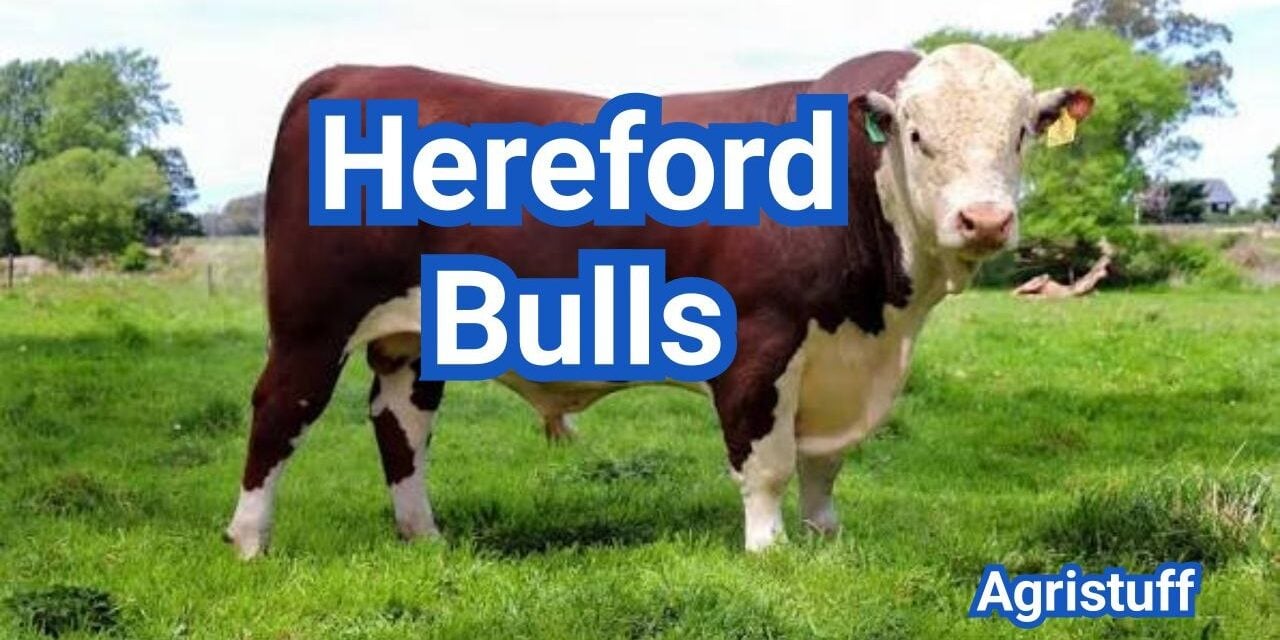
Selecting the right sire is a critical decision for any commercial or registered cattle operation in the United States. Hereford Bulls remain a top choice for producers who prioritize growth, maternal performance, and overall herd efficiency.
To make a sound purchase, you must look beyond simple appearance. Evaluating Hereford bull weight, frame size, and temperament provides a baseline for your herd’s future. However, these physical traits are only part of the story.
Successful breeding programs rely on a balance between objective data and physical inspection. By analyzing Hereford bull EPDs alongside structural soundness, you can predict long-term success. Furthermore, prioritizing Hereford bull fertility ensures that your investment translates into a higher calf crop percentage. This guide connects these essential records with practical field observations to help you make an informed decision.
Key Takeaways
- Focus on balancing genetic data with physical structural integrity.
- Use EPDs to predict growth and maternal performance accurately.
- Prioritize fertility metrics to improve your annual calf crop.
- Consider temperament and frame size for easier herd management.
- Combine objective records with visual inspection for the best results.
Choosing Hereford Bulls for a Productive U.S. Cow Herd
Building a productive U.S. cow herd begins with a clear understanding of your genetic goals. Before you invest in new genetics, you must evaluate how a specific animal fits into your long-term management plan. A well-planned strategy ensures that every dollar spent on a sire contributes to the overall efficiency of your operation.
Define the breeding objective before evaluating a bull
Every producer should establish a firm breeding objective before looking at potential sires. You must decide if your primary focus is on producing replacement females, terminal calves for the feedlot, or a balanced approach that covers both. By setting clear targets for calving ease, growth rates, and longevity, you can filter out animals that do not meet your specific needs.
Consider the following priorities when defining your goals:
- Replacement potential: Focus on maternal traits and milk production.
- Terminal performance: Prioritize carcass quality and feedlot growth.
- Calving ease: Essential for operations using heifers as first-calf mothers.
- Environmental adaptability: Ensure the genetics match your local climate and forage availability.
What distinguishes a Hereford bull from a cow, heifer, and steer
It is vital to understand what distinguishes a Hereford bull from a cow, heifer and steer to manage your herd effectively. A bull is the primary paternal breeding animal, selected specifically to pass on superior traits to the next generation. In contrast, cows and heifers represent your female breeding stock, while steers are castrated males typically raised for beef production.
Each category serves a distinct function in the lifecycle of a cattle operation. While a Hereford bull is chosen for his ability to improve the herd’s genetic profile, steers are managed for weight gain and meat quality. Confusing these roles can lead to poor management decisions and lost revenue.
Balance genetics, structure, fertility, disposition, and adaptability
A visually impressive animal can still fail your breeding objective if he lacks the necessary functional traits. You must look beyond the surface to ensure the bull possesses the structural integrity required for a long, active life in the pasture. A bull with poor feet or legs will struggle to cover cows, regardless of his genetic potential.
Always prioritize a balance of the following characteristics:
- Structural soundness: Proper skeletal alignment for movement and longevity.
- Fertility: Proven ability to settle cows during a defined breeding season.
- Disposition: A calm temperament is essential for safe handling and herd management.
- Adaptability: The ability to maintain body condition in your specific environment.
By focusing on these core areas, you ensure that your Hereford bull investment pays off in the form of healthy, productive calves. Remember that the best sire is one that complements your existing herd while pushing your production goals forward.
Hereford Bull Weight, Frame, and Physical Development

When selecting a herd sire, evaluating the physical structure and growth potential is a critical step. A bull’s physical development directly influences his ability to cover cows and maintain body condition throughout the breeding season. Producers must look beyond simple numbers to understand how frame and mass contribute to overall herd efficiency.
Typical mature weight and frame of a Hereford bull
The typical mature weight and frame of a Hereford bull are not fixed values but rather a range influenced by breeding goals. Frame score serves as a useful tool to estimate the skeletal size of an animal at a specific age. Selecting for moderate frame size often leads to better forage utilization and lower maintenance costs in commercial operations.
How much does a mature Hereford bull weigh?
You might ask, how much does a mature Hereford bull weigh? The answer depends on his genetic background, his current body condition score, and the nutritional plane he has experienced. While some bulls may reach 2,200 pounds, others thrive at a more moderate 1,800 pounds depending on the environment.
The mature Hereford bull weight is a reflection of his lifetime development. It is important to remember that a heavier bull is not always a more productive bull. Efficiency remains the primary goal when balancing size against the available resources on your ranch.
Evaluate growth from weaning through maturity
Tracking growth from weaning to yearling stages provides a clearer picture of a bull’s genetic potential. However, be cautious when evaluating bulls in high-condition, sale-day states. Excessive fat cover can hide structural flaws or create a false impression of true growth performance.
Always prioritize structural integrity over temporary weight gains. A bull that maintains his frame and muscle development on a standard forage diet is often a better long-term investment. This approach ensures that the hereford bull weight you see on paper translates to real-world performance.
Recognize the effect of feed and environment on weight
Environmental factors, such as regional forage quality and climate, play a massive role in how a bull develops. A bull raised in a high-input environment may show a higher mature hereford bull weight than his genetic siblings raised on sparse, native range. Understanding these variables helps you make an informed decision about how a bull will adapt to your specific operation.
| Development Stage | Primary Focus | Weight Influence |
|---|---|---|
| Weaning | Genetic Potential | Dam’s Milk/Forage |
| Yearling | Structural Growth | Supplementation |
| Mature | Maintenance | Environment/Forage |
Ultimately, how much does a mature Hereford bull weigh? It is a question of balance. By focusing on moderate, functional frames, you ensure your herd remains productive and profitable for years to come.
Horned and Polled Hereford Bulls: Traits and Management Differences
When selecting a herd sire, producers often weigh the practical implications of choosing between horned and polled Hereford bulls. While both types share the breed’s legendary hardiness and efficiency, their physical differences can influence your daily ranch operations. Understanding these traits helps you make an informed decision that aligns with your specific facility capabilities and labor availability.
Hereford bull horns and the horned Hereford bull
The traditional horned Hereford bull is recognized for its classic appearance and robust head structure. These animals possess natural horns that grow from the skull, which historically served as a defense mechanism in open range environments. Today, producers must manage these horns carefully to prevent injuries to other cattle or handlers during transport and processing.
The polled Hereford bull and polled inheritance
The polled Hereford bull carries a dominant genetic trait that results in the absence of horns. This trait is highly sought after in modern commercial operations because it eliminates the need for dehorning procedures. When you select a homozygous polled sire, you can significantly increase the percentage of hornless calves in your herd, which improves overall safety and reduces stress during weaning.
Horned vs. polled Hereford bulls in commercial programs
When comparing horned vs polled Hereford bulls, the primary consideration is management efficiency. Polled genetics often simplify the handling process, as there is no risk of horn-related bruising or entanglement in fences. However, producers should prioritize fertility, structural soundness, and growth performance regardless of the animal’s horn status. How do horned and polled bulls differ? Primarily in their physical handling requirements rather than their fundamental ability to produce high-quality beef.
| Feature | Horned Hereford | Polled Hereford |
|---|---|---|
| Dehorning Needs | Required for safety | None |
| Handling Risk | Higher (bruising) | Lower |
| Genetic Trait | Recessive | Dominant |
| Market Demand | Traditional/Show | Commercial/Efficiency |
Inspect the head, skull, eyes, and horn or poll area
Before finalizing a purchase, perform a thorough physical inspection of the bull’s head. Check the eyes for signs of irritation or pinkeye, which can be more common in certain environments. Examine the jaw for proper alignment and ensure the skull shows no signs of previous injury or infection. If the bull is horned, inspect the base of the horns for any cracks or abscesses that might indicate poor health or improper past management.
Hereford Bull Breeding Age, Fertility, and Productive Life

A bull’s ability to perform in the pasture is not determined by age alone, but by a combination of physical maturity and reproductive health. While young bulls may exhibit natural breeding behavior, they often lack the physical stamina required for a full season. Producers must look beyond simple chronological age to ensure their investment is ready for the rigors of the breeding pasture.
At what age can a hereford bull begin breeding?
Many producers ask, at what age can a hereford bull begin breeding? While some bulls show interest as early as 12 to 14 months, true readiness depends on individual development. A bull must reach sufficient body weight and structural maturity before he can handle the physical demands of servicing multiple cows.
Rushing a young bull into service can lead to exhaustion and long-term injury. It is vital to monitor his growth and ensure he has reached a frame size appropriate for his age. Proper nutrition during the development phase is the foundation for a successful start to his working life.
Breeding age and productive life
The question of how long can a hereford bull remain productive? is a primary concern for herd profitability. Breeding age and productive life are influenced by a bull’s structural soundness, temperament, and overall health. A well-managed bull can remain active for many years if he is not pushed beyond his physical limits during his first season.
Longevity is a management outcome. By preventing injuries and maintaining a balanced body condition, you extend the years of service your bull provides. Regular monitoring of his ability to cover cows ensures that he remains a valuable asset to your operation.
Hereford bull fertility beyond visible masculinity
True hereford bull fertility is not merely about outward appearance or secondary sex characteristics. A bull may look masculine but fail to settle cows due to poor semen quality or structural limitations. Evaluating scrotal circumference is a critical step, as it serves as a reliable indicator of sperm production potential.
Furthermore, the importance of feet, legs and scrotal circumference cannot be overstated. If a bull cannot travel comfortably across the pasture, his libido and ability to breed are severely compromised. Always prioritize structural integrity alongside reproductive metrics to ensure consistent performance.
What a Breeding Soundness Examination should include
Every prospective sire should undergo a professional breeding soundness examination before being turned out with the herd. This breeding soundness exam provides an objective assessment of the bull’s potential. When asking what should a breeding soundness exam include?, consider the following essential components:
- Physical Examination: A thorough check of the eyes, teeth, and overall body condition.
- Structural Assessment: Evaluation of feet, legs, and gait to ensure mobility.
- Scrotal Evaluation: Measurement of scrotal circumference to ensure it meets minimum breed standards.
- Semen Analysis: Microscopic evaluation of semen quality, including motility and morphology.
- Libido Assessment: Observation of the bull’s desire and ability to seek out cows in heat.
A successful breeding program is built on the foundation of healthy, fertile sires that are physically capable of performing their duties in diverse environments.
How to Interpret Hereford EPDs for Sire Selection
Hereford bull EPDs serve as a powerful roadmap for breeders aiming to improve their cattle performance. Learning how to interpret Hereford EPDs allows you to make data-driven decisions that align with your specific production environment. These numbers provide a standardized way to compare the genetic potential of different sires across the United States.
Use Hereford EPDs as a comparison tool, not a guarantee
It is vital to remember that EPDs are estimates of genetic merit, not absolute guarantees of performance. They are most effective when used to compare animals within the same contemporary group or breed population. By focusing on the differences between two bulls, you can predict the average performance of their future offspring.
Calving-ease EPDs for heifers and mature cows
When asking which epds matter when breeding heifers?, the answer starts with the hereford calving-ease epd. The CED (Calving Ease Direct) predicts the likelihood of unassisted births in first-calf heifers, while BW (Birth Weight) provides context on the size of the calf. Additionally, MCE (Maternal Calving Ease) helps evaluate the ability of a bull’s daughters to calve without assistance.
Growth EPDs from weaning to yearling
Growth metrics are essential for producers focused on terminal performance or weight gain. The WW (Weaning Weight) EPD estimates the genetic influence on calf weight at weaning, while YW (Yearling Weight) tracks growth potential through the yearling stage. Balancing these numbers ensures your herd maintains optimal growth without sacrificing structural integrity.
Maternal traits in a retained-replacement program
For those keeping heifers, maternal traits are paramount. MM (Milk) and M&G (Milk and Growth) indicate the milking ability of a bull’s daughters, while SC (Scrotal Circumference) and SCF (Sustained Cow Fertility) are critical for long-term herd health. Furthermore, carcass epds and aha indexes, such as the $CEZ index, help balance calving ease with overall profitability.
| EPD Category | Key Metric | Primary Goal |
|---|---|---|
| Calving Ease | CED / BW | Reduce birth complications |
| Growth | WW / YW | Maximize weight gain |
| Maternal | MM / M&G | Improve daughter productivity |
| Fertility | SC / SCF | Enhance reproductive longevity |
Hereford Sire Selection: Matching Genetics to the Breeding Objective

Strategic breeding begins by defining exactly what you want your herd to produce. Successful hereford sire selection requires a clear vision of whether you are building a cow base or focusing on market-ready calves.
Maternal vs. terminal sire selection
Understanding the difference between maternal vs terminal sire selection is vital for long-term profitability. A maternal-focused bull is chosen to improve traits like fertility, milk production, and udder quality in replacement heifers.
Conversely, a terminal sire is selected to maximize growth rates and carcass merit in calves destined for the feedlot. You must decide if your primary goal is to retain daughters or to sell every calf at weaning.
“The bull is half the herd, but his influence on the next generation is the entire future of your operation.” — Anonymous
Set minimum and maximum targets for the herd
Establishing strict thresholds prevents genetic drift and keeps your breeding program on track. When considering a heifer bull vs mature-cow bull, you must set specific EPD limits for calving ease to avoid dystocia in first-calf heifers.
Do not ignore the upper limits, either. Setting a maximum mature size ensures your cows remain efficient and do not outgrow the nutritional capacity of your pasture.
| Selection Goal | Primary Focus | Key EPDs |
|---|---|---|
| Maternal | Replacement Females | Milk, CEM, Stayability |
| Terminal | Carcass/Growth | YW, Marbling, REA |
| Balanced | Dual-Purpose | BW, WW, YW, Milk |
Combine EPDs with phenotype and actual performance
Data provides a roadmap, but the physical animal tells the rest of the story. Always combine EPDs with a visual assessment of the bull’s structure, muscling, and movement.
A bull might have impressive numbers, but if he lacks the structural integrity to cover cows in rough terrain, his genetic potential will remain untapped. Actual performance records, such as adjusted weaning weights, provide context that EPDs alone cannot capture.
Evaluate a registered Hereford bull
When you invest in a registered Hereford bull, you are paying for documented history and predictable performance. Before finalizing a purchase, verify the pedigree and health documentation provided by the breeder.
Review the contemporary group data to see how the bull performed relative to his peers in the same environment. A high-quality registered Hereford bull should come with transparent records that allow you to make an informed decision for your specific operation.
Remember that the heifer bull vs mature-cow bull distinction is just one part of the puzzle. By mastering maternal vs terminal sire selection, you ensure that every dollar spent on genetics yields a measurable return.
Breeding Management, Bull-to-Cow Ratio, and Turnout Preparation
Effective breeding management starts long before you turn your bulls out into the pasture. Success depends on your ability to align your herd’s needs with the physical capabilities of your sires. Proper turnout preparation ensures that your bulls are ready to perform at their peak from the very first day of the season.
Set the bull-to-cow ratio
The ideal bull-to-cow ratio is never a one-size-fits-all number. You must consider the age of the bull, the size of the pasture, and the ruggedness of the terrain. A bull working in flat, small paddocks can cover more ground and more cows than one navigating steep, rocky hills.
Furthermore, the length of your breeding season and the use of synchronization protocols will influence your requirements. If you choose to synchronize your cows, you may need more bulls to handle the concentrated demand during a short window of time.
How many cows can one Hereford bull cover?
Determining how many cows can one Hereford bull cover? requires a realistic assessment of his maturity. A yearling bull is still developing and should be limited to a smaller group of cows to prevent exhaustion. Conversely, a mature, proven bull can handle a larger workload, provided he is in good physical condition.
| Bull Age | Pasture Terrain | Recommended Ratio |
|---|---|---|
| Yearling (12-15 months) | Flat/Small | 1:15 to 1:20 |
| Two-Year-Old | Moderate | 1:20 to 1:25 |
| Mature Bull (3+ years) | Large/Rugged | 1:25 to 1:40 |
Prepare a young bull for his first breeding season
Young bulls require extra attention during turnout preparation to ensure they survive their first season. You should verify that they have passed a full breeding soundness exam and are up to date on all vaccinations. It is also vital to check their body condition score; they should be in moderate flesh, not overly fat or thin.
Do not overlook the importance of hoof health. A bull with poor feet will struggle to mount cows and will quickly lose interest in breeding. Ensure they have been socialized with other bulls before turnout to reduce fighting and stress.
Manage multiple bulls in one breeding group
When running multiple bulls together, breeding management becomes a game of social dynamics. It is best to group bulls of similar age and size to minimize aggressive dominance battles. If you must mix ages, keep a close eye on the group to ensure the younger bulls are not being bullied away from the cows.
Always have a backup plan in case a bull becomes injured or proves infertile during the season. Rotating bulls between pastures can also help maintain high conception rates. By monitoring your herd closely, you can adjust your strategy to maximize your calf crop.
Hereford Bull Temperament, Handling, and Safety

A bull’s temperament is just as critical as his genetic potential when selecting a new herd sire. While high-performing genetics are essential for herd improvement, the daily reality of managing a large animal requires a focus on Hereford bull temperament. Producers must prioritize safety to protect themselves, their employees, and their livestock during routine operations.
Evaluate Hereford bull temperament before purchase
Before finalizing a purchase, observe the animal in various settings to gauge his disposition. Watch how the bull responds to people, pressure, and movement through gates or chutes. A bull that remains calm during sorting and transport is generally easier to manage in a commercial setting.
Pay close attention to how the animal reacts when separated from the herd or moved into a new environment. Consistent, predictable reactions are a positive sign of a stable Hereford bull behavior. If a bull shows signs of extreme stress or erratic movement, consider the long-term implications for your handling facilities.
Recognize dangerous behavior
Identifying warning signs early can prevent serious accidents on the farm. Be alert for aggressive indicators such as charging, pawing the ground, or persistent head swinging. These actions often signal that the bull is testing boundaries or feeling threatened.
Fence testing and aggressive attention toward handlers are major red flags. If a bull displays these behaviors during an inspection, it is wise to reconsider his place in your herd. Temperament and safe handling go hand-in-hand, and a bull with a volatile nature is a liability that no producer should accept.
Use safe handling practices
Even with a docile animal, you must maintain high standards for temperament and safe handling. Always ensure your facilities include clear escape routes and sturdy, well-maintained fencing. Never enter a pen with a bull without having a clear exit strategy or a secondary person nearby.
Utilize low-stress handling techniques to keep the animal calm during routine tasks. Group awareness is also vital, as bulls may behave differently when they are with cows compared to when they are isolated. Proper infrastructure reduces the risk of injury and keeps the work environment efficient.
Do not confuse quietness with guaranteed safety
It is a common mistake to assume that a quiet bull is a safe bull. A bull that appears docile during a sale inspection may change his demeanor once he is in a new environment or under the pressure of a breeding season. Never let your guard down simply because an animal seems calm.
Always treat every bull with the respect due to a large, powerful animal. Consistent Hereford bull behavior is a goal, but individual animals can be unpredictable. By maintaining professional safety protocols, you protect your operation from unnecessary risks while ensuring the long-term success of your breeding program.
Pre-Purchase Checklist and Red Flags for a Breeding Hereford Bull
Investing in a high-quality bull requires a systematic approach to ensure long-term herd success. Before you commit to a purchase, you must verify that the animal meets your specific operational standards.
Complete a records and health checklist
Start by reading registration papers and sale catalogs to confirm the animal’s pedigree and performance data. A reputable seller should provide a clear history of vaccinations, deworming, and any past medical treatments.
Ensure you have access to the animal’s EPDs and performance records. Transparency is vital when evaluating a registered Hereford bull, as these documents provide the foundation for your future calf crop.
Inspect the bull in motion and at rest
Observe the bull while he is standing still to check his overall body condition and structural alignment. Look closely at his feet, legs, and joints to ensure he can move comfortably across your pastures.
Watch him walk to identify any signs of stiffness or an uneven gait. A sound bull must have a strong back and a well-developed sheath to remain functional throughout the breeding season.
Confirm fertility and breeding readiness
Always request a current Breeding Soundness Examination (BSE) report from the seller. This document is the gold standard for confirming breeding readiness before the bull ever touches your cows.
The exam should verify adequate scrotal circumference and semen quality. Do not overlook the importance of this step, as it directly impacts your herd’s conception rates.
Identify the most important pre-purchase red flags
When reviewing your pre-purchase checklist and red flags, be wary of any missing health records or unexplained performance gaps. These omissions often signal underlying issues that could cost you money later.
Watch for specific pre-purchase red flags such as chronic lameness, aggressive disposition, or physical injuries. If a bull shows poor semen results or inadequate development, prioritize your herd’s breeding readiness by walking away from the deal.
Common mistakes to avoid
- Buying on appearance alone: screen fertility, genetics, and health before phenotype.
- Assuming heavier is always better: match mature size and growth to forage and marketing goals.
- Using BW instead of CE for heifers: treat birth weight as supporting information.
- Comparing raw EPD numbers across breeds: use within-breed values or valid across-breed adjustments.
- Selecting extremes in every trait: identify economically relevant optimums and manage antagonisms.
- Accepting an old BSE: fertility can change after illness, injury, cold, or heat.
- Overloading a yearling: reduce female numbers for age, terrain, synchronized estrus, or short seasons.
- Skipping biosecurity: isolate additions and verify reproductive-disease requirements.
- Ignoring the guarantee: put breeding-season dates, remedies, and responsibilities in writing.
- Budgeting only the winning bid: include maintenance, depreciation, interest, BSEs, health, risk, and salvage value.
Costs and ROI snapshot
The cost of Hereford Bulls should be measured per exposed female, pregnancy, or weaned calf rather than by purchase price alone. A 2026 Nebraska example compared bulls priced from $6,500 to $12,000 and showed how purchase value, useful life, cull value, cow numbers, calving rate, annual maintenance, injury, and death risk changed cost per calf. The higher-priced sire earned its premium only when added calf value exceeded added ownership cost, as demonstrated by the UNL Beef Bull Value Cow-Q-Lator example.
- Main ownership costs: purchase price, depreciation, interest or opportunity cost, insurance or death risk, and lost value from premature injury.
- Annual operating costs: forage, hay, supplement, mineral, veterinary work, BSE, parasite control, labor, fencing, and facilities.
- Return drivers: pregnancy rate, calves weaned, pounds or grid value added, replacement-daughter longevity, years of service, and salvage value.
- Often underestimated: off-season feeding, low cow numbers per sire, delayed calving from missed heats, and the cost of an open cow.
- Useful formula: annual bull cost = depreciation + capital cost + maintenance + health and risk costs; cost per weaned calf = annual bull cost ÷ calves weaned.
Leasing may be worth comparing with ownership when Hereford Bulls are needed for a small herd, a short season, or a temporary crossbreeding step. Oklahoma State’s January 2026 example used a $25 daily lease fee, insurance, weight-loss charge, and trichomoniasis test to total $2,025 for 60 days, or $135 per female when a 15-month-old bull covered 15 females; local terms and cattle values can differ sharply. The calculation and its assumptions appear in Oklahoma State University’s 2026 leasing analysis.
A rational bid for Hereford Bulls begins with the difference in expected calf value between candidates, multiplied by realistic calf numbers over the useful life, then discounted for uncertainty and extra costs. Growth EPDs may support a pounds-based calculation, but maternal longevity, calving ease, and carcass value require a model consistent with how the ranch sells cattle. Montana State University provides an example of translating EPD differences into bull value in its bull-selection and EPD guide.
FAQ
What is a good mature weight for a Hereford bull?
A good mature weight for Hereford Bulls is the weight at which they remain sound, fertile, athletic, and economical within the ranch’s forage system; it is not a universal maximum. Around 2,000 pounds is a useful nutritional planning reference for many beef sires, but age, frame, condition, and genetics create substantial variation, so use a scale and body-condition score. Contemporary AHA results also show why sale-age weights should not be confused with mature size, as illustrated by the 2025 Cattlemen’s Congress pen data.
Can a Hereford bull be used safely on heifers?
Some Hereford Bulls are suitable for virgin heifers, but breed name, actual birth weight, or seller description alone cannot establish calving ease. Select a sire with favorable CE, supportive BW, acceptable accuracy, and a documented mating recommendation, then match him to the heifers’ size and risk profile. Bull-selection standards emphasize both genetic evidence and physical fertility in the Beef Improvement Federation sire-selection guidance.
How often should a Hereford bull receive a BSE?
Hereford Bulls should receive a BSE before every breeding season, ideally early enough to allow a retest or replacement if the result is deferred or unsatisfactory. Retesting is also prudent after fever, major injury, extreme heat or cold damage, or an unexpected pattern of repeat heats. A BSE is a snapshot rather than a lifetime guarantee, a point stressed in Nebraska Extension reproductive-management guidance.
How long can a Hereford bull remain in service?
Productive life for Hereford Bulls varies with soundness, fertility, injury, nutrition, temperament, daughter retention, and the risk of mating daughters. Annual BSEs, feet and leg evaluation, and pedigree planning should determine continued use rather than age alone; a sound older sire may work, while a young sire with reproductive or structural failure should be replaced. Extension guidance recommends marketing bulls that repeatedly fail soundness exams or are declared nonbreeders in Mississippi State University’s bull-management guide.
Are polled Hereford bulls genetically different from horned bulls?
Polled and horned Hereford Bulls belong to the same breed, and horn status alone does not determine fertility, growth, maternal merit, or carcass value. Choose first for the production traits the ranch needs, then account for horn-management goals and confirm genotype when certainty matters because visual status may not reveal whether a polled animal is homozygous or heterozygous. The AHA offers a specific horn/poll DNA test through its current DNA laboratory information.
What distinguishes a Hereford bull from a cow, heifer, and steer?
When determining what distinguishes a hereford bull from a cow, look for primary sex organs and secondary masculine characteristics. A registered Hereford bull possesses intact testicles and a more muscular, thickened crest in the neck. Conversely, a cow is a female that has produced a calf, a heifer is a young female that hasn’t calved, and a steer is a male that was castrated before reaching sexual maturity, lacking the muscle definition and libido of an intact sire.
How do horned and polled Hereford bulls differ?
The primary difference lies in genetics; a polled Hereford bull is genetically hornless, a trait that is dominant. A horned Hereford bull carries two recessive genes for horns. In terms of performance, there is no significant difference in carcass quality or growth between the two; however, many commercial producers prefer the polled gene to eliminate the need for dehorning. When inspecting a horned vs polled Hereford bull, check the poll area for scurs (small, loose growths) which can sometimes appear on polled animals.
At what age can a Hereford bull begin breeding?
A young hereford bull breeding age typically begins around 12 to 15 months, provided he has reached puberty and passed a physical evaluation. However, the breeding age and productive life of a sire depend on his development; most cattlemen recommend a light workload for yearlings to ensure they don’t lose too much condition, allowing them to remain productive in the herd until they are 6 to 8 years old.
What should a breeding soundness exam include?
A comprehensive breeding soundness examination (BSE) performed by a veterinarian is non-negotiable. It must include an evaluation of semen quality (motility and morphology), a physical inspection of the feet, legs and scrotal circumference, and an internal palpation of reproductive glands. A minimum scrotal circumference is vital as it correlates directly with hereford bull fertility and the age of puberty in his female offspring.
How do I interpret Hereford EPDs for sire selection?
When learning how to interpret hereford epds, remember they are tools for comparison within the American Hereford Association (AHA) database. Focus on CED (Calving Ease Direct) and BW (Birth Weight) for heifer safety. For growth, look at WW (Weaning Weight) and YW (Yearling Weight). Maternal traits are measured through MM (Milk), M&G (Milk & Growth), and MCE (Maternal Calving Ease), while fertility and longevity are indicated by SC and SCF (Scrotal Circumference and Sustained Cow Fertility).
Which EPDs matter when breeding heifers?
When selecting a heifer bull vs mature-cow bull, the most critical metrics are CED and BW. A high hereford calving-ease epd (CED) indicates a higher probability of unassisted births. While the $CEZ index prioritizes live calves and moderate mature size, be careful not to over-correct, as an extreme focus on calving ease can sometimes reduce the growth potential seen in weaning and yearling performance.
How many cows can one Hereford bull cover?
The bull-to-cow ratio depends largely on the bull’s age. A common rule of thumb is one cow per month of the bull’s age up to 30 months. For example, a 15-month-old bull should cover about 15 cows, while a mature sire can typically handle 25 to 35 cows in a standard 60-to-90-day breeding season, depending on the terrain and the bull’s physical condition.
What is the difference between maternal vs terminal sire selection?
Maternal vs terminal sire selection depends on your marketing goals. A maternal focus prioritizes replacement females, looking for high SCF and moderate MM to ensure cow longevity. A terminal focus emphasizes carcass epds and aha indexes like $CHB (Certified Hereford Beef), aiming for maximum growth and marbling in calves destined for the feedlot.
What are the most important pre-purchase red flags?
When reading registration papers and sale catalogs, look for missing hereford bull epds or a lack of contemporary group data. Physical pre-purchase checklist and red flags include poor feet and legs (post-legged or sickle-hocked), a small scrotal circumference, or a nervous hereford bull temperament. High-strung bulls are a safety risk and often have lower feed efficiency and poorer meat quality.
How can I ensure safe handling when working with Hereford bulls?
While the breed is famous for a docile hereford bull temperament, you must always prioritize temperament and safe handling. Never work a bull alone in tight quarters and always maintain an escape route. Do not confuse a “quiet” bull with a 100% safe one; even a gentle horned Hereford bull can cause accidental injury due to its massive size and natural instincts.
Final Thought
The best Hereford Bulls are not necessarily the largest, cheapest, or highest-ranking for a single EPD; they are the sires that reliably fit a defined cow-herd and marketing objective. Combine current within-breed genetic predictions with a recent BSE, functional structure, verified health and identity, disciplined breeding-season management, and a cost-per-calf calculation. This balanced approach reflects the breed’s emphasis on documented genetics and commercial usefulness described by the American Hereford Association breed-improvement program.
Sources & References
- American Hereford Association — Genetics
- American Hereford Association — EPD Trends
- American Hereford Association — Whole Herd TPR
- American Hereford Association — Animal Transfer
- American Hereford Association — Genetic Abnormalities
- American Hereford Association — MyHerd Search Tools
- American Hereford Association — Herefords on Demand
- Beef Improvement Federation — Genetics and BSE Glossary
- Beef Improvement Federation — Guidelines for Uniform Beef Improvement Programs
- South Dakota State University Extension — Bull Nutrition
- Utah State University Extension — BSE and EPDs
- USDA APHIS — Interstate Movement of Cattle
- USDA APHIS — Animal Disease Traceability
- Oklahoma State University Extension — Crossbreeding Beef Cattle
- American Hereford Association — Hereford Research Programs