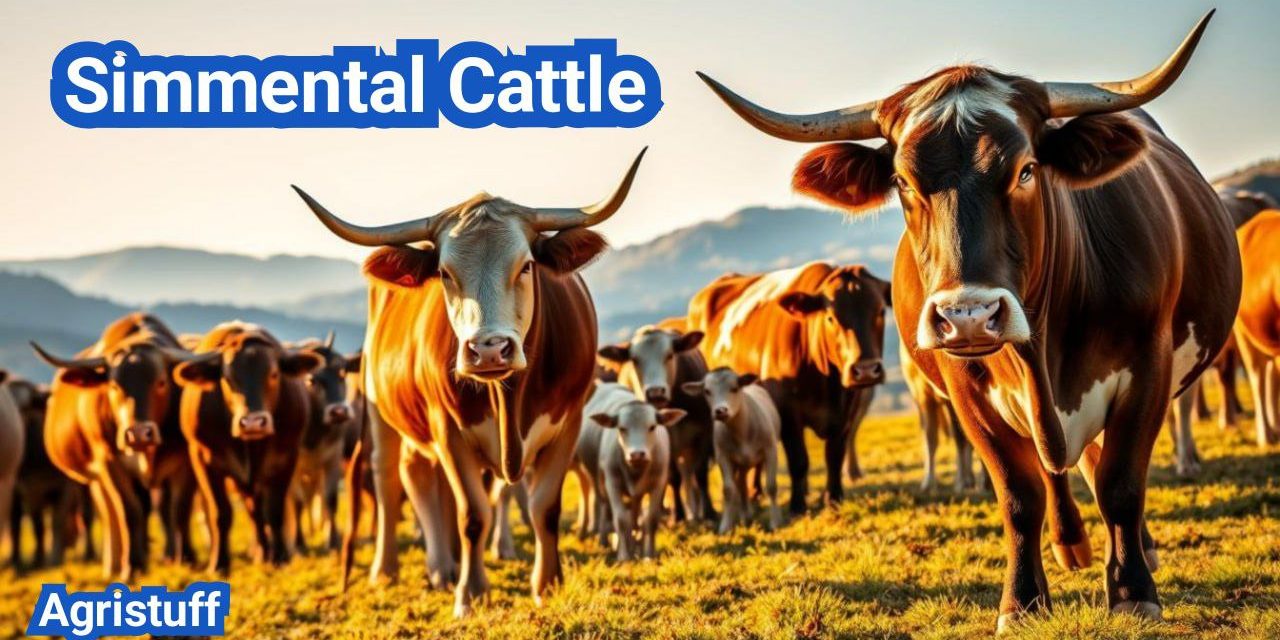
Quick answer: Simmental cattle are a strong choice for U.S. producers who want one breed that can add calf growth, muscle, maternal value, and flexibility to beef, dairy, or crossbreeding programs. They are especially useful when a herd needs productive cows, heavier calves, and genetics that can fit more than one market goal.
For U.S. cattle producers comparing beef, dairy, and crossbreeding options, Simmental cattle are worth understanding because the breed can fit more than one herd goal when genetics, feed, and management match the operation.
This guide explains where Simmental cattle came from, how big they get, what colors and traits to expect, and how the breed is used in modern beef, dairy, purebred, and crossbreeding programs.
Key Takeaways
- Simmental cattle are a dual-purpose breed suitable for both beef and dairy production.
- Originating from Switzerland, they are now farmed globally.
- They are known for their size, weight, and longevity.
- Simmental cattle are adaptable to various farming systems.
- Their robust growth rate and high milk yield make them highly valuable.
What Are Simmental Cattle?
Simmental cattle are among the oldest and most widely distributed cattle breeds in the world. They originated in Switzerland, and the breed name comes from the Simme Valley. Historically, Simmental cattle were valued for their rapid growth, strong milk production, and dual-purpose role in both beef and dairy systems.
Today, Simmental cattle remain popular because of their size, productivity, and versatility. In modern herds, they are widely recognized for strong growth performance, maternal value, and their ability to fit different production goals. This practical combination has made Simmental cattle an important breed in both purebred operations and crossbreeding programs.
Depending on the bloodline, Simmental cattle may be red or black, and they can be either horned or polled. Their flexible genetics, productive traits, and broad commercial appeal are some of the main reasons the breed continues to attract cattle producers in the United States and around the world.
The Origin and History of Simmental Cattle
Originating in the Swiss countryside, Simmental cattle have evolved into one of the world’s most revered cattle breeds. Their history is a testament to their adaptability, resilience, and the value they bring to livestock farming.
Origin and History in Switzerland
The Simmental breed’s story began in the Simme Valley of Switzerland, where they were first documented in the 13th century. Initially valued for their strength as draft animals, Simmentals were later recognized for their exceptional milk and meat production capabilities. This dual-purpose utility made them invaluable to local farmers.
Key historical milestones include:
- 13th century: First documentation of Simmental cattle.
- 18th and 19th centuries: Selective breeding enhanced their milk and meat production.
- Early 20th century: Simmentals began to be exported to other countries.
Global Spread and Development
As agriculture evolved and global trade expanded, Simmental cattle were introduced to new regions, adapting to diverse farming systems and climates. Today, they are found in over 60 countries, making them one of the most widespread cattle breeds worldwide.
The global spread of Simmentals has been accompanied by selective breeding programs tailored to local needs, enhancing their characteristics for beef, dairy, or dual-purpose production. This adaptability has contributed to their popularity among farmers worldwide.
| Region | Primary Use | Notable Characteristics |
|---|---|---|
| Europe | Dual-purpose (milk and meat) | High milk yield, fast growth rate |
| North America | Beef production | Muscling, growth rate |
| Australia | Crossbreeding for beef | Hardiness, fertility |
The table illustrates the versatility of Simmental cattle across different regions, highlighting their primary use and notable characteristics. This adaptability is a key factor in their global success.
Simmental Cattle Characteristics: Size, Weight, Color, and Temperament

Simmental cattle are renowned for their impressive size and muscular build, making them a standout in the livestock industry. Their characteristics play a crucial role in their popularity among farmers and ranchers worldwide.
Physical Appearance and Color Variations
Simmental cattle are known for their robust physique and varied color patterns. They typically display a white or red spotted coat, with the coloration ranging from white to red or even black. The breed’s muscular build is one of its most distinguishing features, contributing to its suitability for both beef and dairy production.
The physical appearance of Simmental cattle is not only aesthetically pleasing but also indicative of their strength and productivity. Their muscular build is a result of selective breeding, aimed at enhancing their growth rate and overall performance.
Weight, Lifespan, and Growth Patterns
Simmental cattle are characterized by their substantial weight, with mature bulls often reaching up to 2,600 pounds. Females typically weigh between 1,000 to 1,500 pounds. The breed’s growth rate is impressive, with calves growing rapidly during their first year.
The average lifespan of Simmental cattle is around 15 to 20 years, although this can vary based on factors such as nutrition, health management, and breeding practices. Their longevity, combined with a robust growth pattern, makes them an attractive choice for farmers looking for a sustainable and productive livestock option.
Temperament and Behavioral Traits
One of the notable characteristics of Simmental cattle is their docile temperament. They are generally easy to handle, making them suitable for a variety of farming operations. The breed’s calm nature also contributes to its adaptability in different environments.
Simmental cattle are known to be intelligent and responsive to management practices. Their docile nature facilitates handling and care, reducing the risk of injury to both the animals and handlers. This temperament, combined with their physical attributes, underscores the breed’s value in modern agriculture.
Simmental Bull vs Cow: What’s the Difference?
If you are comparing a Simmental bull and a Simmental cow, the biggest differences usually come down to size, body shape, and herd role. Simmental cattle are known as a large-framed, strong-muscled breed, and the bull is typically taller, heavier, and more powerfully built than the cow.
- Simmental bull: usually more muscular, heavier in build, and used mainly for breeding, herd improvement, and passing growth and performance traits to calves.
- Simmental cow: usually more moderate in appearance and valued for fertility, calving ease, mothering ability, and raising a strong calf each season.
In practical herd management, Simmental bulls are often selected when producers want to add more growth, frame, and carcass value to a calf crop. Simmental cows, on the other hand, are the foundation of the herd because they contribute maternal performance, consistency, and long-term productivity. This balance between power and maternal value is one reason Simmental cattle remain useful in both purebred and crossbreeding programs.
Are Simmental Cattle Good for Beef or Dairy?
Simmental cattle stand out in the livestock industry due to their exceptional dual-purpose capabilities. This breed has been gaining popularity among farmers and ranchers due to its versatility in both beef and dairy production. The Simmental’s ability to excel in multiple areas makes it an attractive choice for those looking to diversify their agricultural operations.
Dual-purpose cattle breeds like Simmentals offer farmers the flexibility to respond to market demands. Whether it’s beef or dairy, Simmentals can deliver high-quality products. As one expert notes,
“The Simmental breed has the potential to be a game-changer in the beef and dairy industries due to its unique combination of traits.”
Beef Production Capabilities
Simmental cattle are known for their rapid growth rate and efficient feed conversion, making them ideal for beef production. They can achieve market weight quickly, which is a significant advantage in the beef industry. The breed’s muscular build and high-quality meat yield also contribute to its popularity among beef producers.
The Simmental’s beef production capabilities are further enhanced by its ability to thrive in various production systems. Whether in intensive feeding operations or pasture-based systems, Simmentals demonstrate adaptability and resilience. Crossbreeding Simmentals with other breeds can also result in hybrid vigor, further improving beef production efficiency.
Dairy Production Potential
In addition to their beef production capabilities, Simmental cattle are also valued for their dairy production potential. They produce high-quality milk with a good balance of protein and fat, making it suitable for a variety of dairy products. The breed’s milk production levels are competitive with other dairy breeds, especially when managed under optimal conditions.
Simmental dairy production is characterized by its longevity and persistency. Cows can maintain high milk production levels over an extended lactation period, which is beneficial for dairy farmers. The breed’s hardiness and resistance to certain diseases also contribute to its dairy production potential, reducing the overall cost of milk production.
By leveraging the dual-purpose advantages of Simmental cattle, farmers can diversify their operations and improve their bottom line. Whether focusing on beef, dairy, or both, Simmentals offer a versatile and profitable option for modern agricultural enterprises.
Simmental Cattle Pros and Cons
Simmental cattle are a popular choice for producers who want a breed that offers growth, maternal value, and flexibility. Their long history as a dual-purpose breed and their strong role in modern beef systems make them useful in many types of herds, especially when producers want cattle that can perform well in both straightbred and crossbreeding programs.
Like any breed, Simmental cattle also come with trade-offs. Their advantages are clear in the right system, but herd goals, feed resources, calving management, and sire selection all matter when deciding whether this breed is the best fit for an operation.
Pros of Simmental cattle:
- Strong growth performance and added pounds in feeder and terminal programs.
- Good maternal value, including fertility, weaning ability, and productive cows.
- Useful for both purebred herds and crossbreeding systems.
- Adaptable to different environments and production conditions.
- Solid carcass value with growth and marbling potential.
Cons of Simmental cattle:
- Larger-framed cattle may require more feed, space, and careful cost control than smaller-framed alternatives.
- Not every Simmental line fits every herd goal, so bull and female selection matters more than relying on breed name alone.
- Producers should pay close attention to calving ease, maternal traits, and terminal traits when choosing breeding stock.
For many producers, the biggest advantage of Simmental cattle is balance. They can offer maternal strength, performance, and commercial value in the same herd, but the best results usually come when cattle are selected with clear production goals in mind rather than choosing animals based only on appearance or popularity.
How to Select Quality Simmental Breeding Stock

To build a superior Simmental cattle herd, it’s essential to understand the principles of selecting quality breeding stock. The process involves a comprehensive evaluation of both bulls and females, as well as an understanding of genetic markers and EPDs.
Evaluating Bulls for Breeding Programs
When evaluating bulls, several key factors come into play. Scrotal circumference, libido, and semen quality are crucial indicators of a bull’s fertility. Additionally, assessing a bull’s growth rate, muscling, and structural correctness helps in determining its potential to sire high-quality offspring.
Utilizing EPDs is a critical component of modern breeding programs. EPDs provide a numerical value representing the expected difference in the performance of a bull’s progeny compared to the breed average. For instance, a bull with a high weaning weight EPD is likely to sire calves that are heavier at weaning.
Choosing Productive Females
Females are the backbone of any breeding program, and their selection is just as critical as that of bulls. Key characteristics to evaluate include reproductive history, milk production, and maternal ability. Females with a proven track record of producing high-quality calves and maintaining a consistent reproductive cycle are ideal.
It’s also important to consider the genetic diversity of your female herd to avoid inbreeding and ensure a robust gene pool.
Understanding EPDs and Genetic Markers
EPDs are a powerful tool in Simmental cattle breeding, allowing breeders to make informed decisions. By understanding a sire’s or dam’s EPDs, breeders can predict the potential performance of their offspring in various traits.
| Trait | EPD Description | Importance |
|---|---|---|
| Birth Weight | Expected difference in birth weight | Impacts calving ease |
| Weaning Weight | Expected difference in weaning weight | Affects calf growth rate |
| Milk Production | Expected difference in milk production | Influences calf weaning weight |
Genetic markers, on the other hand, provide insights into the genetic traits that can be passed on to the next generation. By leveraging both EPDs and genetic markers, breeders can enhance the overall quality and productivity of their Simmental cattle herd.
Establishing a Simmental Cattle Herd
Creating a successful Simmental cattle herd demands a comprehensive approach, including evaluating initial costs, facility requirements, and the choice between purebreds and crossbreds. This process involves several key considerations to ensure the long-term viability and profitability of the farm.
Initial Investment Considerations
The initial investment for establishing a Simmental cattle herd can be substantial. It includes the cost of purchasing high-quality breeding stock, infrastructure development, and initial operational expenses. Key areas to consider include:
- Purchasing breeding stock: The quality and genetic potential of the cattle directly impact the herd’s productivity and profitability.
- Land preparation and fencing: Adequate pasture and secure fencing are crucial for the health and safety of the cattle.
- Facilities: Barns, feeding areas, and watering systems must be designed to meet the needs of the herd.
Facility and Land Requirements
The success of a Simmental cattle herd also depends on the quality of facilities and land. Adequate pasture land is essential for grazing, while well-designed facilities can improve the efficiency of daily operations. Considerations include:
- Pasture quality and quantity: Ensuring sufficient high-quality grazing is critical for the nutritional health of the cattle.
- Water supply: Access to clean, reliable water is essential for the herd’s health.
- Handling facilities: Well-designed handling facilities can reduce stress on both the cattle and handlers.
Starting with Purebreds vs. Crossbreds
Deciding whether to start with purebred Simmental cattle or crossbred animals is a critical decision. Purebreds offer the potential for consistent genetic traits and the ability to breed and sell high-quality stock. Crossbreds, on the other hand, can benefit from hybrid vigor, potentially leading to improved growth rates and hardiness.
The choice between purebreds and crossbreds depends on the farm’s goals, market demand, and the producer’s experience. Careful consideration of these factors is necessary to make an informed decision.
Simmental Cattle Nutrition and Feeding Programs

Nutrition plays a critical role in the development and productivity of Simmental cattle. A well-designed feeding program is essential to meet their nutritional needs, ensuring optimal growth rates and overall health.
Nutritional Requirements by Life Stage
Simmental cattle have different nutritional requirements at various stages of their life cycle. For instance, calves require a diet rich in protein and energy to support their rapid growth during the early stages.
Growing cattle need a balanced ration that supports their development without over-conditioning them. Mature cattle, particularly those in production, require nutrients that support milk production or maintenance, depending on their role in the herd.
Formulating Balanced Rations
Formulating balanced rations for Simmental cattle involves considering their nutritional needs, the quality of available feedstuffs, and the production goals of the operation. A balanced ration should include adequate protein, energy, vitamins, and minerals.
- Protein is crucial for muscle development and repair.
- Energy sources, such as grains, support growth and production.
- Vitamins and minerals play vital roles in various bodily functions.
Pasture Management for Simmentals
Effective pasture management is vital for Simmental cattle grazing operations. Rotational grazing can help maintain pasture health and productivity, ensuring that cattle have access to high-quality forage.
Monitoring pasture conditions and adjusting grazing patterns accordingly can help prevent overgrazing and maintain soil health. This approach supports the long-term sustainability of the grazing operation.
Breeding and Reproduction Management for Simmental Cattle

The success of Simmental cattle breeding programs hinges on well-planned reproduction strategies. Effective management of breeding and reproduction is critical for optimizing the genetic potential of Simmental cattle, thereby enhancing overall herd productivity and profitability.
Estrus Detection and Breeding Timing
Estrus detection is a crucial aspect of Simmental cattle reproduction management. Accurate identification of estrus in females ensures timely breeding, maximizing conception rates and reducing the interval between pregnancies. Techniques such as visual observation, pedometer systems, and hormone monitoring can be employed to detect estrus effectively.
Breeding timing is equally important, as it directly impacts conception success. Breeding Simmental cattle during the optimal estrus period enhances fertility and increases the likelihood of successful pregnancies.
Artificial Insemination vs. Natural Service
Simmental cattle breeders have the option of using artificial insemination (AI) or natural service for breeding their cattle. AI offers several advantages, including access to superior genetics from renowned sires, reduced risk of disease transmission, and increased control over breeding dates.
On the other hand, natural service involves allowing a bull to mate with females directly. While this method can be more straightforward, it requires careful management of bull health and fertility to ensure successful breeding outcomes.
Pregnancy Management and Calving
Once breeding is successful, pregnancy management becomes a priority. Regular monitoring of pregnant females, adequate nutrition, and appropriate health care are essential to ensure the well-being of both the dam and the developing fetus.
As calving approaches, preparations should be made to ensure a smooth delivery process. This includes providing a clean and safe calving environment, monitoring the cow closely for signs of labor, and being prepared to assist if necessary.
By focusing on these critical aspects of breeding and reproduction management, Simmental cattle breeders can optimize their operations, improve genetic quality, and increase overall productivity.
Raising Simmental Calves for Optimal Growth

To ensure Simmental calves reach their full potential, farmers must prioritize their early nutrition and growth monitoring. Raising Simmental calves requires a comprehensive approach that includes proper colostrum and early nutrition, effective weaning strategies, and careful monitoring of their growth rate.
Colostrum and Early Nutrition
The first few hours of a Simmental calf’s life are critical for its future health and growth. Colostrum, the first milk produced by the mother, is rich in antibodies and nutrients essential for the calf’s immune system and overall development. Ensuring that the calf receives adequate colostrum within the first hour of birth is vital. Early nutrition continues to play a significant role in the calf’s development, with a diet rich in high-quality milk replacers or whole milk supporting optimal growth.
Research has shown that Simmental calves that receive proper early nutrition tend to have better growth rates and are less likely to suffer from health issues later in life. Farmers should focus on providing a nutrient-rich diet that meets the calf’s needs during this critical period.
Weaning Strategies
Weaning is a challenging period for Simmental calves, and employing effective weaning strategies can significantly impact their growth and health. Gradual weaning, where the calf is slowly introduced to solid foods and gradually separated from its mother’s milk, is often recommended. This approach helps reduce stress and promotes a smoother transition to a diet of solid foods.
Monitoring the calf’s response to weaning is crucial, as some may require adjustments to their diet or weaning schedule. Ensuring that the calf is consuming enough nutrients during this period is vital for maintaining optimal growth rates.
Growth Rate Monitoring and Management
Regular monitoring of a Simmental calf’s growth rate is essential for identifying any potential issues early on. By tracking weight gain and adjusting nutritional strategies as needed, farmers can ensure that their calves are growing at an optimal rate. This may involve adjusting the diet to better meet the calf’s nutritional needs or addressing any health issues promptly.
Using growth rate data, farmers can make informed decisions about their feeding and management practices, ultimately leading to healthier, more productive Simmental cattle. Effective growth rate monitoring and management are key components of a successful cattle production operation.
Simmental Crossbreeding Strategies

Simmental crossbreeding strategies are being increasingly adopted by farmers worldwide to leverage hybrid vigor and improve the productivity of their cattle herds. By combining the robust genetics of Simmental cattle with other breeds, farmers can create offspring that excel in both beef and dairy production.
Popular Simmental Crosses
Several Simmental crosses have gained popularity due to their desirable traits. Some of the most common include:
- Simmental-Angus crosses, known for their high-quality beef and improved marbling.
- Simmental-Holstein crosses, which combine the dairy prowess of Holsteins with the growth rate and muscling of Simmentals.
- Simmental-Hereford crosses, valued for their hardiness and efficiency in various production environments.
These crosses demonstrate the versatility of Simmental cattle in different breeding programs.
Hybrid Vigor Benefits
One of the primary advantages of Simmental crossbreeding is the phenomenon of hybrid vigor, or heterosis. This refers to the increased vigor and performance of crossbred offspring compared to their purebred parents. Hybrid vigor can manifest in various ways, including:
- Improved growth rates
- Enhanced fertility
- Better disease resistance
- Increased longevity
By leveraging hybrid vigor, farmers can significantly improve the overall productivity and profitability of their cattle operations.
Designing Effective Crossbreeding Programs
To maximize the benefits of Simmental crossbreeding, it’s crucial to design effective crossbreeding programs. This involves:
- Selecting appropriate breeds to cross with Simmentals based on production goals and environmental conditions.
- Utilizing genetic testing and selection tools to identify superior breeding stock.
- Implementing a structured breeding program that includes record-keeping and performance monitoring.
A well-designed crossbreeding program can help farmers achieve their production objectives while maintaining genetic diversity within their herds.
| Crossbreed | Characteristics | Production Benefits |
|---|---|---|
| Simmental-Angus | High-quality beef, improved marbling | Enhanced beef production |
| Simmental-Holstein | Combines dairy and beef traits | Improved dairy and beef production |
| Simmental-Hereford | Hardiness, efficiency | Increased hardiness and production efficiency |
Health Management for Simmental Cattle

Simmental cattle health management involves a comprehensive approach to prevent disease and promote overall well-being. Effective health management is crucial for maintaining the health and productivity of Simmental cattle.
Common Health Challenges
Simmental cattle, like other breeds, are susceptible to various health challenges. These include respiratory diseases, parasites, and reproductive issues. Respiratory diseases are particularly concerning in young calves, while parasite control is essential across all age groups.
Understanding these challenges is the first step in developing effective health management strategies. Producers must be vigilant in monitoring their herds for early signs of illness.
Preventative Health Protocols
Preventative health protocols are critical in maintaining the health of Simmental cattle. These protocols include vaccination programs, parasite control measures, and nutritional management. Vaccination programs should be tailored to the specific needs of the herd, considering factors like age, health status, and environmental risks.
- Implementing a comprehensive vaccination schedule
- Regular monitoring for parasites and prompt treatment
- Nutritional management to ensure optimal health
Working with Veterinarians
Collaboration with veterinarians is a key component of effective health management for Simmental cattle. Veterinarians can provide valuable guidance on health protocols, help in diagnosing diseases, and offer advice on herd health management.
Establishing a working relationship with a veterinarian can help producers make informed decisions about their cattle’s health, ensuring the implementation of best practices in health management.
Marketing Simmental Cattle and Products

Marketing Simmental cattle requires a multi-faceted approach that includes direct marketing, showcasing at cattle events, and leveraging value-added programs. The Simmental breed, known for its superior beef and dairy production, offers farmers a unique opportunity to capitalize on the growing demand for high-quality livestock products.
Direct Marketing Options
Direct marketing allows farmers to connect directly with consumers, potentially increasing profit margins. Some effective direct marketing strategies for Simmental cattle products include:
- Farmers’ markets and local events
- Online sales platforms and social media
- Community-supported agriculture (CSA) programs
By engaging directly with consumers, farmers can build brand loyalty and educate buyers about the benefits of Simmental cattle products.
Show Cattle Opportunities
Participating in cattle shows and competitions is an excellent way to showcase the quality of Simmental cattle. These events provide opportunities for breeders to:
- Demonstrate the breed’s characteristics
- Network with other breeders and potential buyers
- Gain recognition and awards that can enhance marketing efforts
Success in show cattle competitions can significantly boost the reputation of a Simmental cattle operation, attracting potential buyers and increasing the value of the cattle.
Value-Added Programs and Associations
Joining or partnering with breed associations and participating in value-added programs can further enhance the marketability of Simmental cattle. These programs can include:
| Program | Description | Benefits |
|---|---|---|
| Certified Simmental Programs | Programs that certify the quality and authenticity of Simmental cattle | Increased consumer trust and potentially higher prices |
| Breed Association Membership | Membership in organizations dedicated to promoting the Simmental breed | Networking opportunities, marketing support, and access to breed resources |
By leveraging these strategies, farmers can effectively market their Simmental cattle and products, capitalizing on the breed’s strengths and meeting the demands of a competitive market.
Sustainable Practices in Simmental Cattle Farming

Sustainability in Simmental cattle farming encompasses a range of practices that benefit both the environment and the farm’s bottom line. As the agricultural sector continues to evolve, the importance of sustainable livestock farming cannot be overstated.
Environmental Considerations
Simmental cattle farming, like other forms of livestock production, has environmental impacts that need to be managed sustainably. Key environmental considerations include:
- Land Management: Practices such as rotational grazing can help maintain soil health, reduce erosion, and promote biodiversity.
- Water Conservation: Implementing efficient irrigation systems and managing water resources carefully are crucial for sustainable farming.
- Manure Management: Proper handling and application of manure can reduce nutrient runoff into water bodies and minimize environmental pollution.
By adopting these practices, Simmental cattle farmers can reduce their environmental footprint while maintaining productive and healthy herds.
Economic Sustainability Strategies
Economic sustainability is equally important for the long-term viability of Simmental cattle farming. Strategies for enhancing economic sustainability include:
- Diversifying Income Streams: Farmers can explore value-added products, agritourism, and other revenue streams to reduce dependence on a single income source.
- Efficient Production Practices: Optimizing feeding strategies, breeding programs, and health management can improve productivity and reduce costs.
- Market Development: Engaging in marketing efforts and developing niche markets for Simmental cattle products can help farmers achieve better prices and increase profitability.
By combining environmental stewardship with economic sustainability strategies, Simmental cattle farmers can ensure the long-term success of their operations.
The Future of Simmental Cattle in Modern Agriculture
The Simmental cattle breed continues to play a vital role in modern agriculture, with its dual-purpose capabilities and adaptability making it an attractive choice for farmers worldwide. As the global demand for high-quality beef and dairy products grows, the importance of Simmental cattle is likely to increase.
Sustainable livestock farming practices will be crucial in ensuring the long-term viability of Simmental cattle farming. By adopting environmentally friendly methods and prioritizing animal welfare, farmers can maintain the health and productivity of their Simmental herds while minimizing their environmental footprint.
The future of Simmental cattle farming looks bright, with opportunities for farmers to capitalize on the breed’s strengths and contribute to a more sustainable food system. As the industry continues to evolve, the Simmental cattle breed is poised to remain a significant player in the global livestock market.
FAQ
What is the origin of Simmental cattle?
Simmental cattle originated in Switzerland, where they have been bred for centuries. They were initially used as a dual-purpose breed for both beef and dairy production.
What are the characteristics of Simmental cattle?
Simmental cattle are known for their large size, muscular build, and white or red-and-white coloring. They are a dual-purpose breed, suitable for both beef and dairy production.
How much do Simmental cattle weigh?
Simmental cattle can weigh between 1,000 to 2,000 pounds, with males typically being larger than females.
What is the lifespan of Simmental cattle?
Simmental cattle can live for 15 to 20 years, although some may live longer with proper care and management.
What are the benefits of using Simmental cattle for beef production?
Simmental cattle are known for their fast growth rate, muscular build, and high-quality beef. They are often used in crossbreeding programs to improve the beef production capabilities of other breeds.
Can Simmental cattle be used for dairy production?
Yes, Simmental cattle are a dual-purpose breed and can be used for dairy production. They are known for their high milk production and are often used in dairy herds.
How do I select quality Simmental breeding stock?
When selecting Simmental breeding stock, look for animals with good conformation, fertility, and genetic markers that indicate desirable traits. It’s also essential to evaluate the animal’s pedigree and performance records.
What are EPDs and genetic markers, and how are they used in Simmental breeding programs?
EPDs (Expected Progeny Differences) and genetic markers are tools used to predict an animal’s genetic potential for certain traits. They are used in Simmental breeding programs to identify animals with desirable traits and to make informed breeding decisions.
How do I establish a Simmental cattle herd?
To establish a Simmental cattle herd, consider factors such as initial investment, facilities, and land requirements. It’s also essential to develop a breeding strategy and to select quality breeding stock.
What are the nutritional requirements of Simmental cattle?
Simmental cattle require a balanced diet that includes adequate protein, energy, and minerals. Nutritional requirements vary by life stage, and it’s essential to formulate rations that meet the animal’s needs.
How do I manage the health of my Simmental cattle?
To manage the health of your Simmental cattle, implement preventative health protocols, such as vaccinations and parasite control. It’s also essential to work with a veterinarian to develop a health management plan.
What are the benefits of crossbreeding Simmental cattle?
Crossbreeding Simmental cattle can result in hybrid vigor, which can improve the animal’s growth rate, fertility, and overall performance. Popular Simmental crosses include SimAngus and Simbrah.
How can I market my Simmental cattle and products?
To market your Simmental cattle and products, consider direct marketing options, such as selling directly to consumers or to other farmers. You can also participate in show cattle opportunities and value-added programs.
What are some sustainable practices in Simmental cattle farming?
Sustainable practices in Simmental cattle farming include environmental considerations, such as rotational grazing and manure management, and economic sustainability strategies, such as diversifying income streams and reducing costs.
conclusion
Simmental cattle are one of the most versatile dual-purpose cattle breeds, valued by U.S. farmers and ranchers for beef production, milk output, maternal strength, fast growth, and crossbreeding flexibility.
- Origin: Simmental cattle originated in Switzerland’s Simme Valley, where they were historically used for draft power, milk, and meat before becoming a major global cattle breed.
- Main purpose: The breed is considered dual-purpose because it can support both beef and dairy production, making it useful for producers who want more than one income or herd function.
- U.S. value: In the United States, Simmental cattle are especially important in beef herds, commercial cow-calf operations, purebred programs, and crossbreeding systems that need growth, muscling, milk, and maternal ability.
- Size and build: Simmental cattle are large-framed animals with strong muscling, solid bone structure, good mobility, and enough body capacity to support beef performance and calf-raising ability.
- Average weight: Mature Simmental bulls may reach about 2,200 to 2,800 pounds, while mature cows often range from about 1,500 to 2,000 pounds, depending on genetics, nutrition, and herd management.
- Color patterns: Traditional Simmental cattle are commonly red, gold, or yellowish brown with white markings, while modern breeding has also produced solid red and black Simmental lines in some U.S. herds.
- Temperament: Many Simmental cattle are known for a generally docile disposition, which can make them easier to handle when facilities, training, and stockmanship are managed properly.
- Beef production strengths: Simmental cattle are valued for rapid growth, efficient feed conversion, heavy muscling, strong finishing weights, good carcass yield, and beef that can be lean, tender, and well-marbled when managed correctly.
- Dairy and maternal value: Simmental cows can produce useful milk volumes compared with many beef-focused breeds, which supports calf growth, suckler systems, and mixed beef-dairy operations.
- Breeding advantages: Simmental genetics are selected for traits such as growth, fertility, milk, calving ease, carcass quality, and maternal performance, helping producers match cattle to specific herd goals.
- Genetic tools: Many breeders use EPDs, artificial insemination, performance records, and sometimes genomic testing to choose Simmental sires and females with stronger growth, calving, milk, or carcass traits.
- Crossbreeding value: Simmental cattle are widely used in crossbreeding because they can add growth, frame, muscle, milk, and hybrid vigor to other cattle lines.
- Popular crosses: Common examples include SimAngus for combining Angus marbling with Simmental growth, SimBrahm for adding heat tolerance through Brahman influence, and dairy-influenced Simmental crosses where milk and calf performance are important.
- Feeding needs: Simmental cattle perform well on high-quality forage, pasture-based systems, hay, silage, grains, minerals, and protein supplements, but their large size means nutrition must match their growth, lactation, and breeding stage.
- Health management: Like other large cattle breeds, Simmental cattle need regular vaccination, parasite control, hoof care, reproductive monitoring, and veterinary checks to reduce risks such as lameness, respiratory disease, and calving problems.
- Sustainability potential: Simmental cattle can support sustainable livestock systems when managed with good grazing practices, efficient feeding, strong genetics, and a long-term plan for cow productivity and replacement rates.
- Main advantages: Key benefits include dual-purpose productivity, fast growth, strong muscling, useful milk production, maternal ability, adaptability, market demand, and strong value in crossbreeding programs.
- Main challenges: Possible drawbacks include higher feed requirements, larger body size, potential calving difficulty if birth weight is not managed, and the need for strong facilities and consistent herd health care.
- Best fit: Simmental cattle are a strong option for U.S. producers who want heavier calves, productive cows, flexible genetics, and a breed that can work in beef, dairy-influenced, purebred, or commercial crossbreeding systems.
Are Simmental Cattle Right for Your Herd?
- Choose Simmental cattle if: You want a large, productive, dual-purpose breed that can improve beef performance, calf growth, maternal value, and crossbreeding results.
- They are especially useful for: Cow-calf operations, commercial beef herds, purebred breeding programs, mixed beef-dairy systems, and producers who want flexible genetics for more than one market goal.
- Plan carefully if: Your farm has limited feed, weak fencing, small handling facilities, or little experience managing large-framed cattle, because Simmental cattle perform best with strong nutrition and practical herd management.
- For best results: Buy from reputable breeders, compare genetic records, use calving-ease and performance data, match the cattle to your climate and market, and build a consistent feeding and health program.
- Bottom line: Simmental cattle can be a profitable choice for American farmers and ranchers when their size, growth, milk, maternal traits, and crossbreeding potential are matched with the right management system.
Sources & References
- Oklahoma State University — Simmental Cattle Breed Profile
- American Simmental Association — SimGenetics: Traits, Performance, and Commercial Value
- American Simmental Association — Breeder’s Resources
- American Simmental Association — Coat Color and Horned/Polled Genetics
- The Cattle Site — Simmental Breed History and Characteristics
- Canadian Simmental Association — History of the Simmental Breed