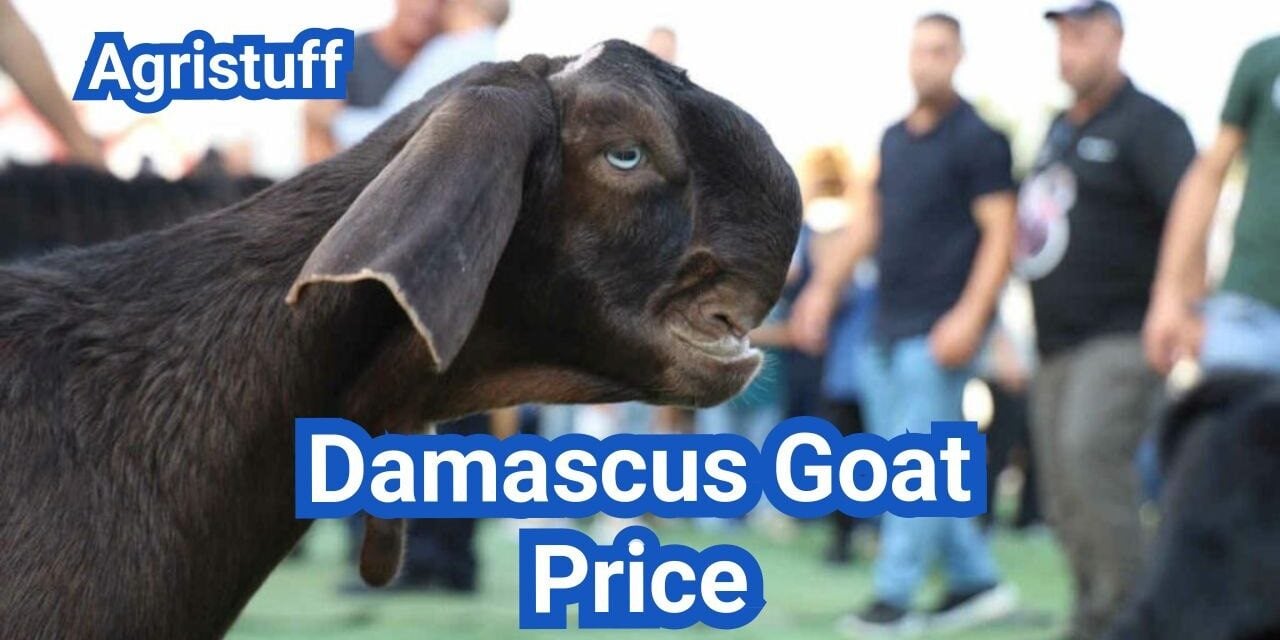
Finding a Damascus Goat for Sale in the United States is not the same as shopping for a common Boer, Nubian, or Nigerian Dwarf. This Middle Eastern breed, also called the Shami goat, has limited and poorly documented U.S. availability, so buyers must verify the animal, seller, lineage, health status, and legal movement requirements before paying a deposit FAO AGROVOC Damascus goat record.
The short answer is that a Damascus Goat for Sale may occasionally be offered through a private owner or specialty breeder, but there is no official nationwide breeder directory, breed census, or dependable U.S. average price. Availability changes quickly, and a credible purchase should be based on current documentation and an independent inspection rather than a copied photo or an unsupported online claim USDA NASS Sheep and Goat Inventory survey.
Key Takeaways
- There is no verified national U.S. average price; each offer depends on age, sex, pedigree evidence, health status, and location.
- The asking price is only part of the cost—testing, paperwork, transport, quarantine, and facilities can substantially increase the total.
- Verify the seller through a customized live video, matching official ID, independent references, and a written contract before paying.
- Pedigree, DNA parentage, and registry claims are different forms of evidence and should always be supported by records.
- Interstate purchases may require official identification, a health certificate, permits, and destination-state approval.
- An overseas listing does not mean the goat qualifies for U.S. import, so check USDA eligibility before sending money.
- Secure transportation and a veterinarian-guided quarantine plan help protect both the purchased animal and the resident herd.
What does “Damascus Goat for Sale” mean for a U.S. buyer?
Damascus Goat for Sale means an actual animal is being marketed for transfer of ownership, not merely that a website describes the breed. Search the alternate name Shami, but do not accept “Baladi” automatically as the same breed because research distinguishes Baladi, Jabali, and Shami goat populations; the seller must document the name, lineage, location, price, health, and legal movement status of the animal being offered FAO AGRIS study of Syrian goat populations.
Are Damascus goats actually available in the United States?
A Damascus Goat for Sale can exist in the United States, but no government dataset confirms how many purebred animals are present or where they are located. USDA’s 2026 inventory reports goats as milk, Angora, or meat-and-other types rather than listing individual rare breeds, so a seller cannot use a broad national goat statistic as evidence that a large Damascus population exists USDA 2026 Sheep and Goats report.
How much does a Damascus goat cost?
There is no defensible national average for a Damascus Goat for Sale in the United States. USDA Agricultural Marketing Service reports are useful for understanding ordinary goat auction markets, but they classify goats by use, weight, age, sex, and quality rather than verifying Damascus pedigree, so those reports are not a rare-breed price guide USDA AMS goat market reports.
For context only, a USDA Missouri summary dated July 27, 2026, reported replacement goats at roughly $185 to $575 per head across the lots shown, while other goat classes were quoted per head or per hundredweight. A Damascus Goat for Sale with documented rare lineage should not be valued from that range; the figures simply show what general auction goats brought in one region and week USDA Missouri weekly sheep and goat auction summary.
A realistic offer for a Damascus Goat for Sale therefore begins with a written seller quote, not a generic online range. Compare the asking price with the animal’s verifiable identity, age, sex, reproductive status, parent records, milk or kidding records, health testing, structural soundness, location, and transport needs, then calculate the full acquisition cost before deciding whether the quote is reasonable NC State Extension small-farm sheep and goat guide.
What factors affect the asking price?
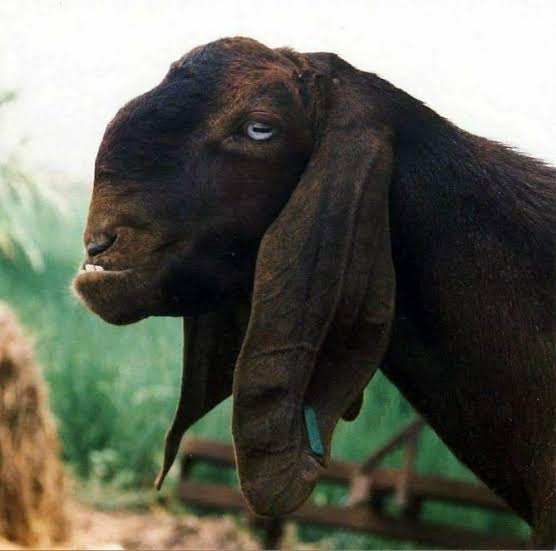
The price of a Damascus Goat for Sale usually rises when evidence reduces the buyer’s uncertainty, but a high price does not itself prove quality or purity. The strongest value factors are traceable parentage, consistent production or reproductive records, independent health results, sound conformation, a clear transfer history, and a seller with a reputation that can be checked outside the seller’s own website Oregon State University Extension herd-building guidance.
- Age: A weaned kid may cost less than a mature, proven breeding animal, but young-stock potential is less certain.
- Sex and breeding value: A fertile buck from a documented line or a proven doe may carry more value than an animal sold only as a pet.
- Pedigree evidence: Names on a homemade certificate are weaker than linked identification, parent records, breeder records, and DNA parentage where the parents can be sampled.
- Production records: Dated lactation, kidding, growth, and veterinary records are more useful than broad claims about what the breed can do.
- Health status: Recent testing and a transparent herd-health history can justify a premium because they reduce the risk of importing disease into an existing herd.
- Location: Long-distance pickup, commercial hauling, permits, veterinary paperwork, and overnight stops can make a lower asking price more expensive overall.
- Import status: An animal located overseas is not equivalent to an animal already eligible for sale and movement inside the United States.
Where can you look for a Damascus goat?
A search for a Damascus Goat for Sale should begin with people who have a professional or community reputation to protect. Ask veterinarians, county Extension educators, established dairy-goat and meat-goat breeders, state livestock groups, and regional shows whether they know a U.S. herd using the Damascus or Shami name, then verify every referral independently Oregon State University Extension getting-started guide.
When a Damascus Goat for Sale appears through search engines, social media, or a generic livestock store, treat the page as a lead rather than proof of inventory. Agricultural scammers have collected advance payments for goods that were never delivered, so the buyer should verify the farm’s physical existence, business identity, phone history, references, and control of the actual animal before discussing payment Federal Trade Commission agricultural scam warning.
How can you verify the seller and the actual animal?
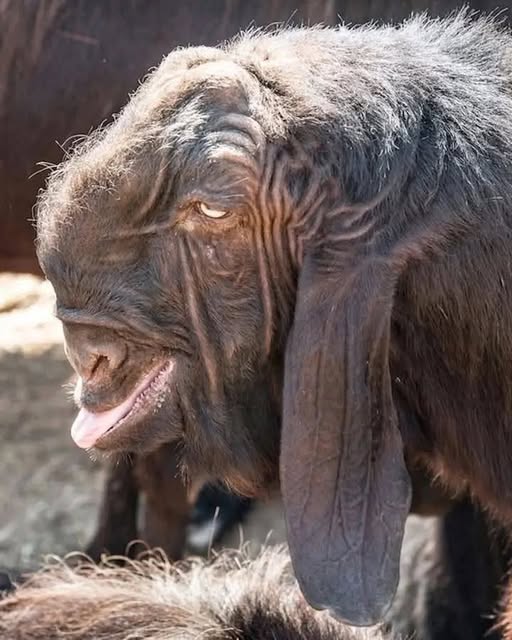
Before paying for a Damascus Goat for Sale, request a live video call rather than another prerecorded clip. Have the seller show the animal continuously, its official ID, the current date, and a code chosen by you; then verify the seller’s legal name, physical address, veterinarian through independently found contact information, previous-buyer references, and control of the animal before arranging payment FBI warning about fraudulent online sales.
How do you confirm pedigree and breed claims?
A buyer evaluating a Damascus Goat for Sale should know that the American Dairy Goat Association registration form lists Alpine, Guernsey, LaMancha, Nigerian Dwarf, Nubian, Oberhasli, Saanen, Sable, and Toggenburg, but not Damascus. An advertisement claiming “ADGA-registered purebred Damascus” therefore requires an exact registration number and direct confirmation from ADGA rather than acceptance at face value official ADGA registration and recordation form.
For a Damascus Goat for Sale outside a recognized U.S. registry, request a multigeneration pedigree showing the animal, sire, dam, breeders, birth dates, IDs, transfers, and supporting source records. DNA can compare an offspring with proposed parents when their samples are available, but parentage confirmation is not breed-purity certification and cannot independently prove that every ancestor is pure Damascus.
What documents should the seller provide?
Every Damascus Goat for Sale should come with a written bill of sale that identifies the buyer, seller, animal, full official ID, price, payment date, pickup or delivery terms, and all promises about sex, breeding status, fertility, health tests, pedigree, and return rights. Keep the advertisement, messages, laboratory reports, receipts, and transfer records together because sheep and goat buyers and sellers have federal identification and recordkeeping responsibilities in many commerce situations Nebraska Extension sheep and goat identification guidance.
- Seller’s full legal name, physical address, phone number, and signature.
- Animal name, sex, date of birth, color, distinctive markings, and clear photographs.
- Complete official identification number and the ID type used.
- Pedigree and transfer history, with supporting documents rather than a seller-created summary alone.
- Vaccination, treatment, deworming, kidding, breeding, and production records.
- Original laboratory reports showing animal ID, sample date, test method, and laboratory.
- Certificate of Veterinary Inspection and destination permit number when required.
- Written statement of whether the doe is merely exposed, veterinarian-confirmed pregnant, open, or lactating.
- Written fertility, refund, replacement, and transport-risk terms.
What health checks should happen before purchase?
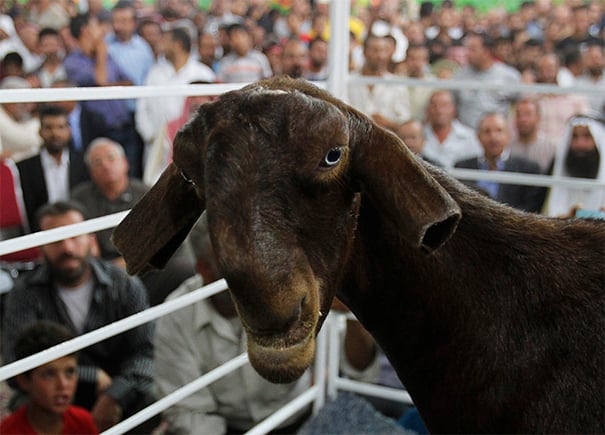
A Damascus Goat for Sale should receive an independent pre-purchase examination that considers the individual and the herd of origin. Inspect body condition, eyes, mouth and teeth, lymph-node areas, skin, coat, hooves, gait, udder or testicles, manure, respiration, and any discharge, then ask the veterinarian which disease tests fit the buyer’s herd and region Cornell Small Ruminant Dairying health resources.
Health screening for a Damascus Goat for Sale commonly deserves discussion of caprine arthritis encephalitis, caseous lymphadenitis, Johne’s disease, internal parasites, and any state-specific entry tests. Iowa State University recommends screening newly purchased goats for CAE before introducing them to the herd, while the veterinarian should interpret test timing, animal age, herd history, and the possibility of false results Iowa State University small-ruminant diagnostic guidance.
What identification and interstate movement rules apply?
Moving a Damascus Goat for Sale across a state line may require a Certificate of Veterinary Inspection, official identification, and additional destination-state conditions. APHIS explains that certain breeding-goat movements require a CVI containing identification, origin, destination, and purpose; an official tag linked to a flock or premises is not interchangeable with a decorative farm tag or the seller’s private number USDA APHIS interstate movement guide.
The destination rules for a Damascus Goat for Sale must be checked immediately before movement because states write and maintain their own animal-entry requirements. The buyer or accredited veterinarian should confirm whether the receiving state requires a CVI, entry permit, particular tests, statements, identification, or a shorter certificate-validity period rather than relying on an old seller checklist USDA directory of state animal-entry requirements.
Ownership of a Damascus Goat for Sale also depends on the buyer’s property rules, even when the breed itself is not federally prohibited. City or county zoning, lot-size limits, setbacks, permits, animal-number limits, nuisance rules, and homeowners’ association restrictions may block full-size goats in locations where miniature goats or poultry are allowed University of Maryland Extension livestock-zoning guidance.
Can you import a Damascus goat into the United States?
Importing a live Damascus Goat for Sale from the Middle East is not a routine shipping option. As of July 2026, APHIS lists Australia and New Zealand in its live-animal section and provides separate requirements for Canada, but does not list Syria, Lebanon, Jordan, or Cyprus as live-goat sources there; obtain written APHIS guidance before signing or paying because eligibility can change with disease status and negotiated protocols USDA APHIS sheep and goat import requirements.
How should transport and arrival quarantine be planned?
Transport for a Damascus Goat for Sale should be arranged only after the paperwork, animal fitness, route, weather, and receiving facilities are ready. Use a clean, secure, well-ventilated trailer with safe footing and no sharp edges, avoid unnecessary heat and delays, carry emergency contacts, and make sure the destination has fencing, shelter, water, feed, and a separate isolation area before departure Oregon State University Extension sheep and goat preparation guidance.
A newly arrived Damascus Goat for Sale should go directly into quarantine rather than meeting the resident herd at the fence. A practical minimum is 30 days with separate equipment and no direct contact, while the farm veterinarian may recommend a longer period or repeat testing based on the herd of origin, travel exposure, disease risk, and results obtained after arrival Mississippi State University Extension biosecurity guidance.
Quick checklist
- Confirm that local zoning and the destination state allow the planned goat and movement.
- Search both Damascus and Shami, but require proof instead of trusting the label.
- Obtain a live, date-specific video showing the animal, seller, surroundings, and official ID.
- Verify the seller through independent contacts, prior buyers, a veterinarian, and a physical address.
- Request a full written pedigree and the supporting records behind it.
- Use DNA parentage only to confirm proposed parents, not as a stand-alone breed-purity test.
- Arrange an independent pre-purchase veterinary examination and appropriate laboratory tests.
- Match the official ID on the animal to the bill of sale, laboratory reports, and movement documents.
- Confirm CVI, permit, test, and entry rules with the destination state before pickup.
- Use a written contract that defines every claim, deposit, refund, delivery, and transport term.
- Prepare a clean trailer and a separate quarantine area before the animal leaves the seller.
- Walk away if the seller blocks verification or demands an irreversible payment.
Common mistakes to avoid
- Using the asking price as proof of rarity: Verify the animal first; both unusually low and unusually high prices can be misleading.
- Accepting “ADGA registered” without checking: Damascus is not listed among the breeds on the standard ADGA registration form.
- Confusing parentage with purity: A DNA match can support the stated parents but does not automatically certify the breed.
- Paying from photos alone: Require a customized live video, independent inspection, and matching official ID.
- Skipping herd-level health questions: One negative test does not describe the entire herd’s history or eliminate every disease risk.
- Assuming interstate rules are uniform: The receiving state may add permits, tests, or certificate conditions.
- Buying overseas before checking eligibility: A valid foreign sale does not make the animal admissible to the United States.
- Mixing the goat immediately with the herd: Prepare and use a true quarantine area with dedicated equipment.
- Ignoring total acquisition cost: Veterinary work, testing, transport, fencing, feed, and quarantine can exceed the apparent saving in a distant offer.
Costs and ROI snapshot
The total cost of a Damascus Goat for Sale includes much more than the seller’s price. Build a written acquisition budget for the veterinary farm call, examination, laboratory testing, official identification, CVI, destination permits, transport, insurance if offered, quarantine facilities, fencing, feeders, waterers, shelter, initial feed, and an emergency reserve Oregon State University Extension goat nutrition guidance.
Diagnostic prices can provide a small, verifiable part of a Damascus Goat for Sale budget: Washington State University’s laboratory listed a small-ruminant biosecurity serologic panel for CAE, CL, and Johne’s at $32 when checked, before veterinary collection, supplies, shipping, and any additional tests. Fees and test choices can change, so the buyer should obtain a current written estimate through the veterinarian and laboratory Washington Animal Disease Diagnostic Laboratory goat testing.
- Main cost drivers: Purchase quote, distance, veterinary services, tests, permits, transport, and new infrastructure.
- What increases cost: Unproven overseas plans, long hauling distance, emergency paperwork, specialty handling, unclear health history, and rebuilding inadequate fences or quarantine pens.
- What improves return: A documented production goal, healthy foundation stock, measurable records, compatible local climate and facilities, and an identified market before breeding.
- What beginners underestimate: Labor, secure fencing, parasite management, feed waste, veterinary access, quarantine space, and the cost of keeping companion goats because goats are social animals.
- When the investment makes sense: When the buyer values the breed’s genetics or productive role, can verify the animal, has suitable facilities, and can absorb the cost without depending on rapid resale.
- When it does not: When the decision relies on viral appearance, a promised quick profit, an undocumented pedigree, or an import route that has not been approved.
ROI from a Damascus Goat for Sale should be modeled conservatively because rarity does not guarantee milk sales, breeding customers, show eligibility, or resale demand. The purchase makes the most sense when it fits an existing herd plan and a measurable use, while a beginner seeking dependable dairy production may face less risk with a locally established breed supported by accessible breeders, performance data, and replacement stock Mississippi State University Extension goat-management guidance.
FAQ
Can you legally own a Damascus goat in the United States?
Yes, a Damascus Goat for Sale is generally treated as domestic livestock rather than a federally prohibited exotic species, but legal ownership depends on state and local rules. Check zoning, lot size, setbacks, permits, animal limits, nuisance provisions, and homeowners’ association restrictions before buying because some residential jurisdictions restrict full-size goats Rutgers Cooperative Extension livestock guidelines.
Can a Damascus goat be registered with ADGA?
A Damascus Goat for Sale should not be represented as a standard ADGA purebred registration without direct evidence because Damascus is absent from ADGA’s listed competition breeds. The 2026 National Show rules name Alpine, LaMancha, Nigerian Dwarf, Nubian, Oberhasli, Saanen, Sable, and Toggenburg as competition breeds, with Guernsey as an exhibition breed official ADGA National Show rules.
Can I import a Damascus goat directly from Syria or another Middle Eastern country?
A buyer should not assume that a Damascus Goat for Sale in Syria or a neighboring country can enter the United States. APHIS regulates livestock imports by species, commodity, country, disease status, permit, and health-certificate protocol, and the agency’s current eligible-source information must be checked before any foreign purchase USDA APHIS live-animal import portal.
Should I pay a deposit before seeing the goat?
Do not send an irreversible deposit for a Damascus Goat for Sale until the seller, animal, official ID, written terms, and pickup or delivery plan have been independently verified. A demand for payment only through cryptocurrency, gift cards, wire transfer, or a payment app removes important recovery options and is a strong reason to stop the transaction Federal Trade Commission payment-app scam guidance.
Final thought
The safest Damascus Goat for Sale is not the cheapest or the most dramatic-looking animal; it is the one whose seller, identity, lineage, health, legal movement, and total cost can be verified before payment. Be willing to pause or walk away, because starting with healthy, traceable foundation stock is far less expensive than correcting fraud, disease, unusable paperwork, or an unsuitable purchase later Oregon State University Extension foundation-stock guidance.
Sources & References
- USDA APHIS Interstate Regulations for Animals
- USDA APHIS Animal ID and Recordkeeping for Sheep and Goats
- USDA APHIS Registry Tattoos Approved for the Scrapie Program
- USDA APHIS National Scrapie Eradication Program
- USDA NASS January 2026 Sheep and Goat Executive Briefing
- FAO Domestic Animal Diversity Information System
- The Damascus (Shami) Goat of Cyprus
- Alabama Extension Common Diseases of Dairy Goats and Sheep
- Purdue Extension Common Diseases and Health Problems in Sheep and Goats
- Kentucky State University Goat Production Guide
- Washington Animal Disease Diagnostic Laboratory CL Guidance
- FBI Internet Crime Complaint Center Annual Report
- Federal Trade Commission: What To Do if You Were Scammed
- USA.gov Online Purchase Complaint Guidance
- USDA My Market News Public Data