Modern cattle producers are constantly seeking ways to improve herd efficiency and market value. One of the most effective strategies involves the angus and charolais cross, a pairing that balances maternal traits with terminal growth potential. This combination remains a staple in the United States for those aiming to optimize their bottom line.
By leveraging these specific genetics, ranchers can achieve superior calving ease while maintaining impressive weaning weights. This breeding system helps producers maximize beef quality and carcass yield in commercial operations. Understanding how to manage the angus and charolais cross is essential for any operation looking to gain a competitive edge in today’s market.
Key Takeaways
- Improved calving ease reduces labor costs during the spring season.
- Hybrid vigor leads to faster growth rates and better feed efficiency.
- The combination produces high-quality carcasses that meet market demands.
- Producers benefit from consistent color and uniform herd appearance.
- Strategic breeding maximizes overall profitability for commercial cattle operations.
What is a Charolais Angus cross?
Charolais Angus Cross means the offspring of Charolais and Angus parents; in the most predictable version, one parent is registered or verified Charolais and the other is registered or verified Angus. Charolais is a large, heavily muscled beef breed traditionally white or cream in color, while Angus is a British beef breed widely used in American cow-calf herds. The mating is not a separate pure breed, so individual calves can vary substantially in size, structure, temperament, and carcass merit. Oklahoma State University Charolais breed profile.
Understanding the Charolais Angus Cross Advantage
Combining two distinct breeds can unlock hidden potential in your commercial herd. By blending the maternal excellence of British cattle with the growth-oriented traits of Continental breeds, ranchers create a superior product. The angus charolais cross stands out as a premier example of this strategy in the United States.
The Science of Breed Complementarity
At the heart of this success is the concept of breed complementarity. This principle suggests that you can combine the strengths of two different breeds to produce offspring that outperform both parents. Angus cattle are widely recognized for their fertility, calving ease, and high marbling scores.
When you introduce Charolais genetics, you add significant frame size and muscle growth to the equation. This breed complementarity ensures that the resulting calves inherit the best traits from both sides of the pedigree. It is a calculated approach to maximizing biological efficiency.
Why Producers Choose the Charolais Angus Cross
Commercial cattlemen frequently turn to this cross to capture the benefits of hybrid vigor. Research consistently shows that this specific British X Continental cross can result in 50 to 100 pounds of added weaning weight. This boost in growth performance directly impacts the profitability of a cow-calf operation.
Beyond weight, the angus charolais cross offers a unique balance of quality and yield. Producers appreciate the consistency of these calves in the feedlot and their high demand at the sale barn. The following table highlights how these breeds compare across key production metrics.
| Trait | Angus | Charolais | Crossbred Advantage |
|---|---|---|---|
| Calving Ease | High | Moderate | Balanced |
| Growth Rate | Moderate | High | Superior |
| Marbling | Excellent | Moderate | High |
| Weaning Weight | Baseline | High | +50-100 lbs |
Selecting the Right Genetics for Your Herd

Building a profitable herd requires a deep understanding of how different breeds interact when crossed. Producers must carefully align their genetic choices with specific production goals to ensure long-term success. By focusing on the strengths of each breed, you can significantly improve the overall efficiency of your operation.
Evaluating Charolais Bull on Angus Cows
The decision to use a charolais bull on angus cows is a proven strategy for injecting performance into a herd. Charolais genetics are renowned for adding significant growth potential to British-based cattle. This combination often results in calves that reach market weight faster than purebred counterparts.
When you select a sire, prioritize Expected Progeny Differences (EPDs) that match your environmental constraints. Balanced growth is essential to ensure that the increased size does not compromise the health of the cow herd. Proper selection leads to a more uniform and profitable calf crop.
Assessing Charolais Bull on Black Cows
Utilizing a charolais bull on black cows offers distinct advantages in terms of physical development. These sires are particularly effective at improving frame size and muscle expression in the resulting progeny. This added muscle mass is highly sought after by feedlots and processors alike.
Producers should observe how these crosses perform under local grazing conditions. The goal is to produce offspring that exhibit superior carcass yield while maintaining structural integrity. Consistent monitoring of these traits helps refine your breeding program over time.
Identifying Desirable Traits in Foundation Females
Your foundation females serve as the backbone of your breeding program. To maximize the angus charolais cross potential, you must ensure your cows possess the necessary maternal traits. Fertility, milk production, and longevity are non-negotiable qualities for a productive herd.
Evaluate your females for structural soundness and temperament before introducing a new sire. A strong foundation ensures that the high-growth calves produced by the cross have the support they need to thrive. Investing in quality females pays dividends in the long run by stabilizing your herd’s performance.
Managing Calving Ease and Birth Weight EPDs

When integrating Charolais genetics into an Angus herd, prioritizing calving safety is a fundamental management step. Producers often worry about the physical demands of crossbreeding, but data-driven decisions can effectively mitigate these concerns. By focusing on specific genetic markers, you can ensure that your charolais angus cross cattle thrive without compromising the health of your cows.
Interpreting Calving Ease EPD Data
The calving ease epd is a critical tool for predicting the likelihood of unassisted births. A higher value indicates a greater probability that a bull’s offspring will be born without human intervention. When reviewing sire summaries, look for bulls that rank in the top percentile for this trait to ensure smoother operations.
It is also important to consider the Calving Ease Maternal (CEM) EPD. This metric predicts the ability of a bull’s daughters to calve unassisted. Selecting for both direct and maternal ease creates a more sustainable herd structure over time.
Balancing Birth Weight EPD for First-Calf Heifers
Managing the birth weight epd is essential when breeding first-calf heifers. While growth is a primary goal, excessive birth weight can lead to dystocia and increased labor costs. You should aim for moderate birth weight values that align with the frame size of your replacement females.
Finding the right balance allows you to capture the hybrid vigor of charolais angus cross cattle while maintaining safety. Consistency is key when selecting sires for your younger animals. Always prioritize bulls with proven records of producing moderate-sized, vigorous calves.
Mitigating Risks During the Calving Season
Proactive management during the calving season reduces stress for both the producer and the livestock. Ensure that your nutritional program supports the cow’s body condition score throughout the final trimester. Proper energy intake helps the cow maintain the strength needed for a successful delivery.
The following table outlines how different EPD metrics influence your selection strategy for a balanced breeding program:
| Trait | Goal for Heifers | Impact on Herd |
|---|---|---|
| Calving Ease EPD | High Value | Reduces Dystocia |
| Birth Weight EPD | Moderate/Low | Ensures Calf Vigor |
| Growth Potential | Balanced | Maximizes Weaning Weight |
Predicting Charolais Angus Cross Color Patterns

When you cross white Charolais bulls with black-hided cows, the resulting color patterns are both predictable and distinct. This visual outcome is a hallmark of the breeding program and serves as a reliable indicator of the genetic heritage of your herd.
Understanding the Genetics of Charolais Angus Cross Color
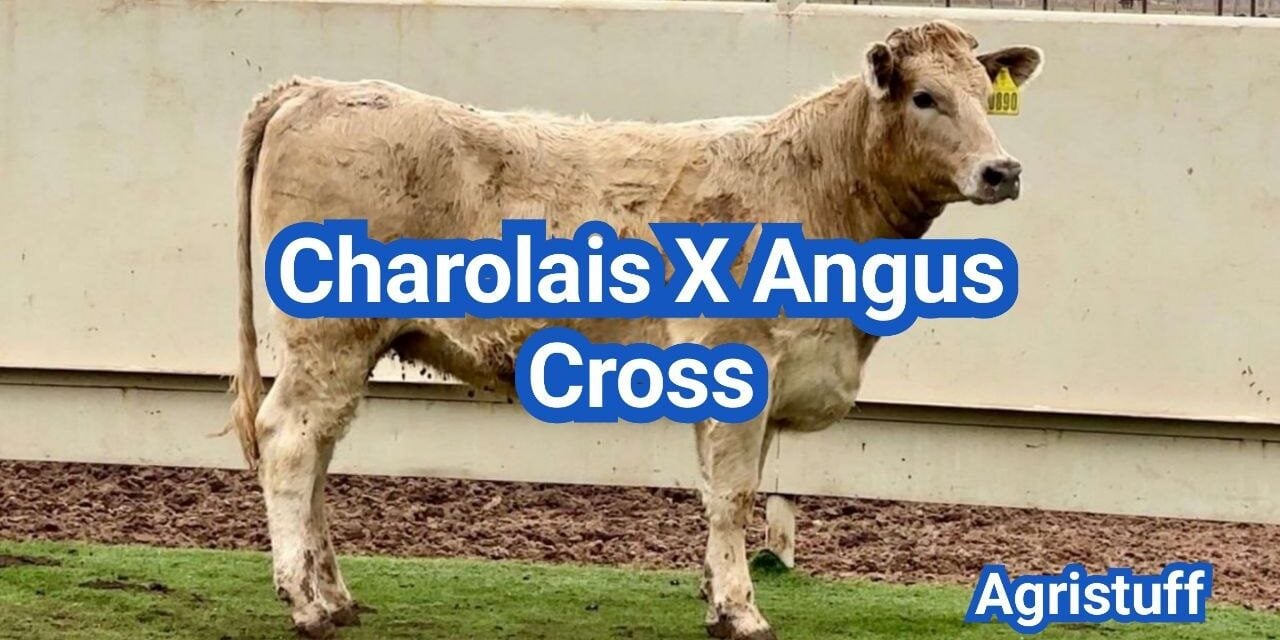
The charolais angus cross color is primarily driven by the presence of the Charolais dilution gene. This dominant gene acts to lighten the base pigment of the calf, often transforming a solid black hide into a lighter shade.
Because the Charolais breed carries this specific dilution factor, it consistently masks the solid black color of Angus cattle. Producers can expect a high degree of uniformity in their calf crops, which simplifies sorting and management at the ranch level.
Identifying Smoky Calves and Their Market Appeal
The most recognizable result of this genetic interaction is the production of smoky calves. These animals typically display a grayish or tan hue that sets them apart from solid-colored cattle in the pasture.
Many feedlot buyers actively seek out these animals because they associate the unique hide color with the hybrid vigor and growth potential of the cross. Market demand for these calves remains strong, as they are widely recognized for their ability to perform well in feedlot environments.
By understanding how these color patterns emerge, you can better manage your marketing strategy. Recognizing the value of smoky calves allows you to position your cattle effectively when selling to buyers who prioritize performance and carcass quality.
Implementing a Terminal Cross Cattle Strategy
Implementing a terminal cross cattle strategy allows ranchers to prioritize growth and carcass quality above all else. By focusing on the specific needs of the feedlot and packing plant, producers can capture significant value in the marketplace. This approach relies on the power of heterosis to produce offspring that outperform their parents in weight and efficiency.
Defining the Terminal Cross Objective
The primary goal of this system is to maximize the genetic potential of every calf born on the ranch. Producers utilize specific sire breeds to ensure that the resulting progeny possess the frame size and muscling required for premium beef production. Efficiency is the cornerstone of this objective, as every animal is bred to reach market weight as quickly as possible.
When you commit to this model, you essentially treat your herd as a factory for high-quality beef. The following benefits are typically associated with a well-managed program:
- Increased weaning weights due to hybrid vigor.
- Improved feed conversion ratios in the feedlot.
- Consistent carcass composition that meets packer specifications.
- Reduced management complexity by focusing on a single production goal.
Selecting Replacement Heifers vs. Terminal Offspring
A critical decision for any operation is whether to retain replacement females or sell all calves as terminal cross cattle. If you choose to keep heifers, you must balance maternal traits with the growth-oriented goals of your terminal sires. This often requires a more complex breeding rotation to maintain herd fertility and longevity.
Conversely, a pure terminal system involves selling all progeny, which simplifies your management requirements significantly. In this scenario, you purchase replacement females from outside sources to maintain your cow base. This allows you to use high-growth, high-carcass-merit bulls on every cow in the herd without worrying about the maternal performance of the resulting calves.
Ultimately, the choice depends on your labor availability, land resources, and long-term financial targets. Whether you retain your own females or source them externally, a consistent terminal cross cattle program ensures that your operation remains competitive in the modern beef industry.
Maximizing Beef Cattle Heterosis in Your Operation

Strategic breeding programs rely on the consistent application of beef cattle heterosis to improve overall herd output. By crossing distinct breeds like Charolais and Angus, producers tap into a biological phenomenon that drives superior performance. This process, often called hybrid vigor, allows the offspring to outperform their parents in critical areas such as growth rates and feed efficiency.
The Impact of Hybrid Vigor on Herd Productivity
The primary advantage of utilizing beef cattle heterosis is the noticeable boost in biological traits that directly influence profitability. When you introduce Continental genetics into a British-based cow herd, you often see improvements in maternal traits and calf vigor. These crossbred animals frequently demonstrate higher survival rates and faster weight gains during the nursing phase.
Producers who prioritize these genetic combinations often report significant gains in their annual production cycles. The following list highlights the key areas where hybrid vigor provides a competitive edge:
- Increased weaning weights due to improved milk production and calf growth.
- Enhanced longevity in replacement females, reducing annual replacement costs.
- Superior feedlot performance, resulting in faster finishing times.
- Improved environmental adaptability, allowing cattle to thrive in diverse climates.
Measuring the Benefits of Crossbreeding Systems
To truly capitalize on beef cattle heterosis, you must implement a disciplined approach to data collection. Measuring the success of your crossbreeding system requires consistent record-keeping to track performance metrics over several generations. Without accurate data, it is difficult to determine if your current sire selection is delivering the expected genetic progress.
Focus your tracking efforts on weaning weights and feedlot conversion ratios to quantify the financial impact of your breeding decisions. By comparing the performance of crossbred calves against purebred benchmarks, you can identify which genetic combinations yield the highest return on investment. This commitment to evaluation ensures the long-term sustainability and profitability of your commercial cow-calf operation.
Step-by-Step Guide to Breeding Charolais Bulls on Angus Cows
Implementing a structured breeding program is essential for maximizing the genetic potential of your herd. By following a clear, logical sequence, producers can effectively manage the transition to a crossbreeding system. This approach ensures that every decision supports the long-term productivity and profitability of the operation.
Step 1: Assessing Herd Goals and Market Targets
Before introducing a charolais bull on angus cows, you must define your specific objectives. Consider whether your primary goal is to produce feeder calves for the commodity market or to retain ownership through the finishing phase. Understanding your target market helps determine the ideal frame size and growth characteristics required for your herd.
Step 2: Selecting Proven Charolais Sires
Selecting the right genetics is the most critical factor in your success. Focus on bulls with strong EPDs for calving ease and growth to ensure the long-term viability of your program. Remember that purebred Charolais are distinct, and you should prioritize sires that complement the maternal traits of your existing Angus base.
Step 3: Managing Nutritional Requirements for Breeding Success
Proper nutrition serves as the backbone of any reproductive strategy. Cows must be in optimal body condition before the breeding season to ensure high conception rates. Providing a balanced diet supports the cow’s health and prepares her for the demands of gestation and lactation.
Step 4: Monitoring the Charolais Angus Cross Calf Development
Once the breeding season concludes, consistent monitoring becomes vital. Tracking the growth of your charolais angus cross calf allows you to make data-driven adjustments to your management practices. Early intervention and regular health checks ensure that your calves reach their full weight potential before weaning.
| Management Phase | Primary Focus | Key Metric |
|---|---|---|
| Planning | Market Alignment | Target Weight |
| Selection | Genetic Merit | EPD Accuracy |
| Nutrition | Cow Condition | Body Score |
| Monitoring | Growth Rates | Weaning Weight |
Evaluating Crossbred Calf Weaning Weight Potential

Achieving a higher crossbred calf weaning weight is a primary goal for many successful cattle operations today. Producers who focus on this metric often see a significant increase in their total revenue per head at the time of sale.
By optimizing the growth phase, ranchers can ensure their livestock reaches market targets more efficiently. This process requires a deep understanding of both biological potential and environmental variables.
Factors Influencing Crossbred Calf Weaning Weight
Several key elements dictate how quickly a calf gains mass before it is separated from the dam. Genetics play a foundational role, as the hybrid vigor inherent in a charolais angus cross calf often leads to superior growth compared to straight-bred animals.
Maternal milk production is another critical factor that directly impacts early development. When a cow provides high-quality nutrition through lactation, the calf is better positioned to reach its genetic growth ceiling.
Environmental conditions, such as heat stress or forage quality, also influence the final weight. Providing a stable and nutrient-rich environment allows the animal to dedicate more energy to muscle development rather than stress management.
Management Practices to Boost Growth Rates
Data consistently shows that a charolais angus cross calf will outgrow its solid black herd mates when managed correctly. To capture this advantage, producers should implement strategic supplementation programs that bridge nutritional gaps in the pasture.
Rotational grazing is an essential practice for maintaining high-quality forage intake throughout the season. By moving cattle frequently, you ensure they always have access to the most nutrient-dense grasses available.
Finally, monitoring the crossbred calf weaning weight through regular weigh-ins helps identify which management strategies are working best. Consistent data collection allows for informed decision-making that drives long-term profitability for your operation.
Optimizing Charolais Angus Carcass Yield and Quality
Achieving a superior charolais angus carcass yield requires careful attention to genetic selection and daily management. Producers must find the right balance between muscle mass and fat deposition to meet the high standards of modern beef processors. By leveraging the strengths of both breeds, ranchers can significantly improve their bottom line.
Analyzing Charolais Angus Carcass Yield
Charolais genetics are widely recognized for their ability to improve growth efficiency and overall carcass weight. When crossed with Angus, these cattle often produce a higher percentage of lean muscle compared to purebred lines. This hybrid vigor allows for faster gains in the feedlot while maintaining the structural integrity of the animal.
To maximize the potential of your herd, consider these critical factors that influence the final output:
- Genetic potential for muscle development and growth rate.
- Nutritional programs that support consistent weight gain.
- Timing of harvest to ensure optimal fat cover and marbling.
- Feed efficiency ratios during the finishing phase.
The Role of Frame Size in Carcass Composition
Frame size plays a vital role in determining the maturity rate and final composition of the carcass. A larger frame often leads to heavier weights, but it also changes the timeline for reaching ideal finish grades. Managing the charolais angus carcass yield effectively means selecting for a frame size that aligns with your specific market targets.
Cattle with moderate to large frames tend to reach their peak quality grades at different weights than smaller-framed animals. Producers should monitor these growth patterns closely to avoid harvesting too early or too late. Strategic management ensures that the carcass meets the specific quality grades demanded by today’s competitive beef market.
Balancing Angus Marbling Traits with Charolais Growth
Achieving the perfect balance between carcass quality and rapid growth is the ultimate goal for modern cattle producers. By integrating specific genetic lines, you can create offspring that thrive in the pasture while meeting the high standards of the beef industry. Focusing on angus marbling traits ensures that your final product remains competitive in premium markets.
Leveraging Angus Marbling Traits for Premium Beef
Angus genetics are widely recognized for their ability to produce superior marbling and tenderness. When you incorporate these angus marbling traits into your breeding program, you provide a foundation for high-quality beef that consumers demand. This genetic influence helps ensure that the meat retains a desirable flavor profile and texture.
Selecting bulls with high marbling EPDs is a critical step for producers aiming for quality-grade premiums. By prioritizing these angus marbling traits, you can effectively offset the lean-muscle focus of continental breeds. This strategic selection process is essential for maintaining consistency across your herd.
Combining Growth Efficiency with Meat Quality
The true power of this crossbreeding strategy lies in the synergy between Charolais growth and Angus quality. While Charolais cattle provide the frame size and muscle mass needed for efficient weight gain, the Angus influence protects the carcass grade. This combination allows producers to capture value in markets that reward well-marbled, heavy carcasses.
Managing this balance requires careful attention to the nutritional needs of your herd. Providing adequate energy and protein ensures that the cattle can express their full genetic potential for both growth and intramuscular fat. The following table highlights how these two breeds contribute to the final carcass profile.
| Trait | Charolais Contribution | Angus Contribution |
|---|---|---|
| Growth Rate | High (Explosive) | Moderate |
| Marbling | Low to Moderate | High (Superior) |
| Carcass Yield | Excellent | Good |
| Tenderness | Moderate | Excellent |
Troubleshooting Common Challenges in Crossbreeding

While crossbreeding offers significant production advantages, managing a herd requires careful attention to potential hurdles. Producers must remain vigilant to ensure that their charolais angus cross cattle thrive in various environmental conditions.
Addressing Potential Issues in Charolais Angus Cross Cattle
One primary concern involves managing birth weights to prevent calving difficulties. Because these animals often exhibit rapid growth, it is vital to monitor the genetic traits of the sires used in your program.
- Regularly review EPDs to select bulls that complement your cow base.
- Implement proactive health protocols to address respiratory or nutritional gaps early.
- Monitor the performance of charolais angus cross cattle during the critical first few months of life.
Managing Herd Uniformity and Management Consistency
Maintaining a uniform herd is essential for streamlined marketing and predictable performance. When you introduce diverse genetics, you may notice variations in frame size or coat color that can complicate management.
To ensure consistency, consider these strategic steps:
- Establish strict culling criteria to remove animals that do not meet your performance benchmarks.
- Standardize your nutritional programs across all age groups to minimize growth fluctuations.
- Keep detailed records of your charolais angus cross cattle to track long-term trends and identify areas for improvement.
By identifying these challenges early, you can implement effective solutions that keep your operation running smoothly. Consistency in your management approach is the key to maximizing the long-term success of your breeding program.
Best Practices for Marketing Smoky Calves

Achieving top dollar for your calves requires a strategic approach to presentation and market timing. Producers who understand the specific demands of the beef industry can significantly increase their profit margins. By focusing on the unique genetic traits of your herd, you can position your cattle as premium assets in a competitive market.
Understanding Buyer Preferences for Crossbred Calves
Feedlot operators and backgrounders consistently seek out cattle that offer predictable growth and superior carcass quality. Many buyers specifically look for smoky calves because they represent a proven blend of hybrid vigor and efficiency. These animals often exhibit the rapid weight gain associated with terminal crossbreeding programs.
Buyers value these calves for their ability to maintain high performance levels throughout the finishing phase. When you market these animals, emphasize their genetic background and their potential for high-quality beef production. Providing clear documentation of the sire’s performance data can build trust and justify a premium price at the auction block.
Strategies for Selling Black Angus Charolais Cross and Charolais Red Angus Cross
Marketing a black angus charolais cross requires highlighting the balance between maternal traits and terminal growth. These cattle are highly sought after because they combine the marbling potential of the Angus breed with the frame size and muscle mass of the Charolais. When selling, ensure your calves are uniform in size and weight to attract larger, more serious buyers.
Similarly, the charolais red angus cross offers a distinct advantage for producers targeting specific niche markets. These calves often display excellent feed conversion rates and hardiness. To maximize your return on investment, consider these key marketing tips:
- Sort your calves by weight and frame to create uniform lots that appeal to feedlot managers.
- Provide health records to demonstrate that your cattle have been managed with high standards of care.
- Communicate the genetic potential of your herd to highlight why your calves will outperform standard commercial lots.
By consistently applying these strategies, you can build a reputation for quality that keeps buyers returning year after year. Whether you are selling a black angus charolais cross or a charolais red angus cross, your commitment to excellence will be reflected in your bottom line.
Quick checklist
- Use verified Charolais and Angus genetics when predictable breed composition matters.
- Choose Calving Ease Direct before Birth Weight alone for heifer matings.
- Reserve performance-oriented sires for mature cows unless they are proven for heifer use.
- Expect smoky gray calves from conventional black Angus and white Charolais parents.
- Do not assume coat color qualifies calves for a black-hided or breed-specific program.
- Balance Weaning Weight and Yearling Weight with mature size, feed resources, and calving safety.
- Add Marbling, Ribeye Area, Carcass Weight, and an economic index for retained ownership.
- Conduct a breeding soundness examination before each natural-service season.
- Maintain cows near an appropriate body condition before calving and breeding.
- Record actual birth, assistance, health, weaning, and marketing outcomes.
- Precondition and group calves uniformly when the added weight and premium cover the cost.
- Calculate return per cow exposed, not simply the heaviest individual calf.
Common mistakes to avoid
- Using an unproven high-growth Charolais bull on small Angus heifers without a calving plan.
- Calling a bull “heifer safe” from one low actual birth weight instead of his Calving Ease EPD and accuracy.
- Selecting extreme Weaning Weight or Carcass Weight while ignoring feed costs, mature size, and overweight-carcass risk.
- Assuming every gray calf has the same breed percentage or genetic value.
- Expecting heterosis to correct poor fertility, unsound feet, weak udders, bad temperament, or inadequate nutrition.
- Retaining terminally selected daughters without reviewing maternal calving ease, milk, mature size, and structure.
- Mixing smoky calves with widely different weights, health histories, sexes, or horn status at sale time.
- Failing to identify sire groups and collect data, which prevents useful comparison and genetic improvement.
- Budgeting from sale weight alone while ignoring calf survival, weaning rate, price slide, and added feed.
Costs and ROI snapshot
The incremental cost of a Charolais Angus Cross begins with bull purchase or semen, bull depreciation and maintenance, breeding labor, pregnancy diagnosis, calving surveillance, and any feed required to support added performance. Those expenses sit inside a much larger cow-calf cost structure: a recent Nebraska analysis estimated annual production costs of roughly $1,034 to $1,423 per cow across low- to high-cost scenarios, with feed representing a major share. Local pasture, hay, labor, facilities, interest, and replacement rates can move the figure far outside that range. University of Nebraska–Lincoln cow-cost analysis.
- Main cost drivers: breeding animal depreciation, feed and pasture, calving labor, veterinary care, death loss, facilities, and financing.
- Costs increase when the bull serves too few cows, calves require assistance, mature size exceeds forage capacity, or extra days on feed do not earn a premium.
- Returns improve through more pounds weaned per cow exposed, high calf survival, uniform lots, documented health, efficient gain, and carcasses that fit the chosen grid.
- Beginners often underestimate bull maintenance, open cows, replacement depreciation, price slides on heavier calves, and the opportunity cost of retained heifers.
- The investment makes the most sense when the Angus cow base needs added muscle and pay weight and the producer has a buyer or ownership strategy that values those traits.
For a Charolais Angus Cross, calculate incremental gross value as added sale weight multiplied by the actual local price per pound, then adjust for any price difference between smoky and comparable black calves. Subtract added breeding, feed, health, labor, marketing, and expected dystocia or death-loss costs; for retained ownership, add verified feedlot and carcass revenue instead of assumed premiums. A partial budget is the clearest way to compare the new mating with the current system because it counts only revenues and costs that change. Iowa State University partial-budgeting method.
Verified marketing can add a modest direct expense to a Charolais Angus Cross program. AICA’s CharAdvantage options currently list an electronic identification tag with verification at $4 per head or an electronic plus visual tag at $5.25 per head, while optional claims may add audit and travel costs. Enrollment can improve information available to buyers, but a premium is never guaranteed and should be confirmed against the sale venue before spending. AICA CharAdvantage program details.
Final thought
The Charolais Angus Cross can deliver a valuable combination of smoky color, growth, muscle, and carcass balance, but only when calving ease, cow type, nutrition, health, and market specifications are designed as one system. Start with mature proven cows, choose data-backed sires, record every result, and expand the mating only after its calves improve net return for the whole herd. AICA commercial bull-buyer resources.
FAQ
How should the calves be marketed?
Market a Charolais Angus Cross with facts buyers can use: verified sire identity or breed influence, sex, weight range, days weaned, vaccination protocol, horn status, implant history, location, delivery window, and lot size. Sort for reasonable uniformity without creating uneconomically small groups, and compare local auction, video, direct, alliance, and retained-ownership alternatives. Smoky color may attract buyers familiar with Charolais performance, but health, weight, uniformity, reputation, and current demand determine the actual bid. USDA analysis of feeder-cattle value indicators.
Is this cross right for your farm?
The Charolais Angus Cross is a strong option when a reasonably uniform Angus cow herd needs more growth, muscle, and terminal output without giving up all British-breed carcass quality. It is a weaker fit when cows are very small, heifers cannot be separated, forage is already limiting mature size, the market strongly discounts smoky calves, or the producer lacks calving supervision and performance records. The best choice depends on pounds weaned per cow exposed and net return at the chosen endpoint, not the appeal of one exceptionally heavy calf. Oklahoma State University cow-calf performance analysis.
What is the main advantage of an angus and charolais cross?
The primary advantage is breed complementarity. This cross combines the angus marbling traits and maternal efficiency of the Angus with the superior growth and high charolais angus carcass yield of the Charolais, resulting in highly productive terminal cross cattle.
Why are they often called “smoky calves”?
The term refers to the charolais angus cross color. When a white Charolais bull is used on black Angus cows, a dilution gene turns the black coat to a grey or “smoky” hue, making the black angus charolais cross easily identifiable to buyers.
How does beef cattle heterosis impact weaning weights?
Beef cattle heterosis, or hybrid vigor, typically increases the crossbred calf weaning weight by 50 to 100 pounds over straight-bred calves. This is due to the improved health and growth efficiency of the angus charolais cross offspring.
Is a charolais bull on angus cows safe for calving?
Yes, provided you select a bull with a high calving ease epd and a low birth weight epd. Selecting the right genetics for a charolais bull on black cows ensures that the charolais angus cross calf is born safely without compromising its future growth potential.
What is the difference between a black angus charolais cross and a charolais red angus cross?
The main difference is the base coat color and slightly different maternal traits. A charolais red angus cross usually results in tan or apricot-colored calves, but both crosses offer similar benefits in terms of beef cattle heterosis and carcass performance.
Why is the charolais angus carcass yield so highly regarded?
The charolais angus carcass yield is superior because it combines the muscle-heavy frame of the Charolais with the fat-partitioning efficiency of the Angus. This leads to a higher dressing percentage and desirable yield grades in charolais angus cross cattle.
Can I keep heifers from a charolais bull on black cows as replacements?
While possible, most producers use this as a terminal cross cattle strategy. The goal is usually to sell all offspring to take advantage of the maximum growth and carcass weight of the charolais angus cross calf, rather than focusing on maternal longevity in the crossbred females.
How do angus marbling traits influence the final product?
Angus marbling traits ensure that even with the rapid growth provided by Charolais genetics, the beef remains tender and flavorful. This allows the angus charolais cross to qualify for premium beef programs and achieve high quality grades at harvest.
Sources & References
- American-International Charolais Association — Terminal Sire Index
- University of Nebraska–Lincoln — Economically Relevant Traits in Beef Bull Selection
- USDA Agricultural Marketing Service — Carcass Beef Grades and Standards
- USDA Agricultural Research Service — Postweaning Growth and Carcass Traits in Crossbred Cattle
- USDA Meat Animal Research Center — Germplasm Evaluation Program Report 22
- South Dakota State University Extension — Crossbreeding Systems, Heterosis, and Profit
- Beef Quality Assurance — Field Guide
- Mississippi State University Extension — Mineral and Vitamin Nutrition for Beef Cattle
- Oklahoma State University Extension — Bull Breeding Soundness Evaluations
- Beef Quality Assurance — National Manual
- Iowa State University Extension — Livestock Enterprise Budgets
- University of Nebraska–Lincoln — Economic Indexes for Beef Sire Selection