The annual selection season represents a pivotal moment for cattle producers across the United States. Evaluating potential herd sires requires a deep dive into performance data and breed-specific catalogues to ensure long-term success.
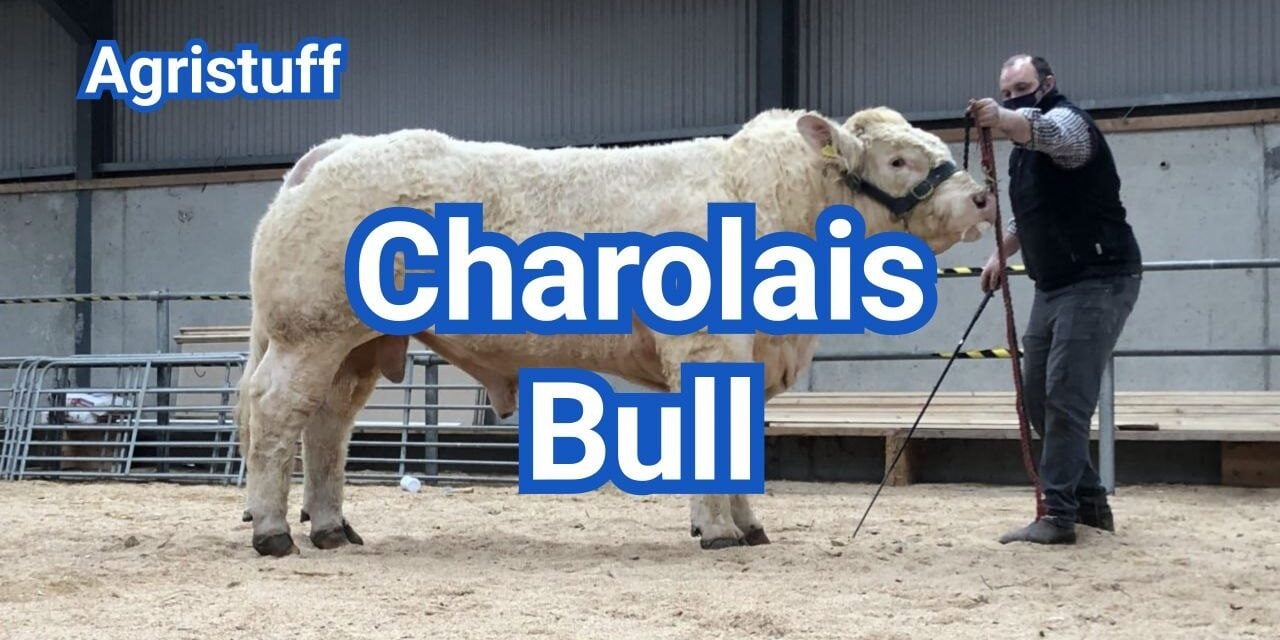
This guide offers a comprehensive roadmap for managing a high-performing Charolais bull within your beef operation. We examine critical metrics, including the ideal charolais bull weight and genetic potential, to assist you in making data-driven purchasing decisions.
Understanding these foundational elements helps cattlemen maintain a productive and profitable breeding program. Whether you are a novice or an experienced breeder, mastering these details will help you maximize your genetic investment.
Key Takeaways
- Evaluate herd sires using performance data and breed catalogues.
- Prioritize genetic potential to improve overall herd quality.
- Monitor the specific charolais bull weight to ensure physical maturity.
- Focus on fertility metrics to boost reproductive efficiency.
- Use informed decision-making to protect your long-term investment.
Understanding the Charolais Bull Breed Characteristics
When evaluating potential herd sires, producers must carefully consider the physical and behavioral attributes of the Charolais breed. These animals are highly valued for their ability to pass on superior growth traits to their offspring, which directly impacts the profitability of a beef operation. By aligning these traits with specific management goals, cattlemen can ensure long-term success in their breeding programs.
Physical stature and Charolais bull size
The breed is widely recognized for its significant frame and exceptional growth potential. A well-developed charolais bull size allows for increased weaning weights and faster finishing times in commercial herds. This physical stature is a primary driver of production efficiency, as it enables the animal to convert forage and feed into lean muscle mass effectively.
Producers should prioritize structural soundness alongside overall mass to ensure the bull can maintain his condition throughout the breeding season. A balanced approach to selecting for charolais bull size ensures that the sire remains mobile and capable of covering large pastures without excessive fatigue. This focus on physical development is essential for maintaining a high-performing herd.
Temperament and handling considerations
Beyond physical metrics, the charolais bull temperament plays a critical role in daily management and safety. Docile animals are significantly easier to handle in chutes, pens, and open pastures, which reduces stress for both the livestock and the producer. Selecting for a calm disposition is a key component of operational success and long-term safety.
A favorable charolais bull temperament allows for more efficient movement during routine health checks and vaccination protocols. When bulls are easy to manage, the risk of injury to handlers and other livestock decreases substantially. Investing in animals with a predictable and steady nature creates a more sustainable and productive environment for the entire herd.
How to choose a Charolais bull step by step

Start the Charolais Bull search by writing a breeding objective before opening a catalog: define the females, the traits that need correction, whether heifers are included, whether daughters will be retained, and how calves will be sold. Set minimum thresholds first, shortlist several bulls on paper, inspect each finalist in person or through reliable video, and calculate value per expected calf rather than bidding only on appearance, following the process recommended by University of Nebraska bull-selection specialists.
- Describe the cow herd by breed composition, mature size, age, calving history, and known weaknesses.
- Decide whether the mating is heifer-safe, maternal, balanced, or strictly terminal.
- Select the few economically relevant EPDs and indexes that match that objective.
- Compare candidates with current Charolais breed averages and percentile ranks.
- Check EPD accuracy, genomic status, pedigree, and genetic-condition results.
- Review actual weights and ratios within contemporary groups, not across unrelated ranches.
- Require a recent BSE, health history, and a clear breeding guarantee.
- Inspect feet, legs, eyes, testicles, sheath, mobility, condition, and temperament.
- Confirm delivery, insurance, injury, fertility, and return terms in writing.
- Set a maximum bid from expected lifetime calves and added value, then keep backup choices.
| Selection Criteria | Primary Benefit | Impact on Herd |
|---|---|---|
| Polled Genetics | Reduced Labor | Lower Stress Levels |
| Structural Soundness | Increased Longevity | Higher Conception Rates |
| Performance Data | Genetic Gain | Improved Calf Quality |
| Disposition | Safety | Easier Handling |
How do Charolais EPDs work?
An EPD for a Charolais Bull predicts the average genetic difference expected in his progeny compared with progeny of another bull evaluated in the same Charolais analysis, assuming comparable mating and management opportunities. EPDs predict inherited differences rather than the bull’s own future weight or a guaranteed calf result, and ordinary within-breed values should not be compared directly with another breed’s unadjusted numbers, according to the AICA genetic evaluation definitions.
For a current benchmark, the average active-sire Charolais Bull in AICA’s April 2026 evaluation had BW −1.1, WW 62.9, YW 113.7, Milk 23.9, SC 1.1, CE 10.3, MCE 8.8, DOC 11.7, REA 0.63, MARB 0.11, and TSI 267.57. Breed averages move as data and animals change, so buyers should use the evaluation date printed in the sale catalog and confirm it against the AICA April breed-average table.
- CE: Higher values predict a greater percentage of unassisted births when the sire is bred to first-calf heifers.
- BW: Predicts differences in progeny birth weight, expressed in pounds.
- WW and YW: Predict genetic differences in preweaning and postweaning growth.
- Milk and MTL: Describe maternal contribution through daughters and expected weaning performance from daughters.
- SC: Predicts differences in yearling scrotal circumference of male offspring.
- MCE: Predicts calving ease of a sire’s first-calf daughters.
- DOC: Predicts differences in progeny temperament at weaning.
- CW, REA, FAT, and MARB: Describe carcass weight, ribeye area, external fat, and marbling merit.
- TSI: Combines economically relevant terminal traits under AICA’s modeled production and marketing assumptions.
Accuracy and percentile rank add essential context to every Charolais Bull EPD. Accuracy indicates how much information supports an estimate and how likely it is to remain stable, while percentile rank shows where the animal stands within the current breed population; for example, the May 2026 top-10% active-sire cutoffs included CE 16.8, WW 78.3, YW 141.9, SC 1.7, and TSI 296.62 in the AICA active-sire percentile table.
Which EPDs matter for heifers, mature cows, and terminal calves?
When a Charolais Bull will breed virgin heifers, prioritize Calving Ease Direct first and use Birth Weight as supporting information rather than treating a light actual birth weight as a guarantee. CE directly predicts differences in unassisted births from first-calf heifers and captures more of the biological calving outcome than birth weight alone, a distinction explained in the University of Nebraska sire-selection FAQs.
When every calf will be sold and no daughters retained, a Charolais Bull can be selected more heavily for WW, YW, CW, REA, MARB, acceptable FAT, and TSI after minimum standards for calving ease, fertility, structure, and disposition are met. AICA’s TSI is specifically a terminal index, so it assumes offspring are marketed for carcass value rather than that daughters become replacements, as stated in the AICA Terminal Sire Index methodology.
If daughters will remain in the herd, a Charolais Bull should also be screened for MCE, Milk, MTL, DOC, UDDER, TEAT, mature-size implications, and the performance of his dam and related females. More milk or growth is not always better where drought, heat, winter feed cost, or limited acreage constrains the cow herd; the target is balanced genetics that match the production system, following the principles in the University of Minnesota beef genetics guide.
Managing Charolais Bull Calving Ease

The ability to produce live, healthy calves is the cornerstone of a profitable cattle enterprise. When integrating a new sire into your program, prioritizing charolais bull calving ease is essential for reducing labor costs and ensuring the long-term health of your herd. By focusing on specific genetic markers, producers can effectively minimize the risks associated with dystocia.
Balancing birth weight with growth potential
Modern beef production requires a delicate balance between rapid weight gain and the physical safety of the dam. While high growth rates are desirable for marketability, they must not come at the expense of calving difficulty. Producers should carefully analyze Expected Progeny Differences (EPDs) to find the “sweet spot” where growth potential remains high without pushing birth weights to dangerous levels.
To maintain this balance, consider the following strategies:
- Review the Birth Weight (BW) EPD alongside the Yearling Weight (YW) EPD.
- Look for sires that show moderate birth weight numbers while maintaining strong performance in later growth stages.
- Use charolais bull calving ease EPDs as a primary filter during the selection process.
Selecting sires for heifer versus cow herds
Management requirements often shift depending on the age and maturity of the females in your herd. Heifers, in particular, require more conservative genetic choices to ensure they can deliver calves without intervention. Selecting a bull with a proven track record for lower birth weights is a smart investment for any heifer development program.
For mature cow herds, you may have more flexibility to select for higher growth traits. However, even with mature cows, maintaining a focus on charolais bull calving ease helps prevent unnecessary stress and potential injury during the calving season. Always tailor your sire selection to the specific physiological needs of your breeding group to maximize reproductive efficiency.
Determining Optimal Charolais Bull Breeding Age
Proper timing for the first breeding season is essential for the long-term success of your Charolais investment. Producers must balance the desire for early genetic progress with the physical reality of animal development. Establishing the correct charolais bull breeding age ensures that your sire remains productive for many years.
Developmental milestones for young bulls
A charolais bull calf undergoes significant physiological changes before he is ready for service. Most experts recommend waiting until the animal has reached at least 14 to 15 months of age. By this stage, the bull should exhibit proper skeletal growth and adequate scrotal circumference.
Monitoring these milestones prevents premature exhaustion and potential injury. A young bull must demonstrate sufficient libido and physical soundness to handle the demands of a breeding pasture. Always verify that his weight is appropriate for his frame size before turning him out with cows.
Transitioning from bull calf to mature sire
The transition from a growing charolais bull calf to a functional charolais breeding bull requires careful nutritional management. You should avoid over-conditioning the animal, as excess fat can negatively impact his future fertility. Instead, focus on a balanced diet that supports steady muscle development and structural integrity.
Gradual exposure to the herd is often the best strategy for a first-time sire. This approach allows the animal to gain confidence and experience without being overwhelmed by the breeding workload. The following table provides a general guideline for managing your bull’s workload based on his age.
| Age of Bull | Recommended Cow Count | Management Focus |
|---|---|---|
| 14–16 Months | 10–15 Cows | Monitor closely for fatigue |
| 18–24 Months | 15–25 Cows | Check body condition score |
| 2+ Years | 25–40 Cows | Full breeding capacity |
By following these guidelines, you protect your charolais breeding bull from burnout. Proper management during these early stages pays dividends in the form of higher conception rates and a more uniform calf crop. Always prioritize the long-term health of the animal over short-term breeding goals.
Conducting a Comprehensive Breeding Soundness Exam

The most reliable way to prevent breeding failures is to conduct a standardized health and fertility evaluation. Prioritizing charolais bull breeding soundness before the start of the season is a non-negotiable practice for successful cattlemen. By identifying sub-fertile animals early, you protect your genetic investment and ensure a higher conception rate across your herd.
Physical examination protocols
A thorough breeding soundness exam begins with a detailed physical assessment. Veterinarians examine the bull’s overall structural integrity to ensure he can travel and mount cows without physical limitation. This includes checking the eyes for vision, the teeth for proper alignment, and the feet and legs for structural soundness.
A bull must possess the physical stamina to cover large pastures. If a bull suffers from lameness or joint issues, his ability to service cows decreases significantly. Structural longevity is a key trait that ensures your sire remains productive for many seasons.
Semen evaluation and fertility standards
Once the physical check is complete, the focus shifts to reproductive capacity. A professional breeding soundness exam includes a semen collection to analyze sperm motility and morphology. These metrics are compared against industry standards to determine if the bull meets the minimum requirements for commercial use.
High-quality semen is essential for achieving optimal pregnancy rates. Bulls that fail to meet these specific fertility benchmarks should be culled or re-tested after a recovery period. Maintaining strict standards for charolais bull breeding soundness ensures that your operation remains efficient and profitable.
| Evaluation Category | Key Focus Area | Success Metric |
|---|---|---|
| Physical Structure | Feet, Legs, and Eyes | Sound and Functional |
| Semen Motility | Progressive Movement | Greater than 30% |
| Semen Morphology | Normal Sperm Shape | Greater than 70% |
| Scrotal Circumference | Testicular Development | Age-Appropriate Size |
Optimizing Charolais Bull Fertility
Because reproductive traits are lowly heritable, your management choices directly dictate the success of your breeding season. While genetics provide the foundation, environmental and nutritional factors ultimately determine how well a sire performs in the pasture. Prioritizing charolais bull fertility ensures that your investment remains productive throughout the entire breeding cycle.
Nutritional requirements for peak performance
A bull must maintain an ideal body condition score to sustain high levels of activity. During the months leading up to turnout, you should monitor energy intake to prevent the animal from becoming too thin or overly fat. Proper nutrition is the cornerstone of maintaining the stamina required for heavy breeding workloads.
To support consistent performance, consider these essential dietary components:
- Energy density: High-quality forage supplemented with grain if necessary to maintain a BCS of 6.
- Trace minerals: Adequate levels of copper, zinc, and selenium are vital for sperm production.
- Fresh water: Unlimited access to clean water is non-negotiable for metabolic health.
Environmental factors affecting reproductive health
External stressors can quickly undermine even the best nutritional program. Heat stress is a primary concern, as high temperatures can significantly reduce sperm quality and motility. Providing adequate shade and wind protection helps mitigate these risks during the hot summer months.
Producers should also be mindful of the physical environment where the bulls reside. Keeping the breeding area free of deep mud and excessive debris prevents foot rot and other injuries that limit mobility. By proactively managing these environmental variables, you protect your charolais bull fertility and ensure your herd sire remains capable of meeting your production goals.
Ultimately, a consistent management strategy is the most effective way to safeguard reproductive health. When you combine balanced nutrition with a comfortable environment, you maximize the longevity and effectiveness of your Charolais bulls.
Establishing the Correct Bull-to-Cow Ratio

Optimizing your bull-to-cow ratio is a fundamental step for any serious cattle producer aiming for high conception rates. When you align the number of females with the physical capacity of your sire, you ensure that every cow has the opportunity to be bred in a timely manner. This balance is essential for maintaining a tight calving window and maximizing the profitability of your herd.
Factors influencing breeding capacity
The appropriate bull-to-cow ratio depends heavily on the age of the bull, the size of the pasture, and the terrain. A young, developing bull typically requires a smaller group of cows to avoid overexertion during his first season. Conversely, a mature, experienced sire can handle a larger workload, provided he is in peak physical condition.
Terrain also plays a significant role in how much ground a bull must cover. In rugged or expansive pastures, a bull spends more energy traveling, which may necessitate a lower ratio to ensure he remains effective. Producers should always assess the physical condition of their sires before turning them out to ensure they can handle the demands of the environment.
Managing multiple bulls in a pasture setting
When running multiple bulls together, you must account for social hierarchy to minimize conflict. Dominant bulls may spend more time fighting than breeding, which can lead to lower conception rates across the herd. It is often helpful to group bulls of similar age and size to reduce aggressive behavior and ensure more uniform coverage.
Monitoring your bulls during the first few days of the breeding season is critical. If you notice excessive fighting or one bull dominating the others, you may need to adjust your management strategy. Providing adequate space and ensuring all bulls are sound helps maintain a productive environment for the entire group.
| Bull Age | Pasture Terrain | Recommended Ratio |
|---|---|---|
| Yearling (12-15 months) | Flat/Small | 1:15 to 1:20 |
| Two-Year-Old | Moderate | 1:20 to 1:25 |
| Mature Bull (3+ years) | Large/Rugged | 1:25 to 1:35 |
Integrating the Charolais Terminal Sire into Your Program
Strategic crossbreeding allows producers to capture significant gains in growth and carcass quality. By utilizing a charolais terminal sire, you can effectively shift your production focus toward maximizing the market value of your calf crop. This approach prioritizes genetic traits that favor rapid weight gain and superior meat yield.
Maximizing hybrid vigor in crossbreeding
Hybrid vigor, or heterosis, is the primary driver of success in a well-planned crossbreeding system. When you introduce a charolais sire to a different maternal breed, the resulting offspring often outperform the average of both parents. This biological boost leads to improved health, faster growth rates, and better overall efficiency in the feedlot.
Producers should aim to complement the maternal strengths of their cow herd with the terminal traits of the bull. This synergy ensures that the calves possess the necessary frame size and muscle development to reach target weights quickly. Strategic selection is essential to ensure that the crossbreeding program remains balanced and profitable.
Performance expectations for terminal offspring
When you integrate a charolais terminal sire, you should anticipate significant improvements in carcass composition. These offspring are typically characterized by high lean-to-fat ratios and excellent ribeye area measurements. Such traits are highly sought after by processors who value yield and quality grade consistency.
Setting realistic expectations involves monitoring growth curves and feed conversion ratios. A high-performing charolais sire will consistently produce calves that reach market weight ahead of schedule. The following table outlines the expected performance improvements when using this breed in a terminal system.
| Performance Metric | Standard Crossbred | Charolais-Sired Offspring |
|---|---|---|
| Average Daily Gain | Baseline | +10-15% Increase |
| Carcass Yield | Moderate | High Efficiency |
| Feed Conversion | Standard | Improved Efficiency |
| Market Readiness | Standard Time | Earlier Maturity |
Best Practices for Turning a Charolais Bull on Cows

Turning a charolais bull on cows is a critical management step that demands attention to detail and patience. While it may seem like a simple task of opening a gate, the process requires careful planning to ensure the safety of the animals and the success of your breeding program.
Acclimatization and social integration
Before the breeding season begins, allow your bull a period of acclimatization to his new environment. Moving a bull to a new pasture can be stressful, and giving him a few days to settle helps him adjust to the local terrain and water sources.
Social integration is equally vital when introducing a new sire to an established herd. Observe the interactions between the bull and the cows to ensure there is no excessive aggression or bullying. Proper social adjustment reduces the risk of injury and helps the bull focus on his primary task of breeding.
“The success of a breeding season is often determined by the care taken during the first week of introduction. A calm, well-adjusted bull is far more effective than one stressed by a sudden change in surroundings.”
Monitoring breeding activity and success
Once the bull is integrated, consistent monitoring is necessary to confirm he is actively working. You should check the herd daily to observe breeding behavior and ensure the bull is physically capable of covering the cows.
Keeping a close eye on the herd allows you to identify any potential issues early, such as lameness or lack of libido. Utilizing a charolais bull on cows effectively means being proactive rather than reactive when challenges arise.
| Management Task | Frequency | Goal |
|---|---|---|
| Visual Health Check | Daily | Identify injuries |
| Breeding Observation | Twice Daily | Confirm activity |
| Pasture Rotation | Weekly | Maintain forage |
| Body Condition Score | Bi-weekly | Monitor weight |
By following these best practices, you ensure that your charolais bull on cows remains healthy and productive throughout the entire breeding cycle. Consistent observation and a structured approach will lead to higher conception rates and a more profitable calf crop.
Monitoring Charolais Bull Weight and Body Condition
Keeping a close eye on your charolais bull weight is vital for maintaining high fertility levels throughout the breeding season. A bull’s body condition serves as a direct indicator of his overall health and reproductive potential. By tracking these metrics, you can ensure your sire remains physically capable of performing his duties effectively.
Seasonal weight management strategies
Managing the nutritional intake of a bull requires a seasonal approach to prevent extreme fluctuations. During the off-season, focus on maintaining a stable weight that supports muscle mass without excessive fat accumulation. As the breeding season approaches, you may need to increase energy density to ensure the charolais bull weight remains optimal for the physical demands of the pasture.
It is essential to adjust forage quality and supplementation based on the bull’s current body condition score. Consistency is key when transitioning between grazing periods and supplemental feeding programs. Always provide access to clean water and high-quality minerals to support metabolic health.
Identifying signs of nutritional stress
Producers should watch for early warning signs that indicate a bull is struggling to maintain his condition. A sudden drop in charolais bull weight or a dull, rough hair coat often signals that the current diet is insufficient. You might also notice a decrease in libido or lethargy, which are common indicators of underlying nutritional stress.
Early intervention is critical to prevent long-term damage to reproductive health. If you notice these signs, evaluate the pasture quality or consult with a nutritionist to adjust the ration immediately. Protecting your genetic investment requires proactive observation and timely management adjustments.
| Condition Score | Physical Description | Management Action |
|---|---|---|
| 1-3 (Thin) | Ribs and spine clearly visible | Increase energy intake immediately |
| 4-6 (Ideal) | Smooth coverage, ribs not prominent | Maintain current nutritional program |
| 7-9 (Obese) | Heavy fat deposits, restricted movement | Reduce caloric density gradually |
Health and Vaccination Protocols for Breeding Bulls

A proactive approach to animal wellness protects your investment in high-quality genetics. Maintaining a charolais breeding bull requires consistent attention to detail and a commitment to preventative medicine. By prioritizing health, you ensure that your animals remain productive and fertile throughout their working lives.
Preventative care for the herd sire
A robust vaccination program acts as the primary defense against common reproductive diseases. You should work closely with a local veterinarian to tailor a schedule that addresses regional health risks. Consistency is key when managing the immune status of your charolais herd sire.
Beyond vaccinations, parasite control remains a critical component of daily management. Internal and external parasites can significantly reduce a bull’s body condition and overall stamina. Regular deworming and fly control measures help maintain peak performance during the breeding season.
| Vaccination Type | Frequency | Target Disease |
|---|---|---|
| IBR/BVD/PI3/BRSV | Annually | Respiratory & Reproductive |
| Leptospirosis | Every 6 Months | Reproductive Failure |
| Clostridial (7-Way) | Annually | Blackleg & Tetanus |
| Vibriosis | Pre-Breeding | Infertility |
Biosecurity measures for new arrivals
Introducing a new animal into your operation carries inherent risks of disease transmission. Establishing a strict quarantine period is the most effective way to protect your existing herd. New arrivals should be isolated for at least thirty days to monitor for signs of illness.
During this isolation phase, perform necessary diagnostic testing for persistent infections. This practice prevents the accidental introduction of pathogens that could compromise your entire breeding program. Careful observation during this time allows you to verify the health status of your new charolais breeding bull before he joins the group.
Finally, keep detailed health records for every charolais herd sire on your property. Documentation helps you track booster dates and identify potential health trends early. A well-managed health program is the foundation of a sustainable and profitable cattle enterprise.
Troubleshooting Common Breeding Challenges

Successful cattlemen know that troubleshooting reproductive issues is a vital skill for long-term profitability. Even with rigorous management, you may occasionally face obstacles that require immediate attention to protect your bottom line. Proactive monitoring is the best way to ensure your operation remains productive throughout the season.
Addressing low conception rates
When you notice a decline in pregnancy rates, it is essential to investigate the root cause immediately. Often, poor charolais bull fertility can be traced back to nutritional deficiencies or severe environmental stress. If your bulls are not receiving adequate minerals or energy, their ability to settle cows will drop significantly.
Sub-fertile bulls are another common culprit that can disrupt your breeding window. If a bull fails to settle a high percentage of cows, you must evaluate his semen quality and overall health. Identifying these issues early allows you to replace the sire before the entire breeding season is lost.
Managing injury and physical limitations
Physical injuries can occur unexpectedly during the breeding season, especially when bulls are competing for dominance. A lame bull or one with a penile injury will struggle to perform his duties, directly impacting your herd’s charolais bull fertility metrics. You should conduct regular visual inspections to catch these problems before they escalate.
If a bull sustains a significant injury, you must make a difficult decision regarding his future in the herd. Structural soundness is non-negotiable for a working sire, and attempting to force an injured animal to breed often leads to further health complications. Always prioritize the long-term reproductive health of your cows by removing compromised bulls from the pasture as soon as a limitation is identified.
Record Keeping for Genetic Improvement
You cannot improve what you do not measure, especially when managing Charolais genetics. Accurate record keeping is the only way to measure the true genetic impact of a sire on your herd. By maintaining a systematic approach to data, you transform raw observations into a roadmap for success.
“Without data, you are just another person with an opinion. In the cattle business, your records are the final word on profitability and progress.”
— Anonymous Cattleman
Tracking progeny performance data
To evaluate the success of your breeding program, you must document specific performance metrics for every calf. Start by recording birth weights, as these provide immediate feedback on calving ease and early growth potential. Consistent monitoring of weaning and yearling weights allows you to see how your sire influences the overall development of the calf crop.
Beyond weight, consider tracking carcass traits such as ribeye area and marbling scores. These data points reveal the terminal value of your offspring in the marketplace. Keeping these records in a centralized database ensures that you can compare performance across different seasons and environmental conditions.
Using records to refine future selection
Once you have gathered sufficient data, use it to make informed decisions about your breeding program. Identify your top-performing cows and match them with sires that complement their specific strengths. Conversely, use your records to identify underperforming animals that may need to be culled from the herd.
This data-driven approach allows you to refine your selection criteria for future herd sires. By focusing on the traits that provide the highest return on investment, you ensure that your operation remains profitable. Strategic planning based on historical performance is the most reliable way to achieve your long-term genetic objectives.
The Role of the Charolais Bull in Modern Beef Production

As the beef industry evolves, the Charolais bull continues to serve as a vital asset for enhancing herd productivity. These animals are recognized for their ability to pass on superior growth traits and high-quality carcass characteristics to their offspring. By integrating these genetics, producers can maintain a competitive edge in a demanding global market.
Economic impact on calf crop value
The primary economic advantage of utilizing a Charolais sire lies in the significant improvement of weaning weights. Calves sired by these bulls often exhibit faster growth rates, which translates directly into higher revenue at the time of sale. This boost in performance helps producers maximize the value of every calf crop.
Beyond growth, the breed is renowned for its positive influence on carcass quality. Offspring typically display excellent yield grades and high lean-to-fat ratios, which are highly sought after by processors. Investing in high-quality genetics ensures that the final product meets the specific requirements of the modern beef supply chain.
Future trends in Charolais genetics
The future of the breed is increasingly tied to the integration of advanced technology. Breeders are now utilizing genomic data to make more precise selection decisions than ever before. This shift allows for a deeper understanding of traits that were previously difficult to measure, such as feed efficiency and disease resistance.
Looking ahead, the focus will remain on balancing rapid growth with structural integrity and fertility. As data collection becomes more sophisticated, the ability to predict progeny performance will continue to improve. This commitment to genetic refinement ensures that the Charolais bull will remain a cornerstone of efficient and profitable beef production for years to come.
Quick checklist
- Match CE and BW risk to heifers or mature cows.
- Match WW, YW, CW, REA, MARB, and TSI to the sale endpoint.
- Add MCE, Milk, MTL, DOC, UDDER, and TEAT when keeping daughters.
- Verify the registration number, tattoo, pedigree, and current EPD date.
- Confirm genomic and Bovine Progressive Ataxia status.
- Obtain a BSE four to six weeks before turnout.
- Discuss trichomoniasis and herd-specific vaccination needs with a veterinarian.
- Watch the bull walk on a firm, level surface and inspect every foot.
- Target moderate working condition and make diet changes gradually.
- Use an age- and terrain-appropriate bull-to-female ratio.
- Record breeding activity, returns to heat, pregnancy rate, and calf outcomes.
Common mistakes to avoid
- Buying only on actual weight: Adjust for age, condition, management, and contemporary group before comparing animals.
- Using birth weight alone for heifers: Give Calving Ease Direct primary emphasis.
- Chasing the highest growth numbers: Set acceptable limits for calving ease, mature size, feed resources, feet, and fertility.
- Using a terminal index while retaining daughters: Add maternal and functional traits to the decision.
- Accepting an old BSE: Recheck every breeding season and allow time to retest or replace a deferred bull.
- Ignoring libido and service activity: Observe bulls after turnout because a BSE does not measure desire.
- Overloading a yearling: Reduce female numbers for age, inexperience, synchronization, heat, or rough terrain.
- Skipping written terms: Clarify fertility guarantee, injury coverage, delivery, insurance, and return conditions before payment.
- Failing to measure results: Pregnancy rate, calving distribution, assistance, weaning weight, and calf value determine whether the purchase worked.
Costs and ROI snapshot
The purchase price of a Charolais Bull varies widely with age, pedigree, EPD profile, genomic information, soundness, breeder reputation, and market conditions. For a practical 2026 sensitivity analysis, Oklahoma State modeled ownership at purchase prices of $5,600, $8,400, $11,200, and $14,000; assuming 140 calves over the bull’s service life, those values represented $40, $60, $80, and $100 of purchase cost per female bred before other costs in the Oklahoma State bull-value example.
Annual expense for a Charolais Bull also includes feed, pasture, mineral, veterinary work, BSE and disease tests, labor, facilities, interest, insurance, injury risk, death loss, and the difference between purchase price and cull value. Costs vary sharply by region and forage system; one Nebraska 2025 planning budget assigned $650 annually to bull feed and demonstrated why producers should replace generic averages with local numbers from the University of Nebraska cow-cost budget.
Return from a Charolais Bull comes from calves born early and alive, added sale weight, improved uniformity, premiums or grid value, useful replacement daughters when intended, and several productive breeding seasons. Calculate net bull cost as purchase plus ownership expenses minus cull value, divide by calves weaned rather than cows exposed, and then compare candidates using expected calf value and risk; the most expensive sire can be the better investment, but only when measurable added value exceeds his extra cost in the University of Nebraska Bull Value Cow-Q-Lator framework.
Final thought
The best Charolais Bull is the sound, fertile, manageable sire whose genetics solve a defined herd problem and produce calves that fit a paying market. Set the objective first, verify the data and health records, inspect function, and measure the calf crop so the next breeding decision is based on evidence rather than sale-day appearance, supported by the AICA Bull Buyers Guide.
FAQ
How much does a full-grown Charolais bull weigh?
A full-grown Charolais Bull usually weighs about 2,000 to more than 2,500 pounds, although genetics and condition create substantial variation. That mature range should not be used as a required target for a yearling or as proof of breeding value, according to the Oklahoma State Charolais breed profile.
Can a Charolais bull be used on heifers?
A Charolais Bull can be used on heifers only when his current Calving Ease Direct data, pedigree, accuracy, physical soundness, and breeder history support that job and the heifers are adequately developed. Select primarily on CE rather than assuming a low actual birth weight makes every sire heifer-safe, as advised by University of Nebraska bull-selection guidance.
Does passing a BSE guarantee that a bull will breed cows?
No, a Charolais Bull that passes a BSE is classified as a satisfactory potential breeder at the time of examination, not guaranteed to maintain libido, avoid injury, or settle every female. Continue observing service behavior and returns to heat because scrotal circumference, semen quality, and physical examination do not directly measure libido, as noted by South Dakota State fertility guidance.
How many cows should a yearling bull cover?
A sound yearling Charolais Bull is often assigned roughly one female per month of age, so a 15-month-old may begin with about 15 females under favorable conditions. Use fewer when terrain is difficult, heat is severe, estrus is synchronized, or the bull is losing condition, based on University of Nebraska breeding-season guidance.
How long can a breeding bull remain productive?
A Charolais Bull may remain useful for several seasons, but age six is commonly treated as the end of the prime-age window rather than a mandatory culling date. Annual BSE results, feet, teeth, eyes, condition, injury history, libido, genetic relationships, and cost per calf should determine retention, with age-based context from Oklahoma State’s bull-capacity guidance.
What is the average Charolais bull weight at maturity?
A mature Charolais bull weight typically ranges between 2,000 and 2,500 pounds. However, this can vary based on the specific genetics of the Charolais sire and the nutritional management of the ranch.
Why should I consider a polled Charolais bull?
Choosing a polled Charolais bull is a major labor-saving decision. It eliminates the need for physical dehorning of the offspring, which reduces animal stress and potential infection risks while maintaining the high growth standards of the breed.
How do I interpret Charolais bull EPDs for growth?
When reviewing Charolais bull EPDs, look for high values in Weaning Weight (WW) and Yearling Weight (YW) to maximize growth. Additionally, the Charolais terminal sire index (TSI) provides a single numerical value to help you select for overall profit potential in terminal calves.
What is a breeding soundness exam and why is it necessary?
A breeding soundness exam is a clinical evaluation by a veterinarian to ensure a bull is physically and reproductively fit. It includes a physical check of the Charolais bull size and structure, along with a semen evaluation to confirm Charolais bull fertility before the season begins.
What is the ideal Charolais bull breeding age for a new bull?
While a Charolais bull calf may show interest early, the ideal Charolais bull breeding age is 14 to 18 months for light use. This ensures the animal has reached the necessary developmental milestones to remain a productive Charolais breeding bull for years to come.
How does Charolais bull temperament affect management?
Charolais bull temperament is vital for safety and ease of use. Docile bulls are easier to move when turning a Charolais bull on cows and cause less damage to facilities. Selecting for a calm disposition is a priority for the American-International Charolais Association.
What is the recommended bull-to-cow ratio for a Charolais sire?
The standard bull-to-cow ratio for a mature, healthy Charolais herd sire is approximately 1:25 to 1:30. For a younger bull, the ratio should be lower to prevent over-exhaustion and ensure high conception rates.
Can I use a Charolais bull for calving ease on heifers?
Yes, but you must specifically select for Charolais bull calving ease by checking EPDs. Look for bulls with high Calving Ease Direct (CED) scores and low Birth Weight (BW) EPDs to ensure a safe delivery for your heifers.
What is the advantage of using a Charolais terminal sire?
A Charolais terminal sire is used to maximize hybrid vigor in a crossbreeding program. The resulting calves typically have superior muscling and growth, making them highly valuable as “terminal” offspring intended for the feedlot and beef processing.
Sources & References
- AICA National Cattle Evaluation: Charolais Genetic Trend
- AICA EPD Percentile Rankings for Non-Parents
- University of Nebraska: Single-Trait EPDs, Indexes, and Production Ratios
- South Dakota State University: Herd Bull Fertility
- Mississippi State Extension: Beef Bull Development
- USDA APHIS: Beef Cow-Calf Health and Management Practices
- Beef Quality Assurance Field Guide
- Oklahoma State Extension: Cattle Handling Safety
- University of Nebraska: Breeding-Season Management in Confinement
- Oklahoma State Extension Ranch Calculator
- AICA Power of Yield