
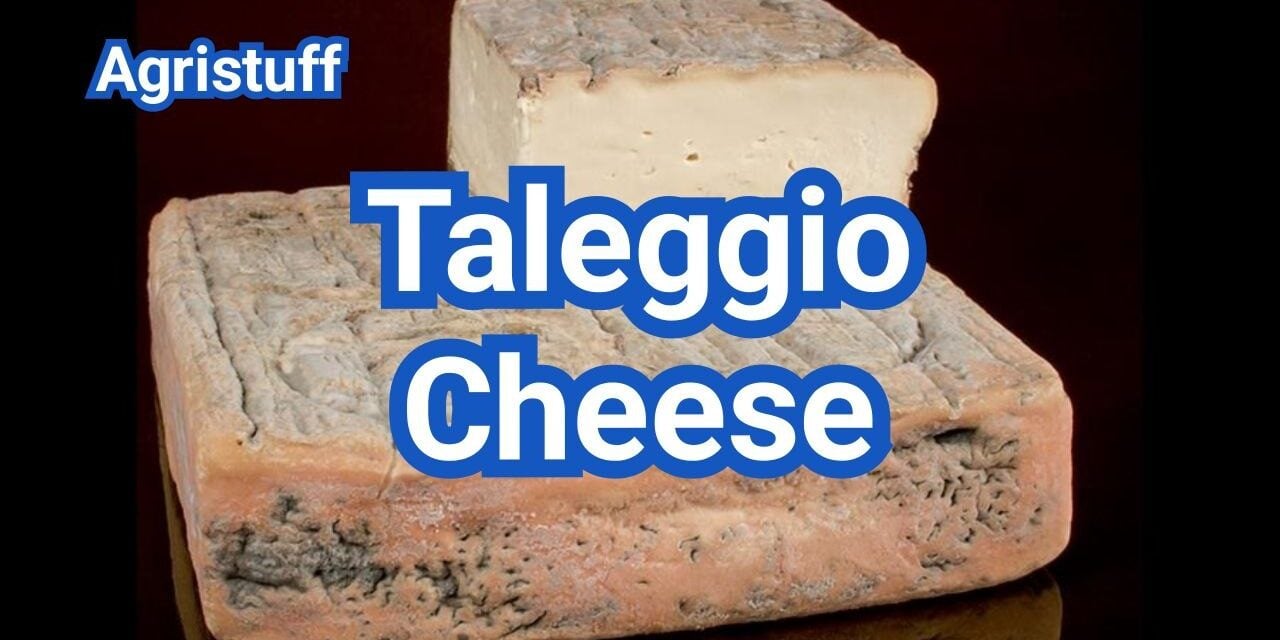
If you enjoy exploring unique dairy products, you might wonder: what is taleggio cheese? This Italian staple is a soft-ripened variety known for its distinct, washed rind. While its aroma can be quite pungent, the flavor profile is surprisingly gentle.
Many food lovers appreciate the taleggio cheese taste because it balances a buttery, creamy texture with subtle fruity notes. It remains relatively mild on the palate, making it a versatile addition to your kitchen.
Whether you want to melt it into a rich risotto or serve it on a curated board, this product offers endless culinary possibilities. We will guide you through the best ways to store, pair, and substitute this savory delight for your next meal.
Key Takeaways
- It is a traditional Italian soft-ripened product with a signature washed rind.
- The flavor is buttery and fruity, despite a strong, pungent aroma.
- It excels in melting applications like pasta, polenta, and gourmet sandwiches.
- The rind is entirely edible and adds a complex depth to the overall experience.
- Proper storage in the refrigerator is essential to maintain its creamy consistency.
What Is Taleggio Cheese?
If you have ever wondered what is Taleggio cheese?, you are likely curious about its unique washed-rind process and storied history. This semi-soft cow’s milk cheese originates from the Lombardy region of Italy and is celebrated for its approachable yet complex flavor profile.
The Italian Soft-Ripened Cheese in Brief
Taleggio Cheese is a soft, surface-ripened table cheese made in northern Italy from whole cow’s milk, which may be raw or pasteurized. Authentic Taleggio carries Protected Designation of Origin status, meaning its milk production, cheesemaking, and maturation must follow a defined specification within the approved region. The finished square cheese has a thin natural rind, a smooth pale paste, and at least 35 days of maturation under the official EU product specification.
How Taleggio Differs From Other Washed-Rind Cheeses
While some washed-rind cheeses like Limburger are famous for an overwhelming, pungent aroma, Taleggio is much more balanced. It offers a distinctive earthy scent that hints at its intensity without being aggressive. The taleggio cheese texture is supple and creamy, making it far more versatile in cooking than firmer, aged varieties.
Unlike blue cheeses, Taleggio contains no mold veins. It relies on the surface-ripening technique to create a savory, slightly fruity interior that appeals to a wide range of palates.
Key Facts About Shape, Size, Color, and Classification
The most recognizable feature of this cheese is its square shape, which is a traditional hallmark of its production. The taleggio cheese rind is thin and coarse, typically displaying a beautiful orange-pink hue that develops naturally during the washing process.
| Feature | Taleggio | Brie | Limburger |
|---|---|---|---|
| Milk Source | Cow | Cow | Cow |
| Rind Type | Washed | Bloomy | Washed |
| Aroma Intensity | Moderate | Mild | Very Strong |
| Texture | Semi-soft | Creamy | Soft/Spread |
Where Does Taleggio Come From?

If you have ever wondered where does taleggio come from?, the answer lies in the lush, green valleys of the Italian Alps. This historic cheese has been crafted for centuries, with roots tracing back to the Roman era.
It remains a symbol of Italian heritage, representing the deep connection between local farmers and their land. The unique environment of the region plays a vital role in developing the cheese’s distinct character.
Taleggio’s Origins in Lombardy
The story of this cheese begins in the Lombardy region of Northern Italy. Local mountain communities developed the recipe as a way to preserve surplus milk during the autumn and winter months.
Tradition is the soul of this craft. Generations of cheesemakers have passed down the specific techniques required to create its signature washed rind and soft interior.
How the Cheese’s Name Relates to Val Taleggio
The name of the cheese is directly linked to the Val Taleggio, a valley located in the province of Bergamo. This area provided the perfect climate for aging the cheese in natural caves.
“The landscape of the valley is not just a place; it is an essential ingredient that shapes the flavor of the cheese itself.”
Over time, the name became synonymous with the high-quality product produced in these specific mountain pastures. It eventually became a protected designation to ensure its authentic regional identity.
Traditional Production Areas in Northern Italy
Today, production is strictly regulated to maintain the quality associated with its history. Authentic taleggio DOP is produced primarily in the provinces of Bergamo, Brescia, Como, Cremona, Lecco, Lodi, Milan, Pavia, and Novara.
When consumers ask what does taleggio pdo mean?, they are looking for a guarantee of origin. This certification ensures that the cheese is made according to strict traditional standards within these designated Italian provinces.
Taleggio Cheese Taste, Smell, Texture, and Rind
Taleggio offers a unique sensory experience that balances bold aromas with a surprisingly delicate flavor. Many newcomers often wonder what does taleggio cheese taste and smell like? before they take their first bite. Understanding these characteristics helps you appreciate why this Italian classic remains a staple in gourmet kitchens.
What Does Taleggio Taste Like?
When you ask what does taleggio taste like, the answer is often a pleasant surprise. While the exterior suggests intensity, the interior paste is remarkably creamy and buttery. You will notice a savory profile that features subtle fruity notes and a gentle, lingering tang.
The flavor is never aggressively pungent or sharp. Instead, it provides a balanced, rich experience that coats the palate. It is this refined complexity that makes it a versatile choice for both raw consumption and cooked dishes.
Why Taleggio Smells Stronger Than It Tastes
The taleggio cheese smell is frequently described as earthy or barnyard-like, which can be intimidating to the uninitiated. This aroma comes from the specific bacteria used during the washing process of the rind. However, the scent is much more potent than the actual flavor of the cheese.
The interior paste remains protected from these surface aromas. Once you remove the rind or consume the cheese, the mellow, savory notes take center stage. Do not let the initial fragrance deter you from enjoying the mild, delicious interior.
What Texture Does Taleggio Have?
Taleggio is classified as a semi-soft, washed-rind cheese. At room temperature, the texture becomes luxuriously soft and spreadable. It is dense enough to hold its shape when sliced, yet it melts beautifully when exposed to heat.
You will find that the paste is smooth and uniform throughout. If the cheese appears runny or separated, it may be over-ripened. A high-quality piece should feel supple and slightly springy to the touch.
What the Orange-Pink Taleggio Cheese Rind Indicates
The distinctive orange-pink rind is a hallmark of the traditional washing process. During maturation, the cheese is regularly wiped with brine, which encourages the growth of specific cultures. This process gives the rind its vibrant color and robust aroma.
The rind is technically edible, though some people prefer to remove it due to its strong flavor. If you notice harsh ammonia smells, dark mold spots, or a broken, weeping paste, these are clear signs of spoilage. Always look for a firm, clean rind that shows the characteristic reddish-orange hue.
| Feature | Description | Sensory Note |
|---|---|---|
| Aroma | Earthy and pungent | Stronger than flavor |
| Flavor | Buttery and savory | Mildly fruity and tangy |
| Texture | Semi-soft | Creamy and spreadable |
| Rind | Orange-pink | Edible but intense |
How Is Taleggio Cheese Made and Aged?
If you have ever wondered how is taleggio cheese made and aged?, the process involves a fascinating blend of centuries-old techniques and precise environmental control. This artisanal craft transforms simple cow’s milk into a complex, semi-soft masterpiece that is beloved by cheese enthusiasts worldwide.
Preparing the Cow’s Milk
The journey begins with high-quality cow’s milk, which is gently heated to a specific temperature. Cheesemakers add starter cultures and rennet to initiate the coagulation process. This stage is critical, as it sets the foundation for the cheese’s signature creamy texture and mild, tangy flavor profile.
Forming and Salting the Square Cheese
Once the curds reach the desired consistency, they are carefully cut and transferred into square molds. This unique shape is a hallmark of the cheese, allowing for efficient stacking and even moisture distribution. After the whey drains, the blocks are dry-salted by hand or placed in a brine bath to enhance preservation and flavor development.
“The square shape of Taleggio is not merely aesthetic; it is a functional design that ensures the cheese matures uniformly during the critical affinage period.”
Washing the Rind During Affinage
During the aging process, known as affinage, the cheese undergoes regular maintenance. Artisans wash the exterior with a saltwater solution, which encourages the growth of specific microflora. This practice is essential to how is taleggio cheese made and aged?, as it creates the characteristic thin, orange-pink rind that protects the interior paste.
Typical Aging Conditions and Maturation Time
The cheese is moved to cool, humid cellars where it rests on wooden shelves. Throughout the maturation period, which typically lasts between 35 to 50 days, the wheels are turned frequently to ensure consistent ripening. This controlled environment allows the cheese to develop its distinct aroma and supple, melting consistency.
| Production Stage | Key Action | Purpose |
|---|---|---|
| Coagulation | Adding Rennet | Solidifying the milk |
| Molding | Square Shaping | Uniform moisture control |
| Affinage | Brine Washing | Developing the rind |
| Maturation | Frequent Turning | Ensuring even texture |
What Does Taleggio PDO or DOP Mean, and Is It Pasteurized?
When you browse the specialty cheese aisle, you might notice specific acronyms printed on the packaging of authentic Italian imports. These labels serve as a guarantee of quality and authenticity for consumers worldwide.
Understanding these designations helps you identify products made according to strict, time-honored traditions. They ensure that the cheese you purchase maintains the specific characteristics expected of its regional heritage.
Understanding Taleggio PDO in the United States
In the United States, you will often see the term PDO, which stands for Protected Designation of Origin. This certification confirms that the cheese was produced in a specific region using traditional methods.
It acts as a legal shield against imitations. When you see this label, you can be confident that the product adheres to the rigorous standards set by European authorities.
Why Italian Labels Use Taleggio DOP
You may occasionally encounter the acronym DOP on imported packaging. This stands for Denominazione di Origine Protetta, which is simply the Italian translation of the PDO designation.
Both terms represent the exact same legal protection. Whether the label says PDO or DOP, it signifies that the cheese is an authentic product of Italy.
How Protected-Origin Rules Govern Ingredients and Production
These regulations dictate every step of the cheesemaking process. They specify the exact geographic area where the cows must graze and where the milk must be processed.
The rules also strictly limit the permitted ingredients. Only high-quality cow’s milk, salt, and specific cultures are allowed, ensuring the unique flavor profile remains consistent across different producers.
Is Taleggio Sold Pasteurized?
A common question among enthusiasts is, is taleggio cheese pasteurized? The answer depends on the specific producer and the import regulations of the destination country.
Because of strict food safety laws, much of the authentic taleggio cheese pasteurized for export is heat-treated. However, some artisanal versions may be made with raw milk.
If you are wondering, is taleggio sold pasteurized in the united states?, you should always check the ingredient label on the package. Retailers in the U.S. are required to clearly state whether the milk used in the production process has undergone pasteurization.
Does Taleggio Cheese Melt Well?

Does Taleggio melt smoothly? Many home cooks are delighted to discover that this semi-soft Italian classic is an exceptional candidate for melting. Because of its high moisture content and supple paste, it transforms into a luxurious, velvety consistency when exposed to heat.
Why Taleggio Melts Smoothly and Creamily
The secret behind its performance lies in the cheese’s internal structure. As a washed-rind variety, Taleggio retains significant moisture throughout the aging process. This high fat and water content allows the proteins to relax quickly, creating a uniform, pourable texture that is perfect for binding ingredients together.
Best Heat Levels for Melting Taleggio
To achieve the best results, always use gentle, low-to-medium heat. High temperatures can cause the fats to separate too rapidly, which ruins the desired creamy mouthfeel. Keeping the heat steady ensures the cheese melts evenly without becoming tough or rubbery.
How to Prevent Greasiness, Splitting, or Overheating
If you find the cheese is becoming oily, you are likely using too much heat. You should also consider trimming away the thicker parts of the rind if you are making a delicate sauce, as the rind can sometimes add a slightly bitter note or unwanted texture. Proper temperature control is the most effective way to maintain the integrity of the cheese.
When to Add Taleggio to a Dish
Timing is everything when working with this ingredient. Does Taleggio cheese melt well in complex recipes? Yes, provided you add it toward the very end of the cooking process. Whether you are folding it into a steaming pot of risotto, stirring it into polenta, or topping a gratin, adding the cheese in the final minutes prevents it from overcooking and ensures a perfectly smooth finish.
How to Eat and Serve Taleggio
Bringing out the best in this Italian classic starts with proper preparation and presentation. Learning how to eat and serve taleggio correctly ensures that you experience its full, complex flavor profile and signature creamy texture.
Step 1: Bring Taleggio to Serving Temperature
To truly understand how to eat taleggio, you must first master the art of tempering. Remove the cheese from the refrigerator at least 30 to 45 minutes before you plan to serve it.
Allowing the cheese to reach room temperature softens the paste, making it luxuriously spreadable. Cold cheese often masks the delicate, fruity notes that define this variety.
Step 2: Decide Whether to Keep or Remove the Rind
Many newcomers often ask, is taleggio cheese rind edible? The answer is yes; the orange-pink rind is entirely safe to consume.
However, is taleggio rind edible for everyone? While the rind adds a distinct, earthy pungency, some people find the aroma too intense for their palate.
If you are wondering, can you eat the orange rind? You certainly can, but you may choose to trim it away if you prefer a milder, creamier bite. As the famous food writer M.F.K. Fisher once noted:
“First we eat with our eyes, then with our nose, and finally with our palate.”
Step 3: Cut and Portion the Cheese Properly
Because of its soft, semi-solid nature, Taleggio requires a gentle touch when slicing. Use a thin, sharp knife to create clean portions without squashing the delicate interior.
For a standard cheese board, cut the square block into small, bite-sized wedges or cubes. This allows guests to sample the cheese easily without needing to struggle with a large, sticky piece.
Step 4: Serve Taleggio on a Cheese Board
When arranging your board, place the Taleggio away from harder, sharper cheeses to prevent flavor transfer. It pairs beautifully with fresh figs, crisp pears, or a drizzle of high-quality acacia honey.
Ensure you provide a dedicated spreader or a small knife for the cheese. This simple addition keeps the presentation tidy and makes the experience effortless for your guests.
Best Taleggio Cheese Recipes and Culinary Uses

Incorporating this Italian classic into your kitchen opens up a world of savory possibilities. Because of its excellent melting properties and balanced flavor profile, it serves as a versatile ingredient for both simple snacks and complex gourmet meals. Understanding what dishes work best with Taleggio helps you elevate everyday cooking into something truly special.
Pizza, Flatbreads, and Bruschetta
Taleggio is a fantastic choice for wood-fired pizzas and crispy flatbreads. Its ability to soften without becoming overly oily makes it a superior alternative to standard mozzarella. For the best results, add thin slices during the final minutes of baking to ensure a creamy finish.
When preparing bruschetta, try pairing the cheese with roasted grapes or caramelized onions. The contrast between the pungent rind and sweet toppings creates a sophisticated appetizer. Always use firmer pieces for these applications to maintain better control over the texture.
Creamy Taleggio Pasta and Risotto
If you are looking for taleggio cheese recipes that highlight its luxurious mouthfeel, look no further than pasta and risotto. The cheese emulsifies beautifully into sauces, creating a velvety consistency that coats every noodle or grain of rice. It works exceptionally well when combined with earthy ingredients like wild mushrooms or fresh sage.
To preserve the delicate flavor, stir the cheese into your dish just before serving. This prevents the rind from overpowering the sauce and keeps the texture smooth. A little goes a long way, so start with small amounts to achieve your desired level of richness.
Stuffed Vegetables, Chicken, and Beef
Using the cheese as a stuffing component adds a surprising depth to proteins and vegetables. It pairs perfectly with chicken breasts, pork chops, or even hollowed-out zucchini. As the dish cooks, the cheese melts into the center, creating a flavorful, gooey core that keeps the meat moist.
Consider wrapping your stuffed proteins in prosciutto to complement the savory notes of the cheese. This technique is one of the most popular taleggio cheese uses for dinner parties. The saltiness of the cured meat balances the mild, tangy profile of the dairy perfectly.
Polenta, Potatoes, and Gratin
When considering what dishes work best with Taleggio, hearty comfort foods are at the top of the list. Stirring a generous portion into warm, creamy polenta transforms a simple side dish into a decadent main course. It also provides a wonderful depth when layered into potato gratins or baked vegetable medleys.
The cheese acts as a binder, helping to create a golden, bubbly crust on top of gratins. For these baked dishes, you can leave the rind on if it is thin, as it adds a pleasant rustic character. Always ensure the oven temperature is moderate to prevent the fats from separating during the melting process.
Best Food and Beverage Pairings for Taleggio
Discovering the best food and beverage pairings for Taleggio is essential for balancing its bold, washed-rind character. Because this cheese offers a pungent aroma paired with a surprisingly mild, buttery interior, it requires accompaniments that can stand up to its intensity without overpowering its delicate finish.
Fruits, Preserves, Nuts, and Honey
Sweetness is the perfect foil for the savory, salty notes of this Italian classic. Fresh fruits like crisp pears, sliced apples, and tart cherries provide a refreshing contrast to the creamy paste of the cheese.
For a more sophisticated touch, try drizzling raw honey over a wedge or adding a dollop of spicy fruit mostarda. Crunchy elements like walnuts or toasted hazelnuts also add a necessary textural variety that complements the soft, yielding nature of the cheese.
Breads, Crackers, Cured Meats, and Vegetables
When considering the best recipes and culinary uses, think about earthy, starchy foundations. Crusty sourdough bread or neutral, artisanal crackers allow the flavor of the cheese to take center stage.
You can also incorporate Taleggio into dishes featuring roasted mushrooms or creamy potatoes for a decadent result. If you are building a charcuterie board, pair the cheese with salty, cured Italian meats like prosciutto or salami to create a balanced bite that highlights the savory depth of the rind.
Wine Pairings for Taleggio
Selecting the right wine is a critical part of finding the best food and beverage pairings. Medium-bodied red wines, such as a classic Barbera or a light Nebbiolo, work beautifully because their acidity cuts through the richness of the milk fats.
If you prefer white wine, look for something with enough body to match the cheese, such as an oaked Chardonnay or a dry, aromatic Gewürztraminer. These selections ensure that the wine enhances the cheese rather than being lost to its strong, earthy aroma.
Beer, Cider, and Nonalcoholic Pairings
Beer lovers should reach for a Belgian-style ale or a crisp, dry cider. The carbonation in these beverages acts as a palate cleanser, preventing the cheese from feeling too heavy on the tongue.
For nonalcoholic options, sparkling apple juice or a chilled, lightly sweetened pear nectar provides a wonderful contrast. These refreshing choices keep the experience light and ensure that every bite of Taleggio remains as enjoyable as the first.
Best Taleggio Cheese Substitutes

Selecting the best taleggio cheese substitutes depends largely on whether you need a melting cheese or a board companion. While nothing perfectly replicates the specific funk of this Lombardy classic, several options provide the necessary texture and flavor profile for your culinary needs.
Brie as a Mild, Creamy Substitute
If you are looking for a gentle alternative for a cheese board, Brie is an excellent choice. It offers a similar buttery, spreadable consistency that works beautifully with fruit and crackers. While it lacks the pungent aroma of the original, it provides the creamy mouthfeel that many home cooks desire.
Fontina for Melting and Italian Recipes
When you ask, “what cheese can replace taleggio?” for a hot dish, Fontina is often the top recommendation. It is a reliable melting cheese that maintains a smooth, luxurious texture in risottos and pasta. Because it is also an Italian staple, it preserves the authentic character of your favorite regional recipes.
Port Salut for a Similar Washed-Rind Profile
For those who want a cheese similar to taleggio that honors the washed-rind tradition, Port Salut is a fantastic pick. This French cheese features a distinct orange rind and a semi-soft interior. It bridges the gap between mild and bold, making it a versatile taleggio cheese substitute for both snacking and light cooking.
Munster for a Stronger Aroma
If you prefer the intense, earthy scent of the original, Munster is a bold contender. It is a classic washed-rind cheese that packs a significant aromatic punch. While it can be quite strong, it is perfect for recipes where you want the cheese to stand out as a primary flavor component.
Other options like Camembert, young Gruyere, or Bel Paese can also serve as a cheese similar to taleggio depending on your specific goals. Camembert offers a softer, earthier profile, while Gruyere adds a touch of nuttiness to gratins. Ultimately, the best choice depends on whether you prioritize the pungent aroma or the signature melt.
Where to Buy Taleggio in the United States

If you are wondering where to buy Taleggio in the U.S., you have several excellent options ranging from local specialty markets to convenient online retailers. Finding this pungent, creamy cheese is a rewarding experience for any home cook looking to elevate their culinary creations.
Specialty Cheese Shops and Italian Markets
Specialty cheese shops and dedicated Italian markets are often the best places to find high-quality, authentic Taleggio. These retailers typically employ cheesemongers who understand the specific affinage requirements of washed-rind cheeses. You can expect these experts to store the cheese at the ideal temperature and humidity levels to maintain its integrity.
Shopping at these locations also allows you to taste a sample before purchasing. This ensures you are satisfied with the flavor profile and texture of the specific wheel currently in stock.
Gourmet Grocery Stores and Supermarket Cheese Counters
Many high-end gourmet grocery stores now carry Taleggio in their specialty cheese departments. These counters are usually staffed by knowledgeable employees who can provide guidance on how to serve the cheese properly. When shopping at larger chains, look for the PDO/DOP seal on the packaging to ensure you are buying an authentic product from Italy.
Online Cheese Retailers and Shipping Considerations
If you live in an area without access to specialty shops, online cheese retailers are a fantastic alternative. These companies specialize in shipping perishable goods, using insulated packaging and ice packs to keep the cheese cool during transit. Always check the estimated shipping time to ensure your order arrives quickly, as soft cheeses are sensitive to prolonged heat exposure.
How to Select a Fresh, Properly Wrapped Piece
When selecting a piece of Taleggio, visual inspection is key to ensuring freshness. Look for a clean, orange-pink rind that appears moist but not slimy. The paste should look creamy and supple, and the corners of the square should be intact rather than collapsed or weeping.
Avoid any pieces that emit a harsh, stinging ammonia aroma, as this often indicates the cheese has been stored improperly or is past its prime. A fresh piece should smell earthy and slightly fruity, reflecting its high-quality production.
| Retailer Type | Expertise Level | Convenience | Best For |
|---|---|---|---|
| Specialty Cheese Shop | High | Moderate | Expert advice and tasting |
| Gourmet Supermarket | Medium | High | Quick, reliable access |
| Online Retailer | High | Very High | Hard-to-find varieties |
How to Store Taleggio and Recognize Spoilage

Learning how to store Taleggio and recognize spoilage ensures you enjoy every bite at its peak. Because this is a soft-ripened variety, proper taleggio cheese storage is vital to maintain its signature creamy paste and pungent aroma without compromising quality.
How to Wrap Taleggio After Opening
Once you have cut into your cheese, the goal is to protect the moist interior while allowing the rind to breathe. Avoid using plastic wrap directly against the cut surface, as this can trap moisture and lead to unwanted sliminess.
Instead, follow these best practices for wrapping:
- Wrap the cheese loosely in parchment paper or specialized cheese paper.
- Place the wrapped piece inside a slightly open plastic bag or a container to prevent it from drying out.
- Ensure the wrapping is not too tight, as the cheese needs a small amount of airflow to remain healthy.
The Best Refrigerator Temperature and Storage Location
Your refrigerator acts as the primary environment for maintaining the integrity of the cheese. Aim for a temperature range between 35°F and 40°F to keep the bacteria active but controlled.
Store your cheese in the vegetable crisper drawer or the warmest part of the fridge. It is also wise to keep it away from foods with strong odors, such as onions or garlic, as the cheese can easily absorb these scents.
How Long Does Taleggio Last After Opening?
While the cheese is at its best when consumed shortly after purchase, it can remain viable for a short window. Generally, you should aim to finish your piece within three to five days of opening the original packaging.
If you notice the cheese beginning to dry out or lose its characteristic suppleness, try to use it in cooked dishes rather than serving it on a board. Cooking helps mask minor texture changes while still providing that delicious, melty flavor.
Normal Rind Changes Versus Signs of Spoilage
It is common for the orange-pink rind to darken slightly or develop a light dusting of white bloom over time. However, you must be able to distinguish these natural developments from actual decay.
Watch for these warning signs that indicate the cheese has passed its prime:
- Harsh ammonia smell: A sharp, stinging scent suggests the cheese is over-ripening.
- Fuzzy mold: Any growth that is not part of the natural rind, such as blue or green spots, means the cheese should be discarded.
- Structural collapse: If the paste becomes excessively runny or develops a slimy, sticky film, it is no longer safe to eat.
Quick checklist
- Look for the PDO designation and Italian origin on the package.
- Check whether the milk is raw or pasteurized.
- Choose a cold, intact package without swelling or leakage.
- Expect a pinkish, soft rind and a pale, creamy interior.
- Buy a small wedge if this is your first tasting.
- Temper only the portion you plan to serve.
- Taste the center before tasting a rind-on bite.
- Use low heat and add the cheese late when cooking.
- Pair it with crisp fruit, bread, mushrooms, or pickles.
- Wrap leftovers in breathable cheese paper or parchment.
- Refrigerate promptly at 40°F or below.
- Discard the wedge when spoilage is uncertain.
Common mistakes to avoid
- Judging only by aroma: Smell the cut paste and taste the center before deciding that the cheese is too strong.
- Assuming every colored patch is spoilage: Learn the normal PDO rind, but reject unexpected fuzzy growth or severe discoloration.
- Assuming the rind must be eaten: It is optional; trim it when a recipe needs a gentler result.
- Boiling a cheese sauce: Use low heat and stir in small pieces near the end to reduce separation.
- Using too much in a blend: Begin with a modest amount, taste, and add more only if the dish needs it.
- Wrapping the cut wedge carelessly: Replace wet wrapping and protect nearby foods from its aroma.
- Leaving it out all evening: Temper a serving portion, then refrigerate the remainder promptly.
- Ignoring the milk statement: Higher-risk consumers should verify pasteurization and follow current public-health advice.
- Freezing for convenience: Freezing can make the soft paste dry or crumbly; if unavoidable, reserve the thawed cheese for cooking.
Costs and ROI snapshot
Taleggio Cheese is an imported PDO specialty, so U.S. cost is shaped by exchange rates, freight, cold-chain handling, tariffs, retailer markup, package size, and remaining shelf life. The best return comes from buying a 4- to 8-ounce wedge for a planned board or recipe, using its strong flavor in modest portions, and selecting a substitute when the cheese will disappear inside a heavily seasoned dish. Compare local prices rather than relying on a fixed national range, because USDA tracks changing cheese supply and price conditions through Dairy Market News.
Final Thought
Taleggio Cheese rewards curiosity: beneath its rustic, aromatic rind is a balanced cheese that can be sweet, creamy, earthy, and exceptionally useful in the kitchen. Start with a small PDO-labeled wedge, taste the center and rind separately, then use gentle heat or a well-matched substitute to fit the dish while respecting the identity first registered under European protected-origin law.
FAQ
Is Taleggio Cheese very strong?
Taleggio Cheese is strong-smelling but usually moderate in flavor, with sweet, mildly acidic, aromatic, and sometimes truffle-like notes. The rind is the most pungent part, so removing some of it produces a gentler first taste, consistent with the sensory profile presented through the Italian Trade Agency’s producer directory.
Does Taleggio Cheese melt well?
Taleggio Cheese melts very well because its soft, moist paste relaxes readily under gentle heat. Cut it small, warm it slowly, and avoid boiling to keep a sauce creamy rather than oily, techniques supported by this explanation of why moisture and age affect cheese melting.
What is the closest easy substitute fo Taleggio Cheese?
Taleggio Cheese is most easily replaced with Fontina when a recipe needs a creamy, buttery melt, although Fontina is milder and less washed-rind-forward. For a stronger aroma choose Limburger or aged brick, while Brie or American Muenster is more approachable, with Fontina’s culinary versatility summarized in this Fontina variety guide.
Can pregnant people eat Taleggio Cheese?
Taleggio Cheese requires a careful label check during pregnancy: choose a pasteurized-milk product and follow the advice of a health professional, while avoiding raw-milk cheese under current CDC guidance for higher-risk groups. Cold storage still matters because soft-ripened products can be contaminated after pasteurization, a risk examined in the joint FDA and Health Canada assessment.
What is Taleggio cheese?
Taleggio is a historic Italian soft-ripened cheese made from cow’s milk. It is easily identified by its signature square format, a thin, orange-pink rind, and a creamy, pale-yellow interior paste. Unlike many other soft cheeses, it lacks blue veining and is classified as a “washed-rind” cheese, which contributes to its unique aromatic profile.
Where does Taleggio come from?
This cheese has deep roots in the Lombardy region of Northern Italy. Its name is derived from Val Taleggio, a valley where the cheese has been produced for centuries. Authentic production is legally restricted to specific provinces, including Bergamo, Brescia, Como, Cremona, Lecco, Lodi, Milan, Pavia, and Treviso.
What does Taleggio cheese taste and smell like?
The Taleggio cheese taste is surprisingly mild, buttery, and creamy with subtle fruity and tangy notes. However, the Taleggio cheese smell is famously pungent and funky. This contrast—why does Taleggio smell stronger than it tastes?—occurs because the aromatic bacteria (Brevibacterium linens) thrive on the exterior rind during the washing process, while the interior remains sweet and milky.
What texture does Taleggio have?
The Taleggio cheese texture is semi-soft and supple. At room temperature, the paste becomes incredibly smooth and “oozy,” similar to a very thick custard. This high moisture content is what allows it to feel so luxurious on the palate.
Is Taleggio cheese rind edible?
Yes, the Taleggio cheese rind is entirely edible. Many connoisseurs enjoy the orange-pink rind for its slightly crunchy texture and concentrated salty flavor. If you find the aroma too intense, you can easily trim the rind away, but is Taleggio rind edible? Technically, yes, provided it has been stored correctly.
How is Taleggio cheese made and aged?
The process begins with high-quality cow’s milk, which is curdled and placed into square molds. The how is Taleggio cheese made and aged cycle involves a ripening period of 25 to 50 days in special temperature-controlled cellars. During this time, the cheese is regularly turned and washed with seawater or brine to encourage the growth of specific molds that create the characteristic orange exterior.
What does Taleggio PDO mean?
Taleggio PDO (Protected Designation of Origin) or Taleggio DOP (Denominazione di Origine Protetta) is a legal certification from the European Union. It guarantees that the cheese is authentic, made using traditional methods, and produced within the designated regions of Northern Italy using local milk.
Is Taleggio cheese pasteurized?
While traditional versions in Italy can be made with raw milk, most Taleggio sold in the United States—including brands like Galbani or Mauri—is pasteurized. This is to comply with FDA regulations for soft-ripened cheeses aged for less than 60 days.
Does Taleggio cheese melt well?
Yes, does Taleggio cheese melt smoothly? Absolutely. Because of its soft paste and high fat content, it melts beautifully without becoming excessively oily. Does Taleggio cheese melt? Yes, it is one of the best Italian cheeses for creating a velvety consistency in hot dishes.
How to eat and serve Taleggio?
To fully appreciate the flavor, you should bring Taleggio to serving temperature by letting it sit out for 30 minutes. How to eat Taleggio varies, but it is excellent spread on crusty Italian bread, served on a cheese board with fresh fruit, or enjoyed with a glass of Nebbiolo or Franciacorta.
What are the best recipes and culinary uses for Taleggio?
Taleggio cheese uses are incredibly versatile. What dishes work best with Taleggio? It is a favorite for gourmet pizza, creamy risotto, and polenta. Popular Taleggio cheese recipes also include bruschetta with caramelized onions, stuffed chicken breasts, or as a decadent addition to potato gratins.
What are the best food and beverage pairings for Taleggio?
It pairs exceptionally well with earthy ingredients like mushrooms and truffles, or sweet partners like pears, honey, and Italian mostarda. For beverages, look for medium-bodied red wines, crisp white wines, or even a dry apple cider to cut through the creaminess.
What are the best Taleggio cheese substitutes?
If you cannot find it, the best Taleggio cheese substitutes include Fontina Val d’Aosta for its melting properties or Port Salut for a similar washed-rind experience. A mild Brie is a good cheese similar to Taleggio in texture, while a French Munster is an excellent Taleggio cheese substitute if you want a stronger aroma.
Where to buy Taleggio in the U.S.?
You can find it at specialty counters like Murray’s Cheese, high-end supermarkets such as Whole Foods Market, or authentic Italian marketplaces like Eataly. When selecting a piece, look for an intact rind and a paste that looks moist but not collapsed.
How to store Taleggio and recognize spoilage?
For proper Taleggio cheese storage, wrap the cheese in parchment or wax paper rather than plastic wrap, which can suffocate the cheese. How long does Taleggio last after opening? It is best consumed within 5 to 7 days. You can recognize spoilage by a harsh ammonia smell, a cracked and dry paste, or the presence of dark, fuzzy mold on the interior.
Sources & References
- CDC: About Listeria Infection
- FDA: Safe Food Handling
- FDA: Refrigerator Thermometers and Cold Food Safety
- FoodSafety.gov: Cold Food Storage Chart
- Cornell Dairy Foods Center: Research
- PubMed: Cheese Rind Microbial Communities
- mSystems: Cheese Rind Microbiome Assembly and Function
- Foods: Volatile Flavor Compounds in Cheese
- American Cheese Society: Cheese and Dairy Product Lexicon
- U.S. Dairy Export Council: Reference Manual for U.S. Cheeses
- EUR-Lex: Reblochon PDO Product Description
- Dairy Farmers of Wisconsin: Limburger
- Dairy Farmers of Wisconsin: American Muenster
- USDA Economic Research Service: Dairy Data Documentation
- European Commission: Geographical Indications for Food and Drink