
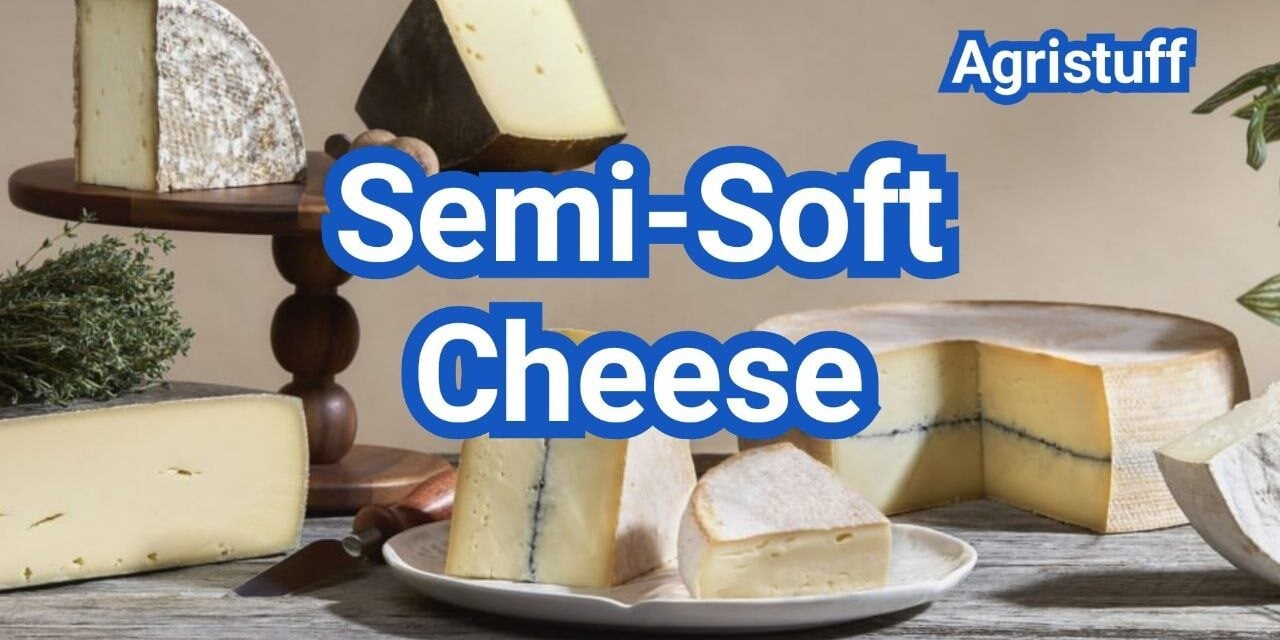
Finding the perfect balance between creamy indulgence and structural integrity is easy when you explore the world of semi-soft dairy products. These varieties contain higher moisture levels than aged blocks, which creates a flexible body that is delightfully smooth on the palate.
Because they retain more water, these items remain much easier to slice than spreadable alternatives. You will find that many popular semi soft cheese types offer a unique meltability that makes them ideal for gourmet cooking.
Whether you are building a sophisticated board or preparing a warm sandwich, these options provide incredible versatility. Common semi soft cheese examples like Havarti or Fontina elevate simple snacks into culinary experiences. Their ability to blend into sauces or stand alone as a centerpiece makes them a must-have for any kitchen pantry.
Key Takeaways
- These dairy products feature a high moisture content for a creamy, flexible texture.
- They are significantly easier to slice than soft, spreadable varieties.
- The category is highly versatile for melting, snacking, and gourmet cooking.
- Popular varieties include Havarti, Fontina, and Monterey Jack.
- Proper storage helps maintain the ideal consistency for your favorite recipes.
What Is Semi-Soft Cheese?
If you have ever wondered about the classification of your favorite creamy cheeses, you are likely looking at the semi-soft category. What Is Semi-Soft Cheese? It is a versatile group of dairy products that bridges the gap between fresh, spreadable styles and aged, hard varieties. These cheeses are prized for their supple texture and ability to melt beautifully in a wide range of culinary applications.
What Is Considered Semi-Soft Cheese?
When determining what is considered semi-soft cheese?, experts look for a specific balance of physical characteristics. These cheeses are generally firm enough to be sliced cleanly with a knife, yet they remain soft enough to yield under gentle pressure. Unlike hard cheeses that crumble or require a grater, these varieties maintain a pliable body that makes them ideal for sandwiches and snack boards.
How Semi-Soft Cheese Differs From Firm and Spreadable Styles
The primary difference lies in the structural integrity of the curd. Spreadable cheeses, such as fresh chèvre or cream cheese, contain high moisture levels that prevent them from holding a shape. Conversely, firm or hard cheeses undergo longer aging processes that remove significant moisture, resulting in a dense, crystalline structure.
Semi-soft varieties sit comfortably in the middle of this spectrum. They offer a creamy mouthfeel without being runny, providing a satisfying bite that is distinct from both the spreadable and the hard categories. This unique consistency allows them to function as both a standalone snack and a reliable melting ingredient.
Why Moisture Content Defines the Category
Moisture content serves as the most reliable technical metric for classification. Most semi-soft cheeses fall within a range of 42% to 55% moisture. This specific water activity level is what gives the cheese its signature elasticity and prevents it from becoming too brittle or too liquid.
While this range acts as a helpful guide, it is not an absolute rule applied identically by every cheesemaker. Variations in salt content, acidity, and aging techniques can influence how a cheese feels on the palate. Ultimately, the sensory experience of slicing and tasting remains the most practical way to identify these beloved cheeses.
Moisture, Aging, and Texture

Moisture, aging, and texture are the three pillars that determine the identity of every cheese variety. These factors work in harmony to create the specific mouthfeel and flavor profile that enthusiasts expect. By controlling these variables, cheesemakers can transform simple milk into a diverse array of culinary delights.
Semi-Soft Cheese Moisture and Water Activity
The semi soft cheese moisture content typically ranges between 40% and 50%. This specific level of hydration is critical because it dictates the final consistency of the product. Higher water activity allows for a more pliable body, but it also requires careful handling to prevent spoilage.
Cheesemakers monitor water activity closely during the production phase. If the moisture is too high, the cheese may become unstable or develop unwanted mold. When balanced correctly, this moisture level ensures the cheese remains creamy and inviting for the consumer.
How Aging Changes Flavor, Firmness, and Aroma
The process of semi soft cheese aging is a transformative journey that occurs in controlled environments. As time passes, enzymes break down proteins and fats within the curd. This chemical breakdown is responsible for the development of complex aromas and deeper flavor profiles.
During this period, the cheese gradually loses some of its initial water content. This reduction in moisture leads to a firmer structure compared to fresh varieties. While the cheese becomes less flexible over time, the concentration of flavor becomes significantly more intense.
Semi-Soft Cheese Texture From Sliceable to Supple
The semi soft cheese texture is perhaps its most defining characteristic. Depending on the specific variety and the length of the maturation process, the body can range from elastic and springy to smooth and buttery. This versatility makes these cheeses ideal for a wide variety of culinary applications.
Understanding the physical properties of these cheeses helps in selecting the right one for your needs. Consider these common textural traits found in the category:
- Elastic and Springy: Often found in younger cheeses that hold their shape well when sliced.
- Supple and Creamy: These varieties offer a luxurious mouthfeel and are excellent for melting.
- Smooth and Dense: A consistent body that provides a clean, uniform slice every time.
- Slightly Crumbly: Some aged versions may develop a more fragile structure as they lose moisture.
Whether you prefer a firm slice for a sandwich or a supple piece for a cheese board, the interplay of these factors is essential. Recognizing these nuances allows you to appreciate the craftsmanship behind every wheel and block.
Semi-Soft vs Soft vs Semi-Hard Cheese
Navigating the world of dairy can be confusing, especially when distinguishing between soft, semi-soft, and semi-hard varieties. While these categories often overlap, understanding their unique characteristics allows you to make better culinary choices. Texture serves as the primary indicator of how a cheese will perform in your kitchen, whether you are melting it or slicing it for a board.
Semi-Soft vs Soft Cheese
When asking what is the difference between soft and semi-soft cheese?, the answer usually lies in moisture content and structural integrity. Soft cheeses, such as Brie or Camembert, often have a high moisture content that makes them spreadable or even runny at room temperature. In contrast, semi-soft varieties hold their shape much better when sliced.
While soft cheeses are typically ripened from the outside in, semi-soft options often feature a more uniform interior. This makes semi soft vs soft cheese comparisons vital for those planning a charcuterie board. You want the soft cheese for spreading on crackers, while the semi-soft variety provides the perfect bite-sized slice.
Semi-Soft vs Semi-Hard Cheese
The distinction regarding what is the difference between semi-soft and semi-hard cheese? is often a matter of aging and density. Semi-soft cheeses retain enough moisture to remain supple and pliable under pressure. Semi-hard cheeses, however, undergo a longer aging process that removes more whey, resulting in a firmer, more crystalline structure.
When evaluating semi soft vs semi hard cheese, consider the intended use. Semi-soft types are prized for their excellent melting properties in sauces. Semi-hard cheeses are often better suited for grating over pasta or serving in thin, firm shavings.
Is Mozzarella Always Semi-Soft?
Many people wonder, is mozzarella always semi-soft? The answer depends entirely on the specific style of the cheese. Fresh mozzarella, packed in water, is technically a soft, high-moisture cheese that lacks a rind.
Low-moisture, block-style mozzarella is firmer and fits more comfortably into the semi-soft category. Because it is a pasta filata or “stretched-curd” cheese, its texture changes based on how much water is removed during production. Therefore, mozzarella is not always semi-soft in a practical, consistent sense.
A Practical Comparison of Moisture, Aging, Cutting, and Melting
To help you visualize these differences, the following table breaks down the core attributes of each category. Use this guide to determine which cheese best fits your recipe requirements.
| Category | Moisture Level | Typical Aging | Best Use |
|---|---|---|---|
| Soft | High (50%+) | Short (Weeks) | Spreading |
| Semi-Soft | Medium (40-50%) | Moderate (Months) | Melting/Slicing |
| Semi-Hard | Low (35-40%) | Long (Months/Years) | Grating/Snacking |
Complete List of Semi-Soft Cheese Examples

If you have ever wondered which cheeses are semi-soft, you are certainly not alone in your curiosity. This category occupies a unique space between the spreadable nature of fresh cheeses and the rigid structure of aged varieties. Having a reliable list of semi soft cheeses is essential for anyone looking to elevate their kitchen creations or curate the perfect tasting board.
Classic European Semi-Soft Cheeses
European cheesemaking traditions have produced some of the most iconic examples in this category. These cheeses are often prized for their supple texture and balanced flavor profiles. Common favorites include Havarti, Fontina, Taleggio, Morbier:
- Havarti: A Danish staple known for its buttery, creamy consistency.
- Fontina: An Italian classic that offers a nutty, earthy depth.
- Taleggio: A pungent, washed-rind cheese with a surprisingly mild interior.
- Morbier: Easily recognized by the thin layer of vegetable ash running through its center.
Fresh and Pasta Filata Semi-Soft Cheeses
The pasta filata or “spun paste” method creates a distinct, elastic texture. While some fresh cheeses are too soft to hold a shape, many versions fall squarely into the semi-soft range depending on their moisture content.
“The secret to a perfect melt often lies in the moisture-to-protein ratio of the curd, which defines the final behavior of the cheese under heat.”
— Artisan Cheesemaker
Mozzarella is the most famous example here, though its classification can shift based on how long it is aged. Provolone also transitions from mild and semi-soft when young to firm and sharp as it matures.
Blue-Veined and Washed-Rind Examples
Not all semi-soft cheeses are mild. Many blue-veined varieties, such as Gorgonzola Dolce, maintain a creamy, semi-soft body that crumbles easily but spreads under pressure. Washed-rind cheeses like Tomme Crayeuse or even certain styles of Gouda also fit this classification perfectly.
These cheeses often develop complex aromas due to the specific bacteria used during the ripening process. They provide a bold contrast when paired with lighter, fresher options on a platter.
How to Handle Borderline Classifications
Determining which cheeses are semi-soft can be tricky because moisture levels change as cheese ages. A cheese that starts as soft may lose enough water to become semi-soft within a few weeks. Conversely, some semi-hard cheeses are sold young, making them feel softer than their traditional counterparts.
When you are unsure, look at the slicing characteristics of the product. If the cheese yields to a knife without crumbling or sticking excessively, it likely falls within the semi-soft spectrum. Always check the label for moisture content if you need precise performance for cooking or melting.
Popular U.S. Semi-Soft Cheeses
American creameries are currently producing some of the most exciting popular U.S. semi-soft cheeses available on the market today. These products range from mass-market staples found in every grocery store to complex, small-batch creations from award-winning artisan producers. By blending traditional techniques with local innovation, domestic makers have carved out a distinct identity in the global dairy landscape.
Widely Available American-Made Options
Many consumers are already familiar with domestic staples like Monterey Jack and Muenster. These widely available options serve as the foundation for many American kitchens due to their excellent melting properties and mild, approachable flavor profiles.
Beyond these classics, many large-scale producers now offer flavored varieties, such as pepper jack or herb-crusted styles. These cheeses provide a consistent, reliable experience for everyday cooking and snacking needs.
Regional and Artisan U.S. Examples
The artisan movement has introduced a wealth of unique, high-quality products that showcase regional terroir. For instance, Texas-based Lira Rossa produces exceptional Italian-inspired cheeses that highlight the quality of local milk.
In the Midwest, Wisconsin remains a powerhouse for innovation. Producers like Carr Valley offer the famous Snow White Goat Cheddar, while others create complex blends like Menage and Mobay. Similarly, Washington’s Sleeping Beauty provides a sophisticated, creamy profile that rivals many imported European counterparts.
How U.S. Labeling May Differ From Traditional European Categories
Navigating the dairy aisle can be confusing because American labeling often prioritizes style or producer tradition over strict moisture classifications. Unlike some European regions that follow rigid, legally binding definitions for cheese categories, U.S. labels are often more flexible.
You might find a cheese labeled by its milk source or a proprietary name rather than its specific moisture content. This creative approach to branding allows American cheesemakers to experiment with new textures and flavor profiles without being constrained by old-world naming conventions. Always check the label for specific aging details if you are looking for a particular texture.
Cow’s, Goat’s, and Sheep’s Milk Semi-Soft Cheeses

The source of milk is the most critical factor in determining the final character of a cheese. Whether you are selecting a wedge for a board or a block for cooking, understanding the origin of the milk helps predict the outcome. Cow’s, Goat’s, and Sheep’s Milk Semi-Soft Cheeses each offer distinct sensory experiences that define their culinary applications.
Semi-Soft Cow’s Milk Cheese
A semi soft cow’s milk cheese is often the most approachable option for casual eaters. These varieties typically feature a buttery, mild profile that melts beautifully in heat. Because cow’s milk is widely available and consistent, it serves as the foundation for many classic, everyday cheeses found in American kitchens.
Goat’s Milk Semi-Soft Cheese
Goat’s milk introduces a signature tanginess that sets it apart from other varieties. Cheeses like the famous Drunken Goat offer a firm yet supple texture with a distinct, slightly acidic finish. These options are perfect for those who enjoy a brighter, more vibrant flavor profile on their palate.
Sheep’s Milk Semi-Soft Cheese
Sheep’s milk is prized for its high fat and protein content, which creates a luxurious, creamy mouthfeel. Varieties such as Ossau Iraty provide a deep, nutty complexity that lingers long after the first bite. This richness makes them a favorite for sophisticated pairings and gourmet cheese boards.
How Milk Type Influences Flavor, Fat, and Texture
The chemical composition of the milk dictates how the cheese ages and behaves. While cow’s milk provides a neutral canvas, sheep’s milk adds density, and goat’s milk adds a sharp, clean edge. The following table summarizes how these cow’s, goat’s, and sheep’s milk semi-soft cheeses compare in a kitchen setting.
| Milk Source | Primary Flavor | Texture Profile | Best Use |
|---|---|---|---|
| Cow | Buttery, Mild | Supple, Elastic | Melting, Sandwiches |
| Goat | Tangy, Earthy | Creamy, Dense | Salads, Pairing |
| Sheep | Nutty, Rich | Smooth, Firm | Charcuterie, Snacking |
Interior-Ripened vs Surface-Ripened Styles
The way a cheese ripens significantly alters its final texture and aromatic intensity. Understanding the distinction between Interior-Ripened vs Surface-Ripened Styles helps you predict the flavor profile of your next purchase. These methods determine how microorganisms interact with the curd during the aging process.
Interior-Ripened Semi-Soft Cheeses
Interior-ripened cheeses undergo transformation from the inside out. This process is most common in blue-veined varieties where specific molds are introduced to the milk or curd before pressing.
As the cheese ages, these molds grow along the air channels created during the production phase. This results in the signature marbled appearance and sharp, piquant flavor profile characteristic of these styles.
Surface-Ripened Semi-Soft Cheeses
Surface-ripened cheeses rely on the activity of microorganisms on the exterior of the wheel. These microbes break down proteins and fats, creating a distinct rind that influences the paste beneath.
- Bloomy Rinds: These feature a soft, white mold like Penicillium camemberti that creates a velvety texture.
- Washed Rinds: These are periodically bathed in brine or alcohol, encouraging bacteria that produce pungent aromas and orange-hued rinds.
How Ripening Style Affects Aroma, Texture, and Pairings
The ripening method dictates the sensory experience of the cheese. Interior-ripened styles often offer a crumbly yet creamy mouthfeel, while surface-ripened options tend to become oozy and supple as they reach peak maturity.
| Ripening Type | Aroma Profile | Ideal Pairing |
|---|---|---|
| Interior | Sharp, metallic, earthy | Honey, walnuts, port wine |
| Surface | Buttery, funky, savory | Crusty bread, stone fruit |
When serving, consider the intensity of the rind. Surface-ripened cheeses often benefit from sitting at room temperature to soften, whereas interior-ripened varieties pair beautifully with sweet accompaniments to balance their natural saltiness. Mastering these Interior-Ripened vs Surface-Ripened Styles ensures you always select the perfect cheese for your palate.
Mild vs Strong Semi-Soft Cheeses

Navigating the world of semi-soft cheese requires an appreciation for both subtle and bold profiles. Understanding the distinction between Mild vs Strong Semi-Soft Cheeses allows you to curate a balanced experience for any occasion. By identifying your personal preferences, you can better select products that suit your palate.
Mild Semi-Soft Cheese for Beginners
If you are just starting your journey into artisanal dairy, you might wonder, which varieties are mild enough for beginners? A high-quality mild semi soft cheese is typically characterized by a creamy, buttery profile with very little pungency. Options like Havarti, young Gouda, and mild Monterey Jack are excellent starting points because they offer a smooth, approachable texture.
Jarlsberg is another fantastic choice for those who prefer a hint of sweetness. These cheeses lack the sharp bite found in aged varieties, making them perfect for snacking or melting into simple dishes. They provide a gentle introduction to the category without overwhelming the senses.
Medium-Flavor Choices for Everyday Cheese Boards
As your palate develops, you may find yourself reaching for cheeses with a bit more character. Medium-flavor options often bridge the gap between buttery sweetness and savory complexity. These selections are the workhorses of any well-rounded cheese board.
Consider incorporating cheeses that have been aged for a few months, as this process begins to develop deeper nutty or earthy notes. These varieties provide enough interest to stand alone but remain versatile enough to pair with a wide range of crackers, fruits, and wines.
Strong Semi-Soft Cheeses for Experienced Palates
For those who crave intensity, the world of semi-soft cheese offers bold, pungent, and complex profiles. Washed-rind cheeses and blue-veined varieties are the stars of this category. These styles often feature a distinct aroma and a lingering, savory finish that defines their unique character.
“The secret to a great cheese board is the balance of textures and the progression of flavors from the mildest to the most assertive.”
How Rind, Age, Salt, and Milk Type Intensify Flavor
Several factors contribute to the final flavor profile of a cheese. The rind, especially in washed-rind styles, introduces microbial activity that creates pungent aromas. Aging allows moisture to evaporate and proteins to break down, which concentrates the flavor and adds depth.
Salt plays a crucial role in both preservation and flavor enhancement. Furthermore, the type of milk—whether cow, goat, or sheep—provides a unique foundation for the cheese’s fat content and natural sweetness. The following table outlines how these variables influence the intensity of the final product.
| Factor | Mild Profile | Strong Profile |
|---|---|---|
| Aging Time | Short (Weeks) | Long (Months) |
| Rind Type | Natural/Waxed | Washed/Bloomy |
| Salt Content | Low | High |
| Milk Source | Cow | Sheep/Goat |
How to Choose the Best Semi-Soft Cheese for Each Use
Navigating the world of dairy can be overwhelming, but finding the best semi soft cheese is simple when you follow a structured approach. By evaluating how a specific variety interacts with heat, acidity, and other ingredients, you can ensure your culinary results are always impressive.
Step 1: Match the Cheese to the Desired Flavor
Start by identifying the flavor profile you need for your dish. If you prefer a subtle, buttery experience, look for younger, creamier options that offer a mild finish. For those who enjoy a more complex bite, aged varieties often provide earthy or pungent notes that stand out on a platter.
Step 2: Check Texture, Moisture, and Aging
Texture is a direct result of moisture content and the aging process. High-moisture cheeses tend to be supple and elastic, while those aged longer may develop a slightly firmer paste. Always press the cheese gently to ensure it feels consistent with the expected style for that specific variety.
Step 3: Consider Melting, Slicing, Spreading, or Crumbling
Think about how the cheese will be served before you make your purchase. If you need a smooth melt for a sauce, choose a high-moisture variety that liquefies without separating. For boards, prioritize cheeses that hold their shape when sliced or offer a delicate spreadability for crackers.
Step 4: Balance the Cheese With Bread, Fruit, Meat, and Wine
The best semi soft cheese selection is one that complements its surroundings. Pair rich, creamy textures with acidic fruits like grapes or apples to cut through the fat. Add crusty bread or savory cured meats to provide a satisfying crunch, and finish with a wine that matches the intensity of the cheese’s flavor profile.
Best Semi-Soft Cheese for Melting

If you have ever wondered which semi-soft cheeses melt best, you are certainly not alone. Achieving a smooth, gooey consistency is the hallmark of a great dish, but the outcome depends heavily on the specific variety you choose. Selecting the right semi soft cheese for melting can transform a simple meal into a culinary masterpiece.
Best Semi-Soft Cheese for Melting Smoothly
When you need a cheese that liquefies without separating, look for varieties with high moisture and moderate fat content. Fontina and Havarti are widely considered the gold standard for a silky, uniform melt. These cheeses possess a supple structure that breaks down evenly under low to medium heat.
Jarlsberg is another excellent option, offering a slightly sweet profile that pairs beautifully with both savory and mild dishes. Because these cheeses lack the extreme aging of hard varieties, they retain enough water to prevent the proteins from tightening up too quickly. This makes them the Best Semi-Soft Cheese for Melting when you want a luxurious, velvety texture.
Best Choices for Casseroles and Sauces
For baked dishes like gratins or creamy pasta sauces, you need a cheese that provides both flavor and structural integrity. Best Choices for Casseroles and Sauces often include Monterey Jack, Muenster, and Gruyere-style cheeses. These options provide a robust melt that holds its own against other ingredients without becoming oily.
“The secret to a perfect cheese sauce lies in the balance of acidity and moisture; when these are in harmony, the cheese will emulsify into a smooth, stable liquid rather than breaking into a pool of grease.”
— Culinary Science Journal
Mozzarella remains a staple for pizza and hot sandwiches due to its signature stretch. However, for deeper flavor in a casserole, blending a mild mozzarella with a more pungent Gruyere-style cheese creates a complex, satisfying result. This combination ensures the dish remains creamy while adding a depth of flavor that satisfies the palate.
How to Prevent Greasiness, Clumping, and Over-Browning
Even the best cheese can fail if handled incorrectly during the cooking process. To ensure success, follow these essential tips for managing your ingredients:
- Shred your own cheese: Pre-shredded bags often contain anti-caking agents like cellulose, which prevent the cheese from melting smoothly.
- Use low heat: High temperatures cause the fat to separate from the proteins, leading to a greasy, unappealing texture.
- Incorporate gradually: If making a sauce, add the cheese in small handfuls, whisking constantly until each batch is fully melted.
- Control moisture: If your cheese is too oily, mix in a small amount of cornstarch or flour to help stabilize the emulsion.
| Cheese Variety | Melting Quality | Best Application |
|---|---|---|
| Fontina | Excellent/Silky | Fondue & Sauces |
| Havarti | Very Good/Creamy | Grilled Sandwiches |
| Monterey Jack | Good/Uniform | Casseroles |
| Mozzarella | Excellent/Stretchy | Pizza & Pasta |
Best Choices for Sandwiches, Burgers, and Cheese Boards

From the deli counter to the party platter, semi-soft cheeses provide unmatched versatility. Their unique ability to bridge the gap between creamy and firm makes them essential staples in any kitchen. Whether you need a reliable melt or a sophisticated flavor profile, these varieties deliver consistent results.
Semi-Soft Cheese for Sandwiches
When selecting a semi soft cheese for sandwiches, focus on sliceability and mild flavor profiles that complement your ingredients. Havarti is a top contender because of its buttery texture and excellent melting properties. It pairs beautifully with turkey or roast beef without overpowering the meat.
Muenster and Monterey Jack are also fantastic everyday options. These cheeses offer a mild, creamy finish that works well with fresh vegetables and crusty bread. They provide enough structure to hold up in a sandwich press while remaining soft enough to bite through easily.
Best Choices for Burgers
The Best Choices for Sandwiches and Burgers often share similar melting characteristics, but burgers require a bit more punch. Pepper Jack is the gold standard for those who enjoy a spicy kick. Its heat cuts through the richness of a beef patty, creating a balanced and bold flavor profile.
If you prefer something more traditional, Jarlsberg is an excellent choice. It melts into a smooth, nutty layer that adds depth to any burger. Always ensure your cheese is sliced to a medium thickness to guarantee an even melt across the hot surface of the meat.
Best Semi-Soft Cheese for Charcuterie
When curating the Best Choices for Cheese Boards, you want a mix of textures and visual appeal. A high-quality semi soft cheese for charcuterie should offer distinct characteristics that invite conversation. Consider including a classic Gouda for its approachable, caramel-like sweetness.
For a more adventurous board, look for unique options like Garrotxa or Drunken Goat. These cheeses provide earthy notes and striking rinds that stand out visually. You might also include Morbier, which is famous for its thin layer of vegetable ash, or Sottocenere, a truffle-infused cheese that adds a luxurious touch to any gathering.
| Cheese Variety | Primary Use | Flavor Profile | Melting Ability |
|---|---|---|---|
| Havarti | Sandwiches | Buttery, Mild | Excellent |
| Pepper Jack | Burgers | Spicy, Bold | High |
| Gouda | Charcuterie | Sweet, Nutty | Moderate |
| Morbier | Charcuterie | Earthy, Creamy | Moderate |
How to Buy Semi-Soft Cheese

Navigating the cheese counter can feel overwhelming, but mastering how to buy semi-soft cheese is simple with the right approach. Whether you are shopping at a local farmers market or a large grocery store, your eyes are your best tools for ensuring quality.
Step 1: Select the Right Format
Decide whether you need a whole wheel, a wedge, or pre-sliced portions. Buying a freshly cut wedge from a deli counter often provides better flavor than pre-packaged plastic-wrapped slices. Always consider how quickly you plan to consume the product before choosing the size.
Step 2: Evaluate the Rind and Cut Surface
Look closely at the exterior of the cheese. A healthy rind should appear consistent, whether it is bloomy, washed, or natural. Avoid any pieces that show signs of unwanted mold or slimy textures on the cut surface.
“The secret to a great cheese board is not just the variety, but the integrity of the selection you bring home from the market.”
Step 3: Check Packaging, Sell-By Dates, and Storage Conditions
Always inspect the packaging for tears or signs of trapped moisture. Ensure the cheese is stored in a refrigerated case that maintains a steady, cool temperature. Check the sell-by date to guarantee you have enough time to enjoy the cheese at its peak.
| Feature | What to Look For | What to Avoid |
|---|---|---|
| Packaging | Tight, clean, intact | Torn, bloated, or wet |
| Surface | Supple, clean cut | Dry, cracked, or slimy |
| Aroma | Clean, milky, or earthy | Ammonia or sour notes |
Step 4: Choose Between Fresh, Young, Aged, and Artisan Styles
Your choice depends on your specific culinary goals. Fresh styles offer a mild, milky profile perfect for salads, while aged artisan varieties provide complex, bold flavors. Understanding these differences ensures you know exactly how to buy semi-soft cheese that matches your recipe or pairing needs.
Storage and Shelf Life
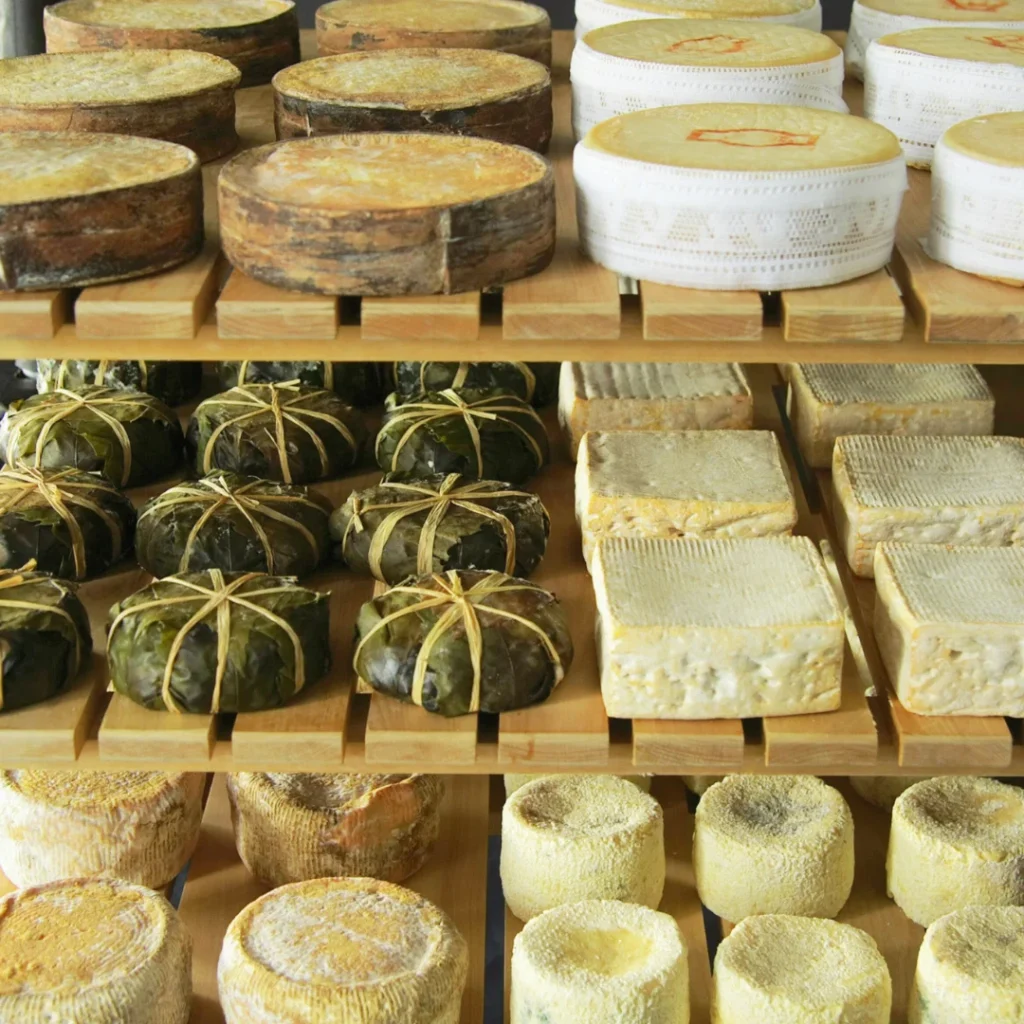
Protecting the integrity of your cheese starts the moment you bring it home from the store. Proper semi soft cheese storage is the most effective way to ensure that the texture and flavor profile remain consistent until the very last bite.
Semi-Soft Cheese Storage at Home
To keep your cheese in prime condition, you must balance moisture and airflow. Avoid keeping your cheese in its original plastic wrap, as this can trap excess moisture and lead to unwanted surface mold.
Instead, use breathable materials to protect the product. Follow these simple steps for better results:
- Wrap the cheese in parchment or wax paper to allow it to breathe.
- Place the wrapped cheese inside a loosely sealed plastic bag or a dedicated cheese container.
- Store the product in the crisper drawer of your refrigerator, where temperatures remain stable and humidity is higher.
Semi-Soft Cheese Shelf Life After Opening
Many consumers often wonder, how long does semi-soft cheese last after opening? While there is no universal expiration date, most varieties remain at their best for one to two weeks if handled correctly.
The actual semi soft cheese shelf life depends heavily on the specific moisture content and the age of the product. Fresh styles, such as young mozzarella, will spoil much faster than firmer, aged varieties.
Always rely on your senses to determine if the product is still safe to consume. Look for signs of spoilage, such as:
- Unusual or pungent odors that differ from the cheese’s typical profile.
- Visible mold growth that is not part of the intended rind.
- A slimy or excessively sticky texture on the surface.
Safe Handling of Rinds, Cut Surfaces, and Cross-Contamination
Handling your cheese with care prevents premature spoilage and keeps your food safe. Always use a clean knife when slicing to avoid introducing bacteria to the cut surface.
If you notice a small amount of surface mold on a firm or semi-soft variety, you can often trim away the affected area by cutting at least one inch around the spot. However, if the cheese appears soft, runny, or smells fermented, it is best to discard it entirely.
Keep your cheese away from strong-smelling foods in the fridge, as it can easily absorb odors. By maintaining a clean environment and using proper wrapping techniques, you ensure that every serving remains as delicious as the first.
Can Semi-Soft Cheese Be Frozen?

Can semi-soft cheese be frozen without losing its signature creamy appeal? While many people hope to extend the shelf life of their dairy products, the results often depend on how you plan to use the cheese later.
You might wonder, can it be frozen without ruining the texture? The short answer is that while freezing is technically possible, it significantly alters the physical structure of the cheese.
When Freezing Is Practical
Freezing is a highly effective strategy for preventing food waste. If you have purchased more than you can consume before the expiration date, the freezer acts as a reliable safety net.
This method is most practical when you intend to use the cheese as an ingredient rather than serving it on a platter. It is not recommended for high-end artisan cheeses meant to be enjoyed raw, as the freezing process will diminish their delicate flavor profiles.
How Freezing Changes Moisture and Texture
Semi-soft cheeses contain a significant amount of moisture. When water freezes, it expands and forms ice crystals that disrupt the delicate protein network of the cheese.
Upon thawing, you will likely notice the following changes:
- Grainy or crumbly texture that lacks the original suppleness.
- Separation of fats, which can lead to an oily surface.
- Loss of structural integrity, making it difficult to slice cleanly.
Best Freezing Methods for Cooking Cheese
To achieve the best results, you must prepare your cheese properly before placing it in the freezer. Follow these steps to maintain as much quality as possible:
- Portion the cheese into smaller, usable amounts so you only thaw what you need.
- Wrap each piece tightly in plastic wrap, followed by a layer of aluminum foil to prevent freezer burn.
- Place the wrapped portions into a heavy-duty freezer bag and label it with the date.
- Thaw the cheese slowly in the refrigerator for 24 hours before use to minimize moisture loss.
Why Frozen Semi-Soft Cheese Is Usually Better in Cooked Dishes
Because the texture changes during the freezing process, the cheese is best suited for cooked applications. Heat helps to mask the graininess that occurs after thawing.
You can successfully incorporate previously frozen semi-soft cheese into:
- Creamy casseroles and baked pasta dishes.
- Rich, melted cheese sauces or fondues.
- Toppings for homemade pizzas or flatbreads.
By using the cheese in these ways, the melting process restores a smooth consistency, ensuring that your meal remains delicious despite the previous freezing.
Quick checklist
- Choose a mild variety for blending and a washed-rind variety for a stronger centerpiece.
- Check whether the cheese is young, mature, rindless, waxed, bloomy, or washed-rind.
- Select pasteurized products when serving anyone at higher risk for foodborne illness.
- Read the ingredient list, milk source, allergen statement, Nutrition Facts, and package date.
- Use Havarti, Monterey Jack, Muenster, young Gouda, or Fontina when smooth melting is the priority.
- Shred or thinly slice the cheese for faster, more even heating.
- Keep refrigerated cheese at 40°F or below and minimize time at room temperature.
- Wrap cut cheese well and isolate aromatic washed-rind varieties from mild cheese.
- Discard unexpected mold, slime, swelling, or distinctly yeasty spoilage odors.
- Buy an amount you can use while quality remains high, especially after opening.
Common mistakes to avoid
- Assuming every variety melts identically: Test a small piece before committing it to a sauce or large casserole.
- Using high heat for too long: Lower the burner before adding cheese to reduce toughening and oil separation.
- Ignoring age: A mature version may be firmer, saltier, and less fluid than the young style named in a recipe.
- Confusing aroma with flavor intensity: Sample washed-rind cheese before deciding that its smell makes it unusable.
- Wrapping a wet surface airtight: Pat away excess condensation and rewrap with clean material to protect quality.
- Leaving cheese on a buffet all afternoon: Serve smaller portions and replenish them from the refrigerator.
- Trimming unexpected mold as if the cheese were Parmesan: Discard a contaminated semisoft piece because mold can penetrate moist food.
- Overbuying specialty wheels: Plan several uses before purchase so a premium product does not become food waste.
Final Thought
Semi-Soft Cheese is most useful when you match the style to the job: mild and young for effortless melting, aromatic and rind-ripened for a distinctive board, and carefully stored pasteurized cheese for dependable everyday use. Understanding moisture, age, rind, and label information turns a broad category into an easy buying decision—University of Wisconsin Center for Dairy Research cheese safety and storage.
FAQ
Is mozzarella a Semi-Soft Cheese?
Semi-Soft Cheese classifications often include low-moisture mozzarella because it is flexible, sliceable, and designed to melt, while fresh mozzarella is usually treated as a fresh soft cheese because it contains more water and is sold in brine or liquid. Product form therefore matters more than the word “mozzarella” alone. In the U.S. market, low-moisture part-skim mozzarella became especially important for transport and pizza performance—University of Wisconsin history of low-moisture mozzarella.
Is Brie a Semi-Soft Cheese?
Semi-Soft Cheese and Brie can overlap in broad regulatory groupings, but culinary references usually describe Brie as a soft-ripened or bloomy-rind cheese. Brie develops a white mold rind and normally softens from the surface toward the center, which distinguishes it from a rindless block such as Monterey Jack. Treat “soft-ripened” as the more precise style description when shopping or planning a board—FDA soft-ripened cheese risk-assessment summary.
Can you freeze Semi-Soft Cheese?
Semi-Soft Cheese can usually be frozen for later cooking, but thawing may make it drier, grainier, or more crumbly and can reduce its quality on a cheese board. Freeze small, tightly wrapped portions, thaw them in the refrigerator, and use them in casseroles, sauces, or baked dishes rather than expecting the original texture. Food-safety guidance also notes that refreezing cold or ice-crystal-containing cheese can involve some texture loss—FoodSafety.gov power-outage food chart.
Is Semi-Soft Cheese low in lactose?
Semi-Soft Cheese often contains less lactose than fluid milk because lactose leaves with whey and cultures convert some of the remainder into lactic acid, but the amount varies by recipe and age. It should not automatically be described as lactose-free, and individual tolerance differs; check the manufacturer’s information if a measured amount matters. Lactose intolerance is also different from milk allergy, which involves an immune response to milk protein—National Institute of Diabetes and Digestive and Kidney Diseases guidance.
Is raw-milk Semi-Soft Cheese safe?
Semi-Soft Cheese made from raw milk carries a higher pathogen risk than a comparable product made from pasteurized milk, and aging is not a substitute for careful hazard control. U.S. rules permit certain raw-milk cheeses only after required aging, yet the FDA continues surveillance because organisms can survive or contamination can occur. People at higher risk of serious foodborne illness should choose pasteurized dairy and follow current public-health advice—FDA surveillance of 60-day-aged raw-milk cheese.
What is the difference between soft and semi-soft cheese?
The main difference is the moisture content and sliceability. Soft cheese, like Brie, has over 55% moisture and is often spreadable. Semi-soft cheese has between 42% and 55% moisture, making it firm enough to slice but flexible enough to bend without breaking.
Which semi-soft cheeses melt best?
The best semi-soft cheese for melting includes Fontina, Havarti, Monterey Jack, and Mozzarella. Their high moisture and fat content allow them to liquefy smoothly without becoming overly greasy or clumpy.
How long does semi-soft cheese last after opening?
Generally, the semi soft cheese shelf life is about two to three weeks if stored in the refrigerator. To maximize freshness, wrap it in parchment or cheese paper rather than airtight plastic wrap to prevent mold growth from trapped moisture.
Can semi-soft cheese be frozen without ruining the texture?
While you can freeze semi-soft cheese, it often becomes crumbly or grainy. It is not recommended for fresh eating on a cheese board, but it works perfectly well for melting in casseroles, sauces, or on pizzas.
Which semi-soft cheese varieties are mild enough for beginners?
For a mild semi soft cheese, look for Havarti, Jarlsberg, Mild Provolone, or Colby. These offer a buttery, creamy flavor profile without the pungent aromas found in washed-rind varieties.
Is mozzarella always considered a semi-soft cheese?
It depends on the variety. Fresh mozzarella (stored in water) is a soft cheese. However, the low-moisture mozzarella blocks found in the grocery store (like Polly-O or Galbani) are considered semi-soft because they are aged longer and are easy to slice or shred.
What is the best way to store semi-soft cheese to prevent spoilage?
For optimal semi soft cheese storage, wrap the cheese in breathable parchment paper and then loosely in plastic wrap or a wax bag. This maintains the semi soft cheese moisture balance while allowing gases to escape, preventing the cheese from tasting like plastic or developing premature mold.
What are some popular U.S. semi-soft cheeses?
Widely loved popular U.S. semi-soft cheeses include Monterey Jack, Wisconsin Brick cheese, Muenster, and artisan choices like Carr Valley Snow White Goat Cheddar and Lira Rossa Italian-style cheeses.
Sources & References
- FDA and Health Canada: Quantitative Assessment of Listeriosis Risk from Soft-Ripened Cheese
- FDA: Raw Milk Misconceptions and the Danger of Raw Milk Consumption
- CDC Emerging Infectious Diseases: Listeriosis Outbreaks Associated with Soft Cheeses
- USDA Economic Research Service: Dairy Data
- USDA National Agricultural Statistics Service: Dairy Products Report
- FoodSafety.gov: FoodKeeper App
- FoodSafety.gov: Cold Food Storage Chart
- FDA: Food Allergen Labeling Guidance for Industry
- Colorado State University: Cheese Food Source Information
- University of Wisconsin Center for Dairy Research: Technical Articles
- American Cheese Society Safe Cheesemaking Hub: Glossary
- Penn State Extension: Farmstead and Artisan Cheesemaking
- Penn State Extension: Starting a Value-Added Dairy Foods Business
- University of Wisconsin Center for Dairy Research: Cheese Performance Shelf-Life Toolkit
- FDA Inspection Guide for Dairy Product Manufacturers