Quick answer: Monterey Jack cheese tastes mild, creamy, buttery, and slightly tangy. It melts smoothly, so it works well in quesadillas, grilled cheese, burgers, casseroles, pasta, and cheese sauces. Plain Monterey Jack is not spicy; Pepper Jack is the version made with added peppers.
If you are deciding whether Monterey Jack cheese is right for a recipe, this guide gives you the practical answer. You will learn how it tastes, whether it is spicy, how it melts, the dishes it suits best, and how it compares with Cheddar, Mozzarella, and Pepper Jack.
Key Takeaways
- Monterey Jack is a mild, white American cheese with a smooth, semi-firm texture.
- Its flavor is creamy, buttery, and slightly tangy rather than sharp.
- Plain Monterey Jack is not spicy; Pepper Jack contains added peppers and produces the heat.
- Monterey Jack melts smoothly and works especially well in quesadillas, grilled cheese, sauces, burgers, and casseroles.
- For the smoothest melt, buy a block and shred the cheese immediately before cooking.
What Is Monterey Jack Cheese?
When exploring the world of American cheeses, few varieties are as iconic or as misunderstood as Monterey Jack Cheese. This versatile dairy product has become a staple in households across the United States due to its incredible ability to melt and its approachable, mild flavor profile.
Many people often ask, what is monterey jack? At its core, it is a classic semi hard American cheese that balances creaminess with a firm enough structure for easy slicing or shredding. Whether you are melting it over nachos or enjoying it on a sandwich, this cheese offers a consistent experience that defines the category of American cheese.
Defining the Semi-Hard American Cheese
As a semi-hard cheese, Monterey Jack sits in a unique position between soft, spreadable varieties and aged, crumbly options. It is technically classified as a semi-soft to semi-hard product, depending on the specific aging duration. This classification makes it a favorite for those who appreciate a smooth texture that does not become overly oily when heated.
The american cheese monterey jack is often celebrated for its high moisture content, which contributes to its signature meltability. Unlike sharper varieties, this jack cheese remains subtle, allowing it to complement other ingredients without overpowering them. It is truly a versatile artisan cheese that serves as a foundation for countless culinary creations.
The Production Process in the Central Coast of California
The production process for this cheese is rooted in the rich dairy traditions of the Central Coast of California. Historically, local producers developed specific techniques to ensure the curd remained moist and pliable. Understanding how is monterey jack made? reveals a careful balance of heating, cutting, and pressing the curds to achieve the desired consistency.
Modern manufacturers continue to refine how monterey jack cheese is made to maintain quality standards. The milk is typically pasteurized, cultured, and then treated with rennet to form the curd. After the whey is drained, the curds are salted and pressed into molds, creating the monterey jack we recognize in stores today.
| Feature | Description | Benefit |
|---|---|---|
| Texture | Semi-hard/Semi-soft | Easy to slice and shred |
| Flavor | Mild and buttery | Pairs well with many foods |
| Meltability | High | Perfect for hot dishes |
| Origin | California | Authentic American heritage |
What Does Monterey Jack Cheese Taste Like?
Monterey Jack cheese tastes mild, buttery, creamy, and slightly tangy. It is less sharp than Cheddar and does not overpower meat, eggs, vegetables, beans, or seasonings, making it useful for dishes that need a gentle cheese flavor. Real California Milk cheese guide.
Is Monterey Jack Cheese Mild?
Many home cooks often ask, is monterey jack cheese mild? The answer is a resounding yes. Because it is a young, unaged cheese, it lacks the sharp, pungent notes found in varieties like aged cheddar or blue cheese.
When considering what does monterey jack cheese taste like, you will find a clean, creamy, and slightly sweet flavor. This approachable flavour profile makes it an ideal base for dishes where you want the cheese to complement rather than overpower other ingredients. If you are wondering what does monterey jack cheese taste like?, think of a gentle, milky richness that melts effortlessly on the palate.
“The beauty of a truly great Monterey Jack is its ability to provide a creamy, neutral canvas that elevates the spices and textures around it.”
Sensory Characteristics of High Moisture Jack Cheese
As a classic semi-soft cheese, Monterey Jack is defined by its high water content. This high moisture jack cheese is responsible for its signature supple, elastic texture that is incredibly pleasant to eat.
The high moisture content is also the secret behind its superior meltability. When heated, the proteins and fats integrate smoothly, creating a luxurious, uniform consistency that is perfect for sauces and toppings. Whether sliced thin or shredded, the physical properties of this cheese ensure a consistent performance in every recipe.
Is Monterey Jack Cheese Spicy? Monterey Jack vs Pepper Jack
Plain Monterey Jack cheese is not spicy. It has a mild, buttery, and slightly tangy flavor. Pepper Jack is Monterey Jack made with added peppers such as jalapeños or habaneros, so its heat level varies according to the peppers and the product.
Both cheeses melt smoothly, but plain Monterey Jack is better for mild quesadillas, grilled cheese, sauces, burgers, and casseroles. Choose Pepper Jack when you want added heat in tacos, nachos, breakfast burritos, burgers, or dips, and melt either cheese over medium-low heat for a smoother texture. Wisconsin Cheese pepper jack guide.
For those who enjoy a truly spicy pepper jack experience, try using it as a topping for gourmet burgers or in a spicy macaroni and cheese bake. The following table outlines how to best utilize these varieties in your kitchen:
| Cheese Variety | Heat Level | Best Culinary Use |
|---|---|---|
| Jalapeño Jack | Mild to Medium | Quesadillas and Tacos |
| Habanero Jack | High | Burgers and Spicy Dips |
| Ghost Pepper Jack | Very High | Gourmet Pizza Toppings |
Does Monterey Jack Cheese Melt Well?
Yes, Monterey Jack cheese melts well. Its moisture and fat help it soften into a smooth, creamy layer, making it a strong choice for quesadillas, grilled cheese, sauces, pasta, burgers, and casseroles. For the smoothest result, shred a block and melt it over medium-low heat. University of Illinois Extension.
The Science Behind Its Superior Meltability
The secret to the success of this cheese lies in its composition. As a high moisture jack cheese, it contains a higher water content compared to aged varieties like Parmesan or sharp Cheddar. This moisture allows the proteins to relax and flow smoothly when heated, preventing the oily separation often seen in drier cheeses.
“The ideal melting cheese requires a balance of fat and moisture that allows it to transition from solid to liquid without losing its structural integrity.”
Why It Is the Best Cheese for Quesadillas
If you are looking for the best cheese for quesadillas, look no further than a classic block of Monterey Jack. Its mild flavor profile ensures it complements fillings like chicken, beans, or roasted peppers without overpowering them. Most importantly, it creates that signature “cheese pull” that makes a quesadilla truly satisfying.
Because it melts so evenly, you avoid the common problem of having cold, unmelted pockets inside your tortilla. It binds the ingredients together, creating a cohesive and delicious meal in minutes.
Mastering the Perfect Grilled Cheese Sandwich
Creating the best cheese for grilled cheese sandwiches requires a cheese that melts quickly before the bread burns. Monterey Jack is perfect for this task because it reaches its melting point at a relatively low temperature. To achieve the ultimate sandwich, consider these tips:
- Grate your cheese: Shredding the block yourself ensures a faster, more uniform melt than pre-shredded bags.
- Use low heat: A gentle heat allows the cheese to melt completely while the bread turns a perfect golden brown.
- Combine for depth: Mix it with a sharper cheese if you want to add a bit more complexity to the flavor profile.
What Is Monterey Jack Cheese Used For?
Monterey Jack cheese is commonly used for quesadillas, grilled cheese, burgers, tacos, casseroles, pasta bakes, omelets, sandwiches, and cheese sauces. Its mild flavor works especially well when a dish needs creaminess without the sharp taste of an aged cheese. Wisconsin Cheese.
Step-by-Step Guide to Making Monterey Jack Queso
Creating a restaurant-style monterey jack queso at home is surprisingly simple. You can even experiment with pepper jack cheese queso if you prefer a bit of extra heat in your dip. Many fans of on the border monterey jack queso find that using high-quality, fresh cheese makes all the difference in achieving that perfect, velvety consistency.
To start, melt a small amount of butter in a saucepan and whisk in flour to create a roux. Gradually add milk and stir until the mixture thickens into a smooth base. Finally, fold in your grated cheese until fully melted, ensuring you keep the heat low to prevent the proteins from separating.
Incorporating Shredded Jack into Macaroni and Cheese
When you want to mix up monterey jack mac, this cheese provides a superior melt that coats every noodle perfectly. Preparing macaroni and cheese with monterey jack adds a mild, buttery depth that pairs beautifully with sharper cheeses like cheddar. Using monterey jack cheese shredded fresh from the block ensures the best texture, as pre-packaged versions often contain anti-caking agents that hinder melting.
For the ultimate macaroni and cheese monterey jack experience, stir the cheese into your béchamel sauce off the heat. This technique preserves the delicate structure of the cheese, resulting in a luxuriously smooth sauce. You can also top your dish with a little extra shredded cheese and broil it for a golden, bubbly crust.
Using Sliced Monterey Jack in Burgers and Sandwiches
The high moisture content of this cheese makes it an ideal candidate for melting over hot proteins. Using monterey jack cheese slices on a burger creates a creamy, mild layer that complements savory beef without overpowering the seasoning. It is also a fantastic choice for grilled sandwiches, where it acts as a delicious glue to hold your ingredients together.
For the best results, place the slice on your burger patty during the last minute of cooking and cover the pan with a lid. This traps the steam, ensuring the cheese melts evenly across the surface. This simple step transforms a standard sandwich into a truly gourmet comfort meal that highlights the mild, buttery profile of the cheese.
Monterey Jack vs Cheddar: Key Differences
While both are staples in the American kitchen, Monterey Jack and cheddar offer very different culinary experiences. Deciding between these two options depends largely on the flavor profile and texture you want to achieve in your final dish.
When comparing monterey jack vs cheddar cheese, the most significant factor is the aging process. Cheddar is often aged for several months or even years, which develops a sharp, complex, and sometimes crumbly profile. In contrast, Monterey Jack is typically a young cheese, resulting in a much milder and creamier experience.
Flavor Intensity and Aging Processes
The intensity of cheddar is a direct result of its extended maturation. As it ages, the proteins break down, creating a deeper, tangier taste that stands out in any recipe. This makes it a bold choice for those who prefer a strong cheese presence.
Monterey Jack, however, is prized for its subtle, buttery notes. Unlike aged varieties, it is designed to be consumed shortly after production. When evaluating monterey jack vs other mild cheeses, you will find that its lack of sharpness makes it an incredibly versatile base that does not overpower other ingredients.
Culinary Applications for Each Variety
Choosing the right cheese often comes down to how it behaves under heat. Because of its high moisture content, Monterey Jack is the superior choice for dishes requiring a smooth, uniform melt, such as creamy sauces or quesadillas.
Cheddar is better suited for applications where you want the cheese to maintain some structure or provide a sharp contrast. It is the classic choice for topping burgers or adding depth to a hearty casserole.
| Feature | Monterey Jack | Cheddar |
|---|---|---|
| Aging | Short (Young) | Long (Aged) |
| Flavor | Mild and Buttery | Sharp and Tangy |
| Best Use | Melting and Sauces | Topping and Snacking |
Ultimately, your choice should align with the desired outcome of your meal. Use the following guide to help you decide:
- Choose Monterey Jack when you need a gentle, creamy melt that blends well with spices.
- Choose Cheddar when you want a distinct, bold flavor that cuts through rich ingredients.
Monterey Jack vs Mozzarella: Which Melts Better?
Understanding the nuances of monterey jack vs mozzarella is essential for achieving the right texture in your cooking. While both cheeses are beloved staples in the American kitchen, they behave quite differently when exposed to heat. Selecting the correct variety ensures your dish has the ideal consistency and flavor profile.
Texture and Stretch Comparisons
Mozzarella is famous for its signature elastic stretch, which makes it the gold standard for pizza and baked pasta dishes. When heated, it creates long, stringy strands that provide a satisfying mouthfeel. In contrast, Monterey Jack offers a much smoother, creamier melt that coats ingredients rather than pulling away in long threads.
Because of its higher moisture content, Monterey Jack tends to become silky and uniform when melted. It does not possess the same rubbery elasticity as mozzarella, making it better suited for sauces or dips. If you want a cheese that blends seamlessly into a mixture, Monterey Jack is often the superior choice.
When to Use Each in Italian and American Dishes
When preparing traditional Italian recipes, mozzarella remains the undisputed champion. Its mild, milky flavor complements tomato-based sauces and fresh basil without overpowering them. You should reach for low-moisture mozzarella when you need a reliable, golden-brown crust on a lasagna or a classic Margherita pizza.
On the other hand, Monterey Jack shines in American comfort foods that require a rich, buttery texture. It is the perfect addition to quesadillas, burgers, or creamy macaroni and cheese where you want the cheese to melt into a velvety sauce. When considering monterey jack vs mozzarella for your next meal, prioritize the desired final texture of your dish to make the best decision.
Monterey Jack Cheese Varieties and Blends
Discovering the diverse range of popular varieties of Monterey Jack can transform your everyday cooking into a gourmet experience. While the classic mild version is a staple in many American kitchens, producers often combine it with other cheese varieties to create unique flavor profiles and textures. These blends offer the perfect balance of meltability and taste for various culinary applications.
Colby and Monterey Jack Cheese Combinations
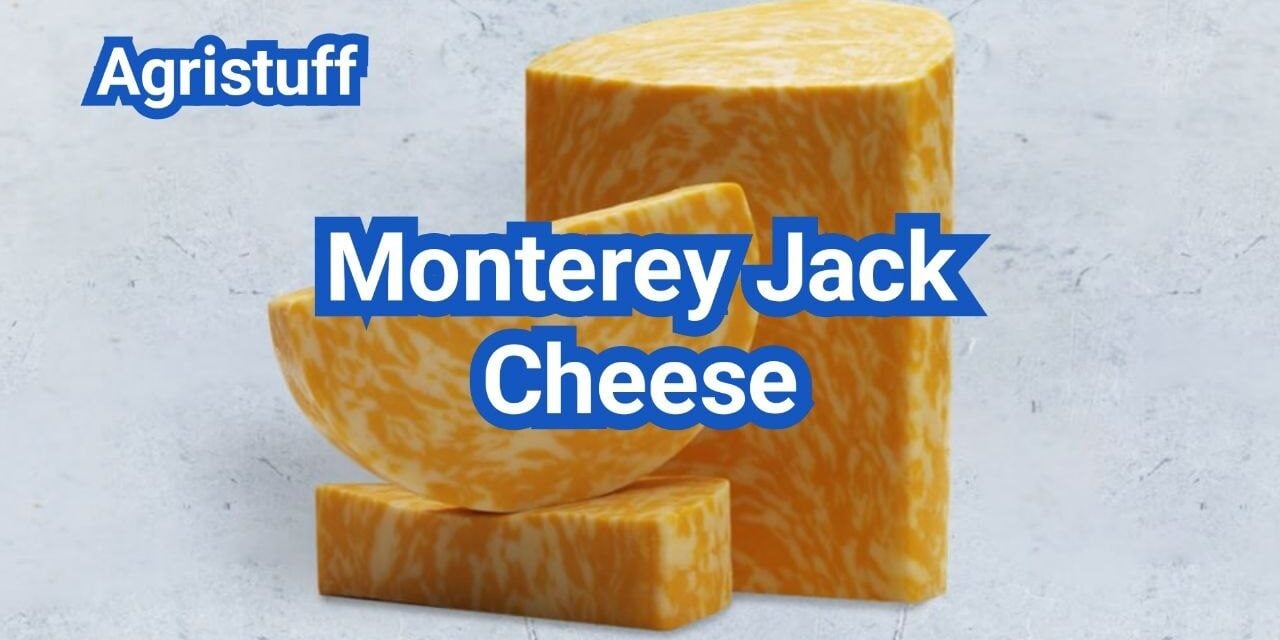
One of the most recognizable options is the colby cheese and monterey jack cheese blend, frequently sold as marble jack. This combination features a beautiful visual contrast and a slightly sweeter, creamier profile than the standard Monterey Jack. Many home cooks prefer colby jack cheeses for their superior melting properties in casseroles and dips.
Cheddar and Monterey Jack Blends
If you are wondering what’s the difference between Monterey Jack, cheddar jack, and colby jack?, the answer often lies in the sharpness of the added cheese. A cheddar and monterey jack cheese blend, or cheddar jack, provides a bolder, tangier kick while maintaining the smooth melt of the base cheese. You can easily find shredded monterey cheddar in most grocery stores, making it a convenient choice for tacos or baked pasta dishes.
Dry Jack Cheese: A Gourmet Alternative
For those seeking a more complex, aged monterey jack cheese, Dry Jack serves as a sophisticated gourmet cheese option. Unlike the high-moisture versions, this variety is aged for several months, resulting in a firm, nutty, and concentrated flavor profile. Vella dry jack cheese is perhaps the most famous example, often grated over salads or pasta much like a fine Parmesan. This dry monterey jack offers a completely different sensory experience compared to its younger, softer counterparts.
Where Did Monterey Jack Cheese Originate?
Monterey Jack cheese originated in California. Early versions are associated with Spanish mission cheesemaking, while Monterey dairy owner David Jacks helped commercialize the cheese during the late 1800s and contributed to its modern name. Its mild flavor and dependable melting performance later helped it become widely used in U.S. kitchens. Real California Milk cheese history.
Monterey Jack Cheese Nutrition and Calories

When you enjoy a slice of Monterey Jack cheese, you might wonder how it fits into your daily health goals. Understanding the nutritional overview of this popular dairy product helps you make better decisions in the kitchen. While it is a delicious addition to many meals, knowing the facts ensures you can enjoy it as part of a balanced lifestyle.
Is Monterey Jack Cheese a Healthy Choice?
Many people ask, is Monterey Jack cheese a healthy cheese? The answer largely depends on your overall dietary needs and portion control. This cheese is a great source of high-quality protein, which is essential for muscle repair and satiety.
Furthermore, it provides a significant amount of calcium, which supports bone health. Because it is a calorie-dense food, it is best consumed in moderation rather than as a primary food group. If you are watching your intake, you can easily find low fat Monterey Jack cheese options at most grocery stores to reduce your total fat consumption.
Breakdown of Macronutrients and Calories
To understand monterey jack cheese nutrition, it is helpful to look at the standard values for a one-ounce serving. This portion size is the typical recommendation for a single snack or topping.
| Nutrient | Amount per Ounce |
|---|---|
| Calories | 105 kcal |
| Total Fat | 8.5g |
| Protein | 7g |
| Calcium | 20% DV |
How much counts as a serving?
Monterey Jack cheese fits into the Dairy Group, and that matters for readers trying to balance meals instead of just chasing flavor. MyPlate materials treat 1½ ounces of hard cheese as roughly equivalent to 1 cup from the dairy group, which helps explain why it makes sense to use this cheese intentionally in wraps, grain bowls, and breakfast plates rather than piling it on automatically and losing track of how much you have added.
The monterey jack cheese calories count is relatively standard for semi-hard cheeses. By keeping track of these numbers, you can incorporate this flavorful ingredient into your favorite recipes without exceeding your daily targets. Balance is the key to enjoying your favorite foods while maintaining your health.
How to Select and Store Monterey Jack Cheese
Navigating the dairy aisle can be overwhelming, but choosing the best Monterey Jack cheese is simple with the right knowledge. Whether you are looking for a quick snack or a base for a gourmet recipe, understanding your options ensures you get the most flavor and value. Following these essential buying and storage tips will help you keep your dairy fresh and ready for any culinary task.
Choosing Between Monterey Jack Cheese Block and Shredded
When you decide to buy Monterey Jack cheese, you must choose between a solid block or pre-shredded varieties. A monterey jack cheese block is generally preferred by chefs because it lacks the anti-caking agents found in pre-packaged bags. These additives can prevent the cheese from melting smoothly in sauces or dips.
However, shredded monterey jack offers unmatched convenience for busy weeknights. If you need to prepare a quick meal, using shredded jack cheese saves significant prep time. Consider these factors when making your choice:
- Blocks: Offer better flavor and superior meltability for homemade queso.
- Shredded: Ideal for topping tacos, salads, or baked potatoes instantly.
- Slices: Perfect for sandwiches and burgers when you need uniform coverage.
Proper Storage Techniques for Slices and Blocks
Proper storage is the secret to maintaining the texture of your sliced monterey jack cheese. Once opened, cheese should be kept in an airtight container or wrapped tightly in parchment paper followed by plastic wrap. This prevents the cheese from drying out or absorbing odors from other items in your refrigerator.
If you have purchased monterey jack cheese slices, keep them in their original resealable packaging. For larger blocks, avoid storing them in the vegetable crisper drawer where moisture levels are too high. Instead, place them on a middle shelf where the temperature remains consistent.
Identifying Quality: From Tillamook to Cabot and Store Brands
The market is filled with diverse options, from premium labels to reliable store brands. When searching for monterey jack cheese near me, you will likely encounter several industry leaders known for their consistency and flavor profile.
Many consumers trust established names for their daily needs. Consider these popular options:
- Tillamook monterey jack cheese: Renowned for its creamy texture and high-quality milk.
- Cabot monterey jack: A fantastic choice for those who appreciate a sharp, clean finish.
- Boar’s Head monterey jack cheese: Often found at the deli counter for fresh, high-end slices.
- Store Brands: Options like Kroger monterey jack cheese or Aldi monterey jack cheese provide excellent value for everyday cooking.
Food safety and who should be more careful
Monterey Jack cheese is safer to buy and use when it is made from pasteurized milk, especially for pregnant people, older adults, and anyone with a weakened immune system. That caution matters because cheeses made with raw milk can carry a higher food-safety risk, and semi-soft styles deserve extra attention on labels, in refrigeration, and during recalls, even when they look normal and smell fine. Read CDC guidance on cheese and raw milk risk
Quick checklist
- Choose block format when you want the smoothest melt.
- Pick sliced format for burgers, deli sandwiches, and sliders.
- Use shredded format only when speed matters more than perfect melt.
- Look for pasteurized milk on the label if serving higher-risk groups.
- Use this cheese for mild dishes where you do not want sharp cheddar bite.
- Blend it with stronger cheeses when you want more flavor depth.
- Shred cold cheese for easier handling and cleaner strands.
- Melt it over medium-low heat to keep sauces smooth.
- Store opened portions tightly wrapped in the coldest safe refrigerator zone.
- Use it for tacos, eggs, casseroles, burgers, dips, and grilled sandwiches.
Common mistakes to avoid
- Overheating it in sauces, which can cause separation or a greasy finish.
- Assuming all shredded cheese melts the same as freshly grated blocks.
- Buying spicy variants when the dish needs a neutral, family-friendly flavor.
- Using it as the only cheese in recipes that need a sharper aged note.
- Leaving opened cheese loosely wrapped, which speeds drying and odor pickup.
- Ignoring the milk source on labels when cooking for pregnant or older guests.
- Using too much too early in casseroles instead of layering it strategically.
- Confusing pepper jack, Colby-Jack, and plain jack when flavor matters.
Whether you choose Sargento monterey jack cheese or a local artisan variety, always check the expiration date. High-quality cheese should look uniform in color without any signs of mold or excessive oil separation. By selecting reputable brands like Joseph Farms monterey jack cheese or Kraft monterey jack cheese, you ensure a delicious result in every dish.
Best Food and Drink Pairings for Monterey Jack Cheese

Finding the best food pairings for Monterey Jack can transform a simple snack into a gourmet event. Because this mild cheese offers a creamy and buttery profile, it acts as a perfect canvas for various flavors. Following a thoughtful serving guide ensures that your guests enjoy a balanced and delicious experience every time.
Complementary Fruits and Crackers
When selecting accompaniments, focus on items that do not overpower the delicate nature of the cheese. Crisp, tart fruits like Granny Smith apples or fresh green grapes provide a refreshing contrast to the richness of the dairy. These fruits cut through the fat, cleansing the palate between bites.
For crackers, choose neutral varieties that offer a satisfying crunch without excessive salt or strong herbs. Water crackers or plain sourdough crisps are excellent choices. They allow the subtle, milky notes of the cheese to remain the star of the show.
Wine and Beer Pairings for Mild Cheese
Selecting the right drink pairings is essential for a well-rounded tasting experience. For wine lovers, a crisp white wine like Pinot Grigio or a slightly sweet Riesling works wonders. These wines complement the mild cheese without clashing with its gentle flavor profile.
If you prefer beer, look for options that are light and refreshing. A classic American lager or a light wheat beer provides a clean finish that balances the creamy texture of the cheese perfectly. Avoid heavy stouts or overly hoppy IPAs, as these can easily mask the nuanced taste of this versatile mild cheese.
Best Monterey Jack Cheese Substitutes

Discovering a quality monterey jack cheese alternative is easier than you might think when you are in the middle of a recipe. While this specific cheese is prized for its mild flavor and excellent melting properties, several other varieties can step in to provide similar results. Having a backup plan ensures your culinary creations remain delicious even when your primary ingredient is missing.
When to Substitute with Havarti or Muenster
When searching for alternatives to monterey jack, Havarti and Muenster are often the top contenders. Havarti offers a buttery, creamy profile that mimics the texture of Jack quite well, making it a perfect cheese like monterey jack for melting over vegetables or in sandwiches. Muenster is another fantastic option, as it provides a mild, approachable taste that blends seamlessly into most American-style dishes.
“Cooking is an art, but it is also a science of substitution; knowing how to swap ingredients is the mark of a truly confident chef.”
— Anonymous
Adapting Recipes Based on Moisture Content
Selecting a cheese similar to monterey jack requires paying close attention to moisture levels. Because Jack is a high-moisture cheese, it melts quickly and creates a smooth, gooey consistency. If you choose a substitute that is significantly drier, you may need to add a small amount of liquid or fat to the dish to achieve the desired texture.
Conversely, if your chosen substitute is even softer than the original, you might need to reduce the cooking time slightly to prevent the cheese from becoming too oily. Understanding the moisture balance is the secret to maintaining the integrity of your favorite recipes. By adjusting your heat levels or preparation methods, you can ensure that your substitute performs just as well as the original.
Monterey Jack Cheese FAQs
Is Monterey Jack cheese the same as pepper jack?
Monterey Jack cheese is the plain, mild base cheese, while pepper jack is a flavored variation that includes peppers and sometimes herbs or spices, so the melt is similar but the flavor impact is much stronger. See the pepper jack overview
Does Monterey Jack cheese work for quesadillas and tacos?
Monterey Jack cheese is one of the safest choices for quesadillas, tacos, enchiladas, and burritos because it melts cleanly, spreads flavor evenly, and does not dominate the filling the way sharper cheeses can in lighter Mexican-style dishes. See cooking applications
Can Monterey Jack cheese be used in mac and cheese?
Monterey Jack cheese is excellent in mac and cheese when you want extra creaminess, but many cooks get the best result by pairing it with a more assertive cheese such as cheddar, gouda, or parmesan so the sauce stays smooth without tasting flat. See melting-cheese guidance for macaroni dishes
Is Monterey Jack cheese healthy?
Monterey Jack cheese can fit a balanced diet because it supplies protein and calcium, but “healthy” depends on the portion and the rest of the meal since cheese can also contribute meaningful sodium and saturated fat. Read Penn State nutrition guidance on cheese
How should Monterey Jack cheese be stored after opening?
Monterey Jack cheese should be kept tightly wrapped in the refrigerator, protected from moisture loss and odor transfer, and used while the texture is still smooth and the aroma is still clean, because semi-soft cheeses lose quality faster when they are loosely stored. Use the cold food storage chart
Final Thought
Monterey Jack cheese is a practical choice when a recipe needs a mild flavor and a smooth, creamy melt. Use plain Monterey Jack for family-friendly dishes, choose Pepper Jack for added heat, and shred a block just before cooking when melt quality matters most.
Sources & References
- eCFR: 21 CFR 133.153 Monterey cheese and Monterey Jack cheese
- Wisconsin Cheese: Monterey Jack Cheese
- USDA FoodData Central: Monterey Jack cheese
- Real California Milk: Cheese History
- eCFR: 21 CFR 133.154 High-moisture jack cheese
- Center for Dairy Research: Cheese Safety/Storage
- Penn State Extension: Dairy Food Standards
- CDC: How Listeria Spread: Soft Cheeses and Raw Milk
- Penn State Extension: Selecting Cheese for Health