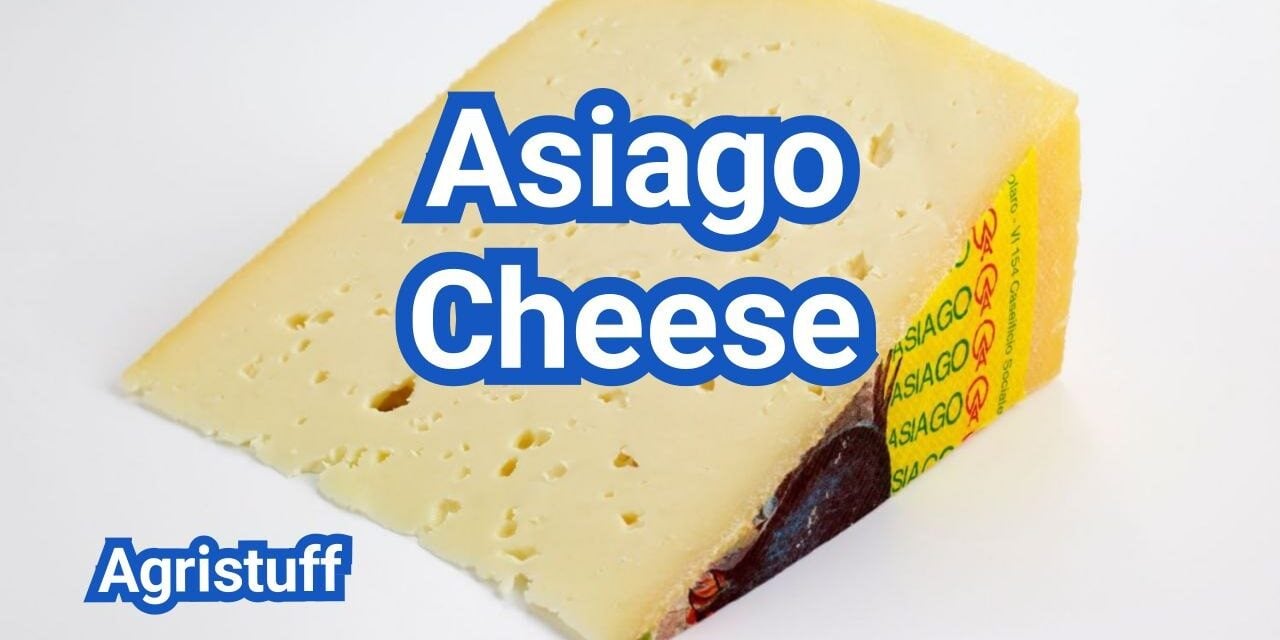
Quick answer: The right Asiago cheese depends on the dish: choose fresh Asiago for melting in sandwiches, on pizza, or into sauces, and aged Asiago for grating over pasta, soups, salads, or roasted vegetables. Check the age or style on the label before buying.
This guide helps U.S. shoppers decode Asiago cheese labels, compare Italian PDO imports with U.S.-made varieties, and make confident choices about cooking, serving, pairing, and storage.
Key Takeaways
- Asiago usually refers to Asiago cheese, an Italian cow’s milk cheese named after the Asiago area in northern Italy.
- Asiago cheese comes in fresh and aged styles, with fresh Asiago tasting mild and creamy while aged Asiago tastes sharper, nuttier, and more complex.
- Asiago cheese is often used for melting, slicing, grating, pasta, pizza, sandwiches, salads, soups, and cheese boards.
- Asiago cheese is different from Parmesan because it can be softer and creamier when young, while aged Asiago is closer to Parmesan in firmness and savory flavor.
- Asiago cheese should be stored wrapped in the refrigerator and brought close to room temperature before serving for better flavor and texture.
What Is Asiago? Asiago Cheese Meaning and Definition
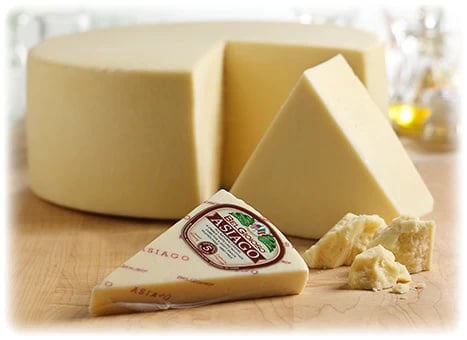
Asiago cheese is a traditional Italian cow’s milk cheese that may be soft and mild when young or firm, savory, and nutty when aged. In food searches, the word Asiago usually means this cheese, although the name also comes from the Asiago area of northern Italy where the style became historically associated with local dairy production.
If you have ever wondered what is Asiago?, you are likely curious about its unique classification and protected status. This beloved dairy product is far more than just a topping for your favorite snack. It is a storied Italian cheese that carries centuries of tradition within every wheel.
Defining the Cow’s Milk Cheese Category
At its core, this product is a semi-hard cheese to hard cheese made from cow’s milk ( According to the age ) that offers a distinct profile depending on its age. While many Americans recognize it as a savory addition to an asiago cheese bagel, its culinary applications extend much further. It serves as a foundational ingredient in many kitchens, providing a nutty and creamy depth to various dishes.
To better understand this italian cow’s milk cheese, consider these primary characteristics:
- Texture: Ranges from smooth and creamy when young to firm and crumbly when aged.
- Flavor: Starts with mild, milky notes and develops into a complex, nutty profile over time.
- Versatility: Excellent for melting, grating over pasta, or serving on a curated board.
The Significance of the PDO Designation
The term asiago cheese is protected by the Protected Designation of Origin (PDO) status, known in Italy as DOP. This guide helps you realize that true authenticity is tied to geography. Only cheese produced in the specific Veneto region of Italy can legally carry the name.
This designation ensures that producers follow strict traditional methods and quality standards. When you purchase a product with the PDO label, you are guaranteed an authentic experience that honors the heritage of the region. Understanding what is asiago cheese? requires recognizing that domestic varieties, while delicious, are distinct from these protected Italian imports.
Understanding the Origins and Heritage of Asiago Cheese
Asiago cheese is more than just a food; it is a testament to over a thousand years of Italian craftsmanship. This introduction to asiago cheese: a taste of italian heritage reveals how a simple mountain product became a global culinary icon. By examining its history, we gain a deeper appreciation for the flavors found in every slice.
The Venetian Roots of Asiago
The story of this famous cheese begins in the town of Asiago, located in the Veneto region of Northern Italy. For centuries, the high-altitude pastures of the Asiago Plateau provided the perfect environment for dairy farming. Local farmers relied on the natural landscape to produce milk that was rich and flavorful.
The asiago cheese origin is deeply tied to these rugged mountains. Early production methods were born out of necessity, as families needed a way to preserve milk throughout the long, cold winters. This necessity led to the development of unique techniques that define the cheese today:
- High-altitude grazing: Cows fed on diverse alpine grasses, which influenced the milk’s quality.
- Traditional aging: Cellars in the Veneto region provided the ideal humidity for the cheese to mature.
- Community cooperation: Small mountain dairies worked together to maintain consistent production standards.
From Local Tradition to Global Recognition
As trade routes expanded, the reputation of this Italian specialty began to spread beyond the borders of the Veneto region. What started as a local staple for mountain villagers eventually caught the attention of merchants and food lovers across Europe. The cheese became a symbol of regional pride and high-quality food production.
Today, the legacy of this cheese continues to thrive on a global scale. It is now recognized as a protected product, ensuring that the traditional methods of the past are preserved for future generations. Whether enjoyed in a small village or a major city, the authentic heritage of the product remains a core part of its identity.
Fresh Asiago vs Aged Asiago: Key Differences in Texture and Flavor

When exploring the varieties of Asiago cheese, the aging process serves as the primary factor in defining its character. Understanding the fresh asiago vs aged asiago distinction is vital for anyone looking to master their culinary creations. By comparing the asiago cheese: flavor profile and texture, you can easily decide which option suits your specific needs.
Whether you are looking for a mild addition to a salad or a bold topping for pasta, knowing the types of types of asiago is helpful. This guide on fresh vs. aged asiago: how to choose will highlight the unique qualities of each. We will look at the differences between asiago fresco vs asiago stagionato (fresh asiago vs aged asiago) to help you navigate the varieties of Asiago cheese with confidence.
Asiago Fresco: The Young and Creamy Variety
Asiago Fresco, often referred to as asiago pressato cheese, is the younger sibling in the family. This fresh asiago cheese is typically aged for a short period, usually up to 40 days. Because it spends so little time in the aging room, it retains a high moisture content.
The result is a soft, supple texture that is incredibly easy to slice or melt. Many people enjoy asiago fresco cheese for its mild, milky, and slightly sweet taste. It is the perfect choice when you want a subtle flavor that does not overpower other ingredients in your dish.
Asiago Stagionato: The Hard and Nutty Classic
In contrast, Aged Asiago, known as d’Allevo, undergoes a much longer maturation process. This hard cheese is aged anywhere from two months to two years, allowing it to develop a complex personality. As the moisture evaporates, the cheese becomes firm and crumbly.
The nutty notes become more pronounced as the aging time increases, offering a deep, savory experience. Aged asiago is prized for its intense, concentrated flavor that stands out in any recipe. If you are looking for a bold ingredient to grate over a warm bowl of soup, this is the variety you should reach for.
Nutritional Profile and Dietary Considerations
Exploring the nutritional benefits of Asiago cheese reveals why this Italian staple is a smart addition to your kitchen. As a hard cheese, it provides a dense source of nutrients that can enhance a balanced diet. Understanding the asiago cheese nutrition profile helps you make informed choices about your daily intake.
Caloric Content and Macronutrients
Asiago is rich in high-quality protein and essential fats, which contribute to its satisfying nature. Because it is a hard cheese with low moisture content, it is shelf-stable and offers a concentrated flavor profile. This low moisture level also makes it a safer option for those with compromised immune systems compared to soft, high-moisture varieties.
“Good food is the foundation of genuine happiness, and choosing nutrient-dense options like aged cheeses can provide both satisfaction and health support.”
When consumed in moderation, the benefits of Asiago cheese include a significant boost of calcium and phosphorus. These minerals are vital for maintaining strong bones and teeth. You will find that even a small serving adds a powerful punch of flavor and nutrition to your favorite meals.
Is Asiago Cheese Vegetarian?
A common question for many shoppers is, is Asiago cheese vegetarian? The answer depends entirely on the type of rennet used during the production process. Traditional Italian production often utilizes animal-derived rennet, which is not suitable for strict vegetarians.
However, many domestic and some international producers now use microbial rennet to make their asiago vegetarian friendly. Always check the product label to confirm the source of the enzymes. If the label specifies “microbial enzymes” or “vegetable rennet,” you can enjoy the cheese with confidence.
Flavor Profiles: What Does Asiago Cheese Taste Like?
The flavour profile of Asiago cheese is a fascinating journey from creamy youth to sharp maturity. Understanding what does Asiago cheese taste like requires a look at how the aging process transforms its character over time. Whether you prefer a subtle snack or a bold addition to a recipe, this cheese offers a distinct experience for every palate.
The Nutty Flavor of Aged Varieties
When Asiago is aged, it develops a firm texture and a complex, nutty depth that many enthusiasts adore. This variety, known as Stagionato, is often considered a sweeter, smoother cousin of Parmesan. The rich flavors of Asiago cheese in this stage are intense, savory, and lingering.
You will notice that the nutty notes become more pronounced as the cheese matures. It provides a sophisticated bite that stands out on a charcuterie board or when grated over warm dishes. Many people find that the asiago cheese taste at this stage is perfect for those who enjoy bold, salty profiles.
The Mild and Milky Notes of Fresh Asiago
In contrast, the fresh version, or Fresco, offers a completely different sensory experience. It is characterized by a soft, semi-firm texture and a gentle, milky sweetness. If you are asking what does asiago cheese taste like? when it is young, think of a mild, buttery delight that melts easily on the tongue.
This younger flavor is approachable and light, making it an excellent choice for sandwiches or melting into sauces. It lacks the sharp bite of the aged version, focusing instead on a clean and creamy finish. Below is a breakdown of how these two varieties compare in their sensory characteristics.
| Variety | Texture | Primary Flavor | Best Use |
|---|---|---|---|
| Asiago Fresco | Soft and Creamy | Mild and Milky | Melting and Sandwiches |
| Asiago Stagionato | Hard and Crumbly | Nutty and Sharp | Grating and Boards |
| Aged (Extra) | Very Firm | Intense and Savory | Finishing Dishes |
Asiago vs Parmesan: Comparing the Two Italian Powerhouses
When navigating the world of fine Italian cheese, understanding the nuances between two giants is essential. While both are beloved staples in kitchens across the United States, asiago and parmesan cheese serve different purposes depending on the desired outcome of your dish.
Texture and Hardness Comparisons
When comparing asiago vs. parmesan, the most immediate difference lies in their physical structure. Parmesan is a classic hard cheese that undergoes a long aging process, resulting in a brittle, granular texture that is perfect for grating.
In contrast, Asiago—especially the younger varieties—tends to be much creamier and denser. Even when aged, it maintains a slightly more pliable mouthfeel compared to the crystalline crunch of a traditional Parmesan.
- Parmesan: Extremely hard, dry, and prone to flaking.
- Asiago: Denser and smoother, offering a more buttery consistency.
Flavor Intensity and Culinary Substitutions
The taste profile is where these two varieties truly diverge. Parmesan is celebrated for its intense, savory, and slightly pungent notes that provide a deep umami punch to any recipe.
Asiago offers a more approachable, nutty flavor that is often described as mellow and sweet. If you are looking for an asiago cheese substitute in a recipe that requires a bold, salty kick, you might find that Asiago provides a softer, more subtle background note rather than the sharp bite of Parmesan.
| Feature | Asiago | Parmesan |
|---|---|---|
| Flavor | Nutty and Creamy | Sharp and Pungent |
| Texture | Dense/Semi-hard | Brittle/Hard |
| Best Use | Melting/Snacking | Finishing/Grating |
When to Use Asiago Instead of Parmesan
Deciding between asiago vs parmesan often comes down to the specific cooking technique. Because Asiago melts more readily than its counterpart, it is an excellent choice for dishes where you want a gooey, rich texture, such as in grilled cheese sandwiches or creamy pasta bakes.
Use parmesan cheese asiago combinations when you want to balance the intensity of the former with the meltability of the latter. Ultimately, choosing between asiago vs. other italian cheeses depends on whether you want to highlight a bold, sharp finish or a smooth, nutty undertone in your culinary creations.
Asiago Cheese in the U.S. and the Rise of Domestic Varieties

While Italy holds the historical title, the production of asiago cheese in the U.S. has grown into a thriving industry. Many domestic creameries now produce high-quality versions that cater to the diverse palates of American consumers. These American asiago cheese varieties offer a unique take on the classic, often balancing traditional techniques with modern innovation.
Spotlight on Wisconsin Asiago Cheeses
When discussing domestic production, the spotlight on Wisconsin Asiago cheeses is well-deserved. Wisconsin producers have mastered the art of aging, often resulting in a sharper flavor profile compared to some imported varieties. For those interested in learning more, the ultimate guide to types of cheese in Wisconsin highlights how local milk quality contributes to this distinct, bold taste.
This regional expertise ensures that asiago cheese in USA markets remains both accessible and authentic in character. Whether you prefer a younger, creamier texture or a firm, aged block, Wisconsin dairies provide consistent quality for home cooks.
Availability at Major Retailers Like Walmart and Aldi
Finding high-quality domestic options has never been easier for the average shopper. You can frequently find asiago cheese Walmart selections in the deli or specialty cheese aisle, making it a convenient staple for busy families. Similarly, Aldi asiago cheese has gained a reputation for offering excellent value without compromising on the savory, nutty notes that enthusiasts expect.
Whether you are browsing for asiago cheese Aldi brands or checking the local inventory at a larger supermarket, domestic options are widely available. These retailers bridge the gap between traditional heritage and the everyday needs of the modern kitchen. By choosing these accessible varieties, you can easily elevate your favorite pasta dishes or charcuterie boards.
How to Pronounce and Identify Authentic Asiago PDO
If you have ever wondered how to pronounce Asiago?, you are certainly not alone in your quest for accuracy. Navigating the world of fine Italian cheese requires a bit of linguistic and label-reading expertise to ensure you get the real deal. Understanding these details helps you appreciate the rich heritage behind every slice.
Mastering the Italian Pronunciation
The correct way to say this famous cheese is “ah-see-ah-go.” Many people struggle with the vowels, but breaking it down into four distinct syllables makes it much easier to master. Learning how to pronounce Asiago in Italian correctly shows respect for the tradition and the artisans who craft it.
While you might hear variations in local dialects, the standard pronunciation remains consistent across the Veneto region. Practicing this simple phonetic guide will give you confidence when ordering at a deli counter or discussing your favorite snacks with friends. It is a small detail that elevates your overall dining experience.
Reading Labels to Ensure Authenticity
When shopping for authentic Asiago, the label is your best friend. Genuine products carry the Asiago PDO (Protected Designation of Origin) seal, which guarantees the cheese was produced according to strict regional standards. You may also see the term Asiago DOP, which is the Italian acronym for the same certification.
Generic imitations often lack these specific markings or use vague descriptors. Always check the packaging for the official logo to ensure you are purchasing a product that honors the Italian legacy. Use the following table to help identify the key differences between certified and non-certified products.
| Feature | Authentic Asiago PDO | Generic Imitation |
|---|---|---|
| Certification Seal | Official PDO/DOP Logo | None or Vague Terms |
| Production Origin | Veneto Region, Italy | Various Global Locations |
| Naming Standards | Strictly Regulated | Often Uses Other Names of Asiago Cheese |
The Production Process: How Authentic Asiago Is Made
The production process of Asiago cheese is a testament to the dedication of master cheesemakers in the Veneto region. This meticulous craft balances time-honored techniques with modern food safety standards to ensure quality. By understanding the journey from raw milk to the finished wheel, one can truly appreciate why this product remains a staple in kitchens worldwide.
Traditional Methods in the Veneto Region
Authentic production begins with high-quality milk sourced from local farms. Cheesemakers heat a mixture of whole and skim milk in large vats to reach the ideal temperature for coagulation. Once the milk is ready, they add rennet to separate the solids from the whey.
After the curds form, the artisans carefully knead them to achieve the desired consistency. This labor-intensive step is vital for the texture of the final cow’s milk cheese. The curds are then placed into molds and pressed to remove excess moisture, which is a key step in how asiago is made.
“The secret to great cheese lies not just in the ingredients, but in the rhythm of the hands that shape it.”
The Role of Aging in Developing Character
Aging is where the magic happens for this famous cheese. The environment of the Veneto region plays a crucial role in how the flavor profile evolves over time. As the wheels rest in climate-controlled cellars, they undergo chemical changes that define their final personality.
This stage is essential for varieties and production, as the duration of storage determines whether the result is mild or sharp. Whether you are curious about how asiago cheese is made or simply enjoy the taste, the aging process is the defining factor. It transforms simple ingredients into asiago: veneto’s hidden gem, offering a complex depth that is impossible to replicate elsewhere.
Culinary Applications: How to Use Asiago Cheese in Recipes
Learning how to use Asiago cheese in recipes opens up a world of savory, nutty possibilities for your home cooking. This Italian classic is incredibly versatile, offering distinct flavor profiles that range from mild and creamy to sharp and crystalline. Understanding the culinary uses of Asiago cheese allows you to elevate simple ingredients into gourmet meals with ease.
Asiago Cheese for Pasta and Risotto
When preparing asiago cheese for pasta, the aged variety is your best friend. Its firm texture makes it perfect for grating over steaming bowls of fettuccine or linguine. You can also create a decadent asiago macaroni and cheese by folding the shredded cheese into a creamy béchamel sauce.
For those who love bold flavors, try adding a generous amount of aged cheese to your risotto. The cheese melts into the rice, creating a rich, velvety consistency. Many home cooks also enjoy making mushroom asiago chicken, where the earthy notes of the mushrooms pair perfectly with the sharp, savory bite of the cheese.
Elevating Sandwiches and Bagels
Fresh Asiago is a fantastic choice for melting, making it ideal for asiago cheese for sandwiches. Its mild, milky profile complements roasted vegetables, turkey, or even crispy asiago bacon combinations. You can easily recreate the popular panera asiago style at home by topping your favorite bread or bagels with a blend of shredded cheese and asiago garlic.
To achieve the best results, slice the fresh cheese thinly to ensure even melting. Whether you are crafting a toasted panini or a simple grilled cheese, the addition of this Italian staple adds a sophisticated touch. It transforms a standard lunch into a memorable culinary experience.
Incorporating Asiago into Cheese Balls and Crackers
If you are looking for delicious ways to enjoy this Italian classic, consider using it in your next appetizer spread. An asiago cheese ball is a crowd-pleasing favorite, especially when rolled in fresh herbs or crushed nuts. You can also experiment with rosemary asiago cheese to add an aromatic layer to your party platters.
For a quick snack, try making homemade asiago cheese crackers. These crispy asiago cheese bites are perfect for pairing with wine or fruit. Simply bake thin slices of dough topped with aged cheese until golden brown. These asiago cheese and crackers pairings are sure to impress your guests at any gathering.
Melting Properties and Best Cooking Techniques

When it comes to cooking with this versatile cow’s milk cheese, the age of the product changes everything. Understanding how different varieties react to heat is the secret to achieving the perfect texture in your favorite dishes. Whether you are preparing a quick weeknight dinner or a complex baked meal, knowing your ingredients is vital.
Does Asiago Cheese Melt Well?
Many home chefs often ask, does asiago cheese melt effectively? The answer depends entirely on the maturity of the cheese you select. When exploring what is asiago cheese? melting properties of asiago cheese, you will find that the younger, fresh variety is significantly more pliable than its aged counterpart.
Fresh Asiago is prized for its high moisture content, which allows it to soften and stretch beautifully when heated. In contrast, the aged variety becomes brittle and hard, making it better suited for grating over finished dishes rather than melting into a sauce. Choosing the right type ensures your meal achieves that luxurious, creamy consistency you desire.
Best Asiago Cheese for Cooking and Baking
If you are looking for the best asiago cheese for cooking, always reach for the fresh, semi-soft version. This variety is an excellent choice for creating smooth cheese sauces, hearty dips, or topping flatbreads. It provides a mild, milky flavor that complements other ingredients without overpowering them.
When considering cooking with asiago: recipes to try, think about dishes that require a consistent melt. For instance, adding fresh Asiago cheese on pizza creates a delightful, gooey layer that pairs perfectly with savory toppings like sausage or roasted vegetables. You can also incorporate it into baked pasta dishes to add a rich, velvety finish that elevates the entire meal.
Perfect Pairings: Wine, Fruit, and Accompaniments
Discovering the best ways to serve Asiago cheese involves balancing its unique flavor profile with complementary ingredients. Whether you are hosting a party or enjoying a quiet evening, these asiago cheese pairing suggestions will help you make the most of your cheese. By selecting the right partners, you can highlight the distinct notes of both fresh and aged varieties.
Wine Pairings for Different Ages of Asiago
The age of the cheese significantly influences which beverages will create a harmonious experience. For a mature, aged variety, a full-bodied Zinfandel provides the necessary depth to stand up to the sharp, nutty flavors. If you prefer beer, the complex profiles of IPAs and Saisons offer a refreshing contrast that cleanses the palate between bites.
These combinations are truly delicious ways to serve asiago cheese to guests who appreciate a bold flavor profile. The effervescence of a craft beer can cut through the richness of the cheese, making every mouthful feel light and balanced. Always consider the intensity of the cheese when selecting your drink to ensure neither flavor overpowers the other.
Fruit and Nut Pairings for Charcuterie Boards
Creating a balanced board requires a mix of textures and sweet elements to offset the savory nature of the cheese. Fresh fruit like cantaloupe is an excellent choice, as its natural sweetness complements the creamy notes of younger Asiago. Adding a handful of toasted almonds or walnuts provides a satisfying crunch that pairs beautifully with the aged, crystalline texture of the classic variety.
Finding the perfect pairings for asiago cheese is an art that relies on contrast and harmony. By incorporating these simple additions, you can elevate your next gathering into a memorable culinary event. Use the following guide to help you organize your next platter with confidence.
| Cheese Type | Wine/Beer Pairing | Fruit/Nut Pairing |
|---|---|---|
| Asiago Fresco | Crisp White Wine | Fresh Cantaloupe |
| Asiago Stagionato | Full-bodied Zinfandel | Roasted Walnuts |
| Aged Asiago | Hoppy IPA | Dried Apricots |
This asiago cheese pairing guide serves as a foundation for your own creative experiments. Feel free to mix and match based on your personal preferences and the specific variety you have on hand. Enjoy the process of exploring new flavor combinations that make this Italian classic shine.
How to Store and Serve Asiago Cheese Properly

Mastering the art of storing and serving Asiago cheese is essential for any home cook who wants to maintain the integrity of this Italian staple. Understanding how to store asiago cheese correctly prevents the product from drying out or absorbing unwanted odors from your refrigerator.
Best Practices for Refrigeration
To keep your cheese in peak condition, you should always store it in a cool, dry environment. The refrigerator is the ideal location, but you must wrap the cheese properly to protect its texture.
- Use parchment or wax paper to wrap the cheese, as this allows it to breathe while preventing moisture loss.
- Avoid using plastic wrap directly against the cut surface for long periods, as it can trap moisture and encourage mold growth.
- Place the wrapped cheese in a dedicated vegetable drawer or a slightly warmer area of the fridge to prevent it from becoming too brittle.
Can You Eat the Rind?
A common question among enthusiasts is: can you eat the rind? The answer depends largely on the age of the cheese. For younger, fresh varieties, the rind is soft and perfectly edible, often adding a pleasant, mild texture to your meal.
However, aged varieties develop a much harder, thicker rind that is primarily intended to protect the cheese during the long maturation process. While these rinds are technically food-safe, they are often too tough to chew comfortably. Many chefs prefer to save these hard rinds to simmer in soups or broths, where they impart a deep, savory umami flavor.
Serving Temperatures for Optimal Flavor
Following a proper serving guide is the final step to unlocking the full potential of your cheese. Serving cheese directly from the refrigerator often masks its delicate nuances and complex aromatic profile.
“Cheese is a living product that needs to breathe and reach room temperature to reveal its true character and depth of flavor.”
For the best experience, remove your Asiago from the refrigerator about 30 to 60 minutes before you plan to serve it. This allows the fats to soften slightly, ensuring a creamy mouthfeel and a more vibrant taste. Whether you are preparing a charcuterie board or a simple snack, this small adjustment makes a significant difference in quality.
Finding the Best Asiago Cheese: Where to Buy and What to Look For
Navigating the cheese aisle to find the perfect wedge can feel overwhelming without the right knowledge. Whether you are shopping at a local supermarket or browsing online, identifying high-quality products ensures you get the best flavor for your culinary creations. Always look for the PDO seal on the packaging, which guarantees that the product is authentic Italian Asiago produced under strict traditional standards.
Selecting Quality Brands
When you search for the best Asiago cheese brands, you will encounter both imported Italian varieties and domestic options. Reputable names like Stella Asiago cheese and Boar’s Head Asiago cheese are widely available in the United States and offer consistent quality. If you prefer a spreadable option, brands like Glacier Ridge Farms provide an aged Asiago cheese spread that works beautifully on crackers.
For those wondering where to buy Asiago cheese, major retailers like Walmart, Aldi, and specialty deli counters are excellent starting points. You can also buy Asiago cheese online through gourmet food websites if you are looking for a specific aged wheel. Always check the label to see if the cheese is fresh or aged, as this significantly impacts the taste profile.
Shredded vs. Grated vs. Whole Wheels
Understanding the difference between various formats is key to achieving the right texture in your recipes. When considering shredded vs. grated cheese: how do they differ and which is best for your dish?, remember that whole wheels offer the freshest flavor and best melting properties. Grated Asiago is convenient for finishing pasta, while shredded Asiago cheese is ideal for melting into casseroles or topping pizzas.
Pre-packaged options like shredded parmesan Asiago cheese are popular for their convenience, but they often contain anti-caking agents. If you want the purest flavor, buying a block or a small wheel and grating it yourself is highly recommended. The following table highlights the best uses for each format:
| Format | Best Use | Texture |
|---|---|---|
| Whole Wheel/Block | Charcuterie boards, grating fresh | Firm/Hard |
| Shredded | Melting, pizza, casseroles | Soft/Stringy |
| Grated | Pasta toppings, soups | Fine/Powdery |
Finding Alternatives and Substitutes
If you cannot find the specific variety you need, there are several effective substitutions for Asiago cheese. A common asiago cheese substitute is Parmesan or Pecorino Romano, as these hard Italian cheeses share a similar nutty profile. If you need a cheese similar to Asiago for melting, mild white cheddar or even a high-quality Manchego can work in a pinch.
While some shoppers might look for a vegan Asiago cheese, these plant-based alternatives often use nutritional yeast or cashews to mimic the savory, nutty notes of the original. Always consider the moisture content of your substitute to ensure it behaves correctly during the cooking process. With these tips, you can confidently select the right cheese for any recipe.
At The End of: Asiago Cheese Guide
Asiago remains a versatile and flavorful staple for any home kitchen. This Italian cheese offers endless culinary possibilities for your favorite recipes.
The journey from the historic Veneto region to modern American grocery stores highlights the enduring appeal of this classic food. You now possess the essential knowledge to select, store, and serve this high-quality cheese with confidence.
Experimenting with different aging profiles allows you to discover new dimensions of taste in your daily meals. Whether you choose a creamy fresh variety or a sharp aged block, this product brings authentic character to every dish.
We encourage you to share your favorite pairings or unique cooking methods with fellow food enthusiasts. Your kitchen adventures with this iconic cheese are just beginning.
FAQ
Does Asiago cheese melt well?
Fresh asiago cheese melts far better than older versions because it holds more moisture and has a softer body, so it performs well in cheese sauces, hot sandwiches, and baked pasta. Once it is more heavily aged, it still softens with heat, but it behaves more like a finishing cheese than a classic stretch cheese. Melting and usage details.
Is Asiago cheese the same as Parmesan?
Asiago cheese is not the same as Parmesan, even though older styles can fill a similar kitchen role. In general, it tastes a bit more rounded and buttery when young, and even mature versions often come across as less intensely salty and less rigidly granular than a classic Parmesan-type grating cheese. Official tasting notes.
Is Asiago cheese vegetarian?
Asiago cheese is sometimes vegetarian-friendly, but not every version is, because rennet choice can differ by product. The safest approach is to read the package or buy a clearly labeled vegetable-rennet version rather than assuming the entire category follows one production method. Aged vegetable-rennet profile.
Can pregnant women eat Asiago cheese?
Asiago cheese is generally a safer choice for pregnancy when it is a hard cheese made with pasteurized milk, but shoppers should still read labels and avoid assuming every artisan or imported wedge follows the same milk standard. That label check matters most when buying from specialty counters, farmers markets, or raw-milk-focused sellers. CDC safer-choice guidance.
How should you store Asiago cheese after opening?
Asiago cheese keeps its quality best when refrigerated promptly and wrapped well enough to limit drying without trapping obvious surface moisture. Wedges usually hold quality longer than shredded forms, and mail-order or warm-weather delivery buys should go into cold storage quickly so you protect both texture and flavor. USDA storage and delivery basics.
When to Use Asiago Instead of Parmesan?
Use Asiago when you want a slightly more melting-friendly hard cheese or a unique twist on standard recipes. It is often a more affordable option for shredded parmesan asiago blends used in bulk cooking.
Can You Eat the Rind?
On Fresh Asiago, the rind is often thin and edible, though it may be treated with wax in some commercial varieties. On Aged Asiago, the rind is very hard. While not harmful, it is generally too tough to chew. However, don’t throw it away! Like Parmesan rinds, you can drop an Asiago rind into soups or stews to add incredible depth of flavor.
What is the best way to use Asiago cheese on pizza?
For the perfect Asiago cheese on pizza, use a combination of Asiago Fresco and mozzarella. The fresh asiago provides a superior melt and a buttery flavor that complements tomato sauce and toppings like asiago bacon or fresh herbs.
Is there a significant difference between Asiago cheese vs parmesan cheese?
Yes. While both are Italian cheeses, Asiago has a wider range of textures from creamy to hard. Asiago and parmesan cheese both offer nutty notes, but Asiago cheese taste is often milder and creamier in its younger stages compared to the consistently sharp and dry profile of Parmesan.
Where is the best place for Asiago cheese buy?
You can easily buy asiago cheese online through specialty retailers or find it at your local grocery store. For budget-friendly options, look for asiago cheese at Walmart or asiago cheese aldi. For premium quality, seek out Stella asiago cheese or Boar’s Head asiago cheese at the deli counter.
What is a good Asiago cheese substitute for pasta recipes?
If a recipe calls for aged Asiago and you don’t have it, a mix of shredded parmesan asiago or just plain Parmesan is the best Asiago cheese substitute. For a softer version, a mild Provolone or even a white cheddar can work as a cheese similar to asiago.
Does Asiago cheese melt well in sauces?
Absolutely! Asiago fresco cheese is highly recommended for sauces. It is the secret ingredient in many asiago macaroni and cheese recipes because it creates a silky, rich texture that is more complex than standard cheddar.
How should I store aged Asiago cheese to keep it fresh?
To properly how to store asiago cheese, wrap the wedge in wax or parchment paper and place it in a sealed plastic bag in the vegetable crisper of your fridge. This prevents the aged asiago from absorbing other odors and maintains its moisture balance.
Can you eat the rind of an Asiago wheel?
Technically, the rind of authentic asiago is natural and safe, but on aged asiago cheese, it is often too hard to enjoy. It is better used to flavor stocks and sauces. For fresh asiago, the rind is thinner and more palatable.
How do you pronounce Asiago correctly?
If you are wondering how to pronounce asiago, it is phonetically “ah-SYAH-goh.” In American English, some may simplify it to “ah-see-ah-go,” but the Italian version emphasizes the “syah” sound.
What are some popular asiago cheese pairing suggestions?
Asiago cheese pairing depends on age. Fresh asiago pairs well with light fruits and crackers like asiago cheese crackers. Aged asiago cheese is excellent with honey, nuts, and bold red wines. You might also enjoy rosemary asiago or asiago garlic varieties on a charcuterie board.
Is Asiago cheese healthy?
In terms of asiago cheese nutrition, it is high in calcium and protein. While it does contain saturated fat, it is a satisfying hard cheese that provides significant nutrients. It is also lower in lactose than many soft cheeses, making it easier for some people to digest.
Can I find vegetarian versions of this cheese?
Traditional Asiago PDO often uses animal rennet. However, many domestic brands like BelGioioso or Sargento offer asiago vegetarian options using microbial enzymes. Always check the packaging to be sure.
What makes a Panera Asiago bagel so special?
The Panera asiago bagel is famous for its thick layer of melted, slightly toasted shredded asiago cheese on top. The cheese provides a savory, salty crust that pairs perfectly with cream cheese or as part of an asiago cheese for sandwiches build.
Conclusion of: Asiago Cheese
If you have only seen it as a shredded topping or a deli wedge, asiago cheese can seem like one simple category. In reality, it changes a lot with age, moisture, and style, which is why one version slices and melts smoothly while another grates like a finishing cheese with a sharper, nuttier bite. For a U.S. reader, the smartest way to buy it is to think in three filters first: texture, intensity, and intended use in the dish. Official PDO product profile.
What is Asiago Cheese?
Asiago cheese is a cow’s-milk cheese with roots in northern Italy, and it is sold in both young and aged forms that deliver very different eating experiences. Fresh styles are softer, lighter in color, and milder on the palate, while longer-aged styles become firmer, drier, more crumbly, and more savory, which is why the same name can show up in sandwiches, cheese boards, pasta bowls, and grated finishing blends. Variety overview.
Where Asiago Cheese comes from?
Asiago cheese originally comes from the Veneto-Trentino area, where the official protected designation framework ties the cheese to a defined production zone, local milk, and specific methods. That origin matters because it explains why true PDO versions emphasize differences in milk handling, aging environment, and mountain production, all of which shape aroma, texture, and the final balance between sweetness and savory depth. Origin and production zone.
Fresh vs aged at a glance
The easiest way to understand asiago cheese is to separate it into high-moisture, younger styles and lower-moisture, longer-cured styles. In U.S. stores, that difference shows up in how the cheese is merchandised: younger wheels or slices are better for melting and slicing, while older wedges are usually sold for shaving, grating, and finishing because time reduces moisture, concentrates flavor, and creates a firmer body. U.S. cheese standards listing.
How the young style tastes and feels
When asiago cheese is fresh, it tends to be supple, slightly springy, and mild enough for people who find Parmesan too aggressive or Pecorino too salty. The flavor usually leans buttery, milky, and lightly tangy, with enough richness to stand out in a grilled sandwich or cheese sauce without overpowering the rest of the ingredients, which is why this style is often the better entry point for first-time buyers. Fresh reserve profile.
How aging changes Asiago Cheese
As asiago cheese matures, the paste becomes denser and the flavor shifts from gentle dairy notes toward nuts, toasted butter, brothy savoriness, and a more persistent finish. Official PDO aging categories such as Mezzano, Vecchio, and Stravecchio help explain why one wedge may still shave neatly while another crumbles into granular pieces that are much closer to a table cheese you grate over pasta, soup, or roasted vegetables. Medium-aged profile.
What happens at longer aging stages for Asiago Cheese
At the deeper end of ripening, asiago cheese develops a firmer structure, a darker golden paste, and a more concentrated aroma that can feel almost caramelized or brothy in savory dishes. Mature and extra-mature versions are the best choices when you want a finishing cheese that adds sharpness and complexity in a small amount, because longer aging reduces moisture and intensifies both flavor impact and grating performance. Extra-mature profile.
How to buy the right Asiago Cheese in the U.S.
In an American grocery case, asiago cheese is easiest to buy correctly when you read the product style before the brand story. Words such as fresh, mild, medium, aged, old, reserve, or shredded tell you more about how it will cook than the front label alone, and shoppers who skip that detail often end up with a wedge that is too dry for melting or too mild for finishing. FDA medium-style definition.
Specialty versions worth knowing
Beyond the main age split, asiago cheese also appears in reserve, mountain-product, and vegetable-rennet versions that can matter to U.S. buyers with specific preferences. Reserve styles give you a stronger flavor without jumping all the way to the hardest aged profiles, mountain versions highlight origin and altitude-related tradition, and vegetable-rennet options are especially useful for shoppers looking for a more clearly vegetarian-friendly label. Vegetable-rennet fresh profile.
Best uses for the younger style of Asiago Cheese
Fresh or younger asiago cheese works best when you want reliable melt, rounded dairy flavor, and enough character to taste interesting without turning a dish salty. It is especially strong in grilled sandwiches, creamy pasta sauces, flatbreads, stuffed chicken breasts, breakfast casseroles, savory scones, and baked dips, because it softens readily and blends well with cream, eggs, and starch-based comfort foods that are common in U.S. kitchens. Usage guide.
Best uses for the older style
Aged asiago cheese earns its keep when the goal is concentration rather than stretch. Use it shaved over salads, grated over pasta, stirred into risotto at the finish, folded into breadcrumb toppings, or scattered over roasted vegetables and soups when you want sharp, nutty lift from a smaller quantity than you would need with a milder cheese. Mature profile.
Pairings and smart substitutes
For pairings, asiago cheese usually shines with pears, apples, nuts, honey, cured meats, crusty bread, and wines or ciders that can handle savory depth without flattening it. For substitutes, young versions overlap more with provolone or fontina in texture and kitchen role, while older versions overlap more with Parmesan or Romano in grating function, though the final flavor still stays a little rounder and less aggressively salty than some of those sharper alternatives. Pairing suggestions.
Nutrition and label reading
From a nutrition standpoint, asiago cheese is mainly a protein-and-fat food, and the details that matter most on a U.S. package are serving size, sodium, saturated fat, calcium, and ingredient list. Many shoppers overestimate how much they are eating because grated or shaved portions disappear fast in a recipe, so checking the declared serving first is often more useful than looking at calories alone. FDA Nutrition Facts label guide.
Allergens, safety, and storage
Because asiago cheese is made from milk, U.S. buyers with dairy allergies should read labels carefully and not assume imported-looking packaging changes allergen rules. After opening, refrigeration, wrapping that limits drying, and using the cheese within a reasonable quality window are the main practical steps that protect both flavor and food safety, especially for shredded forms that lose quality faster than intact wedges. FDA allergen-label guidance.
Quick checklist
- Choose fresh if you want better melt and a gentler flavor.
- Choose aged if you want stronger savoriness and better grating.
- Read style words like mild, medium, reserve, or aged before buying.
- Buy wedges for better texture and longer quality retention.
- Use shredded packs when speed matters more than maximum flavor.
- Check sodium and serving size on the Nutrition Facts label.
- Look for vegetable-rennet versions if vegetarian suitability matters.
- Store tightly wrapped to prevent drying and off-flavors.
- Use young styles in hot dishes and older styles as a finisher.
- Pair with fruit, nuts, bread, soups, pasta, or roasted vegetables.
Common mistakes to avoid
- Buying an aged wedge for a melt-heavy recipe and wondering why it stays grainy.
- Using a mild young style when the dish needs a sharp finishing punch.
- Skipping the serving size and underestimating sodium intake.
- Leaving cut cheese loosely wrapped so it dries out quickly.
- Assuming every version is vegetarian without checking the rennet details.
- Using too much in delicate dishes where its salty finish can dominate.
- Treating all store brands as equivalent even when age and moisture differ a lot.
- Buying pre-shredded only for convenience when a wedge would deliver better flavor.
Costs and ROI snapshot
For everyday U.S. shopping, asiago cheese usually sits in a middle-to-premium value band rather than in the bargain-cheddar category. Small deli wedges often land around the mid-single-digit dollar range for about 5 ounces, while price per ounce rises further for imported, longer-aged, reserve, or specialty-label versions, so the best consumer value usually comes from matching age to use instead of automatically buying the most expensive wedge. Current wedge example.
For foodservice or high-volume home cooking, asiago cheese can offer strong return because a relatively small amount adds noticeable flavor, which helps reduce waste compared with milder cheeses that require heavier application. Bulk shredded formats lower labor and improve speed on pizza, pasta, soups, and salad finishing, but the real value depends on whether the sharper profile improves menu appeal enough to justify the higher ingredient cost over commodity mozzarella or cheddar. Bulk foodservice example.
Final thought
Asiago cheese is most rewarding when you stop treating it like a single flavor and start buying it by age, moisture, and purpose. Do that, and it becomes much easier to choose the right wedge for melting, finishing, snacking, or pairing, which is exactly why this cheese keeps showing up in both everyday American cooking and more ambitious cheese-board setups. USDA refrigeration basics.
Sources & References
- Asiago PDO Official Website
- Consortium for the Protection of Asiago Cheese
- Asiago PDO Origin
- Asiago PDO Fresh
- Asiago PDO Fresh Reserve
- Asiago PDO Medium Seasoned
- Asiago PDO Mature
- Asiago PDO Extra Mature
- 21 CFR 133.102 — Asiago Fresh and Asiago Soft Cheese
- 21 CFR 133.103 — Asiago Medium Cheese
- 21 CFR 133.104 — Asiago Old Cheese
- FDA: The Nutrition Facts Label
- FDA: Serving Size on the Nutrition Facts Label
- USDA FoodData Central
- CDC: Safer Food Choices for Pregnant Women
- FDA: Food Safety and Raw Milk
- Wisconsin Cheese: Asiago Overview