
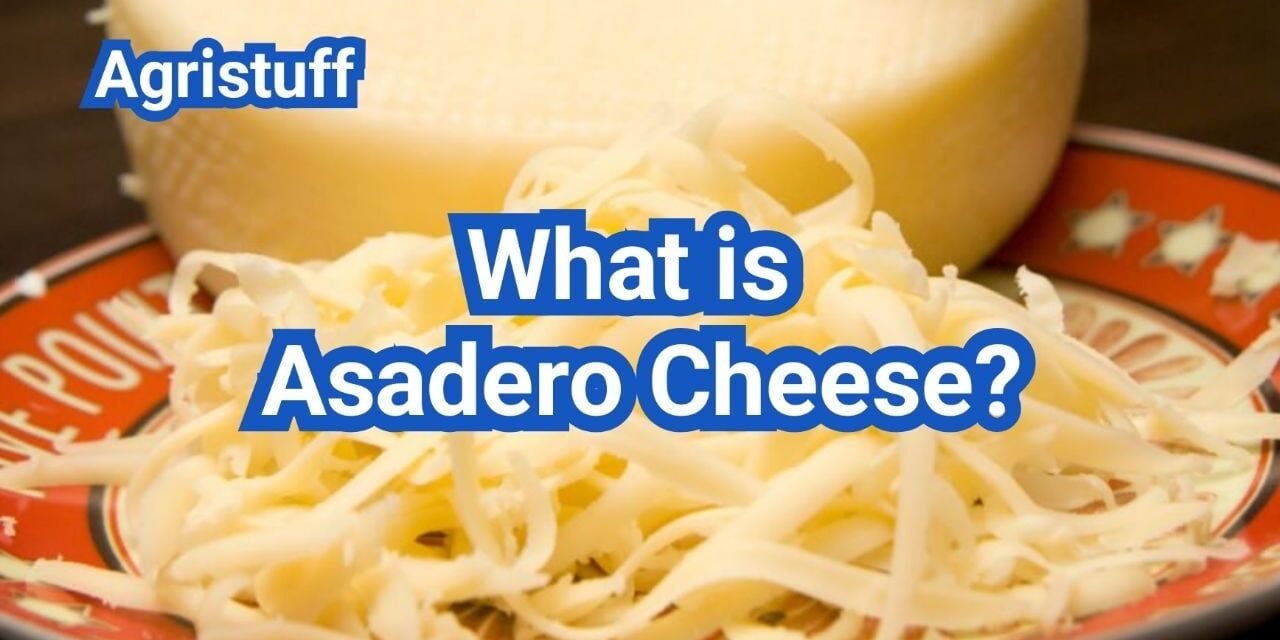
If you are searching for the ultimate ingredient to elevate your home cooking, look no further than this delicious Mexican staple. Originating from the northern regions of the country, this semi-soft dairy product is famous for its incredible texture.
Many home cooks often ask, does this variety melt well? The answer is a resounding yes. It transforms into a smooth, creamy consistency without releasing excess oil, making it the best choice for quesadillas and other warm dishes.
This comprehensive guide explores why this specific item is a must-have for authentic recipes. By understanding its unique properties, you can master the art of creating perfect, gooey results every time you step into the kitchen.
Key Takeaways
- This product originates from Northwest Mexico and is prized for its superior melting qualities.
- It maintains a smooth, creamy texture without becoming oily when heated.
- It is widely considered the top option for making authentic quesadillas.
- The item serves as a versatile staple for various traditional culinary applications.
- Learning to use this ingredient correctly is essential for mastering Mexican-style cooking.
What is Queso Asadero?
Queso asadero is an off-white, semi-firm cheese that traces its roots to the Chihuahua region of Northwest Mexico. The name itself is derived from the Spanish word “asar,” which means to roast or grill, highlighting its primary culinary purpose.
Unlike aged varieties that crumble, this cheese is designed to soften and stretch under heat. You can learn to identify it by its smooth, uniform appearance and mild, slightly tangy flavor profile. Wisconsin Cheese guide to Asadero Cheese
Asadero Cheese Characteristics
Understanding the characteristics of this semi-soft Mexican cheese is essential for any home cook looking to elevate their culinary skills. This dairy product is a staple in kitchens across the United States and Mexico, prized for its unique ability to transform simple ingredients into gourmet meals.
Distinguishing Features of This Semi-Soft Mexican Cheese
When shopping for authentic ingredients, it helps to know what sets this variety apart from others. As a flat Mexican cheese, it is often sold in discs or rectangular blocks that are easy to slice or shred.
The following traits define high-quality Asadero:
- Texture: It features a smooth, dense body that remains pliable at room temperature.
- Color: The appearance is typically a creamy, off-white shade without any rind.
- Flavor: It offers a mild, buttery taste that does not overpower other ingredients in a dish.
- Performance: It is specifically crafted to melt evenly without separating into oil.
Variations in Texture and Melting Properties
While the core characteristics remain consistent, you may notice slight variations in texture depending on the specific production method. Some versions are processed to be firmer, making them easier to grate for toppings, while others are kept softer for superior melting.
The melting properties of this Mexican cheese are truly its standout feature. Because of its specific moisture content and protein structure, it achieves a consistent, gooey stretch that is perfect for hot dishes. Whether you are preparing a quick snack or a complex meal, this Asadero cheese provides a reliable texture that home cooks trust.
The History and Traditional Production of Asadero
Understanding the roots of Asadero cheese reveals a fascinating journey from rural Mexican kitchens to modern American production facilities. This semi-soft variety has evolved significantly while maintaining the core characteristics that make it a staple in many households.
Origins of Traditional Mexican Asadero
The brief history of asadero cheese is deeply tied to the northern regions of Mexico. Historically, local artisans developed this variety to create a product that could withstand the heat of the desert while providing a superior melt for regional dishes.
This traditional mexican asadero was originally crafted by hand, relying on the specific techniques of local dairy farmers. These early methods focused on creating a cheese that was both durable and versatile for daily cooking needs.
The Milk Selection and Pasteurization Process
Quality starts at the source, and the milk selection and pasteurization process are critical to the final texture of the product. Producers prioritize high-quality cow’s milk to ensure the cheese achieves its signature stretch.
Many consumers often ask, is asadero cheese pasteurized? In the United States, the vast majority of commercially available versions are pasteurized to meet strict safety standards and ensure a consistent flavor profile across every batch.
Modern Production Methods and Quality Certifications
Today, the way how asadero cheese is made has been refined by advanced technology and rigorous quality control. Wisconsin cheesemakers have been applying 180 years of experience to produce high-quality Asadero in the United States.
These modern facilities combine old-world techniques with state-of-the-art equipment to maintain the integrity of this Mexican cheese. By adhering to strict certifications, manufacturers ensure that every block of queso asadero delivers the authentic experience that home cooks and professional chefs expect.
Whether you are using it for a simple snack or a complex recipe, the care put into the production of this cheese is evident in every bite. The transition from traditional methods to modern standards has only served to make this Mexican favorite more accessible and reliable for everyone.
Flavor Profile and Sensory Experience
When you take a bite of authentic Asadero, you immediately notice its unique balance of creaminess and tang. This versatile Mexican cheese provides a sensory experience that is both comforting and refreshing. Whether served cold or melted into a hot dish, its characteristics remain consistent and appealing to a wide range of palates.
What Does Asadero Cheese Taste Like?
Many food enthusiasts often ask, what does asadero cheese taste like? The flavor profile is best described as light, fresh, and slightly tangy. It shares a similar clean profile with fresh mozzarella, making it a favorite for those who prefer a mild taste that does not overpower other ingredients.
Analyzing the Aroma and Mouthfeel
The asadero cheese smell is subtle and milky, reflecting its high-quality production standards. When heated, the cheese transforms into a smooth, velvety texture that coats the palate beautifully. This satisfying mouthfeel is a hallmark of high-quality queso asadero, ensuring that every bite feels rich without being overly heavy.
Why the Flavor Profile Complements Spicy Dishes
Because of its mild nature, this Mexican cheese acts as the perfect cooling agent for bold, spicy flavors. The gentle acidity helps to cut through the heat of chili peppers and zesty salsas. By incorporating this cheese into your cooking, you create a balanced flavor profile that allows the spices to shine while providing a creamy, soothing contrast.
Asadero Cheese Nutrition and Dietary Considerations

Asadero cheese offers more than just a great melt; it brings specific nutritional value to your table. While many enjoy this mexican cheese for its superior texture, understanding its composition helps you integrate it into a healthy lifestyle. Whether you are tracking macros or simply curious about your food, this dairy product provides essential building blocks for your body.
Nutritional Value and Macronutrient Breakdown
When asking, does asadero cheese have any nutritional value?, the answer is a resounding yes. Like many semi-soft dairy products, it serves as a concentrated source of high-quality protein and calcium. These nutrients are vital for maintaining strong bones and supporting muscle repair after physical activity.
The macronutrient profile typically consists of a balance between fats and proteins. While it is calorie-dense, it provides sustained energy when consumed in appropriate portions. The following table outlines the typical nutritional components found in a standard serving of this mexican staple.
| Nutrient | Typical Amount (per 1oz) | Daily Value Benefit |
|---|---|---|
| Protein | 7g | Muscle Maintenance |
| Calcium | 200mg | Bone Health |
| Total Fat | 8g | Energy Source |
Is Asadero Cheese Suitable for Lactose-Intolerant Individuals?
A common question is: can lactose-intolerant individuals consume asadero cheese? Because this is a semi-soft cheese, it contains a moderate amount of lactose. Individuals with severe sensitivity may need to exercise caution or choose aged varieties that naturally contain less lactose.
Dairy products can be a part of a balanced diet for most people, provided they are mindful of portion sizes and individual digestive tolerance.
— Nutritionist Perspective
Incorporating Asadero into a Balanced Diet
You can easily enjoy Asadero Cheese by pairing it with nutrient-dense foods. Instead of using it solely on heavy dishes, try melting a small amount over roasted vegetables or fresh salads. This approach allows you to enjoy the rich flavor of queso asadero while keeping your overall meal balanced.
Moderation remains the key to success when adding cheese to your daily routine. By focusing on quality ingredients and mindful portions, you can satisfy your cravings without compromising your health goals. Remember that asadero is best enjoyed as a flavorful accent rather than the main component of every meal.
Comparing Asadero Cheese vs. Oaxaca and Mozzarella
Many home cooks often wonder how Asadero cheese compares to other popular varieties like Oaxaca and Mozzarella. While these options may appear similar in the dairy aisle, their performance in the kitchen varies significantly. Understanding these nuances is the secret to achieving the perfect texture in your favorite Mexican dishes.
Asadero vs. Oaxaca: Key Differences in Stretch and Use
When comparing asadero cheese vs oaxaca, the primary difference lies in their structural integrity. Oaxaca is a stringy, semi-hard cheese that is famous for its ability to be pulled into long, thin ribbons. It is the gold standard for dishes where you want a distinct, chewy texture.
In contrast, queso asadero is prized for its superior melting and creamy consistency. While it offers a pleasant stretch, it is much smoother than Oaxaca. If you want a dish that is rich and velvety, asadero is the better choice.
Asadero vs. Mozzarella: Why They Are Not Always Interchangeable
Many people ask, is asadero cheese similar to other mexican cheeses? While it is often compared to low-moisture mozzarella, they are not always interchangeable. Mozzarella is designed to brown and bubble under high heat, whereas asadero maintains a softer, more pliable state.
Using mozzarella in a recipe that calls for asadero might result in a tougher, rubbery texture. Asadero cheese provides a unique buttery flavor profile that standard mozzarella simply lacks. For authentic results, sticking to the specific variety recommended in your recipe is usually best.
When to Use Substitutes for Asadero
If you find yourself in a pinch, you might wonder, can asadero cheese be substituted with other cheeses? While finding an exact asadero cheese substitute can be difficult, there are options available. A blend of Monterey Jack and a touch of mild white cheddar can mimic the melt and flavor of this Mexican cheese.
However, keep in mind that these substitutes may release more oil than authentic asadero. If you are preparing a delicate sauce or a traditional dip, try to source the real product. Using the right cheese ensures that your culinary creations remain consistent and delicious every time.
How to Select and Buy Authentic Asadero Cheese in the U.S.

Whether you are a home cook or a professional chef, locating delicious artisan Queso Asadero cheese is a rewarding task. Finding the right product ensures that your dishes achieve that signature stretch and creamy texture. This Comprehensive Guide will help you navigate the market to find the best options available.
Where to Buy Asadero Cheese in the United States
You can find Asadero Cheese in the U.S. at a variety of locations, ranging from large supermarket chains to local Hispanic markets. If you are wondering where to buy asadero cheese, start by checking the specialty dairy or international foods section of your local grocery store. These areas often stock authentic Mexican varieties that are perfect for melting.
For those who prefer convenience, many online retailers now ship specialty dairy products directly to your door. This is often the best place to find niche, small-batch producers that are not available in standard supermarkets. When searching for queso asadero where to buy, consider these options:
- Local Hispanic grocery stores and carnicerías.
- Large national supermarket chains with international aisles.
- Specialized online gourmet food websites.
- Direct-to-consumer dairy farm websites.
Identifying Quality Brands like Cacique and Licon Dairy
When shopping for Asadero Cheese in USA, brand reputation is a key indicator of quality. Cacique Asadero cheese is widely recognized for its consistent melting properties and authentic flavor profile. It is a staple in many households and is highly reliable for recipes like queso fundido.
Another excellent choice is Licon Dairy, which is known for its traditional production methods. When you look for cacique asadero cheese where to buy, you will find it is widely distributed across the country. Always check the packaging for quality seals to ensure you are getting an authentic product.
Shopping at Major Retailers: Walmart, HEB, and Online Options
Major retailers have made it much easier to find high-quality cheese for your kitchen. You can frequently find asadero cheese walmart locations in the refrigerated dairy section. Similarly, heb queso asadero is a popular choice for shoppers in the Southwest, where the brand is a household name.
If you are still asking where to buy asadero cheese?, remember that these large retailers often provide store locators on their websites. By using these tools, you can confirm stock levels before making a trip. Whether you choose asadero cheese heb or another major chain, you are sure to find a product that elevates your cooking.
Best Practices for Storing and Preserving Asadero
Proper storage is essential to maintain the creamy texture and mild flavor of your favorite Mexican cheese. Whether you have purchased a large block or a smaller portion, keeping your Asadero Cheese in peak condition requires just a few simple steps in your kitchen. By following these guidelines, you ensure that your cheese remains fresh and ready for your next culinary creation.
Proper Refrigeration Techniques for Freshness
To keep your queso asadero at its best, you must prioritize proper refrigeration. The refrigerator should be set to a consistent temperature, ideally between 34°F and 38°F. You might wonder, how should asadero cheese be stored? The answer lies in protecting it from air exposure.
- Always wrap the cheese tightly in plastic wrap or aluminum foil to prevent it from drying out.
- Place the wrapped cheese in an airtight container or a resealable plastic bag to lock in moisture.
- Store the cheese in the vegetable crisper drawer, where the temperature remains more stable than on the door shelves.
Can You Freeze Asadero Cheese?
Many home cooks often ask, can asadero cheese be frozen? While it is technically possible to freeze this Mexican staple, you should be aware of how it affects the final product. Freezing can alter the moisture content, which may slightly change the texture once thawed.
If you decide to freeze your asadero, it is best to use it for melting purposes rather than eating it raw. To freeze correctly, shred the cheese first and place it in a freezer-safe bag. This allows you to grab small portions for recipes like quesadillas without needing to thaw the entire block.
Determining the Shelf Life of Queso Asadero
Understanding the shelf life of your dairy products is vital for food safety. When you ask, what is the shelf life of queso asadero?, the answer depends on whether the package is opened or sealed. An unopened package typically lasts until the “best by” date printed on the label.
Once opened, you should aim to consume the cheese within one to two weeks. Always check for signs of spoilage, such as an off-smell, mold growth, or a slimy surface. If you notice any of these changes, it is best to discard the product to ensure your meals remain safe and delicious.
Mastering the Melt: Why Asadero is the Ultimate Melting Cheese

The secret to a restaurant-quality quesadilla often lies in the specific melting properties of the cheese used. Many home cooks frequently ask, does asadero cheese melt well? The answer is a resounding yes, as this mexican melting cheese is specifically prized for its ability to transform into a silky, uniform consistency.
The Science Behind Asadero’s Superior Melting Properties
Asadero cheese is engineered by nature to behave differently than aged varieties. Its unique moisture content and protein structure allow it to soften rapidly without breaking down into an oily mess. This makes it the ultimate choice for recipes that require a smooth, cohesive texture.
Unlike harder cheeses that may become grainy or separate when heated, this cheese maintains its integrity. It holds its structure while becoming fluid, which is why it is the preferred melting cheese for authentic regional cooking. You can rely on it to provide a consistent experience every time you turn on the stove.
Achieving the Perfect Stretch in Your Dishes
The hallmark of a great dish is often the visual appeal of the cheese pull. Because of its specific melting properties for use in dishes such as quesadillas, enchiladas, and nachos, Asadero provides that signature elastic stretch that diners love. It binds ingredients together perfectly, ensuring that every bite is flavorful and satisfying.
When you use queso asadero, you are choosing a product that melts evenly across the surface of your food. Whether you are layering it into a burrito or topping a tray of nachos, the result is always a creamy, delicious layer. It is this reliability that makes it a staple in professional kitchens across the United States.
Tips for Even Melting in High-Heat Cooking
To get the best results, consider how you prepare your ingredients before applying heat. Even the best Asadero Cheese needs a little help to reach its full potential in high-heat environments.
- Shred your cheese: Using a coarse grater increases the surface area, allowing the cheese to melt faster and more uniformly.
- Avoid overcrowding: Give the cheese enough space in the pan to ensure it receives consistent heat from the bottom.
- Control the temperature: Use medium-low heat to prevent the edges from burning before the center has fully melts.
By following these simple steps, you can master the art of using queso asadero in your daily cooking. This mexican melting cheese will quickly become your go-to ingredient for any recipe that calls for a perfect, gooey finish. Enjoy the professional-quality results that only this versatile cheese can provide.
Step-by-Step Guide to Preparing Queso Fundido with Asadero
Nothing beats the gooey, stretchy texture of authentic queso fundido prepared with high-quality Asadero Cheese. This classic Mexican appetizer is a crowd-pleaser that relies on the superior melting properties of this specific variety. Following a reliable asadero cheese recipe ensures that your dish achieves that signature pull every single time.
Essential Ingredients for Authentic Queso Fundido
To create the perfect appetizer, you need to gather fresh, high-quality components. The quality of your asadero cheese for queso fundido will dictate the final texture and flavor of the dish.
- 16 oz of high-quality Asadero cheese, shredded
- 8 oz of Mexican chorizo (casing removed)
- 1/2 white onion, finely diced
- 1 poblano pepper, roasted and sliced into strips
- Warm flour or corn tortillas for serving
Step 1: Preparing the Skillet and Base
Start by heating a cast-iron skillet over medium-high heat. Add the chorizo and cook until it is browned and crispy, which is a vital step for asadero cheese for cooking. Once the meat is ready, add the onions and poblano peppers to the skillet, sautéing them until they are soft and fragrant.
“The secret to a great fundido is building a flavorful base of aromatics before the cheese even touches the pan.”
Professional Chef
Step 2: Incorporating the Asadero Cheese
Lower the heat to medium-low to ensure the cheese melts evenly without burning. Evenly distribute the shredded asadero over the top of the chorizo and vegetable mixture. You will notice that this Mexican cheese begins to soften and bubble almost immediately, creating a luxurious, molten consistency.
Cover the skillet with a lid for about two to three minutes to trap the heat. This helps the top layer melt perfectly, mirroring the technique used for queso asadero quesadillas. Once the surface is smooth and bubbling, remove the lid carefully.
Step 3: Serving and Presentation Tips
For the best experience, serve the skillet immediately while the queso asadero is still hot and stretchy. You can garnish the dish with fresh cilantro or a drizzle of salsa verde, similar to how you might serve grilled queso asadero with salsa verde. Provide a stack of warm tortillas on the side so guests can scoop up the mixture easily.
Presentation is key when serving this dish to guests. Place the hot skillet on a heat-resistant trivet in the center of the table. This encourages a communal dining experience that is both authentic and incredibly satisfying.
Creative Culinary Uses for Asadero Cheese in Mexican Cuisine
Discover how this delicious Mexican cheese can bring a new level of flavor and texture to your favorite recipes. Because of its mild profile and superior melting capabilities, it has become a staple in kitchens across the United States. Understanding various asadero cheese uses allows you to experiment with authentic flavors in your own home.
The Best Cheese for Quesadillas
When it comes to finding the best cheese for quesadillas, this variety is widely considered the gold standard. Its ability to achieve a perfect, gooey stretch makes it the ideal cheese for quesadillas that pull apart beautifully. Many home cooks prefer using shredded asadero cheese to ensure even melting across the entire tortilla.
Using Asadero for Enchiladas and Nachos
Learning how to use asadero cheese in baked dishes can completely transform your dinner routine. It is an excellent asadero cheese for enchiladas, providing a creamy, rich layer that balances spicy red or green sauces. You can also use this cheese for nachos to create a decadent, melted topping that holds up well under heavy toppings like beans and jalapeños.
Incorporating Asadero into Tacos and Burritos
Adding this ingredient to your handheld meals provides a satisfying depth of flavor. It serves as a fantastic cheese for tacos, especially when melted directly onto the meat or beans just before serving. If you find yourself without a specific asadero cheese substitute, you will quickly realize that nothing else matches its unique texture and mild, buttery finish in burritos.
Grilling and Frying Techniques for Asadero

If you want to elevate your burgers and sandwiches, learning to grill or fry Asadero is a game-changer. This Mexican cheese is renowned for its ability to hold its shape under heat, which makes it a superior choice for high-temperature cooking. By following these Best Practices, you can create dishes that feature a delightful, crispy exterior and a molten, creamy center.
How to Grill Asadero for Sandwiches and Burgers
When you are grilling or frying for use in sandwiches or burgers, the thickness of your slice is critical. Aim for slices that are at least a quarter-inch thick to ensure the cheese does not melt away before the bread or meat is ready. This is truly the best cheese for grilling because it softens without losing its structural integrity.
To get the best results, place the cheese directly on the grill grates over medium heat for just a minute or two. You will notice the edges begin to brown, creating a savory crust that adds a complex flavor profile to your meal. Always keep a close eye on the grill, as this queso asadero can transition from perfectly soft to runny very quickly.
Frying Asadero: Achieving a Crispy Exterior
Pan-frying is an excellent way to prepare this Asadero cheese as a standalone snack or a topping. Using a non-stick skillet over medium-high heat allows you to develop a golden-brown crust that contrasts beautifully with the gooey interior. Consider these tips for success:
- Use a heavy-bottomed skillet to ensure even heat distribution.
- Lightly coat the pan with a high-smoke point oil to prevent sticking.
- Flip the asadero only once the bottom has formed a firm, golden layer.
Safety Tips for Handling Melting Cheese on the Grill
Working with hot, melted cheese requires caution to avoid burns and messy spills. Because queso asadero becomes very fluid when heated, it is important to use the right tools. A wide, thin spatula is essential for flipping or moving the cheese without breaking the delicate crust.
If you are using this mexican cheese on an open grill, consider using a cast-iron griddle or a piece of parchment paper to contain the melt. This simple step prevents the cheese from dripping into the flames, which keeps your grill clean and safe. Always remember that asadero retains heat for a long time, so let your creation rest for a moment before serving.
Pairing Asadero Cheese with Fruits, Vegetables, and Proteins

Unlocking the full potential of Asadero cheese involves exploring its versatility with various fresh foods. Because this mexican cheese features a mild, buttery profile, it acts as a perfect canvas for both sweet and savory accompaniments. Understanding how to balance these flavors will help you create memorable dining experiences.
Suitable Fruit and Vegetable Pairings
When selecting suitable fruit and vegetables, focus on items that provide a crisp contrast to the creamy texture of the cheese. Fresh, acidic fruits like green apples, pears, or grapes cut through the richness of the queso asadero beautifully. You might also consider pairing it with roasted bell peppers or sautéed zucchini to highlight its earthy undertones.
For a refreshing twist, try serving thin slices of the cheese alongside fresh jicama or cucumber. These vegetables add a satisfying crunch that complements the semi-soft nature of the product. The goal is to ensure the mild flavor of the asadero is not overwhelmed by overly acidic or spicy additions.
Complementing Meat and Fish Dishes with Asadero
Finding suitable meat and fish dishes is simple when you lean into the melting properties of this variety. It works exceptionally well as a topping for grilled flank steak or shredded chicken tacos. The cheese melts into the fibers of the meat, creating a cohesive and savory bite.
If you prefer seafood, try melting a small amount over white fish fillets seasoned with lime and cilantro. The mexican influence of the cheese enhances the delicate flavor of the fish without masking it. Always ensure the protein is cooked to your preference before adding the cheese to prevent overcooking.
Creating the Perfect Cheese Board with Mexican Varieties
Building a well-rounded board requires a mix of textures and flavor profiles. Start by placing your queso asadero at the center, surrounded by complementary items like toasted nuts, dried fruits, and crusty bread. You can also include other regional favorites to provide variety for your guests.
To elevate your presentation, consider these pairing suggestions with asadero cheese regarding beverages:
- Cava or Sparkling Wine: The bubbles cleanse the palate after each creamy bite.
- Pinot Gris or Sauvignon Blanc: These crisp white wines balance the buttery notes of the cheese.
- Pilsner: A cold, crisp pilsner is an excellent choice for a casual, authentic experience.
By thoughtfully curating your board, you turn a simple snack into a sophisticated culinary event. Remember that the best pairings are those that highlight the unique, smooth character of the Asadero cheese.
Troubleshooting Common Issues with Asadero Cheese
If your culinary creation isn’t turning out as expected, don’t worry, as most issues with this Mexican cheese are easy to fix. Even the most experienced chefs occasionally face hurdles when preparing dishes with Asadero cheese. By understanding a few simple techniques, you can ensure your meals are always delicious.
Why Your Cheese Might Not Be Melting Correctly
If your queso asadero is not melting as smoothly as you hoped, the temperature is likely the culprit. Always ensure the cheese is at room temperature before you begin cooking. This simple step promotes even heat distribution and prevents the center from remaining firm while the edges burn.
Additionally, avoid using high heat, which can cause the proteins to tighten prematurely. A gentle, steady heat is the secret to achieving that signature stretchy consistency. If the cheese remains stubborn, try grating it finely to increase the surface area exposed to the heat.
Handling Excess Oil During the Melting Process
Sometimes, you may notice a pool of oil forming on top of your melted asadero. This is a natural occurrence in many high-quality dairy products, but it can be managed easily. Simply dab the surface with a clean paper towel to remove the excess fat without affecting the flavor.
To prevent this from happening in the future, avoid overheating the cheese. If you are grilling or baking, keep a close eye on the dish and remove it from the heat source as soon as the cheese is fully melted. Maintaining a consistent, moderate temperature is the best way to keep the fats emulsified.
How to Fix Texture Issues in Homemade Sauces
When incorporating Mexican varieties into sauces, you might occasionally encounter a grainy or separated texture. This usually happens when the sauce is boiled too vigorously after the cheese has been added. To fix this, remove the pan from the heat and whisk in a small amount of warm milk or starchy pasta water.
This technique helps to re-emulsify the sauce and restore a smooth, creamy consistency. Always add your Asadero cheese at the very end of the cooking process to preserve its delicate structure. Following these tips will help you achieve professional results every time you cook.
| Common Issue | Primary Cause | Quick Solution |
|---|---|---|
| Cheese won’t melt | Cold temperature | Bring to room temp |
| Excessive oil | High heat | Lower heat/dab with towel |
| Grainy sauce | Boiling | Whisk in warm milk |
At The End of: Asadero Cheese Guide
Mastering the art of cooking with Asadero Cheese opens a world of culinary possibilities. This versatile ingredient transforms simple meals into authentic experiences that capture the heart of traditional cooking.
You now possess a comprehensive resource to guide your future kitchen experiments. Whether you are melting it into a rich queso asadero dip or adding it to a savory taco, this cheese delivers a signature stretch that defines quality.
Brands like Cacique and Licon Dairy provide consistent options for your pantry. Choosing the right product ensures that every dish maintains the authentic profile expected of high-quality mexican cheese.
We invite you to keep exploring the diverse landscape of mexican cuisine. Experimenting with different pairings will reveal why this specific cheese remains a staple in households across the United States.
Enjoy the creamy texture and mild flavor that only a premium asadero can provide. Your journey into the delicious world of cheese is just beginning, so keep creating and sharing these flavorful meals with your family.
FAQ
Is Asadero Cheese the same as Oaxaca?
No. They are closely related melting cheeses with similar functional behavior, but the traditional processing and final shape differ, so they are best understood as near relatives rather than exact twins. Center for Dairy Research comparison of Asadero and Oaxaca styles
Does Asadero Cheese melt better than queso fresco?
Yes. It is classified as a melting cheese, while queso fresco is mainly valued for crumbling and finishing dishes rather than producing a long, creamy cheese pull. Wisconsin Cheese explanation of Mexican cheese styles
Can Asadero Cheese work on pizza or burgers?
Yes. It can bring a smooth, gentle melt to pizza, burgers, tortas, and hot sandwiches, especially when you want tenderness and stretch more than a strong aged-cheese taste. Center for Dairy Research explanation of melt behavior in cheese
Is Asadero Cheese nutritious?
Like many full-fat cheeses, it can contribute protein and calcium, but it is still a calorie-dense ingredient, so portion size matters if you are using it often in rich dishes. USDA FoodData Central nutrition database
Can Asadero Cheese be frozen?
Yes, but freezing is usually a quality decision rather than a flavor upgrade, because texture and performance can change after thawing. It is better to freeze only if you need extra storage time and can accept some loss in ideal melt quality.
What is the best substitute for Asadero Cheese?
Oaxaca is the closest substitute when stretch matters most, while mild Chihuahua or low-moisture mozzarella can work when you need a practical replacement for melting applications. Wisconsin Cheese suggestions for quesadilla-ready substitutes
What is asadero cheese and what are its distinctive features?
Asadero cheese, also known as queso asadero, is a semi-soft Mexican cheese originally from the Northwest region of Mexico. This authentic Mexican cheese is highly regarded for its mild, tangy flavor profile and elastic texture. Often referred to as a flat Mexican cheese due to its traditional disc shape, it is a staple in Mexican cuisine for any dish requiring a creamy cheese with a perfect stretch.
What does asadero cheese taste like and how does it smell?
If you are wondering what does asadero cheese taste like, it features a mild, buttery, and slightly acidic profile. The asadero cheese taste is delicate enough to not overpower other ingredients, making it an excellent cheese for cooking in spicy dishes. The asadero cheese smell is fresh and lactic, characteristic of a high-quality, delicious artisan queso asadero cheese.
Does asadero cheese melt well for traditional recipes?
Absolutely. Asadero cheese is widely considered the best cheese for quesadillas and the ultimatemexican melting cheese. It is preferred because it becomes melty and stretchy without releasing excess oil. This makes asadero cheese for queso fundido, nachos, and enchiladas a superior choice compared to other varieties.
What is the difference between asadero cheese vs oaxaca and mozzarella?
When comparing asadero cheese vs oaxaca, the primary difference is the texture; Oaxaca cheese is a stringy cheese similar to string cheese, while asadero is smoother and slightly more acidic. In the debate of asadero cheese vs mozzarella, while both are excellent for melting properties, mozzarella lacks the signature tang of authentic asadero. If you need an asadero cheese substitute, Monterey Jack or Oaxaca are the best practices for maintaining flavor.
Where to buy asadero cheese in the United States?
Finding asadero cheese in the U.S. is easy at major retailers. You can find asadero cheese Walmart, asadero cheese HEB, and many local Hispanic supermarkets. For those looking for the best asadero cheese brand, Cacique asadero cheese and Licon Dairy asadero cheese are top-tier choices. You can also buy asadero cheese online or look for asadero shredded cheese for quicker meal prep.
How should asadero cheese be stored to maintain its quality?
Proper asadero cheese storage involves keeping the cheese in its original packaging or an airtight container in the coldest part of the refrigerator. If you are asking how should i store queso asadero for the long term, can i freeze queso asadero? Yes, you can freeze it for up to two months, though the texture may become slightly crumbly. For the best culinary uses for asadero cheese, it is best enjoyed fresh within two weeks of opening.
Is asadero cheese pasteurized and what is its nutritional value?
Most commercial versions, including Kraft asadero cheese and Cacique, undergo a rigorous milk selection and pasteurization process to ensure safety. Regarding asadero cheese nutrition, it is a calorie-dense food rich in calcium and protein. While it is a versatile cheese, it is not strictly lactose-free, so lactose-intolerant individuals should consume it with caution based on their personal sensitivity.
What are some popular dishes that include asadero cheese?
Beyond queso asadero quesadillas, this versatile cheese is used for asadero cheese for enchiladas, cheese for tacos, and cheese for nachos. It is also excellent for grilling or frying for use in sandwiches or burgers because it holds its shape well when heated. Many chefs use it as a cheese for pizza to provide a unique Mexican twist on a classic dish.
How is asadero cheese made traditionally?
How asadero cheese is made involves a specialized process where the curds are cooked and stretched, a method that dates back through queso asadero history and traditions. Whether it is traditional mexican asadero or american-style asadero produced in places like Wisconsin, the goal is to achieve a stretchy, versatile cheese that meets high quality labels and certifications.
Can I use asadero cheese for grilling or frying?
Yes, asadero cheese is one of the few melting cheese varieties that also performs well when grilled or fried. You can create grilled queso asadero with salsa verde as an appetizer. Its ability to develop a crispy exterior while remaining creamy on the inside makes it an awesome asadero cheese for gourmet burgers and hot sandwiches.
Conclusion of: Asadero Cheese
Asadero Cheese is one of the best choices for cooks who want a mild Mexican melting cheese that turns creamy, stretchy, and satisfying without overwhelming the rest of a dish. In the U.S., it fits especially well in weeknight quesadillas, skillet meals, baked casseroles, and party foods because it delivers a soft pull, gentle tang, and easy crowd appeal. Wisconsin Cheese guide to Asadero Cheese
What is Asadero Cheese?
At its core, Asadero Cheese is a mild, semi-soft cheese from northwest Mexico, especially the state of Chihuahua, and it is known for the kneaded, stretched-curd method that gives it a smooth body and light stringiness. That combination is why many shoppers remember its melt first and its name second. Wisconsin Cheese profile of Asadero
What sets Asadero Cheese apart is that it sits in the same broad stretched-curd world as Oaxaca and mozzarella, yet it keeps its own identity in both structure and kitchen use. A Wisconsin dairy reference notes that it shares very similar sensory and functional properties with Oaxaca, but the cheesemaking differs because it is cooked with whey instead of water, salted during that cooking step, and shaped as a block or ball rather than a yarn-ball. Center for Dairy Research overview of Mexican cheeses
How Asadero Cheese Is Made
From a cheesemaking standpoint, Asadero Cheese belongs to the pasta filata family, which means the curd is acidified and then heated and stretched until it becomes glossy, elastic, and cohesive. That process is what builds the eating qualities people usually describe as smooth, pliable, and ready to melt rather than crumbly or dry. Journal of Dairy Science review of fresh pasta filata cheeses
The stretch people love in Asadero Cheese does not happen by accident, because melt and pull are tied to moisture, acidity, calcium balance, and the way the protein network forms during cheesemaking. Dairy scientists have shown that cheeses in the right pH window tend to melt and stretch better, which helps explain why a well-made stretched-curd cheese behaves so differently from a firm grating cheese or a fresh crumbly cheese. Center for Dairy Research guide to cheese melt and stretch
Flavor, Texture, and Melt Performance
Flavor-wise, Asadero Cheese is usually mild, lightly tangy, and pleasantly dairy-forward rather than sharp, salty, or funky. Its texture before heating is slightly chewy and supple, while after heating it becomes creamy and cohesive, which is exactly why it performs so well in comfort foods that need even melt instead of greasy separation. Wisconsin Cheese guide to Mexican cheese types
For U.S. shoppers, Asadero Cheese is easiest to understand as a practical middle ground between fresh stretch and dependable melt. Research comparing Hispanic cheeses found that pasta filata products from the United States and countries of origin had broadly similar composition and melt profiles, which matters because many American cooks buy domestic versions and still expect authentic melt behavior in dishes like quesadillas or fundido. Journal of Dairy Science comparison of Hispanic cheeses
Asadero Cheese vs. Oaxaca, Chihuahua, and Mozzarella
In side-by-side kitchen terms, Asadero Cheese is closest to Oaxaca when your main goal is pull and tenderness, but it is usually less string-ball-like in presentation and is often easier to slice or cube. Chihuahua moves in a firmer, slightly sharper direction, while mozzarella is the easiest comparison for American readers because it shares the stretched-curd idea, even though the final flavor and regional culinary role are different. Wisconsin Cheese guide to cheeses for quesadillas
Best Cooking Uses for Asadero Cheese
In everyday cooking, Asadero Cheese shines in quesadillas, queso fundido, enchiladas, nachos, stuffed peppers, roasted vegetables, breakfast skillets, and baked tortilla dishes. Its biggest strength is not aggressive flavor, but dependable performance: it softens evenly, brings stretch to the bite, and supports spicy fillings without stealing the spotlight. Wisconsin Cheese guide to Mexican cheese blends
When a recipe needs help, Asadero Cheese also works well as the “texture engine” in a blend, because it can supply the melt while another cheese adds extra sharpness, saltiness, or color. That makes it useful in U.S. home kitchens where cooks often want one cheese for body and another for punch, especially in taco bakes, sheet-pan nachos, or skillet dips. Wisconsin Cheese suggestions for melting cheeses in quesadillas
How to Buy, Store, and Handle Asadero Cheese
When buying Asadero Cheese, start by reading the package rather than the front label alone, because names can vary by store and brand. For households that include pregnant people, older adults, young children, or anyone with a weakened immune system, choosing pasteurized milk versions is the safer path, especially when buying fresh or softer Hispanic-style cheeses. FDA guidance on the risks of unpasteurized milk
At home, Asadero Cheese should go into the refrigerator quickly and stay cold, because ready-to-eat cheeses keep better quality and lower food-safety risk when held at proper temperatures. For practical day-to-day use, that means refrigerating promptly, keeping packages closed when possible, and treating long countertop rest times as a bad tradeoff for convenience. FoodSafety.gov cold food storage chart
For higher-risk households, Asadero Cheese is a food that deserves extra attention because fresh, high-moisture Hispanic-style cheeses can support Listeria growth if they are made from raw milk or contaminated after pasteurization. Public health guidance also notes that cooking these cheeses thoroughly as part of a hot dish can reduce risk, which is one reason baked enchiladas, casseroles, and skillet dishes are often a better choice than cold use for vulnerable groups. CDC guidance on soft cheeses and Listeria risk
Quick checklist
- Choose pasteurized packages when serving children, pregnant people, older adults, or immunocompromised family members.
- Use it when you want melt and stretch more than bold sharpness.
- Shred or thin-slice it for faster, more even melting.
- Pair it with spicy fillings, roasted peppers, beans, mushrooms, or seasoned meats.
- Blend it with a sharper cheese if you want more bite.
- Use moderate heat so the cheese softens before the exterior overbrowns.
- Keep it refrigerated and minimize warm counter time.
- Pick block form for maximum flexibility in slicing, cubing, or shredding.
- Use it in quesadillas, fundido, enchiladas, dips, burgers, and baked tortilla dishes.
Common mistakes to avoid
- Using high heat from the start, which can toughen the exterior before the center melts properly.
- Expecting strong cheddar-like flavor when the cheese is designed to be mild and texture-focused.
- Leaving it out too long before serving, which hurts both safety and quality.
- Choosing raw-milk versions for higher-risk family members.
- Adding too much of it to a dish that already has a lot of dairy fat, which can make the final result feel heavy.
- Skipping seasoning in the filling and blaming the cheese for a flat-tasting dish.
- Confusing it with queso fresco, which serves a very different role in cooking.
- Overstuffing quesadillas or casseroles so the cheese leaks before the filling cooks evenly.
Costs and ROI snapshot
In current U.S. retail terms, Asadero Cheese is not always priced like a standard commodity block, because brand, format, and regional distribution can move the number quickly. Recent grocery listings show that a 10-ounce store-brand Mexican-style asadero product can sit around $3.79, while a 12-ounce branded round can reach about $6.99, so shoppers should compare price per ounce and not just package price. H-E-B listing for queso asadero
The real payoff with Asadero Cheese is functional rather than dramatic, because one good melting cheese can cover several jobs in the kitchen without needing multiple specialty purchases. For home cooks, that means better value if you regularly make quesadillas, enchiladas, hot dips, or skillet meals, while for small food businesses it can mean more consistent melt, cleaner presentation, and easier portion planning when compared with buying a cheese that crumbles or separates under heat. Kroger listing for Queso Campesino Asadero Cheese
Final thought
Asadero Cheese earns its place in an American kitchen because it solves a very specific problem well: it melts smoothly, stretches attractively, and stays mild enough to fit into many different meals. If you want a cheese that makes hot comfort food feel more satisfying without making your recipe taste overly sharp or salty, this one is worth keeping in rotation. FDA overview of Listeria food safety
Sources & References
- Wisconsin Cheese – Discover Mild, Semi-Soft Asadero Cheese
- Wisconsin Cheese – Asadero
- Wisconsin Cheese – Mexican Cheese Types
- Wisconsin Cheese – Mexican Cheese for Quesadillas
- Wisconsin Cheese – Mexican Cheese Blends
- Wisconsin Center for Dairy Research – A Look at a Growing Market: Mexican Cheeses
- Wisconsin Center for Dairy Research – The Melt and Stretch of Cheese
- Wisconsin Center for Dairy Research – How the Cheesemaking Process Influences Melt and Stretch
- Journal of Dairy Science – Fresh Pasta Filata Cheeses: Composition, Role, and Evolution of the Microbiota in Their Quality and Safety
- Journal of Dairy Science – A Comparison of Fresh, Pasta Filata, and Aged Hispanic Cheeses
- FDA – Queso Fresco-type Cheeses Consumer Guidance
- FDA – Listeria (Listeriosis)
- FDA – Dangers of Raw Milk
- CDC – How Listeria Spread: Soft Cheeses and Raw Milk
- FoodSafety.gov – Cold Food Storage Chart
- FoodSafety.gov – 4 Steps to Food Safety