
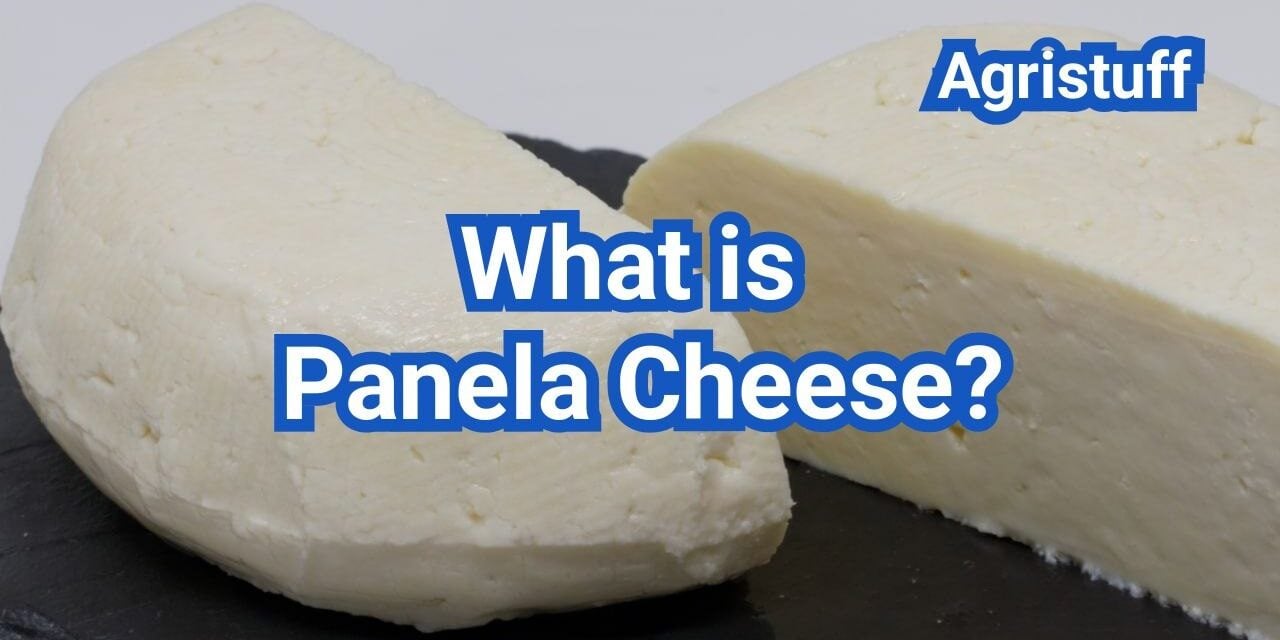
If you enjoy exploring authentic Mexican flavors, you might wonder: What is Panela Cheese? This popular dairy product is a staple in many households due to its mild, milky flavor and unique, firm consistency.
Unlike many other varieties, this item does not melt when heated. Instead, it softens slightly while maintaining its shape, making it a versatile ingredient for both hot and cold recipes.
Learning how to use panela cheese opens up a world of culinary possibilities. You can slice it for salads, crumble it over tacos, or sear it in a pan for a delicious snack. This fresh, white dairy delight adds a pleasant saltiness to any meal without overpowering your other ingredients.
Key Takeaways
- It is a traditional Mexican dairy product known for its mild, milky taste.
- The texture is firm and does not melt when exposed to high heat.
- It serves as an excellent addition to salads, tacos, and grilled dishes.
- You can easily find this product in most major grocery stores across the United States.
- Proper storage in the refrigerator helps maintain its freshness and quality.
Understanding What is Panela Cheese?
Understanding the heritage and form and texture of this popular cheese provides a deeper appreciation for its culinary versatility. As a staple in Latin American households, this fresh Mexican cheese has earned a permanent spot in kitchens across the United States.
🙋 What is panela cheese?
Queso Panela is a fresh Mexican cheese made from cow’s milk. It is often referred to as panela basket cheese or queso canasta because of the traditional baskets used to mold its shape, leaving a characteristic weave pattern on the rind. This artisan cheese is celebrated for its mild cheese flavor and firm, flexible texture that doesn’t crumble easily.
The Origins of Queso Panela
Queso Panela is a traditional variety that has been produced in Mexico for generations. It belongs to the family of fresh cheeses, meaning it does not undergo an aging process. This allows the cheese to retain a high moisture content and a clean, milky flavor that reflects its artisanal roots.
Historically, local dairy farmers crafted this cheese to provide a versatile ingredient for daily meals. Its popularity grew because it pairs perfectly with both savory and sweet components. Today, it remains one of the most iconic examples of Mexican cheese culture.
Form and Texture Characteristics
The physical properties of Panela are what truly set it apart from other varieties. It is a firm, white cheese that maintains its structure even when handled or sliced. When you bite into a fresh piece, you might notice a signature squeaky texture that is highly prized by enthusiasts.
Because it is a fresh cheese, it does not melt into a liquid state when heated. Instead, it softens while holding its shape, making it an ideal choice for grilling or pan-searing. This unique behavior is a direct result of its specific protein structure and moisture balance.
Why It Is Called Basket Cheese?
You may often hear this variety referred to as Queso canasta, which translates directly to “basket cheese.” This name comes from the traditional production method used to give the cheese its distinct appearance. During the manufacturing process, the curds are pressed into a woven basket mold.
This basket leaves a characteristic pattern of indentations on the outer surface of the cheese. These markings are a hallmark of authentic Queso Panela and serve as a visual indicator of its traditional preparation. Whether you call it Panela or basket cheese, this product remains a testament to the enduring craft of Mexican cheesemaking.
The Flavor Profile of Panela Cheese

Panela cheese offers a unique sensory experience that balances simplicity with culinary versatility. Many enthusiasts describe the panela cheese taste as clean and milky, making it an ideal canvas for various ingredients. Because it is a mild cheese, it does not overwhelm the palate, allowing other flavors in a dish to shine through.
Is Panela Cheese Salty?
A common question among new users is: is panela cheese salty? Generally, this variety is known for having a very low salt content compared to aged or processed options. It provides a subtle, savory note that enhances rather than dominates your meal.
Because the salt level is so restrained, it pairs perfectly with bold spices like chili powder or fresh herbs. This makes it a favorite for those who prefer a fresh cheese that acts as a neutral base. You can easily adjust the seasoning of your dish without worrying about the cheese adding too much sodium.
Comparing Taste to Other Fresh Mexican Cheeses
When you ask, what does panela cheese taste like compared to other varieties, the answer lies in its texture and moisture. While some Mexican cheeses are crumbly or sharp, panela remains firm and smooth. The following table highlights how it stacks up against other popular options.
| Cheese Type | Flavor Profile | Texture |
|---|---|---|
| Panela | Mild and milky | Firm and smooth |
| Queso Fresco | Slightly tangy | Crumbly |
| Cotija | Strong and salty | Dry and firm |
As shown above, panela stands out as the most versatile choice for those seeking a mild cheese. Whether you are slicing it for a salad or using it in a warm dish, its consistent quality makes it a reliable staple. It remains a top choice for anyone who enjoys the authentic taste of a high-quality fresh cheese.
Panela Cheese Nutrition and Health Benefits
When evaluating your daily food choices, it is helpful to look closely at the nutritional value of Panela. This fresh, white cheese is widely appreciated not just for its mild taste, but for its role as a protein-rich addition to a balanced lifestyle.
Nutritional Value and Calorie Content
Panela is relatively low in calories compared to aged varieties, making it a lighter option for many dishes. It provides a significant amount of high-quality protein, which is essential for muscle maintenance and satiety.
| Nutrient | Amount per 1oz (28g) | Daily Value % |
|---|---|---|
| Calories | 80-90 kcal | 4% |
| Protein | 6-7g | 12% |
| Calcium | 150mg | 15% |
| Sodium | 200-250mg | 10% |
Is Panela Cheese Healthy for Your Diet?
Incorporating Panela into your meals can be a smart move if you prioritize calcium intake. The high calcium content supports bone health, while the protein keeps you feeling full longer.
However, you should consume this cheese in moderation. Because of its salt content, those monitoring their sodium intake should be mindful of portion sizes to maintain a healthy balance.
Pasteurization and Safety Standards
Safety is a top priority when selecting fresh dairy products. Most commercial Panela sold in the United States is made from pasteurized milk, which eliminates harmful bacteria.
Always check the label to ensure the product has undergone proper pasteurization. This simple step guarantees that you are enjoying a safe and high-quality Panela Cheese Nutrition profile in every bite.
Panela Cheese vs Queso Fresco and Paneer

While many fresh cheese varieties look similar at first glance, their textures and culinary uses vary significantly. Understanding these distinctions helps you select the perfect ingredient for your favorite Mexican dishes.
Key Differences Between Panela and Queso Fresco
When comparing Panela Cheese vs Queso Fresco, the primary difference lies in their structural integrity. Queso Fresco is known for its soft, crumbly texture that does not melt, making it an ideal topping for beans or salads.
In contrast, Queso Panela is much firmer and holds its shape exceptionally well. You can easily slice or cube this fresh Mexican cheese without it falling apart. Because of this, it is the preferred choice for grilling or pan-searing.
Panela Cheese vs Indian Paneer: Can They Be Swapped?
Many home cooks wonder about Panela Cheese vs Paneer when preparing international recipes. Both are non-melting, firm cheeses that maintain their form when exposed to high heat.
Because they share similar physical properties, you can often use them interchangeably in various culinary applications. Whether you are making a traditional Mexican appetizer or an Indian cheese paneer curry, Panela serves as a reliable substitute.
- Panela: Firm, sliceable, and mild.
- Queso Fresco: Soft, crumbly, and slightly tangy.
- Paneer: Dense, non-melting, and neutral in flavor.
| Cheese Type | Texture | Best Use |
|---|---|---|
| Panela | Firm/Sliceable | Grilling/Searing |
| Queso Fresco | Crumbly | Topping/Garnishing |
| Paneer | Dense/Solid | Curries/Cooking |
Ultimately, choosing the right cheese depends on the specific texture you want in your final dish. By knowing these differences, you can confidently experiment with your favorite fresh recipes.
Does Panela Cheese Melt?
One of the most common questions regarding this fresh Mexican staple is: does it melt? Many home cooks assume that all cheese will liquefy when heated, but this variety is a notable exception. While you might expect a gooey consistency, the reality of Panela cheese melting is quite different.
Understanding the Non-Melting Properties
The secret behind this unique behavior lies in the specific protein structure of the curd. During production, the cheese is pressed to remove excess whey, which creates a dense and firm Panela cheese texture. Because it lacks the high moisture and specific acidity levels found in melting cheeses like mozzarella, it does not lose its structural integrity when warmed.
Instead of turning into a liquid, the cheese simply softens. It becomes warm and slightly creamy while maintaining its original shape. This makes it an ideal choice for recipes where you want a warm, savory element without the mess of a runny cheese.
Why Panela Holds Its Shape Under Heat
Because Panela does not melt, it is a favorite for high-heat cooking methods. You can place it directly on a grill or in a hot skillet without worrying about it disappearing into the pan. This characteristic offers several advantages for creative home chefs:
- Perfect for grilling: It develops a beautiful golden-brown crust while staying firm inside.
- Structural stability: It works well in salads or skewers where you need the cheese to hold its form.
- Controlled texture: It provides a satisfying, chewy bite that contrasts well with softer ingredients.
By leveraging these properties, you can add a warm, salty, and firm component to your favorite dishes. Whether you are searing it for a taco filling or adding it to a roasted vegetable platter, this cheese remains a reliable and versatile ingredient.
How to Grill and Sear Panela Cheese

If you have ever asked, “Can you grill panela cheese?” the answer is a resounding yes. Because of its unique structure, this fresh variety does not melt into a puddle when exposed to high heat. Instead, it softens slightly while maintaining its firm, block-like shape, making it an ideal candidate for the grill or a hot skillet.
Step-by-Step Guide to Grilling Panela
To begin, slice your Panela into thick slabs, ideally about half an inch to three-quarters of an inch wide. Thinner slices may break apart, so keeping them substantial ensures they hold up well over the flames. Lightly brush each side with a high-smoke-point oil, such as avocado or grapeseed oil, to prevent sticking.
Preheat your grill to medium-high heat. Place the slices directly on the grates and cook for about two to three minutes per side. You are looking for distinct grill marks and a slight softening of the interior cheese.
“The beauty of grilling this cheese lies in the contrast between the smoky, charred exterior and the warm, squeaky center that remains intact.”
Achieving the Perfect Golden Crust
Achieving that coveted golden-brown crust requires patience and proper heat management. If the heat is too low, the Panela will simply dry out before it develops color. If the heat is too high, the outside may burn before the center warms through.
For the best results, ensure your grill grates are clean and well-oiled before you start. Avoid moving the slices too early; let them develop a natural sear, which will release them from the grates easily. This process adds a savory depth that transforms the mild cheese into a bold, standalone appetizer.
Tips for Pan-Frying Panela Cheese
If you prefer to stay indoors, pan-frying is an excellent alternative to grilling. Use a heavy-bottomed cast-iron skillet to distribute heat evenly across the surface. You do not need much oil, as the Panela will brown beautifully on its own once the pan is hot enough.
| Method | Heat Level | Best Result |
|---|---|---|
| Grilling | Medium-High | Smoky flavor and char marks |
| Pan-Searing | Medium | Uniform golden-brown crust |
| Broiling | High | Quick, bubbly top layer |
Always serve your seared Panela immediately while it is still warm and soft. It pairs perfectly with fresh salsas, warm tortillas, or a simple drizzle of honey for a sweet and savory treat. Whether you choose to grill or sear, this versatile ingredient is sure to impress your guests.
Culinary Uses for Panela Cheese
Panela cheese is a culinary powerhouse that elevates everything from simple salads to complex Mexican entrees. If you are wondering what is it used for, this ingredient offers endless possibilities for home cooks looking to add a fresh touch to their meals. Learning how to use panela cheese effectively allows you to take advantage of its unique, non-melting texture in a variety of creative ways.
Incorporating Panela into Salads and Appetizers
Because it is a fresh, unaged cheese, Panela works beautifully in cold preparations. You can crumble it over a crisp garden salad or slice it into cubes for a refreshing appetizer platter. Its mild, milky flavor pairs perfectly with acidic ingredients like balsamic vinegar, lime juice, or fresh berries.
“The beauty of fresh cheese lies in its ability to act as a clean canvas, absorbing the vibrant flavors of the herbs and spices surrounding it.”
Try pairing Queso Panela with watermelon, mint, and a drizzle of honey for a sophisticated summer snack. It also serves as an excellent substitute for feta in Mediterranean-inspired dishes, providing a creamier mouthfeel without the intense saltiness.
Using Panela in Traditional Mexican Dishes
In Mexican cuisine, this cheese is a staple for balancing spicy flavors. It is frequently added to hearty soups or served alongside grilled vegetables to provide a cooling contrast. Because it holds its shape, you can easily incorporate it into warm dishes without worrying about it turning into a puddle.
- Add cubes to warm black bean soup for a protein boost.
- Serve thick slices alongside grilled nopales (cactus pads).
- Use it as a topping for tostadas or enchiladas to add a fresh, firm texture.
Creating Poblano Pepper Quesadillas with Panela
One of the most popular ways to enjoy this ingredient is by making Poblano pepper quesadillas. While the cheese does not melt in the traditional sense, it softens beautifully when tucked inside a warm tortilla with roasted peppers. The combination of the smoky, slightly spicy poblano and the mild, salty Panela creates a perfect balance of flavors.
To prepare this dish, roast your poblano peppers until the skin is charred, then peel and slice them into strips. Place the strips inside a corn or flour tortilla, add a generous amount of sliced Queso Panela, and toast until the tortilla is golden brown. The result is a satisfying, authentic meal that highlights the versatility of this classic Mexican staple.
How to Make Panela Cheese at Home

If you have ever wondered how to make panela cheese at home, you are in for a delightful and simple experience. Crafting this fresh, artisanal cheese in your own kitchen allows you to control the quality and salt levels of your final product. It is a rewarding process that brings the authentic taste of traditional Queso Panela directly to your table.
Essential Ingredients and Equipment
To begin your journey, you will need a few basic supplies that are easy to find at most kitchen supply stores. Having the right tools ensures that your Panela turns out with the perfect texture every time.
- Whole milk: Use one gallon of fresh, high-quality milk.
- Rennet: This is essential for the coagulation process.
- Salt: Use non-iodized sea salt for the best flavor.
- Thermometer: A digital kitchen thermometer is necessary to monitor milk temperature.
- Cheesecloth: You will need this for straining the curds.
- Basket mold: This gives the cheese its signature shape.
Step-by-Step Preparation Process
Start by heating your milk in a large pot until it reaches approximately 90°F. Once the temperature is stable, stir in the diluted rennet and let the mixture sit undisturbed for about 45 minutes. You will notice the milk beginning to form a solid curd.
Carefully cut the curd into small cubes using a long knife to help release the whey. Gently heat the curds while stirring slowly to firm them up, then drain the excess liquid using your cheesecloth. Finally, transfer the curds into your basket mold and apply light pressure to shape your Queso Panela before refrigerating it to set.
How to Use Your Homemade Panela
Once your homemade cheese has chilled, it is ready to be enjoyed in a variety of ways. Because it does not melt, it is perfect for slicing into thick rounds and searing in a hot pan until golden brown. You can also crumble it over fresh salads or use it as a mild, creamy filling for warm tortillas. Your fresh creation will be the highlight of any meal, offering a clean and milky flavor that store-bought versions often lack.
Finding and Buying Panela Cheese in the U.S.
Navigating the dairy aisle for authentic Queso Panela is a simple task when you know where to look. As interest in international cuisine grows, finding Panela cheese in the U.S. has become increasingly convenient for home cooks and food enthusiasts alike.
Where to Buy Panela Cheese: Walmart, Costco, and H-E-B
Major retailers have recognized the demand for high-quality Mexican cheese, ensuring that shoppers can find what they need during their weekly grocery runs. You can easily find Panela cheese Walmart locations in the refrigerated deli or specialty cheese sections. Similarly, Panela cheese Costco often carries larger, bulk-sized portions that are perfect for families or meal prepping.
Regional chains like H-E-B are also excellent sources for authentic products. These stores typically offer a wider variety of regional brands, making it easier to find fresh options for your kitchen.
Popular Brands: Cacique, El Mexicano, La Chona, and Fud
Several trusted brands dominate the market, providing consistent quality and flavor. Cacique is perhaps the most recognizable name, often found in almost every major supermarket across the country. Other reliable options include El Mexicano, La Chona, and Fud, all of which specialize in traditional dairy products.
| Brand Name | Primary Availability | Best For |
|---|---|---|
| Cacique | National Retailers | Grilling and Salads |
| El Mexicano | Regional Markets | Authentic Recipes |
| La Chona | Specialty Stores | Snacking |
| Fud | Major Supermarkets | Cooking and Melting |
Tips for Selecting Authentic Mexican Cheese
When shopping for Panela, always check the packaging for signs of freshness. A high-quality Mexican product should look firm and white, without any signs of yellowing or excess liquid in the package. Authenticity is key, so look for labels that emphasize traditional production methods.
Always verify the expiration date to ensure the best texture and flavor profile. By choosing reputable brands, you ensure that your cheese will hold its shape perfectly when you decide to grill or sear it for your next meal.
Proper Storage and Shelf Life

Learning how to store panela cheese correctly will help you maintain its fresh quality for longer. Because this is a fresh cheese, it lacks the preservatives found in aged varieties, making it more sensitive to its environment. Proper handling ensures that you enjoy the best flavor and texture every time you cook.
How Long Does Panela Cheese Last?
When kept in its original, unopened packaging, Panela typically remains safe to eat until the expiration date printed on the label. Once you open the package, the clock starts ticking on its freshness. You should aim to consume the remaining portion within five to seven days for the best experience.
Always check the product for any changes in smell or appearance before serving. If the fresh cheese develops a sour odor or shows signs of mold, it is time to discard it. Safety should always be your top priority when dealing with dairy products.
Best Practices for Refrigeration
To keep your cheese in peak condition, store it in the coldest part of your refrigerator. Avoid placing it in the door, where temperature fluctuations are more common. Keeping the temperature steady is vital for maintaining the structural integrity of the Panela.
After opening, wrap the remaining block tightly in plastic wrap or place it in an airtight container. This prevents the fresh product from absorbing odors from other foods in your fridge. Following these simple steps will ensure your cheese stays delicious until you are ready to use it again.
Finding the Best Panela Cheese Substitute

Finding a reliable Panela cheese substitute is easier than you might think when you know what to look for. While this fresh Mexican staple is beloved for its mild flavor and firm texture, it is not always available at every local market. Having a backup plan ensures that your culinary projects remain successful regardless of inventory issues.
When to Use Alternatives
You should consider using an alternative when you cannot source authentic Panela at your neighborhood grocery store. It is also helpful to explore substitutes if you are looking to experiment with different flavor profiles while maintaining a similar structural integrity in your dish. Understanding the specific properties of your cheese allows you to make an informed decision that keeps your meal balanced.
“Cooking is about adaptation; when one ingredient is missing, the true chef finds the perfect replacement to keep the vision alive.”
Best Substitutes for Different Cooking Methods
The best choice for a replacement often depends on how you plan to prepare the food. If you need a cheese that holds its shape under high heat, you must choose an option that does not melt easily.
- Halloumi: This is the gold standard for grilling. It shares the same non-melting characteristics as Panela and provides a satisfying, salty bite.
- Paneer: If you are making a curry or a dish that requires a firm, fresh curd, this Indian variety is an excellent match. It is mild and maintains its form perfectly during cooking.
- Queso Fresco: While this option is softer and more crumbly, it works well in salads or as a topping. Note that it will not hold up to direct grilling like the original Panela.
By selecting the right Panela cheese substitute based on these traits, you can achieve delicious results every time. Whether you are frying, grilling, or crumbling, these alternatives ensure your kitchen remains a place of creativity and flavor.
Creative Recipes with Panela Cheese

From quick appetizers to hearty main courses, Panela is the secret ingredient your kitchen has been missing. This versatile cheese brings a unique, firm texture that holds up beautifully under various cooking methods. Whether you are a fan of traditional Mexican cuisine or looking to experiment with new flavors, this ingredient offers endless inspiration.
Creamy Panela Cheese Recipes Mexican-Inspired
While this variety is known for its firm structure, you can achieve creamy panela cheese recipes mexican-inspired by blending it with roasted poblano peppers and heavy cream. This mixture creates a rich, velvety sauce that pairs perfectly with enchiladas or stuffed chicken breasts. The mild saltiness of the Queso balances the heat of the peppers, resulting in a sophisticated flavor profile.
“The beauty of Panela lies in its ability to absorb surrounding flavors while maintaining its integrity, making it a chef’s favorite for creative experimentation.”
Roasted Panela Cheese Appetizers
Roasting Panela transforms its texture, creating a delightful contrast between a crispy exterior and a soft, warm center. Simply slice the block into thick wedges and brush them with olive oil, dried oregano, and a touch of chili powder. Place them in a hot oven until the edges turn golden brown for an impressive appetizer that guests will love.
Main Courses Featuring Panela
Incorporating Queso Panela into your main courses adds a satisfying protein boost to vegetarian and meat-based dishes alike. You can crumble it over hearty black bean soups or use thick slices as a meat substitute in vegetarian tacos. Its ability to hold its shape ensures that your meals remain visually appealing and texturally interesting.
| Recipe Idea | Cooking Method | Best Pairing |
|---|---|---|
| Panela Skewers | Grilling | Bell Peppers |
| Stuffed Poblanos | Baking | Tomato Salsa |
| Panela Salad | Raw/Sliced | Fresh Avocado |
By exploring these creative methods, you can make the most of your Queso. Whether you are hosting a dinner party or preparing a simple weeknight meal, this Mexican staple is sure to elevate your culinary creations to the next level.
At The End of: Panela Cheese Guide
Panela cheese serves as a versatile and nutritious staple that brings a fresh, authentic touch to any home kitchen. Its unique ability to hold its shape under heat makes it an invaluable ingredient for both traditional Mexican dishes and modern culinary experiments.
By understanding its specific properties, storage needs, and cooking techniques, you can confidently incorporate this delicious cheese into your regular meal rotation. Brands like Cacique and El Mexicano offer high-quality options that make it easy to find this product at your local grocery store.
Experimenting with new recipes allows you to appreciate the mild, salty notes that define this classic dairy product. Whether you choose to grill it for a golden crust or slice it fresh for a salad, this ingredient adds texture and depth to your favorite meals.
We hope this guide inspires you to explore the many ways to enjoy this classic food. Share your favorite ways to prepare this item with friends and family to spread the joy of authentic cooking. Your next great meal starts with the right ingredients.
FAQ
Is Panela Cheese the same as queso fresco?
Panela Cheese is related to queso fresco in the sense that both belong to the broader world of fresh Hispanic-style cheeses, but they are not always interchangeable in texture or behavior. In many kitchens, the main difference is that panela tends to feel firmer and more sliceable, while queso fresco is often more crumbly and used as a finishing cheese. Artisanal cheese review
Can Panela Cheese be eaten cold?
Panela Cheese is commonly eaten cold in salads, snacks, and simple plated meals, and that is part of its everyday appeal. Even so, consumers should still treat it like a perishable fresh cheese and avoid long holding times outside refrigeration. FDA storage advice
Can pregnant people eat Panela Cheese?
Panela Cheese should be approached carefully by pregnant people and others at higher risk for listeriosis, because queso fresco-type cheeses have been linked to outbreaks even when made from pasteurized milk if contamination happens later in processing. The safest approach for higher-risk groups is to follow CDC and FDA guidance closely and prefer it cooked until hot when appropriate. CDC pregnancy guidance
Can Panela Cheese be frozen?
Panela Cheese can be frozen for short periods if needed for convenience, but freezing is more likely to protect safety than preserve the original texture. Once thawed, it is often better used in cooked dishes rather than in neat cold slices, because fresh cheese can lose some of its pleasant body after time in the freezer. USDA refrigeration basics
What is the closest substitute of Panela Cheese?
Panela Cheese is best replaced with another mild fresh cheese that can hold together under gentle heat, but the exact substitute depends on what you are making. For cold crumbling, queso fresco may work, while for pan-searing or grilling, a firmer fresh cheese is usually a better match than a highly melty pizza cheese. Food safety guidance
🌮 What is it used for and what is panela cheese best for?
This versatile cheese is a staple in Mexican dairy cuisine. It is excellent for slicing and adding to poblano pepper quesadillas, fresh salads, and sandwiches. Because it holds its shape under heat, it is perfect for making fried panela cheese or baked panela cheese. For a quick taco recipe, try cubing queso panela and tossing it with fresh salsa and avocado; its creamy panela cheese recipes mexican-inspired profile adds a refreshing contrast to spicy ingredients.
🥪 Does Panela Cheese melt?
No, panela cheese melting does not occur in the same way as mozzarella or cheddar. While it will soften and become incredibly creamy when heated, it maintains its form. This non-melting property makes it ideal for seared panela or roasted panela cheese appetizers where you want a warm, soft center without the cheese running across the plate.
What does panela cheese taste like? What is panela’s flavor?
The panela cheese taste is remarkably fresh, mild, and slightly milky. Is panela cheese salty? It has a very light saltiness, much less intense than Cotija or Feta. Many people describe the panela cheese texture as slightly “squeaky,” similar to fresh cheese curds or Indian cheese paneer.
Can you grill panela cheese?
Absolutely! Panela grilling cheese is a favorite for backyard cookouts. Because it doesn’t melt away, you can place thick slices of queso panela cacique or el mexicano panela cheese directly on a hot griddle or grill to create a seared panela with a beautiful golden-brown crust.
What is a good alternative for panela cheese?
If you can’t find it locally, the best panela cheese substitute is Indian cheese paneer or Halloumi, as both share the same non-melting qualities. While queso fresco is a similar fresh cheese, it is much more crumbly and won’t hold up as well for frying or grilling.
Is panela cheese healthy?
Yes, panela cheese healthy attributes include being lower in fat and calories than many aged cheeses. Looking at panela cheese nutrition and calories, it is a great source of protein and calcium. Most commercial brands in the U.S., like Cacique panela and Fud panela cheese, use pasteurized milk, ensuring it meets high safety standards for a health-conscious lifestyle.
How long does panela cheese last and how should I store it?
Because it is a fresh cheese with high moisture content, it has a shorter shelf life than aged varieties. Once opened, panela cheese usually lasts about 5 to 7 days in the refrigerator. To keep it fresh, store it in an airtight container or original packaging submerged in its own whey if possible.
Where to buy panela cheese in the U.S.?
You can easily find panela cheese in the u.s. at major retailers. Panela cheese Walmart, Panela cheese Costco, Panela cheese Sam’s Club, and H-E-B panela cheese sections usually carry authentic panela cheese brands such as Cacique, La Chona queso panela, and El Mexicano. You can also buy panela cheese online through various gourmet cheese distributors.
How to make panela cheese at home?
To make panela cheese at home, you need pasteurized whole milk, liquid rennet, and salt. After heating the milk and adding the coagulant, you let the curds form, cut them, and then drain them in a basket or mold to achieve that traditional cheese look. How to use your homemade panela? Serve it fresh with a drizzle of honey or slice it for panela cheese dishes like fried queso panela.
Is there a vegan panela cheese?
While traditional queso panela is dairy-based, some artisan cheese brands now offer vegan panela cheese made from almond or cashew bases. These alternatives aim to mimic the firm form and texture of the original, though they may react differently to high heat.
Conclusion of: Panela Cheese
Panela Cheese is one of the most practical fresh cheeses for American kitchens because it delivers a clean dairy flavor, a light salt touch, and a firm texture that works in both cold and hot dishes without turning greasy. That combination makes it useful for salads, tacos, breakfast plates, vegetarian meals, and quick skillet cooking when you want something softer than halloumi but sturdier than many crumbly fresh cheeses. FDA overview
For U.S. shoppers, Panela Cheese sits in the same broad conversation as queso fresco and other Hispanic-style fresh cheeses, yet it stands out for its sliceable body and mild, approachable taste. Instead of behaving like a stretchy pizza cheese or a heavily aged table cheese, it stays closer to fresh milk in character, which is exactly why so many cooks use it when they want freshness without sharpness. Journal of Dairy Science review
What is Panela Cheese?
Panela Cheese is a fresh, unripened Mexican-style cheese that is recognized in Mexico under its own standard, which helps explain why it is discussed as a specific cheese style rather than just a vague market label. In practical terms, that means shoppers are dealing with a cheese defined by freshness, moisture, and a particular make process instead of an aged category with long ripening and a pronounced rind. Mexican standard
Although Panela Cheese is closely associated with Mexico, it also matters in the United States because Mexican cheeses have strong cross-border demand and are deeply tied to everyday dishes that U.S. consumers already know. That is why you increasingly see it in Hispanic dairy cases, mainstream supermarkets, and restaurant menus that want a mild cheese able to add body without overpowering the rest of the plate. USDA market report
Fresh texture, flavor, and salt level
The first thing most people notice about Panela Cheese is its fresh, slightly springy texture, which feels compact enough to slice but still tender enough to bite without resistance. It usually tastes milky, clean, and gentle rather than funky, grassy, or intensely tangy, so it fits easily into meals where the salsa, vegetables, beans, or proteins are doing most of the flavor work. USDA ARS article
Compared with brined cheeses or older wheels, Panela Cheese is usually only lightly salted, which is one reason many people describe it as mellow instead of bold. That lower-salt impression is helpful in home cooking because it lets you control seasoning more precisely with citrus, herbs, chile, or dressings rather than having the cheese dominate the dish. ARS research magazine
Nutrition profile and everyday fit
Nutritionally, Panela Cheese is often chosen by shoppers who want a fresh dairy option with protein and a relatively straightforward ingredient profile, especially when compared with heavily processed cheese products. The exact numbers vary by brand, milk standardization, and serving size, so it is smart to treat the label on the package in front of you as the final word instead of assuming every brand is nutritionally identical. USDA FoodData Central
Because Panela Cheese belongs to the fresh-cheese family, it is best viewed as a short-shelf-life food that trades long aging complexity for convenience, moisture, and a clean finish. For many households, that makes it a better choice for same-week meal planning than for long storage, especially if the goal is fast breakfasts, lighter lunches, and simple weeknight dinners. Cold storage chart
Why Panela Cheese softens but does not melt like mozzarella
One of the biggest reasons cooks like Panela Cheese is that it softens under heat without flowing like mozzarella or separating into an oily mess. Cheese science helps explain this: fresh cheeses in the higher-pH range can keep more calcium bound in the protein structure, which limits classic melt and stretch behavior and helps the cheese hold its shape in a pan, on a griddle, or under a broiler. Center for Dairy Research
How to use Panela Cheese
In everyday cooking, Panela Cheese works best when you treat it as a finishing or structural cheese rather than a sauce cheese. You can cube it into salads, slice it for sandwiches and tortas, tuck it into tacos, lay it over beans, or brown thick pieces in a skillet so the exterior takes color while the interior stays soft and pleasant. CDC dairy safety page
For a U.S. home kitchen, Panela Cheese is especially practical in dishes where feta might be too briny and queso fresco might crumble too easily for the job. Think breakfast burrito plates, grain bowls, roasted vegetable trays, enchiladas baked until steaming hot, or summer salads where you want dairy richness without a strong aged-cheese bite. FDA food handling
How to buy and store Panela Cheese safely
When buying Panela Cheese, the safest move is to choose sealed, clearly labeled packages that name the manufacturer, show a date mark, and state that the product is made with pasteurized milk. You should also buy it cold, keep it cold on the trip home, and skip packages that look mishandled, swollen, leaking, or poorly refrigerated. FDA consumer guidance
After purchase, Panela Cheese should go straight into the refrigerator at 40°F or below, and it is smartest to use it quickly after opening rather than stretching it across many days. In warm weather, farmers market trips, or long grocery runs, bringing an insulated bag or cooler pack is a small step that makes a real safety difference for any fresh cheese.
Quick checklist
- Choose sealed packages that are fully refrigerated.
- Look for “pasteurized milk” on the label.
- Expect a mild, fresh, milky flavor rather than a sharp or aged taste.
- Use it for slicing, cubing, grilling, or lightly browning.
- Do not expect strong melt and stretch like mozzarella.
- Pair it with salsa, beans, herbs, tomatoes, avocado, or roasted vegetables.
- Use it soon after opening for the best texture and safety.
- Keep your refrigerator at 40°F or below.
- For higher-risk eaters, serve it cooked until hot rather than cold.
Common mistakes to avoid
- Buying unlabeled fresh cheese from uncertain sources instead of a sealed, traceable package.
- Assuming all fresh Mexican cheeses behave the same in the pan.
- Expecting a gooey melt and then overcooking it when that does not happen.
- Oversalting the dish before tasting, since some brands are saltier than others.
- Leaving it in the car or on the counter too long after shopping.
- Keeping leftovers too long after opening because fresh cheese quality falls quickly.
- Using it as the main flavor engine in a dish instead of letting fresh ingredients season around it.
- Serving it cold to higher-risk guests without considering food-safety guidance.
Costs and ROI snapshot
From a household budget perspective, Panela Cheese usually sits in the middle ground between low-cost block cheese and pricier specialty imports, with the final price influenced by brand, package size, milk standardization, and where you shop. The important point for shoppers is less about chasing the absolute cheapest package and more about buying a fresh, properly refrigerated product that will actually perform well in the meals you have planned. FDA update
The real return on Panela Cheese comes from versatility, because one package can cover breakfast, lunch, snacks, and dinner without needing separate cheeses for crumbling, slicing, and light grilling. For meal planning, that makes it a strong value buy for vegetarian households, taco nights, lunch-prep routines, and anyone who wants a fresh protein-rich dairy ingredient that works across several dishes in the same week. USDA research project
Final thought
If you want a fresh cheese that stays mild, slices cleanly, and handles heat better than many soft styles, Panela Cheese deserves a spot in your refrigerator. Its biggest strength is not intensity but usefulness, which is exactly why it fits so well into modern U.S. cooking that values flexibility, lighter flavor, and fast meal assembly. FDA outbreak page
Sources & References
- Panela cheese – Wikipedia
- FDA: Resources for the Control of Listeria monocytogenes for Manufacturers of Soft Fresh Queso Fresco-type Cheeses
- CDC: Safer Food Choices for People With Weakened Immune Systems
- FoodSafety.gov: Food Safety During Power Outage
- USDA FSIS: Keep Your Food Safe During Emergencies
- PubMed: Use of milk powders to manufacture panela cheese by a wheyless cheesemaking process
- Journal of Dairy Science DOI: Characterization of a Panela cheese with added probiotics
- DOI: Compositional, Functional and Sensory Characteristics of Selected Mexican Cheeses
- Codex: Group Standard for Unripened Cheese Including Fresh Cheese
- Journal of Dairy Science: Invited review: Artisanal Mexican cheeses
- PubMed: Characterization of a Panela cheese with added probiotics and fava bean starch
- FDA: Dangers of Raw Milk
- FDA: Refrigerator Thermometers and Food Safety