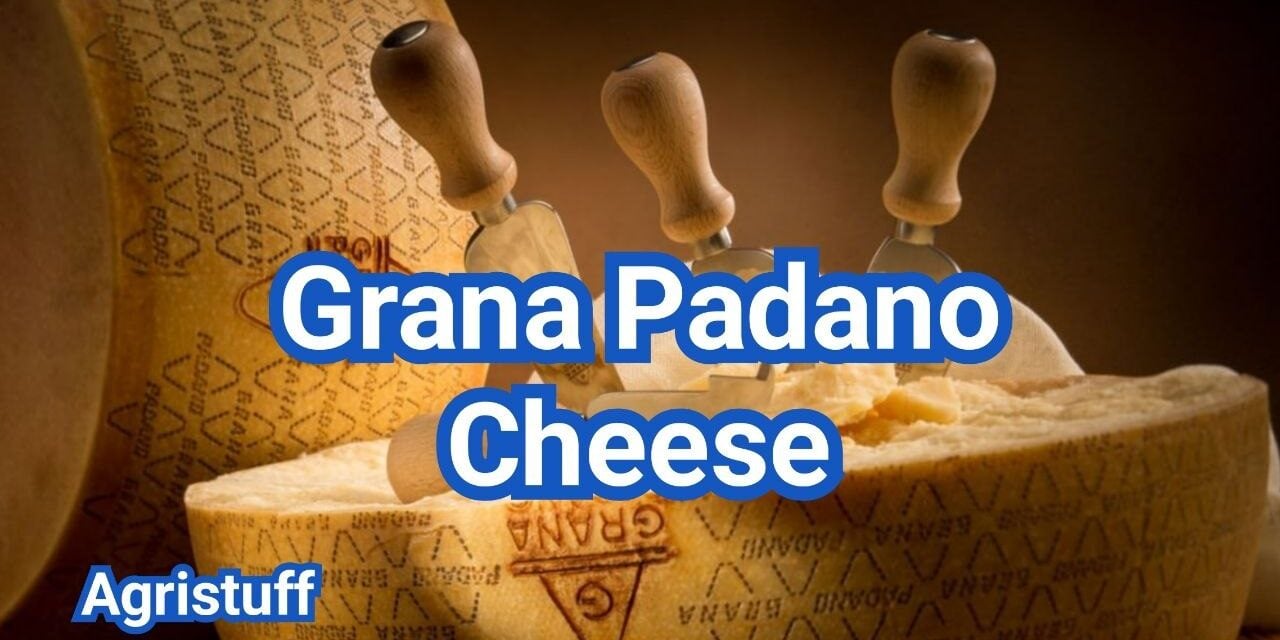
Quick answer: Grana Padano Cheese is a protected Italian hard cheese from the Po Valley that is usually milder and more everyday-friendly than Parmigiano Reggiano. It can be grated over pasta, risotto, soups, eggs, salads, and roasted vegetables, while authentic PDO wedges help U.S. shoppers avoid confusing it with generic Parmesan-style cheeses.
Grana Padano Cheese is one of the most practical Italian hard cheeses for U.S. home cooks because it gives pasta, risotto, soups, salads, eggs, and roasted vegetables a nutty, savory finish without being as intense as some longer-aged grating cheeses. If you are comparing it with Parmesan, the key point is simple: it is not just a generic substitute, but a protected PDO cheese with its own origin, aging rules, texture, and flavor profile.
This guide explains what Grana Padano Cheese is, how it differs from Parmigiano Reggiano and everyday Parmesan, what it tastes like, how to buy an authentic wedge in the United States, and the best ways to use and store it in a real kitchen.
Key Takeaways
- Grana Padano Cheese is a PDO Italian hard cheese from the Po Valley, not a generic Parmesan.
- It is usually milder, slightly sweeter, and more everyday-friendly than Parmigiano Reggiano.
- Authentic Grana Padano Cheese is commonly used for grating over pasta, risotto, soups, eggs, salads, and roasted vegetables.
- U.S. shoppers should look for PDO/DOP markings, clear origin information, and wedge format when flavor and authenticity matter.
- The best substitute depends on the dish, but Parmigiano Reggiano, Pecorino Romano, and Piave are common alternatives.
What is Grana Padano Cheese?
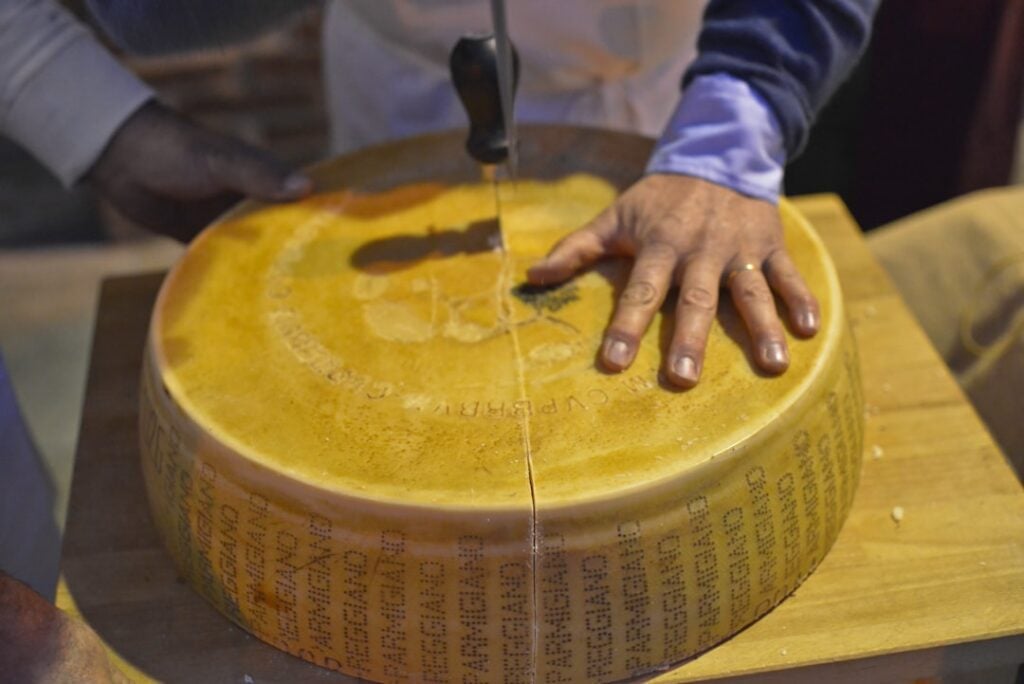
Grana Padano is a hard, slow-ripened cheese ( Hard Cheese ) that has been a staple of Italian cuisine for centuries. The name itself provides a clue to its unique physical characteristics. You might wonder, what does grana mean? In Italian, the term refers to the grainy, crystalline texture that develops as the cheese matures.
Essentially, what does grana refer to? It highlights the signature granular structure that distinguishes this product from softer varieties. This Grana Padano PDO cheese is crafted exclusively from raw cow’s milk, following methods that have been perfected over generations.
The Significance of the PDO Label
When you purchase this product, you are choosing a protected designation of origin (pdo) cheese. This label is not just a marketing term; it is a legal guarantee of quality and authenticity. As a PDO cheese, it must be produced within specific geographical areas of the Po Valley.
The Grana DOP status ensures that every wheel meets strict regulatory standards. These rules cover everything from the diet of the cows to the specific aging process. By adhering to these guidelines, producers maintain the integrity of this world-famous dairy product.
Is Grana Padano the Same as Parmesan? Key Differences
Grana Padano Cheese is not the same as Parmesan in the broad U.S. sense, and it is not identical to Parmigiano Reggiano. Grana Padano is its own PDO cheese with a wider production area, different feed rules, a milder flavor profile, and a minimum marking age of 9 months, while Parmigiano Reggiano has its own stricter production rules and a minimum maturation period of 12 months.
While they look similar, Grana Padano and Parmigiano Reggiano are distinct culinary treasures. Many shoppers frequently ask, what is the difference between parmesan and parmigiano reggiano? Understanding these nuances helps you select the perfect ingredient for your next meal.
Geographic and Production Variations
The primary distinction lies in their origin and production standards. Parmigiano Reggiano is produced in a strictly defined area including Parma, Reggio Emilia, Modena, and parts of Bologna and Mantua. In contrast, Grana Padano has a much broader production zone covering various provinces across the Po River Valley.
Production methods also differ significantly. Grana Padano is made from semi-skimmed cows’ milk and often includes the use of lysozyme, a natural protein derived from egg whites, to prevent unwanted fermentation. Parmigiano Reggiano relies solely on milk, salt, and rennet, with no additives allowed during the process.
Is Grana Padano the Same as Parmesan?
To put it simply, Grana Padano is not the same as Parmesan. While both are hard, aged Italian cheeses, they possess unique flavor profiles and textures. Grana Padano is generally milder and less crumbly than its counterpart, making it a versatile choice for many dishes.
Many people use the term “parmesan” as a generic label for hard, salty grating cheeses. However, authentic Parmigiano Reggiano is a specific product with protected status. Grana Padano holds its own distinct PDO (Protected Designation of Origin) status, ensuring quality and authenticity.
Why These Cheeses Are Often Confused
These cheeses are often confused because they share a similar appearance and culinary application. Both are sold in large wheels and are commonly used for grating over pasta or risotto. Because they are both hard, aged Italian cheeses, consumers often view them as interchangeable in the kitchen.
The following table highlights the core differences to help you distinguish between these two Italian staples:
| Feature | Grana Padano | Parmigiano Reggiano |
|---|---|---|
| Milk Type | Semi-skimmed cows’ milk | Raw cows’ milk |
| Additives | Contains lysozyme | None (strictly natural) |
| Fat Content | Lower fat content | Higher fat content |
| Flavor Profile | Mild and sweet | Complex and savory |
What Does Grana Padano Taste Like?
Many food lovers often wonder what does Grana Padano taste like when they first encounter this iconic Italian cheese. The sensory profile of this product is truly unique, offering a sophisticated balance that shifts as the cheese matures. Understanding the nuances of its flavor requires a look at how the grana padano aging process transforms the milk into a culinary masterpiece.
Flavor Profiles and Texture Characteristics
When the cheese is between 9 and 16 months old, it presents a delicate and mild flavor. At this stage, the texture is relatively softer compared to older varieties, making it easy to slice or shave. You will notice a pale yellow color that signals a fresh, approachable profile.
As you explore what does grana padano cheese taste like during this early phase, you will detect subtle notes of butter and fresh hay. It is a versatile aged cheese that works well in lighter dishes where a gentle savory touch is needed. The consistency is smooth, providing a pleasant mouthfeel that is not yet overly sharp.
Comparing the Sensory Experience of Different Aging Periods
The grana padano cheese taste becomes significantly more complex as the wheels continue to mature. Once the cheese passes the 20-month mark, it develops a much richer, deeper, and more buttery character. This is the stage where the product truly shines for those who appreciate a bold, savory experience.
A hallmark of a perfectly aged grana padano is the presence of small, crunchy white spots known as tyrosine crystals. These crystals are a natural result of the protein breakdown during the long grana padano age period. They provide a delightful contrast to the otherwise crumbly cheese texture that develops over time.
Whether you prefer the mildness of a younger wheel or the intense, savory depth of a long-aged variety, this cheese offers a rewarding experience for every palate. The evolution of flavor ensures that there is a perfect match for every recipe, from simple pasta dishes to elegant cheese boards.
How Is Grana Padano Cheese Made?
Understanding how is Grana Padano made requires a deep dive into the centuries-old techniques used by Italian cheesemakers. The production process of Grana Padano is a rigorous journey that transforms simple, high-quality components into a world-renowned hard cheese. When asking what are Grana Padano’s ingredients?, the answer is remarkably simple: raw milk, salt, and rennet.
Sourcing Unpasteurized Cows’ Milk
The foundation of this cheese is unpasteurized cows’ milk, which is sourced from specific regions across the Po River Valley. This milk is partially skimmed through natural surface creaming, a method that preserves the delicate bacterial flora essential for the cheese’s unique character. You might wonder, is Grana Padano pasteurized cheese? The answer is no; the use of raw milk is a defining characteristic that distinguishes it from many industrial varieties.
The quality of the Grana Padano milk is strictly monitored from the moment it leaves the farm. Producers ensure that the cows are fed a specific diet to maintain the integrity of the final product. This commitment to raw ingredients is why a visit to a Grana Padano factory feels like stepping back in time, even with modern hygiene standards in place.
The Role of the Consortium in Quality Control
Every step of the production is overseen by the Grana Padano consortium. This organization acts as a guardian of tradition, ensuring that every wheel meets the strict PDO (Protected Designation of Origin) requirements. If you were to take a Grana Padano factory tour, you would see inspectors marking each wheel only after it passes a rigorous quality check.
The consortium ensures that the copper cauldrons used for heating the milk are maintained to exact specifications. This meticulous oversight guarantees that the cheese develops its signature granular texture and complex flavor profile. Without this level of control, the consistency that consumers expect would be impossible to achieve.
Aging Stages: From Grana Padano to Riserva
Once the cheese is formed, it enters the aging room, where it rests on wooden shelves for months or even years. The maturation process is where the cheese truly evolves, developing its distinct crystalline structure and savory notes. The following table outlines the primary aging stages that define the final product.
| Aging Stage | Duration | Flavor Profile |
|---|---|---|
| Grana Padano | 9 to 16 months | Mild, creamy, and delicate |
| Oltre 16 Mesi | 16 to 20 months | Stronger, more savory notes |
| Riserva | Over 20 months | Complex, intense, and crumbly |
As the cheese ages, the moisture content decreases, leading to a more concentrated flavor. The Riserva variety represents the pinnacle of this process, offering a depth of taste that is highly prized by chefs and connoisseurs alike. This patient aging is the final, vital step in creating the authentic Italian experience.
How to Buy Authentic Grana Padano Cheese in the U.S.
When buying Grana Padano Cheese in the United States, look for the PDO or DOP marking on the label, because it shows that the cheese follows the protected production rules for Grana Padano rather than being a generic Parmesan-style cheese. A good wedge should clearly mention Grana Padano PDO, Italy, and aging information when available.
Navigating the dairy aisle for high-quality Italian imports can feel overwhelming without the right knowledge. When you seek an authentic italian cheese, you want to ensure that your investment delivers the complex flavors expected of a premium cheese. Understanding the labeling standards is the first step toward bringing a superior product into your kitchen.
Identifying the PDO Mark on Packaging
The most reliable way to verify your purchase is by identifying the pdo mark on the packaging. Authentic wheels feature a distinct diamond-shaped pattern embossed on the rind, which serves as a guarantee of origin. You should also look for the official fire brand, which confirms the cheese was produced according to strict traditional methods.
Buying Options: Wedges, Blocks, and Pre-Grated
Shoppers can find this gourmet cheese in several convenient formats depending on their needs. A grana padano block or wedge is often the best choice for those who want to preserve the texture and moisture of the cheese until the moment of serving. If you prefer convenience, you might opt for grana padano grated cheese, though it is best to check the label to ensure it comes from a reputable grana padano brand.
When purchasing grated padano, always inspect the packaging for the PDO seal to avoid generic imitations. Freshly grated cheese from a solid block will almost always provide a superior sensory experience compared to pre-packaged alternatives. Quality matters when you are building the foundation of a classic recipe.
Online Retailers and Specialty Cheese Importers
If your local supermarket does not carry a wide selection, consider turning to specialty cheese importers. These retailers often source directly from Italy, ensuring that the product has been handled and stored under optimal conditions. Buying from a trusted online source allows you to access aged varieties that might not be available on standard retail shelves.
How to Use Grana Padano Cheese in Pasta, Risotto, and Salads

Grana Padano is a versatile ingredient that transforms everyday meals into gourmet experiences. Learning how to use Grana Padano effectively allows you to unlock deep, savory notes in a variety of dishes. Whether you are a novice cook or a seasoned chef, understanding the diverse grana padano cheese uses will help you get the most out of this iconic product.
There are many ways to incorporate this cheese into your daily routine. From simple weeknight dinners to elaborate holiday feasts, what are some of grana padano’s uses? You can grate it over warm vegetables, stir it into creamy sauces, or enjoy it on its own as a snack.
The Best Cheese for Pasta and Risotto
Many home cooks consider this the best cheese for pasta because of its ability to melt smoothly while maintaining a distinct, nutty profile. When you ask what is grana padano used for? in a professional kitchen, the answer almost always involves finishing a perfectly cooked bowl of noodles. The culinary uses of grana padano extend naturally to risotto, where it provides the essential creaminess required for a classic texture.
One of the most popular applications is using grana padano for carbonara. The cheese binds with the eggs and pasta water to create a silky, rich sauce that coats every strand. To achieve the best results, follow these tips:
- Always grate the cheese finely to ensure it melts evenly into the hot pasta.
- Add the cheese off the heat to prevent it from clumping or becoming stringy.
- Use the cheese to balance the saltiness of cured meats like guanciale or pancetta.
Shaving and Grating Techniques for Optimal Flavor
Knowing how to use grana padano cheese requires mastering the right tools for the job. Grating creates a fine texture that incorporates easily into sauces, while shaved grana offers a bolder, more concentrated burst of flavor. You can use a vegetable peeler or a specialized cheese knife to create thin, elegant ribbons of shaved grana padano for your salads.
Texture matters when you are preparing your ingredients. A fine microplane grater is ideal for dusting pasta, while a coarser grater works well for melting into soups. Always grate your cheese fresh to ensure the oils and aromas remain at their peak.
Pairing Grana Padano Cheese with Wines and Fruits
If you are wondering what pairs well with grana padano?, the answer lies in balancing the cheese’s savory intensity with sweet or acidic notes. The saltiness of the cheese acts as a perfect foil for fresh fruits and aged wines. Consider these pairings for your next cheese board:
- Fruits: Fresh pears, crisp apples, and sweet figs provide a refreshing contrast to the dense, crystalline texture of the cheese.
- Wines: Full-bodied red wines like Barolo or Chianti complement the complex, nutty profile of aged wheels.
- Honey: A drizzle of chestnut or acacia honey highlights the subtle floral notes hidden within the cheese.
By experimenting with these combinations, you can elevate your hosting game. These simple pairings turn a basic snack into a sophisticated culinary event that your guests will surely appreciate.
Nutritional Profile and Dietary Considerations

Many cheese lovers wonder how this aged Italian favorite fits into their daily nutritional needs and dietary restrictions. Understanding the nutritional benefits of Grana Padano allows you to enjoy its complex flavor while maintaining a balanced lifestyle. This cheese is a concentrated source of essential nutrients, making it a popular choice for those who appreciate quality ingredients.
Is Grana Padano Cheese Lactose-Free?
One of the most common questions is: is Grana Padano lactose free? The answer is a resounding yes. Due to the long aging process, the lactose content in this cheese is naturally broken down into simpler sugars.
This makes it an excellent option for individuals who are lactose intolerant but still crave the taste of authentic Italian cheese. You can enjoy it without worrying about the digestive discomfort often associated with fresh dairy products.
Caloric Content and Protein Benefits | Grana Padano Cheese
When evaluating the caloric content and protein benefits, it is clear that this cheese is a powerhouse. It provides a high concentration of protein, which is vital for muscle maintenance and overall health. The following table outlines the typical nutritional breakdown per 100 grams to help you understand the caloric content and benefits.
| Nutrient | Amount per 100g | Daily Value Impact |
|---|---|---|
| Protein | 33g | High |
| Calories | 384 kcal | Moderate |
| Calcium | 1165mg | Very High |
| Lactose | 0g | None |
Is Grana Padano Suitable for Vegetarians?
If you are searching for a Grana Padano cheese vegetarian option, it is important to understand the production standards. Traditional Grana Padano PDO cheese vegetarian status is generally not applicable because the production process requires animal rennet.
Many consumers ask, is this suitable for vegetarians? Because the Grana Padano DOP vegetarian certification does not exist, strict vegetarians usually avoid it. While it is a high-quality product, the use of animal-derived enzymes means that Padano cheese vegetarian alternatives are often preferred by those following a plant-based diet. Always check the label if you are strictly adhering to a Grana Padano vegetarian lifestyle.
How to Store Grana Padano Cheese Properly
Learning how to store Grana Padano Cheese correctly will help you avoid waste and maintain its signature texture. Because this is a hard, aged cheese, it is quite resilient, but it still requires specific conditions to stay at its best. Understanding how to store grana padano effectively ensures that every bite remains as delicious as the first.
Maintaining Freshness in the Refrigerator | Grana Padano Cheese
The refrigerator is the ideal environment for your cheese, provided you choose the right spot. You should aim to keep the cheese in the vegetable crisper drawer, where the temperature is stable and the humidity is consistent. Avoid placing it near the freezer section or directly against the back wall of the fridge, as extreme cold can alter the delicate protein structure.
Preventing Mold and Drying Out | Grana Padano Cheese
To keep your cheese from drying out, you must protect it from direct exposure to air. Many people wonder how to eat grana padano Cheese and store it without losing flavor; the answer lies in proper wrapping. Wrap your cheese tightly in parchment paper or wax paper, followed by a loose layer of plastic wrap to lock in moisture while still allowing the cheese to breathe.
If you notice a small amount of surface mold, do not panic. Simply cut away the affected area, ensuring you remove about an inch of cheese around the spot. This simple technique keeps the rest of the wedge perfectly safe and ready for your next meal.
Best Practices for Storing Large Wheels vs. Wedges | Grana Padano Cheese
Storing a large wheel requires more space and attention than a standard wedge. If you have a large portion, keep it in a cool, dark place if possible, or ensure it is vacuum-sealed to prevent oxidation. For smaller wedges, the parchment paper method remains the gold standard for daily use.
Always keep your cheese away from strong-smelling foods in the fridge, as it can easily absorb odors. By following these guidelines on how to store grana padano?, you can enjoy your authentic Italian cheese for weeks without compromising its quality or taste.
Grana Padano Riserva: Aging, Flavor, and Best Uses

For those seeking the pinnacle of Italian cheese, the Riserva designation offers an unparalleled culinary journey. This specific label represents the best grana padano available, meticulously crafted to satisfy the most demanding palates. By selecting this premium tier, you are choosing a product that embodies centuries of tradition and rigorous quality standards.
What Makes Riserva Different from Standard Varieties | Grana Padano Cheese
The primary distinction lies in the extended maturation period. While standard wheels are aged for shorter durations, the Riserva variety must undergo a minimum of 20 months of aging. This extra time allows the cheese to develop a complex, rich, and buttery profile that is simply unmatched by younger versions.
Among the various varieties of Grana Padano, the Riserva is prized for its distinct texture. You will often find tiny, crunchy protein crystals that signify a perfectly aged product. Renowned producers such as Gran Biraghi cheese and Gran Soresina cheese maintain these high standards to ensure every wedge delivers a consistent, high-end experience.
When to Choose Riserva for Special Occasions | Grana Padano Cheese
Choosing the best grana for your table depends on the event. The Riserva is the ideal centerpiece for gourmet cheese boards where its deep, savory notes can truly shine. It pairs beautifully with aged balsamic vinegar, honey, or a robust glass of red wine.
Consider using this premium cheese for the following occasions:
- Holiday gatherings where you want to impress guests with authentic Italian quality.
- Gourmet cooking projects where the depth of flavor is essential to the dish.
- Special gifts for food enthusiasts who appreciate the benefits of Grana Padano and its artisanal heritage.
By opting for the Riserva label, you ensure that your culinary creations are elevated by the finest ingredients. It is an investment in flavor that transforms a simple meal into a memorable dining experience.
Common Substitutes for Grana Padano Cheese

Discovering a reliable grana padano cheese substitute is essential for any home cook. While this Italian staple is prized for its unique flavor, there are times when it simply cannot be found at your local market. Having a few backup options ensures that your culinary projects remain successful even when your pantry is missing a key ingredient.
Can You Substitute Grana Padano Cheese for Parmesan Cheese?
Many people often ask, can you substitute Grana Padano for Parmesan? The answer is a resounding yes. Because both cheeses share a similar production process and hard, granular texture, they are frequently used interchangeably in kitchens across the United States.
Grana Padano is often used as a parmesan alternative in cooking due to its slightly more delicate and less salty profile. If a recipe calls for one, the other will almost certainly provide a delicious result. You can grate either over pasta or stir them into risottos with excellent success.
Other Hard Italian Cheeses to Consider | Grana Padano Cheese
If you are looking for a cheese similar to Grana Padano, you have several high-quality options. Pecorino Romano is a popular choice, though it is significantly saltier and sharper because it is made from sheep’s milk. Use it sparingly to avoid overpowering your dish.
Another excellent substitute for Grana Padano is Piave. This cow’s milk cheese offers a sweet, nutty flavor that mimics the aging characteristics of Grana Padano quite well. It melts beautifully and provides a sophisticated depth to any sauce or gratin.
When to Avoid Substitutions in Authentic Recipes | Grana Padano Cheese
While flexibility is great, there are moments when you should stick to the original ingredient. If you are preparing a traditional, authentic recipe where the specific aging profile of the cheese is the star of the dish, avoid making changes. For instance, a classic recipe that highlights the subtle, buttery notes of a long-aged Riserva may lose its character if you use a younger or sharper cheese.
Always consider the balance of your ingredients before swapping. If the cheese is the primary flavor component, such as in a simple pasta dish with olive oil, the difference between varieties will be much more noticeable. In these cases, patience is a virtue, and it is often better to wait until you can source the authentic product.
The Origins of Grana Padano Cheese
The story of Grana Padano begins in the fertile plains of Italy, where tradition meets time-honored craftsmanship. This iconic cheese from Italy is celebrated worldwide for its distinct flavor and crumbly texture. Many food enthusiasts often ask, what is the origin of grana padano? The answer lies deep within the lush landscapes of the Po River Valley.
Historical Roots of the Italian Hard Cheese
The history of grana padano dates back to the 12th century. It was originally created by Cistercian monks in the Chiaravalle Abbey near Milan. These monks sought a way to preserve the surplus milk produced by their herds.
Their innovation resulted in a durable, long-lasting cheese that could be stored for months or even years. Over time, this method spread across the Po Valley, becoming a cornerstone of the local economy. Today, it remains a testament to the enduring legacy of Italian agricultural heritage.
Grana Padano Cheese in the U.S. Market

Finding authentic Grana Padano in the United States has become much easier for home cooks and food enthusiasts alike. As interest in traditional Italian cuisine grows, Grana Padano Cheese in the U.S. has transitioned from a specialty item to a pantry staple. You can now find this exquisite hard cheese in many mainstream grocery stores across the country.
The popularity of Grana Padano Cheese in usa is driven by its versatility and long shelf life. Many shoppers are eager to buy Grana Padano cheese to elevate their pasta dishes and salads. Because it is a protected product, you are guaranteed a high level of quality regardless of where you purchase it.
Availability and Popularity in American Retailers
If you are asking where can you buy it?, the answer is quite broad. Most major supermarket chains now stock wedges of this cheese in their specialty deli sections. Whether you are looking for a quick snack or an ingredient for a dinner party, you will likely find it nearby.
For those who prefer to buy grana padano online, several gourmet importers offer shipping directly to your door. This is often the best route if you are looking for specific aging profiles or larger quantities. Knowing where to buy grana padano? is the first step toward creating authentic Italian meals at home.
Where to Buy Grana Padano: From Publix to Specialty Shops
When considering where to buy it?, local retailers are often the most convenient option. Many regional chains have expanded their international cheese selections to include this Italian favorite. You can easily buy grana padano at stores that prioritize imported goods.
The following table provides a quick reference for common retail locations and what you might expect regarding pricing and availability.
| Retailer | Availability | Typical Price Range |
|---|---|---|
| Grana Padano Cheese Publix | High | $18 – $24 per lb |
| Grana Padano Cheese Whole Foods | High | $20 – $26 per lb |
| Grana Padano Cheese Trader Joe’s | Moderate | $15 – $19 per lb |
| Grana Padano Cheese Walmart | Low/Moderate | $16 – $20 per lb |
| Grana Padano Harris Teeter | Moderate | $17 – $23 per lb |
| Grana Padano Cheese Lidl | Seasonal | $12 – $16 per lb |
Understanding Grana Padano Cheese Wheel Pricing
For professional chefs or those hosting large events, purchasing a full Grana Padano cheese wheel is a popular choice. A full wheel is a significant investment, but it offers the best value per pound. The Grana Padano cheese wheel price varies based on the age of the cheese and the current import costs.
When evaluating the total Grana Padano cheese cost, remember that a full wheel weighs approximately 80 pounds. Most consumers find that buying pre-cut wedges is more practical for daily use. However, the experience of carving into a fresh wheel is unmatched for true cheese lovers.
Tools of the Trade: Graters and Serving Accessories
Elevating your kitchen experience starts with selecting the perfect grana padano cheese grater for your needs. Because this cheese is aged and firm, using a standard kitchen tool may not yield the best results. Investing in high-quality equipment ensures you achieve the ideal texture for every recipe.
Choosing the Right Grana Padano Cheese Grater
When selecting a grana padano grater, consider the final dish you are preparing. A box grater with multiple sides is a versatile choice for most home kitchens. It allows you to switch between fine shreds for melting into sauces and coarser gratings for topping salads.
For those who prefer a more refined touch, a microplane is an excellent option. This tool creates light, airy flakes that dissolve quickly into hot pasta or risotto. Precision is key when you want to distribute the savory flavor evenly across your meal.
The Convenience of Twist and Grate Tools | Grana Padano Cheese
Modern kitchen technology has introduced the grana padano cheese twist and grate system, which simplifies the process significantly. These devices are designed to hold a wedge of cheese securely while you rotate the top to produce fresh shavings. Using a grana padano twist and grate tool keeps your hands away from sharp blades, making it a safer alternative for daily use.
These compact tools are perfect for table-side service. Guests can customize their portions, adding as much or as little cheese as they desire. This interactive element adds a touch of sophistication to any dinner party.
Serving Shaved Grana Padano Cheese for Elegant Presentations
Presentation is just as important as flavor when hosting guests. Instead of pre-grating your cheese, try using a vegetable peeler to create wide, thin ribbons. These delicate shavings look beautiful when draped over roasted vegetables or a fresh arugula salad.
You can also use a specialized cheese knife to break off small, irregular chunks. This rustic look highlights the natural crystalline structure of the aged cheese. Arrange these pieces on a wooden board with fruits and nuts for a professional, restaurant-quality display.
| Tool Type | Best Use Case | Texture Result |
|---|---|---|
| Box Grater | Large batches for cooking | Uniform shreds |
| Gira gratta cheese grater | Table-side service | Fine, consistent flakes |
| Vegetable Peeler | Elegant plating | Wide, thin ribbons |
| Gira and gratta cheese tool | Daily convenience | Fresh, grated texture |
Step-by-Step Guide to Incorporating Grana Padano into Recipes

Discover how to transform simple meals using this iconic italian dairy product. Whether you are a novice cook or a seasoned home chef, this cheese offers a depth of flavor that is hard to replicate. Its unique balance of saltiness and nuttiness makes it a reliable partner for many traditional dishes.
Preparing a Classic Carbonara with Grana Padano Cheese
When preparing a classic carbonara, the quality of your cheese is paramount. Instead of relying solely on Pecorino, try blending in finely grated Grana Padano to achieve a smoother, more balanced sauce. The cheese melts beautifully into the egg mixture, creating a luxurious, velvety texture that coats every strand of pasta.
To ensure the best results, whisk your eggs and grated cheese together in a bowl before adding them to the hot pasta. Remove the pan from the heat entirely to prevent the eggs from scrambling. This technique guarantees a silky finish that highlights the rich profile of the cheese.
Creating the Perfect Cheese Board | Grana Padano Cheese
Creating the perfect cheese board requires a thoughtful selection of textures and flavors. Start by placing a wedge of aged Grana Padano as the centerpiece, as its crystalline crunch provides a wonderful contrast to softer cheeses. Surround it with complementary items like fresh grapes, dried figs, and a drizzle of high-quality honey.
For a professional look, offer a variety of accompaniments such as toasted walnuts or artisanal crackers. This variety allows guests to experience the cheese in different ways, whether paired with something sweet or savory. A well-curated board is the ultimate way to showcase the versatility of this hard cheese during social gatherings.
Using Rinds to Enhance Soups and Stocks | Grana Padano Cheese
Many home cooks make the mistake of discarding the hard outer layer of the cheese. However, using rinds to enhance soups and stocks is a classic culinary secret that adds incredible umami depth. Simply scrub the rind clean and drop it into your simmering pot of minestrone or vegetable broth.
As the rind softens, it releases savory notes that infuse the liquid with a rich, complex character. Once the soup is finished, you can remove the remaining rind or slice it into small, chewy pieces for a delightful surprise. This sustainable practice ensures that you get the most value out of every purchase.
| Recipe Type | Preparation Method | Flavor Impact |
|---|---|---|
| Pasta Sauces | Finely grated | Creamy and savory |
| Appetizers | Shaved or cubed | Nutty and textured |
| Soups/Stocks | Whole rind | Deep umami base |
| Salads | Large shavings | Sharp and bold |
Interesting Facts and Cultural Significance

Few food products capture the essence of a nation quite like this legendary hard cheese. When looking for interesting facts about grana padano, one must acknowledge its massive scale. It stands as Italy’s most produced cheese, utilizing approximately 24% of the country’s total milk production. Whether you are seeking a grana padano 101: benefits, how to use, store | grana padano: a complete guide, or simply curious about its history, the sheer volume of its production highlights its vital role in the national economy.
The Meaning Behind the Name Grana
The name itself provides a clue to the sensory experience of the product. The term Grana refers to the distinctively grainy, crumbly texture that develops during the long aging process. Often referred to as grana padano cheese – the younger brother of parmigiano reggiano, it possesses a unique identity defined by its specific production region in the Po River Valley.
Many enthusiasts consider it a clever grana padano choice for those who appreciate a slightly milder, yet complex flavor profile. This texture is not accidental; it is the result of centuries of refinement by monks who sought to preserve milk for longer periods. Today, fans simply call it g padano, a shorthand that reflects its ubiquity in modern cooking.
Grana Padano Cheese as an Italian Emotion
To many Italians, grana padano an italian emotion is more than just a marketing slogan. It represents a connection to family, Sunday lunches, and the warmth of home-cooked meals. It is a staple that bridges generations, proving that grana padano is love in its most edible form.
- It is a symbol of Italian hospitality.
- The cheese is deeply rooted in regional folklore.
- It serves as a centerpiece for celebratory gatherings.
Global Sales and Export Trends | Grana Padano Cheese
The popularity of this cheese has transcended Italian borders, leading to impressive global sales and export trends. As international demand grows, the sales figures continue to climb, making it one of the most recognized Italian exports worldwide. These exports are supported by strict quality controls that ensure the product remains authentic regardless of where it is consumed.
“The secret to the success of this cheese lies in the perfect balance between ancient tradition and modern quality standards.”
Consortium of Grana Padano
Troubleshooting Common Questions About Grana Padano
If you have ever wondered about the texture or pronunciation of this classic cheese, you are not alone. Many enthusiasts find that working with such a dense, aged product requires a few specific techniques to get the best results in the kitchen.
Addressing Texture Issues and Hardness | Grana Padano Cheese
When you encounter a wedge that feels exceptionally hard, do not worry. This is a natural characteristic of a long-aged product. To make slicing easier, let the cheese sit at room temperature for about twenty minutes before you begin.
If the cheese is too dry for your recipe, you can lightly dampen a paper towel and wrap it around the wedge for a short time. This helps restore a bit of moisture to the surface. Always use a sharp, sturdy knife to avoid crumbling the edges when you are portioning your block.
Understanding the White Crystals in Aged Cheese
Many new fans of this cheese are surprised to find small, crunchy bits throughout the paste. These white crystals are not salt, nor are they a sign of spoilage. They are actually clusters of an amino acid called tyrosine.
These crystals develop naturally during the long aging process. They are widely considered a hallmark of high-quality, well-matured cheese. When you feel that signature crunch, you can be confident that you are enjoying a premium product.
How to Pronounce Grana Padano Cheese Correctly
Learning how to pronounce Grana Padano correctly is a great way to show your appreciation for Italian culinary traditions. In English, many people struggle with the double “n” and the soft vowels. You should say it as Grah-nah Pah-dah-no.
If you are still asking yourself, “how to pronounce Grana Padano?” just remember to keep the vowels crisp and clear. While the name might sound complex, saying it with confidence makes you sound like a true connoisseur. Using the correct name helps when asking for it at your local deli or specialty shop.
| Concern | Cause | Recommended Action |
|---|---|---|
| Extreme Hardness | Long aging process | Bring to room temperature |
| White Gritty Bits | Natural tyrosine | Enjoy as a quality sign |
| Dry Surface | Exposure to air | Use a damp cloth wrap |
At The End of: Grana Padano Cheese Guide
Mastering the nuances of Grana Padano transforms your home cooking into a professional culinary experience. This storied Italian cheese offers a depth of flavor that elevates simple pasta dishes and sophisticated appetizers alike.
You now possess the insight to distinguish authentic wheels from imitations. By selecting high-quality wedges and storing them with care, you ensure every bite retains its signature texture and savory profile.
Experimenting with different aging stages allows you to discover your personal preference for intensity. Whether you enjoy the mild notes of a younger block or the complex crystals found in a Riserva, this cheese remains a staple for any kitchen.
We invite you to share your favorite recipes featuring this classic ingredient. Tag your creations on social media or join local food communities to exchange tips on pairing this cheese with your preferred wines and seasonal fruits. Your journey into the world of Italian gastronomy continues with every delicious meal you prepare.
FAQ
What is Grana Padano cheese and where does it come from?
Grana Padano is a premium, hard Italian cheese produced in the Po Valley provinces of Northern Italy. It is a Protected Designation of Origin (PDO) cheese, meaning it is crafted according to strict traditional regulations overseen by the Grana Padano Consortium. The name “Grana” refers to its distinctively grainy texture, which is a result of the unique production process using unpasteurized cows’ milk.
What does Grana Padano taste like?
The Grana Padano cheese taste evolves with age. Generally, it offers a delicate yet savory profile with notes of butter, hay, and dried fruit. Younger wheels are creamier, while a Grana Padano Riserva (aged over 20 months) is richer and more complex, often featuring tyrosine crystals that provide a signature crunch.
Grana Padano vs. Parmigiano Reggiano: what is the difference?
While both are famous Italian hard cheeses, the main difference between Grana Padano and Parmigiano Reggiano lies in the production zone, the cows’ diet, and the aging requirements. Grana Padano is often called the “younger brother” because it can be sold after 9 months, whereas Parmigiano requires at least 12. Additionally, Grana Padano is produced over a larger geographic area and allows for the use of lysozyme to manage fermentation.
Is Grana Padano cheese in the U.S. easy to find?
Yes, Grana Padano cheese in the USA is widely available. You can find it at major retailers such as Publix, Whole Foods, Trader Joe’s, Walmart, and Lidl. For those looking for convenience, specialty importers and online stores allow you to buy Grana Padano cheese in various forms, from wedges to a full Grana Padano cheese wheel.
What is the typical Grana Padano cheese wheel price?
A full Grana Padano cheese wheel is a significant investment, typically weighing around 80 pounds. The price can range from $800 to over $1,000 depending on the aging stage and the retailer. For home use, most consumers prefer buying smaller shaved grana or blocks.
How is Grana Padano made?
The process begins in large copper cauldrons where unpasteurized cows’ milk is curdled using animal rennet. The curds are broken down into small grains, cooked, and then gathered into twin wheels. These wheels are brined and moved to aging cellars where they are monitored by the Consortium to ensure they meet Grana Padano PDO standards.
What are the best Grana Padano cheese uses in cooking?
It is widely considered the best cheese for pasta, risotto, and soups. You can use it to make a classic Grana Padano carbonara or fry the rinds to create a Grana Padano frico. Many enthusiasts also enjoy it on a cheese board paired with nuts, fruits, and Italian wines.
Is Grana Padano lactose free and suitable for vegetarians?
Grana Padano is naturally lactose free due to its long aging process, which breaks down the lactose. However, because traditional PDO recipes require animal rennet, it is typically not suitable for vegetarians. Some brands, like Gran Biraghi, may offer similar “grana-style” cheeses that use microbial rennet, but they may not carry the official PDO seal.
Can you substitute Grana Padano for Parmesan?
Yes, you can substitute Grana Padano for Parmesan (Parmigiano Reggiano) in almost any recipe. It melts similarly and provides a comparable savory depth. Other alternatives include American Grana Parmesan or Gran Soresina.
How to store Grana Padano to keep it fresh?
To maintain the quality of your gradano cheese, wrap it tightly in parchment paper followed by a layer of plastic wrap or aluminum foil. Store it in the coolest part of your refrigerator. This prevents the cheese from drying out or absorbing other food odors.
What tools are recommended for serving Grana Padano?
For the best experience, use a dedicated Grana Padano cheese grater. Many fans love the Grana Padano twist and grate tools or the gira and gratta (gira gratta) style graters for tableside service. These tools help achieve the perfect shaved grana padano texture for salads and carpaccio.
How do you pronounce Grana Padano?
To pronounce Grana Padano correctly, say “Grah-nah Pah-dah-noh.” The emphasis is on the first “a” in Grana and the second “a” in Padano.
What are the white crystals found in aged Grana Padano?
Those small, crunchy white spots are tyrosine crystals. They are amino acids that form during the aging process and are a hallmark of a high-quality, mature crumbly cheese.
Conclusion of: Grana Padano Cheese
Grana Padano Cheese is an Italian hard, cooked-curd cheese that many American shoppers first notice because it sits in the same general family as Parmesan, yet it has its own protected identity, its own production rules, and its own kitchen personality. In practical terms, it delivers a savory, nutty, milky flavor that works equally well for finishing a dish, building flavor into sauces, or serving in flakes on a cheese board. official PDO overview
Grana Padano Cheese matters because it is not just “another grating cheese” for pasta night, but a distinct PDO product tied to a defined area of northern Italy, a traditional production method, and a recognizable aging profile that tends to be friendlier for everyday cooking than more intense long-aged alternatives. For U.S. readers, that means knowing when it is the smarter buy, when it is the better flavor match, and when another cheese may still be the better choice. history and heritage
What is Grana Padano Cheese?
Grana Padano Cheese is a PDO cheese produced in a large part of the Po Valley system in northern Italy, and that protected designation matters because the name is legally tied to origin, method, and control rather than used loosely as a style term. That is one reason the cheese shows broad availability in export markets while still remaining connected to a specific production geography and an official set of rules. production guide
Grana Padano Cheese starts with raw cow’s milk that is partially skimmed by natural separation, then turned into a cooked curd cheese that is salted and aged before release. The essential formula is simple, but the details matter: the official profile includes milk, rennet, salt, and lysozyme, and the cheese cannot be sold under its PDO name before it reaches the required minimum maturation threshold. ingredients and milk rules
Grana Padano Cheese tastes the way it does because long aging slowly transforms moisture, texture, aroma, and the balance between sweetness and savoriness. Instead of staying elastic and mild like a younger table cheese, it becomes firmer, more friable, more aromatic, and better suited to shaving or grating, which is why age statements make a real difference when you are choosing a wedge in the U.S. market. official aging guide
Grana Padano Cheese also brings meaningful nutrient density, which helps explain why a small amount can season food effectively while still contributing protein, calcium, and phosphorus. That does not turn it into a “health food” in the simplistic sense, but it does explain why the cheese is often used as a concentrated finishing ingredient rather than as a bulky component. nutritional properties
Grana Padano Cheese at younger maturity stages is usually the softer, milder, more flexible option, with more obvious milk-and-cream notes and less of the crumbly fracture that many shoppers associate with older grana cheeses. That makes the younger profile especially useful when you want a cheese that can grate cleanly but still feel approachable in salads, omelets, rice dishes, and weeknight pasta without dominating the plate. nutritional values and serving notes
Grana Padano Cheese at more advanced maturity develops a grainier body, more visible crystals, and a broader aromatic range that can suggest butter, hay, broth, and dried fruit, while Riserva pushes that character further after extra aging and additional quality control. For lactose-sensitive shoppers, one more practical point is important: the consortium states that the cheese is naturally lactose free because of its production and maturation process. lactose information
How Grana Padano Cheese differs from Parmesan
Grana Padano Cheese is not a legal synonym for every product Americans call Parmesan, and that is where much of the confusion begins. In everyday U.S. conversation, “parmesan” can mean a broad style cue, a domestic grating cheese, or a reference to Parmigiano Reggiano, but Grana Padano remains its own PDO with separate rules, so treating all three as identical usually leads to the wrong buying decision.
Grana Padano Cheese also differs technically from the U.S. regulatory category for parmesan and reggiano cheese, because American standards of identity describe a product class, while PDO systems protect a named origin product with more specific regional and production controls. For shoppers, that distinction explains why an imported wedge bearing European origin marks communicates something more precise than a generic hard grating cheese labeled only by style. FDA cheese standard
Grana Padano Cheese usually feels more everyday and more forgiving than Parmigiano Reggiano because the two cheeses do not share the same rules on feed, bacterial starter practice, and minimum maturation. Parmigiano Reggiano is made with stricter feed rules, only milk, salt, and rennet, and a minimum age of 12 months, while Grana Padano allows silage in feed, uses lysozyme, and is marked from 9 months, which helps explain the difference in intensity, aroma, and typical use. Parmigiano Reggiano FAQ
Grana Padano Cheese is therefore the better choice when you want a nutty Italian grating cheese that still tastes refined but not overly assertive, especially for frequent cooking, finishing risotto, or keeping a dependable wedge in the refrigerator. If you want deeper concentration, more aggressive crystalline crunch, and the prestige of a longer-aged benchmark cheese, Parmigiano Reggiano may still win, but a lot of U.S. home cooks are happier using Grana Padano more often because it is versatile without being too precious. everyday kitchen uses
When to use Grana Padano Cheese?
Grana Padano Cheese shines in hot applications when you want depth rather than dramatic melt, because its best role is often seasoning the whole dish instead of becoming a stretchy topping. It works especially well over pasta, risotto, polenta, soups, soft scrambled eggs, roasted vegetables, and pan sauces where its savory edge dissolves into the food and adds complexity without demanding center stage. serving inspiration
Grana Padano Cheese is also excellent in cold or room-temperature uses when you shave or chip it instead of grating it into dust. On salads, carpaccio, celery, pears, apples, cured meats, or a simple aperitivo board, the cheese gives a cleaner, sweeter, slightly less severe impression than many people expect from the word Parmesan, which is why it pairs so well with fruit and light bitter greens. serving and cutting notes
Grana Padano Cheese should not stop at the paste, because the rind can be useful too when it is from a genuine edible wheel and cleaned properly before cooking. Dropping a piece into soup, stew, ragù, tomato sauce, or beans adds slow-building umami and a rounded dairy savoriness, and that is one of the easiest ways to stretch the value of a wedge in a serious home kitchen. rind use guide
How to buy Grana Padano Cheese in the U.S.
Grana Padano Cheese is worth buying as a wedge first, because that format lets you judge aroma, paste color, dryness, crystal development, and rind markings more accurately than a generic shaker or anonymous pre-grated pack. Look for clear PDO branding, recognizable rind marks, and age cues when available, because those details tell you far more about expected flavor and authenticity than the word “Italian” on its own ever will. branding and quality marks
Grana Padano Cheese in grated or portioned form can still be a smart purchase, but shoppers should understand that official control matters more once the original wheel is no longer in front of them. The consortium makes clear that wheels failing specification are stripped of their identifying marks and sold simply as Italian hard cheese, so it is worth choosing products that clearly preserve PDO identity rather than relying on vague style language. consortium controls
How to store and serve Grana Padano Cheese?
Grana Padano Cheese keeps best when treated like a living aged food rather than a shelf-stable pantry item, which means refrigeration, protection from drying, and avoidance of unnecessary freezing. The consortium advises wrapping the cheese or storing it in suitable containers, then letting it breathe briefly before serving so the aroma opens up instead of staying muted and cold. official storage advice
Grana Padano Cheese should also be handled with normal food-safety discipline at home, because even hard cheeses last longer and taste better when chilled correctly and rotated with some intention. In U.S. kitchens, the simplest rule is to keep refrigerator temperatures properly cold, cut only what you need, and avoid buying more grated product than you can realistically use while it still smells fresh and clean. cold food storage guidance
Quick checklist
- Choose a wedge when you want the best aroma and texture.
- Use younger maturity for everyday grating and milder flavor.
- Choose older or Riserva styles for shaving, snacking, and stronger finish.
- Check for clear PDO branding and official rind markings.
- Use it on pasta, risotto, eggs, soups, roasted vegetables, and salads.
- Save the rind for sauces, beans, stews, and broth-building.
- Refrigerate it properly and keep the cut face protected.
- Bring it closer to room temperature before serving on a board.
- Prefer flavoring the dish with a small amount rather than overloading it.
Common mistakes to avoid
- Assuming every product labeled “Parmesan” tastes or performs the same.
- Buying only pre-grated cheese when texture and aroma matter most.
- Using a highly aged wedge in delicate dishes that need a softer dairy note.
- Ignoring PDO marks when authenticity is part of the goal.
- Throwing away the rind instead of using it for soups and sauces.
- Serving it ice-cold straight from the refrigerator on a cheese board.
- Over-salting a dish before the cheese has a chance to season it.
- Freezing it casually and then expecting the same texture afterward.
Costs and ROI snapshot
Grana Padano Cheese is usually a strong value buy for U.S. kitchens because the main cost drivers are maturity level, import handling, cut format, and convenience rather than flashy branding alone. Younger wedges generally function as the efficient everyday option, while older labeled cheese and small ready-grated packs often cost more per pound, so the smartest purchase is often a medium wedge that you grate yourself over several meals. USDA dairy market context
Grana Padano Cheese delivers its best kitchen ROI when you use it as a concentrated flavor tool instead of treating it like a bulk topping. A few tablespoons can season a pan of pasta, a handful of shards can upgrade a simple salad, and one saved rind can enrich a pot of soup or beans, which means a well-chosen wedge often stretches farther than shoppers expect if they use it intentionally. current cheese market highlights
Final thought
Grana Padano Cheese is the right cheese to buy when you want a protected Italian grana that is versatile, elegant, and practical enough for real weekly cooking, not just special occasions. Once you stop treating it as a generic Parmesan substitute and start matching its age and format to the dish in front of you, it becomes one of the most useful hard cheeses you can keep in a U.S. kitchen. pairing ideas
Sources & References
- Grana Padano Official Website
- European Commission eAmbrosia: Grana Padano PDO
- Grana Padano PDO Production Specification
- Grana Padano Protection Consortium: Governance and By-Laws
- Grana Padano Protection Consortium: Protection
- Grana Padano Press Kit
- Parmigiano Reggiano: Product Guide
- Parmigiano Reggiano: Area of Origin
- Parmigiano Reggiano: Nutritional Characteristics
- FDA: Raw Milk Cheese Aged 60 Days Sampling
- FDA Refrigerator & Freezer Storage Chart
- FoodKeeper App
- USDA FoodKeeper Data
- USDA FoodData Central: Parmesan Cheese Search
- USDA AMS: Individual Dairy Market News Commodity Reports