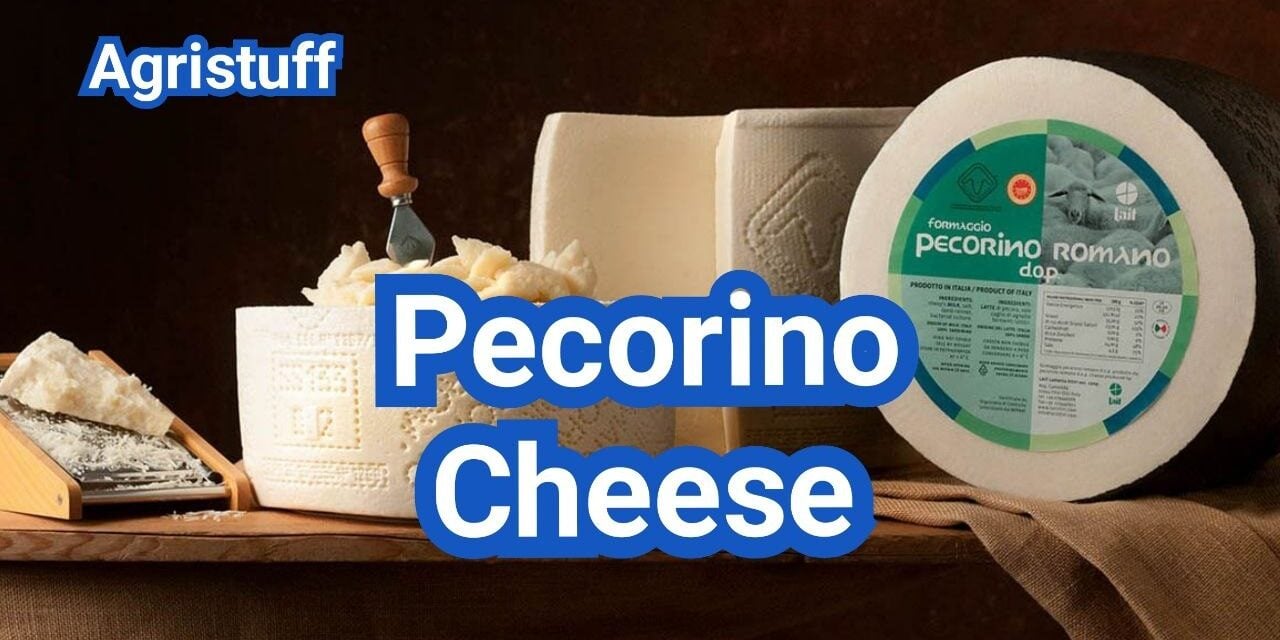
Many food lovers often ask, what is pecorino cheese? At its core, this term acts as a broad label for any Italian dairy product crafted entirely from sheep’s milk. Unlike cow-based varieties, this selection offers a distinct, sharp profile that defines authentic Mediterranean cooking.
This comprehensive guide explores how these products evolved from ancient rations into a modern kitchen essential. You will discover the nuances of a salty, bold ingredient that has remained a staple of gastronomy for centuries.
Whether you enjoy it young and mild or aged until firm and crystalline, this Pecorino variety brings depth to every dish. Understanding the specific aging styles helps you select the perfect cheese for your next culinary creation.
Key Takeaways
- Pecorino is defined as any Italian variety made exclusively from sheep’s milk.
- The flavor profile ranges from mild and creamy to sharp and salty depending on age.
- It has deep historical roots, serving as a vital food source in ancient times.
- Aging styles significantly impact the texture and intensity of the final product.
- This ingredient is a versatile staple used in everything from pasta to salads.
What is pecorino cheese?
Pecorino cheese is an Italian sheep’s milk cheese known for a richer, saltier, and more savory flavor than many cow’s milk cheeses. Depending on the style and aging time, pecorino can taste mild and slightly sweet when young or become firmer, sharper, and better for grating as it matures, which is why Americans often use it for pasta, salads, and cheese boards.
Understanding the Origins and Characteristics of Pecorino Cheese
To truly understand the essence of pecorino, one must look toward the ancient hills of Italy. The name itself is derived from the Italian word “pecora,” which translates to sheep. This linguistic root highlights the deep connection between the land, the animals, and the final product that has graced tables for centuries.
What is Pecorino Cheese Made From?
At its core, this Italian cheese is crafted exclusively from the milk of sheep. Unlike cow’s milk varieties, sheep’s milk is naturally richer in fat and protein, which gives the cheese its signature creamy yet firm structure. The quality of the milk depends heavily on the pastures where the sheep graze, as the local flora imparts unique flavor notes to the final product.
The Traditional Production Process of Italian Sheep’s Milk Cheese
The production of authentic sheep’s milk cheese follows time-honored methods passed down through generations. Cheesemakers add rennet to the raw or pasteurized milk to initiate the coagulation process. Once the curds form, they are carefully cut, pressed into molds, and salted to draw out moisture. This aging process is crucial, as it allows the complex flavors to develop over several months or even years.
Why Pecorino is Not Typically Vegetarian
Many consumers are surprised to learn that most traditional varieties are not considered vegetarian. This is because the production process relies on animal-derived rennet, an enzyme complex extracted from the stomachs of young ruminants. While some modern producers have experimented with plant-based coagulants, the traditional Italian Hard cheese standards often mandate the use of animal rennet to maintain historical authenticity.
| Feature | Sheep’s Milk | Cow’s Milk |
|---|---|---|
| Fat Content | Higher | Moderate |
| Protein Density | High | Standard |
| Flavor Profile | Tangy/Sharp | Mild/Creamy |
| Primary Use | Grated/Aged | Melting/Slicing |
The Distinctive Flavor and Texture Profile of Pecorino

Pecorino offers a bold, savory experience that evolves significantly over time. This sheep’s milk cheese is celebrated for its complex sensory profile, which ranges from mild and milky to intensely sharp and salty. Understanding these nuances allows home cooks to select the perfect variety for their specific culinary needs.
What Does Pecorino Taste Like?
When asking what does pecorino taste like, the answer often depends on the maturity of the product. At its core, the pecorino cheese taste is defined by a distinct tanginess and a pleasant, saline finish. You will often notice nutty undertones that linger on the palate, providing a depth of flavor that cow’s milk alternatives rarely match.
The intensity of the Pecorino Taste Like experience is a hallmark of high-quality production. Because it is a sheep’s milk cheese, it possesses a natural richness and a slightly oily mouthfeel that carries its bold flavors effectively. Whether used as a finishing touch or a primary ingredient, its savory profile remains unmistakable.
How Aging Affects Texture and Sharpness
The transformation of the cheese during the aging process is truly remarkable. Fresh pecorino is typically semi-soft, offering a mild, creamy texture that is easy to slice. As the cheese matures into an aged pecorino, it loses moisture, resulting in a hard, crumbly texture that is ideal for grating over pasta.
This aging process also concentrates the salt and sharpens the overall flavor profile. While fresh pecorino provides a gentle, lactic sweetness, aged pecorino delivers a powerful, piquant punch. The following table highlights how these stages differ in character and usage.
| Aging Stage | Texture | Flavor Profile | Best Use |
|---|---|---|---|
| Fresh (Fresca) | Soft and creamy | Mild and milky | Table cheese or salads |
| Semi-Aged (Semi-Stagionato) | Firm and sliceable | Balanced and nutty | Sandwiches or appetizers |
| Aged (Stagionato) | Hard and crumbly | Sharp and salty | Grated over pasta |
Exploring the Main Types of Pecorino Cheese
Exploring the different types of Pecorino cheese reveals why this product remains a staple in kitchens worldwide. While many people recognize the name, the category encompasses a wide range of regional specialties. Each variety reflects the unique landscape and traditions of its specific Italian origin.
Pecorino Romano: The Iconic Hard Italian Cheese
Pecorino Romano is arguably the most famous of all hard Italian cheeses. This variety is celebrated for its sharp, intense tang and pronounced saltiness. It is a dense, crumbly cheese that serves as the backbone for many classic pasta dishes.
Pecorino Toscano: A Milder Alternative
If you prefer a more subtle flavor, Pecorino Toscano offers a delightful change of pace. Unlike its sharper counterparts, this cheese is known for its buttery and mild profile. It is often aged for a shorter period, which keeps the texture semi-soft and approachable for those new to sheep’s milk products.
Pecorino Sardo: The Sardinian Specialty
Hailing from the island of Sardinia, Pecorino Sardo brings a distinct character to the table. This Italian cheese is often recognized by its slightly smoky and herbal undertones. Depending on the aging process, it can range from a semi-firm texture to a much harder, more crystalline consistency.
Pecorino di Filiano and Other Regional Varieties
Beyond the most common names, there are several protected regional varieties worth exploring. Pecorino di Filiano is a prime example of a high-quality product crafted with traditional methods in the Basilicata region. These niche varieties often highlight the rich biodiversity of the pastures where the sheep graze.
Whether you are looking for the bold punch of Pecorino Romano cheese or the nuanced notes of a local specialty, there is a version for every palate. Understanding these differences allows you to select the perfect ingredient for your next culinary creation. By choosing the right variety, you elevate your cooking with authentic, time-honored flavors.
Pecorino vs. Parmesan: Understanding the Differences

The debate over pecorino vs parmesan is a classic culinary discussion that every pasta lover should explore. While both are essential staples in Italian kitchens, they offer distinct characteristics that can significantly alter the outcome of your cooking. Understanding these differences is the first step toward balancing flavors in your favorite dishes.
Key Distinctions in Milk Source and Aging
The most fundamental difference lies in the milk source. Pecorino is exclusively made from sheep’s milk, which provides a higher fat content and a distinct, earthy richness. In contrast, Parmesan is crafted from cow’s milk, resulting in a more subtle and buttery profile.
Aging also plays a critical role in the final texture of the cheese. While both are aged, Pecorino Romano is typically aged for a shorter period than high-end Parmesan, yet it develops a much sharper, saltier bite due to the nature of sheep’s milk.
Flavor Profiles: When to Use Which Cheese
Because of its intense, tangy flavor, romano cheese is often used to provide a bold punch to dishes. It stands up well to heavy sauces and spicy ingredients. Parmesan, on the other hand, offers a delicate, nutty sweetness that complements rather than dominates a dish.
“The secret to a perfect pasta dish is knowing when to let the sharp, salty notes of sheep’s milk shine and when to rely on the mellow, savory depth of cow’s milk.”
To help you decide which to reach for, consider the following comparison:
| Feature | Pecorino Romano | Parmesan |
|---|---|---|
| Milk Source | Sheep | Cow |
| Flavor Profile | Sharp, Tangy, Salty | Nutty, Savory, Mellow |
| Best Use | Carbonara, Amatriciana | Risotto, Topping Pasta |
Can You Use Parmesan and Pecorino Interchangeably?
Many home cooks wonder if they can swap these two varieties in recipes like pesto or carbonara. While you can technically substitute them, the results will vary significantly. Romano is much saltier, so you may need to reduce the amount of added salt in your recipe if you make the switch.
If you prefer a milder flavor, you might choose to use a blend of both. This approach allows you to enjoy the depth of the sheep’s milk while keeping the overall profile balanced and approachable for all guests.
How to Use Pecorino Cheese in Your Kitchen
Learning how to use pecorino cheese in your kitchen opens up a world of bold, savory possibilities. This sharp Italian cheese is a powerhouse of flavor that can transform even the simplest ingredients into a gourmet experience. By understanding its unique properties, you can elevate your home cooking to professional standards.
Step-by-Step Guide to Incorporating Pecorino into Pasta Dishes
When adding this cheese to pasta, the secret lies in emulsification. Start by finely grating the cheese to ensure it melts evenly into your sauce. Always reserve a small amount of starchy pasta water to help bind the cheese with the noodles, creating a creamy, luxurious texture without the need for heavy cream.
Creating the Perfect Cacio e Pepe
Cacio e pepe is a classic Roman dish that relies on the combination of Pecorino Romano and toasted black pepper. To achieve the perfect result, toast freshly cracked pepper in a dry pan until fragrant before adding your cooked pasta. Remove the pan from the heat, toss in the cheese and a splash of pasta water, and stir vigorously until a smooth, glossy sauce forms.
Using Pecorino in Salads and Vegetable Sides
This Italian staple is not just for pasta; it adds a wonderful salty kick to fresh salads. Try shaving thin ribbons of the cheese over a bed of peppery arugula or roasted asparagus. The saltiness of the cheese perfectly balances the bitterness of greens and the sweetness of roasted root vegetables.
Pairing Pecorino with Wines, Fruits, and Cured Meats
Because of its intense profile, pecorino pairs beautifully with bold accompaniments. Serve it alongside sweet fruits like pears or figs to contrast its sharp, salty notes. For a classic antipasto platter, pair it with cured meats like prosciutto or salami and a glass of full-bodied red wine, such as a Chianti or a robust Sangiovese.
Selecting and Buying Authentic Pecorino in the United States

If you are searching for genuine Pecorino Romano in the U.S., knowing what to look for is essential. The market is flooded with domestic versions that often lack the depth of flavor found in traditional Italian imports. Understanding how to spot the real deal ensures you get the quality you expect for your favorite recipes.
How to Identify Authentic PDO Pecorino Romano
The most reliable way to verify your Pecorino Romano cheese is by checking for the Protected Designation of Origin (PDO) seal. This certification guarantees that the product was made in specific regions of Italy, such as Lazio or Sardinia, using traditional methods. Always look for the stamp on the rind or the packaging.
Authentic labels will clearly state the origin and the specific production standards. If a package simply says “Romano” without mentioning Italy or the PDO status, it is likely a domestic imitation. These imitations often use cow’s milk rather than the traditional sheep’s milk, which significantly alters the final taste.
Where to Buy Pecorino Cheese: From Specialty Shops to Supermarkets
When considering pecorino cheese where to buy, you have several options ranging from local markets to large retailers. Specialty Italian delis are often the best places to find high-quality, imported wedges. These shops typically allow you to sample the cheese before purchasing, ensuring you find the perfect level of sharpness.
- Specialty Italian Markets: Best for fresh, authentic imports.
- High-End Grocery Stores: Often carry premium brands in the deli section.
- Online Gourmet Retailers: Convenient for sourcing specific regional varieties.
Navigating Options at Walmart, Aldi, and Costco
Finding Pecorino Cheese In the U.s. at major retailers is easier than ever, though quality can vary. When shopping for pecorino cheese walmart, check the deli section rather than the pre-grated aisle for better quality. Similarly, pecorino cheese aldi often features rotating European imports that offer excellent value for the price.
If you are looking for bulk quantities, pecorino cheese costco is a fantastic resource. They frequently stock large, high-quality wedges of authentic Pecorino Romano that are perfect for families or frequent cooks. Always inspect the label to confirm it is an imported product from Italy to ensure you are getting the real romano cheese experience.
Premium Selections: Locatelli, Fulvi, and Boar’s Head
For those seeking the best Pecorino Cheese In USA, sticking to reputable brands is a smart strategy. These companies have built a reputation for maintaining the integrity of traditional production methods:
Locatelli is widely considered the gold standard for pecorino in the United States. It offers a consistent, sharp, and salty profile that is ideal for grating over pasta. Fulvi is another premium choice, often praised for its slightly creamier texture and complex, nutty finish. While Boar’s Head is more accessible in many deli counters, it provides a reliable option for those who need a quick, high-quality romano for everyday cooking.
Best Substitutes for Pecorino Cheese
Finding a reliable pecorino cheese substitute is essential when your pantry runs low. While the distinct, sharp tang of sheep’s milk is hard to replicate, several options can maintain the integrity of your favorite dishes. Whether you are preparing a classic pasta or a fresh salad, knowing how to pivot is a valuable culinary skill.
When to Use Parmesan or Grana Padano
Parmesan and Grana Padano are the most common replacements for pecorino. These cow’s milk cheeses offer a similar hard texture and nutty profile, making them excellent for grating over hot pasta. However, keep in mind that they are generally less salty and sharp than the original sheep’s milk variety.
“Cooking is an art of adaptation; when the perfect ingredient is missing, the creative chef finds the next best path to flavor.”
To help you choose the right option, consider the following comparison of common alternatives:
| Cheese Type | Flavor Profile | Best Use |
|---|---|---|
| Parmesan | Nutty, Mild | Pasta toppings |
| Grana Padano | Sweet, Delicate | Sauces and soups |
| Aged Asiago | Sharp, Pungent | Salads and gratins |
Vegetarian-Friendly Alternatives
Many traditional Italian cheeses use animal rennet, which is not suitable for vegetarians. If you are looking for a best substitute for pecorino that aligns with a vegetarian diet, look for labels marked as “vegetarian” or “microbial rennet.” Some hard, aged cow’s milk cheeses are specifically produced without animal-derived enzymes, providing a safe and delicious alternative.
How to Adjust Recipes When Substituting
When you swap in a milder cheese, you may need to adjust your seasoning to compensate for the loss of saltiness. Simply add a pinch of sea salt or a dash of extra-aged hard cheese to balance the flavor profile. By making these small tweaks, you ensure your meal remains bold and satisfying even without the original ingredient.
Nutritional Profile and Health Considerations

Beyond its bold flavor, this sheep’s milk staple offers a unique profile of essential nutrients. Incorporating pecorino into your meals provides a concentrated source of vitamins and minerals that support a balanced diet.
Pecorino Cheese Calories and Nutritional Benefits
A standard one-ounce (28g) serving of this aged cheese contains approximately 110 calories. This portion size is packed with high-quality protein, which is essential for muscle maintenance and overall body function.
Furthermore, this dairy product is an excellent source of calcium. Adequate calcium intake is crucial for maintaining strong bones and teeth throughout your life. Because it is made from sheep’s milk, it often contains higher levels of certain fatty acids compared to cow’s milk varieties.
Is Pecorino Healthy? Understanding Sodium and Fat Content
While this cheese is nutrient-dense, it is important to consume it in moderation. The aging process naturally concentrates the salt content, which contributes to its signature sharp taste but also increases sodium levels.
Individuals who are monitoring their blood pressure or salt intake should be mindful of portion sizes. Additionally, like many aged dairy products, it contains saturated fats. Balancing your intake with fresh vegetables and whole grains ensures you enjoy the culinary benefits without overindulging.
| Nutrient | Amount per 1oz (28g) | Daily Value % |
|---|---|---|
| Calories | 110 kcal | 5% |
| Protein | 7g | 14% |
| Calcium | 200mg | 20% |
| Sodium | 400mg | 17% |
Proper Storage Techniques for Pecorino Cheese
Mastering the art of storage ensures every bite remains as delicious as the first. Whether you have purchased a small wedge or a larger pecorino cheese wheel, maintaining the integrity of the product is vital for preserving its sharp, salty profile.
How to Keep Pecorino Romano Fresh at Home
To extend the shelf life of your pecorino, you must protect it from air exposure. Wrap the cheese tightly in wax paper or parchment paper, followed by a layer of plastic wrap to lock in moisture without suffocating the product.
Store your wrapped items in the vegetable crisper drawer of your refrigerator. This area provides the most stable temperature, which prevents the delicate fats from breaking down prematurely.
Best Practices for Storing in Different Climates
If you live in a humid environment, be extra cautious about condensation. Excess moisture can lead to unwanted mold growth on the surface of your pecorino cheese wheel.
In very dry climates, the cheese may harden faster than expected. Check your wrapping every few days to ensure it remains airtight, as this will keep the texture consistent and prevent it from becoming overly brittle.
Can You Eat the Rind?
Many home cooks wonder if the hard exterior is safe to consume. While the rind of a pecorino is technically edible, it is often too tough and salty to enjoy on its own.
Instead of discarding it, save the rind to enhance your cooking. Dropping a piece into simmering soups, stews, or pasta sauces adds a deep, savory complexity that elevates the entire dish.
How to Grate and Prepare Pecorino for Recipes

Mastering the art of grating and melting pecorino will transform your kitchen experience. Proper preparation ensures that the distinct, salty profile of this sheep’s milk cheese shines through in every bite. Whether you are working with aged pecorino or a younger variety, the right technique makes a world of difference.
Tools for Achieving the Perfect Texture
The tool you choose determines the final consistency of your dish. A microplane is ideal for creating a fine, cloud-like texture that melts instantly into hot pasta. For recipes requiring a more rustic feel, a traditional box grater provides larger shreds that hold their shape longer.
| Tool Type | Best Use Case | Texture Result |
|---|---|---|
| Microplane | Cacio e Pepe, finishing sauces | Fine, powdery |
| Box Grater | Salads, vegetable toppings | Medium shreds |
| Vegetable Peeler | Garnishing, cheese boards | Thin, wide ribbons |
The Difference Between Pre-Grated and Freshly Grated
Many home cooks reach for pre-grated bags for convenience, but this often compromises quality. Pre-packaged options frequently contain anti-caking agents like cellulose, which prevent the cheese from melting smoothly. By choosing a block of fresh pecorino and grating it yourself, you avoid these additives and enjoy a much richer, more authentic flavor.
Tips for Melting Pecorino into Sauces
Melting aged pecorino into a sauce requires patience to avoid clumping. Always remove your pan from direct heat before adding the grated cheese to prevent the proteins from seizing. Gradually whisk in a small amount of starchy pasta water to create a silky, emulsified sauce that coats your noodles perfectly.
Common Misconceptions and Frequently Asked Questions
Navigating the world of authentic Italian ingredients can be tricky for many home cooks. Even experienced chefs sometimes stumble over the terminology used in the dairy aisle. By addressing these frequent questions, we can ensure your next meal is both authentic and delicious.
Clarifying the Difference Between Pecorino and Romano
A common point of confusion involves the relationship between pecorino and romano cheese. It is important to remember that pecorino is a broad category of Italian cheese made exclusively from sheep’s milk.
In contrast, pecorino romano is a specific, highly regulated variety within that category. While all authentic Romano is a type of pecorino, not every pecorino is a Romano. Understanding this distinction helps you select the right product for your specific recipe needs.
Debunking Myths About Sheep’s Milk Cheese
Many people mistakenly believe that all sheep’s milk cheese is overwhelmingly pungent or difficult to digest. In reality, the aging process significantly mellows the flavor profile, creating a complex and savory experience.
“Great cooking is about understanding the soul of your ingredients, not just following a list of instructions.”
— Anonymous
Another myth is that sheep’s milk products are always extremely high in fat. While they are nutrient-dense, they offer a unique profile of healthy fats and proteins that differ from cow’s milk alternatives. Quality matters when choosing these products for your pantry.
Addressing Common Culinary Mistakes
One frequent error is failing to account for the natural saltiness of romano. Because this variety is aged with salt, you should always taste your sauce before adding extra seasoning.
Another mistake involves using pre-grated versions for delicate dishes. Freshly grating your pecorino romano ensures the best melt and texture, as pre-packaged options often contain anti-caking agents that prevent smooth emulsification. Always opt for a block to achieve the best results in your kitchen.
Advanced Culinary Techniques for Home Cooks
Elevating your home cooking often involves mastering the subtle art of using high-quality ingredients in unconventional ways. By exploring professional methods, you can unlock the full potential of pecorino in your daily kitchen routine. These techniques allow you to experiment with the bold flavors of this classic cheese in creative and sophisticated ways.
Infusing Pecorino into Soups and Broths
Many home cooks discard the hard rind of aged pecorino, but this is a missed opportunity for flavor. You can simmer the rind directly in your favorite vegetable or meat-based soups to impart a deep, savory umami profile. This simple step adds a layer of complexity that is difficult to achieve with standard seasonings alone.
Creating Pecorino Crisps and Appetizers
For a refined appetizer, try crafting delicate cheese crisps by baking small mounds of finely grated product on a non-stick sheet. These golden, crunchy bites serve as an elegant garnish for salads or a standalone snack. They provide a concentrated burst of flavor that pairs beautifully with fresh herbs or a drizzle of honey.
Balancing Saltiness in Complex Dishes
Because this ingredient is naturally intense, balancing its saltiness is essential for a harmonious dish. You can counteract the salinity by pairing it with acidic components like lemon juice, balsamic vinegar, or sweet roasted vegetables. When incorporating it into complex recipes, always taste your base before adding extra salt to ensure the final result remains perfectly balanced.
| Technique | Primary Benefit | Best Application |
|---|---|---|
| Rind Infusion | Deep Umami Depth | Minestrone or Bean Soups |
| Oven Crisps | Textural Contrast | Salad Toppings or Appetizers |
| Acid Balancing | Flavor Harmony | Rich Pasta or Vegetable Sides |
Regional Culinary Traditions and Serving Suggestions

Understanding how to serve this iconic pecorino cheese allows you to bring an authentic taste of Italy into your home. This ancient ingredient carries a deep cultural legacy that varies significantly from the northern mountains to the southern plains. By exploring these traditions, you gain a richer context for enjoying this versatile Italian cheese in your own kitchen.
How Pecorino is Served in Italy
In many parts of Italy, young pecorino is often served as a simple table cheese during the spring months. It is traditionally paired with fresh broad beans, creating a crisp and earthy snack that celebrates the season. This practice highlights the natural, milky sweetness found in less aged varieties of the cheese.
For more mature versions, Italians often serve thin shavings alongside local honey or fruit preserves. This contrast between the sharp, salty profile of the Italian cheese and the sweetness of the accompaniments is a hallmark of regional dining. It is a common way to conclude a meal or start an evening gathering with friends.
Modern Interpretations of Classic Pecorino Recipes
Contemporary chefs are finding new ways to incorporate this classic ingredient into modern menus. While traditional pasta dishes remain popular, you will now find pecorino used in creative appetizers like savory crisps or whipped into light, airy mousses. These modern interpretations respect the history of the product while adapting it to current culinary trends.
Home cooks can easily adopt these techniques to elevate their own meals. Whether you are melting it into a sophisticated vegetable velouté or using it to crust a piece of roasted fish, the possibilities are endless. The following table provides a quick guide for pairing this versatile ingredient with various flavors.
| Pairing Category | Recommended Item | Flavor Impact |
|---|---|---|
| Fresh Produce | Broad Beans | Earthy and Sweet |
| Sweet Accents | Wildflower Honey | Balanced Salinity |
| Cured Meats | Prosciutto | Savory Depth |
| Beverages | Chianti Wine | Robust Complexity |
At The End of: Pecorino Cheese Guide
Pecorino cheese stands as a testament to the enduring power of traditional Italian craftsmanship. The unique qualities of sheep’s milk create a depth of flavor that remains unmatched in the culinary world.
This guide serves as your roadmap for exploring the diverse regional varieties available today. You now possess the knowledge to select authentic products from brands like Locatelli or Fulvi with total confidence.
Integrating this bold cheese into your daily cooking transforms simple meals into gourmet experiences. Whether you are perfecting a classic pasta dish or experimenting with new pairings, the versatility of this ingredient shines through.
We encourage you to keep experimenting with different aging styles and textures in your own kitchen. Your journey into the world of authentic Italian flavors is just beginning. Share your favorite recipes with friends and enjoy the rich heritage found in every bite.
FAQ
Is Pecorino Cheese always made from sheep’s milk?
In the traditional and protected Italian sense, yes, because the pecorino family is defined by sheep’s milk. In the U.S. market, however, Romano cheese standards allow other milks too, which is why it is smart to read the ingredient line when you want true sheep’s milk Pecorino Cheese specifically. Romano cheese identity standard
Is Pecorino Cheese the same as Pecorino Romano?
No, Pecorino Romano is one important member of the broader family, but it is not the whole category. Pecorino Toscano and Pecorino Sardo are also major protected styles, and they can be noticeably milder, sweeter, or more flexible depending on age and make. Pecorino Romano PDO entry
Can Pecorino Cheese replace Parmesan?
Often yes, but the result usually tastes saltier and more forceful. The swap works best in pasta, soups, legumes, and vegetable dishes when you want sharper impact rather than the sweeter, rounder, and more mellow profile that many cooks expect from Parmesan-style cheese. Parmigiano Reggiano product guide
How salty is Pecorino Cheese?
The answer depends heavily on style and age, so there is no one-size-fits-all number that works for every wedge. Fresh Pecorino Toscano can be relatively gentle, while mature Pecorino Romano is deliberately more assertive, which is why good cooks often wait to adjust seasoning until the cheese is already in the dish. Toscano product characteristics
Can you eat the rind of Pecorino Cheese?
Sometimes yes, especially when the rind is natural and clean, but not every rind should be eaten directly. On imported cheeses, the rind may carry stamps, coatings, or surface treatments, so it is best to ask your cheesemonger before grating it into broth or adding it to a simmering pot. FDA raw milk cheese overview
What is Pecorino cheese and how does it differ from other hard Italian cheeses?
Pecorino cheese is a traditional Italian cheese made exclusively from 100% sheep’s milk cheese. The name originates from the Italian word “pecora,” meaning sheep. Unlike cow’s milk cheeses like Parmesan, pecorino taste is characterized by a sharper, saltier, and more tangy profile with distinct earthy undertones. It is categorized into various aging stages, from fresh pecorino (soft and mild) to aged pecorino (hard, crumbly, and intense).
What does Pecorino cheese taste like?
If you are wondering what does pecorino taste like, expect a bold, savory, and grassy flavor. Because it is a sheep’s milk cheese, it has a natural tanginess that is more assertive than cow’s milk. As it ages into a pecorino cheese wheel, the moisture evaporates, leaving behind a sharp, piquant finish and a crumbly texture that makes it perfect for grating.
Pecorino vs. Parmesan: what’s the difference and can they be used interchangeably?
The main pecorino vs parmesan difference lies in the milk source; Pecorino uses sheep’s milk, while Parmesan (Parmigiano Reggiano) uses cow’s milk. Pecorino is generally saltier and sharper, whereas Parmesan is nuttier and sweeter. You can use them as a pecorino cheese substitute for one another in many recipes, but you should adjust the added salt in your dish, as Pecorino provides a much higher saline punch.
Why is Pecorino not considered vegetarian?
Traditional Italian pecorino romano cheese is made using animal-derived rennet, which is an enzyme from the stomach lining of calves or lambs used to curdle the milk. For those seeking a vegetarian pecorino, you must look for modern versions that specifically state they use microbial or plant-based rennet, though these are less common in authentic PDO imports.
Where is the best place to buy Pecorino cheese in the U.S.?
Finding pecorino cheese in the u.s. is easy at major retailers. You can find pecorino cheese Walmart options, high-quality pecorino cheese Aldi selections, and bulk pecorino cheese Costco wedges. For premium brands like Locatelli Pecorino Romano cheese or Fulvi Pecorino Romano cheese, check Pecorino cheese Whole Foods or local Italian specialty grocers.
What are the best ways to use Pecorino cheese in cooking?
Pecorino romano cheese is a culinary staple, most famously used in the Roman “four pastas”: Carbonara, Gricia, Amatriciana, and as the star of cacio e pepe. Beyond pasta, you can use shredded pecorino romano over roasted vegetables, or serve pecorino toscano fresco cheese on an antipasti platter with honey and pears. For a unique twist, try pecorino tartufo cheese (truffle-infused) or smoked pecorino to add depth to cheese boards.
How should I store my Pecorino to keep it fresh?
To maintain the quality of a pecorino romano cheese grated or in a block, wrap it tightly in parchment paper followed by a layer of aluminum foil. This allows the cheese to breathe without drying out. In humid climates like Miami, proper wrapping is essential to prevent mold. If you have a leftover pecorino cheese wheel fragment, don’t throw away the rind; it can be added to soups and stews for an infusion of umami flavor.
What are the nutritional benefits of Pecorino?
Pecorino cheese calories and nutrition reflect its status as a nutrient-dense food. It is exceptionally high in calcium and protein. Because it is made from sheep’s milk, some find it easier to digest than cow’s milk cheeses. However, due to the traditional curing process, it is high in sodium, so it should be enjoyed in moderation as part of a balanced diet.
Which brands offer the best authentic Italian Pecorino?
When looking for the best pecorino romano cheese, look for the PDO (Protected Designation of Origin) seal. Locatelli grated pecorino romano is a favorite in American households for its consistent bite. Fulvi is highly regarded for being one of the few Romanos still produced in the Lazio region, offering a moist and bold flavor. Other reliable options include Trader Joe’s Pecorino Romano and Boar’s Head Pecorino Romano for everyday use.
What is Pecorino Pepato and Pecorino Sardo?
These are regional varieties of pecorino romano and other sheep cheeses. Pecorino pepato is aged with whole black peppercorns for a spicy kick. Sardinian pecorino cheese, or Pecorino Sardo, comes from Sardinia and can be found as “dolce” (sweet/mild) or “maturo” (aged/hard). There is also Pecorino di Filiano from Basilicata, which offers a unique, oily texture and complex aroma.
How can I experience Pecorino in a professional culinary setting?
If you are looking to see how top chefs utilize this ingredient, how can you taste pecorino in Miami? High-end establishments like Stubborn Seed often feature artisan hard cheeses in their tasting menus, demonstrating how pecorino stagionato can be paired with modern techniques to elevate a dish from simple to gourmet.
Conclusion of: Pecorino Cheese
Pecorino Cheese is the broad name for Italian cheeses made from sheep’s milk, and that simple fact is the key to understanding why it tastes different from many cow’s milk cheeses familiar to U.S. shoppers. In practical terms, the category includes cheeses that can be soft and mild when young or firm, salty, and grating-ready when aged, so it is more useful to think of Pecorino Cheese as a family of cheeses rather than a single uniform product.
Pecorino Cheese also matters in the American market because the wording on the label does not always mean the same thing from one wedge to another. A package labeled simply as sheep’s milk cheese may be broad and generic, while names such as Pecorino Romano, Pecorino Toscano, and Pecorino Sardo point to protected styles tied to specific regions, production rules, and aging traditions in Italy.
What makes Pecorino Cheese different from other hard cheeses
Pecorino Cheese starts with sheep’s milk, and that milk composition helps explain much of the cheese’s character. Compared with cow’s milk, sheep’s milk is typically richer in fat and protein, which gives cheesemakers a dense, flavorful base and helps many finished cheeses deliver a fuller mouthfeel and a more concentrated taste even in small portions. research on sheep milk composition
Pecorino Cheese also evolves dramatically as it ages, which is why one wedge can seem creamy and lightly sweet while another tastes sharp, nutty, dry, and boldly savory. As moisture drops and ripening continues, the paste becomes firmer, the flavors become more concentrated, and the cheese often shifts from table use toward shaving, grating, or finishing hot dishes. nutritional and sensory review of sheep milk dairy
Pecorino Cheese is often easier to understand when you group it by kitchen purpose instead of by romantic storytelling about place alone. Younger forms fit better on cheese boards, in sandwiches, or beside fruit, while more mature forms bring the salt, intensity, and structure needed for pasta, soups, legumes, roasted vegetables, and savory finishing. comparative cheese composition study
Main styles you will see most often of Pecorino Cheese
Pecorino Cheese on U.S. shelves most often appears through three practical style families: Pecorino Romano, Pecorino Toscano, and Pecorino Sardo. Learning those names gives shoppers a faster and more reliable way to predict flavor, firmness, and best use than relying only on words such as artisanal, imported, or aged printed on the front label. official Pecorino Toscano characteristics
Pecorino Cheese is usually at its saltiest and most forceful in the Pecorino Romano tradition, which is why cooks often reach for it when they want real impact rather than a softer background cheese. This style is closely associated with grating, strong umami, and classic applications where the cheese must stand up to black pepper, cured meats, beans, or bitter greens instead of disappearing into the dish. official Pecorino Romano characteristics
Pecorino Cheese can feel much gentler in fresh Pecorino Toscano, a style known for a sweeter, cleaner, and more approachable profile. For many American readers, this is the version that makes the most sense when the goal is snacking, casual entertaining, or a cheese board where guests may not want the assertive salt and intensity associated with a long-aged Romano. fresh Pecorino Toscano profile
Pecorino Cheese takes on a firmer, more structured personality in aged Pecorino Toscano, which develops deeper aroma and a more concentrated paste over time. Once it reaches that more mature stage, it becomes a strong candidate for shaving over roasted vegetables, pairing with fruit or honey, or serving in chunks where you want more complexity without the aggressive edge of the saltiest Romano styles. aged Pecorino Toscano profile
Pecorino Cheese from Sardinia often appears as Pecorino Sardo, which officially comes in mild and mature forms. That distinction is useful for shoppers because the milder version is more approachable for direct eating, while the mature version moves closer to the firmer, more developed style that works better for shaving, grating, and stronger savory applications. official mild and mature guide
How to choose the right wedge of Pecorino Cheese
Pecorino Cheese is easiest to buy well when you start with the job it needs to do in your kitchen. If you want a finishing cheese for pasta, beans, soups, or roasted vegetables, choose a mature wedge with a firmer body; if you want something for nibbling, boards, or sandwiches, choose a younger style that delivers sheep’s milk character without overwhelming salt. Pecorino Sardo PDO guide
Pecorino Cheese is also worth checking for authenticity markers when you are paying imported-cheese prices. PDO or DOP markings, branded rinds, producer identification, and a clear country-of-origin statement do not guarantee that the cheese will match your personal taste, but they do help confirm that the product follows a recognized protected specification instead of borrowing a famous name loosely. EU quality scheme explanation
Pecorino Cheese should also be read carefully in the U.S. market because some labeling traditions differ from protected European names. Under U.S. standards, Romano cheese can be made from cow’s milk, sheep’s milk, goat’s milk, or mixtures, so shoppers who specifically want the deeper taste of true sheep’s milk Pecorino Cheese should read the ingredient and style description rather than assuming every Romano-style cheese will taste the same. U.S. standard of identity for Romano cheese
Best Pecorino Cheese uses in the kitchen
Pecorino Cheese performs especially well in cold applications when it is young and still relatively tender. Cubes for antipasti, slices in sandwiches, small wedges with pears, apples, or figs, and easy additions to a cheese board all make sense because the goal is to preserve the milky sweetness and let the sheep’s milk flavor stay clear and direct. fresh-style serving profile
Pecorino Cheese becomes more valuable as a seasoning ingredient once it reaches a mature stage. Grate it over cacio e pepe, stir it into meatballs, finish brothy beans with it, or shave it across bitter greens and winter squash, because a small amount of aged sheep’s milk cheese can deliver salt, nuttiness, and savory depth without needing a large quantity. aged-style flavor guide
Pecorino Cheese is often compared with Parmesan, but the most useful kitchen difference is not prestige but flavor direction. Pecorino Cheese usually tastes saltier, more direct, and more sheepy, while Parmigiano Reggiano tends to feel sweeter, nuttier, and more rounded, which means pecorino is often the better choice when a dish needs punch rather than softness. Parmigiano Reggiano sensory guide
Pecorino Cheese can also be used more strategically in modern American home cooking than many recipe sites suggest. A few shavings over roasted broccoli, charred radicchio, blistered green beans, or a grain bowl often work better than heavy melting because the cheese keeps its identity, adds contrast, and gives you more flavor per ounce in a way that fits both weeknight cooking and entertaining. Penn State cheese trends overview
How to store and handle Pecorino Cheese
Pecorino Cheese keeps its quality best when you treat it like a living aged food rather than a shelf-stable pantry ingredient. Store it cold, wrap the cut face well, avoid trapping it in wet plastic for too long, and buy a wedge that fits the pace of your household so you can enjoy its best texture before the surface dries out or absorbs refrigerator odors. FDA refrigerator and freezer storage chart
Pecorino Cheese made from raw milk deserves a little extra label awareness, especially when you are shopping imported specialty counters. In the United States, cheeses made from unpasteurized milk that fall under the relevant standards must be cured for at least 60 days at not less than 35°F, so reputable sourcing, proper handling, and clear dating still matter for both quality and confidence. U.S. cheese regulations overview
Quick checklist
Pecorino Cheese is much easier to buy and use confidently when you check a few basics before you head to the register. This short list helps match the wedge to the dish, the budget, and the flavor tolerance of the people who will actually eat it. FDA serving size guidance for hard grated cheese
- Decide first whether you need a table cheese or a grating cheese.
- Check whether the label says Romano, Toscano, or Sardo.
- Look for sheep’s milk on the ingredient line if that flavor matters to you.
- Choose younger styles for snacking, boards, and sandwiches.
- Choose older styles for pasta, soups, vegetables, and finishing.
- Expect higher salt intensity as the cheese gets older and drier.
- Look for PDO or DOP marks when paying for imported authenticity.
- Buy smaller wedges if you do not use hard cheese often.
- Ask whether the cheese was cut recently or has been wrapped for a long time.
- Rewrap well after every use to slow drying and odor pickup.
Common mistakes to avoid
Pecorino Cheese usually disappoints buyers not because the cheese is poor, but because the wrong style was chosen for the wrong job. Most common mistakes come from underestimating salt level, buying a grating-style wedge for casual snacking, or assuming every cheese with a Romano-style label will deliver the same sheep’s milk flavor and protected-origin character. Pecorino Sardo consortium site
- Buying a long-aged Pecorino Romano for a mild cheese board.
- Using a young wedge in pasta and expecting sharp finishing intensity.
- Salting the dish fully before tasting the grated cheese.
- Confusing U.S. Romano labeling with PDO-import Pecorino Cheese.
- Leaving wedges loosely wrapped so the cut face dries out quickly.
- Freezing large pieces and expecting the same texture after thawing.
- Ignoring the milk source when you specifically want sheep’s milk flavor.
- Using too much in delicate dishes where balance matters more than power.
Costs and ROI snapshot
Pecorino Cheese sits in a premium segment in the United States, which is one reason sheep’s milk and specialty cheeses continue to attract attention from niche dairies and direct-to-consumer food businesses. Penn State notes that high-quality farmstead and artisan cheeses can easily start above $10 per pound, and retail pricing can move much higher depending on aging time, import status, packaging, brand story, and specialty-store placement. Penn State farmstead and artisan cheesemaking overview
Pecorino Cheese also carries real production-side cost pressure for U.S. sheep dairies that are thinking beyond raw milk sales. Cornell resources on small-ruminant dairying highlight the extra labor, facility investment, cheesemaking equipment, compliance work, and marketing demands that come with on-farm cheese production, while University of Wisconsin material shared by Cornell notes that milk cost is typically the largest single driver in cheese economics. Cornell small ruminant dairy economics
Pecorino Cheese can still produce attractive value when the business model is disciplined and matched to the market. The best ROI usually comes when a producer improves milk solids, keeps cheese yield and shrink under control, prices according to age and brand position rather than just volume, and manages inventory carefully because long-aged wheels tie up cash, lose moisture, and take longer to convert into revenue. Cornell milk composition and cheese yield resources
Final thought
Pecorino Cheese is worth learning as a category because it gives you more than one flavor experience from the same sheep’s milk foundation. Once you match age to use, read labels for style and milk source, and respect how much salt and character mature wedges can bring, Pecorino Cheese becomes far easier to buy well and far more rewarding to use in an American kitchen.
Sources & References
- European Commission: Pecorino Romano PDO entry
- European Commission: Pecorino Sardo PDO entry
- Pecorino Romano Consortium: Official product page
- Pecorino Sardo Consortium: Official website
- Pecorino Toscano PDO: Official product page
- eCFR: 21 CFR Part 133 cheeses and related cheese products
- eCFR: 21 CFR 133.183 Romano cheese
- FDA: Refrigerator and freezer storage chart
- FDA: Serving sizes of foods that can reasonably be consumed at one eating occasion
- Penn State Extension: Farmstead and artisan cheesemaking
- Penn State Extension: Dairy product trends—cheese
- Penn State Extension: Dairy foods processing investment analysis tool
- Cornell: Small Ruminant Dairying
- Cornell: Small ruminant dairy economics resources
- NIH/PMC: Natural bioactive compounds in sheep milk
- NIH/PMC: Nutritional value and sensory assessment of sheep milk products