
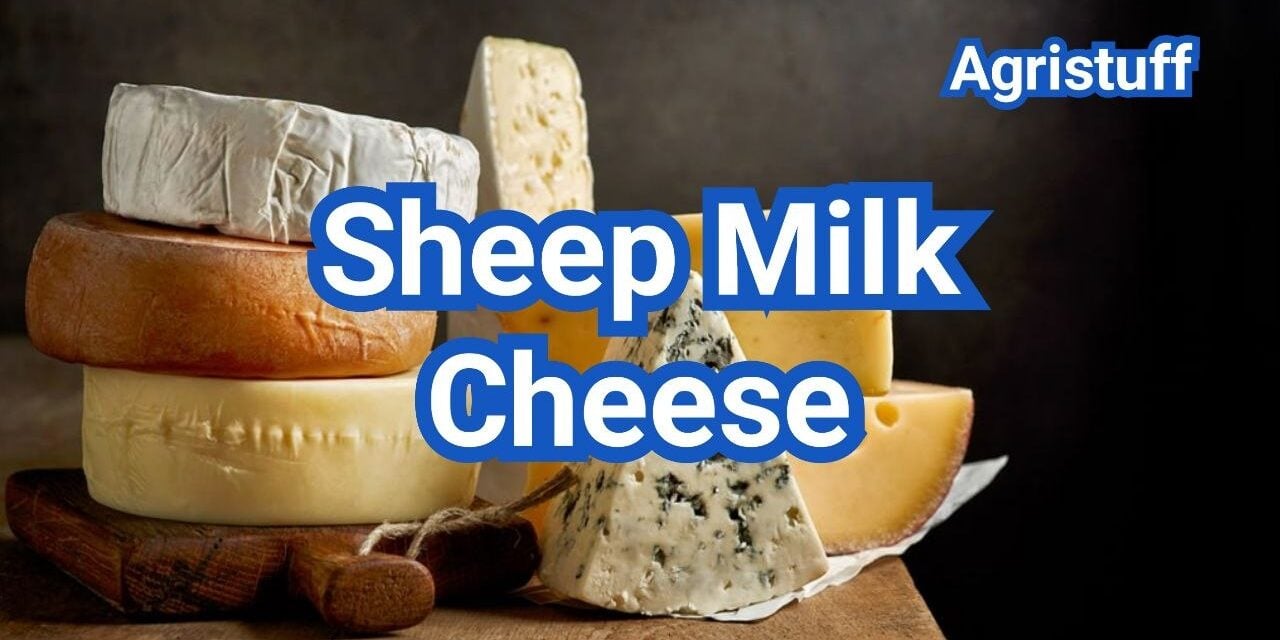
Discovering the world of ovinine dairy products offers a unique culinary journey for any food enthusiast. This comprehensive guide serves as your ultimate resource for understanding these distinct artisanal wedges. We explore the rich flavor profiles, nutritional advantages, and the most popular varieties currently available in the U.S. market.
Whether you are searching for an aged selection or a soft, creamy spread, this article provides essential details to elevate your next platter. From comparing Manchego vs Pecorino Romano to finding the best options at your local grocer, we cover everything you need to know about 10 types of premium curd varieties. Learn why these healthy, nutrient-dense items are becoming a staple for every sophisticated board.
Key Takeaways
- Ovinine products offer a distinct, rich flavor profile compared to bovine or caprine alternatives.
- These items are often easier to digest and packed with essential vitamins and minerals.
- Popular varieties like Manchego and Pecorino Romano are widely available in the U.S.
- Aged selections provide a sharp, complex taste perfect for gourmet boards.
- Soft, creamy versions offer a mild experience suitable for diverse pairings.
- You can find high-quality options at major retailers like Costco and Trader Joe’s.
Understanding the Unique Qualities of Sheep Milk Cheese
The distinct characteristics of sheep milk make it a cornerstone of high-quality, traditional cheesemaking. Artisanal cheese enthusiasts often seek out these products for their depth and complexity. About sheep milk cheese, it is important to note that the process relies on centuries of tradition and specific biological advantages.
What is sheep milk cheese?
At its core, sheep milk cheese is a dairy product crafted from the milk of ewes. While cow milk is the most common global standard, cheese made from sheep milk offers a much higher concentration of solids. This results in a product that is naturally richer and more robust in flavor.
Many types of cheese made from sheep milk are aged to perfection, allowing their unique profiles to develop over time. Whether you are looking for a creamy spread or a hard, crystalline wedge, the variety available is vast. What is sheep’s cheese? It is essentially a concentrated form of nutrition and flavor that has been a staple in Mediterranean diets for millennia.
Characteristics of milk from sheep
The biological profile of sheeps milk is significantly different from that of other livestock. Sheep possess only two teats and produce a much smaller volume of milk compared to cows. This scarcity makes the final product more exclusive and valuable.
What are the characteristics of sheep milk cheese? The milk itself contains higher levels of fat, protein, and essential minerals. These components contribute to the luxurious mouthfeel and complex taste that define high-quality sheep milk cheeses.
| Milk Source | Fat Content | Protein Content | Mineral Density |
|---|---|---|---|
| Sheep | High | High | High |
| Cow | Moderate | Moderate | Moderate |
| Goat | Moderate | Moderate | Low |
Why sheep milk is prized for artisanal cheese
Cheesemakers prize sheep milk because it provides a superior canvas for aging. The sheep milk cheese taste is often described as sweet, nutty, and slightly tangy, which appeals to a wide range of palates. Because of the high fat content, these cheeses from sheep milk maintain a smooth texture even after long periods of maturation.
When you choose a cheese with sheeps milk, you are selecting a product that reflects the terroir and the care of the producer. This dedication to quality is why artisanal cheese made from sheep milk remains a top choice for connoisseurs. It transforms a simple board into a sophisticated culinary experience.
Nutritional Benefits and Health Profile

When evaluating the health benefits of various dairy products, sheep milk cheese stands out for its unique composition. Many health-conscious individuals are turning to this artisanal option for its impressive nutrient density and distinct flavor profile. Understanding the science behind sheep milk cheese nutrition helps clarify its role in a balanced lifestyle.
Is sheep milk cheese healthy?
The short answer is yes, as it offers a concentrated source of essential nutrients that support overall wellness. Because sheep milk is naturally higher in solids than cow or goat milk, the resulting cheese is packed with more goodness per ounce. This makes it a valuable addition for those looking to maximize their intake of high-quality nutrients.
Protein and fat content analysis
One of the primary sheep milk cheese benefits is its high protein content. These proteins are often easier for the body to process compared to those found in other common dairy sources. Furthermore, the fat globules in sheep milk are smaller, which can contribute to a smoother texture and potentially better digestibility for some consumers.
Vitamins and minerals in sheep milk
Beyond macronutrients, sheep milk is a powerhouse of essential vitamins and minerals. It is particularly rich in calcium, which is vital for maintaining strong bones and teeth. Additionally, it contains significant levels of Vitamin A, Vitamin B12, and riboflavin, all of which play a key role in metabolic health.
| Nutrient | Sheep Milk Cheese | Cow Milk Cheese |
|---|---|---|
| Protein | High | Moderate |
| Calcium | Excellent | Good |
| Fat Globules | Small | Large |
| Vitamin A | High | Moderate |
By choosing sheep milk cheese, you are opting for a product that provides a dense source of energy and vital micronutrients. Whether you enjoy it as a snack or part of a meal, it remains a smart choice for those prioritizing quality nutrition.
Sheep Milk Cheese vs Goat Cheese: Key Differences
Understanding the nuances of sheep milk cheese vs goat milk cheese is essential for any enthusiast looking to build a perfect cheese board. While both are popular non-bovine options, they possess unique characteristics that define their roles in the kitchen. Many consumers often confuse these two, yet they offer distinct culinary experiences that cater to different palates.
Comparing flavor intensity
The primary difference lies in the flavor profile. Sheep milk cheese typically offers a more mellow, buttery, and rich profile that lingers on the tongue. In contrast, goat cheese is widely recognized for its signature sharp, acidic tang.
“The richness of sheep milk provides a velvety foundation that balances perfectly with bolder ingredients, whereas goat milk brings a bright, citrus-like acidity to the table.”
When comparing sheep and goat cheese, consider these general characteristics:
- Sheep milk cheese: Nutty, sweet, and complex.
- Goat cheese: Tangy, earthy, and bright.
Texture variations between sheep and goat milk
Texture is another area where goat and sheep milk cheese diverge significantly. Sheep milk produces a denser, creamier curd, which is ideal for aging into firm, sliceable wheels. Goat milk, however, often results in a crumbly or spreadable texture that is perfect for fresh applications.
| Feature | Sheep Milk Cheese | Goat Cheese |
|---|---|---|
| Primary Flavor | Buttery/Sweet | Sharp/Tangy |
| Common Texture | Dense/Creamy | Crumbly/Spreadable |
| Aging Potential | High | Low to Moderate |
Digestibility and lactose considerations
There is a common misconception that goat sheep cheese is a lactose-free alternative for those with sensitivities. It is important to note that sheep milk contains approximately 4.8% lactose, which is similar to cow milk. Therefore, it is not a lactose-free product.
If you are choosing goat sheep milk cheese for dietary reasons, always check the label carefully. While some individuals find these varieties easier to digest due to different protein structures, they are not suitable for those with severe lactose intolerance. Always prioritize your specific health needs when selecting your next specialty cheese.
Flavor Profiles and Textures of Sheep Milk Cheeses

Exploring the diverse range of sheep milk cheese reveals how aging and production methods shape the final product. The textures of sheep milk cheeses vary significantly, influenced by the moisture content and the duration of the maturation process. By examining these factors, enthusiasts can better appreciate the complex profile of high-quality sheep milk.
Defining sharply defined flavors
The sheep milk cheese flavor profile is often described as more intense than that of cow or goat milk varieties. As these cheeses mature, they develop sharply defined flavors that transition from mild, milky sweetness to deep, nutty, and savory notes. This evolution is a hallmark of the aging process, which concentrates the natural fats and proteins found in the milk.
From soft sheep milk cheese to aged varieties
The texture of these products spans a wide spectrum, catering to various culinary preferences. Consumers can find everything from a delicate soft sheep milk cheese to a robust hard sheep milk cheese that crumbles perfectly over dishes.
- Soft sheep cheese: Often spreadable with a creamy, buttery mouthfeel.
- Semi hard sheep’s milk cheese: Offers a balance of elasticity and firmness, ideal for slicing.
- Aged sheep milk cheese: Characterized by a crystalline, firm texture and a concentrated, bold taste.
The role of the extract of a local variety of thistle in coagulation
A fascinating aspect of traditional production involves the extract of a local variety of thistle as a natural coagulant. This ancient technique is primarily found in specific Mediterranean regions and imparts a unique, slightly bitter, and herbal complexity to the final product. Using this botanical agent instead of standard rennet creates a distinct curd structure that defines the character of many regional specialties.
How to Select the Best Sheep Milk Cheese for Your Board
Curating the perfect selection of sheep milk cheese requires a keen eye for quality and a passion for flavor. Whether you are hosting a formal dinner or a casual gathering, the best sheep milk cheese serves as the centerpiece of any culinary presentation. By focusing on texture and flavor balance, you can create a spread that truly impresses your guests.
Identifying quality in specialty cheeses
When shopping for specialty cheeses, look for signs of careful craftsmanship. A high-quality wheel should have a consistent rind and a pleasant, clean aroma that reflects the milk’s origin. Avoid products that appear overly dry or have cracks, as these can indicate improper storage or age.
Always check the label for simple, natural ingredients. Authentic, high-quality options typically contain only milk, salt, rennet, and starter cultures. This purity ensures that the unique, creamy profile of the sheep milk shines through in every bite.
Pairing with fresh fruit and accompaniments
The secret to the best cheese boards lies in the harmony between the cheese and its partners. Sheep milk varieties often possess a rich, buttery profile that pairs beautifully with fresh fruit like sliced pears, figs, or crisp apples. The natural sweetness of the fruit cuts through the savory intensity of the cheese, creating a balanced experience.
Consider adding crunchy elements like toasted walnuts or Marcona almonds to provide a satisfying contrast in texture. A drizzle of high-quality honey or a dollop of fig jam can also elevate the tasting experience. These additions help highlight the complex notes found in aged sheep milk varieties.
Tips for choosing farm-to-table cheese
Sourcing farm-to-table cheese ensures that you are getting the freshest product possible. Look for small batch cheese producers who prioritize animal welfare and traditional production methods. These smaller operations often provide a level of depth and character that mass-produced options simply cannot match.
When building your sheep milk cheese for cheese boards, prioritize variety to keep the palate engaged. Use the following table to help guide your selection process for your next event:
| Cheese Type | Texture | Flavor Profile | Best Pairing |
|---|---|---|---|
| Young Manchego | Semi-soft | Mild, buttery | Quince paste |
| Aged Pecorino | Hard, crumbly | Sharp, salty | Fresh grapes |
| Sheep’s Milk Feta | Creamy, crumbly | Tangy, bright | Olives and bread |
| Blue Sheep Cheese | Creamy, spreadable | Pungent, bold | Dried apricots |
Essential Spanish Sheep Milk Cheeses to Know

Exploring the world of Spanish sheep milk cheese reveals a deep history of artisanal craftsmanship. These popular sheep milk cheeses are celebrated globally for their distinct textures and complex flavor profiles. By examining these regional staples, you can better appreciate the dedication required to produce high-quality Spanish sheep cheese.
Manchego: Manchego Curado vs Manchego Viejo
The most famous variety is undoubtedly Manchego cheese, which originates from the La Mancha region. When selecting this Manchego sheep cheese, you will often encounter different aging stages. Manchego Curado is aged for three to six months, offering a balanced, buttery flavor that is accessible to most palates.
In contrast, Manchego Viejo is a Manchego cheese aged for over a year. This process results in a much firmer texture and a sharp, intense flavor profile. While some compare the intensity of Manchego vs Pecorino Romano, the Spanish variety tends to be slightly creamier and less salty than its Italian counterpart.
Idiazabal cheese and its smoky profile
Hailing from the Basque Country and Navarre, Idiazabal cheese is a true gem among sheep cheese types. This cheese is traditionally made from the raw milk of Latxa or Carranzana sheep. Its most defining characteristic is a distinct, delicate smoky flavor, often achieved by aging the cheese in wooden huts.
The cheese Idiazabal offers a firm, compact texture that pairs beautifully with dry ciders or bold red wines. It remains a staple for those who enjoy a savory, rustic experience. This variety highlights the unique traditions found in northern Spain.
Queso Roncal and its historical significance
Queso Roncal holds the distinction of being the first cheese to receive the Denomination of Origin status in Spain. Produced in the Roncal Valley, this Roncal cheese is crafted using traditional methods that have remained largely unchanged for centuries. It is a hard, buttery cheese with a piquant finish that lingers on the palate.
The historical significance of this cheese is tied to the seasonal migration of sheep, known as transhumance. Because it is made during the winter months, it carries a unique depth of flavor. It serves as a perfect example of how geography and history shape the character of Manchego sheep and other regional varieties.
| Cheese Variety | Aging Period | Flavor Profile |
|---|---|---|
| Manchego Curado | 3-6 Months | Buttery and Mild |
| Manchego Viejo | 12+ Months | Sharp and Intense |
| Idiazabal | 2-10 Months | Smoky and Nutty |
| Queso Roncal | 4+ Months | Piquant and Buttery |
Italian Ewes Milk Cheese Varieties
From the rolling hills of Tuscany to the rugged pastures of Sardinia, Italian ewes milk cheese offers a diverse range of flavors that define Mediterranean culinary heritage. These products rely on the rich, high-fat content of sheep milk to create textures ranging from creamy and soft to hard and crystalline. Whether you are looking for a sharp grating cheese or a mild table variety, the tradition of Italian sheep milk cheese provides endless options for the discerning palate.
Pecorino Romano vs Pecorino Toscano
The most famous category of Italian cheese from sheep’s milk is undoubtedly Pecorino cheese. Pecorino Romano is a historic, salty, and firm cheese that is primarily used for grating over pasta dishes. In contrast, Pecorino Toscano cheese is often aged for a shorter period, resulting in a milder, nuttier profile that is perfect for serving on a cheese board.
While both are iconic popular sheep milk cheeses, their aging processes dictate their final use. Pecorino Romano undergoes a longer maturation, which intensifies its sharp, savory bite. Pecorino Toscano remains more approachable, making it a favorite for those who prefer a balanced ewe cheese experience.
Fiore Sardo and Pecorino Sardo
Sardinia is a powerhouse for Sardinian sheep milk cheese production, offering unique varieties like Fiore Sardo. This cheese is traditionally smoked, which imparts a complex, earthy aroma that stands out among other Italian sheep cheese types. Pecorino Sardo, on the other hand, is available in both young and mature versions, providing a versatile option for various culinary applications.
“The secret to the excellence of Italian dairy lies in the ancient bond between the shepherd, the land, and the specific breed of sheep that graze upon the wild herbs of the hills.”
Crotonese and Pecorino Siciliano
Crotonese cheese originates from Calabria and is prized for its distinct, slightly spicy finish. It is often made using a blend of milk, though the sheep milk component remains the star of the show. Pecorino Siciliano is another regional gem, known for its historical significance and its robust, peppery notes that develop during the aging process.
Beyond these hard varieties, sheep milk ricotta serves as a staple in Italian kitchens. This ricotta cheese sheep milk product is incredibly creamy and light, making it ideal for both sweet desserts and savory fillings. Whether you choose a firm Italian cheese pecorino or a fresh sheep ricotta, the quality of these products is unmatched.
| Cheese Variety | Texture | Flavor Profile |
|---|---|---|
| Pecorino Romano | Hard/Granular | Sharp, Salty |
| Pecorino Toscano | Semi-firm | Mild, Nutty |
| Fiore Sardo | Firm | Smoky, Earthy |
| Pecorino Siciliano | Hard | Robust, Peppery |
French Sheep Milk Cheese Selections

Exploring the world of French sheep milk cheese reveals a landscape of rich, creamy, and sophisticated flavors. France is renowned for its long-standing traditions in dairy production, which result in some of the most popular sheep milk cheeses available today. These varieties range from firm, nutty wheels to soft, decadent spreads that pair beautifully with wine and fruit.
Istara P Tit Basque cheese
The Istara P Tit Basque cheese is a standout selection for those who enjoy a semi-hard texture. This Petit Basque cheese is crafted in the Pyrenees region, where the sheep graze on lush, mountainous pastures. It offers a delicate, nutty flavor profile that makes it a versatile addition to any charcuterie board.
Valbreso French feta cheese
Many home cooks consider Valbreso French feta cheese a kitchen staple due to its exceptional creaminess. Unlike some drier varieties, this sheep’s milk feta maintains a smooth consistency that crumbles perfectly over salads or roasted vegetables. Choosing Valbreso feta ensures a high-quality, authentic experience that elevates simple dishes into gourmet meals.
Abbaye de Belloc and Brebirousse
For those seeking unique textures, Abbaye de Belloc cheese provides a rich, monastic tradition with its firm yet buttery paste. In contrast, Brebirousse cheese is celebrated for its soft, bloomy rind and incredibly creamy interior. These selections highlight the incredible diversity found within the category of French sheep cheese.
| Cheese Variety | Texture | Flavor Profile |
|---|---|---|
| Istara P Tit Basque | Semi-hard | Nutty and mild |
| Valbreso Feta | Creamy/Crumbly | Tangy and salty |
| Abbaye de Belloc | Firm | Buttery and rich |
| Brebirousse | Soft | Decadent and earthy |
Other Notable Global Sheep Milk Varieties
Beyond the well-known European classics, the world of sheep milk cheese offers a vast landscape of hidden gems waiting to be discovered. Exploring these diverse options allows enthusiasts to expand their knowledge and find the best sheep’s milk cheeses in the world. Whether you prefer sharp, aged wheels or creamy, mild wedges, there is a sheep cheese name for every palate.
Greek specialties: Graviera Kritis and Kalathaki Limnou
Greece boasts a rich history of cheesemaking that extends far beyond feta. Graviera Kritis is a firm, golden cheese with a sweet, nutty profile that ranks among the must-try types of sheep cheese. Another standout is Kalathaki Limnou, a brined cheese traditionally aged in small wicker baskets, which gives it a unique shape and a delicate, tangy flavor.
Portuguese favorites: Queijo de Azeitão and Queijo Serpa
Portugal produces some of the most distinct sheep cheese types found on the Iberian Peninsula. Queijo de Azeitão is famous for its buttery, spreadable texture and intense, slightly acidic finish. Similarly, Queijo Serpa is a prized variety that benefits from a long aging process, resulting in a complex, robust character that is highly sought after by connoisseurs.
Cypress Grove Lamb Chopper and other U.S. innovations
The United States has made significant strides in the craft of lamb milk cheese production. The Cypress Grove Lamb Chopper is a standout lamb chopper sheep cheese that features a smooth, buttery texture and a mild, approachable flavor profile. This innovation proves that American creameries can compete with the top 100 sheep’s milk cheeses in the world by blending traditional techniques with modern creativity.
| Cheese Name | Origin | Texture | Flavor Profile |
|---|---|---|---|
| Graviera Kritis | Greece | Firm | Sweet and Nutty |
| Queijo de Azeitão | Portugal | Creamy | Tangy and Rich |
| Lamb Chopper | USA | Semi-Hard | Buttery and Mild |
| Queijo Serpa | Portugal | Semi-Soft | Complex and Robust |
Where to Buy Sheep Milk Cheese in the U.S.

The landscape for purchasing authentic sheep milk cheese in the U.S. has expanded significantly in recent years. While these products were once considered rare imports, they are now accessible through a variety of retail channels. Whether you are looking for a daily staple or a gourmet addition to a board, knowing where to shop is the first step.
Finding sheep milk cheese at Costco
Many shoppers are surprised to find high-quality sheep milk cheese Costco locations across the country. The retailer often stocks large wheels of imported Manchego or Pecorino at competitive price points. Because their inventory rotates frequently, it is wise to check the specialty aisle during holiday seasons when they expand their selection of premium imports.
What to look for at Trader Joe’s
If you are searching for sheep milk cheese Trader Joe’s is an excellent destination for affordable, high-quality options. They frequently carry private-label versions of popular varieties that are perfect for everyday snacking. Look for their seasonal releases, which often feature unique flavor profiles that are hard to find elsewhere at such a reasonable price.
Sourcing raw sheep milk cheese from specialty shops
For those who want to buy sheep milk products with specific aging requirements, dedicated cheese mongers are the best resource. These specialty cheeses shops provide access to raw sheep milk cheese that may not be available in standard grocery stores. When you purchase raw sheep cheese from a professional, you gain access to expert advice on storage and pairing.
It is important to note that raw sheep milk products must meet strict safety regulations in the United States. Reputable shops ensure that all imported or domestic raw items are handled with the utmost care. By visiting a local creamery or a high-end deli, you can ensure you are getting the most authentic experience possible for your sheep milk cheese in usa collection.
How to Store and Serve Sheep Milk Cheese

Elevating your cheese board experience starts with understanding how to store and serve sheep milk cheese correctly. Proper handling ensures that the delicate balance of fats and proteins remains intact until the moment you are ready to enjoy it. By following a few simple guidelines, you can preserve the integrity of these artisanal products.
Proper temperature for serving
Serving your cheese at the right temperature is essential for unlocking its full flavor profile. You should remove your sheep milk selections from the refrigerator at least 30 to 60 minutes before serving. This allows the cheese to reach room temperature, which softens the fats and releases complex aromatic compounds.
If served too cold, the nuances of the milk may remain muted and hidden. Allowing the cheese to breathe ensures that every bite delivers the intended sensory experience. This simple step makes a significant difference in the overall enjoyment of your board.
Storage techniques to maintain freshness
Maintaining the quality of your cheese requires a balance between airflow and moisture retention. You should avoid wrapping your cheese tightly in plastic wrap, as this can cause it to sweat and develop off-flavors. Instead, use specialized cheese storage bags or wax paper to allow the product to breathe without drying out.
Keep your cheese in the vegetable crisper drawer of your refrigerator, where the temperature is most stable. This environment protects the textures of sheep milk cheeses from fluctuating humidity levels. Proper storage will keep your cheese fresh for several days after opening.
Cutting techniques for different textures
The way you slice your cheese can influence how it tastes and how it is perceived by your guests. For firm or aged varieties, use a sharp knife to create thin, elegant shavings or small wedges. This approach highlights the crystalline structure often found in mature sheep milk cheese.
For softer, creamier varieties, a wire cheese slicer or a duller blade works best to prevent the cheese from sticking. Always ensure that each piece includes a portion of the rind if it is edible, as this adds depth to the flavor. Mastering these textures of sheep milk cheeses ensures that your presentation is as professional as it is delicious.
| Cheese Type | Serving Temp | Storage Method | Cutting Tool |
|---|---|---|---|
| Hard/Aged | 68°F – 72°F | Wax Paper | Cheese Plane |
| Semi-Firm | 65°F – 70°F | Cheese Bag | Chef’s Knife |
| Soft/Creamy | 60°F – 65°F | Parchment Paper | Wire Slicer |
Step-by-Step Guide to Creating the Perfect Sheep Milk Cheese Board

Elevating your next gathering starts with the thoughtful assembly of a curated sheep milk cheese board. By focusing on variety and presentation, you can create a centerpiece that delights your guests and highlights the unique qualities of high-quality dairy. Follow this guide to ensure your selection stands out as one of the best cheese boards you have ever served.
Step 1: Selecting a variety of textures
To provide a dynamic tasting experience, you must incorporate different types of cheese that offer contrasting mouthfeels. Start with a creamy, spreadable option, then add a semi-hard variety, and finish with a firm, aged selection. These textures of sheep milk cheeses ensure that every bite feels distinct and exciting.
Step 2: Balancing flavor profiles
A successful board relies on a spectrum of tastes ranging from mild and buttery to bold and piquant. Include a younger, milder sheep milk cheese to appeal to all palates, alongside a robust, aged variety for those who prefer intensity. This balance prevents the stronger flavors from overwhelming the more delicate options on your platter.
Step 3: Choosing the right accompaniments
The right pairings act as a bridge between the richness of the dairy and the palate. Incorporate fresh fruit like grapes, figs, or sliced pears to provide a natural sweetness that cuts through the fat. Additionally, include crunchy elements like toasted walnuts or artisanal crackers to add a necessary textural contrast to the creamy sheep milk selections.
Step 4: Arranging for visual appeal
Visual presentation is just as important as the taste of your sheep milk cheese. Start by placing your larger cheese wedges on the board first, then fill the gaps with your fresh fruit and nuts. Use a variety of colors and shapes to create an inviting display that encourages guests to explore the different flavors available.
At The End of: Sheep Milk Cheese Guide
Exploring the world of sheep milk cheese reveals a rich landscape of tradition and flavor. Every bite offers a unique experience that highlights the quality of artisanal dairy production.
You now possess the tools to navigate the diverse options available at your local market. Using our comprehensive sheep milk cheese list helps you identify the perfect pairing for your next gathering. Whether you prefer a sharp, aged wedge or a creamy, mild wheel, the best sheep milk cheese awaits your discovery.
Selecting high-quality cheese made from sheep milk transforms a simple snack into a gourmet event. We encourage you to experiment with different textures and origins to refine your palate. This list of sheep milk cheeses serves as a reliable roadmap for your future tasting adventures.
Share your favorite finds with friends to spread the joy of these exceptional products. Your next cheese board will surely impress guests with these sophisticated selections. Enjoy the process of tasting and learning about these timeless dairy treasures.
FAQ
Does Sheep Milk Cheese usually taste stronger than cow’s milk cheese?
Sheep Milk Cheese often tastes richer and more concentrated, but “stronger” depends on age and style more than milk type alone. A young Manchego or mild Ossau-Iraty can feel very approachable, while long-aged pecorino or blue Roquefort will taste much more intense. MSU Extension overview
Is Sheep Milk Cheese always made from 100 percent ewe’s milk?
Sheep Milk Cheese is often made entirely from ewe’s milk, but some protected traditional cheeses work differently, with feta being the most common example American shoppers recognize. That is why ingredient lists and protected-origin rules matter if purity of milk source is part of your buying decision. Authentic Feta PDO information
Is Sheep Milk Cheese good for melting?
Sheep Milk Cheese can melt beautifully in some styles, but not every variety behaves the same way in a skillet or oven. Fresh and medium-aged styles are usually more flexible for melting applications, while drier long-aged cheeses often shine more as grated finishing cheeses than as stretchy melt cheeses. Cornell production resources
Is Sheep Milk Cheese lower in lactose?
Sheep Milk Cheese may be lower in lactose when it is aged and firm, but fresh styles should not be treated as automatically equivalent. If lactose is a personal concern, choose aged varieties first, try modest portions, and pay attention to your own tolerance because style matters as much as animal source. Penn State cheese trends
Can Sheep Milk Cheese category grow in the U.S. market?
Sheep Milk Cheese has room to grow in America because specialty dairy demand, artisan branding, and value-added farm models continue to create opportunities for differentiated products. Even so, the category remains constrained by flock size, processing capacity, and the slower economics of small-scale milk supply, so growth is usually steady and premium-driven rather than mass-market and fast-moving. SARE sheep milk initiative
What defines the unique sheep milk cheese taste compared to cow or goat varieties?
Because sheep produce a smaller volume of milk with significantly higher concentrations of butterfat, solids, and minerals, sheep milk cheese typically has a much richer, creamier, and more buttery profile. While goat cheese is known for its sharp tang and cow cheese for its mildness, sheep cheese offers sharply defined flavors that range from sweet and nutty to savory and piquant.
Is sheep milk cheese healthy for those with dietary restrictions?
Many people ask, is sheep milk cheese healthy, and the answer is generally yes. It is packed with essential vitamins and minerals, including higher levels of calcium and vitamin B12 than cow’s milk. Regarding sheep milk cheese nutrition, it contains high-quality protein and beneficial fatty acids. However, it is important to note that it contains approximately 4.8% lactose, so it is not a lactose-free alternative, though some find the smaller fat globules easier to digest.
What are the main differences between sheep milk cheese vs goat cheese?
The primary differences lie in the flavor intensity and texture. Sheep milk cheese types tend to be more mellow, rich, and oily due to the high fat content, whereas goat cheese is leaner with a signature “funky” or acidic acidity. In terms of texture, sheep milk produces everything from soft sheep milk cheese to hard, aged sheep milk cheese, while goat milk is most famous for its fresh, spreadable logs.
What is the difference between Manchego Curado and Manchego Viejo?
In the world of Spanish sheep cheese, aging is everything. Manchego Curado is aged for 3 to 6 months, resulting in a semi-firm texture and a mild, nutty flavor. Manchego Viejo is aged for a year or longer, becoming much firmer, crumbly, and developing a more intense, piquant flavor profile that is highly prized on best cheese boards.
How do Pecorino Romano and Pecorino Toscano differ?
While both are iconic Italian ewes milk cheese varieties, Pecorino Romano is significantly saltier and harder, traditionally used as a grating cheese for pasta. Pecorino Toscano is milder and often produced as a semi hard sheep’s milk cheese, making it a perfect “table cheese” to be enjoyed on its own with honey or fruit.
What are some popular French sheep milk cheeses I should look for?
France produces world-class brebis cheese. Key selections include Istara P Tit Basque cheese, which is smooth and mild, and Valbreso French feta cheese, which is known for being much creamier and less “briny” than traditional Greek feta. For a unique experience, try the Brebirousse cheese, a luscious, orange-rinded soft sheep cheese.
Which sheep milk cheese brands are available in the U.S.?
You can find a wide variety of sheep milk cheese in the u.s. at major retailers. If you are shopping for sheep milk cheese costco, they often carry large wedges of Manchego or Kirkland Signature Pecorino Romano. For more artisanal finds, sheep milk cheese trader joe’s frequently stocks Cypress Grove Lamb Chopper, a buttery sheep cheese from Holland, or Istara Petit Basque.
What is the significance of thistle extract in sheep cheese production?
In certain traditional varieties like Queijo de Azeitão or Queijo Serra da Estrela from Portugal, an extract of a local variety of thistle is used as a vegetarian rennet. This process gives the cheese a distinctively floral, slightly bitter undertone and contributes to a “pudding-like” texture in younger wheels.
What are the best sheep milk cheeses for a cheese board?
For a diverse board, include a mix of textures. Start with a hard aged sheep milk cheese like Idiazabal cheese (which has a lovely smoky profile), a semi-firm option like Lamb Chopper sheep cheese, and a creamy element like sheep milk ricotta or a wedge of Valbreso feta. This provides a range of popular sheep milk cheeses that appeal to different palates.
How should I store and serve sheep milk cheese to maintain its quality?
Sheep milk cheese should be served at room temperature to allow the fats to soften and the sheep milk tastes to fully develop. To store it, avoid plastic wrap which can suffocate the cheese; instead, use parchment paper or specialized cheese storage bags. This allows the artisanal cheese to breathe while preventing it from drying out.
Can I buy raw sheep milk cheese in the USA?
Yes, raw sheep milk cheese is available in the U.S., provided it has been aged for at least 60 days according to FDA regulations. Many of the finest Spanish sheep cheese and Italian sheep cheese imports, such as Roquefort or Fiore Sardo, are made from raw sheep milk, which many enthusiasts believe preserves the complex flavors of the pasture.
Conclusion of: Sheep Milk Cheese List
Sheep Milk Cheese stands out in the U.S. specialty dairy market because it usually delivers more flavor, a creamier body, and a more concentrated nutrient profile than many everyday cheeses. For American shoppers, that means one category can cover everything from mild snack boards to bold grating cheeses and luxurious dessert or appetizer options depending on age, style, and origin.
Sheep Milk Cheese is also worth knowing because it is not a single taste or texture but a broad family of cheeses shaped by breed, pasture, salt, aging, and cheesemaking tradition. A firm Spanish wheel, a sharp Italian grating cheese, and a creamy Portuguese mountain cheese may all start with ewe’s milk yet feel completely different on the plate. PubMed review on sheep milk
What is sheep milk cheese?
Sheep Milk Cheese is any cheese made entirely from ewe’s milk or, in some traditional cases, mostly from ewe’s milk with tightly regulated additions from another milk source. What makes this category special is that sheep milk naturally contains high levels of milk solids, which helps cheesemakers create cheeses with rich texture, strong body, and efficient yield from relatively small volumes of milk. Cornell Small Ruminant Dairying
Sheep Milk Cheese can also matter from a U.S. labeling point of view because federal cheese standards often define “milk” broadly enough to include cow, goat, or sheep milk in certain cheese categories. That does not mean every cheese on a U.S. shelf is traditional or protected by European rules, so shoppers who want an authentic style should read the ingredient statement, country of origin, and any PDO or DOP indication carefully. 21 CFR hard cheese standard
What does this category usually taste like?
Sheep Milk Cheese often tastes fuller and more rounded than many cow’s milk cheeses, with notes that can range from buttery, nutty, and sweet to grassy, savory, tangy, or even lightly lanolin-like in stronger styles. That broad flavor range comes from the milk itself, which is compositionally dense and well suited to both delicate young cheeses and assertive long-aged cheeses. NIH article on milk composition
Sheep Milk Cheese changes dramatically with age, which is why a young wheel may feel supple and mellow while an older one becomes firmer, saltier, and better for shaving or grating. For U.S. buyers, the most practical rule is simple: choose fresh or lightly aged styles for spreading and snacking, medium-aged styles for cheese boards and sandwiches, and heavily aged styles for pasta, salads, or finishing soups. Wiley reference on sheep milk composition
Sheep milk cheese nutrition at a glance
Sheep Milk Cheese is usually nutrient-dense because ewe’s milk is naturally rich in fat, protein, calcium, and several vitamins and minerals. That concentration is one reason these cheeses often feel satisfying in small portions, but it also means serving size matters for people watching sodium, calories, or saturated fat, especially with hard aged varieties. USDA nutrient database
Sheep Milk Cheese may be easier for some people to enjoy than fluid milk, but that does not mean every variety is automatically low in lactose or suitable for every digestive need. In general, many aged cheeses are lower in lactose than fresh dairy products, while fresh, moist cheeses can retain more, so the best approach is to judge by style and portion rather than assuming one label fits the entire category. NIDDK lactose guidance
Sheep milk cheese list: popular types to know
Sheep Milk Cheese becomes easier to understand when you start with Manchego, the famous Spanish cheese from La Mancha made from Manchega sheep milk under PDO rules. In the U.S. market, authentic Manchego is a dependable choice when you want a firm cheese with buttery, nutty, slightly tangy flavor that works well on snack boards, in sandwiches, or sliced with fruit and cured meats. Official Manchego PDO site
Sheep Milk Cheese reaches a much saltier, sharper profile in Pecorino Romano, a classic Italian hard cheese best known in American kitchens for grating. This is the kind of wheel to buy when your goal is punchy flavor for pasta, roasted vegetables, beans, or Caesar-style applications, because it is less about gentle snacking and more about delivering concentrated savory impact. Pecorino Romano official site
Sheep Milk Cheese can also be more balanced and approachable, and Pecorino Toscano is a good example of that gentler side. Compared with more aggressive pecorino styles, this Tuscan cheese is often milder and more rounded, making it a smart entry point for U.S. readers who want the richness of ewe’s milk without the salty intensity that can dominate other aged Italian sheep cheeses. Pecorino Toscano PDO
Sheep Milk Cheese turns unmistakably bold in Roquefort, the famous French blue made from raw ewe’s milk and matured in the caves of Roquefort-sur-Soulzon under PDO rules. For an American cheese board, this is the pick when you want creamy texture, blue mold complexity, and a mix of salty, tangy, earthy, and sweet notes that pair well with pears, walnuts, or a drizzle of honey. Roquefort official site
Sheep Milk Cheese takes on a smoother mountain style in Ossau-Iraty, a traditional cheese from the French Pyrenees that usually tastes nutty, mellow, and pastoral rather than aggressively sharp. If you want something elegant for slicing with apples, quince paste, or country bread, this is often one of the safest and most versatile sheep cheeses to start with because it is flavorful without being abrasive. Ossau-Iraty PDO profile
Sheep Milk Cheese shows a more rustic and sometimes smoky face in Idiazabal, a Basque cheese traditionally made from raw milk of Latxa or Carranzana sheep. In U.S. specialty shops, this is a great option for readers who like firm texture and want a cheese that can move from nutty and buttery into smoky, woodsy territory without becoming as salty as a grating pecorino. Idiazabal official site
Sheep Milk Cheese becomes even more old-world in Fiore Sardo, a Sardinian raw hard cheese that is traditionally smoked and aged. This is not the best first purchase for someone seeking a mild board cheese, but it is an excellent choice for cooks and serious cheese lovers who want deeper rustic notes, firmer paste, and a more intense expression of Mediterranean sheep dairying. Fiore Sardo PDO profile
Sheep Milk Cheese is not limited to hard wheels, and Ricotta Romana proves that by offering a fresh whey cheese made from sheep milk whey in Lazio. For U.S. kitchens, this is useful when you want a creamy, delicate but still distinctly rich ingredient for toast, pastries, stuffed pasta, desserts, or spoonable savory applications where a long-aged cheese would be too assertive. Ricotta Romana PDO profile
Sheep Milk Cheese reaches a softer, creamier expression in Serra da Estrela, the celebrated Portuguese mountain cheese made from local sheep breeds and known for its rich, spoonable interior when young. If you enjoy washed-rind or soft-ripened cheeses but want a more traditional Iberian sheep-milk experience, this is one of the most memorable styles to spread onto crusty bread rather than cut into neat cubes. Serra da Estrela PDO profile
Sheep Milk Cheese also overlaps with feta, but shoppers should remember that authentic PDO feta is not always 100 percent ewe’s milk because the traditional specification allows goat milk in controlled proportions. That makes feta important in this conversation, yet it should be understood as a closely related style rather than the clearest example for readers who specifically want cheeses made entirely from sheep milk. EU Feta PDO page
How to choose the right Sheep Milk Cheese style for your kitchen
Sheep Milk Cheese is easiest to buy correctly when you match the style to the job instead of chasing the most famous name. Buy fresh or creamy styles when you need spreading or baking softness, choose medium-aged wheels for platters and sandwiches, and reserve very hard, salty cheeses for grating because those stronger styles can overpower crackers, fruit, or simple snacking if used like table cheese. FDA raw milk guidance
Sheep Milk Cheese should also be handled with a little care after purchase because freshness, moisture level, and storage method change the eating experience fast. In most U.S. homes, the best practice is to keep it refrigerated, wrap it so it can breathe without drying out excessively, and bring it closer to room temperature before serving so the aroma and texture open up properly. USDA FoodKeeper guidance
Quick checklist
- Check whether the cheese is 100% sheep milk or a regulated mixed-milk style.
- Decide first whether you want a snack cheese, melting cheese, or grating cheese.
- Read the age statement if one is provided because maturity changes flavor fast.
- Use PDO, DOP, or other protected-origin labels when authenticity matters.
- Expect aged styles to be saltier and more concentrated than fresh ones.
- Buy smaller portions first if you are new to stronger sheep dairy flavors.
- Pair mild styles with fruit and bread, and save sharper styles for cooking.
- Keep fresh cheeses on a shorter timetable than hard aged wheels.
- Ask whether the cheese is pasteurized if safety is a concern in your household.
- Serve slightly cool rather than ice-cold for better texture and aroma.
Common mistakes to avoid
- Buying by fame alone instead of by use; Pecorino Romano is not the right choice for every cheese board.
- Assuming all styles are low in lactose; fresh cheeses can behave differently from aged ones.
- Treating all sheep cheeses as “strong”; some are mild, buttery, and very beginner-friendly.
- Serving straight from the refrigerator; cold temperatures mute flavor and texture.
- Using soft spoonable cheeses where a firm slicing cheese is needed.
- Ignoring salt level when cooking; some aged styles can season a dish by themselves.
- Skipping origin details; protected labels often explain why the flavor is different.
- Overbuying fresh cheese; small quantities are smarter because shelf life is shorter.
Costs and ROI snapshot
Sheep Milk Cheese tends to command premium retail pricing in the United States because the milk is relatively scarce, dairy sheep yield less milk than dairy cows, and most domestic operations remain small or specialized. That premium can support strong value-added returns, but only when producers and retailers sell quality, story, and differentiation rather than trying to compete with commodity cheese on volume alone. American Milksheep Association
Sheep Milk Cheese economics are heavily driven by milk solids, labor, facility needs, and aging strategy, and Cornell resources on small-ruminant dairying repeatedly point farmers toward careful budgeting before they add on-farm cheesemaking. For U.S. operations, the main cost drivers usually include milking equipment, animal health, feed, licensed processing space, food-safety compliance, packaging, cold storage, and the labor required for direct marketing or specialty wholesale relationships. Cornell economics resources
Sheep Milk Cheese can still produce attractive ROI for the right farm model because higher-solids milk supports good cheese yield and specialty positioning, especially when the business pairs cheese with agritourism, farmers markets, tasting events, or branded online sales. The practical lesson for U.S. farms is that success usually comes from niche quality, disciplined scale, and consistent product identity rather than from expanding too fast into a broad commodity market. Wisconsin sheep dairy overview
Final thought
Sheep Milk Cheese is one of the most rewarding cheese categories for U.S. readers who want more than a generic dairy experience, because it offers a rare mix of culinary range, concentrated nutrition, and strong place-based identity. Start with a mild board cheese if you are new, move into sharper aged styles as your palate grows, and let texture, salt level, and intended use guide every purchase. USDA dairy standards
Sources & References
- FDA Interstate Milk Shippers List
- FDA Grade “A” Pasteurized Milk Ordinance
- Penn State Extension Dairy Food Standards
- NIH article on natural bioactive compounds in sheep milk
- Idiazabal Denomination of Origin information
- Pecorino Toscano PDO milk and sheep profile
- Roquefort raw sheep milk overview
- Roquefort PDO dairy profile
- Pecorino Romano consortium
- Fiore Sardo protected food name
- Idiazabal PDO product profile
- American Sheep Industry dairy genetics update