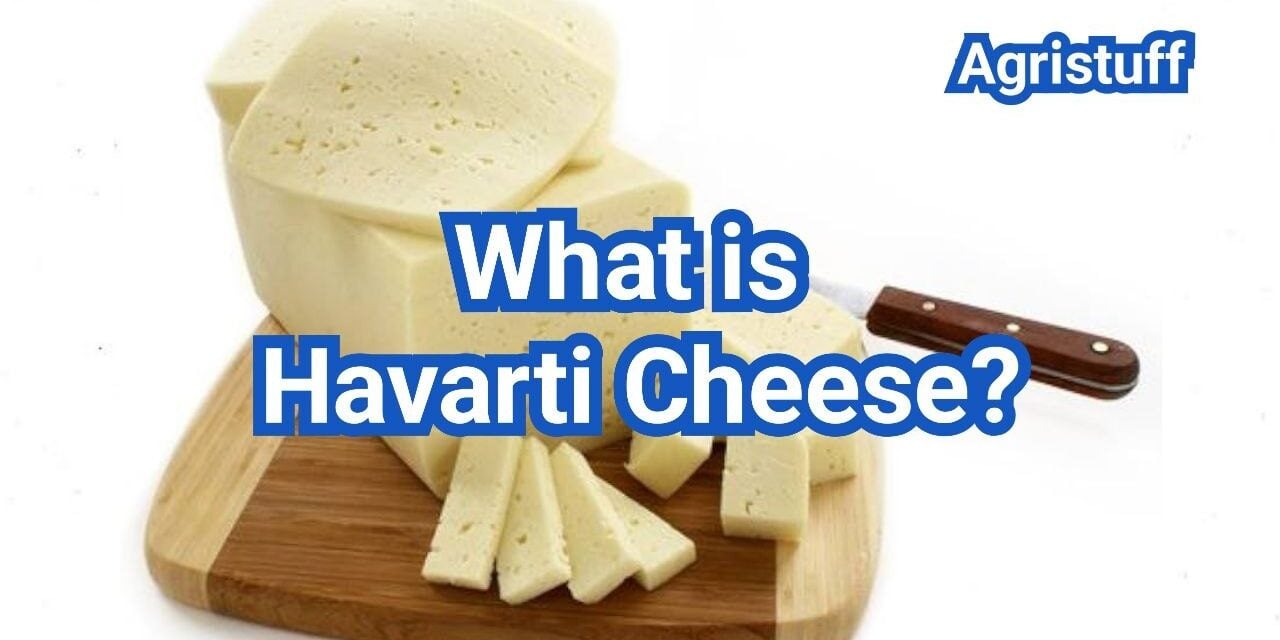
Quick Answer: Havarti cheese tastes mild and buttery, with a gentle tang. Young Havarti is creamy and melts well, making it useful for grilled cheese, toasted sandwiches, and sauces. Aged Havarti is generally firmer and more pronounced in flavor, so choose the style to suit the dish.
Choosing Havarti for a sandwich, a cheese board, or a recipe starts with picking the right style. This guide explains how plain, cream, flavored, and aged Havarti differ in taste and texture, plus how to melt, serve, and store them.
Key Takeaways
- This product is a semi-soft, buttery cow’s milk variety originating from Denmark.
- It features a mild, creamy flavor profile that pairs well with many ingredients.
- The texture is smooth and sliceable, making it perfect for sandwiches.
- Proper storage involves wrapping the block tightly to maintain moisture and freshness.
- It melts exceptionally well, which makes it an ideal choice for hot dishes.
What Is Havarti Cheese?
The story of danish havarti begins on a small farm in Denmark, where innovation met traditional dairy craft. This beloved semi-soft danish cow’s milk cheese has become a staple in refrigerators across the United States due to its mild, buttery profile and consistent quality.
The Origins of Danish Cow’s Milk Cheese
The historical background of havarti cheese traces back to the mid-19th century. It was first crafted by a pioneering Danish cheesemaker named Hanne Nielsen, who traveled across Europe to learn advanced dairy techniques.
Upon returning to her farm, she experimented with local milk to create a unique product. The origins of havarti cheese reflect a transition from simple farm-made goods to a globally recognized specialty that defines high-quality danish cheese.
Understanding the Semi-Soft Classification
Classifying danish havarti cheese as a semi-soft variety is essential for understanding its culinary behavior. This category indicates a specific moisture content that allows the cheese to remain pliable and easy to slice while maintaining a creamy structure.
Because of this classification, the cheese offers excellent melting properties compared to harder, aged varieties. The following table highlights how its physical traits compare to other common cheese types:
| Cheese Type | Texture | Moisture Level | Melting Ability |
|---|---|---|---|
| Havarti | Semi-Soft | High | Excellent |
| Cheddar | Semi-Hard | Medium | Moderate |
| Parmesan | Hard | Low | Poor |
Havarti Cheese Taste and Texture

The unique appeal of Havarti cheese lies in its delicate balance of flavor and texture. When understanding the taste of havarti cheese, one must appreciate how it manages to be both subtle and memorable at the same time.
What Does Havarti Cheese Taste Like?
Young Havarti cheese tastes mild, buttery, and slightly tangy, with a creamy mouthfeel. Plain Havarti has no peppery heat; dill, jalapeño, and other flavored versions add the character of their ingredients. As Havarti ages, it generally becomes firmer and develops a more pronounced, often nutty flavor.
Cream Havarti: Meaning and Best Uses
Cream Havarti is a richer, extra-creamy style of Havarti, often made with added cream. It is still sliceable cheese, not cream cheese. Use cream Havarti in grilled cheese, toasted sandwiches, creamy soups, and sauces when you want a mild flavor and a soft melt. For cold serving, slice it onto sandwiches or crackers. Check the package for ingredients and flavorings, because recipes differ by producer.
Types of Havarti Cheese
Exploring the many popular varieties of Havarti cheese reveals why this dairy staple remains a favorite in American kitchens. While the base cheese is known for its buttery, mild profile, producers often enhance it with various ingredients to create distinct taste experiences. Understanding these different havarti cheese types allows you to select the perfect option for your next meal or gathering.
Dill Havarti: The Classic Herb Infusion
Dill havarti is perhaps the most recognizable version of this cheese found in grocery stores. The addition of fresh dill provides a bright, savory note that cuts through the richness of the cream. This variety pairs exceptionally well with smoked salmon, crisp radishes, and light crackers.
Spiced Varieties: Jalapeno and Caraway
For those who prefer a bolder flavor, there are several spiced options available. Jalapeno havarti cheese offers a pleasant, spicy kick that elevates a standard grilled cheese sandwich. Alternatively, havarti with caraway seeds provides an earthy, aromatic quality that is traditional in many European-inspired dishes.
Aged Havarti: A Deeper Flavor Profile
If you enjoy a more sophisticated experience, aged havarti is an excellent choice. This variety undergoes a longer maturation process, resulting in a firmer texture and a deeper, more complex flavor profile. It is often compared to other premium semi-soft cheeses due to its nutty undertones and concentrated richness.
| Variety | Flavor Profile | Best Use |
|---|---|---|
| Dill Havarti | Bright and herbaceous | Sandwiches and salads |
| Jalapeno Havarti | Spicy and creamy | Melting and snacking |
| Caraway Havarti | Earthy and aromatic | Cheese boards |
| Aged Havarti | Nutty and complex | Gourmet platters |
What Is Havarti Cheese Used For?
Exploring the many havarti cheese uses is a fantastic way to upgrade your daily meals. Understanding how to use havarti cheese effectively allows you to take advantage of its buttery profile and smooth consistency. Whether you are a novice or an experienced home cook, the culinary uses of havarti cheese are limited only by your imagination.
Does Havarti Cheese Melt Well?
You might be asking, does havarti cheese melt well? The answer is a resounding yes. Because of its high moisture content, this cheese transforms into a silky, gooey consistency when heated.
This characteristic makes it a reliable choice for any dish requiring a smooth, melted finish. It avoids the graininess that can occur with harder, aged varieties.
Incorporating Havarti into Sauces and Casseroles
There are many culinary recipes you can try with havarti cheese that highlight its melting prowess. You can stir it into a béchamel sauce to create a rich, velvety cheese sauce for pasta or steamed vegetables.
When preparing casseroles, layering thin slices of Havarti ensures an even, golden-brown crust that remains soft underneath. It acts as a perfect binder for ingredients, holding your favorite comfort foods together with a mild, savory depth.
Is Havarti Good for Grilled Cheese and Sandwiches?

Yes. Havarti is a good choice for grilled cheese and toasted sandwiches because it melts readily and contributes a mild, buttery flavor. Use thin slices or freshly grated cheese, and cook over moderate heat so the filling melts before the bread burns. For a stronger flavor, combine plain Havarti with a little sharp cheddar.
Choosing the Best Bread for Havarti
Selecting the best bread for havarti cheese is essential for maintaining the structural integrity of your meal. Because this cheese is soft and supple, you need a sturdy base that can hold its weight without becoming soggy. Hearty breads provide the necessary contrast to the smooth, buttery interior of the cheese.
Consider these options for your next sandwich build:
- Sourdough: The tangy profile cuts through the richness of the cheese perfectly.
- Multigrain: Adds a nutty crunch that complements the mild, buttery notes.
- Ciabatta: Its airy structure is ideal for holding melted cheese in place.
- Rye: A classic choice that pairs beautifully with the subtle sweetness of the dairy.
Creating the Ultimate Havarti Grilled Cheese
When it comes to comfort food, havarti cheese for grilled cheese is a top-tier choice due to its superior melting properties. This creamy havarti cheese transforms into a gooey, decadent layer that binds your sandwich together. To achieve the perfect result, you must manage your heat carefully to ensure the bread toasts before the cheese burns.
For the ultimate experience, use a lid to trap heat in your pan, which helps the creamy havarti melt evenly throughout the center. Always butter the exterior of your bread lightly to ensure a golden-brown, crispy crust. By following these simple techniques, you can turn a basic pantry staple into a luxurious meal that satisfies every craving.
Comparing Havarti to Other Semi-Soft Cheeses
Many shoppers often wonder about the specific differences between popular semi-soft varieties. When you look at havarti vs other semi-soft cheeses, you will notice that moisture content and aging play a major role in the final product. Understanding these nuances helps you select the perfect option for your next meal or snack.
Havarti vs. Gouda
The debate regarding havarti cheese vs gouda cheese often centers on texture and flavor intensity. While both are beloved for their creamy nature, they offer a distinct difference in how they perform on the palate. Havarti is typically more buttery and supple, whereas Gouda can range from mild and creamy to firm and crystalline as it ages.
Many people enjoy a gouda cheese snack because of its slightly nutty undertones and firm bite. In contrast, Havarti is prized for its ability to melt seamlessly into sauces or grilled sandwiches. If you prefer a cheese that spreads easily, Havarti is usually the superior choice.
Havarti vs. Other Creamy Alternatives
When searching for a cheese similar to havarti, you might encounter options like Swiss or Muenster. While Swiss cheese is often compared to Havarti, the difference is quite clear once you taste them side-by-side. Havarti maintains a much higher butterfat content, which gives it a signature melt-in-your-mouth quality that Swiss lacks.
Other semi-soft varieties often lack the delicate, lactic tang found in traditional Danish Havarti. By comparing these profiles, you can better decide which cheese suits your specific culinary needs. The following table highlights the key distinctions between these popular dairy staples.
| Cheese Type | Texture | Flavor Profile | Best Use |
|---|---|---|---|
| Havarti | Very Creamy | Buttery, Mild | Melting, Sandwiches |
| Gouda | Semi-Firm | Nutty, Sweet | Snacking, Boards |
| Swiss | Firm/Elastic | Sharp, Nutty | Cooking, Slicing |
How to Substitute Havarti in Recipes

You do not need to panic if your fridge lacks the specific cheese your recipe calls for. Finding a reliable havarti cheese substitute is often easier than you might think, provided you understand the basic characteristics of the original ingredient. Most semi-soft cheeses can bridge the gap effectively.
Top 5 Substitutes for When You Run Out
When searching for a substitute for havarti cheese, look for options that offer a similar buttery profile and high moisture content. These 5 best havarti cheese substitutes you can trust will ensure your dish maintains its intended flavor and consistency.
- Monterey Jack: The most accessible option with a very similar melting point.
- Fontina: Offers a slightly nuttier flavor but matches the creamy texture perfectly.
- Butterkäse: Known as “butter cheese,” it is arguably the closest match in terms of richness.
- Gouda: A mild, young Gouda provides the necessary creaminess for sauces.
- Edam: A slightly firmer but still excellent melting alternative for cooking.
Adjusting for Texture and Melting Point
The secret to making havarti substitutes work (fast fixes) lies in how you prepare the cheese. Because some alternatives may be slightly firmer, you should grate them finely before adding them to your dish. This ensures an even melt and prevents clumping in sauces or casseroles.
If you are using a substitute that is significantly saltier, consider reducing the added salt in your recipe. Balancing the moisture content is also vital; if your chosen cheese is drier, a small splash of cream can help mimic the signature mouthfeel of the original.
| Substitute | Melt Quality | Flavor Profile |
|---|---|---|
| Butterkäse | Excellent | Very Mild |
| Monterey Jack | High | Neutral |
| Fontina | High | Nutty/Creamy |
By following these 5 best havarti cheese substitutes ranked by melt, you can confidently adapt any recipe. Always taste your substitute first to determine if it needs extra seasoning or a touch of fat to reach the desired result.
Havarti Cheese Pairings and Serving Ideas

Serve Havarti with apples or pears, crackers, and walnuts for a simple cheese board. Plain Havarti works with sweet and savory accompaniments, while dill and pepper versions add their own flavor.
Cut blocks into bite-size pieces or fold slices for easy serving. Add a contrasting cheese, such as aged cheddar or blue cheese, if you want a wider range of flavors.
A light-bodied Pinot Noir, Sauvignon Blanc, or pilsner can complement Havarti. Keep a small portion of cheese on the board and replenish it from the refrigerator as needed, following the storage guidance below.
How to Choose and Buy Havarti Cheese in the U.S.
Look for Havarti in the refrigerated cheese aisle, deli counter, or specialty cheese section. Check local stock before making a special trip, because availability varies by store and location.
Choose pre-sliced Havarti for sandwiches or a block for cutting and grating. Products include Castello Creamy Havarti and Tillamook Havarti slices; compare the style and package size rather than treating one brand as automatically best.
Compare price per ounce, inspect the packaging, and choose a quantity you can use within the product’s storage guidance. Plain or cream styles suit mild dishes, while aged or flavored versions can add a more pronounced taste.
Best Practices for Storing Havarti Cheese

Keep Havarti refrigerated at 40°F (4°C) or below. Leave unopened cheese in its original packaging. After opening, follow the manufacturer’s wrapping and storage instructions, and protect cut surfaces from drying and contamination. Use the product’s after-opening guidance rather than assuming every brand, block, or sliced pack has the same shelf life.
For ordinary semi-soft Havarti, discard the affected piece if unwanted mold develops instead of merely trimming the visible patch. Discard moldy sliced or shredded cheese as well; the trimming rule for hard cheese should not be applied to these products.
Limit time out of refrigeration to two hours, or one hour when the temperature is above 90°F (32°C).
How Is Havarti Cheese Made?
The creation of Havarti cheese is a testament to the precision of Danish dairy traditions. By following traditional cheese-making methods, producers ensure that each wheel achieves its signature semi-soft consistency. Understanding how Havarti cheese is made requires looking at the careful interaction between enzymes, bacteria, and temperature control.
The Role of Washed-Curd Techniques
The production of Havarti cheese begins by adding rennet to fresh milk to initiate the curdling process. Once the curds form, they undergo a specific washing process to manage moisture levels effectively. This washed-curd cheese technique is essential for achieving the supple, buttery texture that defines the final product.
By rinsing the curds with warm water, cheesemakers remove excess lactose and whey. This step prevents the cheese from becoming too acidic during the aging phase. The result is a mild, creamy profile that remains consistent across different batches.
Havarti Aging and Rind
Many commonly sold Havarti cheeses are rindless. Aging changes the body and flavor: younger styles are typically mild and pliable, while longer-aged Havarti can be firmer and nuttier. Surface-rind treatments vary by product and should not be described as a requirement for every Havarti cheese.
This careful monitoring ensures that the rind remains thin and edible while protecting the interior. The following table outlines the key stages involved in the manufacturing process of this classic variety.
| Process Stage | Primary Action | Goal |
|---|---|---|
| Curdling | Rennet addition | Solidify milk proteins |
| Washing | Water rinse | Control moisture and acidity |
| Pressing | Mechanical weight | Shape and structure |
| Aging | Controlled environment | Flavor and rind development |
Nutritional Value and Health Considerations
Exploring the nutritional facts about Havarti cheese reveals a fascinating balance between culinary indulgence and essential dietary intake. While many people reach for this cheese primarily for its buttery texture, understanding its composition helps you make informed choices. By looking at the havarti cheese nutrition profile, you can better integrate this classic dairy product into your lifestyle.
Breakdown of Calories and Macronutrients
Use the Nutrition Facts panel on your package rather than one figure for all Havarti. For example, Tillamook Havarti lists 80 calories, 4 grams of protein, 7 grams of fat, and 135 milligrams of sodium per 20-gram slice. A slice is not necessarily a 1-ounce serving; compare products using the same weight.
Beyond the energy content, this cheese provides a significant amount of fat and protein. It is also a notable source of calcium, which is vital for maintaining strong bones and teeth. Incorporating small amounts into your meals allows you to enjoy these nutrients without overindulging.
“Good food is the foundation of genuine happiness, but balance is the secret ingredient that keeps us thriving.”
— Anonymous
Is Havarti Cheese Healthy?
Determining the health benefits and risks of Havarti cheese often comes down to the concept of moderation. While it offers essential vitamins and minerals, it is also high in saturated fats and sodium. Asking is havarti cheese healthy? requires you to consider how it fits into your broader daily diet rather than viewing it in isolation.
The benefits of havarti cheese include its ability to provide quick energy and high-quality protein. To maximize these advantages, try pairing it with fiber-rich vegetables or whole-grain crackers. By practicing portion control, you can enjoy the rich, creamy experience of Havarti while supporting a balanced and nutritious lifestyle.
Addressing Common Myths and Questions

Navigating the world of specialty cheeses often leads to confusion regarding labels and production methods. Many shoppers find themselves puzzled by the various terms used to describe their favorite dairy products. By clarifying misconceptions about cream havarti and other common industry terms, you can enjoy your cheese with complete confidence.
Understanding Cheese Molds and Rinds
One of the most frequent questions involves the exterior of the cheese. Many people worry that any sign of a rind or surface growth indicates spoilage. In reality, natural rinds are a standard part of the aging process for many semi-soft varieties.
While some rinds are meant to be eaten, others serve as a protective barrier during maturation. It is important to distinguish between intentional rinds and unwanted mold. If you see fuzzy, colorful growth that does not belong on the specific variety, it is best to discard that portion.
Clarifying Misconceptions About Cream Havarti
A common point of confusion is the difference between standard Havarti and the richer version found in many stores. You might ask, what is creamy havarti cheese? This specific product is a variation of traditional Havarti that is enriched with extra cream during the production process.
Because of this added fat content, cream havarti offers a much smoother, more decadent mouthfeel than the original recipe. Here are a few key facts to help you distinguish between these products:
- Cream havarti cheese undergoes a shorter aging period, which keeps the flavor mild and the texture supple.
- Many people mistakenly refer to this product as havarti cream cheese, but it remains a distinct semi-soft cheese rather than a spreadable cheese product.
- The extra cream ensures that the cheese melts beautifully, making it a favorite for gourmet grilled sandwiches.
Understanding these differences helps you select the right product for your specific culinary needs. Whether you prefer the classic tang of traditional Havarti or the luxurious richness of the cream-enriched version, knowing the facts ensures a better experience.
Havarti Cheese FAQs
What is Havarti cheese?
Havarti cheese is a semi-soft Danish cow’s milk cheese known for its mild, buttery flavor and creamy texture. It was originated in the 19th century by Hanne Nielsen and is now a global favorite for snacking and cooking.
What Does Havarti Cheese Taste Like?
Its mild, buttery, and slightly acidic notes. It has a very clean finish that doesn’t overwhelm the palate. As the cheese matures, such as in the case of Castello vintage Havarti, it develops a more complex, nutty flavor with a sharp, tangy edge and a saltier profile.
Is Havarti Cheese Healthy?
It depends on dietary goals. It offers essential bone-building minerals and high-quality protein. However, because of the havarti cheese calories and sodium content, it is best enjoyed in moderation as part of a balanced diet. For those with specific needs, organic havarti cheese options are available to avoid synthetic hormones.
Does Havarti cheese melt well?
Yes, Havarti cheese melts exceptionally well due to its high moisture and fat content. It is a top choice for havarti cheese for grilled cheese, sauces, and casseroles where a silky, gooey consistency is desired.
Is Havarti Cheese good for grilled cheese?
Havarti Cheese is excellent for grilled cheese because it melts quickly, tastes buttery, and stays mild enough to work with tomato soup, ham, turkey, bacon, or simple mustard-based sandwiches. Cooking guidance
Does Havarti Cheese taste strong?
Havarti Cheese is usually mild rather than strong, especially when it is young, although aged or flavored versions can taste saltier, tangier, or more herb-forward. Flavor profile
Can Havarti Cheese be eaten cold?
Havarti Cheese is very good eaten cold because its soft, sliceable texture makes it useful for deli sandwiches, wraps, snack plates, and quick lunches straight from the refrigerator. Serving guide
Is Havarti Cheese safe during pregnancy?
Havarti Cheese can be appropriate during pregnancy when it is made from pasteurized milk and handled safely, but it is best to avoid uncertain products and follow label and refrigeration guidance carefully. FDA guidance
How long does Havarti Cheese last after opening?
Havarti Cheese lasts best when it is wrapped well, kept cold, and used within a sensible time after opening, because texture and safety both decline faster when dairy sits exposed in the refrigerator or on the counter. Cold storage chart
What is a good Havarti cheese substitute?
The best havarti cheese substitute options include Monterey Jack, Gouda, Fontina, or a mild White Cheddar. These alternatives mimic its semi-soft texture and reliable melting point.
Where can I buy Havarti cheese in the U.S.?
You can find havarti cheese at Walmart, Aldi, and Costco. Premium brands like Castello havarti cheese and Boar’s Head havarti are available at most grocery store deli counters.
How many calories are in Havarti cheese?
On average, havarti cheese nutrition facts show about 100 to 110 calories per one-ounce serving. It is also a good source of protein and calcium.
What is the difference between Cream Havarti and Aged Havarti?
Creamy havarti cheese has added cream for a higher fat content and smoother texture, while aged havarti cheese is matured longer to develop a firmer texture and a much stronger, sharper flavor.
Is there a vegan Havarti cheese?
Yes, brands like Daiya offer a jalapeno havarti cheese alternative that is entirely plant-based and designed to mimic the melting properties of traditional cheese.
How should I store Havarti cheese?
To properly store havarti cheese, wrap it in parchment or wax paper to allow it to breathe, then place it in the vegetable drawer of your refrigerator to maintain the ideal temperature and humidity.
What is Dill Havarti cheese good for?
Dill havarti cheese is excellent for havarti cheese sandwiches, pairing with smoked salmon, or adding a savory, herbal kick to a gourmet cheese platter.
What is Havarti cheese with caraway seeds?
This is a traditional variety where caraway seeds are added to the curd, providing a distinct earthy and aromatic flavor that is popular in Danish cuisine and pairs well with rye bread.
What are the best brands of Havarti cheese?
Highly-regarded brands include Castello, Arla havarti, Boar’s Head, Roth havarti, and Sargento havarti cheese.
Conclusion of: Havarti Cheese
Havarti Cheese is one of the easiest cheeses to recommend to U.S. home cooks because it is mild, creamy, easy to slice, and reliable in both cold sandwiches and hot meals. If you want a cheese that feels more flavorful than basic American slices but still melts smoothly and appeals to most people at the table, this Danish-style option is a smart place to start. Wisconsin Cheese
What is Havarti Cheese? and why do so many people like it?
Havarti Cheese is a semi-soft cheese traditionally made from cow’s milk, and it is known for a smooth body, supple texture, and mellow buttery character that makes it easy for beginners to enjoy. In practical terms, that means it can move from lunchbox sandwiches to burgers, breakfast bakes, and cheese boards without feeling too sharp, too dry, or too aggressive for the average American palate. The Cheese Lover’s Guide
Havarti Cheese usually tastes mild when it is young, with a creamy, slightly tangy profile that feels rich without being heavy. That balance is the main reason it works so well in sandwiches: it adds comfort and dairy richness, but it does not overpower turkey, ham, roast chicken, tomatoes, apples, or leafy greens the way a much sharper cheese sometimes can. Grilled cheese tips
Havarti Cheese can also change more than many shoppers expect as it ages or when it is sold in flavored versions such as dill, jalapeño, herbs, or caraway. Younger pieces are softer and more delicate, while older styles can become a little saltier, firmer, and nuttier, which is useful to know when you are choosing between a soft lunch cheese and one that can stand up better on a snack board. Cheese overview
Why Havarti Cheese works so well in sandwiches
Havarti Cheese is especially good for sandwiches because its texture sits in the sweet spot between firmness and softness. It slices cleanly for cold use, but it also softens quickly under heat, so it can give you a creamy interior in grilled sandwiches, paninis, melts, burgers, and breakfast sandwiches without separating into grease as fast as some other cheeses do. Sandwich inspiration
Havarti Cheese pairs best with ingredients that let its buttery character stay noticeable, such as sourdough, multigrain bread, rye, turkey, smoked ham, roast beef, tomato, cucumber, mustard, pear slices, apple slices, and mild pickles. A good rule is simple: if the filling is already salty, spicy, or smoky, choose plain Havarti; if the rest of the sandwich is mild, a dill or herb version can add more personality. Open-faced sandwich recipe
Quick checklist
- Choose plain slices for family-friendly sandwiches.
- Choose dill or herb versions when the rest of the sandwich is simple.
- Use thicker bread for hot sandwiches so the filling stays balanced.
- Shred or thinly slice it for faster, more even melting.
- Pair it with turkey, ham, chicken, apples, pears, or tomato.
- Use lower heat when grilling to melt the center before the bread burns.
- Keep portions moderate because cheese can add sodium and saturated fat quickly.
- Store it cold and wrapped tightly after opening.
- Check whether the label says pasteurized if serving higher-risk guests.
- Buy deli-cut for entertaining and pre-sliced packs for convenience.
How to cook with Havarti Cheese beyond sandwiches
Havarti Cheese is not limited to bread-based meals, and that is one reason it gives good value in American kitchens. It works well in omelets, breakfast casseroles, baked potatoes, burgers, creamy pasta bakes, roasted vegetable gratins, and open-faced toasts because it softens into a smooth, mellow layer rather than dominating the whole dish with sharpness. Melt recipe
Havarti Cheese is at its best in cooking when you use moderate heat and combine it with ingredients that already have some moisture, such as sliced tomatoes, sautéed mushrooms, caramelized onions, spinach, or a little mayonnaise or butter on bread. In home kitchens, that usually means you get a better result from a skillet, oven, or sandwich press than from blasting it under very high heat and hoping the interior catches up before the outside burns. Center for Dairy Research
Havarti Cheese can also be an easy board cheese when you want something softer and more approachable than aged cheddar or blue cheese. Serve it with grapes, melon, apples, honey, nuts, crackers, and cured meats, and it usually appeals to both casual snackers and guests who want a milder option between stronger cheeses. Serving idea
Nutrition and what to keep in mind
Havarti Cheese can contribute protein and calcium, which helps explain why cheese remains a common part of American meals and snacks. At the same time, it is still a cheese rich enough to deserve portion awareness, especially for people who are watching saturated fat, sodium, or total calories across the day rather than treating every cheese as nutritionally interchangeable. USDA ARS brief
Havarti Cheese fits best into a balanced diet when you think of it as a flavor-building ingredient instead of the entire meal. In practice, that means pairing it with whole-grain bread, fruit, vegetables, lean proteins, or eggs so the plate does more nutritionally than a stack of cheese and refined bread alone.
How to buy Havarti Cheese smartly in U.S. stores
Havarti Cheese is sold in several forms in the United States, including deli-counter cuts, pre-sliced sandwich packs, snack-sized portions, and chunk-style blocks. If convenience matters most, pre-sliced packs are the easiest choice for lunch prep; if you care more about texture, serving size control, or entertaining, a fresh deli slice or a chunk you cut yourself usually gives you more flexibility. Current retail example
Havarti Cheese is worth checking closely on the label because flavored versions can quietly change the best use case. Dill Havarti is excellent for sandwiches and snack plates, jalapeño Havarti can work in burgers or breakfast wraps, and plain Havarti is usually the safest all-purpose buy if you want one cheese to cover cold lunches, grilled sandwiches, and light cooking through the week.
Storage and food safety
Havarti Cheese should be treated like a refrigerated perishable food once you bring it home, which means getting it cold quickly and keeping it wrapped so it does not dry out or pick up off-flavors from the refrigerator. Good texture starts with food safety basics, and one of the simplest wins is keeping your refrigerator cold enough and minimizing the time the cheese spends sitting on the counter during meal prep.
Havarti Cheese that has been used in sandwiches, casseroles, or other leftovers should be cooled and refrigerated promptly, especially after lunches, picnics, or party platters. The practical rule for most households is not to let perishable foods linger in the temperature danger zone, because even a cheese that looks and smells fine may become less safe when it sits out too long. USDA temperature guidance
Havarti Cheese also deserves extra attention if you are packing lunches, traveling with snacks, or serving a party board outdoors in warm weather. Using an insulated bag, ice packs, and a realistic time limit matters more than people think, because soft and semi-soft dairy foods lose their safety margin faster than shelf-stable snacks do. Lunch safety guidance
Havarti Cheese is generally a safer choice for higher-risk groups when it is made from pasteurized milk and handled correctly, but pregnant people, older adults, and anyone with a weakened immune system should be especially cautious with any cheese that is not clearly labeled pasteurized or has been stored carelessly. That is why reading labels, buying from refrigerated cases, and avoiding questionable handling are more important than brand loyalty alone. CDC food safety advice
Common mistakes to avoid
- Buying a flavored version without thinking about how you will use it all week.
- Using heat that is too high and burning bread before the center melts.
- Pairing it with fillings that are so strong the cheese disappears.
- Leaving it out too long during parties, lunch prep, or outdoor meals.
- Assuming all semi-soft cheeses are identical in saltiness and melt behavior.
- Skipping label checks when serving pregnant or high-risk family members.
- Storing opened cheese loosely, which dries the surface and hurts texture.
- Using too much at once and turning a balanced sandwich into a greasy one.
Costs and ROI snapshot
Havarti Cheese pricing in the U.S. usually depends on format, brand, flavoring, and where you buy it more than on the word “Havarti” alone. A mainstream store-brand block can come in at a modest grocery price point, while deli-counter or specialty versions often cost more per ounce, so the smartest buy depends on whether you want convenience, entertaining quality, or better control over slice thickness and waste. Target listing
Havarti Cheese offers solid kitchen ROI when one package can cover multiple meals, such as cold sandwiches, grilled lunches, burgers, egg dishes, and snack boards, instead of buying separate cheeses for each use. For many households, the best value comes from choosing plain Havarti for versatility, buying only the amount you will realistically finish within a few days of opening, and reserving pricier deli cuts for entertaining or recipes where texture really matters.
Final thought
Havarti Cheese earns its popularity because it is flexible, family-friendly, and easy to use well, whether you want better sandwiches, smoother melts, or a simple cheese board that appeals to most guests. For U.S. shoppers, the smartest move is to buy the format that matches your routine, store it carefully, and let its mild buttery texture do the work instead of covering it up with too many competing flavors.
Sources & References
- Wisconsin Cheese — Havarti
- Wisconsin Cheese — The Cheese Lover’s Guide To Havarti Cheese
- Castello — Everything You Need to Know About Havarti
- Murray’s Cheese — All About Havarti Cheese: The Snacking & Melting Crowd-Pleaser
- Roth Cheese — Havarti Cheese Made in Wisconsin
- Tillamook — Havarti Cheese Slices
- Sargento — Natural Havarti Sliced Cheese
- Babcock Dairy Store — Wisconsin-Style Havarti
- Wisconsin Cheese — Havarti Cheese from Wisconsin