
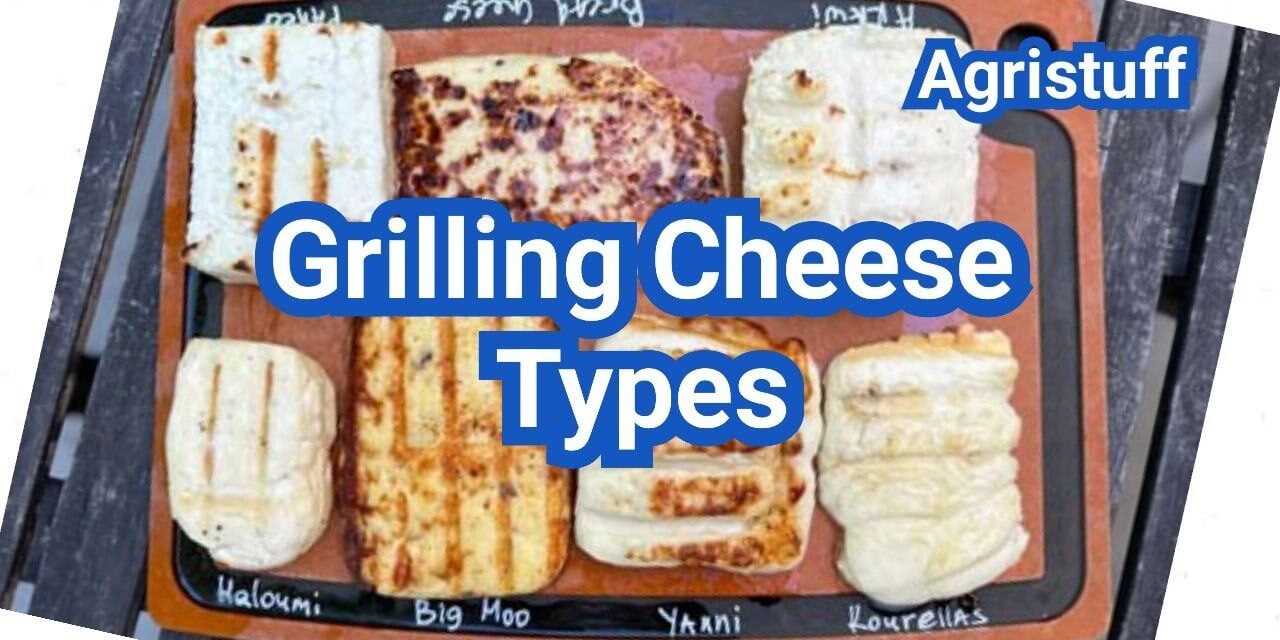
Have you ever wondered what is grilling cheese? Unlike standard dairy blocks that turn into a puddle when exposed to fire, this unique category of food is specifically crafted to maintain its structural integrity. It develops a beautiful, smoky char on the outside while remaining firm and chewy within.
Standard varieties like cheddar or Swiss simply cannot handle the intense heat of an open flame. They melt too quickly, causing a messy disaster on your grate. Instead, these specialized products rely on a higher melting point to ensure they stay intact during your next backyard cookout.
If you want to master the art of the perfect sear, you need to know the right techniques. We have compiled 5 delicious cheeses you should throw on the grill to elevate your menu. Whether you are following advice according to Tillamook or experimenting with new flavors, learning how to make the absolute best grilled cheese will transform your outdoor dining experience.
Key Takeaways
- Specialized dairy products are designed to withstand high heat without melting away.
- The secret lies in a high melting point that allows for a crispy, charred exterior.
- Avoid using standard supermarket varieties that lack the necessary density for direct heat.
- Proper preparation ensures your savory snacks stay on the grate and off the coals.
- Experimenting with different varieties can add unique textures and flavors to your meals.
What Is Grilling Cheese?
Understanding the nature of cheese that does not melt is essential for any backyard barbecue enthusiast. While most dairy products soften and liquefy when exposed to high temperatures, this specific category remains firm and holds its shape perfectly. This unique non melting cheese allows you to achieve a beautiful, golden-brown sear directly on your grill grates.
Defining the Non-Melting Phenomenon
The primary characteristic of these products is their ability to maintain structural integrity under intense heat. Unlike standard varieties that lose their form, these grilling cheese types are crafted to resist the breakdown of their protein networks. This ensures that your snack stays on the grill rather than dripping into the fire.
When you choose the right types of grilling cheese, you are selecting a product that has been processed to withstand direct contact with heat. This process often involves specific acidity levels and moisture controls. These factors work together to prevent the cheese from turning into a liquid mess during the cooking process.
The Role of High-Heat Tolerance
High-heat tolerance is the defining feature that separates these items from your average sandwich slice. By maintaining a solid state, the cheese develops a deliciously crispy crust while the interior remains warm and soft. This contrast in texture is exactly what makes these varieties a favorite for outdoor cooking.
Mastering this heat tolerance is the first step toward becoming a proficient grill master. Once you understand how these products react to fire, you can experiment with various cooking times and temperatures. This knowledge empowers you to create consistent, restaurant-quality results in your own backyard.
Understanding Why Grilling Cheese Stays Firm

The secret behind a perfect sear on your favorite cheese lies in its unique molecular structure. While standard varieties turn into a molten mess, the best cheese for grilling is engineered to withstand high temperatures without losing its form.
This structural integrity allows home cooks to achieve a beautiful, golden-brown crust. By selecting the right products, you can enjoy a delicious cheese experience that adds texture and depth to any meal.
The Science of Protein Structures
At the heart of this phenomenon is the arrangement of casein proteins. In most dairy products, these proteins break down when heated, causing the cheese to flow.
However, the best grillable cheeses feature a tightly knit protein matrix. This structure acts like a scaffold, holding the fat and moisture inside even when exposed to direct heat.
Because of this, you can flip your slices on the grate without worrying about them dripping into the fire. This stability is what makes these different types of grilling cheese so popular for outdoor cooking.
Acidity and Moisture Content Explained
Beyond protein, the balance of acidity and moisture plays a critical role in how a cheese reacts to heat. Producers carefully control the pH levels during the cheesemaking process to prevent the product from becoming too soft.
Lower moisture content is another essential factor. When there is less water trapped within the curd, the cheese is less likely to steam or melt away when it hits the hot grill surface.
This precise regulation ensures that the exterior chars quickly while the interior remains firm. Mastering these technical details helps you appreciate why these specific varieties are perfect for your next barbecue.
Popular Types of Grilling Cheese
Exploring the world of grilling cheese reveals a diverse array of textures and flavors perfect for your next barbecue. While many cheeses melt instantly when exposed to heat, specific varieties are crafted to maintain their shape and develop a delicious crust. Understanding these options helps you select the perfect ingredient for your culinary creations.
Halloumi Cheese: The Gold Standard
Often considered the king of grillable dairy, halloumi cheese is a semi-hard, unripened product originating from Cyprus. It is traditionally made from a blend of goat and sheep milk, which gives it a distinctively salty profile and a high melting point. When placed on a hot grill, it develops a beautiful golden-brown exterior while remaining soft and chewy on the inside.
Bread Cheese: The Scandinavian Favorite
Known as Juustoleipä, bread cheese is a unique Scandinavian specialty that offers a mild, buttery flavor. It is baked until it forms a thin, caramelized crust before it ever reaches the store shelf. Once you sear it on the grill, it becomes warm and soft, providing a delightful squeaky texture that pairs perfectly with sweet jams or savory toppings.
Paneer and Queso Blanco: The Versatile Options
If you prefer a milder taste, paneer cheese is an excellent choice for the grill. This fresh, non-aged Indian cheese does not melt, making it ideal for skewers alongside vegetables. Similarly, queso blanco cheese and its cousin, queso para freir, are designed to hold their structure under intense heat. These options are incredibly versatile and absorb marinades or spices exceptionally well.
Queso Panela and Kasseri: Regional Specialties
Queso panela is a fresh, white Mexican cheese that is prized for its ability to soften without losing its shape. It has a mild, slightly salty flavor that makes it a staple for grilling enthusiasts looking for a light addition to their meals. For those seeking a more complex flavor, the bonus cheese: kasseri is a fantastic alternative. This sheep milk cheese from Greece offers a sharper, more pungent profile that adds a sophisticated touch to any grilled platter.
Grilling Cheese in the U.S. Market
Grilling cheese has quickly evolved from a niche specialty item into a staple for backyard barbecues across the United States. As home cooks seek creative alternatives to traditional burger toppings, this firm, salty cheese has gained significant traction. The market for grilling cheese in the u.s. continues to expand as more consumers discover its unique ability to hold its shape over an open flame.
Finding these products has become much easier for the average shopper. Major national retailers have recognized the demand and now stock various options in their refrigerated aisles. Whether you are shopping for grilling cheese walmart or checking the specialty section for grilling cheese aldi, you are likely to find high-quality selections that suit your needs.
Availability at Major Retailers Like Walmart and Aldi
The widespread availability of these cheeses at big-box stores and discount grocers has democratized the experience. You no longer need to visit a specialty deli to find authentic halloumi-style products. Many shoppers appreciate that they can pick up these items during their regular weekly grocery run.
Understanding the Rise of Grilling Cheese in USA
The popularity of grilling cheese in usa is largely driven by a shift toward more adventurous home cooking. People are moving beyond basic hot dogs and burgers to experiment with global flavors and textures. This culinary curiosity has made the grill a versatile tool for preparing appetizers, salads, and even vegetarian main courses.
Meal kit services have also played a vital role in this trend. By featuring grilling cheese hellofresh recipes in their weekly rotations, these companies have introduced thousands of households to the ease and satisfaction of cooking cheese on a grill. This exposure has helped turn a once-obscure ingredient into a must-have item for any summer gathering.
Grilling Cheese vs. Halloumi: What Is the Difference?

Many home cooks often wonder about the nuances of grilling cheese vs halloumi when planning their next outdoor meal. While these terms are frequently used interchangeably, they represent different concepts in the culinary world.
Halloumi is a specific, protected variety of cheese originating from Cyprus, traditionally made from a blend of goat and sheep milk. In contrast, the term “grilling cheese” acts as a broad category that encompasses various firm, high-melting-point cheeses produced globally.
Comparing Texture and Flavor Profiles
When you halloumi grilling cheese, you will notice a distinct, squeaky texture that is iconic to the Cypriot original. It typically offers a salty, tangy flavor profile that stands up well to high heat without losing its shape.
Other varieties of grilling cheese may vary significantly in their composition. Some versions are milder and creamier, while others are designed to mimic the firm, rubbery bite of traditional Mediterranean styles. These alternatives often use cow’s milk, which can result in a slightly different mouthfeel compared to the traditional sheep and goat milk blend.
When to Choose One Over the Other
If you want to grill halloumi for an authentic Mediterranean experience, it is best to seek out the genuine product from Cyprus. Its unique saltiness and firm structure make it the perfect centerpiece for salads or skewers where a bold, savory punch is desired.
On the other hand, generic grilling cheese is often a more accessible and budget-friendly option for everyday meals. Choose these varieties when you need a reliable, non-melting cheese for quick weeknight dinners or when you prefer a milder flavor that pairs easily with a wider range of seasonings and sauces.
How to Prepare Your Cheese for the Grill
Achieving that signature golden crust requires more than just high heat; it starts with careful preparation. By preparing the grilling cheese correctly, you ensure that the final result is both visually appealing and delicious. Taking a few extra minutes to ready your ingredients will prevent common issues like uneven melting or sticking.
Slicing Techniques for Optimal Surface Area
The thickness of your slices plays a vital role in how the cheese reacts to the flame. For the best results, aim to slice your cheese into 1.5 to 2-inch thick slabs. This specific thickness ensures the center warms through completely without the exterior burning too quickly.
If you are looking for versatile options, consider how you cut the blocks. Smaller cubes are perfect when you need cheese for skewers and salads, as they hold their shape well under high heat. When learning how to cook bread cheese, remember that uniform slices allow for consistent browning across the entire surface.
“The secret to a perfect grill mark is a dry surface and the right thickness; never rush the prep work if you want that satisfying crunch.”
Marinating and Seasoning Before Cooking
While many varieties are flavorful on their own, adding a light marinade can elevate your dish to a gourmet level. Simple tips for grilling the cheese include brushing the slabs with a high-smoke-point oil, such as avocado or grapeseed oil. You can also add dried herbs like oregano or red pepper flakes to create a custom flavor profile.
Always pat the cheese dry with a paper towel before applying any seasonings. Moisture on the surface can prevent the cheese from developing that desirable crust. Below is a quick guide to help you choose the right preparation method for your specific needs.
| Preparation Method | Best Use Case | Key Benefit |
|---|---|---|
| Thick Slabs | Main Course | Retains internal moisture |
| Small Cubes | Skewers & Salads | Even heat distribution |
| Herb Rub | Flavor Enhancement | Adds aromatic complexity |
| Oil Brush | Non-stick Surface | Prevents tearing |
Step-by-Step Guide to Grilling Cheese

Mastering the grill requires careful attention to heat management and surface preparation. If you are wondering how to make grilled cheese on an open flame, the secret lies in the details. Following these steps will ensure your cheese remains firm while developing a delicious, smoky flavor.
Preparing the Grill Surface
Before you begin, ensure your grill grates are thoroughly cleaned and lightly oiled. A clean surface prevents the cheese from sticking and tearing during the cooking process. Proper preparation is the foundation of success when you want to learn top tips for grilling cheese like a pro (because you are a pro!).
Achieving the Perfect Golden Crust
To get that signature sear, place your cheese slices directly over medium heat. You will notice that golden grilled cheese cooks best when given enough space to develop a crust without melting away. Aim for 3 to 4 minutes per side to achieve a beautiful, crispy exterior while keeping the interior warm and soft.
Managing Heat Levels to Prevent Burning
Maintaining a consistent temperature is vital for success. If you are learning how to grill halloumi or other firm varieties, always keep a close eye on the flame. If the heat becomes too intense, move the cheese to a cooler zone of the grill to finish cooking gently.
Once your cheese reaches that perfect shade of brown, remove it from the heat immediately. Serving and enjoying grilled cheese is best done while it is still warm and pliable. Use the following table to keep your timing on track during your next cookout.
| Cheese Type | Heat Level | Time Per Side |
|---|---|---|
| Halloumi | Medium | 3-4 Minutes |
| Bread Cheese | Medium-Low | 2-3 Minutes |
| Queso Panela | Medium | 3 Minutes |
Cooking Grilling Cheese in the Air Fryer
If you crave the texture of grilled cheese but the weather is uncooperative, the air fryer offers a reliable, mess-free solution. This appliance provides a convenient indoor alternative for achieving that signature charred, golden-brown exterior on your favorite firm cheeses. Preparing a grilled cheese in air fryer style ensures you can enjoy this savory treat year-round without needing a charcoal or gas grill.
Adjusting Time and Temperature for Air Fryer Grilled Cheese
To achieve the best results, you must calibrate your machine to mimic the high heat of an open flame. Most grillable cheeses perform best at a temperature between 375°F and 400°F. At this heat level, the exterior develops a delightful, crispy crust while the center remains warm and firm.
When you air fry grilled cheese, keep a close eye on the cooking time. Generally, slices require only 6 to 8 minutes of total cooking time. It is essential to flip the cheese halfway through the process to ensure even browning on both sides.
Tips for Crispy Results Without the Mess
Achieving the perfect air fryer grilled cheese requires a few simple techniques to keep your appliance clean and your cheese intact. Because these cheeses can sometimes release small amounts of fat, proper preparation is key to a successful snack.
- Use a piece of parchment paper at the bottom of the basket to catch any drips, making airfryer grilled cheese cleanup effortless.
- Pat your cheese slices dry with a paper towel before cooking to ensure a better sear and prevent excess moisture.
- Avoid overcrowding the basket; leave enough space for the hot air to circulate around each piece for an air fryer grilled finish.
- For the best flavor, lightly brush the cheese with a high-smoke-point oil, such as avocado or light olive oil, before placing it in the basket.
Following these simple steps makes preparing grilled cheese in the air fryer a stress-free experience. You will find that the results are remarkably similar to traditional methods, offering that satisfying crunch in every bite.
Oven and Toaster Oven Techniques

When the weather keeps you indoors, your oven becomes the ultimate tool for preparing delicious grilling cheese. You can achieve a perfectly golden crust without ever stepping outside to light a charcoal or gas grill. These indoor methods provide a reliable way to satisfy your cravings for a warm, savory snack on busy weeknights.
Baking vs. Broiling Methods
Choosing between baking and broiling depends on the texture you desire for your baked grilled cheese. Baking at a high temperature allows the cheese to heat through evenly, resulting in a soft interior and a light golden exterior. This method is ideal for thicker slices that require more time to warm up.
If you prefer a charred, crispy finish, broiling is the most effective method for mimicking the high-heat intensity of an outdoor grill. By placing your cheese on the top rack, you can achieve a beautiful sear in just a few minutes. Cooking grilled cheese in oven settings requires close supervision, as the high heat can quickly turn a golden crust into a burnt one.
Using a Toaster Oven for Quick Snacks
A grilled cheese toaster oven is a fantastic appliance for those who want a fast, gourmet snack without heating up a large oven. This compact device is perfect for making grilled cheese in the oven when you are only preparing a small portion. The proximity of the heating elements ensures that your cheese develops a crisp texture rapidly.
When using a grilled cheese in the toaster oven, ensure you use a parchment-lined tray to prevent any mess from melting cheese. Many people find that an oven baked grilled cheese prepared this way is just as satisfying as one made on a traditional stovetop. Whether you are using a standard grilled cheese toaster or a convection model, the key is to keep a watchful eye on the browning process to ensure consistent, delicious results every time.
Creative Ways to Use Grilling Cheese in Recipes
Beyond the grill, these firm cheeses offer endless possibilities for your favorite home-cooked meals. Because they maintain their shape under high heat, they serve as a protein-rich addition to many dishes that typically lack a hearty bite. Whether you are a home cook or a professional chef, experimenting with these varieties can turn a standard meal into a gourmet experience.
Incorporating Cheese into Skewers and Salads
Adding cubes of grilling cheese to vegetable skewers creates a satisfying vegetarian main course. The cheese chars beautifully, providing a smoky flavor that pairs perfectly with bell peppers, zucchini, and red onions. You can also toss these golden, seared cubes into fresh summer salads for a unique texture contrast.
- Use as a topping for Mediterranean-style grain bowls.
- Add to skewers with cherry tomatoes and balsamic glaze.
- Mix into warm quinoa salads for a savory, chewy element.
Elevating the Classic Grilled Cheese Sandwich
The perfect grilled cheese sandwich starts with high-quality ingredients and a creative approach. By swapping standard melting cheese for a firm grilling variety, you achieve a distinct, squeaky texture that holds up well against hearty breads. For a truly gourmet grilled cheese, consider these flavorful combinations:
Try a pesto grilled cheese on sourdough for a vibrant, herbaceous kick. If you want something bolder, a birria grilled cheese offers a savory, slow-cooked depth that is currently trending in the culinary world. You can even experiment with pepper jack cheese grilled cheese if you prefer a spicy finish to your meal.
Whether you are making a quick snack in an air fryer or crafting a complex sandwich, these variations ensure your cooking never feels boring. From grilled cheese on sourdough to fusion-inspired creations, the versatility of these cheeses allows you to reinvent your kitchen staples with ease.
Best Sides and Pairings for Grilled Cheese
Discovering what to serve with a grilled cheese can transform a simple snack into a gourmet experience. A great meal relies on balancing the rich, savory nature of the grilled product with lighter, contrasting elements. Whether you are hosting a casual lunch or preparing a quick dinner, the right additions will elevate your plate.
Fresh Vegetables and Herb Pairings
Vegetables provide a necessary crunch that cuts through the density of warm cheeses. Grilled green beans are an excellent choice, as their smoky char complements the flavor profile of the sandwich perfectly. You might also consider serving a crisp garden salad tossed with a light vinaigrette to cleanse the palate.
Fresh herbs like basil, mint, or cilantro add a bright, aromatic finish to your meal. Sprinkling these over your bread or vegetable sides creates a sophisticated contrast. These simple additions ensure that your meal feels complete and nutritionally balanced.
Complementary Dips and Sauces
Dips are essential when considering the best sides of a grilled cheese sandwich. A tangy balsamic glaze or a spicy chili jam can highlight the salty notes of the cheese. These sauces provide a depth of flavor that makes every bite more exciting.
Consider the following table to help you choose the best pairings for your next meal:
| Pairing Type | Recommended Item | Flavor Profile |
|---|---|---|
| Vegetable | Grilled Green Beans | Smoky and Crunchy |
| Sauce | Balsamic Glaze | Sweet and Tangy |
| Herb | Fresh Basil | Bright and Aromatic |
| Dip | Spicy Chili Jam | Bold and Savory |
Experimenting with these combinations allows you to customize your dining experience. By mixing textures and flavors, you turn a standard grilled dish into a memorable culinary event. Always aim for a mix of fresh, acidic, and savory components to achieve the perfect balance.
Troubleshooting Common Grilling Cheese Mistakes
If your cheese is sticking or browning unevenly, you are not alone in this common culinary struggle. Even experienced cooks encounter challenges when working with cheese grilling techniques. By identifying these small errors, you can easily transform your results into the ultimate grilled cheese experience.
Preventing Sticking and Tearing
The most frequent issue when you melt cheese on the grill is the product adhering to the metal grates. This often happens because the grill surface is dirty or lacks proper lubrication. Always ensure your grates are scrubbed clean and brushed with a high-smoke-point oil before placing your slices down.
If you are looking for easy grilled cheese, remember that the cheese needs a protective barrier. A light coating of oil directly on the cheese surface can also prevent tearing when you flip it. Following this grilled cheese how to method ensures your slices remain intact and beautiful.
Fixing Uneven Browning
Achieving a consistent, golden-brown crust is the hallmark of a great grilled cheese. If your cheese is browning in patches, your heat source might be inconsistent or too intense. Use a medium-high heat setting to ensure the toasted cheese develops a uniform color without burning the exterior.
For those using a grilled cheese pan or a flat-top surface, ensure the cheese makes full contact with the metal. If you are struggling to get that classic grilled cheese look, try pressing down gently with a spatula to eliminate air gaps. Whether you prefer a simple grilled cheese or a more complex garlic grilled cheese, proper heat management is the secret to success.
Gourmet Variations and Flavor Twists

Discover how to push the boundaries of traditional grilling by incorporating vibrant sauces and creative fusion techniques. While choosing the right type of grilling cheese is the foundation, adding bold ingredients transforms a simple snack into a restaurant-quality dish. This ultimate guide to grillable cheeses provides the inspiration you need to experiment with your next backyard cookout.
Adding Pesto and Spicy Elements
One of the easiest ways to upgrade your cheese is by applying a flavorful marinade or dry rub before the heat hits. A fresh basil pesto adds a bright, herbaceous note that cuts through the richness of the dairy. Alternatively, dusting your slices with chili flakes or a smoky chipotle rub creates the best grilled cheese experience for those who crave a bit of heat.
To ensure the flavors penetrate the surface, let the cheese sit in your chosen marinade for at least thirty minutes. This simple preparation step ensures that every bite is packed with intensity. These best grilled cheese ideas are perfect for hosting friends who appreciate a modern twist on classic comfort food.
Creating Fusion Dishes Like Birria Grilled Cheese
Fusion cooking allows you to blend global flavors with the unique texture of non-melting cheese. A popular trend involves creating a Birria-inspired dish, where the cheese is seared and served alongside a rich, savory consommé for dipping. This approach elevates the concept of the perfect grilled cheese by adding layers of complex, slow-cooked spice.
You can also experiment with Mediterranean or Asian-inspired toppings to keep your menu exciting. Learning how to make the perfect grilled cheese sandwich often involves balancing salty, spicy, and acidic components. Use the following table to plan your next gourmet flavor combination.
| Flavor Profile | Recommended Topping | Cooking Method |
|---|---|---|
| Spicy Kick | Chipotle Rub | Direct Grill |
| Herbal Fresh | Basil Pesto | Pan Sear |
| Sweet & Savory | Hot Honey Drizzle | Air Fryer |
| Fusion Style | Birria Consommé | Griddle |
By following these step-by-step instructions for flavor infusion, you will quickly master the art of gourmet grilling. We hope this serves as your ultimate guide to grillable cheeses (and where to find them!) as you continue your culinary journey.
Sourcing the Best Grillable Cheeses
Sourcing high-quality ingredients is the secret to achieving that signature golden crust every time. While many varieties exist, only specific types can handle direct heat without melting into a puddle. Understanding what to look for will save you from kitchen disasters and ensure your meal is a success.
What to Look for on the Label
When you browse the dairy aisle, always check the packaging for specific terminology. Manufacturers often label these products as “grilling cheese” or explicitly mention a “high melting point.” These labels indicate that the cheese has been processed to maintain its structural integrity under fire.
If you are unsure, look for these key indicators on the ingredient list:
- Firm, semi-hard textures that feel dense to the touch.
- Labels mentioning traditional varieties like kefalotyri, which are naturally resistant to heat.
- Clear instructions on the back regarding direct heat application.
Exploring Specialty Brands and HelloFresh Selections
Beyond standard grocery store options, specialty brands often provide superior quality for home cooks. Many gourmet producers focus on authentic Mediterranean styles that offer a better flavor profile than mass-produced alternatives. If you enjoy hosting, investing in a best raclette grill can transform your dining experience by allowing you to melt cheese tableside.
Meal kit services like HelloFresh have also begun featuring these unique cheeses in their curated boxes. These selections are excellent for beginners who want to learn how to cook grilling cheese for perfectly crispy and gooey results without the guesswork. Whether you use a dedicated raclette grill or a simple cast-iron pan, sourcing the right product is the first step toward culinary excellence.
Safety and Storage Tips for Your Cheese
Keeping your grilling cheese fresh is just as important as mastering the perfect grilled cheese sear. Proper storage techniques ensure your ingredients remain safe and delicious until you are ready to cook. By following these simple guidelines, you can effectively manage your kitchen inventory and reduce unnecessary food waste.
Proper Refrigeration and Shelf Life
Always store unused portions of your grilling cheese in an airtight container or tightly wrapped in plastic film. This prevents the cheese from absorbing odors from other items in your refrigerator. Most varieties stay fresh for several weeks when kept at a consistent, cold temperature.
Check the packaging for specific expiration dates, as these can vary by brand. If you notice any unusual discoloration or a sour smell, it is best to discard the product to ensure food safety. Keeping your cheese in the coldest part of the fridge helps maintain its structural integrity for that classic taste.
Handling Leftover Grilled Cheese
If you have extra hot off the grill grilled cheese, do not let it go to waste. Allow the slices to cool completely before placing them in a sealed container. You can store these leftovers in the refrigerator for up to three days.
When you are ready to eat again, reheat the slices in a dry pan over medium heat. This method helps restore the crispy exterior that makes these cheeses so enjoyable. Whether you are preparing a fancy grilled cheese salad topper or a quick in and out grilled cheese snack, proper reheating ensures the texture remains firm and satisfying.
At The End of: Grilling Cheeses Guide
Adding unique textures to your outdoor cooking routine brings excitement to every meal. You now possess the knowledge to select the best grillable cheeses available at retailers like Aldi or Walmart.
Watching your golden grilled cheese cooks to perfection provides a satisfying experience for any home chef. These firm varieties hold their shape while developing a savory, charred exterior that pairs well with fresh herbs or spicy glazes.
Serving this delicious cheese creates a memorable centerpiece for your next backyard gathering. Experimenting with different heat levels and preparation styles allows you to customize every bite to your personal taste.
Grab your favorite spatula and head to the patio to start your culinary adventure. Share your favorite flavor combinations with friends and family to keep the grilling spirit alive all season long.
FAQ
Is grilling cheese the same as halloumi?
No. Halloumi is the most recognized example, but bread cheese, paneer, queso blanco, and queso para freír can also fall into the grilling-cheese category.
Can you put grilling cheese directly on grill grates?
Yes, if the grates are clean, hot, and lightly oiled, and if the cheese is cut thick enough to handle flipping.
Does grilling cheese need breading?
Usually not. Most varieties brown well on their own, although breading can be used for a crunchier fried result.
Can grilling cheese replace meat in a meal?
It can work well as a meatless centerpiece, especially in bowls, skewers, wraps, salads, and appetizer plates.
How do you keep grilling cheese from sticking?
Dry the surface, preheat the pan or grill fully, use light oil, and wait until a crust forms before flipping.
Can you eat grilling cheese cold?
Some types can be eaten cold, but most are far more appealing after searing because the flavor deepens and the texture softens.
How do I make the absolute best grilled cheese sandwich according to Tillamook?
To make a perfect grilled cheesesandwich, Tillamook recommends using thick-cut sourdough bread and a combination of their Sharp Cheddar and Farmstyle Thick Cut Shreds for the ultimate melt and flavor profile.
What is the best way to cook grilling cheese for perfectly crispy and gooey results?
The key is high heat and patience. Searing the cheese in a heavy skillet or on a grill for about 2-3 minutes per side allows the exterior to crisp up while the inside reaches a soft, delicious consistency.
Can I make an airfryer grilled cheese with regular American cheese?
Yes, you can make an american cheese grilled cheese in the air fryer. Simply butter the bread, assemble the sandwich, and air fry at 360°F for about 5 minutes, flipping halfway through for a classic grilled cheese result.
What are the main differences between grilling cheese vs halloumi?
While halloumi cheese is the most famous type of grillable cheese, “grilling cheese” is a broader category that includes bread cheese, paneer, and queso blanco. Halloumi is specifically known for its salty, sheep/goat milk flavor and squeaky texture.
Is there a vegan grilling cheese available in the USA?
Yes, many specialty brands now offer vegan grilling cheese made from coconut oil and potato starch. Brands like Violife have introduced Mediterranean-style grill me blocks that mimic the behavior of Halloumi.
How does Gordon Ramsay make his famous grilled cheese?
The gordon ramsay grilled cheese is known for using high-quality cheeses like Asiago and Romano paired with kimchi for a spicy twist, cooked slowly in a pan to ensure the bread is perfectly toasted and the cheese is fully melted.
Where can I find your ultimate guide to grillable cheeses and where to find them?
You are currently reading it! For sourcing, look for grilling cheese aldi and grilling cheese walmart brands, or check out specialty selections in HelloFresh meal kits.
What are some good sides to serve with a grilled cheese?
Popular sides of a grilled cheese sandwich include tomato soup, a crisp green salad, sweet potato fries, or even a side of pickles to balance the richness of the cheese.
How do you make a starbucks grilled cheese at home?
To replicate a starbucks grilled cheese, use a sourdough bread topped with a parmesan butter spread and fill it with a blend of white cheddar and mozzarella grilled cheese styles.
Can I use an air fryer for a birria grilled cheese?
Absolutely. An air fryer grilled cheese approach works great for birria grilled cheese. Just be sure to dip the bread in the birria fat before air frying to get that signature red, crispy crust.
Conclusion of: Grilling Cheese
Grilling Cheese is a broad kitchen term for cheeses that can be seared, pan-fried, or grilled over direct heat without dissolving into a puddle right away. For U.S. home cooks, that makes it especially useful when you want the browned, savory flavor of cooked cheese with a center that stays chewy, creamy, or springy instead of fully melted. The result is a protein-rich ingredient that can anchor salads, grain bowls, sandwiches, skewers, tacos, and meatless entrées with far less mess than a traditional melting cheese. Learn more about cheeses that can be fried.
What is Grilling Cheese?
Grilling Cheese is not always one single style or legal product name on a U.S. label, but rather a performance category built around heat tolerance. In practice, shoppers usually find it sold as halloumi, bread cheese, paneer, queso blanco, queso para freír, or brand-specific “grilling cheese” blocks, all of which are designed to soften and brown while keeping their shape. That is why these cheeses work so well when sliced into slabs, skewered into cubes, or laid directly onto a hot skillet or grill.
Grilling Cheese differs from classic melting cheeses such as mozzarella, fontina, Monterey Jack, or raclette because the goal is not stretch and flow. Instead, the best choices offer structural stability, so the surface caramelizes while the center turns warm and tender, giving you a crisp edge and a satisfying bite that stands up to vegetables, bread, or grilled meats. For recipe planning, that means you can treat it almost like a quick-cooking protein rather than only a topping or sauce component. Compare cheeses by performance and substitution use.
Why does Grilling Cheese stay firm instead of melting away?
Grilling Cheese stays firm because its protein network, acidity level, moisture balance, and calcium structure make it behave differently from highly meltable cheeses. Food science work from the Center for Dairy Research shows that the way casein proteins and bound calcium phosphate interact strongly influences when a cheese softens, stretches, or flows, which is why some varieties hold together much better under heat than others. In simple kitchen terms, the internal structure is more resistant to collapse, so you get browning first and runaway melting later, if at all. Read the dairy science behind cheese melt behavior.
Grilling Cheese also stays firmer in certain varieties because the cheesemaking process itself includes heat treatment that builds a more resilient texture. Halloumi, for example, is traditionally heated in whey during manufacture, and published research notes that this distinctive step contributes to the dense, elastic body that lets it soften without losing shape quickly in a pan or on a grill. That production method is one reason halloumi feels uniquely springy compared with softer, more freely melting table cheeses. Review research on Halloumi manufacture and texture.
Best types of Grilling Cheese
Grilling Cheese works best when you match the cheese to the dish rather than assuming one style fits everything. The strongest all-around options for U.S. kitchens are halloumi for salty slices, bread cheese for buttery tenderness, paneer for spice-friendly cubes, and queso blanco or queso para freír for Latin-style dishes where browning without collapse matters. Each brings a slightly different mix of saltiness, squeak, richness, and interior softness, so choosing by flavor goal is usually smarter than choosing by trend alone. Explore common cheeses that hold up to frying or grilling.
Grilling Cheese is most commonly associated with halloumi in American grocery stores, and for good reason. Halloumi is a semi-hard brined cheese with a salty, milky flavor and a signature squeaky, elastic bite, and Wisconsin Cheese notes that its ability to keep its shape when cooked makes it especially easy to grill, fry, and slice. If you want bold browning, strong savory character, and a cheese that can become the main event of a plate, halloumi is often the first place to start. Read a profile of halloumi and how it behaves when cooked.
Grilling Cheese can also mean bread cheese, sometimes labeled juustoleipä or leipäjuusto, which is one of the easiest options for beginners. Bread cheese is typically mild, buttery, slightly sweet, and already marked by a toasted outer surface from baking during production, so when reheated it becomes soft and luxurious without turning runny. That makes it especially good for breakfast boards, appetizers with jam or honey, or quick skillet cooking when you want a less salty flavor than halloumi. Learn what bread cheese is and why it browns so well.
Grilling Cheese includes paneer when your goal is a more neutral cheese that carries sauces, spices, and marinades. Paneer has a soft but firm body that holds together under heat, so it is ideal for skewers, curries finished in a hot pan, wraps, grain bowls, and vegetable-forward meals where the seasoning should lead. In U.S. kitchens, paneer is one of the most practical options because it can be cubed neatly, seared quickly, and paired with everything from tandoori-style spices to lemon-herb vegetable mixes. See why paneer is suited to frying, baking, and grilling.
Grilling Cheese in Latin-style cooking often points to queso blanco or queso para freír, both of which are useful when you want a mild cheese that browns rather than melts into the pan. Wisconsin Cheese describes queso blanco as slightly salty and able to soften when heated without losing its shape, which makes it a smart choice for tacos, fried cheese plates, sandwiches, or simple skillet snacks. For shoppers in the United States, these styles can be especially valuable because they are often easier to find in mainstream supermarkets with Hispanic dairy sections. See how queso blanco behaves under heat.
How to choose Grilling Cheese at the store
Grilling Cheese is easiest to buy successfully when you focus on texture, format, salt level, and labeling rather than brand hype. Look for blocks or thick slabs rather than shreds, choose varieties specifically marketed for frying or grilling, and think about the finished dish before you buy: halloumi gives you salinity, bread cheese gives you richness, paneer gives you flexibility, and queso para freír gives you firmness with a gentle dairy flavor. If nutrition matters for your audience or family, checking serving size, sodium, and saturated fat on the package can help you compare options more intelligently. Use the Nutrition Facts label to compare cheese products.
Grilling Cheese should also be chosen with food safety in mind, especially if you are serving pregnant guests, older adults, or anyone with a weakened immune system. The FDA advises higher-risk consumers to be especially cautious with queso fresco-type cheeses and to buy products that are clearly labeled as made with pasteurized milk, sold in sealed packaging, and marked with manufacturer information and use-by dating. In practical terms, that means reading the front and back of the label instead of assuming every fresh white cheese is equally safe for every household. Review FDA consumer guidance on queso fresco-type cheeses.
How to cook Grilling Cheese right
Grilling Cheese cooks best when you do a little prep before it ever hits the heat. Pat the surface dry, cut even slices or cubes, oil the pan or grates lightly instead of drowning the cheese itself, and avoid sugary marinades at the start because they can scorch before the outside browns properly. If the cheese is heavily brined, a quick blot or brief rinse can tone down surface saltiness, but it is usually better to season lightly after cooking than to add extra salt before the sear. Follow general foodservice handling guidance from the FDA Food Code.
Grilling Cheese usually performs best in a hot skillet or on well-preheated grill grates, where you can develop color fast without overcooking the center. Start with medium-high heat, cook until the underside releases naturally and turns golden, then flip only once if possible so the block keeps a clean crust rather than tearing. The biggest difference between mediocre and excellent results is patience: if you move the cheese too early, crowd the pan, or use low heat, you get sticking, sweating, and blandness instead of a browned exterior with a warm, supple middle. See grilling guidance for cheeses that soften without melting.
How to serve Grilling Cheese
Grilling Cheese is one of the most versatile dairy ingredients you can keep for fast, high-impact meals. It works over tomatoes and cucumbers, beside grilled peaches or watermelon, inside pita wraps, on skewers with peppers and zucchini, over lentils, in breakfast plates with eggs, or as a meatless filling for sandwiches and tacos. Because it browns quickly and feels substantial on the plate, it is especially useful when you need a weeknight dinner that feels restaurant-style without needing a long prep list. Browse serving notes for bread cheese and sweet-savory pairings.
Grilling Cheese can fit into a balanced meal, but portion awareness matters because many cheeses are rich in sodium and saturated fat. A practical U.S. approach is to pair a modest serving with vegetables, legumes, whole grains, or fruit rather than treating it as an unlimited snack, and the American Heart Association recommends reading labels to choose products with less sodium and saturated fat when possible. That way you keep the indulgent flavor and texture while building a plate that feels satisfying instead of overly heavy. Use AHA guidance for reading labels and managing sodium and saturated fat.
Quick checklist
Grilling Cheese gets noticeably better when you follow a few repeatable kitchen habits every time. Use this checklist before you cook so the texture, browning, and food-safety basics stay consistent whether you are cooking for one person or a backyard crowd. Review USDA refrigeration basics for perishable foods.
- Choose a cheese intended for grilling, frying, or browning.
- Buy blocks or thick slices instead of shreds.
- Check whether the package says pasteurized milk, especially for high-risk households.
- Pat the cheese dry before cooking.
- Preheat the skillet or grill fully before adding the cheese.
- Use only a light film of oil on the pan or grates.
- Cook in batches to avoid steaming.
- Flip once when the cheese releases naturally.
- Serve immediately for the best crust-to-center contrast.
- Refrigerate leftovers promptly.
Common mistakes to avoid
Grilling Cheese often disappoints not because the cheese is wrong, but because the cooking approach is wrong. Most failures come from moisture, weak preheating, or overhandling, all of which stop browning and ruin the texture people expect from this style of cheese. Use USDA guidance on time and temperature safety.
- Using a melting cheese instead of a grilling cheese: choose halloumi, bread cheese, paneer, or queso para freír when the recipe needs shape retention.
- Skipping the drying step: surface moisture leads to steaming instead of browning, so blot the cheese first.
- Starting with a cool pan: low heat encourages sticking and water loss before the crust forms.
- Crowding the skillet: give each slice space so the heat stays high and the outside can caramelize.
- Flipping too early: wait until the cheese releases naturally from the pan or grates.
- Over-seasoning before cooking: many grilling cheeses are already salty, so season after tasting.
- Leaving fresh cheese out too long: serve promptly and refrigerate leftovers within safe time limits.
- Ignoring the label: check pasteurization, serving size, and sodium if you are cooking for mixed dietary needs.
Costs and ROI snapshot
Grilling Cheese usually costs more per ounce than everyday shredded or sliced cheese, so the smartest buying strategy is to treat it as a high-impact ingredient rather than a bulk dairy staple. USDA retail dairy reporting shows that mainstream 6- to 8-ounce cheese packages are often advertised at relatively accessible price points, while specialty grilling styles typically carry a premium because they are imported, niche, or produced in smaller formats. For home cooks, the practical payoff is not “cheap protein” but strong plate value: a small amount can make a salad, grain bowl, or vegetable dinner feel far more substantial. Check current USDA retail dairy advertising data.
Grilling Cheese creates its best return on investment when it reduces restaurant spending, improves meatless menu appeal, or adds premium value to prepared foods without adding much labor. A few slices can turn produce, bread, or grains into a center-of-plate meal, and USDA price-spread work on cheddar helps illustrate the broader point that retail cheese value reflects not only milk costs but also processing, handling, and merchandising. In real-world U.S. kitchens, that means the best value comes from using this cheese strategically in dishes where texture and browning do the work of a more expensive protein or more complicated entrée. See how USDA explains cheese value from farm to consumer.
Final thought
Grilling Cheese is worth keeping in the refrigerator because it offers something many other cheeses cannot: real browning power with dependable structure. Once you learn which style fits your taste and how to manage heat, it becomes one of the easiest ways to make simple U.S. meals feel richer, smarter, and far more satisfying. Use USDA leftover guidance to store any extra cooked cheese safely.
Sources & References
- Wisconsin Cheese — Cheese Types
- Wisconsin Cheese — Bread Cheese Guide
- FDA — Strategy to Prevent Listeriosis in Queso Fresco-Type Cheeses
- FDA — Resources on Controlling Listeria in Soft Fresh Queso Fresco-Type Cheeses
- FDA — Public Health Advisories for Foodborne Illness Investigations
- FDA — Standards of Identity for Food
- FDA — Interactive Nutrition Facts Label Guide
- American Heart Association — Saturated Fats
- American Heart Association — Sodium Guidance
- USDA AMS — National Dairy Products Sales Report
- USDA AMS — Dairy Market News
- USDA ERS — Dairy Market Outlook
- PMC — Cheese Technology, Composition, and Properties Review
- New Mexico State University — Making Homemade Cheese