
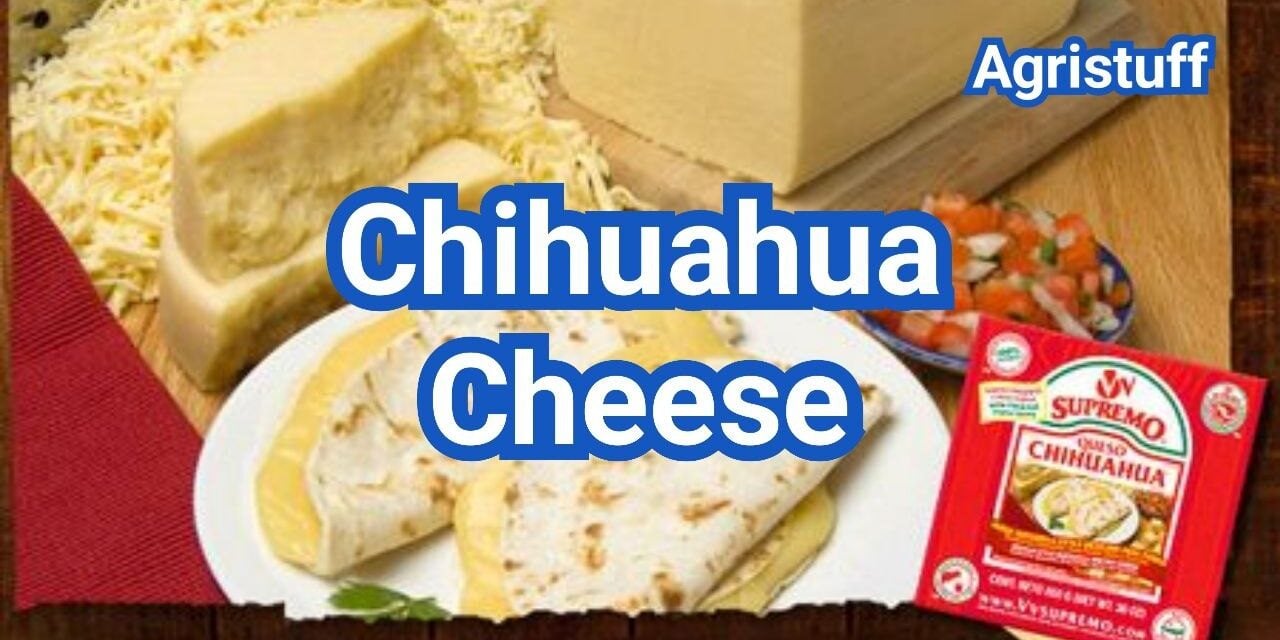
If you have ever wondered what is chihuahua cheese?, you are likely exploring the heart of authentic Mexican cooking. This semi-soft dairy product serves as a foundational ingredient in many traditional recipes across the country.
Known for its mild, buttery profile, this queso chihuahua is prized by home cooks for its incredible ability to liquefy smoothly. It provides the perfect stretch for any dish requiring a gooey, savory finish.
Beyond its functional melting properties, this queso represents a deep cultural connection to regional heritage. Whether you are preparing a quick snack or a complex Mexican feast, this versatile item remains an essential staple in your kitchen pantry.
Key Takeaways
- It is a semi-soft Mexican cheese, pale yellow product originating from northern regions.
- The flavor profile is mild, buttery, and slightly salty.
- It is widely considered the gold standard for melting in home kitchens.
- This ingredient is essential for authentic quesadillas and queso fundido.
- It offers a smooth texture that does not separate when heated.
What is Chihuahua Cheese?
Chihuahua Cheese is a semi-soft Mexican cheese that originated in the state of Chihuahua and is closely associated with Mennonite cheesemakers, which is why it is also often called queso menonita. It is known for a mild, buttery flavor and an easy-melting texture, making it a popular choice for quesadillas and other hot dishes. In the United States, related products may also appear under the name quesadilla cheese, so many shoppers recognize its melting use even before they recognize the original name. Wisconsin – Chihuahua Cheese
In practical terms, Chihuahua Cheese sits in the family of pressed-curd cheeses that are aged enough to develop body and flavor, but not so long that they lose their easy melting character. Some U.S. dairy references also note that related products may be marketed as “quesadilla cheese,” which helps explain why shoppers sometimes recognize the function before they recognize the original name. UW dairy reference on naming and style
The Origins and Cultural History of Chihuahua Cheese
To understand the unique profile of this cheese, one must look back at the arrival of Mennonite settlers in northern Mexico. These immigrants brought with them centuries-old dairy traditions that would eventually transform the local culinary landscape. Their arrival in the early 20th century marked the beginning of a new chapter for Mexican food culture.
The Mennonite Influence on Mexican Cheesemaking
In the 1920s, Mennonite communities settled in the state of Chihuahua, seeking land to maintain their traditional way of life. They brought specialized knowledge of cheesemaking, which relied on high-quality cow’s milk and simple, effective aging processes. This expertise allowed them to produce a semi-soft, mild product that quickly gained popularity among local residents.
The resulting queso menonita became a staple in the region due to its versatility and rich flavor. By utilizing local resources, these settlers created a product that bridged the gap between European techniques and the needs of the local market. This cultural exchange remains a cornerstone of the identity of this specific cheese.
From Queso Menonita to Modern Chihuahua Cheese
Over the decades, the production of this dairy item transitioned from small, farmhouse batches to wider commercial distribution. While it is still frequently referred to as queso menonita in many parts of Mexico, it is globally recognized as queso chihuahua. This evolution reflects the growing demand for a reliable, high-melting ingredient in both home kitchens and professional restaurants.
Modern production methods have standardized the quality of queso chihuahua, ensuring that it maintains its signature texture and mild, buttery taste. Today, it serves as a vital component in countless dishes across the United States and Mexico. The following table highlights the transition from traditional roots to modern standards.
| Feature | Traditional Method | Modern Production |
|---|---|---|
| Production Scale | Small Farmhouse | Commercial Facility |
| Primary Name | Queso Menonita | Queso Chihuahua |
| Consistency | Variable | Uniform |
| Availability | Local Markets | National Retailers |
Understanding the Characteristics of Chihuahua Cheese

When you examine this semi-soft Mexican cheese, you quickly notice its distinct structural integrity. Unlike fresh varieties that crumble easily, this product maintains a firm yet pliable body that makes it ideal for various culinary tasks. It represents a cornerstone of Mexican gastronomy, prized for its reliability in the kitchen.
Texture and Appearance of Semi-hard mexican Cheese
The appearance of authentic queso chihuahua is typically pale yellow or off-white, depending on the specific diet of the cows. It features a smooth, dense paste that is free of large holes or eyes. You will find that it slices cleanly, which is a significant advantage when preparing ingredients for a meal.
Because it is a semi-soft cheese, it offers a pleasant resistance when sliced or shredded. It does not turn into a mushy paste at room temperature, allowing for consistent results in your recipes. This physical stability is exactly why it is favored over softer, high-moisture alternatives.
What Does Chihuahua Cheese Taste Like?
If you are curious about what does chihuahua cheese taste like, imagine a profile that balances mildness with a subtle, savory depth. The chihuahua cheese taste is often described as buttery and slightly salty, reminiscent of a young cheddar or a mild Monterey Jack. It lacks the sharp tang found in aged varieties, making it a versatile partner for bold spices.
This queso provides a clean finish that does not overpower the other ingredients in your dish. Whether melted into a sauce or used as a topping, it adds a rich, creamy mouthfeel that enhances the overall experience. The following table highlights how its sensory profile compares to other common varieties.
| Attribute | Chihuahua Cheese | Queso Fresco | Monterey Jack |
|---|---|---|---|
| Texture | Semi-soft, smooth | Crumbly, dry | Semi-soft, creamy |
| Flavor | Mild, buttery | Fresh, milky | Mild, sweet |
| Melting | Excellent | Does not melt | Good |
| Color | Pale yellow | Bright white | Creamy white |
The Science of Melting: Why Chihuahua Cheese Excels
Understanding the molecular structure of Mexican melting cheese reveals why some varieties outperform others in the kitchen. When you heat cheese, a complex chemical process determines whether it becomes a gooey delight or a separated, oily mess.
The secret lies in the specific balance of moisture and fat content found within the curd. This unique composition allows the proteins to relax and stretch without breaking, creating that signature velvety texture that home cooks and chefs adore.
Does Chihuahua Cheese Melt Well?
Many culinary enthusiasts often ask, does chihuahua cheese melt well? The answer is a resounding yes, as it is specifically engineered to provide a consistent, creamy melt under high heat.
Because it is a semi-soft queso, it lacks the excessive aging that makes harder cheeses brittle. This makes queso chihuahua the ideal candidate for dishes that require a reliable, uniform consistency.
Comparing Melting Points with Other Varieties
When evaluating different types of cheese, the melting point is a critical factor for success. While some varieties may become stringy or release too much oil, this chihuahua variety maintains its structural integrity.
The following table highlights how this Mexican staple compares to other popular options regarding its behavior under heat.
| Cheese Variety | Melting Quality | Best Use Case |
|---|---|---|
| Queso Chihuahua | Excellent/Smooth | Quesadillas, Fundido |
| Aged Cheddar | Poor/Oily | Snacking, Sandwiches |
| Mozzarella | Good/Stringy | Pizza, Pasta |
| Cotija | None/Crumbly | Garnishing, Salads |
Chihuahua Cheese vs. Oaxaca and Monterey Jack

Many home cooks wonder how chihuahua cheese stacks up against other common melting varieties found in the dairy aisle. When you stand in front of the refrigerated display, it is easy to mix up these popular mexican staples. Understanding the specific traits of each queso helps you select the perfect ingredient for your next meal.
A common question shoppers ask is: is chihuahua cheese the same as quesadilla cheese? While the terms are often used interchangeably in grocery stores, they are not always identical. Many brands label their mild, melting-style cheeses as “quesadilla cheese,” but authentic queso chihuahua offers a distinct, buttery depth that generic blends often lack.
Key Differences Between Chihuahua and Oaxaca Cheese
While both are beloved in mexican cuisine, they serve different culinary purposes. Oaxaca cheese is famous for its unique, stringy texture, similar to mozzarella. It is typically sold in a ball and pulled apart into strands.
In contrast, chihuahua cheese is a semi-soft variety that does not pull into strings. Instead, it melts into a smooth, creamy consistency. Consider these primary differences:
- Texture: Oaxaca is fibrous and stringy; Chihuahua is firm yet creamy.
- Melting: Oaxaca holds its shape slightly better, while Chihuahua melts into a uniform pool.
- Flavor: Chihuahua has a sharper, more savory profile compared to the mild, milky taste of Oaxaca.
Chihuahua Cheese vs. Monterey Jack: Which to Choose?
When comparing chihuahua cheese vs monterey jack, the main difference lies in their cultural roots and flavor intensity. Monterey Jack is a classic American cheese known for its mild, buttery flavor and excellent melting properties.
Chihuahua cheese provides a more robust, slightly salty kick that mimics the traditional flavors of northern Mexico. If you want to maintain an authentic profile in your dishes, choose the queso chihuahua. However, if you are in a pinch, Monterey Jack serves as a reliable substitute because it shares a similar moisture content and melting point.
Nutritional Profile and Health Considerations
Understanding the nutritional profile of Mexican cheese is essential for maintaining a balanced diet. While many people focus on the flavor and melting capabilities of queso chihuahua, it is equally important to consider what this dairy product contributes to your daily intake. By examining the macronutrients, you can better integrate this traditional food into your culinary routine.
Calories and Macronutrient Breakdown
Like most semi-soft varieties, this cheese is energy-dense, primarily due to its fat and protein content. A standard serving provides a significant amount of calcium, which is vital for bone health. Most brands of chihuahua cheese contain a moderate amount of sodium, which helps preserve the flavor and texture during the aging process.
The following table outlines the typical nutritional values found in a standard one-ounce serving of this popular queso. These figures can vary slightly depending on the specific manufacturer and the milk source used during production.
| Nutrient | Amount per Serving | Daily Value % |
|---|---|---|
| Calories | 110 kcal | 5% |
| Total Fat | 9g | 12% |
| Protein | 7g | 14% |
| Calcium | 200mg | 20% |
Is Chihuahua Cheese a Healthy Choice?
Whether this product fits into a healthy lifestyle depends largely on portion control and your overall dietary goals. It serves as an excellent source of high-quality protein, which is necessary for muscle repair and satiety. However, because it is a whole-milk dairy product, it should be consumed in moderation to manage saturated fat intake.
Incorporating chihuahua into a meal filled with fresh vegetables or lean proteins can create a more balanced nutritional profile. When enjoyed as part of a varied diet, this Mexican staple provides both culinary satisfaction and essential nutrients. Always check the label on your specific queso chihuahua to ensure it aligns with your personal health requirements.
How to Select and Store Your Mexican Melting Cheese
When you head to the grocery store, knowing how to pick a high-quality chihuahua cheese block makes all the difference in your cooking. This versatile Mexican melting cheese is a staple for anyone looking to recreate authentic flavors at home. By paying attention to a few simple details, you can ensure that your ingredients are always top-tier.
Tips for Buying the Best Chihuahua Cheese Block
When browsing the dairy aisle, look for a firm, uniform texture. A high-quality chihuahua cheese block should feel solid to the touch and appear pale yellow or off-white. Avoid any packages that show signs of moisture buildup or mold, as these are clear indicators that the product is past its prime.
Check the expiration date carefully to ensure maximum freshness. If you are buying from a deli counter, ask for a fresh cut to guarantee the best flavor profile. Selecting the right queso is the first step toward achieving that signature stretch in your favorite dishes.
Proper Storage Techniques for Freshness
Learning how to store chihuahua cheese correctly will help you maintain its quality for much longer. Once you open the original packaging, it is best to wrap the remaining portion tightly in plastic wrap or aluminum foil. This prevents the cheese from drying out or absorbing unwanted odors from your refrigerator.
For the best results, keep your chihuahua in the vegetable crisper drawer where the temperature remains consistent. If you plan to keep it for more than a week, consider placing the wrapped block inside an airtight container. Following these simple steps ensures your Mexican melting cheese stays delicious and ready for your next culinary creation.
Where to Buy Authentic Chihuahua Cheese in the U.S.
Finding authentic chihuahua cheese in the u.s. is easier than ever for home cooks who love preparing traditional Mexican dishes. As the popularity of authentic queso grows, major retailers have expanded their inventory to include this versatile melting cheese. Whether you are planning a taco night or a batch of enchiladas, you can likely find what you need at a store nearby.
Finding Chihuahua Cheese at Walmart, Costco, and Kroger
If you are searching for where to buy chihuahua cheese, national chains are often your best starting point. Chihuahua cheese walmart locations frequently carry this product in their international or dairy aisles, often under popular brands like Cacique or V&V Supremo. Similarly, chihuahua cheese costco sometimes features larger bulk blocks, which are perfect for families or those who cook in high volume.
Kroger stores also maintain a consistent supply of chihuahua cheese in usa markets. You can usually find it stocked alongside other Hispanic dairy products. Checking the store locator on their official websites can save you time before you head out to shop.
Regional Availability at HEB, Jewel, and Meijer
Regional grocery chains play a vital role in providing access to specialized ingredients. Stores like HEB in Texas are well-known for their extensive selection of authentic queso chihuahua, often offering multiple brand options. In the Midwest, shoppers at Jewel-Osco and Meijer can also find this cheese in their specialty dairy sections.
These regional retailers often prioritize local demand, ensuring that high-quality products are always on the shelves. The following table provides a quick reference for what you might expect when shopping at these major outlets.
| Retailer Type | Availability | Typical Packaging |
|---|---|---|
| National Chains | High | 8oz to 16oz blocks |
| Regional Stores | Very High | Shredded or large blocks |
| Warehouse Clubs | Moderate | Bulk multi-packs |
Step-by-Step Guide to Using Chihuahua Cheese in the Kitchen
Bringing the authentic taste of queso chihuahua into your daily meals requires just a few simple techniques. This versatile ingredient is a staple in many Mexican households because of its reliable melting properties and mild, buttery flavor. Learning how to use chihuahua cheese effectively will help you elevate everything from quick snacks to elaborate family dinners.
Preparing the Cheese for Shredding and Melting
To get the best results, always start with a cold block of cheese. Chilled blocks are much easier to grate and prevent the queso from becoming gummy or clumping together during the process. Use a standard box grater on the medium-shred setting for the most consistent melt.
If you are planning to melt the chihuahua cheese, avoid high heat settings on your stove. Low to medium heat allows the proteins to relax slowly, ensuring a smooth, silky texture rather than a separated, oily mess. For oven-baked dishes, keep the temperature moderate to prevent the edges from burning before the center is fully melted.
Incorporating Chihuahua Cheese into Daily Recipes
You can easily integrate this cheese into your routine by using it as a direct substitute for other semi-soft varieties. It works beautifully in breakfast burritos, melted over steamed vegetables, or stirred into creamy pasta sauces. Because it is so adaptable, you will find it becomes a go-to ingredient in your pantry.
Consider the following table to help you decide the best way to prepare your ingredients for different culinary applications:
| Dish Type | Preparation Method | Melting Goal |
|---|---|---|
| Quesadillas | Coarse Shred | Quick, gooey stretch |
| Casseroles | Fine Shred | Even, golden crust |
| Sauces | Cubed/Small Pieces | Smooth, emulsified base |
| Toppings | Hand-crumbled | Soft, warm texture |
Experimenting with queso chihuahua allows you to explore new flavor profiles while maintaining the comfort of familiar dishes. Whether you are a beginner or an experienced cook, mastering these simple steps ensures your Mexican-inspired meals are always a success.
Mastering Mexican Dishes with Chihuahua Cheese
Achieving that perfect, gooey stretch in your favorite recipes starts with selecting the right mexican melting cheese. Whether you are preparing a quick snack or a complex dinner, the quality of your ingredients dictates the final result. Chihuahua cheese is a versatile staple that brings a mild, buttery flavor and superior melting capabilities to the table.
The Best Cheese for Quesadillas and Tortas
When it comes to the best cheese for quesadillas, you need a product that softens quickly without becoming oily. Chihuahua cheese provides a smooth, consistent melt that binds your tortillas and fillings together perfectly. It offers just enough saltiness to enhance the other ingredients without overpowering them.
This variety also stands out as the premier mexican cheese for tortas. Because it is semi-soft, it spreads easily across warm bread, adding a creamy layer that complements spicy meats and fresh avocado. Its ability to maintain a pleasant texture even as it cools makes it a reliable choice for sandwiches.
Creating the Perfect Queso Fundido
If you are looking for the best cheese for queso fundido, look no further than authentic queso chihuahua. This dish relies on a cheese that can bubble and stretch while maintaining a rich, velvety consistency. When melted in a hot skillet, it creates a decadent base that pairs beautifully with chorizo or roasted poblano peppers.
To achieve the ideal consistency for your dip, consider these tips:
- Shred the cheese finely to ensure even heat distribution.
- Keep the heat at a medium-low setting to prevent the fats from separating.
- Serve immediately while the melting cheese is at its peak elasticity.
Using Chihuahua Cheese for Authentic Enchiladas
Finding the best cheese for enchiladas can be a challenge, but this specific variety excels at both filling and topping. It melts into a luscious, gooey center that balances the acidity of red or green sauces. Many home cooks prefer it because it does not become rubbery when baked in the oven.
Using this mexican classic ensures your enchiladas have that signature restaurant-quality finish. It provides a mild, nutty undertone that rounds out the bold spices found in traditional sauces. By incorporating this cheese, you ensure every bite is rich, creamy, and satisfying.
Chihuahua Cheese for Chile Relleno and Other Specialties
Mastering the art of the perfect chile relleno requires a specific type of cheese that balances texture and flavor. When you prepare this classic mexican cheese for chile relleno, you need a product that melts beautifully without losing its structural integrity inside the pepper.
Chihuahua cheese is widely considered the gold standard for these culinary creations. Its unique composition allows it to soften into a creamy, gooey consistency that complements the roasted poblano pepper perfectly.
Why Chihuahua Cheese is Ideal for Stuffed Peppers
The primary reason this cheese excels in stuffed peppers is its superior melting point. Unlike some varieties that turn oily or separate when heated, this cheese maintains a smooth, cohesive texture.
It provides a mild, buttery flavor profile that does not overpower the delicate taste of the roasted chile. This balance is essential for achieving an authentic result that highlights the natural sweetness of the pepper.
Working with Supremo Chihuahua and Other Trusted Brands
When shopping for your ingredients, choosing a high-quality brand makes a significant difference in your final dish. Supremo is a highly regarded name that offers a consistent, authentic product for home cooks.
Using a reliable queso chihuahua ensures that your filling remains stable during the frying or baking process. Whether you are a beginner or an experienced chef, sticking to trusted brands helps you master the nuances of this traditional mexican specialty. Always look for a firm block of cheese to ensure the best shredding and melting performance for your next batch of stuffed peppers.
Popular Chihuahua Cheese Substitutes

Discovering a reliable chihuahua cheese substitute ensures your meals maintain their authentic flavor and texture even when your local store is sold out. While nothing perfectly replicates the unique profile of queso chihuahua, several accessible options can save your dinner plans.
When you cannot find this specific mexican staple, do not panic. You can often achieve similar results by mixing different varieties to mimic the specific melt and saltiness of the original cheese.
What to Do if Chihuahua Cheese Isn’t in Stock
If you find yourself without chihuahua, start by checking the specialty dairy aisle for other regional melting cheeses. Many grocers carry similar semi-soft options that provide a comparable stretch and mild, buttery finish.
If no direct alternatives are available, consider the specific role the ingredient plays in your recipe. If you need a strong melt for a queso dip, look for high-moisture options that will not separate or become oily under heat.
When to Use Mild White Cheddar or Mozzarella
For many home cooks, mild white cheddar serves as an excellent chihuahua cheese substitute because it offers a similar tang and firmness. It melts well, though it may be slightly sharper than the traditional variety.
If your goal is a perfect, gooey pull for quesadillas, mozzarella is your best friend. While it lacks the distinct depth of queso chihuahua, its superior melting properties make it a reliable choice for dishes where texture is the primary focus.
To get the best of both worlds, try combining equal parts of both. This blend provides the stretchy consistency of mozzarella alongside the savory flavor profile of white cheddar, creating a balanced alternative for your favorite recipes.
Modern Culinary Applications and Fusion Recipes
The distinct character of Chihuahua cheese makes it an ideal candidate for innovative culinary applications that go far beyond standard Mexican fare. While its roots are deeply tied to traditional heritage, its melting properties allow it to bridge the gap between classic comfort food and contemporary fusion cuisine.
Pairing Chihuahua Cheese with Modern Ingredients
To unlock the full potential of this queso chihuahua, consider pairing it with ingredients that highlight its buttery, semi-soft profile. It works exceptionally well when balanced against acidic or earthy components found in modern pantries.
- Roasted Mediterranean Vegetables: Top charred bell peppers or zucchini with shredded cheese for a savory, gooey finish.
- Balsamic Glazes: The slight tang of a balsamic reduction cuts through the richness of the cheese perfectly.
- Artisan Sourdough: Use it as the base for a gourmet grilled cheese sandwich paired with fig jam or caramelized onions.
Creative Ways to Use Shredded Chihuahua Cheese
Home cooks can easily incorporate this versatile queso into everyday meals to add a touch of culinary flair. Because it has such a reliable melting point, it serves as a superior alternative to standard processed varieties in many fusion recipes.
Try these creative methods to elevate your next meal:
- Savory Pastries: Fold the shredded cheese into puff pastry dough with fresh herbs for a quick, elegant appetizer.
- Fusion Pasta Bakes: Stir it into a creamy béchamel sauce to create a decadent, stringy topping for baked ziti or macaroni.
- Breakfast Frittatas: Sprinkle it over a vegetable-heavy frittata to ensure a smooth, golden crust that holds the ingredients together.
By experimenting with these modern combinations, you can transform a simple block of Chihuahua cheese into the star of any global dish. Its ability to adapt to various flavor profiles ensures that your kitchen experiments will remain both delicious and memorable.
The Production Process: From Cow’s Milk to Magic
Understanding how queso chihuahua is crafted reveals the deep dedication behind this beloved dairy product. The transformation of simple ingredients into a creamy, melting masterpiece is a fascinating journey that balances heritage with modern technology.
Traditional vs. Modern Production Methods
Historically, this cow’s milk mexican cheese was produced in small batches on family farms. Artisans would heat raw milk in large copper vats, adding cultures and rennet by hand to achieve the perfect curd consistency. This labor-intensive method relied heavily on the intuition of the cheesemaker to determine when the texture was just right.
Today, modern facilities have streamlined these steps to ensure efficiency without sacrificing quality. While the core principles remain the same, automated systems now monitor temperature and acidity levels with extreme precision. Brands like Supremo utilize these advanced techniques to maintain the authentic flavor profile that consumers expect from a high-quality queso.
The Role of Pasteurized Milk in Quality Control
Safety is a top priority in the modern production of pasteurized mexican cheese. By heating the milk to specific temperatures, manufacturers effectively eliminate harmful bacteria while preserving the essential proteins needed for a superior melt. This step is crucial for maintaining consistency across every block of chihuahua cheese produced.
Rigorous quality control measures ensure that every batch meets strict food safety standards before it reaches the market. Using pasteurized mexican cheese allows producers to offer a reliable product that is both safe and delicious for families. This commitment to excellence is what makes this mexican staple a trusted choice for home cooks and professional chefs alike.
Fun Facts and Culinary Trivia

The story of this iconic food is deeply rooted in the rugged landscapes of northern Mexico. While many home cooks reach for it to perfect their favorite recipes, the history behind the product is just as rich as its flavor profile.
Why is it Called Chihuahua Cheese?
The name of this cheese is directly tied to the region where it first gained popularity. Often referred to as queso menonita, it was developed by Mennonite communities who migrated to the area in the early 20th century.
These settlers brought traditional European cheesemaking techniques to the Mexican countryside. Over time, the local population began identifying the product by the state name, cementing the term chihuahua in culinary history.
Cultural Significance in the Mexican State of Chihuahua
In the state of Chihuahua, this dairy product is far more than just a kitchen staple. It represents a unique intersection of immigrant heritage and local agricultural traditions.
Families across the region take great pride in the quality of their local queso. It serves as a symbol of the area’s ability to adapt foreign methods into a distinct queso chihuahua identity that is now celebrated throughout the United States.
Whether served at a local festival or a family dinner, this cheese remains a cornerstone of regional pride. Its evolution from a niche community product to a widely recognized mexican favorite highlights the enduring legacy of the Mennonite influence on local food culture.
At The End of: Chihuahua Cheese Guide
Mastering the art of authentic cooking starts with choosing the right ingredients. You now possess the knowledge to identify what is chihuahua cheese and why it remains a staple in professional kitchens. This versatile product brings a unique depth to every meal you prepare.
The rich history of this mexican dairy tradition highlights its importance in modern culinary culture. Whether you are melting it into a warm queso dip or layering it inside a crispy taco, the quality of your cheese defines the final result. Brands like Supremo provide consistent texture that home cooks rely on for perfect results.
Experimenting with queso chihuahua allows you to explore new dimensions of flavor in your favorite recipes. You can transform simple snacks into gourmet experiences with just a few shreds of this semi-soft delight. Keep a block in your refrigerator to ensure you are always ready to craft a delicious meal.
Share your favorite creations with friends and family to spread the joy of traditional cooking. Your journey into the world of authentic cheese starts today. Grab a package of chihuahua on your next grocery trip and enjoy the savory difference in your own home.
FAQ
What is Chihuahua cheese and where does it originate?
Also known as queso chihuahua or queso menonita, this semi-hard mexican cheese originated in the mexican state of chihuahua. It was first crafted by Mennonite communities, which is why it is often called mexican menonite cheese. It is a cow’s milk mexican cheese that has become famous worldwide for being the best melting mexican cheese.
What does Chihuahua cheese taste like?
The chihuahua cheese taste is mild, buttery, and slightly tangy, similar to a mild white cheddar or a high-quality Monterey Jack. It offers a creamy cheese profile that is savory but not overpowering, making it an excellent type of cheese for a wide variety of authentic chihuahua cheese recipes.
Does Chihuahua cheese melt well for cooking?
Absolutely. In fact, it is considered the ultimate guide to mexican melting cheese because of its perfect fat-to-moisture ratio. Melted chihuahua cheese becomes velvety and smooth without becoming excessively oily, which is why it is the best cheese for quesadillas, best cheese for queso fundido, and best cheese for enchiladas.
Is Chihuahua Cheese the same as queso quesadilla?
In many U.S. stores, Chihuahua Cheese may appear under the name queso quesadilla or in products built for the same function, although labels and branding vary by maker. The safest approach is to read the style description and ingredient panel instead of relying only on the front-of-pack name. UW note on U.S. naming
Can Chihuahua Cheese replace Monterey Jack?
Yes, Chihuahua Cheese can replace Monterey Jack in many recipes when you want a similar level of friendliness with a slightly more buttery and Mexican-style profile. It is especially effective in quesadillas, enchiladas, and baked fillings where smooth melt matters more than dramatic stretch. comparison to familiar U.S. melters
Is Chihuahua Cheese safe to eat cold?
Chihuahua Cheese can be eaten cold when it comes from a properly handled, refrigerated, pasteurized product and the package is still in good condition. As with other dairy foods, safety depends less on whether you melt it and more on how it was produced, stored, and handled before serving. FDA information on pasteurized dairy safety systems
What is the best dish of Chihuahua Cheese to try first?
If you are new to Chihuahua Cheese, the easiest first test is a simple quesadilla because it lets you judge melt, flavor, browning, and texture without extra variables. After that, queso fundido and cheese enchiladas are strong second steps because they show how the cheese behaves in richer, hotter applications. Nebraska recipe framework for quesadillas
What is the difference between Chihuahua cheese vs. Oaxaca?
When comparing chihuahua cheese vs oaxaca, the main difference is the texture. Oaxaca and chihuahua cheese both melt beautifully, but Oaxaca is a “pasta filata” or stretched-curd cheese (like mozzarella) that comes in strings. Queso chihuahua is a semi-hard block cheese that provides a more uniform, creamy melt for dishes like quesadilla chihuahua.
How does Chihuahua cheese vs. Monterey Jack compare?
In the chihuahua cheese vs monterey jack debate, the two are often used interchangeably. However, authentic chihuahua cheese generally has a slightly more complex, tangy flavor due to its traditional production of chihuahua cheese methods. While both are excellent mexican melting cheese options, Chihuahua is preferred for traditional queso menonite flavor.
Where to buy Chihuahua cheese in the U.S.?
You can find chihuahua cheese in usa at most major retailers. Chihuahua cheese walmart, chihuahua cheese target, and chihuahua cheese costco are reliable sources. Regionally, you can find it at chihuahua cheese heb, chihuahua cheese kroger, chihuahua cheese jewel, and chihuahua cheese meijer. Look for trusted brands like v&v supremo chihuahua cheese or la chona chihuahua cheese.
What is a good Chihuahua cheese substitute?
If you are looking for a chihuahua cheese substitute, mild white cheddar, Monterey Jack, or Muenster are the best options. These alternatives mimic the soft white cheese texture and the mild, savory chihuahua cheese taste required for mexican cheese for tortas or mexican cheese for chile relleno.
Is Chihuahua cheese the same as quesadilla cheese?
Yes, in many contexts, is chihuahua cheese the same as quesadilla cheese is a common question because labels often use them interchangeably. Many brands, such as v&v supremo cheese, market their chihuahua quesadilla cheese specifically for its superior melting capabilities in a quesadilla chihuahua.
How should I store my Chihuahua cheese?
To maintain quality, how to store chihuahua cheese involves keeping the chihuahua cheese block tightly wrapped in plastic wrap or an airtight container in the refrigerator. This prevents the semi-soft mexican cheese from drying out or absorbing other odors. Proper storage ensures it remains the best melting mexican cheese for your next meal.
Is Chihuahua cheese healthy and pasteurized?
Most queso chihuahua sold in the United States, such as supremo chihuahua cheese, is a pasteurized mexican cheese, making it safe for general consumption. Regarding chihuahua cheese nutrition, it is a significant source of calcium and protein, though it is high in chihuahua cheese calories and fat, so it should be enjoyed as part of a balanced diet.
What are the most popular uses for Chihuahua cheese?
Beyond the standard chihuahua cheese quesadilla, it is the best cheese for queso fundido and an essential mexican cheese for chile relleno. Many chefs also use chihuahua shredded cheese as a mexican cheese for tortas or as a topping for soups and beans to add a rich, creamy cheese finish.
Why is it called Chihuahua cheese?
The name originates from the mexican state of chihuahua, the region where the cheese was first developed and popularized. While it is now produced in many areas, the name remains a tribute to its historical origins of queso menonita in Northern Mexico.
Conclusion of: Chihuahua Cheese
Chihuahua Cheese is a semi-soft to semi-hard Mexican cow’s milk cheese known for a mild buttery taste, a creamy body, and a dependable melt that works especially well in hot dishes. For American readers, the easiest way to think about it is as a Mexican melting cheese that sits somewhere between Monterey Jack and a young, gentle cheddar in everyday kitchen use. Wisconsin Cheese overview
For U.S. cooks, Chihuahua Cheese matters because it solves a practical problem: you want a cheese that softens evenly, browns lightly, and delivers more flavor than a bland shred without becoming greasy too fast. That makes it a smart choice for quesadillas, queso fundido, enchiladas, stuffed peppers, and weeknight casseroles that need a smooth, rich finish instead of a rubbery one. Center for Dairy Research notes on Mexican cheeses
What is Chihuahua Cheese?
The story of Chihuahua Cheese starts in northern Mexico, where Mennonite communities helped establish the style in the state of Chihuahua during the early twentieth century. Because of that history, you will also see it called queso menonita, and both names are commonly tied to the same broad cheese tradition. history of queso menonita
What does Chihuahua Cheese taste like?
On the palate, Chihuahua Cheese is usually mild first, then creamy, buttery, and lightly tangy rather than sharp or aggressively salty. Sensory work on this cheese describes notes connected to fresh milk, cooked milk, and melted butter, which fits the experience many home cooks have when it is served warm. sensory profile study
Texturally, Chihuahua Cheese lands in a comfortable middle ground: it is softer and creamier than aged cheddar, but firmer and less stringy than Oaxaca or mozzarella. That balance is a big reason it feels so versatile in American kitchens, because it can be sliced, shredded, cubed, or melted without forcing the cook to change technique too much. UW dairy applications article
Does Chihuahua Cheese melt well?
The reason Chihuahua Cheese performs so well under heat is not magic; it comes from the same dairy science that governs moisture, fat, acidity, and the structure of the casein network in other good melting cheeses. When those factors are in balance, the cheese softens and flows instead of separating badly, which is exactly what you want in a quesadilla or skillet dish. Center for Dairy Research on melt and stretch
Research on aging shows Chihuahua Cheese changes as it matures, with meltability tending to increase while the cheese becomes easier to slice and less bright white in appearance. For cooks, that means a lightly aged block can give a more fluid melt than an extremely fresh one, even when both come from the same basic style. Journal of Dairy Science paper on aging and meltability
How Chihuahua Cheese is made
Traditional Chihuahua Cheese begins with cow’s milk, starter cultures, and rennet, followed by cutting the curd, heating, draining, salting, pressing, and a relatively short ripening period. Several dairy references point out that the make procedure has similarities to cheddar-style handling in the way moisture is managed and structure is built before the cheese is formed into wheels or blocks. basic make process
From a U.S. food-safety standpoint, Chihuahua Cheese is easiest to recommend when it is clearly labeled as pasteurized and produced under controlled sanitary conditions. Academic work on this cheese has shown that standardization, good manufacturing practices, and pasteurization can improve quality and reduce the risk associated with raw-milk versions. study on manufacturing quality and pasteurization
Chihuahua Cheese vs. other Mexican melting cheeses
Compared with Oaxaca, Chihuahua Cheese is usually less stringy; compared with asadero, it is often described with a little more body; and compared with Mexican manchego, it generally feels more rooted in northern Mexican cheese tradition than in a mass-market sandwich format. The best summary is that it is a balanced melting cheese: rich enough to matter, gentle enough not to overpower fillings, and sturdy enough to hold its place in layered dishes. UW comparison of Mexican cheese styles
Best Mexican dishes for Chihuahua Cheese
In the kitchen, Chihuahua Cheese shines most in dishes where full melting is part of the point rather than just a garnish. University and dairy-industry references commonly connect this style to quesadillas, queso fundido, enchiladas, chile relleno, soups, omelets, tacos, tortas, and other hot preparations where a smooth, mild melter is an advantage. common culinary uses
For weeknight cooking, Chihuahua Cheese works best when you match the cut to the dish: grate it for fast quesadillas, cube it for fundido, slice it for tortas, and tuck thicker pieces into baked casseroles or stuffed peppers. If you are making a skillet or oven dish, moderate heat and a short melt usually give better texture than blasting it at high temperature until the surface toughens. Clemson guidance on melting cheese
How to buy Chihuahua Cheese in the U.S.
When shopping, Chihuahua Cheese is worth checking like any other perishable dairy product: look for sealed packaging, clear manufacturer information, a visible use-by date, cold storage at retail, and a label that states the milk has been pasteurized. Those basics matter more than branding hype, especially if the cheese will be served to children, older adults, pregnant people, or anyone with a weakened immune system. FDA buying guidance for Latin-style cheeses
For better melt, Chihuahua Cheese in block form is often the safer buy than heavily coated pre-shredded versions, because freshly shredded cheese usually softens more evenly in the pan. Even when you do buy a shredded package for convenience, it is smart to look at the ingredient list and choose a product that is not overloaded with starches and anti-caking agents if melt quality is your main goal. guidance on shredding and smoother melting
How to store Chihuahua Cheese safely
At home, Chihuahua Cheese should go into the refrigerator quickly and stay cold, ideally at or below 40°F, because it is still a moisture-containing dairy food and not a shelf-stable pantry ingredient. Wrap opened cheese well, keep it away from strong-smelling foods, and use it while the flavor is still clean and the surface is free from drying or slime. cold food storage chart
People at higher risk for foodborne illness should treat Chihuahua Cheese with the same caution they would use for other soft or semi-soft dairy items, especially if the milk source or handling history is unclear. Public-health agencies continue to warn that soft cheeses and raw-milk dairy products can play a role in Listeria illness when sanitation or temperature control fails. CDC guidance on soft cheeses and raw milk
Nutrition notes
Nutritionally, Chihuahua Cheese offers the familiar strengths and tradeoffs of a semisoft cow’s milk cheese: useful protein, calcium, and satisfying richness, but also saturated fat and sodium that can add up quickly if the portion gets oversized. In practice, many cooks get the best balance by using it as a flavor-forward ingredient rather than piling it into every layer of a dish. USDA FoodData Central cheese search
Quick checklist
- Buy it refrigerated and in sealed packaging.
- Prefer pasteurized milk for broad household use.
- Choose block form when melt quality matters most.
- Shred it just before cooking for more even melting.
- Use medium heat instead of aggressive high heat.
- Pair it with tortillas, chiles, beans, eggs, or roasted vegetables.
- Use it in quesadillas, fundido, enchiladas, tortas, or stuffed peppers.
- Refrigerate promptly after opening.
- Watch portion size because richness builds quickly.
- Skip any package that is swollen, leaking, or not clearly labeled.
Common mistakes to avoid
- Using blasting-hot heat and expecting a smoother melt.
- Leaving the cheese out during party service too long.
- Assuming all “Mexican cheese” blends perform the same way.
- Buying unlabeled or poorly refrigerated product because it looks authentic.
- Expecting mozzarella-style stretch from every batch.
- Using too much in a dish and burying the other flavors.
- Skipping the shred step and dropping in thick cold chunks for fast-pan recipes.
- Confusing mild flavor with low richness and over-seasoning the filling.
Costs and ROI snapshot
For home cooks, Chihuahua Cheese is usually worth paying a little more for when the recipe depends on melt, because a cheese that behaves correctly can save the whole dish from turning oily, rubbery, or bland. The biggest cost drivers are whether the product is imported or domestic, block versus shredded format, milk source, brand positioning, and how much labor you are replacing with a convenience pack. Penn State overview of cheese product trends
For restaurants and food businesses, Chihuahua Cheese can offer good menu ROI when it helps a signature item feel more authentic and more satisfying without forcing complicated prep changes. The real return comes from texture, consistency, and customer perception, not from chasing the cheapest possible pound cost, because a weaker melter can create waste, rework, and lower repeat orders. UW article on cheesemaking factors that influence melt
Final thought
Overall, Chihuahua Cheese is one of the most useful Mexican-style cheeses for American kitchens because it combines approachable flavor with reliable melt and broad recipe flexibility. If you want a cheese that can move from quick quesadillas to richer baked dishes without much guesswork, this is a smart one to keep in rotation. New Mexico State guidance on cheese functionality
Sources & References
- Olson et al., Journal of Dairy Science: Functional properties of aging cheese
- Rojo-Gutiérrez et al., Journal of Dairy Science: Manufacture of magnesium-fortified Chihuahua cheese
- Tunick et al., International Journal of Dairy Technology: Manufacturing procedures and composition
- Van Hekken et al., Journal of Dairy Science: Sensory profiles of young Chihuahua cheese
- Paul et al., sensory and protein profiles of Mexican Chihuahua cheese
- Foods journal: microbiological changes during ripening
- Ciencia e Investigación Agraria: sensory and physicochemical profile
- AIMS Agriculture and Food: microbiological and physicochemical characteristics
- FDA consumer guidance for queso fresco-type cheeses
- CDC: How Listeria spreads through soft cheeses and raw milk
- FoodSafety.gov cold storage chart