
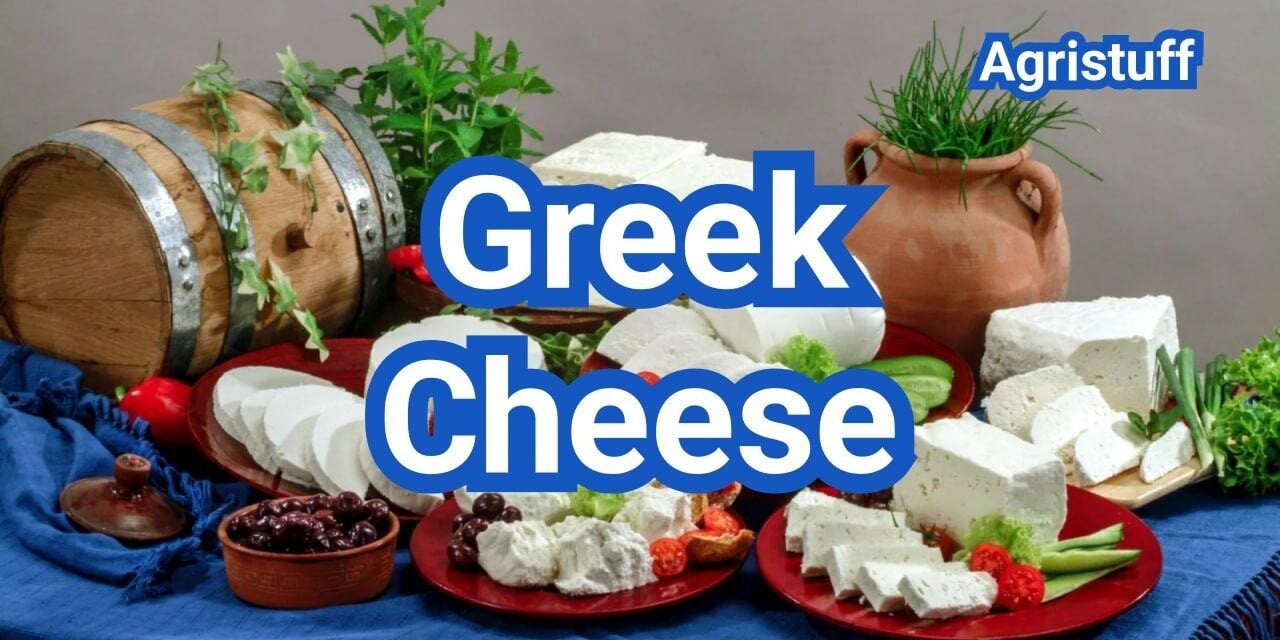
Many home cooks associate Mediterranean dairy solely with the salty, crumbly block found in every supermarket. However, a vast world of culinary treasures awaits those willing to look further. This comprehensive guide helps you navigate the rich variety of products originating from this sun-drenched region.
We will explore everything from soft, creamy whey options to firm, aged wheels perfect for grating over pasta. By understanding the unique profiles of these popular dairy varieties, you can elevate your kitchen creations with authentic, bold flavors. Discover how these Mediterranean staples transform simple meals into gourmet experiences.
Key Takeaways
- Explore diverse textures ranging from soft whey to hard, aged wheels.
- Learn how to pair specific regional products with local ingredients.
- Elevate home cooking by moving beyond common supermarket options.
- Understand the traditional methods behind these historic food items.
- Master the art of selecting the right variety for your next recipe.
The Century-Old Tradition of Greek Cheese Making
The roots of Greek cheese production stretch back thousands of years into the rugged Mediterranean landscape. This century-old cheese-making tradition has been carefully preserved by generations of shepherds who understand the nuances of their environment. By examining greek cheese history, we gain a deeper appreciation for the methods that remain largely unchanged today.
The mountainous terrain of Greece provides the perfect backdrop for sheep and goat farming. These animals graze on wild herbs and grasses, which directly influence the complex flavor profiles found in traditional greek cheese. Because the landscape is often harsh and rocky, these hardy breeds produce milk that is exceptionally rich and flavorful.
Ancient practices ensure that every block of cheese reflects the specific climate and soil of its origin. Whether produced on a small island or in the mainland highlands, these greek cheeses carry a unique sense of place. The following table highlights the key elements that define this enduring craft.
| Production Factor | Traditional Method | Impact on Quality |
|---|---|---|
| Milk Source | Sheep and Goat | High fat and protein content |
| Aging Process | Natural caves or barrels | Complex, earthy flavor development |
| Preservation | Brining or drying | Extended shelf life and texture |
| Regional Influence | Local flora and altitude | Distinctive regional characteristics |
Modern consumers often seek out these authentic products to experience a taste of history. By supporting producers who honor these greek techniques, you help keep a vital cultural heritage alive. Each variety of cheese serves as a delicious reminder of the dedication required to master this ancient art form.
Understanding the Rich Variety of Greek Cheese

While many people associate Greece with a single famous white cheese, the country actually boasts over 20 distinct varieties. Each type offers a unique profile that defines the authentic flavors of Greek cheese. Exploring these options is a rewarding journey for any food lover.
This section serves as a crash course in greek cheeses, helping you identify the most common greek cheese names found in specialty shops. By looking at greek cheeses beyond feta, you can appreciate the depth of local traditions. Every wheel or block tells a story of the specific region, the milk source, and the careful aging process used by local artisans.
To truly appreciate the rich variety of Greek cheeses, it helps to categorize them by their texture and production method. Whether you prefer tangy, brined options or sweet, nutty hard cheeses, there is something for every palate. Understanding these greek cheese varieties is essential for anyone looking to expand their culinary repertoire.
Here are some of the best greek cheeses: exploring the variety of cheese in greece that you should know:
- Graviera: A versatile, firm cheese with a slightly sweet and nutty flavor profile.
- Kasseri: A semi-hard, pale yellow cheese known for its excellent melting properties.
- Manouri: A creamy, semi-soft whey cheese that is incredibly rich and smooth.
- Kefalotyri: A very hard, salty, and sharp cheese that is perfect for grating over pasta.
- Mizithra: A traditional whey cheese available in both fresh and aged, dried forms.
When you start greek cheeses: exploring the variety of cheese in greece, you will find that each region brings its own character to the table. From the mountainous mainland to the Aegean islands, the local environment influences the final product. We encourage you to experiment with these different types of Greek Cheese to discover your personal favorites.
Authentic Greek Feta: The Pinnacle of the Craft

When exploring the ultimate guide to greek cheeses – the classics, one name consistently rises above the rest: authentic Greek feta. This iconic product is widely regarded as feta: the pinnacle of greek cheese, representing centuries of tradition and regional expertise. Whether you are a seasoned chef or a curious home cook, understanding what makes this cheese special is the first step toward culinary excellence.
Identifying PDO Status and Quality
To ensure you are purchasing authentic Greek cheese, always look for the Protected Designation of Origin (PDO) seal. A true Greek PDO cheese must be produced in specific regions of Greece using traditional methods. It is crafted primarily from sheep’s milk, often with a small percentage of greek goat milk added for complexity.
This strict regulation ensures that the greek feta cheese you buy maintains its signature tangy profile and crumbly texture. Without this certification, the product is merely a domestic imitation that lacks the depth of authentic feta cheese. Always check the label to confirm the origin before you buy.
Barrel-Aged vs. Industrial Feta
The aging process significantly impacts the final character of your feta. Barrel aged feta cheese is matured in wooden casks, which allows the cheese to develop a sharper, more robust flavor profile. This traditional method creates a firm yet creamy texture that is highly sought after by connoisseurs.
In contrast, industrial feta barrel aged alternatives are often mass-produced in plastic containers. While these versions are convenient, they frequently lack the nuanced, earthy notes found in traditionally aged varieties.
“True feta is a testament to the land, the milk, and the patient hands of the cheesemaker.”
Best Culinary Uses for Authentic Feta
There is a reason why this is considered the best Greek cheese for salads. Its salty, acidic bite perfectly balances the sweetness of ripe tomatoes and the bitterness of crisp cucumbers. Beyond the classic village salad, feta and cheese enthusiasts often use it in savory pastries or baked dishes.
You can crumble it over roasted vegetables or whip it into a creamy dip for a modern twist. When selecting greek feta for your recipes, remember that quality ingredients define the final dish. Whether you call it fetagreek or simply feta, this versatile staple remains the heart of the Mediterranean diet.
Graviera: A Tale of Two Islands

While many people immediately think of feta, the best-known Greek graviera cheese offers a sophisticated alternative for those seeking depth. As one of the most versatile types of Greek cheese: graviera, feta, metsovone, this hard variety has earned its place as a staple in kitchens worldwide.
Comparing Graviera Naxou and Cretan Graviera
The character of this cheese changes significantly depending on its origin. Graviera Naxou is celebrated for its slightly sweet, buttery profile, which stems from the high-quality cow’s milk used on the island of Naxos.
In contrast, the traditional Cretan version often incorporates sheep’s milk or a blend of goat’s milk. This results in a sharper, more robust flavor that reflects the rugged landscape of the island.
Feta vs. Graviera: Flavor Profiles and Textures
Understanding the difference in feta vs graviera is essential for any home cook. While feta is a soft, tangy, and crumbly brined cheese, graviera is a firm, aged product with a complex, nutty finish.
Feta provides a bright acidity that cuts through rich dishes. Conversely, graviera offers a dense, smooth texture that holds up beautifully when sliced or melted.
Pairing Graviera with Honey and Fruits
Because of its inherent nuttiness, this cheese is a natural partner for sweet accompaniments. Drizzling a bit of local honey over a wedge of aged graviera creates a perfect balance of savory and sweet notes.
You can also serve it alongside fresh figs, grapes, or crisp apples to elevate your next charcuterie board. These simple pairings highlight why this cheese remains a favorite for both casual snacking and elegant entertaining.
Kasseri: The Multi-Regional Treasure
When exploring the world of Greek dairy, few products offer the versatility of the semi-hard, sheep’s milk treasure known as kasseri. This Greek melting cheese is celebrated for its mild, buttery flavor and its ability to stretch beautifully when heated. As a staple in many regions, this greek cheese kasseri provides a reliable foundation for both simple snacks and elaborate culinary creations.
Kasseri Cheese Uses in Modern Cooking
The culinary applications for this cheese are nearly endless due to its excellent melting properties. Whether you are preparing a quick lunch or a dinner party appetizer, kasseri cheese uses are limited only by your imagination. It holds its shape well under heat, making it a favorite for dishes that require a consistent, gooey texture.
Consider incorporating this ingredient into your daily routine with these popular methods:
- Toasted Sandwiches: Elevate a basic grilled cheese by using high-quality cheese kasseri for a superior, savory melt.
- Savory Pies: Add grated pieces into phyllo-based pastries to create a rich, creamy filling that balances perfectly with salty feta.
- Gratins and Casseroles: Sprinkle it over roasted vegetables or pasta bakes to achieve a golden, bubbling crust.
Mastering the Art of Kasseri Saganaki
Perhaps the most iconic way to enjoy this product is by preparing kasseri saganaki. This dish highlights the cheese’s unique structure, as it browns perfectly in a hot pan without melting away into a puddle. To achieve the best results, you must select the right kasseri cheese for saganaki, ensuring it is firm and well-aged.
To master your own kasseri cheese saganaki, follow these simple steps for a professional finish:
- Slice the cheese into thick, uniform rectangles about half an inch wide.
- Lightly dust the slices with flour and shake off any excess to ensure a crisp exterior.
- Heat a small amount of olive oil in a non-stick skillet over medium-high heat.
- Sear the cheese until it develops a deep, golden-brown crust on both sides, then serve immediately while warm.
By following these techniques, you can transform a simple block of kasseri cheese into a gourmet appetizer that impresses any guest. Its ability to maintain its integrity while softening makes it a true kitchen essential for any lover of Mediterranean flavors.
Manouri: Creaminess Redefined

Discover why Manouri is considered a whey beyond ordinary in the culinary landscape. This exceptional Greek whey cheese is crafted from the rich milk left over after the production of feta, resulting in a product that is remarkably dense and buttery.
Unlike many other varieties, this cheese offers a unique profile that balances mild saltiness with a creamy finish. It has become a favorite for those who appreciate a sophisticated, melt-in-your-mouth experience.
Manouri Cheese Uses in Sweet and Savory Dishes
The versatility of manouri cheese uses allows it to shine in almost any meal. In savory applications, you can crumble it over fresh salads or use it as a decadent filling for phyllo pastries.
For those with a sweet tooth, cheese manouri pairs beautifully with honey, nuts, and fresh figs. It acts as a luxurious topping for breakfast bowls, providing a richer alternative to what you might typically have – greek yogurt.
Why Manouri is the Ultimate Whey Cheese
When comparing greek cheese manouri to other dairy products, its texture is the standout feature. It is often compared to Cream Cheese, yet it possesses a more complex, natural flavor profile that is entirely its own.
Because it is made from whey, it retains a high level of moisture and a velvety consistency that is hard to replicate. This makes manouri cheese the perfect choice for home cooks who want to add a touch of luxury to their daily recipes.
Kefalograviera and Kefalotyri: The Hard Cheese Powerhouses
If you are searching for the ultimate Greek cheese for pasta, look no further than the powerful duo of kefalograviera and kefalotyri. These varieties represent the finest examples of greek hard cheese, providing the necessary structure and savory depth required for authentic Mediterranean cooking. They act as the essential workhorses of the kitchen, elevating simple ingredients into complex, flavorful meals.
Kefalograviera: A Perfect Balance for Pasta
Kefalograviera: a perfect balance is often the first thing chefs notice when working with this versatile product. As a kefalograviera cheese, it bridges the gap between the mildness of graviera and the intensity of harder varieties. This cheese kefalograviera offers a distinct nuttiness and a controlled saltiness that makes it an ideal companion for hot pasta dishes.
Many home cooks consider it a superior alternative to real parmesan because it melts beautifully without losing its structural integrity. Whether you are grating it over a steaming bowl of spaghetti or incorporating it into a savory pie, kefalograviera provides a consistent, high-quality result. Its ability to hold up under heat makes cheese kefalograviera a staple in any pantry.
Kefalotyri: The Sharp Grating Cheese
When a recipe demands a bolder, more aggressive flavor profile, kefalotyri is the go-to choice. This kefalotyri cheese is aged longer, resulting in a firm, dry texture that is perfect for grating. As a classic kefalotyri greek cheese, it brings a sharp, tangy bite that cuts through rich sauces and heavy ingredients.
Using greek kefalotyri allows you to add a punch of umami to your dishes that milder cheeses simply cannot replicate. Because it is a kefalotiri cheese with such a concentrated flavor, a little goes a long way. Consider these tips for using these powerhouses:
- Grate fresh: Always grate your kefalotyri greek cheese right before serving to maintain the best aroma.
- Pasta pairings: Use kefalograviera for creamy sauces and kefalotyri for tomato-based or meat-heavy pasta dishes.
- Storage: Keep these hard cheeses wrapped in parchment paper in the refrigerator to allow them to breathe.
Mizithra and Anthotyro: The Ancestors of Whey Cheeses

Greek cheesemaking traditions rely heavily on the clever use of leftover whey, resulting in some of the most beloved dairy products in the Mediterranean. Among these, mizithra and anthotyro stand out as the true ancestors of Greek whey cheeses. These varieties offer a unique glimpse into a rustic heritage where nothing goes to waste.
Beyond these staples, one might encounter galotiri, which serves as a refreshing palette for those seeking a creamy, tangy spread. Whether you are looking to buy mizithra cheese for a special recipe or simply exploring new flavors, these whey-based products provide an authentic taste of the Greek countryside.
Anthotyro: From Whey to Culinary Delight
Anthotyro cheese is a traditional product crafted from the whey remaining after the production of harder cheeses like graviera or feta. It is often mixed with a small amount of fresh milk or cream to enhance its texture. The result is a delicate, mild cheese that can be enjoyed in both fresh and dried forms.
Fresh anthotyro is soft and crumbly, making it an excellent addition to salads or as a base for honey-drizzled desserts. When aged, it becomes firmer and develops a more intense, salty profile. This versatility makes it a favorite for home cooks who appreciate authentic Greek ingredients.
How to Use Dried Mizithra for Pasta
If you are searching for the perfect Greek cheese for pasta, look no further than dried mizithra. This hard, aged variety is often referred to as myzithra and is prized for its sharp, concentrated flavor. It acts as a fantastic alternative to traditional Italian grating cheeses, adding a distinctively salty kick to any dish.
To use it effectively, finely grate the cheese over warm pasta tossed with browned butter or olive oil. The heat helps release the nutty aromas of the Greek mizithra, creating a simple yet sophisticated meal. While you might find a version of mizithra cheese at Trader Joe’s, seeking out authentic imports often yields a more robust and traditional experience.
| Cheese Type | Texture | Best Use | Flavor Profile |
|---|---|---|---|
| Fresh Mizithra | Soft, Creamy | Spreads & Salads | Mild, Milky |
| Dried Mizithra | Hard, Grating | Pasta & Pastries | Sharp, Salty |
| Fresh Anthotyro | Soft, Moist | Desserts & Fruit | Sweet, Delicate |
| Aged Anthotyro | Firm, Dry | Table Cheese | Pungent, Earthy |
When you decide to buy mizithra, consider how you plan to serve it. The dried variety is a pantry essential for those who love to experiment with traditional Mediterranean cooking. By incorporating these whey cheeses into your kitchen, you honor a culinary history that spans centuries.
Specialty Greek Cheeses for the Adventurous Palate
For the adventurous palate, Greece produces a range of unique cheeses that push the boundaries of traditional flavor. These Greek Cheese Types offer a glimpse into the rich variety of Greek cheeses that go far beyond the standard supermarket offerings. By exploring these popular Greek cheeses, you can truly appreciate the depth of local culinary traditions.
Metsovone: A Smoky Affair
Metsovone: A smoky affair is a standout among the delicious Greek cheeses found in the mountainous Epirus region. This semi-hard metsovone cheese is traditionally smoked over local herbs and wood, giving it a distinct, savory profile. It is one of the popular Greek cheeses you should try if you enjoy complex, earthy notes.
Kopanisti: The Taste Bomb of the Cyclades
Often referred to as Kopanisti: The taste bomb of the cyclades, this spicy, spreadable cheese is a staple of the Aegean islands. Similar to some versions of mykonos cheese, it packs a powerful, peppery punch that lingers on the tongue. It is widely considered one of the best greek cheeses for those who crave intense, bold flavors.
Ladotiri from Mitilini: Olive Oil’s Best Companion
Ladotiri from Mitilini: Olive oil’s best companion showcases a unique preservation method where the cheese is aged directly in olive oil. This process creates a firm, sharp texture that stands out among types of greek cheese: graviera, feta, metsovone. The oil infuses the cheese with a rich, aromatic quality that is truly exceptional.
Formaella of Parnassos: Cheese with a Bite
Formaella of Parnassos: Cheese with a bite is a firm, cylindrical cheese that is perfect for pan-searing. Along with the delicate kalathaki of limnos, these are among the favorite greek cheeses for food enthusiasts. Its ability to hold a golden crust makes it a highlight of any gourmet tasting board.
| Cheese Name | Flavor Profile | Best Use |
|---|---|---|
| Metsovone | Smoky and Savory | Appetizers |
| Kopanisti | Spicy and Sharp | Spreads |
| Ladotiri | Sharp and Aromatic | Table Cheese |
| Formaella | Mild and Firm | Grilling |
Selecting the Best Greek Cheese for Grilling

Discovering the best Greek cheese for grilling can turn a standard appetizer into a memorable dining experience. When you apply heat to the right varieties, the proteins tighten to create a firm, chewy texture that does not melt away into the pan. Whether you are hosting a summer barbecue or a cozy dinner, these cheeses provide a satisfying, savory bite.
Halloumi and Yanni: The Grilling Champions
Halloumi cheese greek varieties are famous for their high melting point, making them the gold standard for mediterranean grilling cheese. This semi-hard cheese maintains its shape even when exposed to direct flames or a hot skillet. Similarly, grilling cheese yanni offers a mild, buttery flavor profile that appeals to a wide range of palates.
Both options serve as excellent meat substitutes for vegetarians. They provide a dense, protein-rich center that pairs beautifully with fresh herbs, lemon juice, or a drizzle of honey.
Techniques for Achieving the Perfect Golden Crust
To achieve the perfect sear, ensure your pan is preheated to a medium-high temperature. Pat the cheese dry with a paper towel before placing it on the heat to prevent steaming. A light dusting of flour can also help create a crisp, golden exterior that contrasts with the soft, warm interior.
“The secret to a perfect crust lies in the balance of heat and patience; let the cheese develop its color before attempting to flip it.”
Flaming Cheese: The Iconic Greek Saganaki Experience
The flaming cheese saganaki greek restaurant experience is a dramatic display of culinary flair. Often prepared using kefalotyri saganaki or other firm, aged cheeses, the dish is finished with a splash of brandy and ignited at the table. This greek cheese fire technique adds a complex, toasted aroma to the salty, savory cheese.
You can recreate this fried cheese saganaki at home by using a heavy-bottomed skillet. Always ensure you have a safe environment when performing the flambé method. If you prefer a simpler version, focus on the best cheese for saganaki, which should be firm enough to hold its structure during the frying process.
| Cheese Type | Best Use | Texture |
|---|---|---|
| Halloumi | Direct Grilling | Firm/Squeaky |
| Kefalotyri | Pan-Frying | Hard/Sharp |
| Yanni | Grilling/Skillet | Mild/Elastic |
Greek Cheese in the U.S. Market

When you walk into a grocery store in the USA, distinguishing between authentic imports and domestic imitations is essential for a true culinary experience. The availability of best greek cheese brands has grown significantly, yet shoppers must remain vigilant to ensure they are purchasing genuine products.
Finding Authentic Brands like Dodoni, Roussas, and Krinos
For those seeking the true taste of the Mediterranean, identifying trusted producers is the most reliable strategy. Brands such as dodoni feta cheese and roussas feta cheese are widely recognized for their adherence to traditional methods. Similarly, krinos feta cheese remains a staple in many households and is frequently used in a high-end feta greek restaurant.
Other reputable names like epiros feta also provide consistent quality that elevates any dish. When you choose these established labels, you are often selecting products crafted with traditional sheep and goat milk blends. This commitment to heritage is what separates these imports from mass-produced alternatives.
“Authenticity in cheese is not just about the label; it is about the geography, the climate, and the centuries of tradition that define the final flavor profile.”
Navigating Greek-Style Cream Cheese and Yogurt Alternatives
The market for greek style cheese has expanded to include various spreads and dairy alternatives. Many consumers now look for green mountain farms whipped greek cream cheese as a convenient option for bagels or dips. While these products offer a pleasant texture, they are distinct from traditional Greek PDO cheese varieties.
You may also encounter plant-based options like violife just like feta, which cater to specific dietary needs. It is helpful to remember that while these items are inspired by Mediterranean flavors, they do not replace the unique tang of authentic feta. Always check the ingredient list to see if the product uses greek yogurt as a base for a healthier, protein-rich profile.
Distinguishing Real Greek Imports from Domestic Imitations
To ensure you are buying the real deal, look for the Protected Designation of Origin (PDO) seal on the packaging. This mark guarantees that the feta cheese was produced in specific regions of Greece using traditional techniques. Domestic imitations often lack this certification and may use cow’s milk, which alters the texture and sharpness.
| Feature | Authentic Greek Import | Domestic Imitation |
|---|---|---|
| Milk Source | Sheep/Goat Blend | Primarily Cow’s Milk |
| Certification | PDO Status | None |
| Texture | Crumbly and Creamy | Rubber-like or overly soft |
| Flavor | Tangy and Complex | Mild or Salty |
By learning to read labels, you can confidently shop for the best greek cheese brands available in the USA. Whether you are preparing a salad or a gourmet appetizer, choosing authentic products makes a noticeable difference in your cooking.
How to Build the Perfect Greek Charcuterie Board
A well-curated greek charcuterie board serves as the perfect centerpiece for any festive occasion. By combining a variety of textures and bold Mediterranean flavors, you can create an impressive spread that delights every guest. This approach transforms simple snacking into a sophisticated culinary experience.
Selecting Complementary Flavors and Textures
The secret to a balanced board lies in mixing soft, creamy options with firm, aged varieties. You should include a spreadable cheese like Manouri alongside a sharp, crumbly block of aged Graviera to provide contrast. This variety ensures that the uses of Greek cheeses are fully showcased through different mouthfeels.
Visual appeal is just as important as taste when arranging your platter. Place your cheeses in different corners of the board to create a sense of movement. You can also incorporate greek cheese recipes that feature marinated feta or herb-crusted goat cheese to add vibrant colors and complex aromas.
Pairing Cheeses with Greek Olives and Meats
To achieve the perfect balance, pair your chosen cheeses with salty Kalamata olives and thin slices of cured meats like prosciutto or spicy salami. The saltiness of the olives cuts through the richness of the dairy, creating a harmonious bite. These combinations are essential for a truly authentic greek charcuterie board.
Do not forget to add fresh vegetables like cucumber slices or cherry tomatoes, which are often found in the best Greek cheese for salads. These crisp additions provide a refreshing palate cleanser between bites of savory cheese and meat. By following these simple steps, you will master the art of the greek charcuterie board for your next gathering.
Essential Tips for Storing and Serving Greek Cheese

Proper care is the secret to enjoying the authentic flavors of Greek cheese at home. When you invest in high-quality imports, following specific handling guidelines ensures that every wedge or block remains in peak condition until the very last bite.
Maintaining Freshness for Brined Cheeses
Brined varieties, such as traditional Feta, require specific attention to prevent them from drying out. Always keep these cheeses fully submerged in their original brine or a light saltwater solution within an airtight container.
This simple step acts as a protective barrier against refrigerator odors and prevents the texture from becoming chalky. If you find the brine has depleted, you can easily create a fresh mixture using water and a small amount of sea salt to maintain the perfect moisture balance.
Ideal Serving Temperatures for Maximum Flavor
Serving your cheese straight from the refrigerator often masks its complex profile. For the best experience, remove your selection from the cold at least thirty minutes before you plan to serve it.
Allowing the product to reach room temperature helps the fats soften, which releases the full range of flavors of Greek cheese. Beyond the sensory experience, it is helpful to consider greek cheese nutrition, as these products are often rich in calcium and high-quality proteins that support a balanced diet.
By treating your cheese with this level of care, you ensure a perfect culinary experience that honors the centuries-old traditions of Greek cheesemaking. Whether you are hosting a gathering or enjoying a quiet meal, these small adjustments make a significant difference in quality.
At The End of: Greek Cheese Guide
Exploring the world of Greek cheese is a rewarding journey that offers endless culinary possibilities. Every bite tells a story of tradition and regional pride.
You can now elevate your home cooking by selecting authentic products from brands like Dodoni or Roussas. This Greek Cheese Guide serves as your roadmap to quality and flavor.
We hope you continue to discover new favorites among these unique varieties. Whether you prefer the sharp bite of aged options or the mild creaminess of fresh whey products, there is a perfect match for your palate.
Start building your own boards with these delicious Greek cheeses today. Share these authentic tastes with your friends and family to create memorable dining experiences. Your kitchen is the best place to celebrate the rich heritage of Greek cheese.
FAQ
What is the most popular Greek cheese?
The short answer is feta, but a better answer is that Greek Cheese popularity in the U.S. is heavily skewed by supermarket distribution. Feta is easy to find, easy to use, and already familiar on salads and in dips, while varieties like Graviera, Kasseri, and Manouri are often sold mainly through specialty channels. So popularity does not mean the rest are minor; it usually means Americans have not seen the wider range yet. Official feta background.
Is all feta sold in the U.S. from Greece?
No. In Europe, the name is protected as a Greek PDO, but American shoppers can still encounter cheeses labeled feta that are made elsewhere. That is why label reading matters: if you want the Greek origin product, look for country of origin, milk source, and PDO language rather than assuming the word alone guarantees the same standards. This one habit solves a surprising amount of confusion at the shelf. EU court background.
Which Greek cheese melts best?
For most home cooks, Kasseri is the safest answer when Greek Cheese needs to melt in a predictable, stretchy way. Kefalograviera can also brown beautifully in frying or baking applications, but it behaves more like a firmer table or grating cheese than a pure sandwich cheese. If the dish depends on elasticity, start with Kasseri; if it depends on browning and flavor punch, move toward Kefalograviera or other aged styles. Cooking-use overview.
Which Greek cheese is mildest for beginners?
Many new buyers find Manouri or a younger Graviera the easiest entry into Greek Cheese because both feel more familiar to American palates than brined or aggressively aged styles. Manouri is soft, delicate, and friendly with fruit, while young Graviera offers a nutty table-cheese experience without overwhelming salt. If someone says they do not like feta, these are usually the best cheeses to offer before giving up on the category. Research on Greek varieties.
How should Greek cheese be stored?
Storage depends on style, but Greek Cheese generally keeps best when you respect moisture management. Brined cheeses should not be left to dry out, fresh whey cheeses need colder and shorter holding times, and aged wedges need wrapping that protects them without trapping off-flavors. In practical terms, keep the cheese in its proper liquid or original wrap whenever possible, and do not assume every type can be handled like cheddar. Storage guidance.
What is the best Greek cheese for grilling or making saganaki?
The most popular choices for a traditional flaming cheese saganaki Greek restaurant experience are Kasseri, Kefalotyri, and Kefalograviera. Kasseri cheese for saganaki is prized for its buttery flavor and ability to melt slightly while holding its shape. For a firmer bite, grilling cheese halloumi or Yanni grilling cheese are excellent alternatives, as they have a high melting point that results in a perfect golden crust without losing structure.
How can I tell if I am buying authentic Greek feta cheese?
Look for the Greek PDO cheese (Protected Designation of Origin) seal. Authentic Greek feta must be made from at least 70% sheep’s milk and up to 30% goat’s milk from specific regions of Greece. Reputable brands like Dodoni feta cheese, Epiros feta, and Roussas feta cheese are excellent examples of authentic imports. For a more complex flavor, seek out barrel-aged feta cheese, which offers a creamier texture and a sharper tang than industrial vacuum-packed versions.
What are the main differences between Kefalotyri and Kefalograviera?
While both are Greek hard cheeses used for grating, Kefalotyri cheese is one of the oldest varieties, known for being very salty and quite sharp. It is often the preferred Greek cheese for pasta when a bold flavor is desired. Kefalograviera cheese is a more recent creation that offers a perfect balance—it has the saltiness of Kefalotyri but the mellow, nutty undertones of Graviera, making it a versatile choice for both cheese boards and cooking.
What is Manouri cheese, and how is it used?
Manouri is a rich, Greek whey cheese that is often described as creaminess redefined. Because it is enriched with cream, it is much denser and silkier than feta. Common manouri cheese uses include crumbling it over salads, pairing it with honey and nuts for dessert, or using it as a sophisticated alternative to Greek yogurt or cream cheese on breakfast toast. It is frequently cited by foodies as one of the most delicious Greek cheeses due to its mild, buttery profile.
Are there any smoky or spicy Greek cheese types?
Yes, the flavors of Greek cheese extend far beyond salty brined varieties. Metsovone cheese is a semi-hard, naturally smoked cheese from Epirus that is excellent for grilling. For those who prefer a spicy “taste bomb,” Kopanisti is a soft, peppery cheese from the Cyclades. Another unique specialty is Ladotiri from Mitilini, which is aged in olive oil to give it a robust, pungent flavor profile.
Can I find high-quality Greek cheese in the USA?
Absolutely. Greek cheese in the U.S. is widely available at specialty grocers and major retailers. Look for brands like Krinos feta cheese, Epiros, and Dodoni. If you are looking for modern spreads, Green Mountain Farms whipped Greek cream cheese offers a Mediterranean twist on traditional cream cheese. For those following a plant-based diet, Violife Just Like Feta is a popular vegan alternative that mimics the texture of the real thing.
How should I use Mizithra cheese in my cooking?
Mizithra (or Myzithra) is one of the ancestors of Greek whey cheeses. When fresh, it is soft and sweet, similar to ricotta. However, the salt-dried, aged version is a staple for pasta dishes. You can buy Mizithra cheese in hard balls to grate over “burnt butter” pasta, a classic Greek comfort food. It provides a unique, savory kick that is distinct from real Parmesan.
What makes Graviera Naxou different from other Gravieras?
Graviera is the best-known Greek graviera cheese and comes in several regional varieties. Graviera Naxou is unique because it is made primarily from cow’s milk (with a small percentage of sheep and goat milk), giving it a milder, sweeter, and more “Swiss-like” flavor compared to the more pungent, sheep-milk-based Cretan Graviera. It is a favorite on any Greek charcuterie board when paired with grapes and thyme honey.
Conclusion of: Greek Cheese
If you search for a Greek Cheese list in the United States, you will usually see feta first and everything else as a footnote. That misses the real strength of the category: Greece produces brined, fresh, whey, semi-hard, hard, smoked, and spreadable cheeses that fit salads, pastries, pasta, mezze boards, and restaurant menus. A smart guide should help readers choose by flavor, texture, milk source, and use at the table, not just by name recognition. Official tourism guide.
What makes Greek cheese different?
What makes Greek Cheese stand out is the heavy use of sheep’s and goat’s milk, strong regional identity, and a legal culture of origin protection that is much tighter than many U.S. shoppers expect. Recent scientific reviews describe a broad portfolio of Greek varieties with clear differences in fat, moisture, salinity, ripening, and production scale, all of which change how a cheese behaves in cooking. In practice, that means you should not expect the same melting, grating, or snacking performance from every Greek variety. Peer-reviewed review.
How to read a Greek cheese label in the U.S.
In American stores, the easiest way to buy Greek Cheese well is to read three things before you look at price: whether the pack says PDO or Protected Designation of Origin, what milk was used, and whether the cheese is pasteurized if that matters for your household. For feta especially, the market mixes authentic Greek imports with non-Greek feta-style products, so the label tells you more than the front-of-pack image ever will. For higher-risk consumers, FDA guidance also makes label-checking on soft cheeses especially important. FDA guidance.
Popular Greek cheese types and uses
Feta is still the starting point because Greek Cheese reaches the widest U.S. audience through this brined classic. Authentic PDO feta is made in defined Greek regions and is linked to sheep’s milk with limited goat’s milk addition, which helps explain its tangy, salty, crumbly but still creamy texture. Use it where brine and acidity are assets: chopped salads, spinach pie, stuffed peppers, roasted vegetables, grain bowls, or whipped dips where you want brightness rather than a stretchy melt. Feta PDO page.
Graviera is often the best next step for anyone who thinks Greek Cheese begins and ends with brine. Depending on region and age, it can be nutty, lightly sweet, and firm enough for wedges, shaving, or grating, which makes it useful for cheese boards, baked pasta, omelets, or sandwiches that need a richer finish than feta can deliver. It is also one of the most versatile gateway cheeses for American shoppers because it feels familiar on the palate while still tasting distinctly Mediterranean. PDO register entry.
Kasseri shows the pasta-filata side of Greek Cheese, meaning it belongs in the conversation whenever a reader asks which Greek variety actually melts. It is elastic, sliceable, and milder than hard grating cheeses, so it works well for hot sandwiches, stuffed breads, paninis, breakfast dishes, and baked casseroles where you want pull and gentle tang instead of sharp salinity. For U.S. home cooks, think of it as a more region-specific alternative to generic melting cheeses, especially in savory baking. Specification summary.
Kefalograviera occupies a useful middle ground in the Greek Cheese family because it can be eaten as a table cheese, grated over dishes, or fried for saganaki-style service. Its firmer body and bolder flavor give it more punch than mild melting cheeses, but it is usually less aggressive than the saltiest aged styles. That makes it especially effective for pasta finishes, baked eggplant, grilled bread, and restaurant appetizers where a cheese needs to hold shape before turning richly golden. Official register entry.
Manouri is the answer for readers who want Greek Cheese that feels soft, lush, and dessert-friendly instead of sharp or salty. It is a whey cheese with a richer, creamier profile than many people expect from Greek styles, so it pairs naturally with honey, figs, citrus, pistachios, and warm flatbread, but it can also soften savory salads and roasted vegetable plates. In an American cheese counter, Manouri is often the bridge between ricotta-like comfort and Mediterranean character. Research overview.
If you want a broader Greek Cheese list rather than a single hero product, add three names to your working vocabulary: Kefalotyri, Mizithra, and Anthotyro. Kefalotyri leans salty and firm for grating or frying, while Mizithra and Anthotyro cover the fresher whey-cheese side that can move from pasta and pies to breakfast or light dessert applications. This is where many Americans improve fastest, because learning one hard, one fresh, and one creamy style makes the whole category easier to shop and cook with. Cheesemaking review.
The most interesting Greek Cheese discoveries often come from regional names that are still niche in the U.S. Kopanisti is spicy and assertive, Kalathaki Limnou is a basket-shaped brined cheese that sits closer to the feta family but with its own regional character, and Xygalo Siteias brings a tangy spreadable option that suits dips, canapes, and mezze service. For specialty retailers, these cheeses create the kind of story-driven assortment that helps a counter feel curated rather than repetitive. EU GI entry.
One reason a serious Greek Cheese guide is valuable is that Greece is not just a feta economy. San Michali from Syros is a rare cow’s milk PDO cheese with a harder, aged profile, while other local products reflect very specific island or mountain traditions that do not translate neatly into U.S. supermarket categories. When an importer or specialty shop names the region, that is usually a positive signal, because regional identity is central to how these cheeses are defined, protected, and sold. PDO specification.
How to use Greek cheese well in American kitchens
For American kitchens, the easiest way to use Greek Cheese well is to match salt and moisture to the job. Brined cheeses brighten salads and pies, elastic styles belong in hot sandwiches and baked fillings, richer whey cheeses favor fruit and dessert plates, and hard aged styles finish pasta or roasted vegetables better than they fill a sandwich. Thinking this way prevents expensive trial and error and lets one cheese purchase do more work across the week. Cheese category guide.
Quick checklist
- Check whether the cheese is PDO if authenticity matters to you.
- Read the milk source before you buy.
- Choose brined styles for salads, pies, and cold dishes.
- Choose Kasseri when melt matters most.
- Choose Graviera for boards, shaving, or general table use.
- Choose Kefalograviera or Kefalotyri for grating or frying.
- Choose Manouri for dessert plates or soft, creamy service.
- Look for regional names when shopping specialty counters.
- Keep brined cheeses in their liquid whenever possible.
- Buy smaller amounts of fresh whey cheeses because they are best used quickly.
Common mistakes to avoid
- Assuming every Greek cheese tastes like feta.
- Buying by country image instead of reading the actual label.
- Using a brined cheese where a meltable cheese is needed.
- Drying out feta or other brined cheeses after opening.
- Treating fresh whey cheeses like long-aged hard cheeses.
- Ignoring milk source when comparing flavor.
- Over-salting dishes before tasting the cheese first.
- Stocking too many similar brined cheeses on one board or menu.
Costs and ROI snapshot
For U.S. farms, importers, and small creameries, Greek Cheese is usually a premium rather than a commodity play. The biggest cost drivers are species-milk supply, seasonal production, brining and drainage losses, aging space for harder styles, packaging that protects texture, and reliable refrigeration through distribution. USDA market reporting shows how aggressively mainstream cheese competes at promotional price points, so a Greek-style product should be budgeted against specialty margins and story-based selling, not generic block-cheese economics. USDA market report.
The strongest ROI for Greek Cheese usually comes from clear positioning instead of discounting. U.S. consumer research on goat and sheep specialty cheeses shows that texture, clean labeling, distinct flavor, and packaging guidance matter to buyers, while origin and premium cues can support willingness to pay. For a farmstead brand, deli case, or restaurant menu, margin improves when you explain what the cheese is for, how it tastes, and whether it belongs on a salad, board, sandwich, or hot dish. USDA-supported specialty cheese study.
Final thought
The best way to approach Greek Cheese is to stop asking which one is most famous and start asking which one fits the job. Once you sort the category into brined, melting, aged, fresh, whey, and spreadable styles, the names become much easier to remember and much more useful in a real kitchen, retail case, or farmstead product plan. That mindset turns a flat cheese list into a working buying guide you can actually use. EU GI register.
Sources & References
- Feta / Φέτα — eAmbrosia GI Register
- Kopanisti / Κοπανιστή — eAmbrosia GI Register
- Kalathaki Limnou / Καλαθάκι Λήμνου — eAmbrosia GI Register
- Katiki Domokou PDO — Official specification summary
- FDA — Nutrition, Food Labeling, and Critical Foods
- Labelling Assessment of Greek “Quality Label” Prepacked Cheeses
- Reference Manual for U.S. Cheeses
- American Cheese Society — Cheese Definitions & Categories
- FDA — Soft cheese safety guidance
- Descriptive Characteristics and Cheesemaking Traditions of Greek Cheeses
- Compositional Differences of Greek Cheeses of Limited Production
- ELGO — Feta PDO information brochure