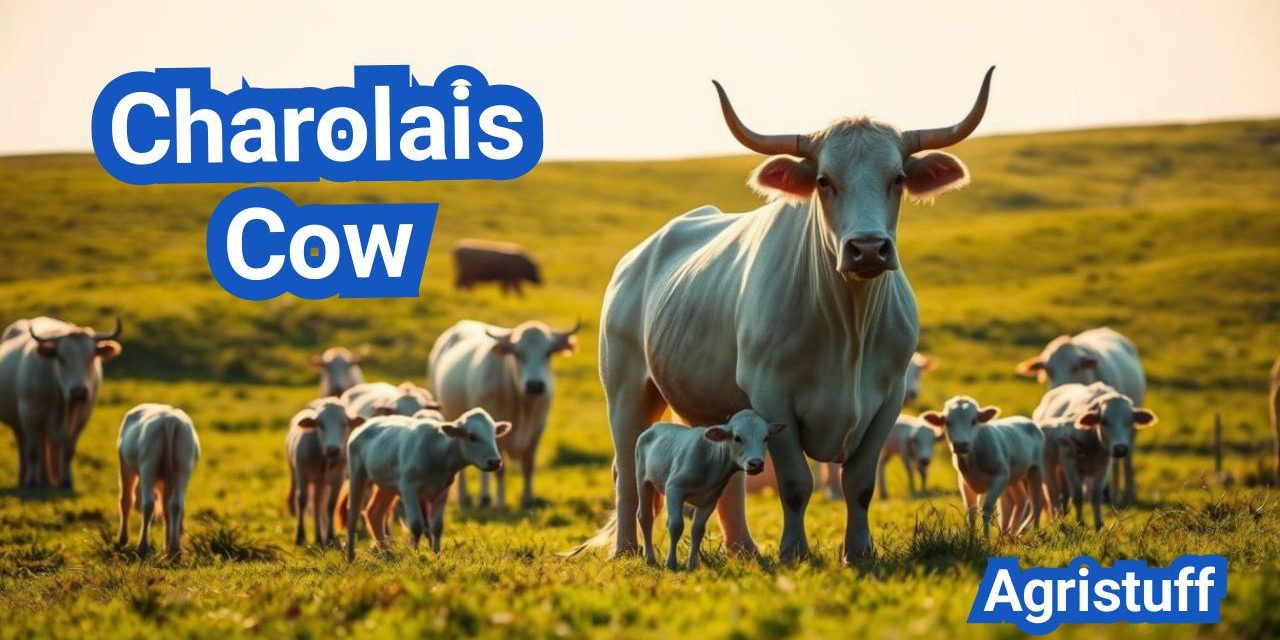
Quick answer: A Charolais cow is an adult female Charolais beef animal, not a dairy cow. In the United States, Charolais cows are mainly valued for beef-calf production, mature size, muscling, mothering ability, and their role in raising heavy calves for commercial beef herds.
A Charolais cow is best understood as the adult female side of the Charolais beef breed. For U.S. cattle producers, the main interest is not just the breed’s history, but how the cow performs in a real herd: mature size, temperament, calving, mothering ability, and calf growth.
Unlike a Charolais bull, which is often discussed for sire power and terminal crossing, a Charolais cow is judged by how well she raises a calf, maintains body condition, breeds back, and fits the farm’s forage and management system. This makes her role different from the broader topic of Charolais cattle.
This guide focuses on the Charolais cow specifically, including size, behavior, calving considerations, beef-calf value, and how to decide whether this type of cow fits a U.S. beef operation.
Key Takeaways
- A Charolais cow is an adult female beef animal used mainly for raising calves, not for commercial dairy production.
- Charolais cows are known for large frame size, muscling, white to cream color, and beef-calf performance.
- Good Charolais cow selection should focus on udder soundness, feet and legs, temperament, body condition, and calving history.
- Charolais cows can fit U.S. beef herds when nutrition, calving management, and breeding goals match their size and growth potential.
- The main difference between a Charolais cow, heifer, bull, and calf is age, sex, and role in the herd.
What Is a Charolais Cow?

Understanding the Charolais cow breed is crucial for anyone involved in the cattle industry, given its popularity and advantages. The Charolais breed is known for its muscular build and white or cream-colored coat, characteristics that have made it a staple in modern beef production.
Breed Standards and Classification
The Charolais breed adheres to specific standards that define its classification within the beef cattle category. These standards include a muscular build, a white or cream coat, and a robust skeletal structure. The breed is classified based on its genetic purity, with purebred Charolais cattle being highly valued for their breeding potential.
Key characteristics of the Charolais breed include:
- Muscular build and robust skeletal structure
- White or cream-colored coat
- High growth rate and efficient feed conversion
- Genetic purity for classification
Popularity in Modern Beef Production
The Charolais breed has gained significant popularity in modern beef production due to its superior growth rates, efficient feed conversion, and high-quality beef yield. Farmers and producers favor the breed for its ability to improve herd quality and increase profitability.
The advantages of Charolais in beef production are multifaceted:
- Fast growth rates reduce the time to market
- Efficient feed conversion lowers production costs
- High-quality beef yield enhances product value
The Charolais cow breed continues to be a preferred choice in the cattle industry due to its breed standards, classification, and the value it brings to beef production. Its popularity is a testament to the breed’s quality and the advantages it offers to farmers and producers.
Charolais Cow vs Heifer vs Bull: What Is the Difference?
A Charolais cow is an adult female Charolais that has usually had at least one calf, while a Charolais heifer is a young female that has not yet calved. A Charolais bull is a mature male used for breeding, and a Charolais calf is a young animal before maturity.
This difference matters because each animal has a different role in the herd. A Charolais cow is evaluated for mothering ability, udder soundness, calving history, temperament, and the ability to raise a healthy beef calf. A Charolais bull is evaluated more heavily for sire traits, growth, breeding soundness, and the performance of his calves.
For searchers comparing Charolais cow traits, the most practical question is not only what the breed looks like, but whether the female can maintain body condition, breed back, and raise a strong calf under the farm’s management system.
Charolais Cow Appearance and Breed Type
The Charolais cattle breed is renowned for its striking appearance and robust physical attributes. One of the most distinctive features of Charolais cattle is their white or cream-colored coat, which is a hallmark of the breed.
Distinctive White Coloration
The white coloration of Charolais cattle is not just aesthetically pleasing; it also has practical advantages. Their light coat color is associated with a lower risk of heat stress, making them suitable for various climates. The white coat is a breed standard, although some Charolais may exhibit a slight creaminess or even a few red hairs, especially around the ears and muzzle.
Body Structure and Conformation
Charolais cattle are known for their muscular build and robust body structure. They have a deep, well-sprung ribcage and a well-muscled loin, contributing to their overall muscular appearance. The breed’s conformation is characterized by a straight or slightly convex profile, a strong topline, and well-developed hindquarters.
Their body structure is designed for efficient growth and meat production. Charolais cattle have a sturdy skeletal system that supports their muscular development, making them a popular choice for beef production.
Identifying Quality Traits in Breeding Stock
When selecting Charolais breeding stock, several physical characteristics are considered to ensure the quality and potential of the animals. Key traits include a robust bone structure, muscular development, and a healthy coat condition. Breeders also look for animals with a good temperament and structural correctness.
Evaluating the physical characteristics of Charolais cattle involves assessing their overall conformation, muscle development, and breed-specific traits. By focusing on these quality traits, breeders can select superior breeding stock that will enhance the overall quality of their herd.
Charolais Cow Size and Mature Weight
Understanding the size and weight specifications of Charolais cattle is crucial for farmers and breeders. Charolais cattle are known for their substantial size and weight, characteristics that are highly valued in beef production.
Average Weight of Mature Charolais Cows
Mature Charolais cows typically weigh between 1000-1400 pounds. This weight range is a result of selective breeding practices that have enhanced the breed’s size and muscularity over the years. The average weight can vary based on factors such as genetics, nutrition, and management practices.
Average Weight Range: 1000-1400 pounds
Size Comparison to Other Beef Breeds
Charolais cattle are generally larger than many other beef breeds. For example, they tend to be larger than Angus cattle, which typically weigh between 900-1300 pounds. In comparison to smaller breeds like the Dexter, Charolais cattle are significantly larger and heavier.
| Breed | Average Cow Weight (lbs) |
|---|---|
| Charolais | 1000-1400 |
| Angus | 900-1300 |
| Dexter | 600-1000 |
Weight Variations Between Bulls and Cows
There is a significant weight difference between Charolais bulls and cows. Bulls are generally larger and heavier, with mature bulls weighing between 1500-2000 pounds or more. This difference is due to the breed’s muscular development and the selective breeding for larger, more muscular sires.
Weight Range for Bulls: 1500-2000 pounds or more
In conclusion, the size and weight specifications of Charolais cattle make them a prominent breed in beef production. Understanding these characteristics is essential for effective breeding and management practices.
Charolais Cow Temperament and Handling
One of the standout characteristics of Charolais cattle is their calm and docile temperament. This trait makes them particularly appealing to farmers and ranchers who prioritize ease of handling and management.
General Disposition of Charolais Cattle
Charolais cattle are known for their gentle disposition. This characteristic is beneficial for both small-scale and large-scale farming operations, as it reduces the risk of injury to handlers and simplifies the overall management of the herd.
According to a study on cattle temperament, the docility of Charolais cattle contributes significantly to their popularity in beef production, as noted by cattle breeding experts.
Handling Techniques for Different Age Groups
Handling Charolais cattle effectively requires an understanding of their behavior at different ages. For young calves, gentle and calm handling is crucial to prevent stress and promote healthy development.
- For calves: gentle handling and minimal restraint
- For yearlings: consistent training and socialization
- For mature cattle: regular handling to maintain docility
Training and Socialization Methods
Training and socialization are key components of managing Charolais cattle. Early socialization helps in reducing stress and improving the overall temperament of the animals.
| Age Group | Training Method | Socialization Technique |
|---|---|---|
| Calves | Gentle handling | Exposure to various environments |
| Yearlings | Consistent training routines | Interaction with other cattle |
| Mature Cattle | Regular, calm handling | Minimal mixing with aggressive animals |
By adopting these methods, farmers can enhance the temperament and behavior of their Charolais cattle, leading to a more manageable and productive herd.
Why Are Charolais Cows Used for Beef Production?

Among beef cattle breeds, Charolais stand out for their impressive growth rates and meat quality. The Charolais breed has been developed over centuries to excel in beef production, offering a combination of desirable traits that make it a preferred choice for many producers.
Meat Quality and Yield Grade
Charolais cattle are prized for their high-quality beef, characterized by a leaner meat profile without compromising on tenderness. The yield grade, which is a measure of the amount of usable meat from a carcass, is typically high in Charolais cattle due to their muscular structure. This results in a higher proportion of saleable meat, making them economically viable for beef production.
Meat quality is further enhanced by the breed’s genetic predisposition towards fine marbling, which is essential for tender and flavorful beef. Producers often select Charolais for their breeding programs to leverage these advantages.
Marbling and Tenderness Characteristics
The marbling ability of Charolais cattle contributes significantly to the tenderness and palatability of their beef. Marbling refers to the intramuscular fat that disperses throughout the meat, enhancing its flavor and texture. While Charolais are known for their lean meat, they still exhibit a satisfactory level of marbling, especially when crossed with other breeds that are known for their marbling characteristics.
Tenderness is another critical factor that Charolais cattle bring to the table. Their beef is known for being tender, making it suitable for a variety of cooking methods and consumer preferences. This tenderness, combined with the breed’s marbling characteristics, positions Charolais beef as a premium product in the market.
Optimizing Feed Conversion for Better Returns
One of the key advantages of Charolais cattle is their efficient feed conversion ratio. This means they can convert feed into weight gain more effectively than some other breeds, leading to better returns on investment for producers. Optimizing feed conversion involves selecting the right feed, managing feeding strategies, and ensuring that the cattle are healthy and thriving.
By focusing on feed conversion efficiency, producers can maximize the growth potential of their Charolais cattle, resulting in higher quality beef that meets market demands. Strategies for optimizing feed conversion include nutritional management and health care practices that support the overall well-being of the cattle.
Charolais Cow Calving: What Producers Should Watch

Successful Charolais calving management involves a combination of preparation, observation, and post-calving care. Effective management during this critical period is essential for the health and productivity of both the cow and calf.
Preparing for Calving Season
Preparation is key to a successful calving season. This includes ensuring that the calving area is clean, safe, and well-bedded. Nutritional management is also crucial, with a focus on providing adequate energy and nutrients to cows in the last trimester of pregnancy.
- Ensure the calving area is clean and well-bedded
- Provide adequate nutrition to pregnant cows
- Monitor cow health closely as calving approaches
Monitoring and Assisting During Birth
Monitoring cows during the calving process is vital to identify any potential issues early. Trained personnel should be on hand to assist with difficult births, ensuring the health and safety of both the cow and the newborn calf.
| Stage of Calving | Normal Duration | Indicators for Assistance |
|---|---|---|
| Stage 1: Preparation | 2-6 hours | Prolonged stage 1 (over 8 hours) |
| Stage 2: Delivery | 1-2 hours | Prolonged stage 2 (over 2 hours) |
Post-Calving Care for Cow and Calf
After calving, it’s essential to provide appropriate care to both the cow and the calf. This includes ensuring the calf receives adequate colostrum and monitoring the cow’s health for any signs of complications.
Proper post-calving care is critical for the health and productivity of the herd. By following these guidelines, breeders can help ensure a successful calving season.
Are Charolais Cows Good Mothers?
Charolais cows can be good mothers when they are selected for sound udders, calm behavior, adequate milk for the calf, and consistent reproductive performance. The best Charolais cow is not judged by size alone, but by how well she calves, protects the calf, produces enough milk for growth, and breeds back in a reasonable time.
For U.S. cow-calf producers, mothering ability should be evaluated together with body condition, calving ease, feet and leg structure, and the cow’s past calf performance. A large-framed cow that raises a heavy calf can be valuable, but she still needs nutrition and management that match her mature size.
When buying or keeping a Charolais cow, producers should look beyond color and muscling. Udder quality, teat size, calf vigor, disposition, and calving records are more useful indicators of whether the cow will be productive in a commercial beef herd.
Is a Charolais Cow a Dairy Cow?
A Charolais cow is not considered a dairy cow in the commercial sense. She is a beef cow, and her milk is mainly important because it supports calf growth during the nursing period.
Although Charolais cows may have useful milk production for raising calves, they are not managed like Holstein or Jersey dairy cows. Their value is usually measured through calf performance, beef production, reproductive efficiency, and how well they fit a cow-calf system.
This distinction helps buyers understand the real purpose of a Charolais cow: she is primarily a beef female used to produce and raise calves, not a cow selected mainly for selling fluid milk.
Charolais Cow and Calf Growth: What to Expect
Effective growth rate optimization in Charolais cattle involves understanding calf development milestones and implementing tailored nutrition strategies. By focusing on these critical areas, producers can significantly enhance the growth potential of their cattle.
Calf Development Milestones
Charolais calves undergo rapid development, especially during the first few months of life. Key milestones include achieving certain weights and sizes at specific ages. For instance, a healthy Charolais calf typically weighs between 80 to 100 pounds at birth and can gain up to 2 pounds per day during the initial growth phase.
Monitoring these milestones is crucial as they provide insights into the calf’s overall health and development. Producers should track growth rates regularly to identify any potential issues early on.
Nutrition Strategies for Maximum Growth
Nutrition plays a pivotal role in optimizing Charolais cattle growth rates. A well-balanced diet that includes high-quality feed and adequate nutrients is essential. Producers should consider factors such as the nutritional content of the feed, the feeding schedule, and access to clean water.
For Charolais calves, a starter feed rich in protein and energy is recommended from an early age. As they grow, their nutritional needs evolve, and the diet should be adjusted accordingly to support continued growth and development.
Monitoring and Adjusting Growth Programs
Regular monitoring of growth rates is vital to ensure that Charolais cattle are meeting their growth potential. This involves tracking weight gain, body condition scoring, and other relevant metrics. By analyzing this data, producers can identify areas for improvement and make necessary adjustments to their growth programs.
Adjustments might include tweaking nutrition plans, altering feeding strategies, or addressing any health issues that arise. By being proactive and responsive to the needs of their cattle, producers can optimize growth rates and improve overall herd performance.
What to Look for in a Good Charolais Cow

To improve the genetic makeup of your Charolais herd, it’s essential to understand how to select superior breeding stock. The selection process involves evaluating several key factors that contribute to the overall quality and productivity of your herd.
Evaluating Bulls for Breeding Programs
When evaluating bulls for a Charolais breeding program, several characteristics should be considered. Scrotal circumference, libido, and fertility are crucial indicators of a bull’s breeding potential. Additionally, assessing the bull’s structural correctness and muscling can provide insights into its overall quality and potential to improve the herd.
- Assess the bull’s pedigree and genetic background.
- Evaluate the bull’s performance records, including growth rate and feed efficiency.
- Inspect the bull’s physical condition, looking for any signs of illness or injury.
Choosing Productive Females
Selecting productive females is equally important, as they will form the foundation of your breeding program. Key characteristics to look for include reproductive efficiency, milk production, and mothering ability. Females with a proven track record of producing high-quality calves are ideal.
- Review the female’s reproductive history, including calving ease and interval.
- Assess the female’s maternal traits, such as nurturing ability and milk production.
- Consider the female’s genetic potential for growth and carcass quality.
Genetic Considerations for Herd Improvement
Genetic considerations play a vital role in selecting Charolais breeding stock. Using genomic testing and expected progeny differences (EPDs) can help identify animals with superior genetic merit. This information enables breeders to make informed decisions that can accelerate genetic progress in their herd.
| Genetic Trait | Description | Importance |
|---|---|---|
| Growth Rate | Rate at which animals gain weight | High |
| Marbling | Intramuscular fat that affects meat quality | High |
| Reproductive Efficiency | Ability of females to conceive and calve | High |
By carefully evaluating these factors and using the latest genetic tools, breeders can select Charolais breeding stock that will enhance the quality and productivity of their herd.
Nutrition Requirements Through Life Stages

Optimizing the nutrition of Charolais cattle is essential for achieving maximum growth rates and reproductive efficiency. The nutritional requirements of these cattle vary significantly across their life stages, necessitating tailored feeding strategies.
Calf Nutrition from Birth to Weaning
The nutritional needs of Charolais calves are critical from birth to weaning. Adequate colostrum intake immediately after birth is vital for providing immunity and essential nutrients. As the calf grows, a diet rich in high-quality milk replacer or whole milk, alongside starter feeds, supports optimal development.
It’s crucial to ensure that the calf receives sufficient nutrients to support its rapid growth during this period. Monitoring the calf’s health and adjusting the feeding program as necessary can help prevent nutritional deficiencies.
Yearling Feeding Programs
As Charolais cattle transition from calves to yearlings, their nutritional needs evolve. Yearlings require a balanced diet that includes adequate protein, energy, and minerals to support their continued growth and development.
A well-designed yearling feeding program should consider factors such as breed, age, and intended use (breeding or finishing). Nutritional adjustments may be necessary to ensure that yearlings achieve optimal growth rates without excessive fat deposition.
Mature Cow Nutritional Management
Mature Charolais cows have different nutritional needs compared to younger animals. Their diet should be managed to support reproductive efficiency, maintain body condition, and ensure overall health.
Proper nutritional management involves providing a balanced diet that meets the cow’s energy, protein, and mineral requirements. This may involve adjusting feed types and quantities based on factors such as stage of pregnancy, lactation status, and environmental conditions.
Charolais Cow Health Checks Before and After Calving

Maintaining a healthy Charolais herd requires a comprehensive health management protocol. Effective health management is crucial for the productivity and longevity of the herd.
Vaccination Schedules and Preventative Care
A well-structured vaccination program is vital for preventing diseases in Charolais cattle. Vaccination schedules should be tailored to the specific needs of the herd, taking into account factors such as age, health status, and environmental conditions.
Preventative care includes regular monitoring of the herd’s health, maintaining a clean and safe living environment, and providing nutritional feed. Regular veterinary check-ups are also essential for early detection and treatment of potential health issues.
Common Health Issues and Treatment
Charolais cattle are generally hardy, but they can be susceptible to certain health issues, including respiratory diseases and parasites. Prompt treatment is crucial when health issues arise, and this may involve the use of antibiotics or other medications.
Understanding the common health issues affecting Charolais cattle and knowing how to treat them effectively is key to maintaining a healthy herd.
Parasite Control Programs
Parasite control is a critical component of Charolais health management. Internal parasites, such as worms, can significantly impact the health and productivity of the herd.
An effective parasite control program involves regular monitoring for parasite infestations, strategic deworming, and maintaining pastures that minimize parasite exposure.
Should Charolais Cows Be Used in Crossbreeding?

Charolais crossbreeding has become a popular strategy among cattle producers looking to enhance herd productivity and quality. By leveraging the strengths of Charolais cattle and other compatible breeds, producers can create a more robust and efficient beef production system.
Compatible Breeds for Charolais Crossbreeding
Selecting the right breeds to cross with Charolais cattle is crucial for the success of a crossbreeding program. Breeds such as Angus, Hereford, and Simmental are commonly used due to their complementary traits and proven track records in crossbreeding programs.
- Angus: Known for their high-quality beef and marbling characteristics, Angus cattle can enhance the meat quality of Charolais crossbreds.
- Hereford: Herefords bring hardiness and a docile temperament to the table, making them an excellent choice for crossbreeding with Charolais.
- Simmental: Simmental cattle are recognized for their rapid growth rate and muscular development, traits that complement the Charolais breed well.
According to a study on crossbreeding programs, “the combination of Charolais with other breeds like Angus or Simmental can result in significant improvements in growth rate and carcass quality” (
“Crossbreeding Beef Cattle,”
Designing Breeding Systems for Specific Goals
A successful crossbreeding program requires a clear understanding of the producer’s goals, whether it’s to improve growth rates, enhance meat quality, or increase herd hardiness. The breeding system should be designed with these goals in mind, taking into account factors such as breed complementarity and heterosis.
| Breeding Goal | Recommended Cross | Expected Outcome |
|---|---|---|
| Improve Growth Rate | Charolais x Simmental | Enhanced growth rate and muscular development |
| Enhance Meat Quality | Charolais x Angus | Improved marbling and beef quality |
| Increase Herd Hardiness | Charolais x Hereford | Improved disease resistance and temperament |
Evaluating Crossbred Performance
Evaluating the performance of crossbred cattle is essential to determining the success of a crossbreeding program. Key performance indicators include growth rate, feed efficiency, and carcass quality.
Regular monitoring and record-keeping are crucial for assessing the effectiveness of the breeding program and making informed decisions for future improvements.
How Long Can a Charolais Cow Stay Productive?
The longevity and productivity of Charolais cattle are key factors that determine the overall profitability of a beef cattle operation. To maximize returns on investment, producers must implement effective management strategies that promote the health, well-being, and productivity of their herds.
Average Lifespan of Charolais Cattle
Charolais cattle are known for their longevity, with average lifespans ranging from 10 to 15 years or more in well-managed herds. Factors such as genetics, nutrition, and health management play crucial roles in determining an individual animal’s lifespan.
Factors Affecting Productive Lifespan
Several factors can influence the productive lifespan of Charolais cattle, including:
- Genetic predisposition: Selecting breeding stock with longevity traits can enhance herd productivity.
- Nutritional management: Adequate nutrition is critical for maintaining reproductive health and overall productivity.
- Health management: Effective vaccination programs and parasite control measures can significantly reduce morbidity and mortality.
- Reproductive management: Implementing sound reproductive practices can optimize calf production and extend a cow’s productive lifespan.
Culling Decisions and Herd Turnover
Making informed culling decisions is essential for maintaining a productive and profitable Charolais herd. Producers should consider factors such as:
- Reproductive performance: Cows that fail to conceive or produce viable calves should be considered for culling.
- Age and health status: Older cows or those with chronic health issues may be candidates for culling.
- Genetic merit: Culling decisions can be used to improve the genetic quality of the herd over time.
By carefully managing these factors and making informed decisions, producers can maximize the longevity and productivity of their Charolais herds, ultimately enhancing the profitability of their operations.
Is the Charolais Cow Right for Your Operation?
The Charolais cow is a popular breed in charolais cattle farming due to its desirable traits for beef production. When considering its suitability for your operation, several factors come into play.
Charolais cow suitability hinges on your farm’s management capabilities, market demands, and the breed’s compatibility with your existing herd. The breed’s fast growth rate, high-quality beef, and robust constitution make it an attractive choice for many beef cattle breeds operations.
To determine if the Charolais cow is right for you, evaluate your farm’s resources, management practices, and market conditions. Consider factors such as feed availability, climate, and consumer demand for high-quality beef.
By weighing these factors and understanding the needs of Charolais cattle, you can make an informed decision about incorporating this breed into your charolais cattle farming operation.
Brief Origin of the Charolais Breed
The Charolais breed originated in France and became known for its white to cream color, large frame, muscling, and beef value. In this article, the focus is not the full breed history, but how the Charolais cow performs as an adult female in beef production.
FAQ
What is the origin of the Charolais cow breed?
The Charolais cow breed originated in France, specifically in the Charolles region, from which it gets its name.
What are the distinctive physical characteristics of Charolais cattle?
Charolais cattle are known for their white or cream-colored coats, muscular build, and large frame size.
How do Charolais cattle compare in size to other beef breeds?
Charolais cattle are considered a large-framed breed, with mature cows typically weighing between 1,000 to 1,500 pounds.
What is the temperament of Charolais cattle like?
Charolais cattle are generally known for their calm and docile temperament, making them relatively easy to handle.
What are the advantages of Charolais cattle for beef production?
Charolais cattle are prized for their high-quality beef, rapid growth rates, and muscular build, making them a popular choice for beef production.
How do I select quality Charolais breeding stock?
When selecting Charolais breeding stock, look for animals with desirable traits such as muscular build, good conformation, and a calm temperament.
What are the nutritional requirements of Charolais cattle at different life stages?
Charolais cattle have varying nutritional requirements at different life stages, with calves requiring high-quality nutrition for growth and development, and mature cows requiring adequate nutrition for maintenance and reproduction.
How can I optimize growth rates in Charolais cattle?
To optimize growth rates in Charolais cattle, provide high-quality nutrition, monitor growth milestones, and adjust feeding programs as needed.
What are the common health issues in Charolais cattle, and how can they be managed?
Common health issues in Charolais cattle include respiratory problems and parasites, which can be managed through vaccination schedules, preventative care, and parasite control programs.
Can Charolais cattle be used in crossbreeding programs?
Yes, Charolais cattle can be used in crossbreeding programs to improve beef quality and production traits in other breeds.
What is the average lifespan of Charolais cattle, and what factors affect their productive lifespan?
The average lifespan of Charolais cattle is around 10-12 years, with factors such as nutrition, health, and management practices affecting their productive lifespan.
How can I maximize the longevity and productivity of my Charolais herd?
To maximize the longevity and productivity of your Charolais herd, provide optimal nutrition, health care, and management practices, and make informed culling decisions.
Conclusion: Is a Charolais Cow a Good Fit?
A Charolais cow is an adult female from the Charolais beef breed, originally developed in France and now widely used in U.S. beef production. She is valued for her large frame, white to cream-colored coat, muscular build, fast-growing calves, and ability to support lean beef production when nutrition, breeding, and calving management are handled correctly.
- Main purpose: A Charolais cow is primarily a beef cow, not a dairy cow. Her main value comes from producing and raising calves that can develop into heavy, muscular beef animals.
- Breed origin: Charolais cattle originated in France and later became important in commercial beef systems in the United States because of their growth potential, carcass yield, adaptability, and usefulness in crossbreeding programs.
- Physical appearance: Charolais cows are usually easy to recognize because they commonly have a white or creamy-white coat, a light muzzle, a deep chest, a broad back, and a strong, well-muscled frame.
- Size and mature weight: Charolais cows are large-framed beef animals. Mature cows commonly range from about 1,250 to 2,000 lbs, depending on genetics, nutrition, age, body condition, and management. Mature Charolais bulls are much heavier, often reaching about 2,000 to 2,500 lbs or more.
- Growth performance: One of the strongest advantages of the Charolais cow is the growth potential of her calves. Charolais calves are known for strong weaning and yearling performance, especially when the cow receives enough forage, minerals, and supplemental feed during pregnancy and lactation.
- Beef production value: Charolais cows are used in beef production because they can contribute to high-yield calves with strong muscling, lean carcass traits, and good meat-to-bone ratios. Their beef is often associated with lean meat production, although marbling may be lower than Angus unless breeding and feeding programs are designed to improve it.
- Calving considerations: Charolais cows can be productive mothers, but calving management is important because large calf size may increase the risk of difficult births, especially in first-calf heifers. Producers should pay close attention to sire selection, birth weight, calving ease data, body condition, and close monitoring during the calving season.
- Maternal ability: A good Charolais cow should have sound udders, good milk for calf growth, calm behavior, strong mothering ability, and a reliable reproductive record. She should be judged not only by size or muscling, but also by how well she raises a healthy calf and breeds back on time.
- Temperament and handling: Charolais cows are often described as manageable and relatively calm when handled correctly, but any beef cow can become defensive around a newborn calf. Low-stress handling, adequate pen space, calm human contact, and safe facilities are important for reducing stress and improving herd performance.
- Nutrition needs: Effective Charolais cow care depends on high-quality forage, clean water, mineral supplementation, and extra energy when needed during late pregnancy, lactation, or poor pasture conditions. Because Charolais cows are large animals, they may require more feed than smaller beef breeds to maintain body condition and reproductive performance.
- Health management: Charolais cows are generally hardy, but they still require regular herd health care. Important practices include routine vaccinations, parasite control, deworming when needed, hoof care, udder checks, body condition scoring, and monitoring for calving-related stress or injury.
- Crossbreeding use: Charolais cows can be used in crossbreeding systems, but Charolais influence is often discussed through terminal-sire programs because the breed is known for adding growth and muscling. When Charolais cows are used in a breeding program, producers should consider cow size, calving history, calf growth, marbling goals, and whether the farm wants replacement females or terminal beef calves.
- Adaptability: Charolais cows can adapt to different production systems when management is suitable. Their light-colored coats may help in warmer environments, while shelter and proper winter feeding are still important in colder regions. Performance depends more on matching the cow’s size and needs with forage quality, climate, and management than on breed alone.
- Longevity and productivity: With good management, a Charolais cow may remain productive for many years. Longevity depends on fertility, udder health, hoof soundness, body condition, calving performance, and whether she continues to raise strong calves efficiently.
- Economic value: Charolais cows can be profitable in U.S. beef systems because they support fast calf growth, high-yield beef production, and strong market value for muscular calves. However, their larger size also means producers must manage feed costs, calving risk, and reproductive efficiency carefully.
- Main advantages: The biggest advantages of raising Charolais cows include rapid calf growth, strong muscling, lean beef yield, adaptability to many beef systems, good crossbreeding potential, and the ability to produce heavy calves for commercial beef markets.
- Main disadvantages: The main challenges include possible calving difficulty from larger calves, higher feed requirements compared with smaller breeds, and less natural marbling than Angus-type cattle unless the breeding and feeding program is planned carefully.
Overall, a Charolais cow can be a strong choice for U.S. beef producers who want size, growth, lean beef yield, and productive calves. The best results come when producers balance genetics with proper nutrition, calving management, health care, and realistic breeding goals.
Sources & References
- Oklahoma State University — Charolais Cattle breed profile
- American-International Charolais Association — Charolais genetic evaluation and performance data
- The Cattle Site — Charolais beef breed profile
- Oklahoma State University Extension — Body Condition Scoring of Cows
- Ohio State University Extension Beef Team — Beef Heifer Development