The Highland Cow Price in the United States commonly falls between about $4,000 and $8,500 for a sound, standard-size animal with useful breeding potential, although calves, crosses, unregistered stock, and elite show cattle can fall well outside that range. Current asking prices are not the same as completed-sale prices, so buyers should compare several animals of the same age, sex, registration status, and reproductive class before making an offer current U.S. Scottish Highland cattle listings.
A practical direct answer is that the Highland Cow Price may start near $2,000 for some Highland-cross or unregistered calves, reach roughly $4,000 to $8,000 for many registered calves and breeding animals, and exceed $10,000 for proven pairs or premium genetics. A specialized April 2026 Highland sale averaged $8,758 per female and $5,500 per bull, illustrating why quality breeding stock often costs more than ordinary commercial cattle Highland Genetics past auction results.
Key Takeaways
- Age, sex, registration, pedigree, and reproductive status can change the value dramatically.
- Ordinary farm prices differ greatly from elite show and specialty-auction results.
- The cheapest listing may become expensive after transport, paperwork, fencing, feed, and veterinary care.
- AHCA registration adds value only when the pedigree, identification, ownership, and transfer are verified.
- A practical buyer should compare total first-year cost, health, temperament, fertility, and resale potential—not appearance alone.
Highland Cow Price at a glance
The following Highland Cow Price ranges are planning estimates based on recent U.S. classifieds, breeder sales, specialty auctions, and marketplace listings reviewed in July 2026. They are not an official national average, and the actual amount paid can change with location, supply, pedigree, pregnancy status, training, and buyer demand AHCA National Show and Sale results.
- Highland-cross or unregistered calf: about $2,000–$3,500
- AHCA-registered weaned calf: about $4,000–$8,000
- Open registered heifer: about $5,000–$8,500
- Bred heifer or bred Highland cow: about $6,000–$10,000
- Proven mature Highland cow: about $6,000–$9,500
- Highland cow-calf pair: about $9,000–$14,000
- Breeding-age Highland bull: about $3,500–$6,500
- Elite show or donor-quality animal: $10,000–$50,000 or more
The top end of the Highland Cow Price market should not be treated as the normal cost for a beginner. At the elite 2026 AHCA National Sale, females averaged $19,429 and bulls averaged $35,500, but those highly selected animals, show prospects, and genetic packages represent a premium segment rather than a typical farm purchase official AHCA National Sale results.
What does “Highland cow” mean when comparing prices?
The Highland Cow Price can be compared accurately only when the animal class is named correctly. A cow is a female that has calved, a heifer is a female that has not yet calved, a bull is an intact male, and a steer is a castrated male; AHCA show rules likewise define a heifer as a female that has not had a calf and a bull as an intact male AHCA Roll of Excellence show rules.
Why does the price of a Highland cow vary so much?
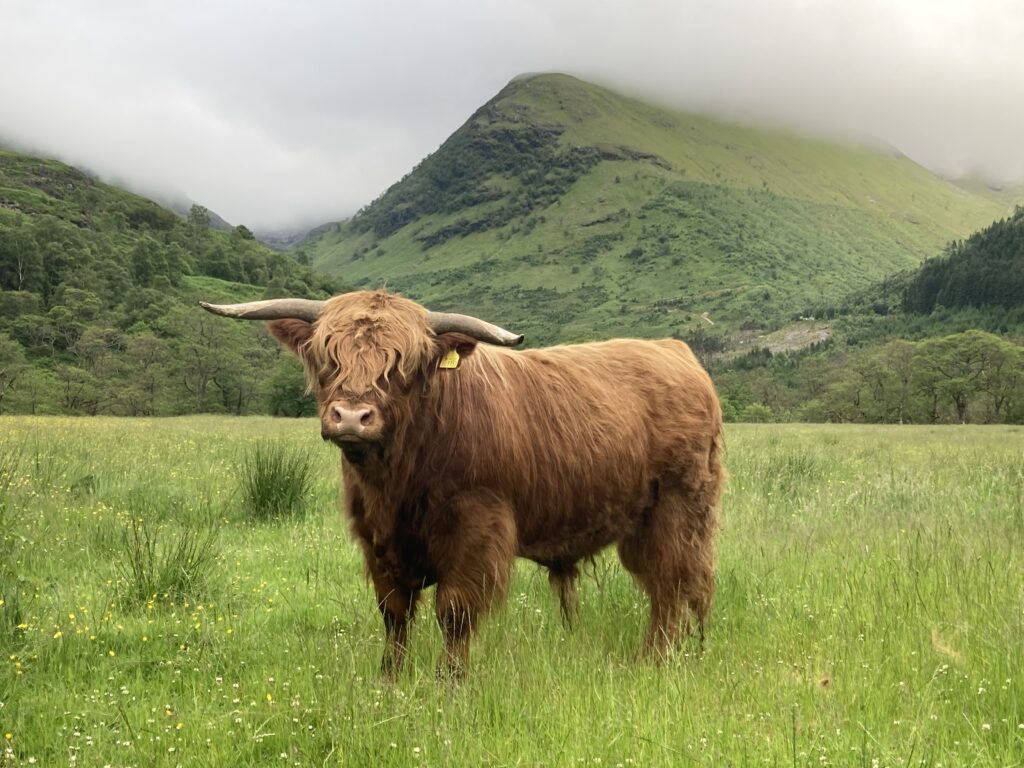
The Highland Cow Price reflects more than age and coat color because serious buyers are purchasing reproductive potential, structural soundness, temperament, health history, and documented genetics. The American Highland Cattle Association describes the breed as moderate-framed, hardy, long-lived, maternal, and efficient on forage, but individual animals still vary greatly in how well they express those useful traits AHCA Highland breed characteristics.
- Registration and pedigree: AHCA papers and a traceable pedigree can improve breeding and resale value.
- Sex and reproductive status: bred females and cow-calf pairs usually command more than open females.
- Age: young calves cost less but carry more uncertainty; proven cows have production records.
- Fertility: pregnancy confirmation, calving history, semen quality, and breeding soundness affect value.
- Conformation: sound feet, legs, udder, testicles, body capacity, and breed character matter.
- Temperament and training: calm, halter-trained cattle may be worth more to small farms.
- Health documentation: vaccination, testing, veterinary, and biosecurity records reduce uncertainty.
- Genetic testing: parent verification and relevant DNA results can support a premium.
- Market venue: private treaty, online listings, production sales, and elite auctions attract different buyers.
- Location: local scarcity and long-distance hauling can change the buyer’s delivered cost.
Appearance can influence the Highland Cow Price, especially when buyers want unusual colors, heavy hair, or cattle marketed as miniature, but appearance alone does not prove fullblood status or breeding value. AHCA rules distinguish fullblood Highland breeding cattle from crossbred market cattle, so buyers should verify the registry category rather than relying on a social-media description such as “pure,” “micro,” or “fluffy” AHCA registration rules and definitions.
Does AHCA registration increase a Highland cow’s value?
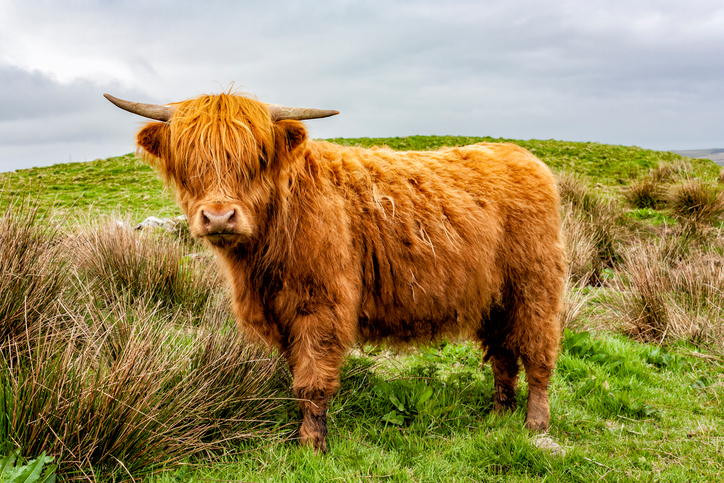
The Highland Cow Price is often higher for AHCA-registered cattle because registration supplies a searchable pedigree and gives the buyer a clearer route for registering eligible offspring. Before paying that premium, search the animal’s name or registration number, confirm that its tattoo matches the paperwork, and verify the listed sire, dam, birth date, sex, and ownership information AHCA Highland Cattle Herdbook.
The Highland Cow Price should also include the practical value of a proper ownership transfer, not merely a photocopy of an old certificate. AHCA states that nonmembers may own registered cattle, while an owner must become a member to register offspring; its published policies also explain transfer requirements and fees, so the purchase agreement should state who completes and pays for the transfer AHCA registration, transfer, and fee policies.
How much does a Highland calf cost?
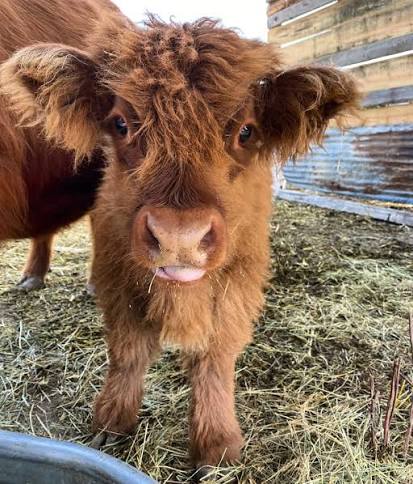
The Highland Cow Price for a calf depends heavily on whether it is a cross, an unregistered full-size animal, or an AHCA-eligible calf with documented parents. Recent documented breeder outcomes included registered bull calves selling near $5,000, a heifer calf at $6,000, and another heifer at $8,000, supporting a practical $4,000–$8,000 range for many registered, weaned calves from established programs Elm Hollow Farm Highland calf sale records.
A lower Highland Cow Price can be reasonable for a crossbred calf, steer prospect, or animal without transferable registration, provided the buyer understands what is being purchased. Current regional classifieds have shown three-quarter Highland cross bull calves near $2,000 and standard-size yearling bulls around $3,500–$4,500, which helps explain why registration, sex, and intended use must be separated when comparing advertisements North Central Highland Cattle Association classifieds.
How much do Highland heifers, bulls, and cow-calf pairs cost?
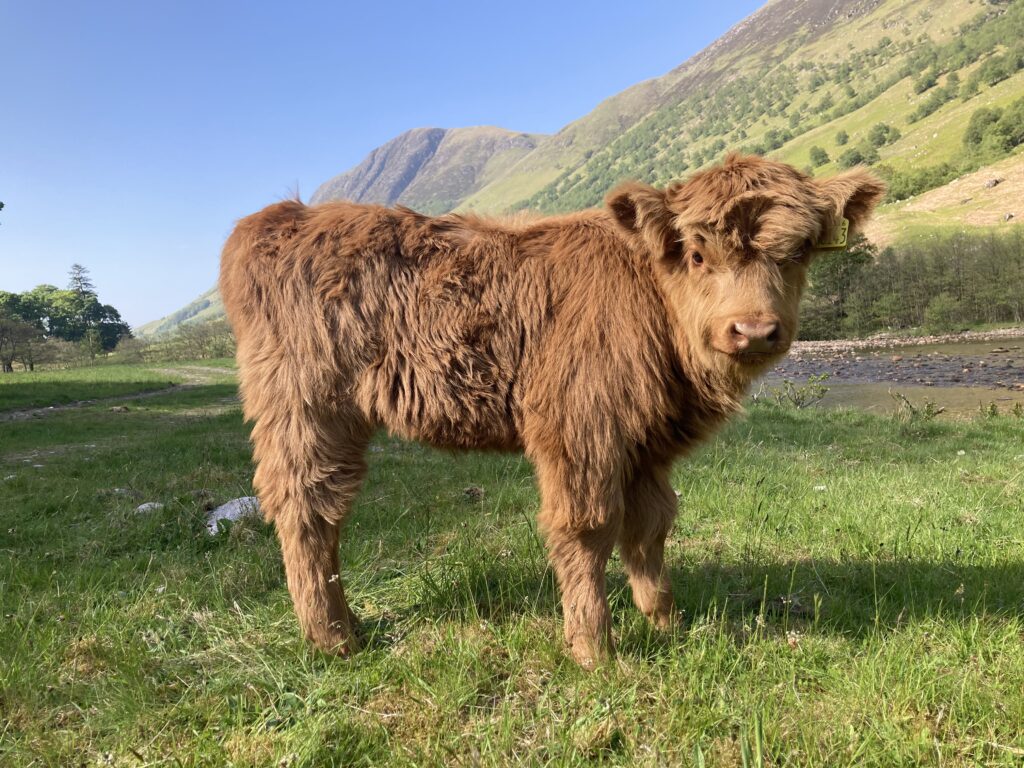
The Highland Cow Price generally rises when a female is ready to breed, confirmed pregnant, proven as a mother, or sold with a healthy calf at side. Current marketplace examples have included bred heifers near $10,000, open heifers around $6,000–$8,000, mature cows around $7,500–$8,500, bulls around $3,000–$6,000, and one cow-calf pair listed at $14,000; these are asking prices, not guaranteed closing values LivestockMarket Scottish Highland listings.
A specialty-auction Highland Cow Price may exceed private-treaty levels because auction cattle are curated, promoted, and exposed to competitive bidding. For context, a Highland production sale reported a $9,300 average in 2024, with a $14,000 high-selling bred female and a $10,500 high-selling open heifer, while earlier results also show how prices change from year to year Highland Production Sale historical results.
What is the Highland cow first-year cost?
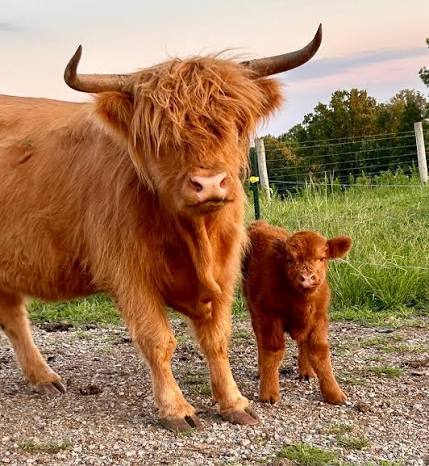
The Highland Cow Price is only the acquisition cost, so a prepared farm should commonly budget roughly $5,500–$12,000 for the first year of one ordinary registered animal after adding delivery, health paperwork, routine care, feed, minerals, and an emergency reserve. This broad planning range assumes usable pasture, fencing, water, shelter or natural protection, and handling facilities already exist; a bare-property startup can cost far more University of Tennessee cow-calf budget.
- Purchase: commonly $4,000–$8,500 for ordinary registered breeding stock
- Transportation: mileage-based quote, minimum charge, or a per-head share of a larger load
- Health and movement: veterinary inspection, tests, official identification, and state entry documents as required
- Registration transfer: confirm whether it is included in the sale price
- Feed and forage: pasture, winter hay, supplements, salt, and minerals
- Routine care: veterinary work, parasite control, vaccination, hoof care when needed, and breeding expense
- Infrastructure: perimeter fence, gates, water, catch pen, chute access, and loading area
- Risk reserve: unexpected illness, drought feed, fence repair, infertility, or emergency hauling
The recurring cost behind the Highland Cow Price deserves equal attention because low feed claims do not mean free ownership. A Nebraska benchmark placed total annual cost near $1,469 before cull credits and net cost near $1,474 per cow under its assumptions, while feed represented the largest expense; a small Highland operation should build its own budget rather than copy that figure without adjusting land, forage, labor, and climate University of Nebraska annual cow-cost analysis.
How much does Highland cattle transport cost?
The delivered Highland Cow Price can rise sharply when the breeder is several states away. Publicly available livestock-hauling bids have ranged from about $2 to $4.50 per loaded mile, but the actual quote depends on trailer size, trip length, load fill, weather, fuel, wait time, route, and whether the buyer is paying for an entire load or one space University of Nebraska cattle transportation analysis.
The Highland Cow Price calculation should include legal movement paperwork before a deposit becomes nonrefundable. Interstate requirements vary, but cattle shipments may require official identification, a Certificate of Veterinary Inspection, testing, or other documents, and the destination state can impose additional entry rules beyond federal requirements USDA APHIS interstate animal movement guidance.
How do fencing, water, and hay affect total ownership cost?
The Highland Cow Price is a small part of a new farm’s capital requirement if safe facilities are missing. Perimeter fencing, subdivision fence, gates, energizers, water lines, tanks, a secure receiving pen, and access to cattle-handling equipment can add thousands of dollars, and fencing costs change with terrain, materials, labor, fence type, and expected useful life Iowa State University livestock fencing cost estimates.
The Highland Cow Price should never be justified by assuming the breed can live on poor forage without supplementation. Highland cattle are capable foragers, but nutrient needs still depend on body size, pregnancy, lactation, weather, and forage quality; buyers can use USDA state hay reports to check current regional prices before estimating winter feed cost USDA Agricultural Marketing Service hay reports.
Where can you buy Highland cattle in the United States?
The safest starting point for researching Highland Cow Price is a transparent breed network rather than an anonymous advertisement. AHCA maintains a for-sale area for registered cattle and genetics, while its classified rules state that cattle advertised there must be registered unless they are market animals; buyers still need to perform their own verification and inspection AHCA cattle and genetics for sale.
- AHCA breeder directory and registered-cattle classifieds
- AHCA regional association classifieds
- Established Highland production sales and association auctions
- Reputable local breeders who allow farm visits
- Livestock marketplaces that disclose seller identity and animal details
- Local veterinarians, Extension agents, and cattle producers who can provide referrals
A realistic Highland Cow Price comparison is easier when sellers are within hauling distance and buyers can inspect cattle in person. Use the AHCA breeder directory to identify established operations, then cross-check each animal in the Herdbook and ask for references, recent videos, registration documents, health records, and a written description of everything included in the sale AHCA breeder directory.
What should you verify before paying?
The Highland Cow Price should be supported by a written bill of sale that identifies the animal, seller, buyer, registration number, tattoo or tag, reproductive status, agreed price, deposit terms, delivery responsibility, health requirements, and transfer deadline. AHCA’s recommended sale terms distinguish pregnant, served, pasture-exposed, and open females and explain that those descriptions do not provide identical guarantees AHCA recommended buying and selling terms.
- Match the animal’s tattoo and identification to its registration certificate.
- Search the AHCA Herdbook and confirm the current owner.
- Request the complete vaccination, illness, testing, and treatment history.
- Ask for current weight, body-condition information, and unedited movement videos.
- Inspect feet, legs, eyes, horns, udder or testicles, teeth, and general condition.
- For a bred female, obtain veterinary pregnancy confirmation and service-sire details.
- For a bull, request a recent breeding soundness examination when age appropriate.
- Ask whether the animal is halter trained, chute trained, or accustomed only to pasture handling.
- Confirm who pays for the CVI, tests, brand inspection, transfer, and transportation.
- Use a livestock veterinarian for a pre-purchase evaluation when the price or risk warrants it.
The Highland Cow Price can become expensive very quickly if a newly purchased animal introduces disease into the resident herd. Discuss vaccination and testing history before arrival, arrange a receiving and isolation plan with the herd veterinarian, and keep permanent identification and health records for every purchase National Beef Quality Assurance Manual.
Quick checklist
- Define whether you need a calf, open heifer, bred cow, pair, steer, or breeding bull.
- Set a maximum delivered budget, not just a purchase-price limit.
- Compare at least three animals in the same class and region.
- Verify AHCA registration directly in the Herdbook.
- Match the tattoo, tag, and registration certificate to the animal.
- Review pedigree, DNA designations, production records, and health history.
- Inspect temperament, structure, feet, udder or testicles, and body condition.
- Confirm pregnancy or breeding soundness with appropriate veterinary documentation.
- Get a written hauling quote and check destination-state entry rules.
- Prepare secure fencing, water, hay, a receiving pen, and handling access before delivery.
- Put guarantees, transfer duties, included services, and deposit terms in writing.
- Keep an emergency reserve after the purchase rather than spending the full budget on the animal.
Common mistakes to avoid
- Comparing unlike cattle: Do not compare an unregistered cross calf with a bred, registered, proven cow.
- Confusing asking and sold prices: A listing shows the seller’s request, not necessarily market value.
- Assuming “registered” without verification: Search the actual number and confirm transfer eligibility.
- Paying mainly for color or hair: Prioritize health, structure, temperament, fertility, and documentation.
- Ignoring transport: Obtain a delivered quote and state-entry checklist before sending a deposit.
- Buying before facilities are ready: New cattle need secure fencing, water, feed, and a controlled receiving area.
- Skipping reproductive checks: “Exposed” does not mean confirmed pregnant, and an untested bull is not a guaranteed breeder.
- Underestimating annual cost: Include forage, minerals, labor, veterinary care, equipment, depreciation, and drought risk.
- Buying a lone animal without a herd plan: Cattle are social livestock and management should provide appropriate companionship.
- Sending money to an unverifiable seller: Confirm identity, location, ownership, cattle records, and written terms first.
Costs and ROI snapshot
The Highland Cow Price makes financial sense only when the animal fits a defined goal such as registered breeding stock, direct-market beef, pasture management, exhibition, or a well-planned small-farm enterprise. University budgets show that annual production cost, calf crop, replacement rate, land, feed, labor, and marketing can matter more to long-term return than obtaining a small discount on purchase day University of Nebraska replacement-heifer value analysis.
- Main cost drivers: purchase price, winter feed, pasture, fencing, labor, breeding, veterinary care, and transport
- What increases cost: elite pedigree, confirmed pregnancy, show success, training, rare-market demand, long-distance delivery, and new infrastructure
- What can improve return: high weaning percentage, low feed waste, sound fertility, longevity, direct marketing, accurate records, and a trusted breeder reputation
- What beginners underestimate: land carrying capacity, hay during drought, bull cost for a small herd, handling facilities, depreciation, and time
- When the investment may fit: adequate land and facilities are available, the buyer has a market plan, and expected revenue is tested against a complete multi-year budget
A premium Highland Cow Price is not automatically recovered by selling one premium calf each year because a cow may be open, lose a calf, require extra feed, or produce offspring that sell below the hoped-for price. Even favorable 2026 cow-calf projections depend on calf price, weaning weight, land and labor assumptions, so buyers should calculate conservative, expected, and poor-year scenarios instead of relying on a single optimistic payback estimate University of Kentucky cow-calf profitability estimates.
How can you decide whether the asking price is fair?
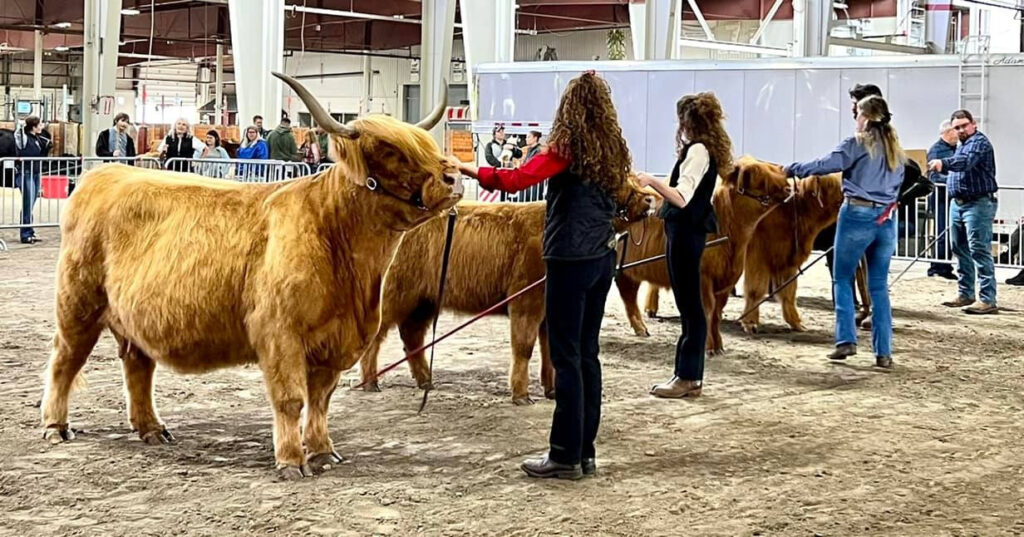
A fair Highland Cow Price is the delivered amount that a well-informed buyer is willing to pay after adjusting comparable sales for registration, age, sex, pregnancy, calf at side, genetics, health, temperament, training, location, and seller support. Registered-cattle value is strongest when pedigree and performance records can be traced and used in future selection, rather than when papers are treated only as a marketing label AHCA guidance on the value of registered cattle.
The best Highland Cow Price is therefore not always the lowest number in the classifieds. A healthy, correctly identified, transferable, calm animal from a transparent seller may cost more upfront but reduce the risk of registration disputes, reproductive failure, unsafe handling, unexpected transport barriers, and avoidable veterinary expense AHCA cattle identification requirements.
Final thought
The Highland Cow Price for most U.S. buyers should be evaluated as a total delivered and first-year cost, with roughly $4,000–$8,500 serving as a useful starting range for ordinary registered stock and higher figures reserved for proven pairs or genuinely premium genetics. Verify the animal, papers, health, fertility, facilities, hauling, and multi-year budget before paying, because the right Highland is the one that fits both the farm and its economic purpose The Livestock Conservancy Highland cattle profile.
FAQ About Highland Cow Price
How many acres do two Highland cattle need?
There is no reliable nationwide acreage requirement for two Highland cattle because carrying capacity changes with forage production, rainfall, soil, animal weight, grazing season, and hay supplementation. Before paying the Highland Cow Price, use local animal-unit-month data or ask NRCS or Extension to calculate how many cattle the property can support without overgrazing USDA NRCS carrying-capacity guidance.
What is the safest age to buy a Highland calf?
Most first-time owners should choose a fully weaned, preconditioned Highland calf rather than an unweaned bottle calf. Conventional beef calves are commonly weaned at 6–8 months, and a lower Highland Cow Price for a younger calf may be offset by milk feeding, added labor, and greater health risk Oklahoma State University calf-preconditioning guidance.
How long can a Highland cow remain productive?
A sound Highland female can remain productive for approximately 14–18 years, although not every animal achieves that working life. When evaluating the Highland Cow Price for an older female, examine her teeth, feet, udder, fertility, calving interval, and recent calf performance instead of assuming age alone determines value AHCA guidance on selecting healthy Highland cattle.
Can Highland cattle live in hot states such as Texas or Florida?
Yes, Highland cattle can be managed in hot states, but they still require abundant clean water, dependable shade, airflow, and limited handling during extreme heat. The Highland Cow Price should not be paid until the farm has a summer heat plan, especially in humid areas where cattle receive little overnight cooling University of Nebraska cattle heat-management guidance.
Do you need to buy a bull for a small Highland herd?
No, a small Highland herd can use artificial insemination or an arranged breeding service instead of owning a bull year-round. Include semen, synchronization, technician visits, handling facilities, and possible repeat attempts in the total Highland Cow Price budget before assuming artificial insemination will always cost less Oklahoma State University artificial-insemination guidance.
Can a USDA farm loan help pay for Highland cattle?
Potentially, if the cattle are part of an eligible farm operation and the applicant meets USDA lending requirements. FSA Operating Microloans may finance livestock purchases, but the Highland Cow Price is not automatically covered because approval depends on eligibility, farm-management experience, financial information, and the proposed business plan USDA FSA Operating Microloan program.
Sources & References
- American Highland Cattle Association
- AHCA Highland Breeder’s Guide
- AHCA Highland Cattle Breed Brochure
- AHCA Membership and Registry Services
- AHCA Online Registration Steps
- AHCA Highland Cattle Management Articles
- USDA APHIS Animal Disease Traceability
- South Dakota State University Beef Cattle Budgets
- Oklahoma State University Ranch Calculator
- Mississippi State University Livestock Fencing Systems
- University of Nebraska Cow Depreciation and Opportunity Cost