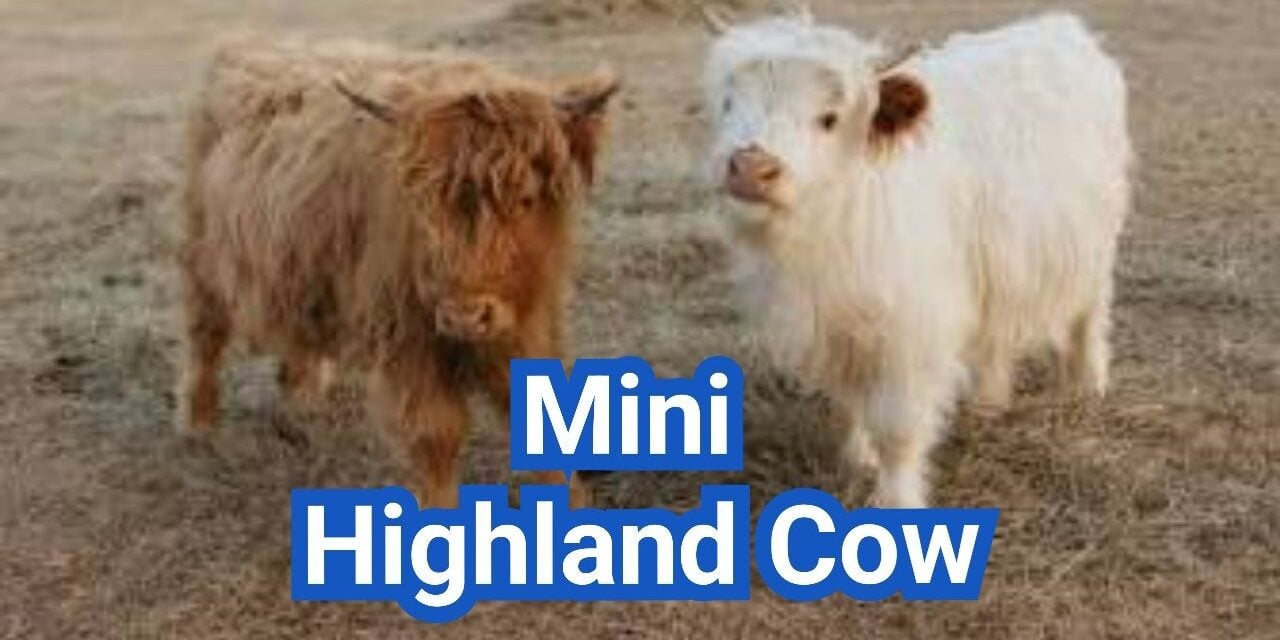
These charming, shaggy creatures have captured hearts across the United States. Many people dream of keeping them on small farms or hobby properties due to their gentle nature and unique appearance.
However, finding the right animal requires careful planning and research. Our mini highland cow buyer guide provides the essential knowledge you need to make an informed decision.
Understanding the reality of livestock ownership is vital before you commit. We explore the genetics, true physical dimensions, and health requirements of this popular breed. Proper preparation ensures a smooth transition for both you and your new animals.
Key Takeaways
- Research the specific genetic background of your potential purchase.
- Verify the actual mature size to ensure your property can support them.
- Prioritize health screenings to avoid common livestock issues.
- Prepare your fencing and shelter before bringing animals home.
- Consult with local experts to understand regional care requirements.
What is a Mini Highland Cow?
A Mini Highland Cow means a Highland-type bovine selected or bred for a smaller mature frame than conventional Highland cattle. The term alone does not tell you whether the animal is fullblood, crossbred, registered, naturally small, or a carrier of a stature-altering variant; those facts must appear in records rather than being inferred from a fluffy coat AHCA Sovereign crossbred registry.
Private miniature-cattle registries commonly sort a Mini Highland Cow by mature hip height, although their labels are not the same as an AHCA breed standard. One widely used system places micro cattle at 36 inches or less, miniature cattle at 36.25–42 inches, mid-size cattle at 42.25–48 inches, and animals over 48 inches in a standard-size category International Miniature Cattle Breeder’s Registry size guide.
- Micro: 36 inches or less at the hip.
- Miniature: 36.25–42 inches at the hip.
- Mid-size: 42.25–48 inches at the hip.
- Standard under that private system: more than 48 inches at the hip.
No seller should present those private categories as a universal guarantee for every Mini Highland Cow. AHCA’s sanctioned-show rules classify fullblood and Sovereign cattle by registration, age, and sex rather than advertising a micro or miniature Highland division, which is why the sales contract should state the exact measurement system being promised AHCA Roll of Excellence show rules.
Debunking the Teacup and Micro Marketing Myths
You may encounter sellers advertising a micro mini highland cow or a teacup highland cow to attract buyers. It is vital to understand that these terms are not official classifications within the agricultural community. They are often used to imply that an animal is smaller than it actually is, which can lead to unrealistic expectations.
Responsible breeders focus on height measurements rather than catchy, unscientific labels. Relying on these marketing terms can sometimes mask health issues or poor breeding practices. Always prioritize verified measurements and pedigree documentation over trendy names.
| Term Used | Official Status | Industry Reality |
|---|---|---|
| Miniature Highland | Commonly Accepted | Selectively bred for smaller height |
| Micro Mini | Marketing Term | No scientific or breed standard |
| Teacup Highland | Marketing Term | Often misleading regarding size |
Mini Highland Cow Genetics and Breeding Practices
Exploring the science behind these animals reveals how specific traits are passed down through generations. Prospective owners must grasp the complexities of mini highland cow genetics to make informed decisions about their future herd. Understanding these biological foundations is essential for predicting growth patterns and ensuring animal health.
The Science Behind Size Reduction
Size reduction in cattle is not a simple process of shrinking an animal. It involves selective breeding, where breeders identify and pair individuals that carry genes for smaller stature. This practice relies on long-term data to ensure that the offspring maintain the classic Highland look while achieving a smaller frame.
It is important to note that calf appearance can be highly deceptive. A small calf does not always guarantee a small adult, as growth spurts and genetic expression vary significantly. Relying on mini highland cow genetics requires looking beyond the individual animal to the entire lineage.
Inherited Traits and Breed Standards
To understand the genetic potential of a future herd, one must review parentage and pedigree documentation. Breeders who prioritize breed standards ensure that the animal retains its characteristic long coat and calm temperament while meeting height requirements. Evaluating the history of the parents provides the most accurate prediction of how a calf will develop over time.
The following table outlines key genetic factors that influence the development and physical characteristics of these cattle.
| Genetic Factor | Impact on Development | Predictability |
|---|---|---|
| Parental Height | High influence on adult size | Reliable |
| Coat Density | Determined by breed lineage | Consistent |
| Growth Rate | Influenced by nutrition and genes | Variable |
| Temperament | Inherited behavioral traits | Moderate |
By focusing on mini highland cow genetics, owners can avoid the pitfalls of purchasing animals with unpredictable growth. Always prioritize transparency in pedigree records to ensure your investment aligns with your long-term goals for your small-scale farm.
Mini Highland Cow vs Standard Highland Cattle

When comparing a mini highland cow vs standard highland Cattle, the most obvious distinction lies in their stature and daily maintenance requirements. While both share the iconic, rugged appearance of the breed, their physical dimensions dictate how they interact with your farm infrastructure. Choosing the right animal depends on your available space and your goals for livestock ownership.
Physical Differences in Height and Build
The standard Highland is a robust, large-framed animal known for its impressive chest depth and height. In contrast, the mini highland cow vs standard highland comparison reveals that the miniature variety is bred specifically for a smaller frame. These smaller cattle typically stand significantly lower at the shoulder, making them easier to manage for hobby farmers.
Despite their reduced size, miniature Highlands retain the thick, double-layered coat that provides protection against harsh weather. Their build remains sturdy and compact, which is a hallmark of the breed’s resilience. Owners often find that the smaller frame requires less feed and creates less impact on pasture soil compared to their larger counterparts.
Behavioral and Temperamental Variations
Temperament is a vital factor when evaluating a mini highland cow vs standard highland Cattle. Both types are generally known for their docile and gentle nature, which makes them popular choices for small-scale farms. However, the smaller size of the miniature variety often makes them less intimidating for beginners to handle during routine health checks.
Because they are smaller, these animals are often easier to lead and transport. This ease of handling is a major advantage for those who do not have heavy-duty livestock equipment. The following table highlights the primary differences to help you make an informed decision for your property.
| Feature | Standard Highland | Mini Highland |
|---|---|---|
| Average Height | 48–52 inches | Under 42 inches |
| Space Needs | High | Moderate |
| Handling Difficulty | Moderate | Low |
| Feed Consumption | High | Low |
Ultimately, the choice between a mini highland cow vs standard highland comes down to your specific farm layout and personal comfort level. Both breeds offer the same charm and hardiness, but the miniature version provides a more manageable experience for those with limited acreage.
Determining the True Mini Highland Cow Size
Determining the true mini highland cow size requires looking beyond simple marketing labels. Many buyers often feel confused by the varying terminology used in the livestock industry. Establishing clear expectations early on helps ensure that your property and resources are well-suited for these animals.
How Big Do Mini Highland Cows Get
When asking how big do mini highland cows get, it is important to remember that genetics play a significant role. A true miniature highland cow typically stands under 48 inches at the hip when fully mature. However, growth can vary based on nutrition, environment, and specific bloodlines.
Most breeders classify these animals based on their height at three years of age. While some may appear smaller as calves, they often experience growth spurts during their first two years. Understanding these developmental stages is vital for long-term planning.
Proper size management is not just about aesthetics; it is about ensuring the animal has enough space to thrive and express natural behaviors without physical restriction.
— Livestock Management Expert
Measuring Height and Weight Standards
While height is a common metric, mini highland cow weight is often a more reliable indicator of overall health. Height can be deceptive due to leg length, but weight provides a clearer picture of body condition and nutritional status. You should aim to track weight regularly to monitor development.
To measure height, use a livestock measuring stick on level ground, placing it at the highest point of the animal’s hip. For weight, a livestock scale is the most accurate tool, though weight tapes can provide a reasonable estimate for home management.
| Category | Height (at hip) | Average Weight |
|---|---|---|
| Small Miniature | 36 – 42 inches | 500 – 700 lbs |
| Mid-Range Miniature | 42 – 45 inches | 700 – 900 lbs |
| Large Miniature | 45 – 48 inches | 900 – 1,100 lbs |
Maintaining a consistent record of these measurements allows you to identify potential health issues early. If an animal deviates significantly from these standards, consult with a veterinarian to rule out underlying concerns. Proper documentation is a hallmark of responsible ownership.
Assessing the Temperament of Mini Highland Cattle

The appeal of these small cattle often stems from their remarkably calm and friendly nature. Prospective owners frequently seek out this breed because the mini highland cow temperament is widely considered one of the most docile among all bovine varieties. Understanding these behavioral traits is essential for anyone looking to integrate these animals into a hobby farm or small-scale agricultural setting.
Socialization and Human Interaction
Consistent and positive human interaction serves as the foundation for maintaining a well-behaved herd. When you spend time with your animals daily, they become accustomed to your presence and learn to trust their handlers. Gentle grooming and calm vocal cues are highly effective ways to reinforce this bond.
Early socialization is particularly important for young calves. By introducing them to human contact during their first few months, you ensure that the mini highland cattle remain manageable as they grow into adulthood. This proactive approach prevents skittish behavior and fosters a cooperative relationship between the farmer and the livestock.
Handling Requirements for Small-Scale Farms
Even the most docile animals require proper infrastructure to ensure safety during routine health checks or transport. Small-scale farms should prioritize the installation of sturdy, appropriately sized chutes or head gates. These tools allow you to perform necessary medical tasks without causing undue stress to the mini highland cattle.
Always remember that maintaining a calm environment is key to managing the mini highland cow temperament effectively. Avoid sudden movements or loud noises when working in close proximity to your herd. By establishing a predictable routine, you create a secure atmosphere where both the handler and the animals can thrive with minimal risk and maximum comfort.
The Lifespan and Health Considerations
Understanding the typical mini highland cow lifespan helps owners prepare for the long-term commitment required when raising these animals. While these cattle are known for their hardiness, their longevity is directly tied to the quality of care they receive throughout their lives.
By prioritizing preventative health measures, you can ensure your herd remains productive and comfortable for many years. Consistent monitoring and proactive management are the cornerstones of a successful small-scale cattle operation.
Average Life Expectancy for Miniature Breeds
On average, a healthy mini highland cow lifespan ranges between 15 and 20 years. Many factors influence this duration, including genetics, nutrition, and the environment in which the animal is raised.
Providing a stable, stress-free environment is essential for longevity. Cattle that receive regular exercise and have access to clean, open pastures often show better overall vitality as they age.
Common Health Challenges in Smaller Cattle
Even with their robust nature, miniature breeds can face specific health hurdles that require your attention. One of the most frequent issues involves mineral deficiencies, which can impact growth and immune function if not addressed through proper supplementation.
Dental health is another critical area that owners should monitor closely. As cattle age, they may develop issues with tooth wear or alignment, which can make it difficult for them to graze effectively.
Regular veterinary check-ups are highly recommended to catch these problems early. By staying ahead of potential health challenges, you ensure that your animals maintain a high quality of life throughout their entire lifespan.
Navigating Highland Cattle Registration

Securing your investment in a miniature animal starts with proper paperwork. When you enter the market for these unique cattle, understanding highland cattle registration is a critical step in the process. This documentation acts as a formal record of the animal’s lineage and breed purity.
Importance of Official Breed Documentation
Official papers provide more than just a name and date of birth. They serve as a guarantee that the animal meets the specific standards set by breed associations. Without these documents, it is difficult to confirm the genetic history of your herd.
Investing in registered animals protects your financial commitment. It ensures that you are not purchasing a crossbreed marketed under a false label. Proper highland cattle registration adds significant value to your livestock, making them easier to sell or trade in the future.
How to Verify Pedigree and Authenticity
Verifying the background of your animal involves checking the registration certificate against the association’s database. You should always request the original paperwork from the breeder before finalizing any transaction. Authenticity is confirmed when the registration number matches the records held by the official breed registry.
Take the time to cross-reference the animal’s ear tag or tattoo with the information listed on the certificate. If the details do not align, proceed with caution. Consistent highland cattle registration practices are the hallmark of a reputable breeder who values transparency and the long-term health of the breed.
Preparing Your Property for Mini Highland Cattle
Successful ownership of mini highland cattle begins with creating a safe and functional environment. Before these animals arrive, you must evaluate your land to ensure it meets their specific physical and behavioral needs. Proper preparation prevents accidents and promotes the long-term health of your herd.
Fencing and Shelter Requirements
Sturdy fencing is the most critical component of your property setup. Because mini highland cattle are curious, you should use high-tensile woven wire or heavy-duty electric fencing to keep them contained. Avoid barbed wire, as it can easily snag their thick, shaggy coats and cause injury.
In addition to secure boundaries, your animals require protection from the elements. A three-sided run-in shed provides an excellent refuge from harsh winds, heavy rain, and intense summer sun. Ensure the structure is dry, well-ventilated, and large enough for every member of your herd to lie down comfortably at the same time.
Pasture Management for Small Herds
Effective pasture management keeps your land productive and reduces the risk of parasite buildup. Implementing a rotational grazing system allows you to move your mini highland cattle between smaller paddocks, which prevents overgrazing and encourages healthy forage regrowth. This practice also helps maintain a diverse plant population across your acreage.
Regular maintenance, such as mowing and soil testing, ensures that your pastures remain nutrient-dense. You should also monitor the ground for toxic plants or debris that could pose a threat to your livestock. By keeping the environment clean and well-managed, you provide the best possible foundation for your small herd to thrive.
| Feature | Requirement | Frequency |
|---|---|---|
| Fencing | Woven wire or electric | Monthly inspection |
| Shelter | Three-sided dry shed | Seasonal cleaning |
| Pasture | Rotational grazing | Weekly rotation |
| Water | Clean, fresh supply | Daily check |
Nutritional Needs and Feeding Strategies
Proper nutrition serves as the cornerstone for the long-term health and vitality of your miniature Highland cattle. While these animals are smaller than their standard counterparts, their metabolic requirements remain complex and demand careful attention. Developing a consistent feeding strategy ensures your herd maintains an ideal body condition throughout the changing seasons.
Dietary Requirements for Miniature Cattle
Miniature Highland cattle thrive primarily on high-quality forage, such as lush pasture grass and premium hay. Because of their smaller stature, they can be prone to obesity if overfed, making pasture management a critical skill for owners. You must monitor their intake closely, especially during peak growing seasons when grass is highly nutritious.
During winter months or periods of drought, supplemental hay becomes necessary to bridge the nutritional gap. Always choose hay that is free from mold and dust to prevent respiratory issues. Balancing fiber and protein levels is essential to support growth in calves and maintain weight in mature cows.
“The health of the animal is a direct reflection of the quality of the feed provided; never compromise on the basics of good nutrition.”
Supplementation and Water Access
Even with excellent grazing, most miniature cattle require a targeted mineral supplement to thrive. A high-quality loose mineral mix designed for cattle helps prevent deficiencies in selenium, copper, and zinc. These minerals are vital for immune function and overall reproductive health in your herd.
Access to clean, fresh water is perhaps the most overlooked aspect of livestock management. Miniature Highland cattle consume significant amounts of water daily, and any restriction can lead to digestive problems or reduced feed intake. Ensure that water troughs are cleaned regularly and remain accessible during freezing temperatures to keep your animals hydrated and healthy.
Step One: Researching Reputable Breeders
Your search for the perfect animal begins with identifying a breeder who values animal welfare above all else. Utilizing a comprehensive mini highland cow buyer guide is the best way to ensure you are making an informed decision. By focusing on quality over convenience, you protect your investment and the well-being of the animal.
Identifying Ethical Breeding Practices
Ethical breeders prioritize the long-term health and genetic integrity of their herd. They are usually happy to provide detailed health records and answer questions about their breeding program. A reputable professional will often encourage you to visit the farm to see the living conditions of the cattle firsthand.
Transparency is a hallmark of a high-quality operation. When you follow a reliable mini highland cow buyer guide, you learn to look for breeders who are active in agricultural associations. These individuals typically adhere to strict breed standards and maintain clean, spacious environments for their livestock.
Red Flags to Avoid During Your Search
Be cautious of sellers who prioritize quick sales or pressure you to make a deposit without seeing the animal. If a breeder refuses to show you the parents or the facility, this is a major warning sign. You should also be wary of prices that seem too good to be true, as these often indicate poor breeding practices or health issues.
Lack of proper documentation is another red flag that should not be ignored. Always verify that the breeder can provide authentic registration papers for the animal. Using a structured mini highland cow buyer guide helps you spot these inconsistencies early, saving you from potential heartbreak and unnecessary veterinary expenses down the road.
Step Two: Evaluating the Mini Highland Cow Price

Navigating the market for these unique animals starts with a realistic look at the mini highland cow price. Prospective owners often find that costs vary significantly based on the animal’s pedigree, age, and overall conformation. Understanding these variables helps you distinguish between a fair market value and an inflated asking price.
Factors Influencing Market Value
Several key elements dictate the final cost of a miniature Highland. Genetics and bloodlines play a primary role, as animals with documented, high-quality lineage often command a premium. Furthermore, the age of the animal is a major factor; calves are typically priced differently than proven breeding-age adults.
“Investing in livestock is not just about the initial transaction; it is about the long-term commitment to the health and welfare of the animal.”
Market demand in your specific region can also shift the mini highland cow price. Breeders who invest heavily in socialization and health testing often charge more, reflecting the time and resources dedicated to producing a docile, healthy animal. Always prioritize quality and health over a lower price tag to ensure a positive experience.
Budgeting for Initial Purchase and Ongoing Care
Effective budgeting requires looking beyond the sticker price. You must account for transportation, initial veterinary exams, and the setup of appropriate fencing and shelter. Ongoing costs include high-quality forage, mineral supplements, and routine preventative care.
The following table outlines the primary financial considerations for new owners to help you prepare your budget effectively.
| Expense Category | Description | Estimated Impact |
|---|---|---|
| Initial Purchase | Cost of the animal based on age/pedigree | High (One-time) |
| Transportation | Professional hauling or trailer rental | Moderate (One-time) |
| Routine Vet Care | Vaccinations and parasite control | Moderate (Annual) |
| Feed & Minerals | Daily nutritional requirements | Ongoing (Monthly) |
By carefully evaluating the mini highland cow price and planning for these recurring expenses, you can ensure your small-scale farm remains sustainable. Financial preparedness allows you to focus on the joy of raising these charming animals rather than the stress of unexpected costs.
Step Three: Conducting an On-Site Inspection
Before finalizing any purchase, you must schedule an on-site inspection to see the animals in their natural environment. While digital photos and videos are helpful, they often fail to capture the true temperament and physical condition of the cattle. A personal visit allows you to verify that the breeder’s claims align with the reality of the herd.
What to Look for During a Farm Visit
When you arrive at the farm, take a moment to observe the overall cleanliness and organization of the property. A well-maintained facility is a strong indicator of responsible animal husbandry. Look for clean water sources, adequate shelter from the elements, and pastures that are free of dangerous debris or excessive mud.
Pay close attention to how the cattle interact with their handlers. A reputable breeder will have animals that are comfortable with human presence, showing curiosity rather than extreme fear or aggression. Socialization is key to ensuring your new cow will be manageable once it arrives at your own property.
Assessing Animal Health and Conformation
Evaluating the physical structure of the animal is essential for long-term success. Look for a clear, bright eye and a coat that appears healthy and free of significant matting or parasites. The animal should move with ease, showing no signs of lameness or stiffness in its gait.
Check the body condition score to ensure the cow is at a healthy weight. It should not appear overly thin, nor should it be excessively obese, as both extremes can lead to future health complications. Proper conformation includes a straight back, balanced proportions, and legs that are set squarely under the body.
Do not hesitate to ask the breeder questions about the animal’s medical history during your inspection. A transparent breeder will be happy to discuss vaccination records and any past health concerns. Taking your time during this visit ensures you bring home a healthy, well-adjusted companion.
Step Four: Managing Legal and Zoning Requirements

Understanding your local agricultural ordinances is a critical step in the journey toward responsible cattle ownership. Many prospective owners focus entirely on the animal’s health, often overlooking the legal framework that governs land use. Failing to verify these rules early can lead to significant stress, potential fines, or even the forced relocation of your new herd.
Before you finalize any purchase, you must confirm that your property is legally zoned for livestock. Most municipalities have specific zoning requirements that dictate the minimum acreage needed to keep cattle on a residential or agricultural plot. You should contact your local county clerk or planning department to request a copy of the current land-use bylaws.
Checking Local Agricultural Ordinances
Local laws often vary significantly between neighboring counties, making it essential to research your specific jurisdiction. These ordinances frequently address noise, odor, and waste management, which are vital considerations for small-scale farms. Compliance ensures that your neighbors remain supportive and that your operation stays within the bounds of the law.
Pay close attention to density limits, which define how many animals are permitted per acre. Even if your property is large, some areas restrict the total number of livestock to prevent overgrazing and environmental degradation. Always document your findings in writing to protect yourself against future changes in local policy.
Permits and Livestock Regulations
Beyond basic zoning, you may need to secure specific permits to house livestock on your land. These livestock regulations often involve inspections by local health departments or animal control agencies to ensure that your facilities meet safety standards. If you live within a Homeowners Association (HOA), check their bylaws as well, as they may impose stricter rules than the county itself.
Proactive communication with your local authorities can save you from costly legal battles later. Ask about requirements for manure management, water runoff, and emergency evacuation plans. By addressing these bureaucratic hurdles early, you demonstrate a commitment to being a responsible and law-abiding member of the agricultural community.
Step Five: Transporting Your New Cattle
Successfully transporting your new livestock is a critical step in your journey as a cattle owner. The transition from the breeder’s farm to your property is a significant event that requires careful planning to ensure the safety and comfort of the animal. By focusing on logistics, you can significantly reduce the stress experienced by your new miniature Highland cow during the journey.
Safe Loading and Hauling Procedures
When preparing for transport, always use a trailer specifically designed for livestock. Ensure the floor is covered with non-slip material, such as rubber mats or a thick layer of straw, to prevent the animal from losing its footing during transit. A clean, well-ventilated trailer is essential for maintaining the health of your cattle throughout the trip.
Loading should be done slowly and calmly to avoid startling the animal. Use sturdy, high-sided chutes to guide the cow into the trailer, and never force the animal if it shows signs of extreme distress. Once loaded, secure the animal properly to prevent excessive movement, but ensure it has enough space to stand comfortably and maintain its balance.
| Preparation Step | Action Required | Importance |
|---|---|---|
| Trailer Inspection | Check lights and tires | Safety and legality |
| Floor Preparation | Add non-slip bedding | Prevents injury |
| Loading Process | Use calm, steady movement | Reduces animal stress |
| Ventilation | Ensure airflow is clear | Maintains respiratory health |
Acclimation Strategies for New Environments
Upon arrival, your primary goal is to help the animal settle into its new surroundings without unnecessary pressure. Place the cow in a quiet, secure enclosure away from other livestock for the first few days. This quarantine period allows the animal to recover from the travel and adjust to the sights and sounds of your farm.
Provide immediate access to fresh, clean water and high-quality hay to encourage normal eating habits. Spend time sitting quietly near the enclosure so the animal becomes accustomed to your presence without feeling threatened. Consistency is key during this transition, as a predictable routine will help your new miniature Highland cow feel safe and secure in its new home.
Step Six: Establishing a Routine Veterinary Care Plan

Securing the long-term wellness of your miniature Highland cattle requires a structured approach to veterinary care. While these animals are known for their hardiness, they still require professional oversight to thrive in a domestic environment. A proactive strategy helps you identify potential issues before they escalate into costly emergencies.
Vaccination Schedules and Parasite Control
A robust vaccination schedule is the foundation of your herd’s immune health. You should work with your local veterinarian to develop a plan that addresses regional threats, such as Clostridial diseases and respiratory infections. Consistency is vital, as missing a booster can leave your cattle vulnerable to preventable illnesses.
Parasite management is equally critical for maintaining animal condition. Internal parasites often thrive in small-scale pastures, necessitating a regular deworming program based on fecal egg counts. Strategic deworming prevents resistance and ensures your herd remains in peak physical condition throughout the year.
Building a Relationship with a Large Animal Vet
Finding a reliable large animal veterinarian is one of the most important tasks for a new owner. Not every clinic is equipped to handle cattle, so you must confirm that your chosen professional has experience with bovine medicine. Establishing this connection early ensures that you have support when you need it most.
A good relationship with your vet goes beyond routine check-ups. You should discuss emergency protocols and after-hours availability to ensure you are prepared for unexpected health crises. Having a professional who understands your specific herd dynamics will provide peace of mind and improve the overall quality of life for your miniature Highland cattle.
Quick checklist
- Define your purpose: companion, breeding stock, agritourism, grazing, show, or beef.
- Ask whether the animal is fullblood Highland, an AHCA Sovereign cross, or another cross.
- Match the tattoo, official ID, and registration number to the animal.
- Record birth date, current weight, and measured hip height on level ground.
- Obtain mature hip heights and photos for both parents.
- Request original BD1, BD2, PHA, and parentage reports when ancestry makes them relevant.
- Have a veterinarian interpret carrier results and design future matings.
- Arrange a pre-purchase exam, health certificate, and required interstate paperwork.
- Watch the animal being caught, led, restrained, and loaded.
- Finish cattle-safe fencing, water, shade, quarantine space, and handling facilities before delivery.
- Put size claims, breeding status, guarantees, transport, and transfer terms in the contract.
- Budget for at least two compatible cattle unless an appropriate herd companion already lives on the property.
Common mistakes to avoid
- Buying from calf photos: hair, camera angle, and age can make an ordinary calf look exceptionally small.
- Accepting “micro” as proof: require a measured height, age, method, and written mature-size representation.
- Confusing registration with size: pedigree verifies recorded ancestry, not a miniature adult height.
- Confusing DNA parentage with breed purity: confirm exactly what the laboratory test establishes.
- Breeding two chondro carriers: have a veterinarian review BD1 and BD2 results before planning any mating.
- Paying mainly for color: prioritize sound feet, proportional structure, fertility, health, and temperament.
- Treating cattle like house pets: use livestock-safe boundaries and never reward head pushing or crowding.
- Underbuilding the property: install secure fencing, a catch pen, shade, water, and quarantine space first.
- Assuming one acre is always enough: calculate local forage production and maintain a hay reserve.
- Skipping a written contract: document identity, genetics, status, guarantees, transfer, and delivery.
Costs and ROI snapshot
A realistic 2026 working purchase range for a Mini Highland Cow is roughly $5,000–$15,000 or more, while unregistered steers, mature animals, or less-promoted stock may sell below that range and unusually colored breeding prospects may be advertised far above it. No USDA price series exists for this niche, so compare documented genetics and mature measurements rather than treating asking prices as appraised value; one public breeder schedule, for example, starts noncarrier Highland heifers at $9,500 and increases by color and genetic status current breeder pricing example.
Annual forage for a Mini Highland Cow can plausibly cost about $300–$1,500 per head when pasture is limited, but local hay price, body weight, forage quality, winter length, feeding loss, pregnancy, and lactation can move the number outside that range. Build the budget from the animal’s dry-matter requirement and current reports in your state rather than assuming that a small frame cuts feed expense by a fixed percentage USDA Agricultural Marketing Service hay reports.
Infrastructure can cost more than the Mini Highland Cow itself: University of Missouri’s 2024 sample budgets placed common permanent pasture fences at about $2.86–$3.94 per foot before site-specific complications. A 1,000-foot project at those benchmark rates is roughly $2,860–$3,940, and gates, energizers, water lines, troughs, shelter, corrals, and a cattle chute add separate costs.
Use $150–$500 per Mini Highland Cow as a preliminary annual planning allowance for routine veterinary work, vaccines, parasite control, minerals, testing, and identification, then replace it with quotes from your local veterinarian and suppliers. Emergencies, reproductive procedures, and transport can add hundreds or thousands of dollars, while hay waste, equipment depreciation, labor, insurance, mortality risk, and a compatible companion animal are also commonly underestimated Iowa State University livestock enterprise budgets.
The best return from a Mini Highland Cow usually comes when the animal fits an existing fenced grazing system and serves a defined purpose such as documented breeding stock, agritourism, vegetation management, or direct-market beef. A social-media premium is not guaranteed to continue, so model revenue using conservative sale rates, fertility, time to maturity, annual carrying cost, and a lower-value exit option rather than assuming every calf will sell at today’s highest asking price Iowa State University farm decision tools.
Final thought
The right Mini Highland Cow is not the smallest or fluffiest listing; it is the animal whose identity, mature-size evidence, ancestry, genetic status, health, temperament, and contract match your property and purpose. Start with established breeders, verify every claim independently, and spend on fencing and handling before spending extra for a fashionable label AHCA breeder directory.
FAQ
Are Mini Highland cattle a real breed?
A Mini Highland Cow is real cattle, but “Mini Highland” is generally a size-and-marketing description rather than a separate fullblood breed division in the AHCA Herdbook. Verify whether the individual is a registered fullblood Highland, a registered cross, or an animal documented only through a private miniature registry AHCA Highland Herdbook search.
What mature height qualifies as miniature?
Under one commonly used private system, a Mini Highland Cow in the miniature class measures 36.25–42 inches at the hip, with micro at 36 inches or less and mid-size at 42.25–48 inches. Because these categories are not universal, the contract should name the registry or standard, measurement point, age, and remedy if an immature animal exceeds the represented class University of Nebraska miniature-cattle overview.
Can a Mini Highland Cow be kept as a pet?
A Mini Highland Cow can be a companion animal, but it must be managed as livestock with another compatible bovine, secure fencing, outdoor space, safe restraint, veterinary care, and respectful handling. A calm steer is often the safest beginner option, whereas an intact bull is never a child-safe pet simply because he is short or bottle-raised Penn State Extension guide for new cattle owners.
Does a Mini Highland Cow need less acreage?
A Mini Highland Cow may require less total forage than a larger animal, but acreage cannot be assigned from breed name alone. Determine local carrying capacity from available dry matter, allowable use, grazing days, animal weight, and recovery time, then reduce stocking during drought before pasture condition declines USDA NRCS carrying-capacity guidance.
Is chondro-positive the same as naturally miniature?
No, a chondro-positive Mini Highland Cow carries a tested stature-altering bulldog-dwarfism variant, while a naturally small animal may be N/N and derive its frame from polygenic selection. Carrier status can be managed only with informed mating, and two carriers should not be paired because the documented inheritance creates a one-in-four risk of an affected fetus peer-reviewed miniature Scottish Highland case report.
Are mini highland cows real or just small standard calves?
Yes, they are real. While all calves are small, a true miniature highland cow is an adult that has been selectively bred to remain under 42 inches in height at the hip.
How big do mini highland cows get when fully grown?
Most miniature highland cattle reach a height of 36 to 42 inches at the hip. For context, the average mini highland cow weight is between 500 and 800 pounds.
What is the typical mini highland cow price in the United States?
The mini highland cow price typically ranges from $3,000 to over $10,000, depending on the animal’s age, gender, coat color, and registration status.
What is the average mini highland cow lifespan?
With proper nutrition and veterinary care, the mini highland cow lifespan is generally 15 to 20 years.
Is there such a thing as a teacup highland cow or micro mini highland cow?
These terms are marketing labels rather than official breeds. A teacup highland cow or micro mini highland cow usually refers to an animal under 36 inches, but buyers should prioritize health over extreme smallness.
How does the mini highland cow temperament compare to other cattle?
The mini highland cow temperament is famously docile and friendly. They are known for being more manageable and “pet-like” than many other cattle breeds, especially when socialized early.
Do I need special highland cattle registration for miniatures?
You should look for registration through the American Highland Cattle Association (AHCA) or the International Miniature Cattle Breeds Registry to ensure pedigree and genetic integrity.
What are the main differences in a mini highland cow vs standard highland comparison?
The main differences are height and weight. While a standard Highland can exceed 48 inches and 1,500 pounds, the mini stays significantly smaller, making them easier to manage on small acreage.
Sources & References
- American Highland Cattle Association Breeder’s Guide
- AHCA National Show and Sale Results
- 2026 AHCA National Sale Results
- 2026 AHCA Weight and Ultrasound Data
- Highland Cattle Society Breed Standards
- Highland Cattle Society Height and Weight Data
- Highland Cattle Society Myostatin Guide
- UC Davis Cattle DNA Tests
- UC Davis Cattle Genetic-Test Pricing
- USDA APHIS Animal Disease Traceability
- USDA APHIS Cattle and Bison Diseases
- USDA NRCS Fence Conservation Practice Standard
- Penn State Extension Beef Herd Health
- Oklahoma State University Calving Management
- USDA Economic Research Service Cattle and Beef Overview