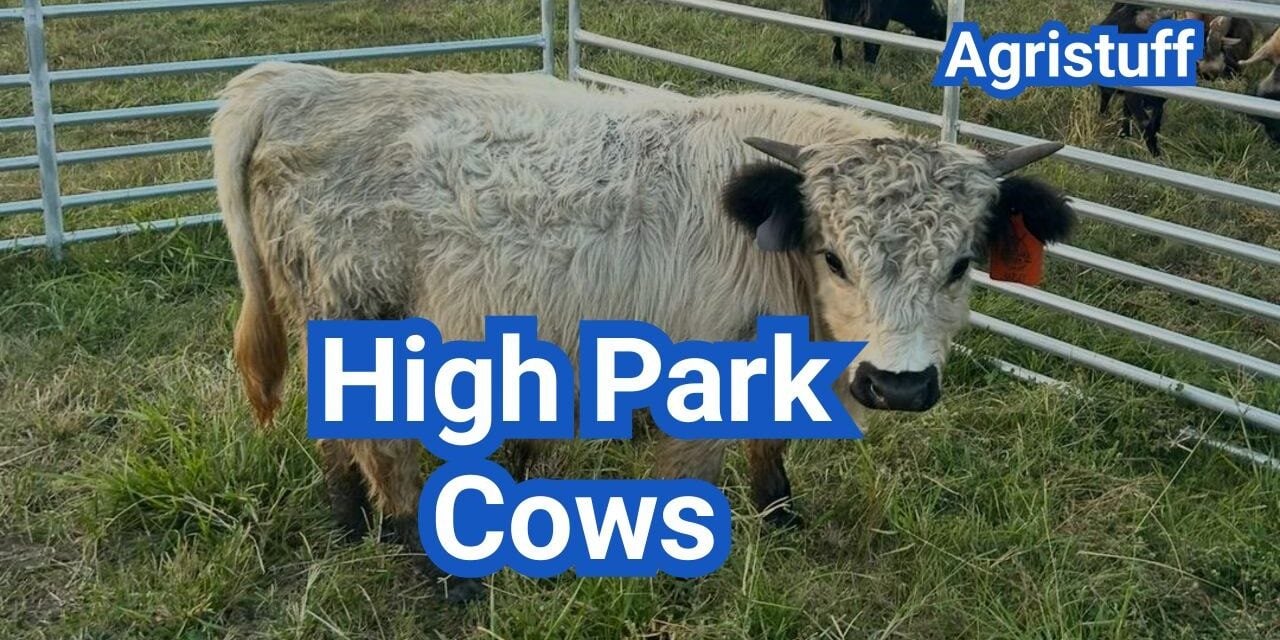
The high park cow has emerged as a fascinating addition to the American agricultural landscape. First developed during the early 2000s, this unique crossbreed was specifically engineered to meet the growing demand for miniature cattle.
By blending the rugged charm of the Highland breed with the distinct markings of the White Park, breeders created an animal that is both visually striking and manageable for small-scale farms. These cattle are prized for their gentle temperament and compact stature.
Prospective owners often find that this high park cow offers a perfect balance of hardiness and personality. Understanding the genetic background and physical traits of these animals is essential for anyone looking to integrate them into their herd. This guide will help you navigate the nuances of their care and management.
Key Takeaways
- Developed in the early 2000s for the miniature cattle market.
- A crossbreed between Highland and White Park cattle.
- Known for a gentle temperament and compact physical size.
- Requires specific management practices for optimal health.
- Gaining significant popularity among small-scale farmers in the United States.
What are High Park cows?
The term High Park Cows means cattle selected for Highland influence, long hair, and a porcelain-white coat with contrasting colored points. A dedicated U.S. registry began organizing breeders in 2018 and established its registry in 2023, so this is best understood as a developing composite population with a registry standard rather than a uniform, centuries-old pure breed HighPark Cattle Registry.
Understanding the High Park Cattle Breed
The high park cattle breed represents a fascinating intersection of heritage genetics and modern hobby farming. These animals are the result of a deliberate crossbreed between the iconic Scottish Highland and the historic White Park cattle. By combining these two distinct lineages, breeders have successfully created an animal that balances rugged charm with manageable physical traits.
The development of highpark cattle began in the early 2000s. Breeders sought to produce a smaller, visually striking animal that could thrive on smaller acreage while maintaining the hardiness of its ancestors. This was not a random occurrence but a calculated effort to refine specific aesthetic and temperamental qualities for the modern small-scale producer.
Understanding this breed requires looking at the unique contributions of each parent line. The following table highlights the primary characteristics that define the foundation of this crossbreed:
| Breed | Primary Trait | Contribution to Cross |
|---|---|---|
| Scottish Highland | Long, shaggy coat | Hardiness and docility |
| White Park | Distinctive color pattern | Structural elegance |
| High Park | Balanced hybrid | Manageable size and beauty |
“The goal of breeding highpark cattle is to capture the majesty of ancient lineages in a package that fits the lifestyle of the contemporary small-farm owner.”
For those new to the hobby farm lifestyle, it is important to recognize that these cattle are more than just a visual novelty. They are genetically selected to be easier to handle than their larger counterparts. This makes them an excellent choice for families or individuals who prioritize both form and function in their livestock management.
As you delve deeper into the world of highpark cattle, you will find that their popularity continues to grow across the United States. Their ability to adapt to various climates while maintaining a calm demeanor makes them a standout choice for sustainable, small-scale agriculture.
The Genetic Foundation of High Park Cows

When you combine the rugged traits of ancient breeds, you unlock the potential of the highland white park cross. Achieving a balanced phenotype requires a deep understanding of high park cow genetics to ensure the offspring inherit the best qualities from both parent lines.
Breeders generally agree that maintaining at least a 50% Highland percentage is the gold standard for this cross. This threshold ensures that the animal retains the iconic hardiness and aesthetic appeal that enthusiasts seek in their herds.
The Highland Influence
The Highland contribution provides the foundation for the animal’s legendary resilience in harsh climates. Their signature double-layered coat is a primary feature passed down through the highland white park cross, offering superior protection against wind and cold.
Beyond their insulation, these cattle bring a docile nature and efficient foraging capabilities to the mix. Breeders prioritize these traits to ensure that the resulting offspring are not only visually striking but also practical for pasture-based management.
The White Park Contribution
The White Park breed offers a distinct genetic profile that complements the Highland’s ruggedness. As a horned breed, they share deep ancestral ties with other ancient cattle, which makes them highly compatible for breeding programs focused on high park cow genetics.
The most recognizable contribution from this lineage is the signature color-pointed pattern. When integrated correctly, this pattern creates the unique look that defines the modern cross. Key genetic traits contributed by the White Park include:
- Distinctive color-pointed markings that define the breed’s aesthetic.
- Strong, well-developed horns that serve as a hallmark of the lineage.
- Genetic compatibility with other ancient, hardy cattle populations.
- Structural integrity that supports long-term herd health and longevity.
By carefully selecting parents that exhibit these core traits, breeders can predict the outcome of their pairing programs with greater accuracy. Understanding these building blocks is essential for anyone looking to maintain the quality and integrity of their herd over multiple generations.
High Park vs Highland Cattle: Key Differences
When evaluating high park vs highland cattle, owners often notice distinct variations in coat and build. While both breeds share a common ancestry, the introduction of White Park genetics creates a unique profile. Understanding these differences is essential for anyone looking to manage a healthy and productive herd.
Physical Appearance and Coat Variations
Scottish Highland cattle are famous for their luxurious outer fringe of hair, which can reach up to 13 inches in length. This dense coat provides exceptional protection against harsh weather conditions. In contrast, the High Park cross often displays a modified coat pattern due to the influence of the White Park breed.
The high park vs highland cattle comparison highlights how color patterns shift significantly in the crossbreed. While Highlands typically feature solid, earthy tones, the High Park often inherits the striking color-pointed markings of the White Park. These visual differences are not just aesthetic; they reflect the underlying genetic diversity of the animals.
Hardiness and Environmental Adaptability
The legendary hardiness of the Highland breed is a major asset for cattle farmers. These animals thrive in rugged, cold environments where other breeds might struggle. By crossing them with the White Park, breeders aim to maintain this robust nature while potentially improving structural traits.
When considering high park vs highland cattle for your specific climate, it is important to note that both types are highly adaptable. The High Park cross often balances the Highland’s thick insulation with the White Park’s structural efficiency. This makes them a versatile choice for various pasture settings across the United States.
High Park vs White Park: Distinguishing Traits

When evaluating herd genetics, the comparison of high park vs white park cattle reveals significant differences in development. While the White Park is a historic beef breed that faced near extinction in the early 1900s, the High Park crossbreed incorporates these genetics to achieve specific performance goals. Understanding these variations allows producers to select animals that best fit their operational needs.
Temperament and Handling Characteristics
One of the primary reasons breeders explore the high park vs white park distinction is to manage animal behavior. Purebred White Park cattle are known for their alertness and protective instincts, which can sometimes make them challenging to handle in confined spaces.
In contrast, the High Park cross is frequently selected for a more submissive and manageable nature. This temperament makes them an ideal choice for small-scale farms or hobbyists who prioritize safety and ease of movement during routine health checks.
“The true art of cattle breeding lies in balancing the rugged independence of ancient lineages with the practical docility required for modern husbandry.”
Conformation and Structural Differences
The structural influence of the White Park parent is clearly visible in the frame of the High Park. Breeders often note that the White Park contribution results in a more refined, lean body type compared to the heavier, stockier build of pure Highland cattle.
This structural elegance does not sacrifice the hardiness required for outdoor living. By analyzing the high park vs white park physical traits, farmers can better predict the growth patterns and meat quality of their future calves.
| Feature | White Park | High Park |
|---|---|---|
| Primary Use | Beef Production | Crossbreed/Aesthetic |
| Temperament | Alert/Protective | Submissive/Calm |
| Body Frame | Lean/Refined | Balanced/Sturdy |
| Historical Status | Rare/Recovering | Modern Hybrid |
Analyzing High Park Cattle Size and Growth
When selecting cattle for small-acreage farms, the physical dimensions of the animal play a critical role in long-term management. Owners must carefully monitor high park cattle size to ensure their livestock remains compatible with available pasture space and infrastructure. Proper oversight of these growth stages is vital for maintaining the desired stature of a herd over multiple generations.
Standard Size Expectations
Categorizing your animals accurately begins with understanding specific height measurements. A high park cow is typically evaluated based on its height at the hip, which determines its classification within the breed standards.
| Classification | Height Range |
|---|---|
| Micro | Under 36 inches |
| Miniature | 36.25 to 42 inches |
“The true measure of a successful breeding program is found in the consistency of the herd’s physical development and overall health.”
Factors Influencing Mini High Park Cows
Several variables dictate the final stature of mini high park cows. Genetics serve as the primary foundation, as the lineage of the parents heavily influences the growth potential of the offspring.
Early-life nutrition also plays a significant role in how these animals develop. Providing a balanced diet during the formative months ensures that your mini high park cows reach their full potential without exceeding the desired size parameters. Consistent monitoring of growth rates allows owners to make informed decisions regarding herd management and future breeding goals.
The Aesthetic Appeal of Black and White Highland Cattle

The striking visual presence of black and white Highland cattle has captured the imagination of breeders across the United States. These animals are highly sought after for their unique look, which combines the rugged charm of traditional breeds with a distinct, high-contrast coat. This aesthetic quality often serves as the primary motivation for those entering the miniature cattle market.
Color Pattern Inheritance
Understanding the science behind these coats requires a look at genetic inheritance. The interaction of specific loci and gene options determines the final coat color, including the expression of black and red shades. Genetic markers dictate how these colors manifest across the body, influencing the distribution of pigment on the ears, nose, and feet.
Breeders must carefully study the lineage of their herd to predict potential outcomes. By tracking these traits through generations, it becomes possible to stabilize specific patterns. This scientific approach ensures that the desired aesthetic traits are passed down while maintaining the overall health and vigor of the animal.
Market Demand for Unique Coat Patterns
There is a significant market demand for black and white Highland cattle among hobbyists and show enthusiasts. These individuals often prioritize visual appeal, leading to higher price points for animals that display clear, balanced markings. The rarity of specific patterns makes these cattle a prized addition to any private collection or exhibition herd.
For the serious breeder, meeting this demand requires a balance between beauty and structural soundness. While the coat pattern is a major selling point, responsible breeding remains the top priority. By focusing on both health and appearance, producers can successfully cater to a growing niche of enthusiasts who value both form and function.
Evaluating High Park Cattle Temperament
The gentle nature of these animals is a primary reason many owners choose them for their small farms. A calm high park cattle temperament is widely recognized as a defining characteristic of the breed. This disposition makes them excellent candidates for hobby farms and family-oriented agricultural settings.
Behavioral Traits in Pasture Settings
Observing your herd in the field provides valuable insight into their overall well-being. When cattle are relaxed, they exhibit curiosity rather than aggression toward human visitors. You should look for signs of contentment, such as steady grazing patterns and a lack of skittish behavior.
A well-adjusted animal will typically approach fences with interest. Maintaining a stress-free environment is vital to preserving this positive high park cattle temperament. By minimizing loud noises and sudden movements, you help ensure your livestock remains docile and easy to manage.
Training and Socialization Requirements
Building a strong bond with your cattle requires consistent and patient interaction. Early socialization is the most effective way to foster a trusting relationship between the animal and the handler. Gentle handling techniques are essential to maintain the submissive nature that makes this breed so unique.
Regular, short training sessions can help your cattle become accustomed to being led or inspected. Always reward calm behavior with positive reinforcement to encourage future cooperation. Investing time in these social interactions will ultimately result in a more manageable and rewarding experience for both the owner and the animal.
Navigating the High Park Cattle Registry
Establishing a clear paper trail for your animals is the first step toward professional success in the cattle industry. Maintaining an accurate high park cattle registry is essential for preserving the unique traits of your herd and protecting your long-term investment.
Importance of Breed Documentation
Thorough documentation acts as the foundation for any reputable breeding program. Owners should keep detailed files that include precise birth records, consistent height measurements, and verified genetic testing results.
These records do more than just organize your farm; they provide tangible proof of your animal’s quality. When you maintain a rigorous high park cattle registry, you ensure that your herd meets the specific standards required for showing or future sales.
How to Verify Pedigree and Lineage
Verifying the background of your livestock is a straightforward but necessary process for every owner. HighPark and Highland or White Park cross cattle can be officially registered with the International Miniature Cattle Breeders Registry (IMCBR).
To confirm that your animals align with established breed standards, you must submit your documentation to the registry for review. This verification process provides peace of mind, confirming that your cattle possess the desired lineage and structural characteristics. Utilizing the high park cattle registry correctly allows you to track growth trends and make informed decisions about your breeding future.
Selecting a High Park Heifer for Your Herd
Selecting a high park heifer requires a keen eye for detail and a deep understanding of breed standards. This choice serves as the foundation for your entire operation, influencing the health and productivity of your future generations. By prioritizing quality early on, you ensure a more sustainable and profitable path forward.
Assessing Structural Soundness
A high-quality high park heifer should exhibit a wide shoulder and significant body depth. These physical traits are essential for maintaining overall balance and supporting the animal’s weight as it matures. You must also look for a square hind end, which is a hallmark of proper conformation in this breed.
Pay close attention to leg alignment and movement. Animals with straight, sturdy legs are less prone to long-term health issues and can navigate pasture terrain with ease. Structural integrity is not just about aesthetics; it is a vital component of a long-lived, productive cow.
Evaluating Genetic Potential
Beyond physical appearance, you must investigate the genetic background of your potential purchase. Reviewing the performance history of the dam and sire provides valuable insight into what you can expect from your high park heifer. Consistent records help you predict growth rates and temperament in future offspring.
“The secret to a thriving herd lies in the wisdom of the breeder who chooses their foundation stock with patience and rigorous standards.”
Consider the following table when evaluating your next selection to ensure you cover all critical performance indicators:
| Trait Category | Primary Focus | Desired Outcome |
|---|---|---|
| Conformation | Shoulder and Hind End | Balanced, square structure |
| Mobility | Leg Alignment | Sound, fluid movement |
| Genetics | Pedigree History | Proven performance traits |
| Development | Body Depth | Optimal growth capacity |
By carefully analyzing these factors, you set the stage for success. Investing time in selecting the right high park heifer today will pay dividends in the quality of your herd for years to come.
Raising a Healthy High Park Calf

The journey of raising a healthy high park calf begins the moment it enters your pasture. These early months are critical for establishing a strong foundation for future growth and development. By focusing on specific needs, you ensure your animal reaches its full potential as a mature member of your herd.
Nutritional Requirements for Early Growth
Proper nutrition is the cornerstone of a thriving high park calf. Immediately after birth, the calf must receive high-quality colostrum to build a robust immune system. As the calf begins to transition, providing access to high-quality forage is essential for rumen development.
Supplementation may be necessary depending on the quality of your pasture. Always consult with a local veterinarian to determine if your high park calf requires specific minerals or vitamins to support bone growth and energy levels during these formative stages.
Health Monitoring and Preventative Care
Consistent observation is the best tool for maintaining herd health. You should check the muzzle pigment of your high park calf regularly, as this can help track color changes as the animal matures. Keeping a detailed log of weight gain and behavioral shifts allows you to spot potential issues before they become serious problems.
Proactive care involves more than just watching; it requires a structured approach to wellness. Regular health checks ensure that your high park calf remains active and alert. Below is a summary of key monitoring areas to help you manage your young stock effectively.
| Monitoring Metric | Frequency | Goal |
|---|---|---|
| Weight Gain | Bi-weekly | Steady, consistent growth |
| Muzzle Pigment | Monthly | Track color development |
| Behavioral Activity | Daily | Ensure alertness and appetite |
| Vaccination Status | Per Vet Schedule | Disease prevention |
Step-by-Step Guide to Managing a Highland White Park Cross
Providing a high standard of care for your highland white park cross starts with the right environment. Thoughtful infrastructure and land management are essential to keep your animals safe and healthy throughout the year. By focusing on these core areas, you ensure your herd thrives in any climate.
Establishing Proper Fencing and Shelter
Highland cattle are naturally resilient, possessing double-layered, oiled coats that allow them to live in diverse weather conditions. However, a highland white park cross still requires a secure perimeter to prevent wandering and protect against predators. Sturdy, high-tensile fencing is often the best choice for maintaining herd boundaries.
While these cattle are hardy, they benefit greatly from access to natural or man-made shelter. Adequate protection from extreme wind, heavy rain, or intense summer heat helps maintain their overall body condition. A simple three-sided shed or a well-placed windbreak provides the necessary comfort for your animals to rest safely.
Implementing a Rotational Grazing Strategy
Managing your land effectively is just as important as managing the cattle themselves. Implementing a rotational grazing strategy allows you to move your highland white park cross between different paddocks on a regular schedule. This practice prevents overgrazing and encourages the growth of high-quality forage.
Beyond improving pasture health, this method is a highly effective way to reduce parasite buildup in the soil. By giving sections of your land time to recover, you break the life cycle of common internal parasites. This proactive approach leads to a healthier herd and significantly lowers the need for chemical interventions.
Health and Wellness Protocols for High Park Cattle

A robust wellness program is the cornerstone of a thriving and productive herd of High Park cattle. Maintaining the health of your animals is a continuous process that requires strict adherence to professional veterinary protocols. By keeping detailed records, you can identify trends and improve your management practices over time.
Common Breed-Specific Health Considerations
High Park cattle are generally hardy, but they may carry specific genetic predispositions inherited from their Highland and White Park ancestors. Breeders should remain vigilant for signs of structural issues or metabolic sensitivities that can affect long-term vitality. Early detection is vital when managing these unique animals.
Regular physical exams help you spot potential problems before they escalate into serious conditions. Focus your observations on hoof health, coat condition, and overall body score. Consistent monitoring allows you to address minor concerns through simple adjustments in environment or nutrition.
Vaccination and Parasite Control Schedules
Protecting your livestock against regional threats requires a well-planned vaccination schedule tailored to your specific location. Consult with a local veterinarian to develop a program that covers common bovine diseases prevalent in your area. Preventative care is always more cost-effective than treating an active outbreak.
Parasite control is equally important for maintaining optimal growth and immune function. Implement a seasonal deworming strategy that accounts for local pasture conditions and climate patterns. By staying organized and informed, you ensure your herd remains healthy, productive, and resilient throughout the year.
Feeding and Nutrition for Optimal Development

Achieving the ideal high park cattle size requires a dedicated approach to daily nutrition and long-term health management. Providing a consistent and balanced diet is the most effective way to support the overall development and longevity of your herd. When cattle receive the right nutrients, they maintain better body condition and reach their growth milestones more efficiently.
Forage Management and Supplementation
High-quality forage serves as the primary energy source for your animals. Pasture management should focus on providing diverse grasses that encourage steady growth without excessive fat accumulation. Because Highland cattle produce meat that is high in protein and iron while remaining low in fat and cholesterol, maintaining this lean profile through controlled grazing is essential for managing high park cattle size.
In addition to grazing, mineral supplementation is vital for skeletal development and metabolic health. Providing free-choice mineral blocks ensures that your herd receives necessary trace elements that might be missing from local soil. Proper nutrition acts as the cornerstone of herd management, ensuring that every animal reaches its target weight and structural potential.
“The health of the herd is a direct reflection of the quality of the pasture and the care provided by the steward.”
Seasonal Feeding Adjustments
Nutritional needs change significantly as the seasons shift throughout the year. During the summer, lush pastures often provide sufficient energy, but you must monitor for potential weight fluctuations. As winter approaches, the high park cattle size can be better maintained by introducing high-quality hay and supplemental feed to compensate for the lack of fresh forage.
Adjusting your feeding strategy during colder months prevents unnecessary weight loss and supports the animal’s immune system. Always monitor body condition scores to determine if your current supplementation levels are adequate. By staying proactive with these seasonal changes, you ensure your cattle remain healthy and productive regardless of the weather.
Marketing and Breeding High Park Cattle
Building a successful program for high park cattle requires a blend of business acumen and biological expertise. You must balance the aesthetic appeal of your animals with the practical demands of the modern agricultural market. By focusing on both quality and transparency, you can establish a sustainable operation that stands out to potential buyers.
Identifying Your Target Market
To succeed, you must first define who your ideal customer is. Some breeders focus on the hobbyist market, where temperament and unique coat patterns are highly valued. Others may target commercial operations that prioritize hardiness and structural efficiency in their high park cattle.
Understanding your audience allows you to tailor your marketing efforts effectively. Whether you are selling breeding stock or animals for small-scale grazing, clear communication about your herd’s history is essential. Building trust with your buyers often leads to repeat business and a stronger reputation within the community.
Ethical Breeding Practices
A commitment to integrity is the cornerstone of any reputable breeding program. Breeders should possess a comprehensive background in their breed’s high park cow genetics to improve overall structure and prevent undesirable mutations. This knowledge ensures that every generation is healthier and more resilient than the last.
Transparency regarding health testing and pedigree information is non-negotiable for ethical producers. Providing accurate documentation helps buyers make informed decisions and protects the long-term viability of the breed. By prioritizing high park cow genetics and animal welfare, you contribute to the overall improvement of the breed while securing your own success as a breeder.
Quick checklist
- Confirm the exact Highland percentage and identify the Park-side breed or breeds.
- Ask for registration certificates, pedigrees, transfer papers, and parentage results.
- Measure mature animals with the same method instead of accepting “mini” by appearance.
- Review sire, dam, and grandparent heights, weights, horn status, and temperaments.
- Request relevant genetic-test results, especially when reduced-stature genetics are present.
- Inspect feet, legs, eyes, teeth, body condition, udder or scrotum, and overall movement.
- Arrange a pre-purchase veterinary exam and obtain herd-health records.
- Calculate local forage supply and winter hay needs before setting a stocking rate.
- Prepare cattle-safe fencing, a quarantine pen, water, shade, and handling facilities.
- Price transport, health certificates, identification, insurance, and emergency veterinary care.
- Match horn status and temperament to the farm’s equipment and handler experience.
Common mistakes to avoid
- Buying by color alone: Verify structure, health, fertility, temperament, and pedigree before paying for markings.
- Assuming every animal is a 50/50 cross: Ask for documented breed percentages and named parents.
- Using “mini” as a measurement: Obtain a dated mature-height measurement and compare related adults.
- Breeding untested short-stature cattle: Identify the relevant genetic variant and avoid risky carrier matings.
- Underbuilding facilities: Design alleys, headgates, feeders, and trailers for horns and mature weight.
- Overstocking small acreage: Base animal numbers on forage inventory, drought risk, and winter feed storage.
- Ignoring heat stress: Supply shade, water capacity, ventilation, and a summer observation plan.
- Skipping quarantine: Isolate arrivals and coordinate testing, vaccination, and parasite control with a veterinarian.
- Expecting uniform calves: Plan for variation in color, coat, height, and horn status.
- Assuming a visual premium guarantees profit: Build an enterprise budget using conservative sale values.
Costs and ROI snapshot
High Park Cows are specialty cattle, so purchase price can vary widely with age, sex, training, registration, pedigree, pregnancy status, mature size, markings, genetic tests, and transport distance. As a commercial benchmark rather than a HighPark-specific promise, the University of Missouri’s 2026 50-cow budget estimates total annual costs near $2,126–$2,180 per cow, including roughly $316–$386 for feed and minerals and $320–$373 for pasture.
- Main upfront costs: breeding stock, freight, veterinary inspection, fencing, water systems, shelter or shade, hay storage, and handling equipment.
- Main recurring costs: pasture, hay, minerals, veterinary care, breeding, labor, repairs, insurance, utilities, and marketing.
- What increases cost: distant purchases, horn-compatible infrastructure, drought, purchased hay, genetic testing, and maintaining several breeding groups.
- What can improve return: documented pedigrees, healthy calves, calm handling, consistent measurements, transparent test results, planned calving, and a proven local customer base.
- What beginners underestimate: winter feed, pasture recovery, emergency care, livestock trailers, bull ownership, and the time required to market specialty animals responsibly.
ROI from High Park Cows should be calculated from conservative calf sales, realistic conception and weaning rates, cull values, and all ownership costs—not from the highest advertised social-media price.
Final thought
High Park Cows can be useful, memorable cattle for the right U.S. farm, but their value should come from health, function, documented ancestry, and responsible management as well as appearance. The smartest buyer verifies what “High Park” means in that particular herd, measures rather than assumes size, budgets for full cattle care, and chooses animals suited to the farm’s climate, forage, facilities, and goals Penn State Extension livestock-health guidance.
FAQ
What exactly is a High Park cow?
A high park cow is a deliberate cross between a Scottish Highland and a White Park cattle breed. This highland white park cross is specifically bred to combine the long, fluffy hair of the Highland with the iconic color-pointed markings of the White Park.
How big do mini high park cows get?
High park cattle size varies by classification, but most mini high park cows stand between 36 and 42 inches at the hip. Micro versions are under 36 inches, while mid-size animals can reach up to 48 inches.
Are High Park cows purebred Highland cattle?
No. High Park Cows are Highland-influenced composites rather than fullblood Highland cattle, although some may qualify for the American Highland Cattle Association’s separate Sovereign crossbred registry when they meet its parentage, breed-percentage, and other requirements. Buyers should distinguish a fullblood Highland certificate, a Sovereign certificate, and a HighPark registry certificate because each records a different status AHCA Sovereign Registry requirements.
Do all High Park cows stay miniature?
No. High Park Cows can mature below miniature thresholds, within miniature ranges, or well above them, depending on the parents and the measurement system being used. A calf’s current height is not its mature height, so the best evidence is a consistent measurement taken at three years or older plus mature data from close relatives HighPark breeder assessment guidance.
Are High Park cows the same as British White cattle?
No. High Park Cows contain Highland influence and are selected for a shaggy, color-pointed appearance, while British White cattle are an established naturally polled British breed with their own history and breeding population. Similar white bodies and dark points can create visual confusion, making pedigrees more reliable than photographs for identifying ancestry American British White Park Association.
Are High Park cows good for beginners?
High Park Cows can be beginner-friendly when they are calm, healthy, appropriately sized, and matched to secure facilities, but no bovine should be treated as a pet solely because it is small and fluffy. First-time owners should learn low-stress handling, work with a cattle veterinarian, avoid keeping a mature bull without suitable expertise, and buy from a breeder who provides ongoing support American Highland Cattle Association breeder directory.
Can genetic testing predict every High Park trait?
No. Genetic tests can help High Park Cows breeders evaluate parentage, selected coat-color genes, horn status, and specific known disorders, but they cannot guarantee adult temperament, perfect conformation, fertility, or an exact mature height. Test results are most useful when combined with accurate pedigrees, physical measurements, production records, and visual evaluation of related mature cattle.
Do High Park cattle require special grooming for their coats?
While they are naturally fluffy, high park cattle benefit from regular brushing to remove loose hair and prevent matting, especially during the spring shedding season. This also helps maintain the vibrant appearance of black and white highland cattle markings.
Is there an official high park cattle registry?
Yes, owners typically use the high park cattle registry provided by organizations like the International Miniature Cattle Breeder’s Society (IMCBS) to document pedigree, verify high park cow genetics, and record official height measurements.
How does the high park cattle temperament compare to other breeds?
The high park cattle temperament is famously docile and friendly. Because they are a cross of two gentle breeds, they are often used as companion animals or “pasture pets” and are generally very safe for families to handle.
What is the difference between high park vs highland cattle?
In the high park vs highland cattle comparison, the main differences are color and size. High Parks have the White Park color points (dark ears/nose), whereas Highlands are solid-colored. High Parks are also more frequently bred specifically for miniature sizes.
Can a high park calf live on a small acreage?
Absolutely. A high park calf or mature cow is well-suited for small farms. Generally, you should provide at least 0.5 to 1 acre per animal, depending on the quality of your forage and your rotational grazing management.
What should I look for when selecting a high park heifer for breeding?
When choosing a high park heifer, look for structural soundness, a thick coat, and well-defined color points. It is also important to check the registration papers to ensure a high percentage of Highland genetics for that signature fluffy look.
Are highpark cattle more expensive than standard cattle?
Yes, highpark cattle are considered a boutique or “specialty” breed. Due to their unique aesthetics, small size, and high demand in the miniature cattle market, they often command a higher price than standard commercial breeds.
What are the main differences in high park vs white park?
The high park vs white park distinction lies in the coat and frame. The High Park has the long, shaggy coat of a Highland, whereas the pure White Park has short hair and a more traditional, refined cattle conformation.
Sources & References
- Highland Cattle Society — Breed Standards
- Rare Breeds Survival Trust — Highland Breed Profile
- Rare Breeds Survival Trust — White Park Breed Profile
- American British White Park Association — Breed History
- HighPark Cattle Registry — Registration and Pedigree Requirements
- Oklahoma State University — Crossbreeding Beef Cattle III
- USDA NRCS — Prescribed Grazing and Associated Practices
- Beef Quality Assurance — 2025 Field Guide
- USDA APHIS — Animal Disease Traceability
- UC Davis Veterinary Genetics Laboratory — Cattle DNA Tests
- Texas A&M Veterinary Medicine — Hobby-Farm Biosecurity
- University of Nebraska–Lincoln — Meeting Cattle Water Needs