Quick answer: Highland cattle are hardy Scottish cattle used mainly for beef, conservation grazing, pasture management, and heritage or agritourism value. In the United States, the breed attracts small farms because it can use rough forage, has a distinctive shaggy appearance, and helps manage open pasture when properly fenced and cared for.
Highland cattle are not only scenic Scottish animals; they are a practical heritage cattle breed with a clear role in beef production, conservation grazing, pasture-based farming, and rural tourism. For U.S. readers, the biggest questions are usually simple: what are Highland cattle, what is a Highland cow used for, and why are these shaggy cattle so popular?
This guide focuses on the purpose, history, appearance, ecological role, and modern value of Highland cattle without repeating detailed breeding and herd-management topics covered in a separate Agristuff breed guide. It gives quick answers for readers who want to understand the breed before deciding whether to visit, buy, raise, or research Highland cattle further.
What Is a Highland Cow?
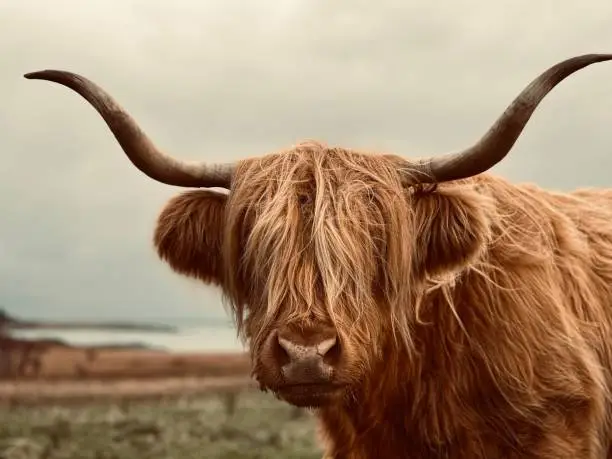
A Highland cow is the female of the Highland cattle breed, although many people use “Highland cow” to describe any animal in the breed. The breed originated in Scotland and is widely recognized for its long horns, shaggy double coat, and strong adaptation to cold, wet, and rough grazing environments.
In search results, terms such as “Highland cow,” “Highland cows,” “Scottish Highland cow,” “hairy cow,” and “hairy coo” often point to the same basic intent: readers want to identify the breed, understand what it is called, and learn why it looks different from common beef cattle.
Where Did Highland Cattle Come From?
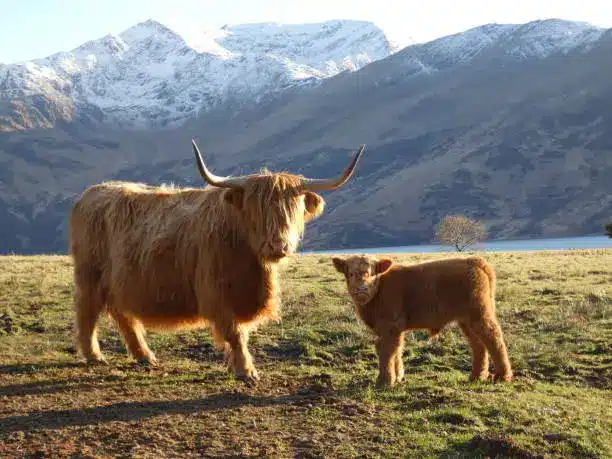
Highland cattle, often referred to as “Heilan Coo” in Scotland, are one of the oldest cattle breeds in the world. Their history dates back to the 6th century, with roots tracing to the Celtic tribes of Scotland. These cattle were bred to survive the harsh climates of the Scottish Highlands, where they roamed freely across rugged terrains and endured extreme weather conditions.
Over the centuries, highland cattle became a cornerstone of Scottish agriculture. Their ability to thrive in challenging environments made them invaluable to local communities, providing meat, milk, and labor. In 1884, the Highland Cattle Society was established to preserve the breed’s integrity, and today, these cattle are celebrated not only for their historical significance but also for their role in sustainable farming practices.
What Do Highland Cattle Look Like and How Do They Behave?
One of the most striking features of highland cattle is their long, wavy coat, which comes in various colors, including red, black, dun, and silver. This double-layered fur acts as natural insulation, protecting them from cold, rain, and wind. Their large, curved horns are not just for show—they help the cattle forage through snow and defend themselves against predators.
Behaviorally, highland cattle are known for their calm and docile temperament. They are intelligent, independent, and highly adaptable, making them easy to manage for farmers. Their strong maternal instincts ensure that calves are well-protected, and their ability to graze on rough vegetation makes them ideal for conservation grazing.
What Are Highland Cattle Used For in Modern Farming?
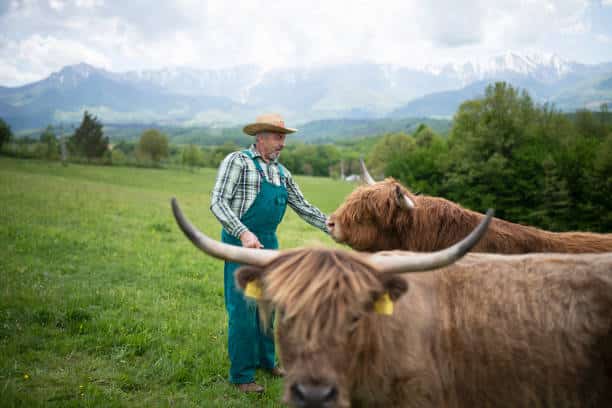
In today’s agricultural landscape, highland cattle are prized for their sustainability and efficiency. They can graze on marginal lands that are unsuitable for other livestock or crops, reducing the need for supplemental feed. This makes them an excellent choice for farmers looking to adopt eco-friendly practices.
Their meat is another standout feature. Highland cattle produce lean, flavorful beef with lower cholesterol levels compared to other breeds. This has made them a favorite among consumers seeking healthier, ethically sourced meat. Additionally, their grazing habits promote biodiversity by maintaining open landscapes and controlling invasive plant species.
Why Is Highland Cattle Meat Popular?
Highland cattle meat is popular because the breed is commonly associated with lean, flavorful beef from pasture-based systems. Their heavy coat helps protect them from cold weather, so they do not need to carry as much outside fat as some other cattle, while the meat can still be well marbled and valued by specialty beef buyers.
For U.S. readers, the appeal is not only taste. Highland cattle can fit small farms, direct-to-consumer beef programs, heritage-breed marketing, and grass-based livestock systems when the farm has enough land, fencing, water, and a realistic feeding plan.
Why Are Highland Cattle Considered Sustainable? Ecological Role Explained
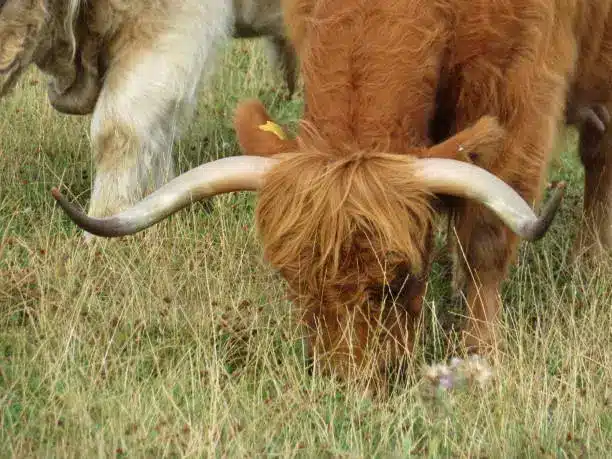
Beyond agriculture, highland cattle play a crucial role in conservation. Their ability to graze on tough vegetation helps maintain ecosystems and supports biodiversity. Conservationists often use these cattle to manage sensitive habitats, such as wetlands and heathlands, where their grazing prevents overgrowth and promotes the growth of native plants.
Their genetic diversity is also a focus of conservation efforts. By preserving the unique traits of highland cattle, researchers can enhance the resilience of other livestock breeds, ensuring their survival in the face of climate change and disease.
Why Are Highland Cows So Popular?
The charm of highland cattle extends beyond farms and conservation areas. These animals have become cultural icons, featured in everything from postcards to social media posts. Their photogenic appearance and gentle nature have made them stars of agritourism, drawing visitors to farms and rural areas.
In children’s literature and media, highland cattle are often portrayed as friendly, approachable characters, further endearing them to audiences worldwide. Their association with Scottish heritage also adds to their appeal, making them a symbol of national pride and tradition.
What Is the Purpose of a Highland Cow?
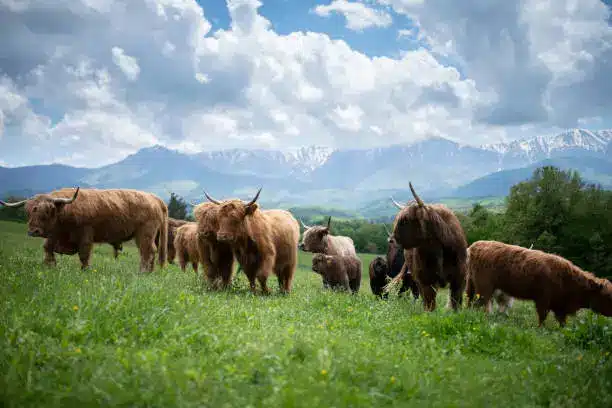
So, what is the purpose of a highland cow? These remarkable animals serve multiple roles:
- Sustainable Agriculture: They thrive on marginal lands, reducing the need for intensive farming practices.
- Conservation Grazing: Their grazing habits support biodiversity and habitat management.
- High-Quality Meat Production: They provide lean, nutritious beef with a lower environmental impact.
- Cultural and Economic Value: They boost agritourism and preserve Scottish heritage.
FAQ About Highland Cattle and Highland Cows
What are Highland cows called?
Highland cows are often called Scottish Highland cows, Highland cattle, hairy cows, or “hairy coos” in Scotland. Technically, a Highland cow is the female, while Highland cattle refers to the breed as a whole.
Do Highland cows have horns?
Yes, Highland cattle are a horned breed, and both males and females can have horns. The horns are one of the breed’s most recognizable features, along with the long shaggy coat.
How do Highland cattle see with their long fringe?
Highland cattle can still see through and around their long fringe, but the hair helps protect the eyes from wind, rain, snow, and insects. On farms, owners should still monitor eye health and trim or manage hair if visibility or irritation becomes a problem.
What colors can Highland cattle be?
Highland cattle can appear in several colors, including red, black, dun, yellow, white, silver, and brindle. Red is the most recognizable color, but it is not the only accepted color in the breed.
What is the main purpose of Highland cattle?
The main purpose of Highland cattle is beef production, but they are also used for conservation grazing, pasture management, heritage breeding, agritourism, and educational farm experiences.
Final Thought: Why Highland Cattle Still Matter
Highland cattle are more than just a symbol of Scotland’s rugged beauty—they are a testament to resilience, adaptability, and sustainability. From their ancient origins in the Scottish Highlands to their modern roles in agriculture, conservation, and cultural heritage, these remarkable animals have proven their worth time and time again. Whether it’s their ability to thrive in harsh climates, their contribution to biodiversity through conservation grazing, or their production of high-quality, lean meat, highland cattle continue to play a vital role in our world.
As we look to the future, the preservation and promotion of highland cattle will remain essential. Their unique genetic traits and sustainable farming potential make them invaluable in addressing the challenges of modern agriculture and environmental conservation. By celebrating and supporting these iconic animals, we not only honor their rich history but also ensure their legacy for generations to come.
Sources & References
The following sources support the information in this article about Highland cattle history, breed traits, beef quality, sustainability, and conservation grazing.
- American Highland Cattle Association — The Breed
- American Highland Cattle Association — AHCA Info and Highland beef facts
- Oklahoma State University — Highland Cattle breed profile
- Highland Cattle Society — Why Highlands?
- Highland Cattle Society — Highland Beef
- Forestry and Land Scotland — Conservation grazing and habitat management