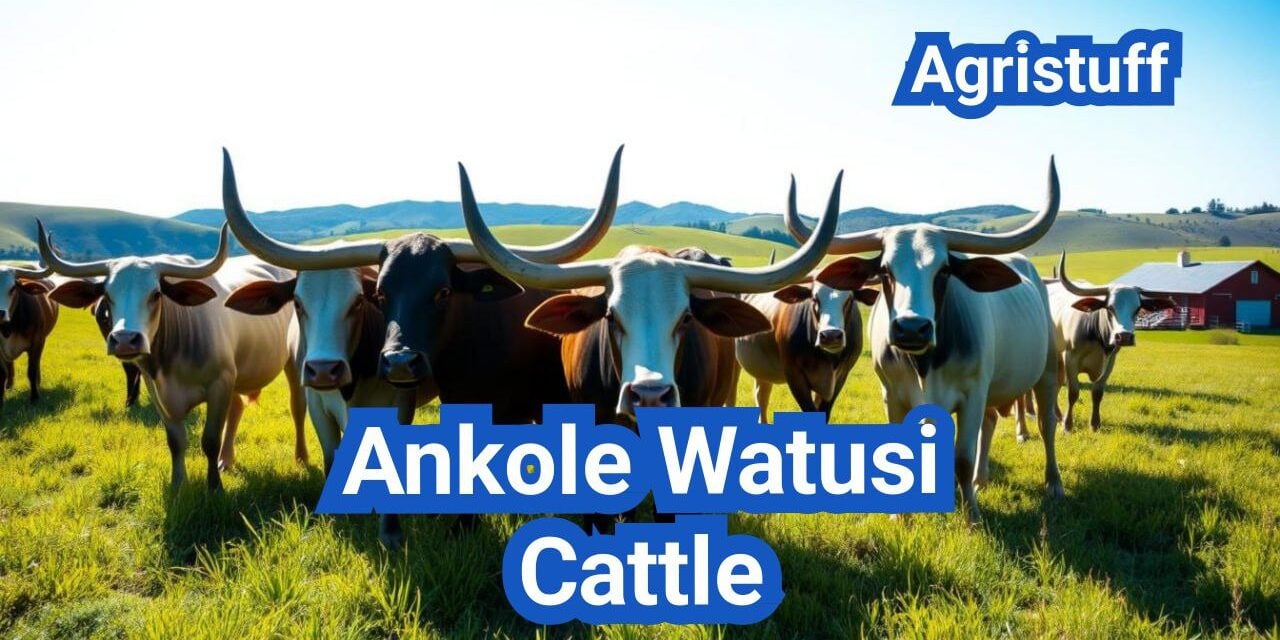
Quick Answer: For U.S. owners, mature Ankole-Watusi cows usually weigh 900–1,200 pounds and bulls 1,000–1,600 pounds. Their vascular horns help dissipate body heat but require wide gates, roomy handling areas, sturdy fencing, and calm handling.
This guide helps readers to decide whether Watusi cattle match their property, experience, and herd goals. It covers selection, breeding, everyday management, and the practical trade-offs to consider before buying.
Key Takeaways
- Watusi cattle are commonly known in the United States as Ankole-Watusi cattle.
- Ankole-Watusi cattle are famous for huge, long, symmetrical horns with a large base.
- Watusi cows usually weigh about 900–1,200 pounds, while bulls may reach about 1,000–1,600 pounds.
- Watusi cattle can be used for heritage herds, hobby farms, show animals, breeding programs, and limited dual-purpose value.
- They are generally docile, but their large horns make careful handling, wide gates, and safe fencing important.
What Are Watusi Cattle?
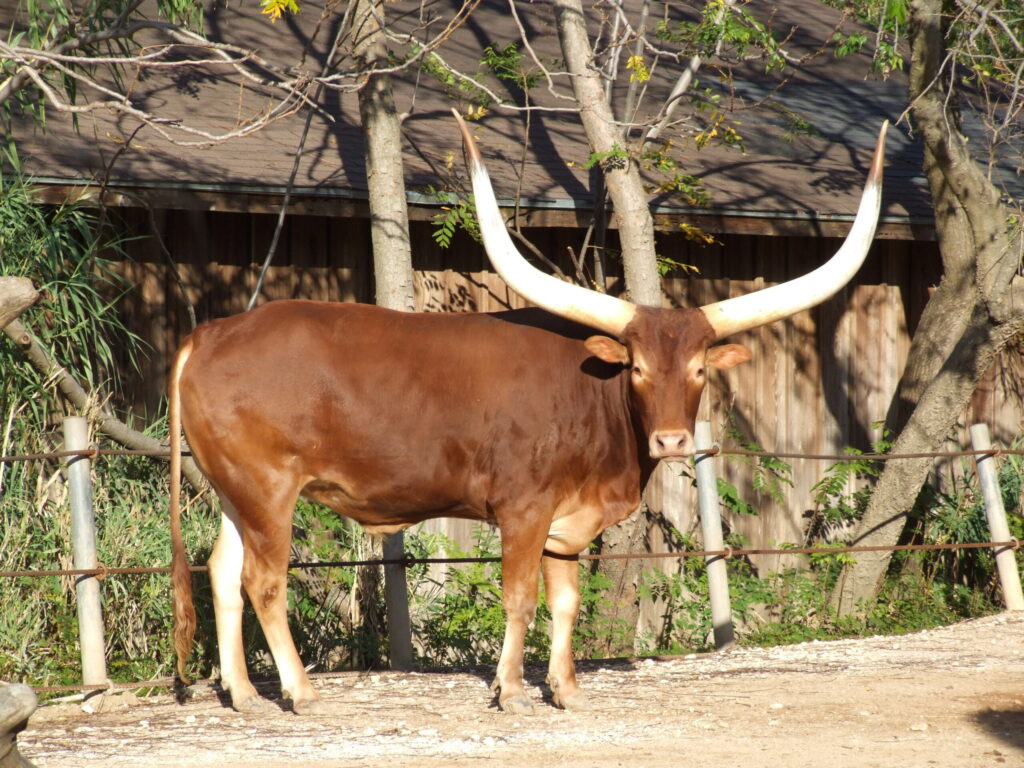
Watusi cattle are long-horned cattle known for their dramatic appearance, medium body size, and strong adaptation to warm climates. In the United States, the name Watusi cattle usually refers to Ankole-Watusi cattle, a recognized breed developed from African Ankole-type cattle and maintained by specialty breeders and breed registries.
For many U.S. readers, Watusi cattle are interesting because they look different from common beef or dairy breeds. Their huge horns, calm appearance, and heritage status make them popular on hobby farms, educational farms, show herds, and conservation-focused ranches.
Are Watusi Cattle the Same as Ankole-Watusi Cattle?
Watusi cattle and Ankole-Watusi cattle are closely connected terms, but they are not always used in exactly the same way. Ankole cattle usually refers to the broader African cattle background, while Ankole-Watusi cattle is the name commonly used in the United States for the recognized long-horned breed maintained by breeders and registries.
This difference matters for readers comparing breed names online. A person searching for Watusi cattle may be looking for the same animals called Ankole-Watusi cattle in U.S. breed descriptions, while a person searching for Ankole cattle may want the broader African breed history and cultural background.
Watusi Cattle Size, Weight, and Body Shape
The Ankole Watusi cattle breed is known for its distinctive features, which have captivated breeders and enthusiasts alike. One of the defining aspects of this breed is its elegant appearance and robust build.
Physical Appearance and Size
Ankole Watusi cattle are characterized by their medium size and graceful appearance. They typically have a straight topline and a sloping rump, contributing to their athletic build. The breed may also exhibit a neck hump, although this is not a required characteristic. In terms of size, Ankole Watusi cows generally weigh between 900 and 1,200 pounds, while bulls can weigh between 1,000 and 1,600 pounds. This size range makes them a manageable yet substantial breed for various farming purposes.
The Magnificent Horns: Structure and Function
One of the most striking features of the Ankole Watusi breed is its magnificent horns. These horns are not only a distinguishing characteristic but also serve several practical purposes. They are used for defense against predators and rival cattle, and they play a role in establishing dominance within the herd. The structure of the horns is quite impressive, with some individuals having horns that span over 6 feet from tip to tip.
The horns of Ankole Watusi cattle are made of keratin, the same protein that makes up human hair and nails. They begin to grow early in the calf’s life and continue to develop over time. The horn’s size, shape, and symmetry can vary among individuals, influenced by genetics and nutrition.
Coat Colors and Patterns
Ankole Watusi cattle display a wide range of coat colors and patterns, adding to their visual appeal. Their coats can be solid, spotted, or patched in various colors, including red, black, white, and combinations thereof. This diversity in coat coloration makes each animal unique and contributes to the breed’s aesthetic charm.
The coat colors and patterns of Ankole Watusi cattle can be influenced by genetic factors, and breeders often select for specific colors or patterns. However, the primary focus remains on the breed’s characteristic horns and overall hardiness.
Why Do Watusi Cattle Have Such Large Horns?
The horn system of Ankole Watusi cattle is not only a striking visual feature but also a vital component of their survival mechanism. These horns are a remarkable adaptation that has evolved over centuries, playing a crucial role in the cattle’s ability to thrive in challenging environments.
Horn Development and Growth
The development of horns in Ankole Watusi cattle begins early in their life. Calves are born without horns, but the horn buds start to develop within the first few months. The growth rate and final size of the horns can be influenced by factors such as genetics, nutrition, and overall health.
Horn growth is a continuous process, and the horns can keep growing throughout the cattle’s life, although the rate of growth slows down as they mature. Proper nutrition is essential for optimal horn development, highlighting the importance of a balanced diet for these cattle.
Average Horn Weight and Size
Ankole Watusi cattle are known for their exceptionally large horns. The size and weight of the horns can vary significantly among individuals. On average, the horns of a mature Ankole Watusi can weigh between 25 to 30 pounds (11 to 14 kg) per horn, with some exceptional cases reaching even higher weights.
| Horn Characteristic | Average Measurement | Maximum Recorded |
|---|---|---|
| Horn Length | 30-40 inches (76-102 cm) | Over 6 feet (1.8 meters) |
| Horn Weight | 25-30 pounds (11-14 kg) | 40 pounds (18 kg) or more |
| Circumference at Base | 15-20 inches (38-51 cm) | Over 24 inches (61 cm) |
The Role of Horns in Thermoregulation
One of the most fascinating aspects of the Ankole Watusi’s horn system is its role in thermoregulation. The horns act as a heat sink, helping to dissipate excess body heat. Blood circulates through the horns, is cooled, and then returns to the body, thus aiding in maintaining a stable body temperature in hot climates.
This unique thermoregulatory mechanism is crucial for the survival of Ankole Watusi cattle in their native habitats, where temperatures can be extremely high. The ability to regulate body temperature effectively is a key factor in their adaptability and hardiness.
Are Watusi Cattle Friendly?
Watusi cattle are often described as docile, but that does not mean they should be handled casually. Their huge horns make space, calm handling, good fencing, and safe working areas more important than with many hornless cattle breeds.
A Watusi cow may be manageable for an experienced owner, but a Watusi bull should always be treated with caution. Bulls of any cattle breed can become dangerous, and the large horn spread of Ankole-Watusi cattle makes respectful distance and proper handling facilities especially important.
Are Watusi Cattle Dairy or Beef Cattle?
Watusi cattle are usually described as dual-purpose or specialty cattle rather than a mainstream commercial dairy or beef breed. They can provide milk and meat, but most U.S. owners raise Ankole-Watusi cattle for heritage value, breeding, exhibition, conservation, hobby farms, or as visually striking pasture animals.
Some sources note that Ankole-Watusi milk can be high in butterfat, while the breed has also been studied for lean beef traits. However, a small U.S. farm should not choose Watusi cattle expecting them to perform like specialized Holstein dairy cattle or high-yield commercial beef breeds.
Watusi Cows vs Watusi Bulls
Watusi cows and Watusi bulls share the same dramatic long-horned appearance, but they differ in size, behavior, and handling needs. Mature Watusi cows usually weigh about 900 to 1,200 pounds, while mature Watusi bulls are heavier and may weigh about 1,000 to 1,600 pounds, so bulls need stronger fencing, wider working areas, and more experienced handling.
A Watusi cow is often the easier animal for a small farm or heritage herd to manage, especially when she has been raised around people and handled calmly. A Watusi bull can still be useful for breeding, but he should never be treated like a pet because any mature bull can become dangerous, and the large horns of Ankole-Watusi cattle increase the safety risk if the animal turns quickly, pushes, or becomes defensive.
For most U.S. hobby farms, educational farms, and small heritage herds, Watusi cows are usually the more practical choice than bulls unless there is a clear breeding plan and proper facilities. Owners should allow extra space around gates, alleys, feeders, and trailers because both Watusi cows and bulls carry wide horns that require more room than many common beef or dairy cattle breeds.
Where Watusi Cattle Come From
The Ankole-Watusi is a modern American breed of domestic cattle derived from the Ankole group ( Ankole Cattle ) of Sanga cattle breeds of east and central Africa.
Watusi cattle come from the Ankole-type Sanga cattle of East and Central Africa, where long-horned cattle were valued for their hardiness, milk, status, and ability to survive in warm conditions. In the United States, the breed is usually known as Ankole-Watusi cattle because it developed from African Ankole-related cattle lines and later became recognized through American breed programs and registries.
This short origin story helps explain why Watusi cattle look so different from common U.S. beef and dairy breeds. Their African Sanga background is part of the reason they are known for large horns, heat tolerance, and a distinctive heritage appearance, while the Ankole-Watusi name is the version most U.S. readers will see in breed descriptions, registries, zoos, and specialty farms.
Ankole Watusi Cattle in the United States
The journey of Ankole Watusi cattle in America began with their importation from European zoos and breeders. Initially exported from East Africa to Europe during the early 1900s for use as exhibition animals in zoos, the United States followed suit by importing Ankole-Watusi cattle from Europe during the 1920s-1930s. This marked the beginning of their presence in the US, primarily within zoological gardens and among private breeders.
Historical Introduction Timeline
The introduction of Ankole Watusi cattle to the US was a gradual process. Key milestones include:
- Early 1900s: Ankole Watusi cattle were first exported from East Africa to European zoos.
- 1920s-1930s: US zoos and private breeders imported Ankole Watusi from Europe, establishing the breed in America.
- Late 20th century: Breeding programs expanded, and the breed gained popularity among cattle enthusiasts.
Current Population and Distribution
Today, Ankole Watusi cattle are found across various states in the US, with breeders and farms contributing to their growing population. The current distribution is largely influenced by the interests of breeders, the availability of suitable grazing land, and the demand for the breed in agricultural and exhibition contexts.
Key facts about the current population:
- The breed is cherished for its unique characteristics, including its impressive horns and hardiness.
- Breeding programs continue to enhance the breed’s qualities and expand its numbers.
- Ankole Watusi cattle are used in various contexts, from conservation grazing to beef production.
The presence of Ankole Watusi cattle in the US not only enriches the country’s cattle diversity but also supports the preservation of this unique heritage breed. As interest in sustainable and heritage farming practices grows, the role of Ankole Watusi cattle is likely to become increasingly significant.
How to Raise Watusi Cattle Safely

Effective care and management of Ankole Watusi cattle require a comprehensive understanding of their nutritional needs, health protocols, and handling considerations. These cattle are known for their hardiness and adaptability, but like all livestock, they benefit from thoughtful management practices.
Nutritional Requirements and Feeding Plans
Ankole Watusi cattle are well-adapted to grazing on a variety of forages. Their diet should include high-quality pasture or hay, with a focus on nutrient-rich feed that supports their overall health and milk production. Nutritional planning is crucial, especially considering that Ankole-Watusi milk is around 10% fat, making it valuable for crossbreeding programs aimed at boosting butterfat content in dairy herds.
A balanced feeding plan should take into account the cattle’s age, size, and production level. For instance, lactating cows may require additional nutritional supplements to maintain their milk production and overall health.
Health Management Protocol
Maintaining the health of Ankole Watusi cattle involves regular veterinary check-ups, vaccinations, and parasite control measures. Parasite control is particularly important in grazing systems, where internal parasites can be a significant issue.
A comprehensive health management protocol should include:
- Regular vaccinations against common diseases
- Monitoring for signs of illness or stress
- Implementing a parasite control program
- Providing adequate shelter and protection from extreme weather conditions
Special Considerations for Horned Cattle
Horned cattle, like Ankole Watusi, require special handling to prevent injuries to both the animals and handlers. Safe handling practices are essential, including the use of appropriate facilities designed for horned cattle.
Additionally, horn care is an important aspect of managing horned cattle. Regular inspection and trimming of horns can help prevent issues related to horn growth, such as asymmetry or damage.
Watusi Cattle Uses: Hobby Farms, Heritage Herds, Show, and Breeding

Ankole Watusi cattle offer a multitude of uses on farms, ranging from milk and meat production to crossbreeding programs. Their unique characteristics make them an adaptable and valuable resource for farmers.
Milk Production Techniques
Milk production is one of the significant uses of Ankole Watusi cattle. While they are not as high-volume as some dairy breeds, their milk is rich in butterfat, making it ideal for producing high-quality dairy products.
To optimize milk production, farmers should focus on providing a nutritious diet that includes a balanced mix of forage and concentrates. Regular milking practices and maintaining the health of the udder are also crucial.
“The milk of Ankole Watusi cattle is not only rich in butterfat but also has a unique flavor profile, making it highly sought after for specialty dairy products.”
| Milk Production Factor | Recommendation |
|---|---|
| Nutrition | Balanced diet with high-quality forage and concentrates |
| Milking Frequency | Regular milking, at least twice a day |
| Udder Health | Regular checks and maintenance to prevent infections |
Meat Production Best Practices
Ankole Watusi cattle are also valued for their lean beef, which is considered a premium product due to its tenderness and flavor. To achieve the best results in meat production, farmers should adhere to best practices in breeding, feeding, and handling.
Selecting the right breeding stock and implementing a well-planned feeding regimen are critical steps. Additionally, humane handling practices contribute to the overall quality of the meat.
Utilizing Ankole Watusi in Crossbreeding Programs
Crossbreeding Ankole Watusi with other cattle breeds can introduce desirable traits such as heat tolerance, hardiness, and high-quality milk or meat production. This practice can enhance the overall resilience and productivity of the herd.
When designing a crossbreeding program, it’s essential to select breeds that complement the Ankole Watusi’s characteristics. Careful planning and monitoring are necessary to achieve the desired outcomes.
- Identify the goals of the crossbreeding program
- Select appropriate breeds to cross with Ankole Watusi
- Monitor the health and productivity of crossbred animals
By leveraging the strengths of Ankole Watusi cattle in various agricultural applications, farmers can improve their operations’ sustainability and profitability.

With its hardiness and adaptability, the Ankole Watusi cattle is well-suited for various commercial applications, including sustainable farming and grass-fed beef production. This breed’s unique characteristics make it an attractive option for farmers and ranchers looking to diversify their operations.
Sustainable Farming Integration
Ankole Watusi cattle can be a valuable component of sustainable farming systems due to their ability to thrive in challenging environmental conditions. Their hardiness reduces the need for intensive veterinary care, and their grazing habits can contribute to land management and ecosystem health.
Key benefits of integrating Ankole Watusi cattle into sustainable farming practices include:
- Improved land management through natural grazing
- Reduced reliance on external inputs like feed and medication
- Enhanced biodiversity on farms
Grass-Fed Beef Production Methods
The Ankole Watusi breed is also gaining popularity in grass-fed beef production systems. Their ability to gain weight on grass alone, combined with their lean meat profile, makes them an ideal choice for producers looking to capitalize on the growing demand for grass-fed beef.
Grass-fed beef production with Ankole Watusi cattle involves:
- Rotational grazing practices to optimize grass utilization
- Careful selection of breeding stock for growth rate and meat quality
- Monitoring of cattle health and well-being
| Production Method | Key Characteristics | Benefits |
|---|---|---|
| Grass-Fed Beef | Lean meat, natural grazing | High-quality beef, sustainable production |
| Sustainable Farming | Low input, hardy breed | Reduced environmental impact, improved land health |
The integration of Ankole Watusi cattle into commercial farming operations not only offers economic benefits but also contributes to more sustainable and environmentally friendly agricultural practices. As the demand for sustainable and high-quality beef continues to grow, the role of Ankole Watusi cattle in modern commercial applications is likely to expand.
Ankole-Watusi vs Texas Longhorn
Ankole-Watusi cattle and Texas Longhorn cattle are both famous for impressive horns, but they are not the same breed. Ankole-Watusi cattle are known for very large horn bases and a dramatic African heritage appearance, while Texas Longhorn cattle are strongly associated with American ranching history and very wide horn spreads.
For a small farm, the choice depends on the goal. Ankole-Watusi cattle may be more attractive for heritage displays, rare breed interest, and eye-catching pasture appeal, while Texas Longhorn cattle may be easier to find in many U.S. cattle markets and ranching networks.
Adaptability and Survival Traits
The Ankole Watusi cattle breed is renowned for its exceptional adaptability to harsh climates. This adaptability is crucial for their survival in challenging environmental conditions.
One of the key factors contributing to their adaptability is their impressive heat tolerance. Ankole Watusi cattle have developed several heat tolerance mechanisms that enable them to thrive in high temperatures.
Heat Tolerance Mechanisms
Ankole Watusi cattle can tolerate a wide range of temperatures, from 20 to 120 degrees Fahrenheit. Their large horns play a significant role in thermoregulation, helping to dissipate heat.
Their coat colors and patterns also contribute to their heat tolerance. Lighter coats reflect sunlight, reducing heat absorption.
Drought Resistance Capabilities
Ankole Watusi cattle are well-adapted to survive in drought conditions. They have a unique ability to conserve water and withstand dehydration.
| Characteristics | Description | Benefit |
|---|---|---|
| Large Horns | Help in thermoregulation | Enhanced heat tolerance |
| Coat Color | Reflects sunlight | Reduced heat absorption |
| Water Conservation | Ability to withstand dehydration | Survival during drought |
These traits make Ankole Watusi cattle an excellent choice for farming in challenging climates.
How to Identify Pure Ankole Watusi Cattle
Identifying pure Ankole Watusi cattle requires a thorough understanding of their distinct characteristics and breed standards. The Ankole Watusi International Registry adopted a breed standard in 1989, which has been crucial in promoting the breed and encouraging animal scientists to take it seriously.
Distinguishing Features and Breed Standards
Pure Ankole Watusi cattle are known for their impressive horns and slender bodies. The breed standard emphasizes the importance of large, symmetrical horns that are well-attached to the head. The horns are a key distinguishing feature, with some individuals having horns that span up to 8 feet from tip to tip.
The Ankole Watusi breed is also characterized by its varied coat colors and patterns, ranging from solid colors to multi-colored patterns. The breed standard allows for a wide range of colors, making coat color less relevant for identification purposes.
To identify pure Ankole Watusi cattle, breeders should look for the following characteristics:
- Large, symmetrical horns
- Slender body type
- Varied coat colors and patterns
- Long, narrow face
- Well-attached horns
Common Crossbreeds and Their Characteristics
Crossbreeding Ankole Watusi with other cattle breeds can result in animals with desirable traits from both parents. Some common crossbreeds include:
| Crossbreed | Characteristics |
|---|---|
| Ankole Watusi x Angus cattle | Combines the hardiness of Ankole Watusi with the meat quality of Angus cattle |
| Ankole Watusi x Brahman cattle | Inherits heat tolerance from Brahman and robust horns from Ankole Watusi |
| Ankole Watusi x Hereford cattle | Blends the docility of Hereford with the distinctive horns of Ankole Watusi |
According to
“The Ankole-Watusi is a breed of cattle known for its large horns and ability to thrive in hot climates,”
a statement that highlights the breed’s unique features and adaptability.
In conclusion, identifying pure Ankole Watusi cattle involves examining their distinguishing features, such as large horns and varied coat colors, and verifying their lineage against established breed standards.
Breeding Ankole Watusi Cattle: Step-by-Step Guide

Successful Ankole Watusi cattle breeding begins with a deep understanding of the breed’s history, characteristics, and breeding requirements. Breeding these magnificent animals is a nuanced process that demands attention to detail and a commitment to best practices.
Selection of Breeding Stock
The first step in breeding Ankole Watusi cattle is the selection of high-quality breeding stock. This involves choosing animals that exhibit the breed’s characteristic features, such as their distinctive horns and robust build. It’s crucial to select breeding stock that is not only genetically sound but also well-adapted to the local environment.
When selecting breeding stock, consider factors such as the animal’s health, fertility, and genetic diversity. Genetic diversity is particularly important to prevent inbreeding and ensure the long-term viability of the breed.
Breeding Techniques and Timing
Ankole Watusi cattle are typically bred using natural breeding techniques, where a bull is introduced to the herd. The breeding season should be carefully planned to ensure that calves are born during the most favorable time of the year, typically during periods of abundant feed.
The timing of breeding is critical and should be based on the cow’s reproductive cycle. Understanding the reproductive physiology of Ankole Watusi cattle is essential for successful breeding. The gestation period for Ankole Watusi cattle is approximately 9-10 months, similar to other cattle breeds.
Calving and Early Calf Care
Calving is a critical period in the breeding process. Ankole Watusi calves are relatively small, with a low birth weight ranging from 30-50 lbs., which can be advantageous when breeding with other breeds. However, this also means that early calf care is crucial to ensure the calf’s survival and health.
Monitoring the cow and calf during the post-calving period is essential. Ensuring that the calf receives adequate colostrum and nutrition is vital for its development. Proper care during this period can significantly impact the calf’s growth rate and overall health.
How to Start Raising Ankole Watusi Cattle

The journey to raising Ankole Watusi cattle begins with a solid foundation and quality stock. To embark on this venture, it’s essential to understand the initial setup requirements, how to find and purchase quality animals, and manage them effectively during the first year.
Initial Setup Requirements
Before bringing home your first Ankole Watusi cattle, several initial setup requirements must be met. This includes preparing adequate fencing, shelter, and a feeding plan. Adequate fencing is crucial to ensure the cattle cannot escape and to protect them from predators.
- High-quality fencing that is at least 5 feet tall
- Adequate shelter to protect from extreme weather
- A well-planned feeding and watering system
Finding and Purchasing Quality Stock
Finding quality Ankole Watusi cattle is vital for a successful breeding program. The Ankole Watusi International Registry, established in 1983, is a valuable resource for breeders looking to purchase registered cattle. When purchasing, consider factors such as the cattle’s health, genetic diversity, and horn characteristics.
| Characteristics | Ideal Features |
|---|---|
| Health | Free from diseases, robust overall health |
| Genetic Diversity | Diverse lineage to avoid inbreeding |
| Horn Characteristics | Symmetrical, well-developed horns |
First-Year Management Timeline
The first year of raising Ankole Watusi cattle is critical. A management timeline should include regular veterinary check-ups, vaccinations, and monitoring of the cattle’s adaptation to their new environment.
- Month 1-3: Acclimation and initial health checks
- Month 4-6: Vaccinations and parasite control
- Month 7-12: Ongoing monitoring and nutritional planning
By following this guide, new breeders can ensure a strong start for their Ankole Watusi cattle operation, setting the stage for long-term success.
Low-Stress Handling Techniques for Ankole Watusi

Low-stress handling is crucial when working with Ankole Watusi cattle to maintain their health and productivity. These cattle are known for their gentle nature, but their distinctive horns require careful consideration during handling.
Working with Horned Cattle Safely
Handling horned cattle like Ankole Watusi requires specific safety precautions. It’s essential to move calmly and deliberately around these animals to avoid startling them. Using low-stress handling techniques, such as moving slowly and giving the cattle a clear path, can significantly reduce the risk of injury to both humans and animals.
When handling Ankole Watusi, it’s crucial to be aware of their horn span and to use appropriate handling facilities that provide enough space to maneuver safely. Training handlers in safe handling practices is also vital to prevent accidents.
Facility Design Considerations
The design of handling facilities plays a critical role in the safe and efficient management of Ankole Watusi cattle. Facilities should be designed to minimize stress and prevent injury. This includes using curved chutes that allow cattle to move through them more naturally, reducing the need for force or pressure.
Key considerations for facility design include:
- Providing adequate space for the cattle to move comfortably
- Using non-slip surfaces to prevent falls
- Incorporating features that reduce stress, such as minimizing loud noises and bright lights
By focusing on low-stress handling techniques and appropriate facility design, breeders can ensure the well-being of their Ankole Watusi cattle while maintaining a safe working environment.
Conservation Status and Preservation Efforts
The Ankole Watusi cattle breed faces significant conservation challenges that necessitate immediate attention and action. Native to Africa, these cattle have been an integral part of the local culture and economy. However, their population has been declining due to various factors.
Current Threats to the Breed
The Ankole Watusi cattle population in their home region of Rwanda, Burundi, and Uganda has experienced dramatic declines. Civil war, economic upheaval, and government-supported crossbreeding schemes have contributed to this decline. The crossbreeding programs, while aimed at improving milk production, have led to a dilution of the purebred Ankole Watusi population.
According to a report by the Food and Agriculture Organization, the genetic erosion of local breeds, including the Ankole Watusi, is a significant concern. The report highlights that the lack of breed characterization and the promotion of exotic breeds have exacerbated the decline of indigenous cattle breeds.
“The conservation of animal genetic resources is crucial for maintaining the diversity of livestock breeds, which is essential for food security and sustainable agriculture.”
Organizations Working on Preservation
Several organizations are working to preserve the Ankole Watusi breed. The Ankole Watusi International Association is one such organization that promotes the conservation and improvement of Ankole Watusi cattle. They work with breeders to maintain breed standards and promote the breed’s unique characteristics.
Another organization involved in the preservation efforts is the International Livestock Research Institute. They work on improving the productivity of local livestock breeds, including the Ankole Watusi, through research and capacity building.
| Organization | Focus Area | Geographical Region |
|---|---|---|
| Ankole Watusi International Association | Conservation and Improvement | Global |
| International Livestock Research Institute | Productivity Improvement | Africa, Asia, and Latin America |
The conservation of Ankole Watusi cattle is a complex task that requires the collaboration of various stakeholders, including breeders, researchers, and policymakers. By working together, it is possible to preserve this unique breed and its cultural significance.
Comparing Ankole Watusi to Other Heritage Cattle Breeds
The Ankole Watusi cattle breed is unique, yet shares characteristics with other heritage breeds. When evaluating these breeds, several factors come into play, including physical attributes, adaptability, and historical significance.
Comparison with Other African Cattle Breeds
Ankole Watusi cattle are part of a larger group of African cattle breeds known as Sanga cattle. These breeds share certain characteristics, such as a hump and long horns. However, the Ankole Watusi is distinguished by its particularly large and symmetrical horns. Compared to other Sanga breeds, the Ankole Watusi has a more varied coat color, ranging from white to dark red.
Other African breeds, like the Boran and the Somali cattle, also exhibit hardiness and adaptability. However, they differ from the Ankole Watusi in terms of horn shape and size, as well as their coat colors and patterns. The Ankole Watusi’s unique combination of traits makes it a valuable breed for both conservation and agricultural purposes.
At The End of: Ankole Watusi Cattle Guide
The Ankole-Watusi is a distinctive breed known for its impressive horns and robust build. Originating from Africa, this cattle breed has a rich history and cultural significance.
Throughout this article, we have explored the origins, characteristics, and uses of Ankole Watusi cattle. Their adaptability, heat tolerance, and drought resistance make them an ideal choice for various farming applications.
In conclusion, the Ankole Watusi breed offers numerous benefits for farmers and conservationists. Its unique features and historical importance make it a valuable asset in modern agriculture.
By understanding and appreciating the Ankole Watusi, we can work towards preserving this heritage breed for future generations.
FAQ
What is the origin of Ankole Watusi cattle?
Ankole Watusi cattle originated in Africa, with a history tracing back to the ancient Sanga cattle lineage.
What makes Ankole Watusi cattle unique?
Ankole Watusi cattle are known for their impressive horn span, unique coat patterns, and heat tolerance mechanisms, making them well-adapted to hot and arid climates.
How do you identify pure Ankole Watusi cattle?
Pure Ankole Watusi cattle can be identified by their distinctive horns, coat colors, and patterns, as well as adhering to breed standards.
What are the uses of Ankole Watusi cattle?
Ankole Watusi cattle are used for milk production, meat production, and crossbreeding programs, leveraging their unique characteristics and adaptability.
How do you care for Ankole Watusi cattle?
Caring for Ankole Watusi cattle involves providing proper nutrition, health management, and handling techniques, with special considerations for their horns.
What are the benefits of raising Ankole Watusi cattle?
Raising Ankole Watusi cattle offers benefits such as sustainable farming integration, grass-fed beef production, and conservation of a heritage breed.
Are Ankole Watusi cattle suitable for commercial farming?
Yes, Ankole Watusi cattle are suitable for commercial farming due to their adaptability, heat tolerance, and potential for milk and meat production.
How do Ankole Watusi cattle compare to other heritage breeds?
Ankole Watusi cattle share similarities with other heritage breeds like the Texas Longhorn, but have distinct characteristics shaped by their African origins.
What is the conservation status of Ankole Watusi cattle?
Ankole Watusi cattle face threats to their breed, prompting conservation efforts by organizations working on preservation.
How can I start raising Ankole Watusi cattle?
Starting to raise Ankole Watusi cattle involves initial setup requirements, finding quality stock, and following a first-year management timeline.
Conclusion of: Ankole Watusi Cattle
why Ankole Watusi cattle stand out in modern farming
Ankole Watusi cattle are famous for their colossal horns, gentle disposition, and ability to thrive in heat, making Ankole Watusi cattle an eye-catching yet practical choice for U.S. homesteads, niche beef herds, and agri-tourism operations looking for hardy genetics with a story to tell. Oklahoma State University – Breed overview
History and origin of Ankole Watusi cattle
The roots of Ankole Watusi cattle trace to East Africa’s Sanga cattle, where ancient taurine longhorns mixed with indicine cattle, and Ankole Watusi cattle later spread to Europe and North America through zoos and enthusiasts before a U.S. registry formed to preserve the breed.
Understanding “Sanga”: the genetic background of Ankole Watusi cattle
As Sanga, Ankole Watusi cattle combine traits from African taurine and Asian zebu cattle, which helps Ankole Watusi cattle tolerate heat, carry pendulous dewlaps, and maintain efficiency on sparse forage across challenging environments. FAO – Types & breeds of African cattle
Cultural significance of Ankole Watusi cattle in East Africa
Beyond production, Ankole Watusi cattle symbolize wealth and identity in Uganda, where Ankole Watusi cattle appear in art, ceremonies, and public imagery that influence breeding choices and communal pride. Government of Uganda – Cultural note
Distribution and conservation status
Outside Africa, most purebred Ankole Watusi cattle are in North America, where Ankole Watusi cattle benefit from registry support and appear on conservation watch lists as numbers grow under coordinated stewardship.
Breed standards and physical characteristics
Typically medium-framed with red or red-and-white coats, Ankole Watusi cattle exhibit straight backs and massive horns, and Ankole Watusi cattle usually mature around ~900–1,200 lb (cows) and ~1,000–1,600 lb (bulls), fitting many small-farm infrastructures. AWIR – Breed characteristics
How large can the horns of Ankole Watusi cattle get?
The horns of Ankole Watusi cattle are extraordinary for span and girth, and records confirm that Ankole Watusi cattle can achieve world-class horn circumferences that demand careful handling and facility design.
Horns as “radiators”: thermoregulation in Ankole Watusi cattle
Because horns are vascular, Ankole Watusi cattle shed heat through those large surfaces, giving Ankole Watusi cattle a biological advantage in hot climates and supporting welfare during summer stress. MDPI (Animals) – Horns & heat dissipation
Heat tolerance and resilience on pasture
Built for harsh seasons, Ankole Watusi cattle maintain condition on lower-quality forage, and Ankole Watusi cattle can match rotational grazing systems that emphasize shade, water, and strategic movement in heat.
Milk: expectations for homesteads and crosses
While not high-volume dairy animals, Ankole Watusi cattle are noted for rich milk solids, and Ankole Watusi cattle can contribute butterfat and character in small homestead dairies or crossbreeding plans where quality matters. Cambridge/FAO – Milk off-take study
Beef quality and finishing options
Lean, flavorful beef is common feedback about Ankole Watusi cattle, and grass-forward finishing can suit Ankole Watusi cattle where consumers value story, conservation, and climate-smart production. Rare Breeds Trust – Breed notes
Crossbreeding strategies with Ankole Watusi cattle
Research shows crossbreeding can enhance growth or milk under managed systems, and Ankole Watusi cattle often supply heat tolerance and thrift, so Ankole Watusi cattle are useful in composite beef herds seeking resilience. South African Journal of Animal Science – Crossbred performance
Calving ease and birth weights
Relatively moderate birth weights make Ankole Watusi cattle a practical option for minimizing dystocia in heifers, and breeders use Ankole Watusi cattle strategically when planning first-calf matings.
Health profile, parasites, and preventive care
Compared with some zebu types, Ankole Watusi cattle show varied responses to parasites, but Ankole Watusi cattle still require diligent U.S. herd health programs with vaccination, fecal checks, and region-specific tick control. Parasitology Research (PubMed) – Breed disease responses
Behavior: shade seeking and grazing rhythms
Breed comparisons suggest Ankole Watusi cattle may increase shade use during peak sun, so Ankole Watusi cattle do best with trees or structures and water points balanced across paddocks. SLU – Cattle behavior & shade
Managing heat stress in U.S. herds
To protect reproduction and gains, Ankole Watusi cattle need early-morning handling, airflow, and unrestricted cool water, and Ankole Watusi cattle benefit from summer mineral programs designed for heat.
Low-stress handling around large horns
Facilities for Ankole Watusi cattle should allow wide turns, solid footing, and calm flow, and handlers moving Ankole Watusi cattle should use pressure-and-release with clear points of balance.
Nutrition and water planning
Even thrifty Ankole Watusi cattle need adequate protein/energy and constant clean water, and Ankole Watusi cattle may sharply increase intake in heat, so place troughs near shade to minimize walking stress.
Minerals and supplementation
Balanced minerals underpin fertility and immunity for Ankole Watusi cattle, so Ankole Watusi cattle should have region-appropriate macro- and trace-mineral access, plus salt, with periodic ration reviews. UT Extension – Nutritional considerations
Fencing and facility design
Given horn width, Ankole Watusi cattle appreciate wide gates and uncluttered alleys, and Ankole Watusi cattle are best worked in facilities that prevent horn entanglement and encourage forward movement. Virginia Tech Extension – Facility tips
Reproduction, fertility, and herd planning
To keep calving intervals on target, Ankole Watusi cattle herds need sound body condition, controlled breeding seasons, and accurate records, and Ankole Watusi cattle respond well to selection for fertility in U.S. climates.
Genetic selection and thermotolerance
As climate variability grows, selecting Ankole Watusi cattle for thermotolerance and efficiency is strategic, and genomic tools can guide which Ankole Watusi cattle carry favorable heat-smart traits. Genes (MDPI) – Heat tolerance genetics
Biosecurity and animal movement
Whether buying or selling, Ankole Watusi cattle programs should use quarantine, deworming plans, and vaccination on arrival so Ankole Watusi cattle enter the resident herd without introducing pathogens.
Recordkeeping, identification, and registration
Paper trails matter: registered Ankole Watusi cattle with DNA verification, transfer documents, and health records hold value, and such Ankole Watusi cattle make marketing and future breeding decisions easier.
Marketing: agri-tourism and direct-to-consumer beef
With iconic horns, Ankole Watusi cattle attract visitors and social media attention, giving Ankole Watusi cattle producers leverage for farm tours, branded beef, and value-added experiences that command premiums.
Economics: costs, returns, and risk
Budgets for Ankole Watusi cattle should account for quality fencing, shade, water, minerals, and selective feed, and Ankole Watusi cattle can pay through niche beef premiums, calves, and tourism if marketed well. OSU – Context for breed use
Common questions about temperament and training
Owners often find Ankole Watusi cattle calm if handled consistently, and halter-broke Ankole Watusi cattle can be ambassadors at fairs, though horns demand patience, space, and routine. Virginia Tech Extension – Stockmanship
Ethics and welfare
Showcasing animals responsibly matters; Ankole Watusi cattle thrive when people respect their nature, and ethical displays of Ankole Watusi cattle emphasize shade, water, and rest away from crowds. SDSU Extension – Heat & handling guidance
Selecting seedstock and evaluating sellers
When buying, prioritize health records and temperament in Ankole Watusi cattle, and ask for registration, DNA evidence, and measured horn data so Ankole Watusi cattle purchases reflect your breeding and business goals. AWIR – Buyer’s checklist
Transportation and arrival
Plan for wide clearances and calm loading because Ankole Watusi cattle have expansive horns, and give new Ankole Watusi cattle time in quarantine pens with shade, water, and observation before turnout.
Sustainability: fit with regenerative systems
Rotational grazing, diverse swards, and water conservation align with how Ankole Watusi cattle perform, letting Ankole Watusi cattle bolster regenerative stories that resonate with eco-minded customers. CABI – Adaptive breed context
Where Ankole Watusi cattle fit best in the U.S.
From Texas heat to Southeastern humidity, Ankole Watusi cattle reward shade-and-water planning, and Ankole Watusi cattle suit small to mid-size farms that value resilience, uniqueness, and direct marketing. OSU – Breed overview
Final thought
For producers who want animals with history, resilience, and “wow,” Ankole Watusi cattle deliver: with heat-smart biology, manageable frames, and friendly temperaments, Ankole Watusi cattle can anchor premium beef, memorable tours, and conservation-minded brands when managed with shade, water, minerals, and low-stress handling. The Livestock Conservancy – Final reference
Sources & References
- Ankole Watusi International Registry (AWIR)
- Oklahoma State University – Ankole-Watusi
- The Livestock Conservancy – Breed profile
- FAO – Types & breeds of African cattle (Sanga)
- Petersen et al. – Milk off-take & body measurements
- Algra et al. – Horns & thermoregulation
- Asizua et al. – Crossbred performance
- Magona et al. – Disease/parasite responses
- Government of Uganda – Cultural note
- Guinness World Records – Horn circumference
- SLU – Shade & behavior
- SDSU Extension – Managing heat stress
- Virginia Tech Extension – Low-stress handling & facilities
- University of Tennessee Extension – Water & heat
- CABI Compendium – Sanga cattle overview
- Rare Breeds Trust – Breed notes