Quick Answer: Ankole cattle are traditionally kept for milk, wealth, and ceremonies, while some herds also provide meat and manure. Their blood-vessel-rich horns help release body heat, making these African longhorn cows well adapted to hot climates.
Before buying, breeding, or identifying Ankole cattle, U.S. readers need to know which name applies and what the animal can realistically deliver. This guide compares size, productivity, care needs, and farm suitability in practical terms.
Key Takeaways
- Ankole cattle are African longhorn cattle closely connected to the Sanga cattle group.
- Ankole cows are best known for their large horns, heat tolerance, and cultural importance.
- Ankole and Ankole-Watusi are related terms, but U.S. readers often use Ankole-Watusi for the American-recognized breed.
- The breed is valued more for heritage, appearance, adaptability, and specialty uses than for high-volume commercial production.
- Ankole cattle can interest U.S. breeders, hobby farms, exotic livestock owners, and heritage cattle enthusiasts.
What Are Ankole Cattle?
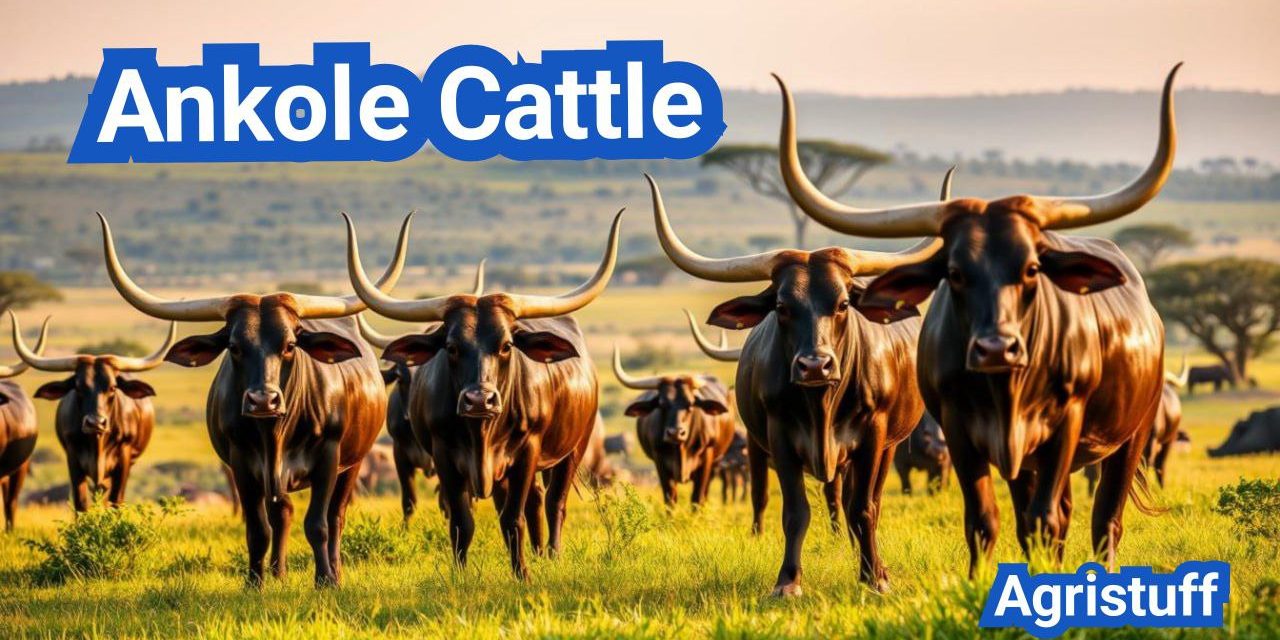
Ankole cattle are African longhorn cattle traditionally associated with East Africa, especially Uganda and nearby regions. They are known for large curved horns, a hardy body type, strong heat tolerance, and cultural importance rather than the heavy commercial productivity seen in many modern beef or dairy breeds.
For U.S. readers, Ankole cattle are often discussed alongside Ankole-Watusi cattle because the American-recognized Ankole-Watusi developed from related African longhorn cattle lines. This distinction matters because someone searching for Ankole cattle may want the original African breed, the U.S. Ankole-Watusi, or a simple explanation of how the names connect.
One of the most distinctive features of Ankole cattle is their large, impressive horns. These iconic horns are not just a striking appearance; they play a crucial role in the breed’s adaptation to its native climate.
What Makes Ankole Cattle Unique
Ankole cattle are known for several unique characteristics. Their ability to thrive in harsh environments is largely due to their heat tolerance and resistance to diseases. The breed’s robust health and longevity make it an attractive choice for farmers worldwide.
The Significance of Their Iconic Horns
The horns of Ankole cattle are a remarkable feature, serving multiple purposes. They help in thermoregulation, providing a large surface area for heat dissipation. This adaptation is crucial in the hot climates where Ankole cattle originated.
| Feature | Description | Significance |
|---|---|---|
| Horn Size | Large, sometimes reaching up to 6 feet in span | Aids in thermoregulation and defense |
| Heat Tolerance | Ability to withstand high temperatures | Essential for survival in hot climates |
| Disease Resistance | Natural resistance to certain diseases | Reduces the need for veterinary interventions |
Understanding these unique features is essential for appreciating the value of Ankole cattle in various farming contexts. Their iconic horns and hardiness make them a valuable breed for both traditional and modern farming practices.
Ankole Cattle vs Ankole-Watusi: The Quick Difference

Ankole cattle usually refers to the African longhorn cattle associated with East Africa, while Ankole-Watusi is the name many U.S. breeders and registries use for the American-recognized breed developed from related African longhorn cattle lines. The two names are closely connected, but they should not be treated as identical in every context.
For searchers in the United States, Ankole-Watusi cattle are often the animals seen in breeder listings, heritage herds, zoos, and exotic livestock collections. Ankole cattle remains the stronger term when discussing the African origin, traditional role, and broader longhorn cattle background behind the breed.
The Ankole-Watusi, a distinct variation of Ankole cattle, has gained popularity in the United States for its impressive horns and robust build. This breed has been developed to thrive in various environments, making it a favorite among American cattle breeders.
Differences Between Ankole and Ankole-Watusi
While both Ankole and Ankole-Watusi cattle share a common ancestry, there are notable differences between them. The Ankole-Watusi is known for its larger horn size compared to the traditional Ankole. This characteristic is a result of selective breeding practices in the United States aimed at enhancing the breed’s distinctive features.
Another key difference lies in their physical conformation. Ankole-Watusi cattle tend to have a more muscular build, which is advantageous for meat production. Additionally, their coat colors and patterns can vary, although they often retain the characteristic markings of their Ankole ancestors.
Breeding Standards in the United States
The Ankole Cattle Breeders Society plays a crucial role in maintaining the breeding standards for Ankole-Watusi cattle in the United States. The society sets guidelines for breeders to follow, ensuring that the unique characteristics of the Ankole-Watusi are preserved.
Breeding programs focus on enhancing the desirable traits of the Ankole-Watusi, such as their horn size, body conformation, and overall hardiness. By adhering to these standards, breeders can produce high-quality Ankole-Watusi cattle that meet the expectations of both breeders and consumers.
Key breeding standards include:
- Horn size and shape
- Body condition and muscularity
- Coat color and pattern
- Overall health and fertility
By maintaining these standards, the Ankole Cattle Breeders Society helps ensure the continued success and popularity of the Ankole-Watusi breed in the United States.
What Cattle Breed Is Known for Its Large Horns?
Ankole cattle are one of the best-known cattle breeds associated with large horns, especially in searches about African longhorn cattle. The related Ankole-Watusi is also famous in the United States for huge, symmetrical horns that make the breed instantly recognizable at farms, zoos, heritage herds, and livestock exhibitions.
Those large horns are not only decorative. In hot climates, the horns can help with heat regulation because blood circulates through the horn area and returns cooler to the body, helping Ankole cattle and related Ankole-Watusi cattle tolerate temperature extremes.
Historical Origins of Ankole Cattle

With roots tracing back to ancient times, Ankole cattle have been an integral part of East African culture and heritage. Their history is deeply intertwined with the traditions and livelihoods of various African communities.
Ancient Roots in East Africa
The Ankole cattle breed originated in the regions of East Africa, where they have been raised for thousands of years. Archaeological evidence suggests that cattle have been present in this region since ancient times, playing a crucial role in the development of local cultures and economies.
Historical Significance: The Ankole cattle are believed to have descended from the long-horned cattle of ancient Egypt and the Middle East. Over time, they were introduced to East Africa through trade and migration, where they adapted to the local climate and became an essential part of the regional livestock.
Cultural Importance to African Communities
Ankole cattle hold significant cultural and spiritual value in many African communities. They are often considered a symbol of wealth, status, and prosperity.
| Cultural Aspect | Significance |
|---|---|
| Wealth and Status | Ankole cattle are seen as a measure of a family’s wealth and social standing within the community. |
| Spiritual Significance | In some cultures, Ankole cattle are associated with spiritual rituals and ceremonies, believed to bring blessings and good fortune. |
| Traditional Practices | The breed plays a crucial role in traditional practices, including dowry payments and ceremonial events. |
The cultural importance of Ankole cattle is a testament to their enduring legacy in East Africa. Their historical origins and continued presence in local cultures underscore their significance beyond their role as livestock.
Physical Characteristics of Ankole Cattle
Ankole cattle are renowned for their distinctive physical characteristics, which set them apart from other cattle breeds. Their unique features have made them a subject of interest among cattle enthusiasts and farmers alike.
The Magnificent Horn Structure
One of the most striking features of Ankole cattle is their impressive horn structure. The horns are typically large and symmetrical, with some specimens having horns that span over 6 feet from tip to tip. The horn structure is not only a distinguishing characteristic but also serves as a defense mechanism against predators.
The horns are made of keratin, the same protein that makes up human hair and nails. They begin to grow at a young age and continue to develop over the years, with the shape and size varying between individuals.
Body Conformation and Size
Ankole cattle are generally of medium size compared to other cattle breeds. They have a muscular build, with males being larger than females. The body conformation is well-suited for their original environment in East Africa, where they were bred to withstand harsh conditions.
- Males typically weigh between 900-1,200 pounds.
- Females usually weigh between 700-900 pounds.
- The breed is known for its agility and ability to navigate challenging terrain.
Coat Colors and Patterns
Ankole cattle exhibit a wide range of coat colors and patterns, making each individual unique. The colors can vary from solid black, red, or white to various patterns such as spotted or roan.
The coat color is influenced by genetics, and breeding programs often select for specific colors or patterns. The varied coat colors not only add to the aesthetic appeal of the breed but may also play a role in heat regulation and camouflage.
Ankole Cows, Bulls, and Calves: What Searchers Mean
Ankole cows usually refers to female Ankole cattle, but many searchers also use the phrase casually to describe the whole breed. Mature cows are generally smaller and easier to manage than bulls, while bulls require more space, stronger fencing, and safer handling because of their size, strength, and horn spread.
Ankole cattle calves are valued for their hardiness and connection to a long-established African breed type. For U.S. readers comparing Ankole cows with Ankole-Watusi cattle, the most important point is that both terms are closely related in search behavior, but the American Ankole-Watusi has its own breed identity and breeder standards.
Understanding Ankole Cattle Weight and Growth
Understanding the weight and growth rate of Ankole cattle is crucial for effective cattle farming. These cattle are known for their impressive size and unique characteristics, making it essential to monitor their development closely.
Average Weight by Age and Gender
Ankole cattle’s weight varies significantly by age and gender. Generally, males tend to be larger than females. The average weight of Ankole cattle can range from 900 to 1,300 pounds (400 to 590 kg) for males and 700 to 1,000 pounds (320 to 450 kg) for females.
| Age | Male Average Weight (lbs) | Female Average Weight (lbs) |
|---|---|---|
| 1 year | 400-600 | 350-550 |
| 2 years | 700-900 | 600-800 |
| 3 years and above | 900-1,300 | 700-1,000 |
Monitoring the growth rate of Ankole cattle is vital to ensure they reach their optimal weight. Factors such as nutrition, health, and genetics play a significant role in their development.
Monitoring Growth Rate and Development
Regular monitoring of Ankole cattle’s growth rate helps in early detection of any health issues or nutritional deficiencies. Farmers can adjust feeding programs and healthcare practices accordingly to optimize the cattle’s development.
Key Factors Influencing Growth Rate:
- Nutritional intake and quality of feed
- Health management practices
- Genetic predispositions
- Environmental conditions
By understanding and managing these factors, farmers can improve the overall health and productivity of their Ankole cattle, leading to more successful and sustainable farming practices.
How to Identify Pure Ankole Cattle

The process of identifying pure Ankole cattle involves a thorough examination of several key factors. Breeders and farmers must be meticulous in their assessment to ensure the authenticity and quality of their livestock.
Step1: Examine the Horn Structure
The horn structure is one of the most distinctive features of Ankole cattle. Pure Ankole cattle are known for their large, symmetrical horns. The shape, size, and symmetry of the horns are critical indicators of the breed’s purity.
Step2: Assess Body Characteristics
Assessing the body characteristics of Ankole cattle is another crucial step. Pure Ankole cattle typically have a slender body, long legs, and a deep chest. The overall conformation and size are important factors in determining the breed’s purity.
| Characteristic | Description |
|---|---|
| Body Type | Slender and athletic |
| Legs | Long and lean |
| Chest Depth | Deep and well-sprung |
Step3: Verify Breed Documentation
Verifying breed documentation is essential for confirming the purity of Ankole cattle. Breeders should check for registration papers from recognized Ankole cattle breed associations. This documentation provides a pedigree that traces the animal’s lineage, ensuring it is a pure breed.
By following these steps, breeders and farmers can accurately identify pure Ankole cattle and maintain the integrity of the breed.
How Ankole Cattle’s Heat Tolerance Helps Farmers

Leveraging the natural heat tolerance of Ankole cattle can revolutionize farming practices in tropical and subtropical regions. Their ability to withstand high temperatures makes them an attractive option for farmers looking to maintain productivity in hot climates.
Understanding Their Natural Adaptations
Ankole cattle have evolved several adaptations that enable them to thrive in hot environments. Their large horns play a crucial role in thermoregulation, allowing them to dissipate heat more efficiently. Additionally, their thin coat and loose skin facilitate heat loss, keeping them cooler in high temperatures.
As noted by cattle experts, “The unique physiology of Ankole cattle makes them exceptionally well-suited to hot climates, where other breeds might struggle to survive.” This natural heat tolerance is a valuable trait that can be leveraged for sustainable farming practices.
Creating Optimal Environments
To maximize the heat tolerance of Ankole cattle, farmers should focus on creating optimal environments. This includes providing adequate shade, ensuring access to plenty of water, and managing grazing patterns to avoid heat stress during the hottest parts of the day.
- Provide shade structures or allow grazing in shaded areas.
- Ensure access to clean, cool water at all times.
- Adjust grazing schedules to early morning or late evening.
Utilizing Heat Tolerance for Sustainable Farming
By leveraging the heat tolerance of Ankole cattle, farmers can adopt more sustainable farming practices. This includes reducing the need for costly cooling measures and minimizing the environmental impact of cattle farming in hot climates.
“Ankole cattle are a prime example of how traditional breeds can offer sustainable solutions for modern farming challenges.”
— Dr. John Smith, Cattle Breeding Expert
The use of heat-tolerant breeds like Ankole cattle is a step towards more resilient and sustainable agricultural practices, especially in the face of climate change.
Breeding and Genetics of Ankole Cattle

The breeding and genetics of Ankole cattle are crucial aspects of maintaining the breed’s purity and enhancing its desirable traits. Effective breeding practices not only ensure the continuation of the breed’s unique characteristics but also contribute to its overall health and productivity.
Selecting Breeding Stock
Selecting the right breeding stock is the first step in a successful Ankole cattle breeding program. This involves evaluating the genetic quality of potential breeding animals based on their pedigree, physical characteristics, and performance records. Key factors to consider include the size and shape of the horns, body conformation, and fertility.
When selecting breeding stock, it’s essential to assess the animal’s genetic diversity to avoid inbreeding, which can lead to a loss of vigor and increased susceptibility to diseases. Genetic testing can be a valuable tool in this process, helping to identify genetic disorders and traits that are not visible through physical examination alone.
Implementing Breeding Programs
Once the breeding stock is selected, the next step is to implement a breeding program that aligns with the goals of the breeding operation. This could involve linebreeding to concentrate desirable traits or outbreeding to introduce new genetic material. The choice of breeding strategy depends on the specific objectives, such as improving milk production, enhancing meat quality, or preserving the breed’s unique characteristics.
A well-structured breeding program also involves maintaining detailed records of breeding activities, including mating dates, birth weights, and growth rates. This information is critical for making informed decisions about future breeding selections.
| Breeding Strategy | Objective | Benefits |
|---|---|---|
| Linebreeding | Concentrate desirable traits | Increases homozygosity, enhances trait expression |
| Outbreeding | Introduce new genetic material | Enhances genetic diversity, reduces inbreeding depression |
Preserving Pure Bloodlines
Preserving the purity of Ankole cattle bloodlines is essential for maintaining the breed’s integrity and unique characteristics. This involves strict selection criteria and careful record-keeping to ensure that only animals with pure ancestry are used for breeding.
Registration with a breed association can provide an additional layer of verification, as it typically involves pedigree analysis and inspection by breed experts. By preserving pure bloodlines, breeders can help ensure the long-term viability and distinctiveness of the Ankole cattle breed.
Are Ankole Cattle Good for Meat and Milk?

Maximizing the dual-purpose benefits of Ankole cattle requires a comprehensive understanding of their milk production and meat quality. Ankole cattle are renowned for their versatility, offering farmers the opportunity to generate revenue through both milk and meat production.
Establishing Milk Production Systems
To maximize the milk production potential of Ankole cattle, farmers should establish efficient milking systems. This involves selecting appropriate milking equipment, ensuring the health and hygiene of the cattle, and implementing a regular milking schedule.
Efficient Milking Practices: Regular milking not only enhances milk production but also contributes to the overall health of the cattle. Farmers should be trained in proper milking techniques to avoid any adverse effects on the animals.
Developing Additional Revenue Streams
Besides milk production, Ankole cattle can be used for meat production, providing an additional revenue stream for farmers. The quality of Ankole beef is highly regarded, making it a valuable commodity in the livestock market.
- Meat Production: Focus on breeding programs that enhance the meat quality of Ankole cattle.
- Diversification: Consider diversifying farm products to include value-added goods such as cheese and dairy products.
By leveraging both milk and meat production, farmers can significantly enhance their profitability and sustainability in the livestock farming sector.
How to Raise Ankole Cattle Successfully

Effective Ankole cattle raising involves a comprehensive approach that includes suitable housing, nutritional feeding programs, and rigorous health management. To ensure the well-being and productivity of these unique animals, farmers must consider several key factors.
Setting Up Proper Housing
Providing adequate shelter is crucial for protecting Ankole cattle from extreme weather conditions. The housing should be well-ventilated, dry, and spacious enough to accommodate the cattle comfortably.
- Ensure the shelter is free from drafts and has adequate bedding.
- Provide enough space for the cattle to stand, turn around, and lie down.
- Use materials that are durable and easy to clean.
Establishing Feeding Programs
A well-balanced diet is essential for the health and productivity of Ankole cattle. The feeding program should include a mix of high-quality hay, grass, and grains tailored to their nutritional needs.
- Provide a diet rich in fiber to support their digestive health.
- Ensure access to clean, fresh water at all times.
- Consider consulting with a nutritionist to formulate the ideal diet.
Implementing Health Management Practices
Regular health checks and vaccinations are vital for preventing diseases and maintaining the overall health of the cattle. Implementing a robust health management plan includes:
- Regular veterinary check-ups.
- Keeping a record of vaccinations and health issues.
- Maintaining a clean environment to reduce the risk of disease.
By focusing on these critical areas, farmers can successfully raise Ankole cattle, ensuring their health, productivity, and well-being.
Starting Ankole Cattle Farming in the USA

Embarking on Ankole cattle farming in the USA involves several critical steps. To ensure a successful venture, it is essential to understand the legal, financial, and operational aspects of Ankole cattle farming.
Researching Legal Requirements
The first step in starting Ankole cattle farming is to research the legal requirements. This includes obtaining necessary permits, complying with local zoning laws, and understanding regulations related to cattle farming in your state.
Key legal considerations include:
- Zoning laws and land use regulations
- Health and safety regulations for cattle farming
- Environmental regulations
Finding Reputable Breeders
Once the legal requirements are understood, the next step is to find reputable Ankole cattle breeders. This involves researching breeders, visiting farms, and assessing the quality of their cattle.
Tips for finding reputable breeders:
- Check for breed association memberships
- Read reviews and ask for referrals
- Visit farms to inspect cattle quality
Calculating Initial Investment
Calculating the initial investment is crucial for planning. This includes the cost of purchasing Ankole cattle, setting up infrastructure, and initial operational costs.
| Cost Component | Estimated Cost |
|---|---|
| Purchasing Ankole Cattle | $5,000 – $10,000 |
| Setting Up Infrastructure | $3,000 – $6,000 |
| Initial Operational Costs | $2,000 – $4,000 |
| Total Estimated Initial Investment | $10,000 – $20,000 |
Creating a Business Plan
The final step is to create a comprehensive business plan. This plan should outline your goals, production strategies, marketing plans, and financial projections.
Key components of a business plan include:
- Executive summary
- Market analysis
- Production plan
- Marketing strategy
- Financial projections
By following these steps, you can establish a successful Ankole cattle farming operation in the USA. It is essential to remain informed and adapt to changes in the market and regulatory environment.
How to Market Ankole Cattle Meat in Specialty Markets

Understanding the nuances of Ankole cattle meat is crucial for developing a successful marketing strategy. Ankole beef is known for its unique qualities, including its lean profile and rich flavor, which can be leveraged to attract health-conscious consumers and food enthusiasts.
Step1: Understanding Meat Quality and Characteristics
The first step in marketing Ankole cattle meat is to understand its quality and characteristics. Ankole beef is renowned for its tenderness and rich flavor profile, making it a premium product in the market. The meat is typically leaner than other beef varieties, which appeals to consumers looking for healthier red meat options.
Quality control is essential in maintaining the high standards of Ankole beef. This includes ensuring that the cattle are raised in optimal conditions and that the meat is handled and stored properly to preserve its quality.
Step2: Finding Your Market Niche
Identifying the right market niche is critical for the successful marketing of Ankole cattle meat. Potential niches include high-end restaurants, specialty butcher shops, and health-conscious consumers. Developing a niche marketing strategy involves understanding the needs and preferences of your target audience and tailoring your product and marketing messages accordingly.
- High-end restaurants looking for unique, premium beef options
- Specialty butcher shops catering to customers seeking lean, flavorful meat
- Health-conscious consumers interested in lean protein sources
Step3: Pricing and Promotion Strategies
Effective pricing and promotion strategies are vital for the successful marketing of Ankole cattle meat. Pricing should reflect the premium quality of the product, while also being competitive with other high-end beef products in the market.
Promotion strategies can include:
- Social media campaigns highlighting the unique qualities of Ankole beef
- Collaborations with chefs and food influencers to showcase the product
- Participation in food festivals and events to increase brand visibility
By understanding the quality and characteristics of Ankole cattle meat, identifying the right market niche, and implementing effective pricing and promotion strategies, producers can successfully market this premium product to discerning consumers.
The Future of Ankole Cattle Farming
The future of Ankole Cattle Farming looks promising, driven by the growing interest in Sustainable Farming practices and the conservation of unique livestock breeds. As farmers and conservationists continue to work together through organizations like the Livestock Conservancy, the Ankole Cattle breed is poised to thrive. By adopting sustainable practices and preserving the genetic integrity of Ankole Cattle, we can ensure the long-term viability of this iconic breed.
As the demand for sustainable and locally sourced meat products grows, Ankole Cattle are well-positioned to capitalize on this trend. With their unique characteristics and adaptability to challenging environments, Ankole Cattle offer a compelling opportunity for farmers and consumers alike. By supporting conservation efforts and promoting Sustainable Farming practices, we can help secure the Future of Ankole Cattle Farming.
FAQ
Are Ankole cattle the same as Ankole-Watusi cattle?
Ankole cattle and Ankole-Watusi cattle are closely related, but they are not always used the same way. Ankole usually points to the African longhorn cattle background, while Ankole-Watusi is commonly used in the United States for the recognized breed developed from related African cattle lines The Livestock Conservancy.
What are Ankole cows known for?
Ankole cows are known for their large curved horns, heat tolerance, strong cultural value, and connection to East African cattle traditions. In U.S. searches, many people use Ankole cows to describe either female Ankole cattle or the broader Ankole-Watusi type Oklahoma State University.
What cattle breed is known for large horns?
Ankole cattle are among the most famous cattle breeds known for large horns, and the related Ankole-Watusi is especially recognized in the United States for huge, symmetrical horns. These horns are also linked to heat adaptation in hot climates Oklahoma State University.
What is the origin of Ankole cattle?
Ankole cattle originated in East Africa, where they have been bred for centuries and hold significant cultural importance to local communities.
What makes Ankole cattle unique?
Ankole cattle are known for their distinctive large horns, which can span up to 6 feet wide, and their heat-tolerant characteristics, making them well-suited to harsh climates.
What is the average weight of Ankole cattle?
The average weight of Ankole cattle varies by age and gender, with mature bulls typically weighing between 900-1,300 pounds and cows weighing between 600-900 pounds.
How do I identify pure Ankole cattle?
To identify pure Ankole cattle, examine their horn structure, assess their body characteristics, and verify their breed documentation to ensure they meet the breed standards.
How do I raise Ankole cattle successfully?
To raise Ankole cattle successfully, provide proper housing, establish a nutritious feeding program, and implement effective health management practices to ensure their overall well-being.
Can Ankole cattle be used for milk production?
Yes, Ankole cattle are a dual-purpose breed, suitable for both milk and meat production, making them a valuable asset for farmers looking to diversify their products.
How do I market Ankole cattle meat?
To market Ankole cattle meat, understand its quality and characteristics, identify your target market niche, and develop effective pricing and promotion strategies to attract customers.
What are the legal requirements for starting Ankole cattle farming in the USA?
To start Ankole cattle farming in the USA, research local regulations, obtain necessary permits, and comply with animal health and welfare standards to ensure a smooth operation.
How can I leverage Ankole cattle’s heat tolerance?
To leverage Ankole cattle’s heat tolerance, understand their natural adaptations, create optimal environments, and utilize this trait to develop sustainable farming practices that reduce the need for costly cooling measures.
What is the importance of preserving pure Ankole bloodlines?
Preserving pure Ankole bloodlines is crucial to maintaining the breed’s unique characteristics, such as their heat tolerance and large horns, which are essential to their cultural and economic significance.
Conclusion
Ankole cattle are an iconic African longhorn cattle breed from the Sanga cattle group, best known for their massive curved horns, heat tolerance, cultural value, and striking appearance. Originating in East and Central Africa, especially Uganda, Rwanda, and Burundi, Ankole cattle have long been associated with wealth, status, milk production, ceremonial use, and local heritage, while their large horns help them adapt to hot climates by supporting body heat dispersal.
For U.S. readers, Ankole cattle are also closely connected to Ankole-Watusi cattle, the American-recognized breed developed from related African longhorn lines, making them attractive to heritage breeders, exotic livestock owners, hobby farms, zoos, and ranchers interested in hardy cattle with visual appeal. Although they are not as productive as specialized modern beef or dairy breeds, Ankole cattle remain valuable for adaptability, lean beef potential, moderate milk use, genetic resilience, and sustainable grazing in warm environments.
Sources & References
- Oklahoma State University – Ankole Cattle
- Oklahoma State University – Ankole-Watusi Cattle
- The Livestock Conservancy – Ankole-Watusi Cattle
- Ankole Watusi International Registry – Breed Information
- FAO – Reviving the Ankole Longhorns of Uganda
- FAO – Productivity and Morphology of Ankole Cattle in Uganda