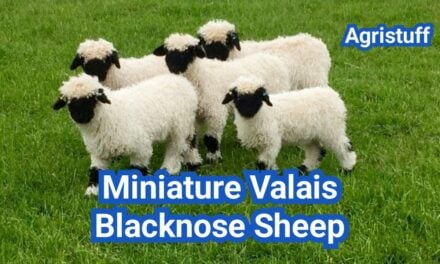
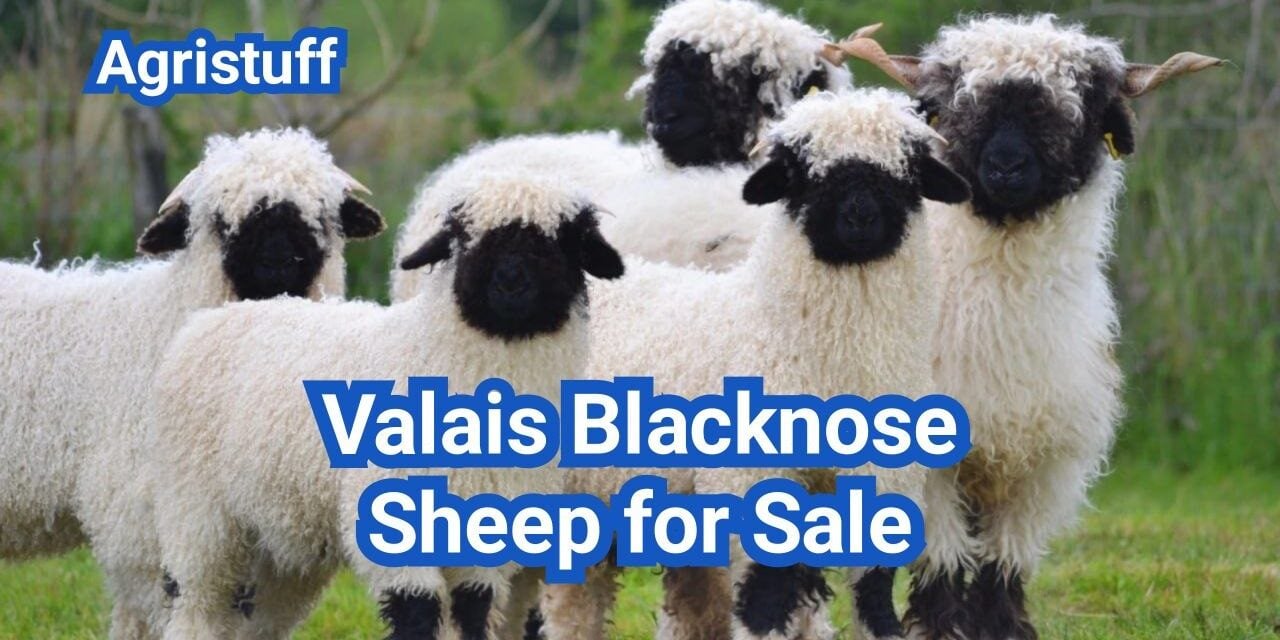
Finding Valais Blacknose Sheep for Sale in the United States is an exciting journey for any hobby farmer. These animals are famous for their striking appearance and gentle temperament. However, bringing them home requires more than just a simple transaction.
Prospective owners must look beyond the initial price tag. The true cost of valais blacknose sheep includes ongoing expenses like specialized feed, veterinary care, and secure fencing. You must also account for transport logistics and long-term management strategies.
Owning these unique creatures is a significant commitment rather than an impulse purchase. A successful owner creates a detailed plan to ensure the health and happiness of their flock. By preparing your facilities and budget early, you set the stage for a rewarding experience.
Key Takeaways
- Research local regulations before importing or purchasing this breed.
- Budget for recurring costs like specialized nutrition and routine vet visits.
- Ensure your property has adequate fencing and shelter for protection.
- Connect with experienced breeders to understand specific management needs.
- Treat ownership as a long-term investment in animal welfare.
Valais Blacknose Sheep for Sale: What U.S. Buyers Should Know
Prospective owners in the United States often find themselves captivated by the charm of the Valais Blacknose, yet the reality of ownership goes beyond their striking appearance. These animals are not merely decorative; they are a specialized breed that requires dedicated management and significant financial planning. Understanding the commitment involved is essential for anyone looking to bring these sheep onto their property.
Why the breed commands premium prices
Many newcomers often ask, why is the breed expensive? The answer lies in the limited availability of the breed within the United States and the rigorous process required to maintain high-quality genetics. Because the population is still growing, the initial purchase price for a ewe, ram, or lamb remains high compared to common domestic breeds.
Breeders invest heavily in DNA verification, registration, and the long-term health of their flocks. These costs are reflected in the price tags for breeding-quality animals. When you purchase a Valais Blacknose, you are paying for the rarity and the careful preservation of the breed’s distinct characteristics.
How pet, fiber, meat, and breeding markets differ
The intended use of your sheep will dictate the type of animal you seek and the level of management required. While some owners keep them as pets or companions, others focus on the high-quality fiber market or long-term breeding programs. Regardless of the goal, all Valais Blacknose sheep require consistent hoof care, parasite management, and specialized nutrition.
Those interested in the fiber market must be prepared for regular shearing and grooming to keep the fleece clean and healthy. Conversely, those focused on breeding must prioritize conformation and pedigree documentation. It is important to recognize that even “pet-quality” animals demand the same high standard of veterinary care and daily attention as their breeding-quality counterparts.
Questions to answer before contacting a seller
Before you reach out to a breeder, you should have a clear plan for your farm. Consider your local climate, as these sheep are adapted to cooler, mountainous regions and may struggle in extreme heat. You must also evaluate your current facilities, including fencing and shelter, to ensure they meet the needs of this breed.
Finally, consider what costs continue after purchase? Beyond the initial investment, you must budget for ongoing expenses such as specialized feed, routine vaccinations, and professional shearing services. Being honest about your experience level and your long-term goals will help you build a productive relationship with a reputable breeder.
Current U.S. Valais Blacknose Sheep Price Examples

Navigating the market for these animals requires a clear grasp of current U.S. price examples. Because this breed remains relatively rare in the country, there is no single fixed cost for every animal. Instead, buyers should view market data as a guide to help them understand the investment involved in bringing these sheep to their farm.
Typical price ranges for ewes, rams, wethers, and lambs
When researching the valais blacknose sheep price, you will notice that costs fluctuate based on the specific category of the animal. Generally, prices by ewe, ram, wether, lamb are determined by their potential for future production or their role as companions.
Ewes often command the highest prices due to their reproductive value in a breeding program. Rams are also highly valued, especially those with superior genetics and conformation. Wethers, while more affordable, are popular choices for those seeking the breed’s unique aesthetic without the complexities of a breeding operation.
Pet-quality versus breeding-quality pricing
Distinguishing between pet and breeding quality. is a critical step for any buyer. Breeding-quality animals are selected for their adherence to strict breed standards, including specific markings and structural integrity. These animals represent a significant investment because they are intended to improve the quality of a flock over time.
In contrast, pet-quality animals may have minor cosmetic deviations from the breed standard, such as slightly asymmetrical facial markings or different wool characteristics. While these sheep are just as healthy and charming, they are typically priced lower. This makes them an excellent entry point for hobbyists who prioritize companionship over professional breeding goals.
How location, age, sex, markings, and availability affect the cost of Valais Blacknose sheep
Several external factors influence the final valais blacknose sheep price you might encounter. Geographic location plays a major role, as transport costs and local demand can drive prices up in certain regions. Furthermore, the age of the animal is a primary driver; lambs are often priced differently than mature, proven adults.
Physical characteristics, particularly the iconic black markings, are highly sought after. A sheep with perfect, symmetrical markings often commands a premium compared to one with irregular patterns. Finally, overall availability remains a key factor. Because the population of these sheep is still growing in the United States, limited supply often keeps the valais blacknose sheep price at a premium level compared to common domestic breeds.
Valais Blacknose Ewe, Ram, Wether, and Lamb Prices
The investment required for a Valais Blacknose sheep depends heavily on whether you are seeking a companion animal or a foundation member for a breeding program. Because these sheep are highly sought after in the United States, prices reflect their rarity, breed standards, and the long-term value they provide to a farm.
Valais Blacknose ewe price by age and reproductive history
The valais blacknose ewe price is typically the highest among all categories due to their essential role in herd expansion. A proven ewe with a history of successful lambing and strong maternal instincts often commands a premium. Younger ewes that have not yet been bred may be priced lower, though their potential for future production remains a key factor in their valuation.
Valais Blacknose ram price by pedigree, fertility, and conformation
When evaluating a valais blacknose ram price, buyers must look closely at the animal’s genetic background. A ram with superior conformation, excellent breed markings, and a documented pedigree will naturally cost more than one with minor aesthetic flaws. Fertility testing is a critical component here, as a proven sire provides immediate value to a breeding operation.
Valais Blacknose wether price for pets, fiber, and companion flocks
For those interested in the breed for their gentle temperament or high-quality wool, a valais blacknose wether price is generally more accessible. Wethers are castrated males, making them ideal for hobby farms or as companions for other livestock. While they do not contribute to a breeding program, their value is found in their docile nature and the luxurious fleece they produce annually.
Valais Blacknose lambs for sale by age, sex, and intended use
Finding valais blacknose lambs for sale requires patience, as responsible breeders often wait until the animals are several months old before setting a final price. This waiting period allows the seller to assess the lamb’s health, growth rate, and overall quality. Buyers should expect to pay based on the lamb’s potential to meet breed standards as it matures into adulthood.
| Category | Primary Value Driver | Typical Market Focus |
|---|---|---|
| Ewe | Reproductive history | Breeding and herd growth |
| Ram | Pedigree and conformation | Genetic improvement |
| Wether | Temperament and fleece | Pets and fiber production |
| Lamb | Health and potential | Future investment |
Fullblood, Purebred, Domestic Purebred, and F1–F5 Valais Differences

Navigating the world of sheep genetics requires a clear grasp of how different breeding labels impact your investment. Understanding the fullblood/purebred/domestic purebred/f1–f5 differences is the first step toward making a confident purchase in the United States.
What fullblood Valais Blacknose means in the U.S. market
In the American market, a “fullblood” animal is one that traces its entire ancestry back to the original Swiss population. These sheep possess 100% of the breed’s genetic makeup without any outside influence. Authenticity is paramount when investing in this rare breed.
“True genetic integrity is not just about the look of the animal, but the documented history that proves its lineage back to the source.”
How purebred and domestic purebred labels are used
The term “purebred” often refers to animals that meet specific breed standards but may have a slightly different registration history than fullbloods. When you look for purebred valais blacknose sheep for sale, you must verify the registration papers provided by the breeder. Domestic purebreds are often the result of long-term breeding programs within the country that maintain high breed standards.
Fullblood vs. breed-up Valais: ancestry, appearance, and buyer expectations
The debate regarding fullblood vs breed-up valais often centers on the percentage of Valais genetics present in the animal. Breed-up programs involve crossing a Valais ram with a different breed, then breeding the offspring back to a Valais over several generations. While these animals may look like the breed, their genetic background differs significantly from a fullblood.
| Classification | Genetic Background | Primary Use |
|---|---|---|
| Fullblood | 100% Swiss Ancestry | Foundation Breeding |
| Purebred | High Percentage | Breeding & Fiber |
| F1–F5 | Graded Up | Commercial/Fiber |
F1 Valais Blacknose sheep and the first cross
An F1 valais blacknose sheep represents the first generation of a crossbreeding program. These animals typically carry 50% of the breed’s traits. As the breeding continues, an f5 valais blacknose sheep will have a much higher percentage of the original breed’s characteristics, often appearing nearly identical to a fullblood.
Ultimately, what is the difference between fullblood and f1–f5? It comes down to the depth of the pedigree and the predictability of the offspring. Always request official documentation to ensure you know exactly what you are buying.
How to Find Reputable Valais Blacknose Sheep Breeders
Your journey toward owning these iconic sheep begins with identifying reputable Valais Blacknose sheep breeders who prioritize animal welfare and breed standards. Finding a trustworthy source is the most critical step in ensuring you receive a healthy, well-bred animal. Taking the time to verify your options will save you significant stress and financial risk in the long run.
Where can buyers find registered breeders?
The most reliable way to start your search is through national breed associations and agricultural organizations. These groups maintain lists of members who adhere to strict ethical and registration guidelines. Connecting with established breeders through these networks provides a layer of security that independent online searches cannot match.
How to use an official Valais breeder directory
When you access official breeder directories, you gain immediate access to verified contact information and farm locations. These tools allow you to filter by state or region, making it easier to narrow down your choices. Always check if the directory provides links to the breeder’s current registration status and active membership.
Searching for Valais Blacknose sheep for sale near me
Many prospective owners start by searching for Valais Blacknose sheep for sale near me to minimize transport stress for the animals. While local options are convenient, you must still perform thorough due diligence on the farm. Convenience should never replace quality or health verification when selecting your new flock members.
Comparing farm websites, social media listings, shows, and referrals
Beyond directories, you should evaluate a breeder’s professional presence through their official website and social media activity. Look for consistent updates, clear photos of their animals, and transparent information about their breeding program. Attending livestock shows is another excellent way to meet breeders in person and observe the quality of their stock firsthand.
Word-of-mouth referrals from other experienced owners often lead to the most reliable connections. If you find a breeder through social media, ensure they are willing to provide references and documentation for their animals. Building a relationship with a transparent breeder is the best way to ensure a successful purchase.
How to Verify Registration, Pedigree, and DNA Records

When you invest in a premium breed, verifying the animal’s background is your most important task. A registered Valais Blacknose sheep represents a significant financial commitment, so you must ensure the paperwork is authentic. Proper documentation protects your investment and confirms the animal’s true heritage.
Confirming that a sheep is registered Valais Blacknose
Always start by checking the official registry status of the animal. You should request the official registration certificate issued by a recognized breed association. Verify that the association is legitimate and active within the United States.
Matching registration certificates to ear tags and seller records
Physical identification must align perfectly with the provided paperwork. Check that the ear tag number on the sheep matches the identification number listed on the registration document. If the numbers do not align, do not proceed with the purchase until the seller provides a valid explanation.
Reviewing parentage, generation, and transfer documentation
You might wonder, what records should be supplied? A complete file should include the animal’s pedigree, which outlines its ancestors for several generations. Additionally, ensure the seller provides a signed transfer of ownership form to update the registry records into your name.
Using DNA verification to support identity and parentage claims
Modern breeding practices rely heavily on science to maintain breed purity. You should prioritize breeders who utilize pedigree and DNA verification. These tests confirm that the animal is indeed the offspring of the parents listed on the certificate. Relying on genetic data provides the highest level of confidence when adding new stock to your farm.
How to Compare Breeder Listings and Choose the Right Animal
When you begin searching for Valais Blacknose sheep, understanding how to compare different breeder listings is essential for a successful purchase. Many buyers often wonder what changes the price?, as costs can vary significantly between farms. By following a structured evaluation process, you can ensure that the animal you select aligns perfectly with your long-term goals.
Step 1: Define whether the purchase is for pets, fiber, meat, or breeding
Before contacting any breeder, clarify your primary objective. A sheep intended for a backyard companion or fiber production may have different requirements than one intended for a high-end breeding program.
- Pet-quality: Focus on temperament and health rather than perfect breed standards.
- Fiber production: Prioritize fleece density, softness, and color consistency.
- Breeding stock: Demand high-quality pedigree, correct conformation, and proven genetic traits.
Step 2: Compare age, sex, generation, pedigree, and conformation
Comparing these technical details helps you understand what changes the price? across different listings. Younger lambs are often priced differently than mature ewes or proven rams, as their future potential is still developing.
Always review the generation status, such as whether the animal is a fullblood or a breed-up. A strong pedigree provides confidence in the animal’s lineage, while correct conformation ensures the sheep is physically capable of thriving in your specific environment.
Step 3: Evaluate fleece, facial markings, legs, body condition, and temperament
Visual inspection is critical when reviewing listings. Look for the iconic distinctive black markings on the face and legs, which are hallmarks of the breed. A healthy sheep should exhibit a strong, sturdy frame and a calm, friendly temperament, especially if you plan to keep them as pets.
Check the body condition score to ensure the animal is well-nourished. A well-maintained fleece indicates good overall health and proper care from the breeder.
Step 4: Ask why the sheep is being sold and whether it has breeding restrictions
Transparency is key to a successful transaction. Always ask the seller about the reason for the sale, as this can reveal important information about the animal’s history. Furthermore, inquire about any breeding restrictions that might be attached to the sale contract.
Understanding these limitations is another factor in what changes the price? for many breeders. By asking the right questions, you protect your investment and ensure the sheep is a perfect fit for your farm or home.
How to Review Health Records and Veterinary Inspection Results
Ensuring the long-term health of your new livestock begins with a thorough review of their medical history. Before finalizing your purchase, you must prioritize a comprehensive evaluation of the animal’s physical condition to avoid future complications. A sheep health certificate serves as your primary document for verifying that the animal meets basic wellness standards.
Requesting a sheep health certificate and recent veterinary records
Always ask the seller for a formal sheep health certificate issued by a licensed veterinarian. This document should detail the animal’s current status and any recent treatments administered. You should also request copies of all available health records and veterinary inspection reports from the past two years to establish a clear baseline.
Checking vaccination, deworming, hoof-care, and illness history
Reviewing the vaccination schedule is vital for preventing common ovine diseases. Ensure the animal has received its core vaccines, including those for clostridial diseases and rabies, if applicable in your region. Furthermore, confirm the deworming history and ask for records regarding routine hoof trimming to ensure the sheep has been well-maintained.
Assessing body condition, eyes, nose, fleece, feet, and mobility
A physical assessment is necessary to confirm the animal’s vitality. Check the eyes and nose for any signs of discharge, which could indicate respiratory issues. Inspect the fleece for parasites, examine the feet for signs of rot, and observe the sheep’s gait to ensure it moves with proper mobility and balance.
Arranging an independent veterinary inspection before final payment
Even with excellent records, an independent health records and veterinary inspection can provide peace of mind. Hiring a neutral third-party veterinarian allows you to identify hidden issues that might not be apparent during a short visit. This final step protects your investment and ensures you are bringing a healthy animal into your flock.
| Inspection Area | What to Look For | Importance |
|---|---|---|
| Body Condition | Healthy weight and muscle | High |
| Hoof Health | No rot or overgrowth | Critical |
| Fleece Quality | Clean, parasite-free | Medium |
| Mobility | Smooth, even gait | High |
How to Handle Deposits, Waitlists, and Purchase Contracts
Navigating the purchase process involves more than just picking an animal; it requires clear communication regarding deposits, waitlists and contracts. Because these sheep are highly sought after, breeders often manage high demand through structured reservation systems. Establishing these terms early ensures that both the buyer and the seller remain protected throughout the transaction.
Understanding breeder deposits and whether they are refundable
Most reputable breeders require deposits to secure a spot for a lamb. You should always clarify if these payments are refundable under specific circumstances. Transparency is vital, so ensure the breeder provides a written policy regarding what happens if you decide to withdraw your interest.
Getting waitlist position, estimated availability, and selection rights in writing
When you join a breeder’s list, ask for your specific position on the waitlists. It is important to receive written confirmation of your estimated availability and your rights to select an animal. Having these details documented prevents confusion when the lambing season begins and choices must be made.
Reviewing guarantees for sex, registration, health, fertility, and parentage
Professional contracts should clearly outline the guarantees provided by the seller. These documents must specify the sex of the animal, registration status, and health expectations. Furthermore, verify that the agreement covers fertility and parentage, as these factors significantly influence the long-term value of your purchase.
Confirming what happens if a lamb is unavailable, unsuitable, or dies before pickup
Unexpected events can occur, so your agreement must address worst-case scenarios. You should confirm the protocol if a lamb becomes unavailable, is deemed unsuitable for your needs, or passes away before you take possession. A well-drafted agreement regarding deposits, waitlists and contracts will define whether you are entitled to a full refund or a priority spot for the next available season.
How to Plan Scrapie Identification and Interstate Sheep Transport
Moving your new Valais Blacknose sheep across state lines requires careful preparation and strict adherence to federal regulations. Proper planning for interstate sheep transport ensures both the health of the animal and full compliance with state laws. Before you finalize any purchase, you must understand the legal requirements for moving livestock between states.
Confirming official Scrapie identification before shipment
Every sheep must have official scrapie identification before it leaves the seller’s property. This program is a federal requirement designed to track and eradicate the disease across the United States. You should verify that your animal has an official ear tag or other approved identification device attached before the transport process begins.
Understanding interstate movement rules and state entry requirements
Each state maintains its own specific regulations regarding the entry of livestock. You must contact the State Veterinarian’s office in your destination state to confirm current import rules. Failure to research these requirements can lead to significant delays or the refusal of entry for your animals at the border.
“Preparation is the key to success in any livestock venture, especially when it involves the safe transit of high-value animals across state lines.”
Obtaining a certificate of veterinary inspection when required
When asking what transport documents may be needed?, the most critical item is the Certificate of Veterinary Inspection (CVI). This document, often called a health certificate, must be issued by a licensed veterinarian within a specific timeframe before travel. It confirms that the sheep has been inspected and is free from signs of infectious or communicable diseases.
Choosing farm pickup, commercial livestock transport, or air shipment
Deciding how to move your sheep depends on the distance and your personal resources. Farm pickup is often the most cost-effective method for short distances, allowing you to maintain direct control over the animal’s environment. For longer hauls, professional interstate sheep transport services provide specialized trailers designed for animal welfare.
Air shipment is another option for long-distance travel, though it is typically the most expensive choice. Regardless of the method, always prioritize the comfort and safety of the sheep during the journey. Proper scrapie identification must remain visible and intact throughout the entire duration of the trip to ensure compliance with all transit regulations.
How to Calculate the First-Year Cost of Owning a Valais Blacknose Sheep

Budgeting for your new flock requires a clear understanding of both immediate and long-term financial commitments. While the cost of valais blacknose sheep is often the most visible expense, prospective owners must account for a variety of secondary factors to ensure the welfare of their animals. Proper planning helps you manage your first-year ownership costs. effectively from day one.
Purchase price, deposits, registration transfers, and sales tax
The initial investment typically begins with a non-refundable deposit to secure your spot on a breeder’s waitlist. Beyond the base price of the animal, you must factor in the costs of transferring registration papers and any applicable state sales taxes. Always verify if the quoted price includes these administrative fees to avoid unexpected financial surprises during the final transaction.
Fencing, shelter, pasture setup, feeders, and water equipment
Before your sheep arrive, you must invest in secure infrastructure. High-quality fencing is essential to protect your investment from predators and keep the flock contained. You will also need to construct or renovate a dry, well-ventilated shelter and purchase durable feeders and automatic waterers that suit the specific needs of the breed.
Feed, minerals, bedding, hoof trimming, and routine veterinary care
You might wonder what costs continue after purchase? The answer lies in the daily and seasonal maintenance required to keep your flock thriving. You must budget for high-quality hay, specialized mineral supplements, and clean bedding materials. Additionally, routine veterinary visits, including vaccinations and regular hoof trimming, are non-negotiable expenses for maintaining long-term health.
Transport, quarantine, insurance, and emergency medical reserves
Transporting your animals safely often involves professional livestock haulers or specialized air travel, which can be significant. It is also wise to set aside funds for a quarantine period to ensure the health of your existing flock. Finally, consider purchasing livestock insurance and maintaining an emergency medical reserve to cover any unforeseen veterinary procedures or urgent care needs.
How to Inspect a Valais Blacknose Sheep Before Purchase

Performing a thorough evaluation is a vital part of the buying process. Using a structured inspection checklist ensures that you verify every aspect of the animal’s health and pedigree before finalizing your investment.
Step 1: Match the sheep to its identification and paperwork
Start by confirming that the animal in front of you is the one described in the registration documents. Check the ear tags or microchip numbers against the official paperwork provided by the breeder.
Ensure that the birth date, sex, and lineage match the records exactly. Discrepancies here should be addressed immediately before proceeding with any further steps in your inspection checklist.
Step 2: Examine conformation, movement, feet, and body condition
Observe the sheep while it is standing and walking to assess its overall structure. A healthy Valais Blacknose should move with ease and show no signs of lameness or stiffness.
Check the feet for signs of rot or overgrown hooves, as these can indicate poor management. Feel the animal’s back and ribs to ensure it maintains a healthy body condition score, which reflects proper nutrition and care.
Step 3: Check fleece quality, skin, face, ears, and horn status
The breed is famous for its dense, crimped fleece, which should be clean and free of excessive debris. Part the wool to inspect the skin for signs of parasites, rashes, or infections.
Examine the face for the signature black markings and ensure the ears are clean. Verify the horn status, as the presence or absence of horns should align with the breed standard and your specific goals.
Step 4: Observe temperament and interaction with people and other sheep
Valais Blacknose sheep are known for their docile and friendly nature. Observe how the animal interacts with the breeder and whether it shows signs of extreme fear or aggression.
Because these animals are highly social, they should never be kept in isolation. Watch how the sheep behaves within its flock to ensure it is well-adjusted and comfortable in a group setting.
| Inspection Area | Key Focus | Ideal Outcome |
|---|---|---|
| Identification | Tags and Records | Perfect Match |
| Physical Health | Movement and Feet | Sound and Steady |
| Fleece/Skin | Density and Cleanliness | Healthy and Soft |
| Temperament | Social Interaction | Calm and Friendly |
Quick checklist
- Choose the intended role: companions, fiber animals, breeding stock, or show prospects.
- Plan compatible sheep companionship and budget for the full group.
- Obtain the actual animal’s identification, birth date, sex, pedigree, and registry category.
- Confirm that the quoted price is per animal and identify any package conditions.
- Inspect the sheep in person or arrange a trusted independent assessment.
- Have your veterinarian review health history and recommend appropriate testing.
- Check the proposed breeding combination’s registration eligibility before purchasing breeding stock.
- Agree in writing on deposits, transfer responsibilities, included services, and pickup terms.
- Confirm destination-state requirements and obtain a written transport quote.
- Prepare isolation facilities, fencing, water, feed, shelter, veterinary access, and shearing arrangements.
How to Avoid Valais Blacknose Sheep Scams and Red Flags

The high demand for Valais Blacknose sheep has unfortunately attracted dishonest sellers looking to exploit new buyers. Because these animals are highly sought after, scammers often create fake listings to target enthusiasts who are eager to start their own flocks. Utilizing a scam and red-flag checklist is the most effective way to protect your finances and ensure you receive a healthy, authentic animal.
Warning signs in unusually low-price listings
If a price seems too good to be true, it almost certainly is. Scammers often list Valais Blacknose sheep at a fraction of the market value to lure unsuspecting buyers into a quick transaction. Always compare advertised prices against the current national averages for the breed.
Reverse-image searches, copied pedigrees, and unverifiable farm identities
Dishonest sellers frequently steal photos from legitimate breeder websites or social media pages. You can easily perform a reverse-image search on Google to see if the photos appear elsewhere on the internet. Furthermore, if a seller cannot provide a verifiable farm address or a history of participation in breed associations, you should proceed with extreme caution.
Requests for wire transfers, cryptocurrency, gift cards, or urgent payment
Legitimate breeders will rarely demand payment through untraceable methods like wire transfers, cryptocurrency, or gift cards. These payment types are favored by criminals because they are nearly impossible to recover once sent. Never feel pressured into making an urgent payment before you have verified the seller’s identity and the animal’s existence.
Claims of “purebred,” “fullblood,” or “registered” without supporting documents
Any seller claiming their sheep is registered must be able to provide official documentation from a recognized breed registry. If they offer excuses about why the paperwork is “in the mail” or “not yet available,” this is a major warning sign. Always insist on seeing the registration certificate and matching ear tags before finalizing any agreement.
| Red Flag Category | What to Look For | Action Required |
|---|---|---|
| Pricing | Prices significantly below market value | Verify with multiple reputable breeders |
| Identity | No physical address or social media presence | Request a video call with the sheep |
| Payment | Demands for crypto or wire transfers | Use secure, traceable payment methods |
| Documentation | Missing or unverifiable registration papers | Contact the registry to confirm status |
Ultimately, how can a buyer avoid scams? The best defense is to conduct thorough research, verify all documentation, and never send money to a seller you have not vetted through official channels. By staying alert and following these steps, you can safely bring home your new Valais Blacknose sheep.
How to Make the Final Purchase Decision
Selecting your new sheep involves more than just finding a cute face; it requires a systematic approach to ensure long-term success. By moving beyond initial impressions, you can protect your investment and ensure the animal fits your specific goals.
Building a buyer comparison sheet for multiple breeders
Organizing your research into a structured format helps clarify your options. A comparison sheet allows you to weigh different offers side-by-side, ensuring you do not overlook critical details during the excitement of the selection process.
| Breeder | Generation | Health Records | Price |
|---|---|---|---|
| Farm A | Fullblood | Complete | High |
| Farm B | F4 | Partial | Moderate |
| Farm C | Purebred | Full | Competitive |
Balancing price against pedigree, health, generation, and long-term usefulness
When evaluating your options, you must understand what changes the price? Factors such as the animal’s generation, pedigree, and reproductive history significantly influence the final cost. While a lower price might seem attractive, it is vital to consider the long-term value of a healthy, well-documented animal.
Prioritize breeders who provide transparent information regarding conformation and temperament. An animal that meets your specific needs—whether for fiber production or breeding—will provide more satisfaction than one chosen solely for its lower initial cost.
Confirming pickup or delivery dates, documents, and post-sale communication
Before finalizing any transaction, verify the logistics of the transfer. You should have a clear understanding of what records should be supplied?, including official registration certificates, DNA verification, and comprehensive health records.
Ensure that your purchase contract outlines the exact pickup or delivery dates. Clear communication regarding post-sale support is essential, as reputable breeders will remain available to answer questions as your sheep settles into its new environment.
Using buyer questions to resolve common concerns before signing
Never hesitate to ask for clarification on deposits, waitlist policies, or potential breeding restrictions. A professional breeder will welcome your inquiries and provide written documentation for all agreements.
Confirming these details in advance prevents misunderstandings and protects your interests. By verifying that all health inspections and pedigree claims are supported by evidence, you can move forward with confidence in your final decision.
Buyer Questions About Valais Blacknose Sheep Cost and Ownership

Navigating the world of Valais Blacknose ownership requires a clear understanding of costs, breeder standards, and long-term care. This buyer FAQ addresses the most common concerns regarding the financial commitment and logistical steps involved in acquiring these animals.
How much does a Valais Blacknose sheep cost in the United States?
The valais blacknose sheep price varies significantly based on the animal’s lineage and quality. In the United States, buyers should expect to pay a premium for these rare sheep, with prices often ranging from several thousand dollars for crossbred lambs to much higher figures for fullblood breeding stock.
Determining how much does a valais blacknose sheep cost? depends on whether you are purchasing a pet-quality wether or a high-end breeding ewe. Always account for additional expenses like transport, registration transfers, and initial veterinary health checks.
Why is the breed expensive compared with ordinary domestic sheep?
Many newcomers ask why is the breed expensive? compared to standard commercial breeds. The primary reason is the limited population of fullblood animals in the country and the high costs associated with the initial importation and strict genetic preservation programs.
Maintaining the breed’s unique characteristics requires intensive management, specialized grooming, and high-quality nutrition. These factors, combined with the high demand for their distinct appearance and fiber, keep market prices elevated.
What changes the price of an individual sheep?
Several variables dictate what changes the price? of a specific animal. Key factors include the sheep’s generation—such as fullblood versus F1–F5—as well as its physical conformation, facial markings, and overall health history.
Age and sex also play a major role in valuation. A proven breeding ewe with a strong pedigree will naturally command a higher price than a young wether intended for companionship or fiber production.
Where can buyers find registered breeders?
If you are wondering where can buyers find registered breeders?, the best approach is to consult official breed association directories. These organizations maintain lists of verified farms that adhere to strict registration and DNA testing standards.
You can also find reputable sources by attending livestock shows or connecting with established breeders through professional agricultural networks. Always verify that the seller provides proper registration papers, health records, and clear transport documentation to avoid potential scams.
| Expense Category | Initial Investment | Recurring Costs |
|---|---|---|
| Purchase Price | High (One-time) | None |
| Veterinary Care | Moderate (Health Cert) | Annual (Vaccines/Deworming) |
| Nutrition & Grooming | Low (Equipment) | High (Feed/Shearing) |
| Transport & Logistics | Variable | None |
Beyond the initial purchase, owners must budget for ongoing maintenance, including specialized hoof care and climate-controlled shelter. Proper planning ensures that your investment remains healthy and productive for years to come.
Costs and ROI snapshot
The purchase price of Valais Blacknose Sheep for Sale is only one part of the investment. A farm with suitable existing facilities faces a different first-year budget from a property needing perimeter fencing, water installation, shelter, and handling equipment. Separate initial purchases from recurring expenses and potential income, using an enterprise budget framework such as the resources provided through Penn State Extension’s sheep business-management guidance.
- Animals: Use written quotes for comparable sheep. Two animals priced at $500 each require $1,000 for purchase alone, before transport or care.
- Transport and paperwork: Distance, route availability, veterinary visits, testing, and document requirements can change the delivered cost substantially.
- Facilities: Price fencing by the actual layout and required materials. Include gates, a quarantine pen, water access, and safe handling space.
- Routine care: Budget for forage, supplements where needed, sheep minerals, bedding, shearing, hoof care, and veterinary services.
- Breeding: Include ram ownership or breeding-service costs, reproductive procedures if used, pregnancy management, and lamb-rearing expenses.
- Overlooked expenses: Allow for labor, equipment wear, emergencies, unsold animals, and feed consumed while waiting for a buyer.
A transparent feed example helps put Valais Blacknose Sheep for Sale budgets into perspective: assume one animal is allocated 4 pounds of purchased hay daily for 200 days, requiring 800 pounds before a purchasing reserve. Adding a 15% reserve gives 920 pounds, or 0.46 U.S. ton; at an assumed local quote of $250–$400 per ton, that portion of the hay budget is approximately $115–$184. These are illustrative inputs, not a feeding prescription or a complete annual ownership estimate, and should be replaced with your own quantities and quotes using agricultural budgeting principles from Penn State Extension.
For a breeding enterprise built around Valais Blacknose Sheep for Sale, calculate returns from animals actually sold rather than lambs merely expected or born. In a hypothetical year with $6,000 in total operating and allocated ownership costs and no other revenue, three lambs sold would need to average $2,000 each to break even; selling only two raises that figure to $3,000 each. Include labor, replacement needs, and capital costs, then test a lower-price or slower-sales scenario before assuming the investment works. Nebraska Extension provides a useful model for this approach through its sheep enterprise budgeting and break-even guidance.
Common mistakes to avoid
- Comparing different animal categories: Compare a wether with similar wethers and breeding ewes with comparable breeding ewes before judging whether a price is reasonable.
- Assuming “registered” means 100% ancestry: Read the registry category and pedigree. American Purebred and 100% Purebred Stock are distinct VBSS classifications.
- Buying an intact ram as an uncomplicated pet: Consider wethers for a nonbreeding flock and account for the separate handling and management needs of breeding males.
- Paying for photographs rather than a verified animal: Confirm identification, seller identity, condition, and written terms before sending a deposit.
- Introducing newcomers immediately: Prepare isolation facilities and a veterinary plan before purchase instead of trying to separate animals after a problem appears.
- Ignoring shearing access: Confirm a workable service arrangement and full visit cost before buying a small flock.
- Forecasting every lamb as premium breeding stock: Budget for variable quality, nonbreeding placements, mortality risk, and animals that take longer to sell.
- Treating overseas advertisements like domestic purchases: Verify USDA import eligibility and applicable requirements before paying for animals, semen, or embryos abroad.
FAQ
How much does a Valais Blacknose sheep cost in the United States?
The valais blacknose sheep price varies by gender and generation. Wethers (pets) typically cost between $1,500 and $3,000. Ewes and rams used for breeding generally start at $5,000 and can exceed $15,000 for fullblood or high-percentage (F5) individuals. Current u.s. price examples are often higher than European prices due to limited domestic availability.
Why is the breed expensive compared with ordinary domestic sheep?
The cost of valais blacknose sheep is driven by the complexity of the breed-up program. Since the breed cannot be imported live into the U.S., breeders must use expensive semen and embryo transfer. Additionally, their high demand as “lifestyle” animals and the specialized care they require contribute to the premium price.
What is the difference between fullblood and F1–F5 Valais Blacknose sheep?
A fullblood is 100% Valais genetics. F1 valais blacknose sheep are the first cross (50% Valais). Each subsequent generation (F2, F3, F4) increases the percentage of Valais genetics until reaching F5 (96.88%), which is considered a domestic purebred. The higher the “F” number, the more the sheep resembles the Swiss standard and the higher the price.
Where can buyers find registered breeders?
Prospective owners should consult an official valais breeder directory provided by organizations like the Valais Blacknose Sheep Society (VBSS) or the American Valais Blacknose Sheep Association (AVBSA). These directories ensure you are contacting registered valais blacknose sheep producers who adhere to ethical breeding standards.
What records should be supplied with the purchase?
A reputable seller will provide a registration certificate, pedigree and dna verification (for higher generations), a sheep health certificate, and a record of vaccinations and deworming. If the sheep is moving out of state, scrapie identification and interstate transport documents are legally required.
How can a buyer avoid scams?
Use a scam and red-flag checklist: avoid prices that are significantly lower than market average, perform reverse-image searches on photos, and never pay via wire transfer or gift cards. Always verify the breeder through official breeder directories and ask for a live video call with the sheep.
What transport documents may be needed?
For interstate sheep transport, you will need a Certificate of Veterinary Inspection (CVI) and official scrapie identification. Some states also require specific blood tests for diseases like Brucellosis or OPP before entry.
What costs continue after the initial purchase?
First-year ownership costs include high-quality hay, minerals, and grain, as well as shearing twice a year. You should also budget for health records and veterinary inspection fees, hoof trimming, and emergency medical reserves. Because they are social, you must factor in the cost of at least two sheep.
Final Thought
The strongest choice among Valais Blacknose Sheep for Sale is an animal whose documented background, health, purpose, and lifetime costs fit your farm. Buy only after the paperwork, facilities, care arrangements, and budget are ready, keeping the fundamentals in Wisconsin Extension’s guide to raising healthy sheep at the center of your decision.
Sources & References
- USDA APHIS: Official Sheep and Goat Identification Resources
- USDA APHIS: Sheep and Goat Health
- USDA APHIS: Importing Live Sheep, Goats, and Germplasm
- Cornell Small Farms: Caring for Rams Beyond Breeding Season
- UC Davis Veterinary Genetics Laboratory: Sheep Testing
- Oregon State University Extension: Understanding Your Forage Test Results
- Oregon State University Extension: Mineral Requirements of Sheep and Goats
- UConn Extension: Conducting Animal Health Checks in Sheep
- Penn State Extension: Ram Selection Principles
- University of Maryland Extension: Sheep and Goat Resources for Beginning Farmers