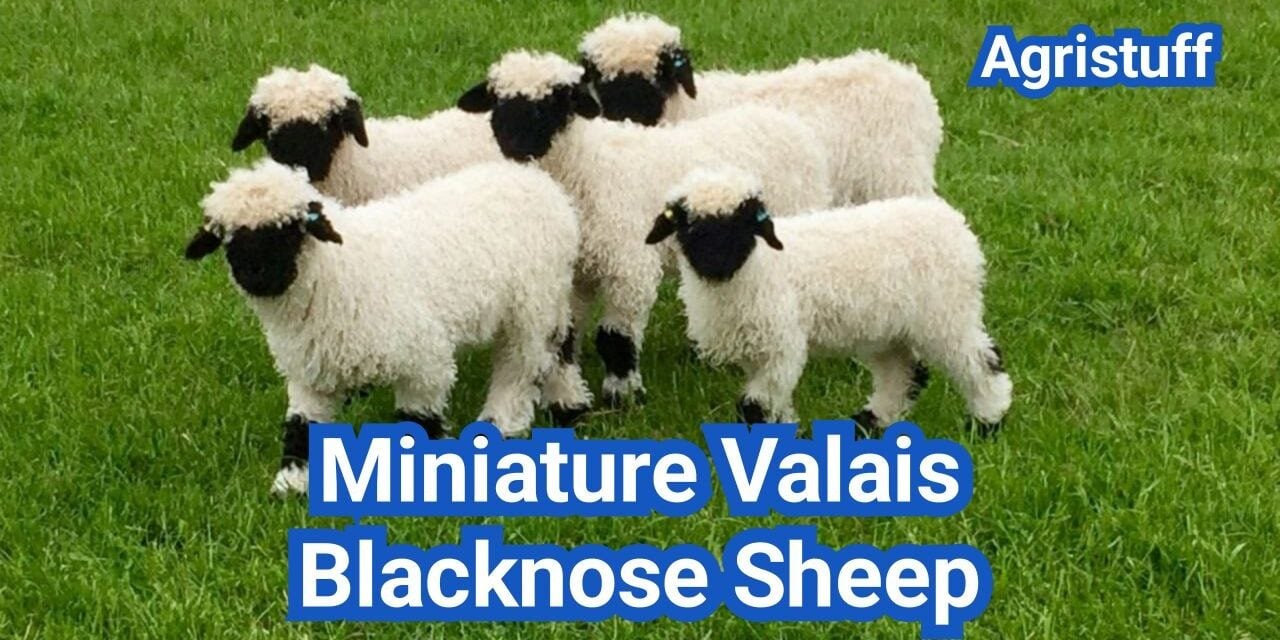
The internet is currently obsessed with a charming, fluffy creature that looks like a living stuffed animal. Many people are searching for a mini Valais Blacknose sheep to add to their hobby farms. However, it is vital to understand that these animals are not a naturally occurring small variety.
In reality, the standard Swiss mountain animal is quite large and robust. When you encounter a miniature Blacknose sheep, you are likely looking at the result of specific breeding programs rather than a distinct, recognized breed. These programs aim to reduce size through selective pairing, but they do not change the fundamental genetics of the species.
Before you commit to a purchase, you must verify the lineage and health records of any animal marketed as a smaller version. Always research the breeder to ensure they prioritize animal welfare over aesthetic trends. Understanding these facts will help you make an informed decision for your homestead.
Quick answer: Are miniature Valais Blacknose sheep a recognized breed?
Miniature Valais Blacknose Sheep is not a separate breed or miniature division defined in the published standards reviewed from the Valais Blacknose Sheep Association of North America and the Valais Blacknose Sheep Society. A smaller animal may be a crossbred, an immature lamb, or an individual with a smaller frame, but the word “miniature” alone establishes neither pedigree nor mature size. Evaluate the actual sheep, its records, and its adult relatives before accepting the label. VBSANA breed standard and judging guidelines.
Key Takeaways
- The breed is naturally a large, sturdy mountain animal from Switzerland.
- “Miniature” labels often refer to selective breeding programs, not a separate breed.
- Buyers should verify registration and health history before purchasing.
- Genetics and horn status remain consistent with the standard breed characteristics.
- Responsible ownership requires understanding the specific needs of these unique animals.
What “Miniature Valais” Means in the Sheep Market
Navigating the world of sheep breeding requires a clear understanding of the terminology used in modern advertisements. When you begin your search, you will encounter various labels that describe size, but these terms often lack the technical precision found in formal animal science. Grasping the true meaning of “miniature Valais” is essential for any prospective owner looking to invest in these unique animals.
How “miniature,” “mini,” and “dwarf” are used in advertisements
In the current livestock market, sellers often use descriptive words to highlight the physical stature of their animals. Terms like “miniature,” “mini,” and “dwarf” are frequently employed as marketing tools to attract hobby farmers and homesteaders. However, these labels are not standardized across the industry.
- Miniature: Often implies a smaller-than-average version of a breed.
- Mini: A casual shorthand that may suggest a specific breeding program.
- Dwarf: Sometimes used to describe extreme size reduction, though it can occasionally imply genetic health concerns.
Why a smaller Valais-type sheep is not automatically a separate breed
It is a common misconception that any sheep labeled as a “miniature” version of a famous breed is automatically a distinct, recognized breed itself. In reality, most of these animals are the result of crossbreeding programs rather than a long-established lineage. They lack the official breed-standard status that would define them as a separate, genetically stable population.
“A name is merely a label; true breed identity is built upon generations of consistent, documented selection and official recognition.”
Without a formal registry or a published breed standard, these animals remain standard vs miniature Valais-type sheep in terms of their physical appearance, not their genetic classification. Breeders often work to replicate the iconic look of the Valais Blacknose while reducing the overall frame size. This process relies on selective breeding rather than the existence of a pre-defined miniature breed.
How the meaning of “miniature Valais” affects buyer expectations
The ambiguity surrounding these labels can lead to significant gaps between what a buyer expects and what they receive. When a seller uses a catchy name, it may create an assumption of specific traits, such as temperament or mature height, that are not guaranteed. Buyers must look past the marketing language to understand the actual pedigree and health history of the animal.
Ultimately, taking responsibility for your purchase means verifying the facts behind the name. By focusing on documented lineage rather than just the label, you can ensure that your expectations align with the reality of the animal you bring home. Always prioritize structural health and clear records over a simple, appealing title.
Miniature Valais Blacknose Sheep: Are They a Real Breed?
Distinguishing between a true breed and a marketing label is essential for any serious sheep enthusiast. Many people ask, is miniature valais blacknose an official breed? The answer often depends on the specific registry or organization you consult.
The difference between a breed, a breeding program, and a marketing name
A recognized breed typically requires a closed studbook and a consistent set of physical traits passed down through generations. In contrast, a breeding program is a private effort to achieve a specific look or size by crossing different bloodlines. Marketing names are often created by breeders to identify their specific stock, but these names do not carry the same weight as an official breed designation.
Understanding these distinctions helps clarify the current miniature Valais breed status. While a breeder may have a consistent “look,” it does not automatically grant the animals status as a distinct, internationally recognized breed.
Why miniature Blacknose sheep are often described as Valais-type animals
The term “Valais-type” is frequently used to describe animals that share the iconic black facial markings and woolly appearance of the original Swiss breed. These sheep often carry a percentage of Valais genetics but may have been crossed with other breeds to reduce their overall size. Because they do not meet the strict height and weight standards of the original, they are categorized as “type” rather than purebred.
This terminology serves as a disclaimer for buyers. It indicates that while the animal resembles the famous Swiss sheep, it is a product of a specific development program rather than a standard breed.
What buyers should learn before treating a name as proof of breed identity
Before purchasing, you should always ask for the breeder’s written definition of their program. You must verify if are miniature Valais sheep recognized by any reputable agricultural registry or if the registration is limited to a private database. A lack of official recognition does not mean the sheep are unhealthy, but it does mean they lack the pedigree verification found in established breeds.
| Category | Definition | Verification |
|---|---|---|
| Official Breed | Standardized traits and history | National/International Registry |
| Breeding Program | Specific goals for size/look | Private Breeder Records |
| Marketing Name | Commercial branding | None (Brand-specific) |
Where Standard Valais Blacknose Sheep Fit Into the Discussion

The standard Valais Blacknose serves as the essential benchmark for all size-related claims. Without a clear understanding of the original breed, it becomes difficult to distinguish between a true genetic variant and a simple marketing label. Breeders and buyers must rely on established physical standards to maintain the integrity of the breed.
Recognized characteristics of the standard Valais Blacknose
The Valais Blacknose is a distinct, dual-purpose breed originating from the Swiss Alps. It is known for its striking appearance and hardy nature. To identify a standard animal, one should look for specific, well-documented traits that define the breed’s heritage.
The recognized characteristics of the standard Valais Blacknose include:
- A thick, long, and crimped white fleece that covers the entire body.
- Distinctive black patches on the nose, eyes, and ears.
- Black markings on the knees and hocks.
- A broad, sturdy frame built for mountain terrain.
Typical adult proportions, wool, coloring, horns, and facial markings
Adult Valais sheep are substantial animals with a balanced, muscular build. They typically feature impressive, spiral-shaped horns that curve outward from the head. Their wool is highly prized for its quality, providing excellent insulation in cold climates.
The facial markings are perhaps the most iconic feature of the breed. These black patches must be clearly defined against the white wool of the head. Any deviation in these markings or the presence of excessive white on the legs can indicate a crossbred background rather than a purebred lineage.
Why standard Valais sheep are the reference point for evaluating miniature claims
When comparing miniature Valais vs standard Valais, it is common to see misleading photographs of lambs. A lamb may appear small, but it does not represent the mature size of the animal. True evaluation requires looking at the height and weight of a fully grown adult.
A convincing color pattern does not independently prove ancestry or registration. Many crossbred sheep can mimic the look of a Valais, but they lack the genetic consistency of the standard breed. By using the standard as a reference, buyers can better assess whether an animal is a true miniature or simply a smaller, unrelated sheep.
Miniature Valais Breed Status and Official Recognition
Determining the legitimacy of a specific sheep variety starts with understanding how official breed-standard status. is established. In the United States, this designation is not merely a label; it represents a rigorous framework involving defined physical traits, a recognized registry, and consistent herd-book procedures.
A true breed standard ensures that animals within the population share predictable characteristics. This consistency is maintained through strict breeding rules that govern how new generations are recorded and verified.
What official breed-standard status means in the United States
When a breed achieves official status, it is typically backed by a national or international organization that oversees the integrity of the lineage. These organizations maintain a central database where every registered animal has a documented pedigree.
Buyers should understand that official recognition implies that the breed has been evaluated for structural soundness and genetic stability over many years. Without this oversight, a group of animals remains a collection of individuals rather than a standardized breed.
Are miniature Valais sheep recognized by major registries?
Currently, are miniature Valais sheep recognized by major national sheep registries? The answer is generally no. While the standard Valais Blacknose sheep has specific breed associations, the various “miniature” versions currently circulating in the market do not hold the same level of formal recognition.
Most of these smaller animals are the result of private breeding programs rather than a nationally accepted breed standard. Consequently, they do not appear in the primary herd-books that track established, recognized breeds.
How private registries and breeder associations differ from official recognition
It is vital to distinguish between a formal registry certificate and a document issued by a private breeder or a small association. A private registry is often created by a group of breeders to track their own specific goals, such as downsizing or color patterns.
While these documents may look professional, they do not carry the same weight as miniature Valais breed status verified by a national body. Always ask exactly who controls the standard, who records the parentage, and what criteria are used to determine if an animal is eligible for inclusion in their records.
Miniature Valais vs. Standard Valais Sheep

Comparing the physical traits of standard sheep to those marketed as smaller alternatives reveals significant developmental differences. When evaluating potential livestock, the distinction between miniature Valais vs standard Valais sheep becomes a primary concern for owners. Understanding these variations helps in setting realistic expectations for growth and long-term care.
Comparing adult height, weight, frame, and expected growth
Standard sheep are typically measured by their mature height at the shoulder, often reaching 28 to 32 inches. In contrast, private programs often promote a miniature Valais sheep size that targets a 19-inch yearling height and a 21-inch adult maximum. These smaller animals often possess a more compact frame, though their growth rate can vary significantly based on their genetic foundation.
Comparing conformation, fleece, facial markings, and temperament
Both types share the iconic black facial markings and dense, crimped fleece that define the breed’s appearance. However, conformation can differ, as smaller animals may struggle to maintain the same structural balance as their larger counterparts. Temperament remains generally consistent across both groups, as these sheep are known for being docile and easy to handle.
Why a smaller adult size does not guarantee miniature-breed status
It is a common misconception that a smaller stature automatically qualifies an animal as a distinct breed. A smaller adult size does not guarantee that the animal will produce offspring of the same height. Breeders must look beyond simple measurements to understand the genetic consistency of the animal, as how large do they become? is a question that depends on multi-generational selection rather than just the individual’s current height.
How management needs may differ between the two types
Smaller sheep often require specialized housing and fencing to prevent escapes, as their compact frames allow them to navigate smaller gaps. While they may be easier to transport in smaller vehicles, they still require the same high-quality nutrition and veterinary care as standard-sized sheep. Owners should never assume that a smaller animal requires less time or effort; rather, the management style simply shifts to accommodate their unique physical dimensions.
How Miniature Valais Sheep Are Developed
The process of downsizing sheep is a complex journey that relies on patience and genetic precision. When enthusiasts ask how are they developed?, the answer lies in a combination of historical breeding practices and modern selection criteria. Breeders must balance the desire for a smaller frame with the need to maintain the iconic appearance of the breed.
Crossbreeding and downsizing methods used by breeders
To achieve a smaller stature, breeders often employ various crossbreeding and downsizing methods. This typically involves introducing genetics from smaller, hardy foundation breeds such as the Southdown or Cotswold. By carefully selecting these foundation animals, breeders can introduce genes for smaller bone structure while aiming to retain the distinct markings of the Valais.
Selecting smaller Valais parents over multiple generations
Once the initial cross is established, the focus shifts to consistent selection. Breeders identify the smallest, healthiest individuals from each lamb crop to serve as future parents. This multi-generational approach is essential for stabilizing the desired size reduction without losing the breed’s signature temperament or wool quality.
Backcrossing toward Valais appearance and increasing breed percentage
Backcrossing is a vital technique used to regain the classic Valais look. By breeding the offspring back to a purebred Valais, breeders increase the percentage of Valais ancestry in the lineage. This process helps ensure that the sheep retain their characteristic black patches and dense fleece while keeping the smaller frame inherited from the foundation stock.
How poor selection can produce structural or reproductive problems
It is important to note that selecting only for extreme smallness can lead to significant risks. Breeders must prioritize structural integrity and overall health over size alone. Poor selection practices may result in weak pasterns, dental issues, or fertility challenges that can compromise the long-term viability of the flock.
| Method | Primary Goal | Risk Factor |
|---|---|---|
| Crossbreeding | Introduce smaller genes | Loss of breed type |
| Selective Breeding | Reduce mature size | Inbreeding depression |
| Backcrossing | Restore Valais traits | Structural inconsistency |
Miniature Valais Sheep Genetics and Foundation Breeds
The development of smaller sheep relies heavily on the traits inherited from their diverse ancestors. When breeders aim to create a smaller version of the iconic Swiss sheep, they must carefully select foundation stock to achieve specific physical goals. Understanding miniature Valais sheep genetics is essential for anyone looking to invest in these animals, as the underlying DNA dictates everything from growth rates to fleece quality.
Why foundation breeds influence size, wool, horns, and body shape
Every crossbreeding program relies on foundation breeds and their effects. These breeds provide the necessary genetic material to reduce overall stature while attempting to maintain the desired aesthetic of the Valais Blacknose. For instance, a breeder might introduce a smaller, hardy breed to lower the height, but this often alters the wool texture or horn structure of the offspring.
The resulting animal is a blend of traits. While the goal is to keep the classic black markings, the foundation breed often leaves a distinct mark on the sheep’s body shape and temperament. Careful selection is required to ensure that the structural integrity of the animal remains sound despite these mixed influences.
How percentage of Valais ancestry may affect the final animal
The proportion of Valais blood in a sheep often correlates with how closely it resembles the original breed. Higher percentages typically lead to more consistent facial markings and the characteristic long, crimped wool. However, a high percentage does not automatically guarantee a smaller size if the foundation breeds used were not selected for consistent stature.
What genetic records can and cannot prove about breed identity
Many owners rely on registration and genetic percentage.. to track their flock’s history. While these documents are useful for verifying parentage, they do not serve as a certificate of breed purity. A genetic report can confirm that an animal has a specific amount of Valais DNA, but it cannot prove that the sheep meets the strict visual standards of the original Swiss breed.
Why two miniature Valais programs may produce noticeably different sheep
It is common to see two different breeders using the same terminology while producing vastly different animals. This discrepancy occurs because each program prioritizes different foundation breeds and selection criteria. One breeder might focus on extreme small size, while another might prioritize the quality of the fleece or the precision of the black markings.
| Foundation Influence | Impact on Size | Impact on Wool | Impact on Horns |
|---|---|---|---|
| Standard Valais | Large/Standard | Long/Coarse | Spiral/Horned |
| Miniature Breed A | Reduced | Fine/Soft | Polled |
| Miniature Breed B | Compact | Medium/Dense | Small/Curved |
Ultimately, the diversity in these programs highlights the importance of thorough research. Buyers should look beyond the name of the program and examine the specific traits of the individual animals. By understanding the genetic background, you can make a more informed decision for your farm.
La Petite, BabyValais, Valley-Doll, and Other Program Names
Navigating the market for smaller sheep often leads buyers to discover a variety of unique program names. It is important to recognize that these labels are typically private marketing categories rather than recognized breed classifications. These names often highlight specific breeding goals, such as target size or aesthetic traits, which can vary significantly from one farm to another.
What La Petite Valais Blacknose may refer to
The term La Petite Valais Blacknose is often used by individual breeders to describe a specific line of smaller-framed animals. For instance, a breeder might market a 19-inch yearling with a projected adult height of 21 inches under this label. Because la petite is not an official breed standard, these measurements are program-specific claims that require clear documentation and transparency from the seller.
How BabyValais sheep and Valais Doll sheep are marketed
Similarly, BabyValais sheep and Valais Doll sheep are names frequently used to capture the interest of hobby farmers looking for compact, attractive animals. These terms are designed to evoke a sense of charm and manageable size. When you encounter babyvalais or similar branding, always ask the breeder to define the genetic background and expected mature size of their stock.
What Valley-Doll sheep and Babydoll Valais cross usually communicate
The names Valley-Doll sheep and Babydoll Valais cross often signal that the animal is the result of a deliberate crossbreeding program. These labels typically communicate a goal of combining the distinct markings of the Valais with the smaller stature of other breeds. A babydoll valais cross may vary in appearance and temperament depending on the foundation breeds used in the program, making it vital to understand the specific lineage of the animal.
Why private program names should not be confused with official breed names
It is a mistake to assume that private program names represent a standardized, globally recognized breed. Breeders use valley-doll and similar terms to distinguish their specific breeding efforts in a competitive market. Always prioritize verified health records, pedigree information, and clear growth data over catchy marketing labels. By doing so, you ensure that your expectations align with the actual genetics and physical traits of the sheep you purchase.
Why Advertised Miniature Valais Sheep Sizes Differ

Understanding why advertised sizes differ is essential for any prospective buyer entering the market. Many listings present numbers that seem impressive, yet these figures often lack the necessary context to be truly meaningful. Without a clear understanding of how these metrics are gathered, it is easy to misinterpret the potential growth of an animal.
Separating birth size, weaning size, and mature miniature Valais sheep size
A common mistake involves comparing a lamb’s weight to that of a fully grown adult. A lamb at weaning age is still in a rapid growth phase, meaning its size is merely a snapshot in time. To get an accurate picture of the miniature Valais sheep size, you must look at mature animals that have reached their full skeletal development.
“Growth is a process, not a static point. Always evaluate the parents and grandparents to understand the true genetic potential of your flock.”
How age, nutrition, sex, and pregnancy change measurements
You might wonder why do size claims vary? The answer often lies in the management practices of the breeder. Factors such as high-quality forage, supplemental feeding, and the animal’s reproductive status significantly influence body condition and weight. A pregnant ewe will naturally weigh more than a ram of the same height, making weight an unreliable metric for breed standards.
Age also plays a critical role in these fluctuations. A yearling is still filling out its frame, while a mature sheep has reached its peak structural size. Always ask for the exact age of the animal when reviewing any provided measurements.
Why height at the shoulder is more useful than vague weight claims
Weight is highly subjective and changes daily based on water intake and gut fill. In contrast, height at the shoulder provides a consistent, structural measurement that is much harder to manipulate. By focusing on height, you can better compare different animals regardless of their current body condition.
| Measurement Type | Reliability | Impact of Environment |
|---|---|---|
| Body Weight | Low | High (Diet/Pregnancy) |
| Shoulder Height | High | Low (Skeletal Growth) |
| Girth Circumference | Medium | Moderate (Fat/Wool) |
Recognizing selective measurements and unrealistic adult-size promises
Be cautious of marketing language that promises an exceptionally small adult size without providing proof. Some breeders may highlight the smallest individual in a group to represent the entire program. Always request dated measurements from multiple mature relatives to ensure the claims are grounded in reality rather than wishful thinking.
Registration, Pedigrees, and Genetic Percentage
Understanding the difference between official breed standards and private program records is essential for any prospective owner. When you begin researching these animals, you will find that registration and genetic percentage play a major role in how individual sheep are classified and valued.
How registration may work for standard, crossbred, and program sheep
Standard Valais Blacknose sheep are typically tracked through established international or national breed registries. These organizations maintain strict rules regarding lineage and physical traits. In contrast, smaller, program-based sheep often rely on private databases managed by specific breeders or associations. You might wonder, can they be registered? The answer is yes, but the authority behind that registration varies significantly between a national breed association and a private farm program.
What “purebred,” “percentage,” “grade,” and “generation” mean
Terminology in the sheep industry can be complex for new owners. A purebred animal typically has parents of the same breed, documented through a recognized registry. Percentage sheep are those that carry a specific fraction of Valais blood, often resulting from crossbreeding programs. Grade refers to animals that may look like a specific breed but lack full documentation, while generation tracking helps breeders understand how many crosses have occurred to reach a desired size or look.
Are miniature Valais sheep purebred?
Many buyers ask, are miniature Valais sheep purebred? The reality is that most animals marketed as miniature Valais are not considered purebred by major breed registries. Because they are often developed through crossbreeding to achieve a smaller stature, they are usually classified as percentage animals. It is important to distinguish between a purebred Valais Blacknose and a Valais-type sheep that has been bred down in size.
How to verify parentage, transfer papers, and registration numbers
To verify the background of your sheep, always request official documentation from the seller. A legitimate transfer paper should include the animal’s registration number, date of birth, and the names of the sire and dam. You should also verify the reputation of the registry issuing the papers. Remember that a certificate from a private program is not the same as a certificate from a national, government-recognized breed association.
| Documentation Type | Authority | Verification Level |
|---|---|---|
| Official Breed Registry | National/International | High (Strict Standards) |
| Private Program Registry | Individual Breeder/Group | Moderate (Internal Rules) |
| Grade/Unregistered | None | Low (Based on Trust) |
Horned vs. Polled Miniature Valais Sheep

When exploring the world of smaller sheep, potential owners often encounter questions regarding head structure. Understanding the genetics behind these physical traits is essential for anyone looking to add these animals to their farm. Whether an animal carries horns or remains polled is a common point of discussion among breeders and enthusiasts alike.
Why standard Valais ancestry commonly produces horned offspring
The standard Valais Blacknose breed is genetically predisposed to grow horns. In the original breed standard, both rams and ewes are expected to possess impressive, spiraling horns. Because these traits are dominant in the breed’s genetic makeup, offspring with a high percentage of Valais ancestry frequently inherit this characteristic.
How polled foundation animals affect polled miniature Valais sheep
To create a smaller version of the breed, breeders often introduce foundation stock from other sheep breeds. Many of these foundation breeds are naturally polled, meaning they lack the genetic markers for horn growth. By carefully selecting these individuals, breeders can influence the development of polled miniature Valais sheep within their programs.
Are miniature Valais sheep always polled?
The short answer is no; these animals are not always polled. Because the breeding process involves mixing genetics from various sources, the results can be unpredictable. Some lambs may be born with horns, while others may be polled, depending on the specific combination of genes inherited from their parents.
Why horn status alone cannot confirm or disprove breed identity
It is a mistake to use horn status as a definitive indicator of breed purity or quality. While horns are a hallmark of the standard breed, their presence or absence in a miniature program is simply a result of selective breeding choices. Horned vs polled outcomes are merely physical traits and should not be used as the sole metric for evaluating an animal’s value or identity.
Ultimately, buyers should focus on overall health, conformation, and documented ancestry rather than just the presence of horns. Relying on a single physical feature can lead to misconceptions about the animal’s background. Always prioritize a transparent pedigree and clear communication with the breeder to understand the genetic history of your flock.
Health and Structural Considerations in Downsized Sheep

The pursuit of smaller sheep breeds often masks critical health and structural considerations that every owner must address. While a compact size may be visually appealing, the physical integrity of the animal should always remain the primary focus for any responsible owner.
Checking legs, pasterns, topline, shoulders, and hoof structure
A sound skeletal frame is essential for the longevity and comfort of any sheep. When evaluating a potential animal, you should carefully observe how it moves and stands.
- Legs and Pasterns: Look for straight, sturdy legs with strong pasterns that provide proper support. Weak or splayed pasterns can lead to chronic lameness.
- Topline and Shoulders: A level topline and well-set shoulders indicate good structural balance. Avoid animals with a severely arched or dipped back.
- Hoof Structure: Regularly inspect hooves for proper alignment. Poor hoof health often stems from genetic structural faults that become more apparent as the animal matures.
Potential risks of selecting for extreme small size
Selecting for extreme smallness can inadvertently introduce serious genetic defects. Breeders who prioritize size above all else may accidentally propagate traits associated with dwarfism.
These risks often manifest as skeletal deformities or disproportionate growth. It is vital to ensure that the animal’s frame remains functional and that it does not suffer from the physical limitations often linked to forced miniaturization.
Evaluating fertility, lambing ability, vigor, and growth rate
A healthy sheep must be able to thrive and reproduce without constant human intervention. You should inquire about the dam’s history regarding ease of lambing and her ability to raise healthy offspring.
Vigor is a key indicator of overall well-being. A sheep that lacks natural energy or shows a stunted growth rate may be struggling with underlying health issues. Always prioritize animals that demonstrate robust vitality over those that are simply the smallest in the group.
Wool, skin, parasite, dental, and nutritional issues to discuss
Beyond the skeleton, you must evaluate the animal’s general maintenance needs. Health and structural considerations also extend to the mouth and skin, which are often overlooked during initial inspections.
Be sure to discuss the following with the breeder:
- Dental Health: Check for proper jaw alignment, as overshot or undershot bites can cause significant eating difficulties.
- Parasite Resistance: Ask about the animal’s history with internal parasites and its general resilience.
- Wool and Skin: Inspect the fleece for quality and ensure the skin is free from irritation or chronic conditions.
- Nutrition and Records: Review vaccination history and ask for specific nutritional requirements to ensure the animal remains in peak condition.
Are Miniature Sheep a Good Choice for Small Farms?

Evaluating the suitability for small farms requires a clear understanding of what these animals actually need to thrive. While the idea of keeping smaller livestock is appealing, it is important to look past the aesthetic charm to understand the daily realities of ownership.
Advantages of miniature sheep for small farms and hobby homesteads
Many owners find that smaller animals offer a more approachable entry point into livestock management. These sheep often possess a gentle temperament, which makes them excellent companions for families or hobbyists who want to interact closely with their animals.
- Reduced physical strength required for routine handling.
- Lower feed consumption compared to larger, standard-sized breeds.
- Easier integration into smaller backyard or homestead settings.
How smaller sheep may affect fencing, handling, transport, and housing
When considering miniature sheep for small farms, infrastructure needs often become more manageable. Smaller animals generally exert less pressure on fencing, though they still require secure boundaries to prevent escapes and protect them from predators.
Transporting these sheep is frequently simpler, as they may fit into smaller trailers or even specialized crates. Housing requirements are also reduced, allowing owners to utilize smaller barns or sheds that might not accommodate a full-sized flock.
Why miniature animals still require normal sheep care and companionship
A common question from beginners is, “are they easier to manage?” While the physical labor of moving them is reduced, the biological needs of the animal remain identical to those of standard sheep.
They still require consistent access to clean water, high-quality forage, and mineral supplements. Furthermore, owners must commit to regular hoof trimming, parasite management, and shearing, regardless of the animal’s height or weight.
Situations where a standard Valais or another small breed may be more practical
Sometimes, the specific goals of a farm may align better with a standard-sized animal. If your primary objective is wool production or maintaining a specific breed standard for showing, a standard Valais Blacknose might be the superior choice.
Standard breeds often offer more predictable growth patterns and established health records. If you are unsure if are they easier to manage? in your specific climate or terrain, consulting with local breeders can provide clarity on the suitability for small farms.
Step-by-Step Checklist for Verifying a Breeder’s Claims
Navigating the market for specialized livestock requires a structured approach to ensure your expectations align with reality. Utilizing a comprehensive breeder questions and claim-verification checklist helps you avoid common pitfalls when purchasing animals marketed as miniature or unique types.
Step 1: Ask for the exact breed or program definition
When you begin your search, you must clarify the terminology used by the seller. You should ask what should buyers verify? regarding the specific genetic background of the animal. Always inquire if the sheep is a recognized breed or part of a private breeding program.
Step 2: Review pedigree and registration documentation
Transparency is vital when evaluating the lineage of your potential purchase. You need to understand what private program names mean and who is responsible for maintaining the official records. Request copies of registration papers to confirm the percentage of ancestry and the history of the parents.
Step 3: Confirm mature-size evidence
Do not rely solely on photographs of lambs, as they can be misleading regarding future growth. Ask the breeder for measurements of adult relatives or photos of the sire and dam at full maturity. Verifiable data is always superior to estimated weight claims provided in advertisements.
Step 4: Inspect horns, conformation, and health records
A physical assessment is the final step in your due diligence process. You should carefully examine the animal’s bite, hoof structure, and overall body condition. Ensure you receive a complete health history, including vaccination records and parasite management protocols.
| Verification Category | Key Question to Ask | Desired Outcome |
|---|---|---|
| Breed Identity | Is this a recognized breed? | Clear distinction between breed and program. |
| Documentation | Who maintains the registry? | Verified pedigree and parentage records. |
| Size Expectations | What is the mature height? | Evidence from adult relatives. |
| Health Status | Are records available? | Full medical and vaccination history. |
Step-by-Step Guide to Choosing the Right Miniature Valais-Type Sheep

Navigating the world of miniature sheep programs can feel overwhelming without a structured approach to your search. Before you begin contacting breeders, you must determine what appearance, size, ancestry, or registration matters most to your specific situation. Defining these priorities early will save you time and help you avoid common pitfalls in the marketplace.
Step 1: Define whether appearance, size, ancestry, or registration matters most
Start by asking yourself if you are looking for a pet, a breeding project, or a farm companion. If you prioritize official documentation, you should research how registration may work for standard, crossbred, and program sheep. Understanding the difference between a purebred animal and a percentage-based program sheep is essential for long-term success.
Step 2: Set a realistic adult-size and management requirement
Many buyers make the mistake of focusing solely on the size of a lamb. Always request mature measurements rather than relying on birth or weaning weights, which can be misleading. Consider your fencing, housing, and handling capabilities to ensure the sheep you choose will be a practical fit for your property.
Step 3: Compare program terminology across multiple breeders
The market is filled with unique labels that can confuse even experienced owners. You might wonder, what do private program names mean? These names often reflect a specific breeder’s goals rather than a universally recognized breed standard. Compare these terms across several programs to see how different breeders define their stock.
Step 4: Choose documented health and structure over the smallest advertised animal
When you are ready to make a final decision, what should buyers verify? Always prioritize sound conformation, clear health records, and transparent ancestry over the smallest or most expensive animal. A healthy, well-structured sheep will provide a much better experience than one selected purely for its diminutive size. Always ask for proof of parentage and a history of the animal’s health to ensure you are making a sound investment.
Costs and ROI snapshot
Smaller mature size may reduce feed demand, but Miniature Valais Blacknose Sheep should not automatically be treated as a major cost-saving investment. In a published comparison of 175-pound and 225-pound ewes, Penn State calculated about half a pound more hay daily for the larger ewe. Using that example’s assumed hay price of $150 per ton, the difference was approximately $4.50 over four months; these are illustrative assumptions, not current local hay quotations or total ownership costs. Penn State Extension analysis of ewe size and efficiency.
- Purchase and transport: Compare animals with similar age, sex, documented ancestry, health history, and intended use. Obtain the delivered cost, including required veterinary paperwork.
- Facilities: Price fencing, gates, water equipment, shelter, and a separate arrival pen. These costs do not disappear because a flock contains only a few small sheep.
- Annual husbandry: Include forage, minerals, bedding, veterinary care, parasite monitoring, hoof care, and shearing. Confirm minimum visit charges with local service providers.
- Breeding expenses: Add mating costs, registration, applicable DNA testing, lambing supplies, and the possibility of emergency veterinary assistance. Smaller offspring are not assured by a marketing label.
- Sales and labor: Count advertising, buyer communication, handling time, and the cost of keeping unsold animals. Treat projected fleece or breeding-stock income as uncertain until there is a credible market.
For a Miniature Valais Blacknose Sheep breeding project, calculate break-even revenue from all attributable annual costs, including labor and an annual allowance for facilities and breeding-stock investment. In a hypothetical budget with $2,400 in annual costs, four lambs sold, and no other revenue, the break-even average is $600 per lamb; if only two sell, it becomes $1,200. These figures demonstrate budgeting arithmetic rather than forecast market prices, and they show why saleable output matters as much as animal size. Penn State Extension enterprise budgeting guidance.
Investment in Miniature Valais Blacknose Sheep makes the most sense when the animals meet a clearly defined goal and the farm can support them without depending on speculative resale premiums. For companions, evaluate affordability and enjoyment over the animals’ lives; for breeding, investigate demand and the suitability of the available stock before expanding. Beginners should also confirm access to experienced local help, because attractive animals cannot compensate for missing facilities or management skills. Oregon State University guidance on starting a sheep operation.
Quick checklist
- Define your priority: small adult size, Valais appearance, registered breeding stock, fiber production, or companionship.
- Ask what the seller means by “miniature,” including the age and measurement used to support the description.
- Obtain the animal’s birth date, current weight, and shoulder-height measurement taken on level ground with fleece accounted for.
- Request adult measurements and ages for both parents, plus mature offspring from similar matings when available.
- Confirm the precise registry category and match identification numbers with the animal and its records.
- Evaluate body condition, gait, feet, jaw alignment, and any horns with knowledgeable assistance.
- Check local livestock rules and ask an accredited veterinarian about applicable movement and identification requirements.
- Prepare suitable companionship, secure fencing, water, shelter, and a separate arrival area before delivery.
- Locate a sheep veterinarian and shearer, and obtain realistic local service quotations.
- Budget for year-round care and document the purchase terms before paying a deposit.
Common mistakes to avoid
- Using a lamb photograph as an adult-size forecast: Replace visual guesses with dated growth records and measurements of mature relatives.
- Equating a registration certificate with miniature status: Read the actual category and ask the issuing organization what that category establishes.
- Confusing ancestry percentage with predictable size: Evaluate mature animals from the breeding program instead of assuming that a percentage guarantees height, weight, or appearance.
- Rewarding poor growth: Investigate unusually low weight or weak condition rather than treating it as a desirable miniature characteristic.
- Reducing nutrition to limit growth: Feed for health and production stage, and use professional advice to address excessive or inadequate condition.
- Budgeting only for purchase and hay: Include infrastructure, service call minimums, transport, labor, emergencies, and the cost of keeping unsold animals.
- Treating friendly sheep as maintenance-free pets: Plan for flock companionship, safe handling, routine care, and handwashing after animal contact.
- Breeding solely for the smallest possible offspring: Prioritize sound structure, health, reproductive suitability, and accurate records when selecting breeding animals.
FAQ
How “miniature,” “mini,” and “dwarf” are used in advertisements?
In the livestock market, the term miniature is often used as a descriptive marketing label rather than a technical breed classification. While “mini” implies a smaller stature, it does not always mean the animal possesses a specific genetic mutation for dwarfism. Instead, it often refers to a deliberate breeding program aimed at reducing the size of the traditionally large Valais Blacknose. Buyers must distinguish between a true miniature Blacknose sheep and a standard lamb that is simply small for its age.
Why a smaller Valais-type sheep is not automatically a separate breed?
A sheep that looks like a Valais but is smaller does not automatically constitute a new breed. To be a recognized breed, there must be a consistent breed standard, a closed herd book, and predictable offspring. Many miniature Valais-type sheep are currently in the developmental stage, meaning their size and appearance may still vary significantly between generations.
How the meaning of “miniature Valais” affects buyer expectations?
The label “miniature Valais” impacts everything from the expected adult height to the price tag. If a buyer expects a “toy” animal but receives a high-percentage cross that eventually grows to near-standard size, the investment may not meet their farm’s physical constraints. Understanding that “miniature” is a goal rather than a guaranteed status is vital for managing long-term expectations.
Why miniature Blacknose sheep are often described as Valais-type animals?
Because they often contain genetics from other breeds to reduce their size, they are accurately described as “Valais-type.” This terminology acknowledges their Valais appearance—the black face, ears, and knees—without claiming they meet the strict purity requirements of the original Swiss herd book.
What buyers should learn before treating a name as proof of breed identity?
Buyers should research the miniature Valais breed status by asking for the program’s written definition. A name like BabyValais sheep is a brand, not a biological classification. Verification requires looking at the pedigree policy and the authority that issued the registration papers.
Why standard Valais sheep are the reference point for evaluating miniature claims?
Every claim of “miniature” must be measured against the standard Valais. If a breeder cannot show how their sheep differs in height and weight from the standard breed’s official measurements, the “miniature” claim lacks a factual baseline.
What official breed-standard status means in the United States?
In the U.S., official status generally requires a registry that tracks generations of lineage and enforces a strict breed standard. For the Valais, this is complicated because the breed was only recently introduced to North America via semen and embryo transfer, often involving upbreeding programs.
Are miniature Valais sheep recognized by major registries?
Currently, miniature Valais sheep are not recognized as a separate breed by major, national multi-breed registries. Instead, they are usually recorded in private registries or specific “miniature” divisions of newer associations.
How private registries and breeder associations differ from official recognition?
A private registry certificate confirms that an animal belongs to a specific breeder’s program but does not carry the same weight as a certificate from a nationally recognized breed association. Buyers should ask who controls the registry and what the eligibility requirements are.
Why a smaller adult size does not guarantee miniature-breed status?
An individual sheep might be small due to poor nutrition or being a “runt,” but this does not make it a miniature breed. True miniature status requires the trait to be genetically stable and passed consistently to offspring.
How management needs may differ between the two types?
Smaller sheep are easier to handle for shearers and veterinarians. However, they may be more vulnerable to certain predators and may require modified fencing or housing to keep them secure compared to their larger standard counterparts.
How poor selection can produce structural or reproductive problems?
Focusing solely on “smallness” can lead to health and structural considerations such as narrow hips (causing lambing issues) or dental defects. Responsible breeders prioritize a functional body over extreme miniature stats.
Why foundation breeds influence size, wool, horns, and body shape?
Common foundation breeds include the Southdown, Cotswold, and Shetland. These breeds contribute the genes for smaller stature but can also introduce different wool types or “polled” (hornless) traits that aren’t native to the standard Valais.
How percentage of Valais ancestry may affect the final animal?
A sheep that is 50% Valais will look very different from one that is 96% Valais. As the genetic percentage increases, the animal’s markings and wool quality usually become more consistent with the Swiss breed standard.
What genetic records can and cannot prove about breed identity?
DNA tests can confirm parentage and the percentage of breed markers, but they cannot prove an animal is a “miniature.” That classification remains a physical measurement and a program designation.
Why two miniature Valais programs may produce noticeably different sheep?
Because different breeders use different foundation breeds, one “miniature” line might be stockier (using Babydoll Southdown) while another might be more refined (using Shetland). This is why comparing programs is essential.
What La Petite Valais Blacknose may refer to?
The name La Petite Valais Blacknose is associated with specific breeding goals, such as a 19-inch yearling that matures into a small adult. It represents a targeted size bracket within a private program.
How BabyValais sheep and Valais Doll sheep are marketed?
These terms, including BabyValais sheep, are often used to emphasize the “cute” and manageable nature of the animals. They are frequently marketed to hobby farmers and families looking for “pet-quality” livestock.
What Valley-Doll sheep and Babydoll Valais cross usually communicate?
A Valley-Doll sheep or a Babydoll Valais cross specifically signals that the sheep is a hybrid of the Valais Blacknose and the Old English Babydoll Southdown. This cross is popular for producing small, “smiley-faced” sheep with good fleece.
Why private program names should not be confused with official breed names?
Using a program name can be a helpful shorthand, but it shouldn’t replace a thorough check of the animal’s registration and genetic percentage. A “Valley-Doll” is a specific type of cross, not a purebred Swiss Valais.
How age, nutrition, sex, and pregnancy change measurements?
Rams are typically larger than ewes, and a pregnant ewe will weigh significantly more. Nutrition also plays a massive role; a sheep can be “small” simply because it was underfed, which is a health issue rather than a genetic trait.
Why height at the shoulder is more useful than vague weight claims?
Weight fluctuates with fleece growth and diet, but height at the shoulder is a skeletal measurement that remains constant. It is the most reliable way to compare the “miniature” status of different sheep.
How registration may work for standard, crossbred, and program sheep?
In the U.S., most Valais sheep are part of an upbreeding program. This means they are registered as a percentage (e.g., F1, F2, F3) based on how many generations they have been bred back to purebred Valais stock.
What “purebred,” “percentage,” “grade,” and “generation” mean?
A “purebred” is generally 93% to 100% Valais. A “percentage” sheep is any animal with documented Valais ancestry mixed with another breed. Miniature Valais are often high-percentage animals selected for their small frame.
Are miniature Valais sheep purebred?
Generally, miniature Valais sheep are not purebred in the traditional sense, as the standard breed is naturally large. To get the size down, other genetics were introduced at some point in the lineage.
How to verify parentage, transfer papers, and registration numbers?
Legitimate breeders provide transfer papers and registration numbers from their specific registry. You should be able to look up the parents’ numbers to confirm the sheep’s genetic history.
Why standard Valais ancestry commonly produces horned offspring?
Horns are a hallmark of the Swiss Valais Blacknose. Therefore, any high-percentage miniature Valais is likely to grow horns. If you want the traditional look, you should expect horns.
How polled foundation animals affect polled miniature Valais sheep?
If a breeder uses a polled (naturally hornless) foundation breed like the Southdown, some of the offspring may be hornless. Polled miniature Valais sheep are often preferred by owners who are worried about safety around children.
Are miniature Valais sheep always polled?
No, they are not. The horn status depends entirely on the specific foundation breeds and their effects on the lineage. Some programs specifically select for horns to keep the “wild” look, while others select for polled heads.
Why horn status alone cannot confirm or disprove breed identity?
A sheep having horns doesn’t prove it’s a “real” Valais, and being polled doesn’t mean it isn’t. Horn status is just one genetic trait and should be considered alongside fleece and markings.
How smaller sheep may affect fencing, handling, transport, and housing?
You can often transport mini sheep in a large dog crate or a small SUV, which saves on expensive trailer costs. However, you may need smaller-gauge fencing to prevent them from slipping through standard cattle panels.
Why miniature animals still require normal sheep care and companionship?
A smaller size does not mean “less work.” They still need to be shorn twice a year, their hooves need regular trimming, and they must have sheep companionship, as they are flock animals and will become stressed if kept alone.
Is the miniature Valais Blacknose an official breed?
No, the miniature Valais Blacknose is not currently recognized as a separate, official breed by international sheep societies like the one in Switzerland. Most are categorized as “Valais-type” animals or are part of private breeding programs like La Petite Valais Blacknose.
Are miniature Valais sheep purebred?
Generally, no. To achieve a smaller stature, most miniature blacknose sheep are developed by crossing standard Valais with smaller foundation breeds like the Old English Babydoll Southdown. They are usually referred to as “percentage” sheep.
How large do Miniature Valais Blacknose Sheep become?
While sizes vary, many programs aim for a miniature valais sheep size of approximately 21 inches at the shoulder for adults. In contrast, standard Valais sheep are much larger, often standing 28 to 30 inches tall.
Why do size claims vary among breeders of Miniature Valais Blacknose Sheep?
Size claims often differ because some breeders measure at birth or weaning, while others wait until the sheep is a mature three-year-old. Factors like nutrition, sex, and genetics also cause significant variations in reported heights.
Can Miniature Valais Blacknose Sheep be registered?
Yes, but usually through private program registries or specific “miniature” sections of newer sheep associations. They are not typically eligible for registration in the primary Swiss or standard Valais herd books.
Are Miniature Valais Blacknose Sheep always polled?
No. Standard Valais sheep are naturally horned. Polled miniature Valais sheep are the result of specific crossbreeding with naturally hornless breeds or selective breeding within a program. Many “mini” Valais still have the traditional spiral horns.
What do names like “Valley-Doll” or “BabyValais” mean?
These are marketing or program names. For example, a valley-doll sheep or babydoll valais cross usually refers to a specific hybrid of Valais and Babydoll Southdown genetics. BabyValais sheep and Valais doll sheep are often used to identify pet-sized sheep from specific breeders.
Are Miniature Valais Blacknose Sheep easier to manage than standard sheep?
Yes, they are generally easier to handle, shear, and transport due to their size, making them excellent miniature sheep for small farms. However, they still require the same level of care, including parasite control, hoof trimming, and proper nutrition.
What should buyers verify before purchasing Miniature Valais Blacknose Sheep?
Buyers should use a breeder questions and claim-verification checklist to confirm the animal’s mature-size evidence, pedigree documentation, registration authority, and health history to ensure the animal meets their specific needs.
Which foundation breeds are used to create Miniature Valais Blacknose Sheep?
Common foundation breeds include the Southdown, Shetland, and Cotswold. These breeds help reduce size while the breeder backcrosses to Valais rams to maintain the signature black face and fleece markings.
Final Thought
Miniature Valais Blacknose Sheep is a description to investigate, not sufficient proof of a distinct breed or permanently small adult. Choose animals through documented ancestry, mature-family measurements, sound health, and a realistic care budget. A well-described cross or an established smaller breed can be a suitable choice when its actual characteristics match your goals. Valais Blacknose Sheep Society principles of responsible breeding and accurate registration.
Sources & References
- Valais Blacknose Sheep Society: Registry Rules and Upgrading Policies
- VBISBAR: Breed-Standard Checklist
- Valais Blacknose Society: Flock Book and Pedigree Records
- Valais Blacknose Society: Care and Husbandry Resources
- Penn State Extension: So You Want to Raise Sheep or Goats?
- Penn State Extension: Feeding the Flock
- USDA APHIS: Sheep and Goat Identification
- USDA APHIS: National Scrapie Eradication Information
- USDA NRCS: Range and Pasture Management
- CDC: Staying Healthy Around Farm Animals