Quick answer: Livestock farming is raising domesticated farm animals for food, fiber, income, and other agricultural products. In the United States, livestock farming usually includes cattle, sheep, goats, hogs, and related animal agriculture, while poultry may be grouped separately in legal or market reports.
Livestock farming means raising farm animals to produce meat, milk, eggs, wool, fiber, manure, labor, and income. For U.S. readers, the term usually points to cattle, sheep, goats, hogs, and related animal agriculture, while poultry may be listed separately in some official or market contexts.
This guide explains the meaning of livestock farming in simple terms, what animals are included, what farmers produce, and how livestock farming differs from livestock rearing, livestock production, and animal husbandry. It is written to answer direct searches such as “what is livestock farming,” “livestock farming meaning,” and “livestock in agriculture.”
What Is Livestock Farming? Definition, Meaning, and Importance
Livestock farming, also known as animal husbandry, is the practice of raising animals to produce food, milk, eggs, wool, and other resources. This agricultural practice is not only crucial for feeding the world but also for supporting livelihoods, promoting environmental sustainability, and driving economic growth.
One of the most significant contributions of livestock farming is its role in food security. As the global population grows, so does the demand for protein-rich foods. Livestock farming provides essential nutrients like proteins, fats, and micronutrients that are often harder to obtain from plant-based sources alone. For example, dairy products are rich in high-quality proteins, vitamins, and minerals, while poultry and meat are excellent sources of energy and protein.
Beyond food production, livestock farming is a lifeline for millions of rural families, especially in developing countries. It provides income, employment, and a safety net during crop failures or natural disasters. According to the International Livestock Research Institute, around 600 million smallholder farmers rely on livestock for their livelihoods. In many cultures, livestock also symbolizes wealth and social status.
While livestock farming has been criticized for its environmental impact, such as greenhouse gas emissions and deforestation, it also plays a role in sustainable land management. Grazing animals can maintain grasslands unsuitable for crops, promote biodiversity, and support nutrient cycling. Additionally, livestock farming contributes significantly to agricultural GDP, boosts exports, and supplies raw materials for industries like leather and wool.
Modern advancements in livestock farming, such as precision farming and genomics, are improving efficiency, animal welfare, and environmental sustainability. These innovations are helping farmers raise healthier, more productive animals while reducing resource use.
In summary, livestock farming is a cornerstone of human civilization, supporting food systems, livelihoods, and economies. Its continued evolution is essential for a sustainable future.
What Is Livestock Farming Called?
Livestock farming is also called livestock rearing, livestock production, or animal husbandry, depending on the context. “Livestock rearing” usually describes the practical act of raising animals, while “livestock production” often refers to the business or output side, such as meat, milk, wool, eggs, or other animal products.
Livestock farming and animal husbandry are closely related terms, but animal husbandry can sound more technical because it includes breeding, feeding, health care, housing, and daily animal management. For a beginner, all three terms point to the same core idea: raising farm animals for useful agricultural products.
What Counts as Livestock in Agriculture?
Livestock farming usually includes domesticated animals raised on farms, such as cattle, sheep, goats, hogs, horses, and other animals used for food, fiber, work, or income. In everyday agricultural writing, poultry may also be discussed with livestock because chickens, turkeys, and ducks are part of animal agriculture.
In official or legal contexts, the meaning can be narrower. Some U.S. sources separate poultry from livestock, while broader farming guides often group livestock and poultry together when explaining animal agriculture. This is why readers may see cattle, sheep, goats, hogs, and poultry discussed together in farming articles, but separated in government reports or market categories.
Livestock Farming Examples in the United States
Livestock farming in the United States can include a beef cow-calf operation, a cattle ranch, a dairy farm, a sheep flock for lamb or wool, a goat farm for meat or milk, or a hog operation. Each example uses animals differently, but the basic purpose is the same: turning animal care, feed, land, labor, and management into agricultural products.
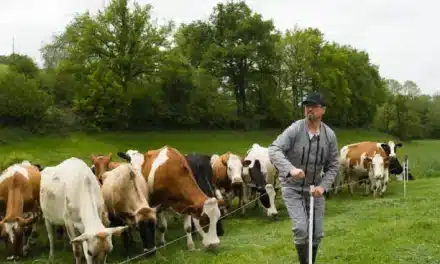
A cattle ranch may focus on raising calves for the beef market, while a dairy farm focuses on milk production and daily herd management. A small farm may raise goats or sheep because they often need less space than cattle, while a larger commercial farm may use specialized housing, feeding systems, and veterinary plans to manage many animals efficiently.
Livestock Farming vs. Cattle Ranching, Cow Farming, and Commercial Farming
Livestock farming is the broader term, while cattle ranching and cow farming are specific examples inside it. Cattle ranching usually refers to raising cattle on pasture or rangeland, often for beef production, while cow farming may refer to either beef cattle or dairy cows depending on the context.
Commercial farming is broader than livestock farming because it can include crop production, animal production, or both. A commercial livestock farm raises animals mainly for market sale, while a small homestead may raise animals for family food, local sales, or mixed farm use.
Main Livestock Farming Methods in Brief
Livestock farming methods have evolved to balance food production with environmental sustainability and animal welfare. These methods range from traditional practices to modern, technology-driven approaches.
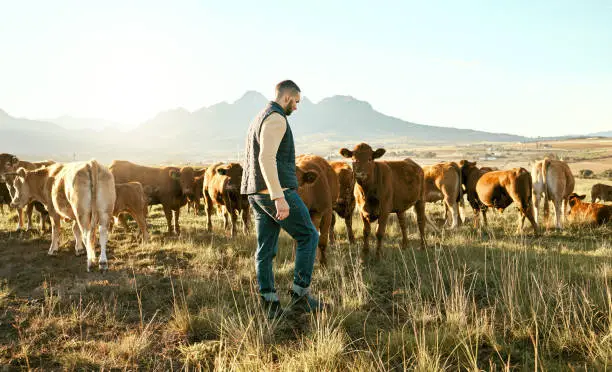
- Traditional Grazing: This method involves allowing animals to graze freely in open pastures. It supports natural animal behavior and promotes soil health and biodiversity. However, it can lead to overgrazing if not managed properly.
- Managed Intensive Rotational Grazing (MIRG): In this system, farmers rotate livestock between pastures to prevent overgrazing and soil degradation. This method improves forage growth and maintains ecosystem balance.
- Industrial Livestock Production (ILP): ILP involves high-density rearing of animals in controlled environments. While it maximizes meat and dairy production, it raises concerns about animal welfare and environmental impact.
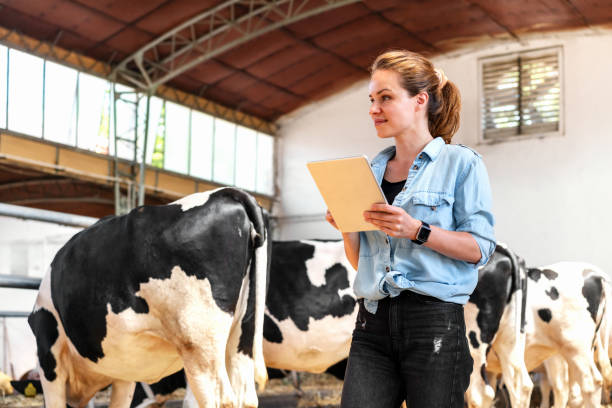
- Precision Livestock Farming (PLF): PLF uses sensors, cameras, and other technologies to monitor animal health and behavior in real time. This approach reduces mortality rates and improves productivity.
- Agroforestry: Integrating trees and shrubs into pasturelands enhances biodiversity, provides natural shelter for animals, and improves soil health.
- Free-Range Poultry Farming: This method allows chickens to roam outdoors, improving animal welfare and producing higher-quality eggs and meat.
- Organic Farming: Organic livestock farming avoids synthetic inputs like pesticides and antibiotics, focusing on natural animal diets and welfare. It produces high-quality, nutrient-rich products.
Each method has its advantages and challenges, and the choice depends on factors like geography, climate, and economic goals. Balancing productivity with sustainability is key to the future of livestock farming.
Common Livestock Animals and Breeds in Agriculture
The success of livestock farming often depends on selecting the right breeds for specific purposes. Different breeds are chosen based on their adaptability, productivity, and suitability to local conditions.
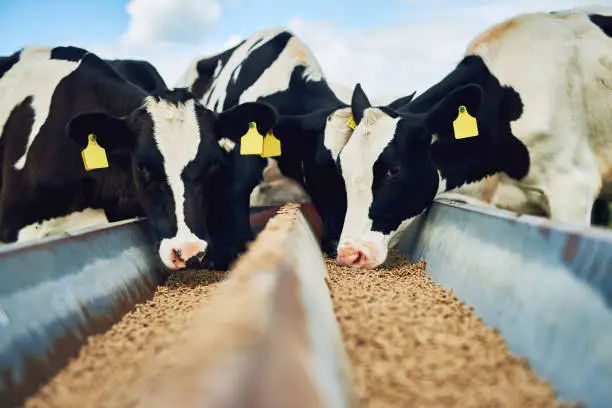
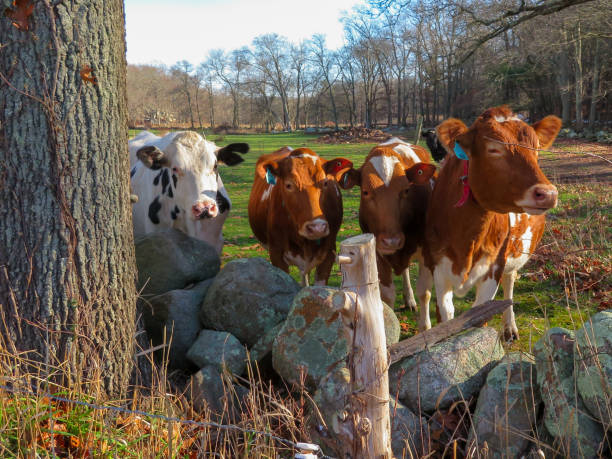
- Cattle: Holstein cows are famous for their high milk production, making them ideal for dairy farming. Angus cattle, known for their marbled meat, are preferred for beef production. Hereford cattle are valued for their adaptability to various climates.
- Sheep: Merino sheep are prized for their high-quality wool, while Dorset and Suffolk breeds are known for meat and lamb production.
- Poultry: Rhode Island Red chickens are versatile, excelling in both meat and egg production. Leghorn chickens are top egg layers, and Plymouth Rock chickens are preferred for meat.
Choosing the right breed ensures higher productivity, better animal welfare, and greater economic returns.
Key Facts About Livestock Farming and Animal Agriculture
Livestock farming is a dynamic industry with some surprising statistics:
- The global livestock population includes 28.4 billion chickens, 1.5 billion cattle, 1 billion pigs, and 1 billion sheep.
- Industrial livestock production accounts for 72% of poultry, 55% of pork, and 42% of beef globally.
- Precision livestock farming has reduced antibiotic use by up to 70%.
- Agroforestry practices can increase farm earnings by 30%.
- Free-range eggs contain more vitamins and less cholesterol than conventionally produced eggs.
- The organic beef market in the U.S. has grown by over 200% since 2012.
These facts highlight the industry’s complexity and its potential for innovation and sustainability.
FAQ About Livestock Farming
What is livestock farming in simple words?
Livestock farming is raising farm animals such as cattle, sheep, goats, and hogs to produce food, fiber, income, manure, or other useful agricultural products.
What is livestock farming called?
Livestock farming is also called livestock rearing, livestock production, or animal husbandry, depending on whether the focus is daily care, business output, or animal management.
What is livestock in agriculture?
In agriculture, livestock means domesticated farm animals raised for useful products or work, including cattle, sheep, goats, hogs, and other farm animals. Poultry may be grouped with livestock in general farming guides, but it is often separated in official or legal contexts.
Is cattle ranching a type of livestock farming?
Yes, cattle ranching is a type of livestock farming because it involves raising cattle for beef, breeding, grazing, or related agricultural production.
Why is livestock farming important?
Livestock farming is important because it supports food supply, rural income, animal-based products, manure for soil fertility, and the use of pasture or forage land that may not be suitable for crop production.
Final Thought: Why Livestock Farming Still Matters
Livestock farming is a vital industry that supports food security, livelihoods, and economies worldwide. From traditional grazing to modern precision farming, the methods and breeds used in this sector continue to evolve. By embracing sustainable practices and technological advancements, we can ensure that livestock farming remains a cornerstone of human civilization while protecting the planet.