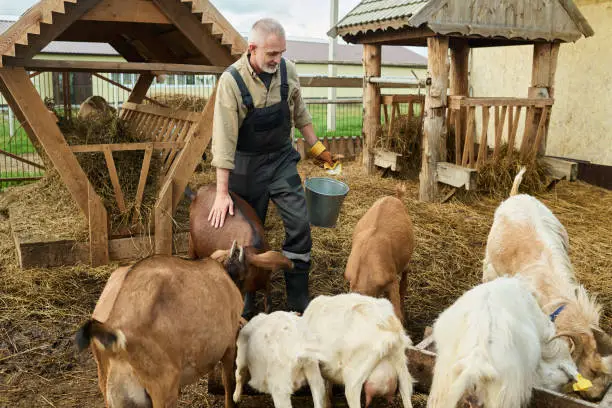
Quick answer: A goat farming business plan should explain how the farm will earn revenue from meat goats, dairy goats, breeding stock, fiber, or manure; estimate startup costs for goats, fencing, shelter, feed, veterinary care, and marketing; and calculate profit from realistic local prices. In the United States, the best plan starts with a small, well-budgeted herd and expands only after the farm has reliable buyers, records, and a clear cash-flow strategy.
A goat farming business plan helps beginners and small farmers decide whether a goat farm can make money before they spend on animals, fencing, housing, feed, and veterinary care. A strong plan should connect the production goal—meat goats, dairy goats, breeding stock, fiber, or mixed revenue—with realistic startup costs, local buyer demand, and expected profit.
For a U.S. goat farm, the most important questions are simple: how many goats should you start with, what will each goat cost to raise, where will the farm sell kids, milk, meat, or breeding animals, and how long will it take to recover the investment? This guide explains the practical parts of a goat farming business plan, including cost, profit, market demand, business model, and risk management.
What Is a Goat Farming Business Plan?
Starting a goat farming business is more than just a traditional agricultural venture—it’s a lucrative opportunity in today’s health-conscious and sustainability-driven market. With the rising demand for goat milk, meat, and other by-products, this industry offers immense potential for entrepreneurs. This guide will walk you through creating a goat farming business plan, covering costs, profits, market trends, and strategies to ensure success.
Why Start a Goat Farm? U.S. Market Demand and Buyer Options
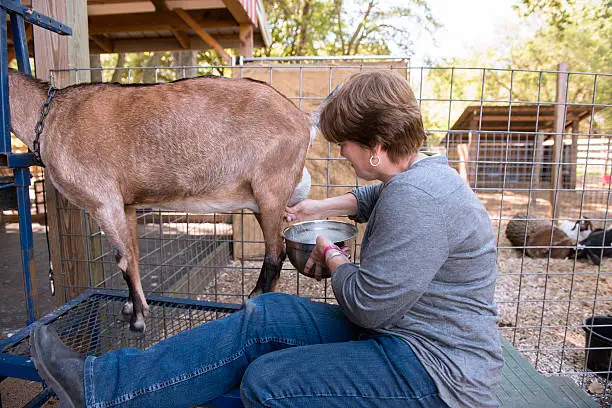
The goat farming industry is booming, driven by increasing consumer demand for nutritious and sustainable products. Goat milk, known for its digestibility and health benefits, is gaining popularity in dairy alternatives. Similarly, goat meat (chevon) is celebrated for its lean protein and low environmental impact. Beyond food, goat by-products like mohair and cashmere are prized in the fashion industry, while goat milk is a key ingredient in skincare products.
Key Market Trends:
- Health-Conscious Consumers: Goat milk and meat are preferred for their nutritional value.
- Sustainability: Goats have a smaller carbon footprint compared to other livestock.
- Niche Markets: Opportunities in organic, halal, and kosher products are expanding.
Is Goat Farming Profitable in the U.S.?
Goat farming can be profitable in the U.S. when the farm has controlled feed costs, healthy breeding animals, strong kid survival, and reliable buyers for meat, milk, breeding stock, fiber, or manure. Profit does not come from owning goats alone; it comes from matching the herd size, production system, and sales channel to local market demand.
The most practical way to estimate goat farm profit is to compare expected income from kids, milk, meat, breeding animals, or by-products against feed, fencing, shelter, labor, veterinary care, replacement animals, transportation, and marketing costs. A goat farm is usually more sustainable when the owner tracks both variable costs and fixed costs instead of relying on rough price guesses.
For beginners, goat farming is more likely to become profitable when the farm starts small, keeps accurate records, sells into a clear market, and expands only after the first production cycle proves that the numbers work. Local auction prices, direct customer demand, breed choice, and feed availability can make profitability very different from one U.S. region to another.
How to Create a Goat Farming Business Plan Step by Step
A well-structured goat farming business plan is essential for success. It should include:
- Business Model and Strategy
Diversification is key to maximizing profits. Consider producing goat cheese, yogurt, or even venturing into agritourism. Offering farm tours, cheese-making workshops, or petting zoos can attract additional revenue streams. - Financial Projections and Funding
Initial costs include land, goats, infrastructure, and feed. Recurring expenses like veterinary care and marketing should also be factored in. Explore funding options such as agricultural grants, loans, or crowdfunding. - Risk Management and Compliance
Adhere to local and federal regulations, including food safety and environmental standards. Invest in insurance to protect against unforeseen events. - Marketing and Sales Strategies
Build a strong online presence through social media and e-commerce platforms. Highlight your farm’s story and commitment to sustainability to attract eco-conscious consumers.
Goat Farming Business Model Canvas
A goat farming business model canvas is a simple one-page view of how the goat farm will create value, reach buyers, earn revenue, and control costs. It is useful before writing the full business plan because it forces the farmer to connect the herd, market, expenses, and profit strategy in one clear structure.
The main customer segments may include ethnic meat buyers, local families, restaurants, dairy processors, cheese makers, breeding-stock customers, fiber buyers, gardeners who want manure, or visitors interested in agritourism. The value proposition should explain why buyers would choose this farm, such as healthy meat goats, local milk, strong breeding animals, pasture-raised production, or reliable seasonal supply.
The key activities usually include breeding, kidding, feeding, health care, recordkeeping, fencing maintenance, marketing, and sales. The cost structure should include goats, land access, fencing, shelters, feed, minerals, veterinary care, labor, transport, licenses, insurance, and marketing. The revenue streams may include live kid sales, processed meat, dairy products, breeding animals, fiber, manure, workshops, or farm visits.
Goat Farming Project Proposal: What to Include
A goat farming project proposal should explain the farm goal, target market, herd size, production system, startup budget, expected revenue, risk plan, and timeline. It is usually more formal than a basic business plan because it may be used for lenders, partners, grants, investors, or local development programs.
The proposal should start with an executive summary that states whether the project will focus on meat goats, dairy goats, breeding animals, fiber, or a mixed system. It should then describe the location, available land or housing, feed plan, animal health plan, marketing channels, staffing needs, and expected production cycle.
The financial section should show startup costs, monthly operating costs, expected sales, cash-flow timing, and break-even assumptions. A strong project proposal should also explain risks such as disease, feed price changes, weak kid survival, lack of buyers, poor fencing, or seasonal market swings, then show how the farm will reduce those risks.
How Much Does It Cost to Start a Goat Farm?
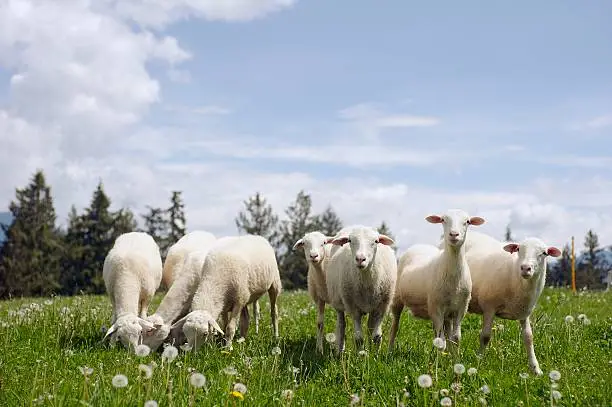
Starting a goat farming business requires careful financial planning. Here’s a breakdown of the costs:
- Land: $3,000+ per acre, depending on location.
- Goats: 60–60–500 per goat, depending on breed and quality.
- Infrastructure: Barns, fencing, and milking equipment.
- Feed and Healthcare: Ongoing expenses for hay, grain, and veterinary care.
- Marketing: Building a brand and reaching your target audience.
While the initial investment may seem high, the potential for profit is significant. Goats reproduce quickly, and their products command premium prices in niche markets.
How Many Goats Do You Need to Start a Profitable Goat Farm?
The minimum number of goats needed to start a profitable goat farm depends on the production goal, land, feed supply, labor, and sales market. A beginner may start with 5 to 10 does to learn breeding, kidding, feeding, and health management, while a more serious small commercial plan often uses 25 to 50 does to create enough kid sales or milk production to evaluate profit.
A 50-doe goat farm can be a practical planning size, but it should not be chosen only because it sounds commercial. The business plan must calculate fencing, shelter, breeding bucks, replacement does, feed, minerals, labor, veterinary care, mortality risk, and expected kid crop before deciding whether 50 does are affordable.
For zero-grazing or limited-grazing systems, the number of goats should be lower unless the farm has a dependable feed budget and daily labor plan. Zero grazing can help control land use and protect animals from some pasture risks, but it often increases the need for purchased forage, cleaning, housing management, and careful nutrition.
How Do Goat Farms Make Money?
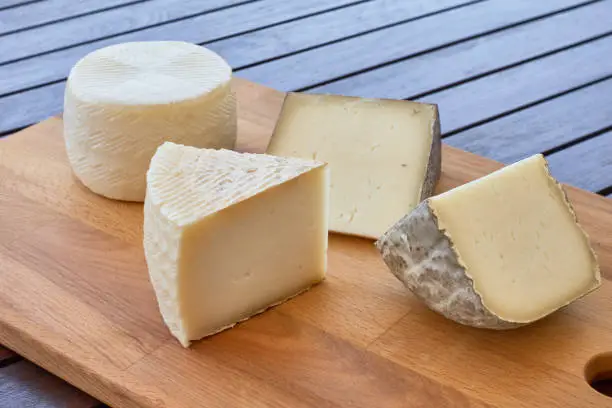
Goat farming offers multiple revenue streams beyond milk and meat:
- Dairy Products ( Dairy Goat ): Cheese, yogurt, and butter.
- Meat Products ( Meat Goat ): Fresh, frozen, or processed chevon.
- Fiber: Mohair and cashmere for the textile industry.
- Agritourism: Farm tours, workshops, and events.
- By-Products: Goat manure as organic fertilizer.
By diversifying your offerings, you can maximize profits and reduce dependency on a single product.
Goat Farming Risks: Strengths, Weaknesses, Opportunities, and Threats (SWOT Analysis)
Strengths:
- Low startup costs compared to other livestock.
- High demand for goat products.
- Multiple revenue streams.
Weaknesses:
- Requires knowledge of goat care and breeding.
- Labor-intensive and time-consuming.
Opportunities:
- Growing interest in organic and sustainable products.
- Expansion into niche markets like halal and kosher.
Threats:
- Disease outbreaks and climate challenges.
- Fluctuating market prices.
Goat Farming Trends: Online Sales, Records, and Herd Technology
Modern goat farming is becoming more data-driven and market-focused. Small farms can improve decisions by keeping records for breeding dates, kidding rates, feed costs, medicine, mortality, weight gain, milk yield, and sales prices. These records make the business plan more accurate and help the farmer identify which animals and markets are actually profitable.
Online sales and direct marketing are also important trends for goat farms in the U.S. Farmers may use websites, social media, email lists, local directories, and farm pickup systems to reach buyers for meat goats, dairy products, breeding stock, manure, or farm experiences. Technology should support the business model, not replace the basics of good nutrition, fencing, health care, and buyer relationships.
The goat farming industry is evolving with technology and consumer trends:
- Social Media Marketing: Share your farm’s story and connect with customers.
- E-Commerce: Sell products online to reach a wider audience.
- Sustainable Practices: Implement eco-friendly farming methods to attract conscious consumers.
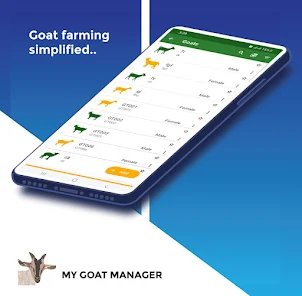
- Agri-Tech: Use IoT and AI for herd management and traceability.
Goat Farming Business Plan FAQs
What should a goat farming business plan include?
A goat farming business plan should include the farm goal, target market, herd size, startup costs, operating costs, feeding plan, housing and fencing needs, health care plan, marketing strategy, revenue streams, risk plan, and profit projections.
Is goat farming profitable for beginners?
Goat farming can be profitable for beginners when they start with a manageable herd, control feed and health costs, keep accurate records, and sell into a reliable local market. It becomes risky when beginners buy too many goats before proving demand and cash flow.
What is the best goat breed for a goat farming business?
The best goat breed depends on the business goal. Boer goats are commonly chosen for meat production, dairy breeds are used for milk, Angora goats are raised for mohair, and mixed or local breeds may work well when the goal is low-cost adaptation to a specific region.
How many goats should a beginner start with?
A beginner can start with 5 to 10 does to learn management before scaling up. A more commercial small-farm plan may use 25 to 50 does, but only when the farmer has enough feed, housing, labor, health planning, and buyer demand.
Conclusion
A successful goat farming business plan combines market analysis, strategic planning, and innovative practices. By understanding the costs, diversifying revenue streams, and leveraging technology, you can build a profitable and sustainable goat farming enterprise. Whether you’re a seasoned farmer or a beginner, the goat farming industry offers endless opportunities for growth and success.