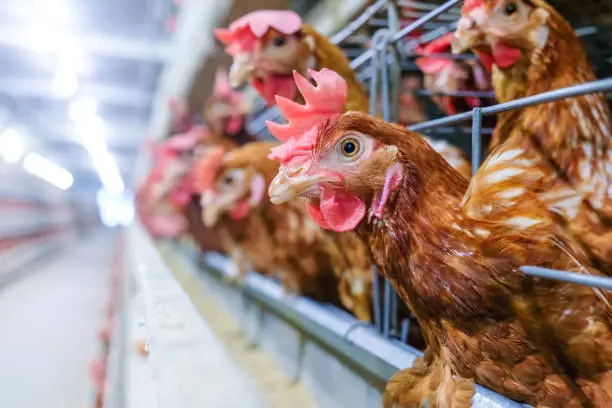
Quick answer: A layer chicken is an egg-producing hen kept for regular egg laying. The best layer chickens are usually chosen for egg output, temperament, climate fit, and ease of care, but steady egg production also depends on a balanced layer feed, calcium, clean water, safe housing, enough light, and low daily stress.
Layer chicken is a practical term for hens kept mainly for egg production. Choosing the right breed matters, but steady eggs depend just as much on feed quality, calcium, clean water, housing, lighting, sanitation, and daily flock care.
This guide explains what a layer chicken is, how it differs from a general backyard chicken, which breeds are commonly used for eggs, what to feed laying hens, and how housing, health, and egg handling affect production. It is written for beginners and small-flock owners who want clear, practical steps for raising productive egg-laying chickens.
What Is a Layer Chicken?
A layer chicken is a hen raised mainly to produce eggs instead of meat. In everyday poultry language, people may also use the terms layer hen, laying hen, or egg-laying chicken to describe the same type of bird.
A layer chicken is not only defined by breed. Egg production also depends on age, nutrition, calcium, water, lighting, housing, sanitation, and flock health. For beginners, the goal is to choose a suitable egg-laying breed and then manage the bird in a way that supports steady, safe, and healthy egg production.
Characteristics of a Good Layer Chicken
A good layer chicken is active, alert, healthy, and suited to the owner’s climate, space, and management style. Strong layers usually have steady feed intake, access to clean water, enough calcium for eggshell formation, and a calm environment that reduces stress.
For a U.S. backyard flock, the best layer chicken is usually a practical breed or hybrid that combines egg production, temperament, hardiness, and easy daily care. A bird that lays many eggs but does poorly in the local climate or becomes stressed in a small coop may not be the best choice for a beginner.
Best Layer Chicken Breeds for Eggs and Backyard Flocks
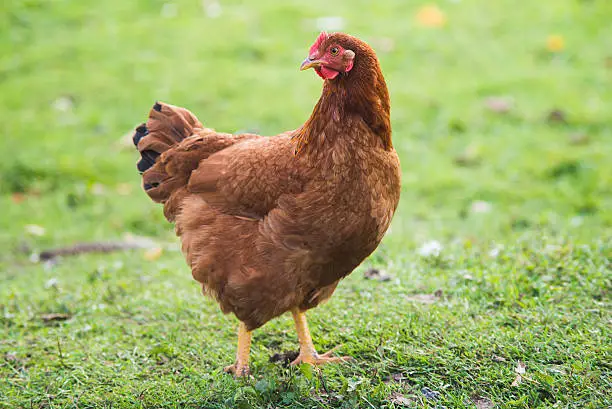
Selecting the perfect layer chickens is like assembling a dream team—each breed brings unique strengths to the table. When choosing a breed, consider factors like climate compatibility, egg production, temperament, and space requirements.
Climate Compatibility
Not all chickens thrive in the same weather conditions. Breeds like the Rhode Island Red and Plymouth Rock are hardy and can withstand colder climates, while Leghorns are better suited for warmer regions.
Egg Production
If your goal is a steady supply of eggs, prioritize breeds known for high productivity. White Leghorns, for instance, are egg-laying powerhouses, producing 280-320 white eggs annually. Red Stars are equally prolific, offering a similar number of brown eggs.
Egg Quality and Variety
Eggshell color and size vary by breed. While Leghorns lay classic white eggs, breeds like the Araucana produce blue or green eggs. Orpingtons, on the other hand, lay fewer but larger, robust eggs.
Temperament
Chickens have distinct personalities. Breeds like the Buff Orpington are docile and family-friendly, while Leghorns are more independent. Choose a breed that matches your interaction preferences.
Space Requirements
Active breeds like Leghorns need ample space to roam, while quieter breeds like Orpingtons can thrive in smaller coops. Ensure your setup aligns with your chosen breed’s needs.
Health and Longevity
Some breeds, like Sussex chickens, are known for their resilience and long lifespans. Prioritize breeds with strong immune systems to minimize health issues.
By considering these factors, you’ll create a harmonious flock that delivers both joy and a bountiful egg supply.
5 Good Examples of Layer Chickens
Five good examples of layer chickens are White Leghorn, Rhode Island Red, Plymouth Rock, Orpington, and sex-linked hybrids such as Red Star or ISA Brown. White Leghorns are known for efficient white-egg production, while Rhode Island Reds and Plymouth Rocks are popular choices for brown eggs and small backyard flocks.
Beginners should not choose a layer chicken by egg numbers alone. Climate, temperament, egg color preference, coop space, feed availability, and daily care all affect whether a breed will perform well in a specific flock.
When Do Layer Chickens Start Laying Eggs?
Most layer chickens start laying eggs at about six months of age, although the exact timing depends on breed, body condition, season, daylight, feed, and overall health. Egg production is usually strongest early in the hen’s laying life, so good management before the first egg is important.
If a mature layer chicken is not laying, common causes include short daylight, poor nutrition, stress, disease, molting, or age. Checking light exposure, feed quality, calcium access, clean water, coop safety, and signs of illness can help identify why egg production is low.
Layer Hen vs Layer Chicken: Is There a Difference?
A layer hen is an adult female chicken that lays eggs, while layer chicken is a broader everyday term people use for chickens raised mainly for egg production. In most beginner poultry guides, both terms point to the same practical idea: a bird managed for egg laying rather than meat production.
The term layer hen is more precise when discussing adult egg-laying females. The term layer chicken is useful for general searches because it may include breed choice, feed, housing, health, and flock management for egg production.
Layer Chicken Feed and Nutrition for Better Egg Production
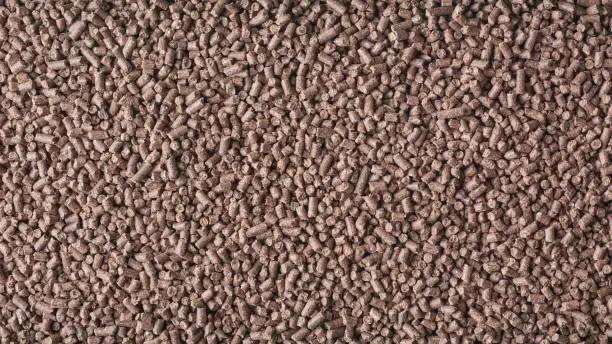
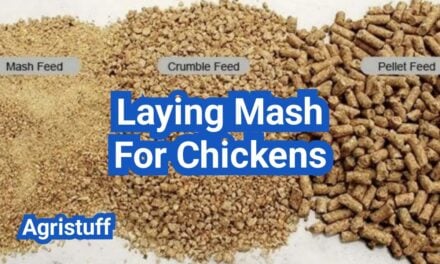
A balanced diet is the backbone of a healthy, productive flock. Layers chickens require a mix of proteins, carbohydrates, fats, vitamins, and minerals to lay high-quality eggs consistently.
Layer Feed
The foundation of a layer’s diet is high-quality layer feed, which typically contains 16-18% protein. Protein is essential for egg production, and a deficiency can lead to fewer or smaller eggs.
Carbohydrates and Fats
Grains like corn and wheat provide energy, while fats aid in vitamin absorption. However, overfeeding energy-rich foods can lead to obesity, which negatively impacts egg production.
Vitamins and Minerals
Calcium and phosphorus are critical for strong eggshells. Offer a calcium supplement, such as crushed oyster shells, to ensure your hens have enough for egg formation. Vitamin D, which helps with calcium absorption, is equally important.
Water
Fresh, clean water is vital. A hen’s body is 75% water, and eggs are 74% water. Dehydration can quickly reduce egg production.
Treats and Supplements
While treats like mealworms and vegetables can add variety, they should make up no more than 10% of the diet to maintain nutritional balance.
By providing a consistent, balanced diet, you’ll ensure your flock remains healthy and productive.
Layer Chicken Housing: Coop, Space, Light, and Safety
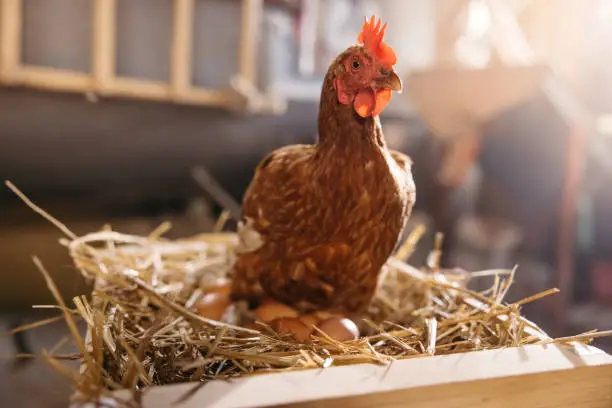
Creating a safe, comfortable habitat is essential for your flock’s well-being and productivity.
Coop Design
A well-ventilated coop protects chickens from predators and harsh weather while ensuring proper airflow. Include roosting bars and nesting boxes to make the space functional and comfortable.
Outdoor Space
Chickens need room to forage, scratch, and dust bathe. A spacious run with areas of sun and shade, along with safe plants, encourages natural behaviors.
Hygiene
Regularly clean the coop and replace bedding to prevent disease. Implement a deep litter method for insulation, but monitor its condition to avoid contamination.
Predator Protection
Secure the coop with sturdy materials and inspect it regularly for weaknesses. Predators like raccoons and foxes can easily exploit small gaps.
Social Dynamics
Chickens are social creatures. Introduce new birds gradually to avoid disrupting the pecking order and causing stress.
A well-designed habitat promotes both physical health and mental well-being, ensuring a happy, productive flock.
Layer Chicken Health: Common Problems and Prevention
Preventing and addressing health issues is key to maintaining a productive flock.
Common Health Problems
- Parasites: Mites and lice can cause discomfort and reduce egg production. Treat infestations with natural remedies like diatomaceous earth or poultry-friendly pesticides.
- Worms: Regular deworming and clean coops help prevent infestations.
- Respiratory Issues: Ensure proper ventilation to avoid respiratory diseases.
- Egg-Binding: Provide a calcium-rich diet and monitor hens for signs of distress.
Preventive Measures
- Maintain a clean coop and run.
- Provide a balanced diet and fresh water.
- Monitor your flock for signs of illness and address issues promptly.
By staying vigilant, you’ll keep your flock healthy and productive.
Egg Collection and Handling for Backyard Layer Chickens
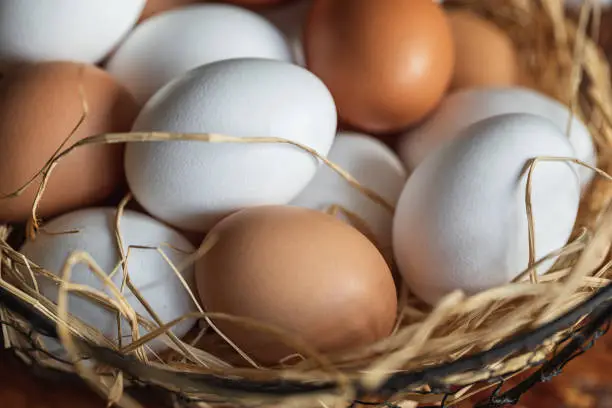
Proper egg collection and storage ensure the highest quality eggs.
Collection Tips
- Collect eggs at least twice daily to prevent breakage or egg-eating.
- Handle eggs gently to avoid cracks.
Cleaning and Storage
- Avoid washing eggs unless necessary, as this removes the protective bloom.
- Store eggs in a cool, consistent environment with 70-80% humidity.
- Place eggs pointy-end down to keep the yolk centered and extend freshness.
By following these practices, you’ll enjoy fresh, high-quality eggs from your flock.
Final Thoughts on Raising Layer Chickens
Raising layer chickens successfully depends on choosing suitable egg-laying breeds and supporting them with the right feed, calcium, clean water, safe housing, enough light, and consistent daily care. For beginners, the best results come from starting with healthy birds, keeping the setup simple, and watching the flock closely for changes in laying, appetite, behavior, or health.
Layer Chicken FAQs
What is a layer hen?
A layer hen is an adult female chicken kept mainly for egg production. People also use the terms laying hen, egg-laying chicken, and layer chicken when talking about hens raised to produce eggs.
What is the scientific name of layer chickens?
The scientific name of domestic layer chickens is Gallus gallus domesticus. Layer chickens are not a separate species; they are domestic chickens selected or managed for egg production.
Are layer chickens the same as broilers?
Layer chickens are raised mainly for eggs, while broilers are raised mainly for meat. Layers are managed for long-term egg production, while broilers are usually selected for fast growth and meat yield.
What makes a good layer chicken?
A good layer chicken combines suitable breed genetics with good health, steady feed intake, enough calcium, clean water, proper housing, enough light, and low stress. Breed matters, but management strongly affects egg production.
Sources & References
- University of Minnesota Extension — Raising Chickens for Eggs
- Penn State Extension — Management Requirements for Laying Flocks
- University of Florida IFAS Extension — Raising Backyard Chickens for Eggs
- Virginia Tech Extension — Why Have My Hens Stopped Laying?
- MSD Veterinary Manual — Management of Laying Chickens
- Merck Veterinary Manual — Management of Backyard Poultry
- FDA — Egg Safety Final Rule
- USDA FSIS — Shell Eggs from Farm to Table
- NatureServe Explorer — Gallus gallus domesticus