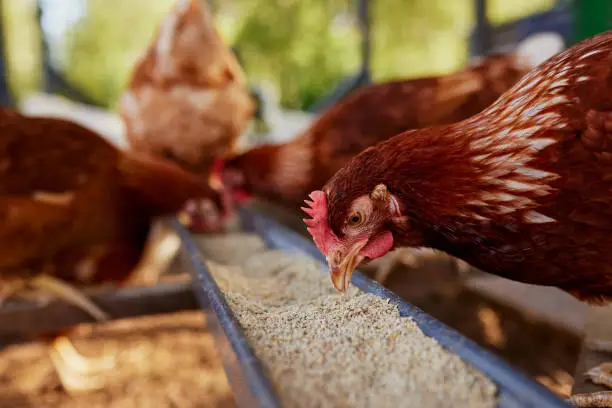
Poultry farming is the agricultural practice of raising domesticated birds such as chickens, turkeys, ducks, geese, and other fowl for eggs, meat, breeding, or other farm products. It includes backyard flocks, commercial broiler farms, layer farms, turkey farms, duck farming, and managed poultry systems that depend on proper housing, feeding, health care, biosecurity, and production planning.
Quick Answer: How Does Poultry Farming Work in the U.S.?
U.S. poultry farming typically follows a specialized chain: breeder flocks supply fertile eggs, hatcheries produce chicks or poults, growers raise meat birds or laying hens, and processors or egg handlers prepare the final products for market.
According to USDA, the combined 2025 value of U.S. broiler, egg, and turkey production plus sales of other chickens was $81.7 billion.
This guide gives students, new growers, and curious readers a clear comparison of poultry farm types, production terms, breeds, bird groups, biosecurity priorities, and future trends.
Key Takeaways
- Poultry farming means raising domesticated birds for eggs, meat, breeding, or other farm products.
- A poultry farm may raise chickens, turkeys, ducks, geese, or other fowl depending on the production goal.
- Poultry production usually focuses on the output side of the industry, such as broiler meat, table eggs, hatching eggs, or turkey production.
- Poultry keeping is often used for smaller flocks, backyard birds, or household-level bird management.
- Chicken farming is one type of poultry farming, but poultry farming is the broader term.
- The main types of poultry farming include backyard, free-range, organic, intensive, commercial broiler, layer, and turkey production systems.
What is Poultry Farming?
Poultry farming refers to the raising of domesticated birds such as chickens, turkeys, ducks, and geese for meat, eggs, or feathers. It’s a key component of agriculture, supplying affordable protein to meet the dietary needs of a growing global population. Beyond its economic importance, poultry farming plays a crucial role in food security, sustainability, and rural livelihoods.
What Is a Poultry Farm?
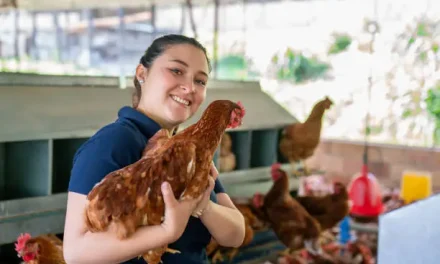
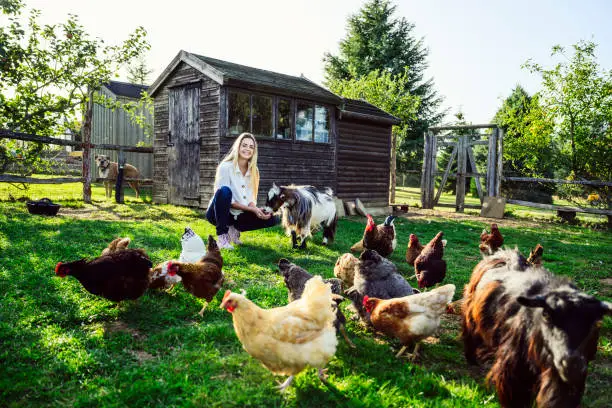
A poultry farm is a place where domesticated birds are raised under managed conditions for a specific purpose, such as egg production, meat production, breeding, or small-scale household food supply. A poultry farm may be a backyard setup with a few hens, a small family farm with mixed birds, or a large commercial operation with thousands of broilers, layers, turkeys, or ducks.
The main difference between a poultry farm and general bird keeping is the production goal. Poultry farms are usually planned around housing, feed, water, lighting, health control, waste management, and marketing. This is why poultry farming is considered both an agricultural activity and a business system, not just the simple act of keeping birds.
Poultry Farming vs Poultry Production vs Poultry Keeping
Poultry farming, poultry production, and poultry keeping are closely related terms, but they are not always used in exactly the same way. Poultry farming is the broad term for raising domesticated birds as part of agriculture. Poultry production usually refers to the organized output of eggs, meat, chicks, hatching eggs, or breeding stock.
Poultry keeping is often used for smaller or more traditional flocks, especially when people keep chickens, ducks, or other birds at home or on a small farm. Chicken farming is more specific because it focuses only on chickens, while poultry farming may include chickens, turkeys, ducks, geese, quail, and other domesticated birds.
The Importance of Poultry Farming
Poultry farming is more than just a source of food—it’s a lifeline for millions of families and communities. It provides employment opportunities, supports local economies, and contributes to global food security. Additionally, poultry products like eggs and meat are rich in essential nutrients, making them a staple in diets worldwide.
However, the industry also faces challenges, including environmental concerns like manure management and deforestation. Balancing productivity with sustainability is a pressing issue, driving innovation and research in the field.
Why Poultry Farming Matters in the U.S. Food System
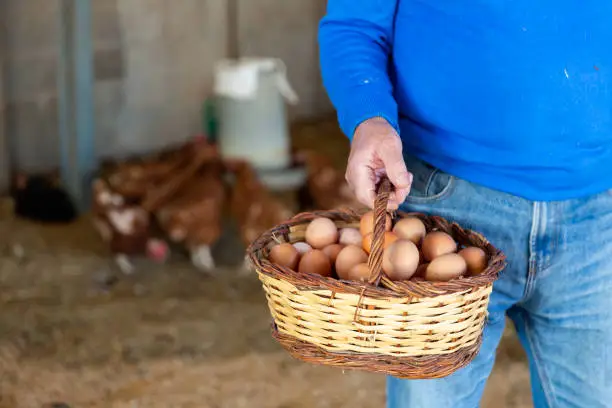
Poultry farming plays a major role in the U.S. food system because poultry products are widely consumed, affordable compared with many other animal proteins, and important for both domestic and export markets. Chickens, turkeys, and eggs support food companies, grocery stores, restaurants, feed suppliers, hatcheries, processors, transport businesses, and rural communities.
One reason poultry farming has become so important is production efficiency. Modern poultry genetics, improved feed, controlled housing, and better flock management allow birds to convert feed into meat and eggs more efficiently than many larger livestock species. This makes poultry production an important part of food security, farm income, and agricultural supply chains.
Types of Poultry Farming and Production Systems
The main types of poultry farming are usually grouped by scale, bird type, housing style, and production goal. Some systems focus on meat birds, such as broiler production, while others focus on egg-laying hens, turkey production, duck farming, or mixed small-scale flocks. The right system depends on land, budget, climate, market demand, labor, feed access, and the level of management the farmer can provide.
In the United States, commercial poultry farming is highly organized and often connected to larger supply chains, while backyard and small-scale systems are more common among families, homesteaders, and local producers. This difference is important because a commercial broiler farm is managed very differently from a backyard flock, even though both are part of poultry farming.
Poultry farming methods vary widely, each with its own advantages and challenges. Here’s a breakdown of the most common approaches:
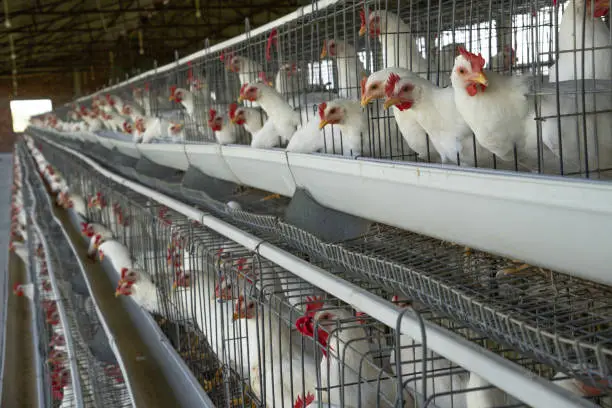
- Conventional Farming: This method involves raising birds in controlled environments with automated feeding and climate systems. While it maximizes efficiency and output, it often raises concerns about animal welfare and environmental impact.
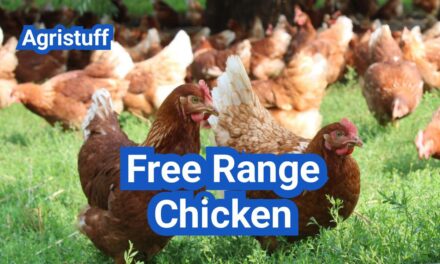
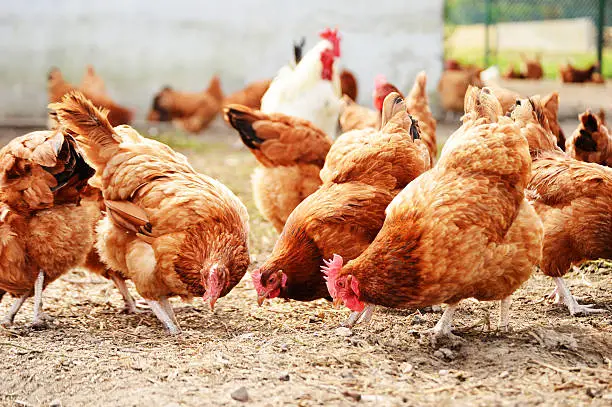
- Free-Range Farming: Birds are allowed to roam freely, promoting natural behaviors and better welfare. However, this method requires more space and can be less productive.
- Organic Farming: This approach emphasizes natural feed, no antibiotics, and humane treatment. It’s gaining popularity among health-conscious consumers but comes with higher production costs.
- Backyard Farming: Small-scale poultry farming is ideal for households seeking self-sufficiency. It’s cost-effective and sustainable but may face challenges like disease management.
Popular Poultry Breeds and Their Traits
Choosing the right breed is critical for successful poultry farming. Different breeds offer unique characteristics that influence productivity, adaptability, and maintenance requirements. Here are some popular options:
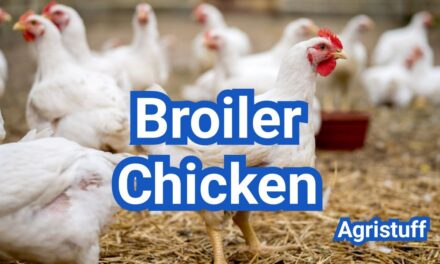
- Cornish Cross: Known for rapid growth, this breed is ideal for meat production but requires careful health management.
- Rhode Island Red: A hardy breed with excellent egg-laying capabilities, perfect for free-range systems.
- White Leghorn: Renowned for high egg production, this breed thrives in warmer climates.
- Pekin Duck: A versatile breed valued for both meat and egg production, though it needs access to water.
Understanding these traits helps farmers make informed decisions, ensuring optimal productivity and sustainability.
Which Birds Are Included in Poultry Farming?
Poultry farming is not limited to chickens. Chickens are the most common poultry birds in many countries, but poultry can also include turkeys, ducks, geese, quail, guinea fowl, and other domesticated birds raised for food or farm use. Each bird type has different housing needs, feeding behavior, growth rate, egg production pattern, and market purpose.
For example, broiler chickens are mainly raised for meat, layers are raised for eggs, turkeys are often raised for meat, ducks may be raised for meat or eggs, and geese may be kept for meat, grazing control, or specialty markets. This broader explanation helps readers understand why poultry farming is a larger agricultural category than chicken farming alone.
Key Facts About Poultry Farming
Poultry farming is a dynamic field shaped by advancements in science, technology, and consumer demands. Here are some impactful facts:
- Vertical Integration: Many large-scale operations control every stage of production, from breeding to processing, ensuring quality and efficiency.
- Environmental Impact: Poultry farming contributes to issues like antibiotic resistance and deforestation, prompting a push for greener practices.
- Economic Contribution: The industry generates billions in revenue annually, supporting millions of jobs worldwide.
- Health Benefits: Poultry products are rich in protein, vitamins, and minerals, making them a nutritious choice for consumers.
Biosecurity and Health Management in Poultry Farming
Biosecurity is one of the most important parts of poultry farming because disease can spread quickly between birds, farms, equipment, visitors, wild birds, and contaminated materials. A strong poultry farm needs clean housing, controlled access, safe feed storage, clean water, regular observation, and simple rules for people entering or leaving bird areas.
Good health management also includes watching for signs of illness, reducing stress, preventing overcrowding, keeping bedding dry, and separating new or sick birds when needed. Whether the farm is small or commercial, poultry farming becomes more successful when disease prevention is treated as a daily routine rather than an emergency reaction.
The Future of Poultry Farming
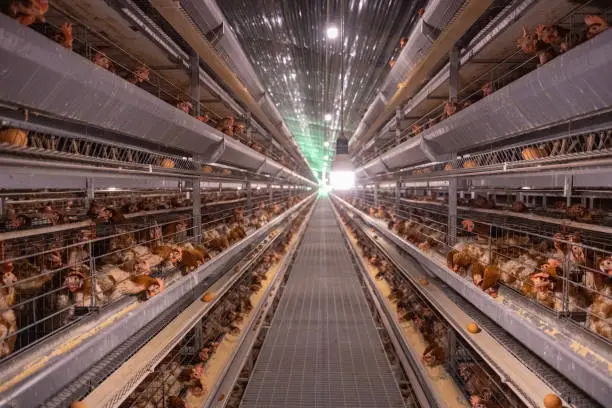
As the world grapples with population growth and climate change, poultry farming must evolve to meet these challenges. Innovations like precision farming, alternative feeds, and sustainable practices are paving the way for a more resilient industry. By embracing these advancements, we can ensure that poultry farming continues to thrive while minimizing its environmental footprint.