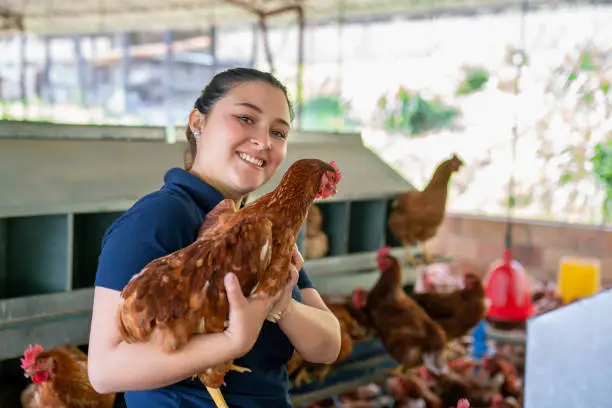
Poultry farming is the practice of raising birds such as chickens, ducks, turkeys, or geese for eggs, meat, or breeding. For beginners, poultry farming usually starts with a small flock, secure housing, balanced feed, clean water, and a simple plan for health and biosecurity.
If you are new to poultry farming, the smartest way to begin is not by buying as many birds as possible, but by choosing the right flock, preparing secure housing, and understanding feed, water, and daily care before the birds arrive. Poultry farming can start in a backyard, on a homestead, or as a small business, but beginners do best when they start with a clear goal: eggs, meat, or both.
Before you build a coop or buy chicks, it helps to understand the basics that make poultry farming work: breed selection, housing, ventilation, predator protection, balanced feed, clean water, and disease prevention. This guide explains those essentials in a simple way so beginners can avoid costly mistakes and build a healthier flock from day one.
What Is Poultry Farming?
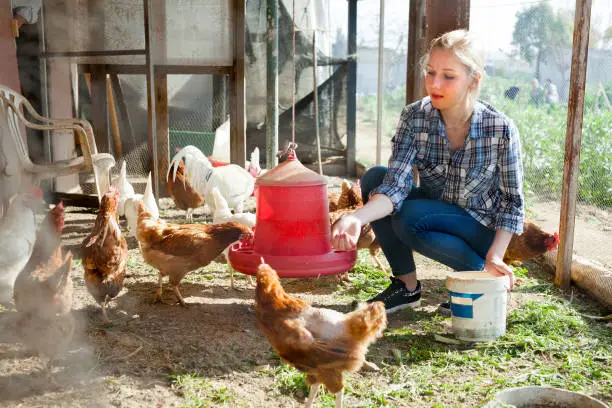
Poultry farming means raising domesticated birds such as chickens, ducks, turkeys, or geese for eggs, meat, breeding stock, or a mix of these goals. For most beginners, poultry farming starts with a small flock, a simple coop, reliable feed and water, and a daily routine focused on cleanliness, ventilation, and disease prevention.
Poultry farming can be done in a backyard, on a homestead, or as a small business, but success depends on starting with the right purpose. If your goal is eggs, you will need a different setup than someone focused on meat production. That is why beginners should decide early whether they want layers, broilers, or a dual-purpose flock before buying chicks.
Understanding the Basics of Poultry Farming
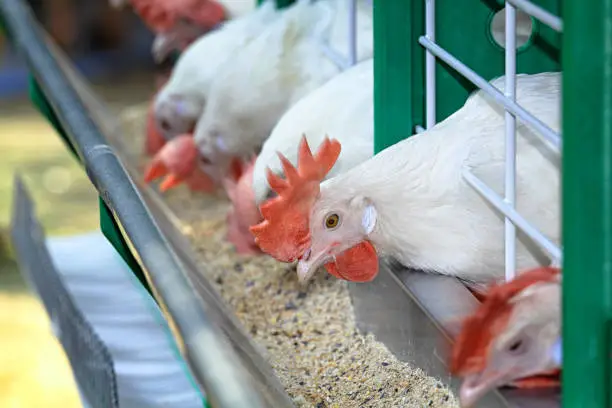
Poultry farming is a cornerstone of global agriculture, driven by the rising demand for protein-rich foods like eggs and meat. Over the past 50 years, the industry has expanded significantly, making it a lucrative opportunity for both small-scale and commercial farmers. To succeed, you’ll need to master the following fundamentals:
- Effective Business Planning
A solid business plan is the foundation of any successful poultry farm. Start by outlining your budget, identifying your target market, and crafting a marketing strategy. Research your competition and explore niche markets, such as organic or free-range poultry, to differentiate your farm. - Choosing the Right Breeds
Your choice of poultry breed depends on your goals. For egg production, consider breeds like White Leghorns, known for their high egg-laying capacity. If you’re focusing on meat, broiler chickens are an excellent choice. Selecting the right breed ensures optimal productivity and profitability. - Proper Housing and Ventilation
A well-designed poultry house is essential for the health and growth of your birds. Ensure the coop has adequate space, proper lighting, ventilation, and temperature control. A comfortable environment leads to healthier birds and better yields. - Disease Management
Poultry diseases can devastate your flock if not managed properly. Implement a vaccination schedule, maintain strict hygiene, and provide clean water and balanced nutrition to keep your birds healthy. - Feeding and Nutrition
A nutritious diet is critical for the growth and productivity of your poultry. Invest in high-quality feed that meets the nutritional needs of your birds, including essential vitamins and minerals. - Waste Management
Poultry farms generate significant waste, but with proper management, this can be turned into an opportunity. Consider composting poultry waste to create organic fertilizer, which can be sold or used on your farm. - Leveraging Technology
Modern technologies like AI, IoT, and computer vision can revolutionize your poultry farm. These tools help monitor bird health, optimize feeding, and reduce mortality rates, boosting overall efficiency. - Ethical and Sustainable Practices
Consumers are increasingly demanding ethically raised poultry. Adopt sustainable farming practices, such as free-range systems, to meet market demands and ensure the welfare of your birds. - Compliance with Regulations
Ensure your farm adheres to all local and national regulations. This includes obtaining necessary permits, following animal welfare standards, and meeting environmental guidelines.
Which Poultry Breeds Are Best for Beginners in the U.S.?
For beginners in the U.S., the best poultry breed depends on your goal. Some birds are better for meat, some are better for eggs, and some are a practical dual-purpose option for small flocks and homesteads.
Best Meat Breeds for Beginners
- Modern Broilers — A fast-growing meat option that reaches processing size much quicker than most traditional breeds, making it practical for beginners focused on meat production.
- Freedom Rangers — A slower-growing meat bird than modern broilers, but still a strong choice for beginners who want good growth with slightly better foraging ability.
- Jersey Giant — A larger meat breed with calmer behavior, often chosen by beginners who prefer a heavier traditional bird instead of a commercial broiler type.
Best Egg-Laying Breeds for Beginners
- White Leghorn — One of the best layer hens for efficient egg production, especially for beginners who want strong output from a lighter bird.
- Sex-Link — A productive brown-egg layer with a calmer disposition, which makes it a practical option for many small flocks.
- Australorp — A well-known layer that combines excellent egg production with a calmer temperament than more active egg breeds.
Best Dual-Purpose Breeds for Beginners
- Rhode Island Red — A hardy dual-purpose breed that lays brown eggs and does well in small flocks, which is why it is a popular beginner choice.
- Wyandotte — A dual-purpose breed known for good disposition and strong suitability for small flocks and rugged conditions.
- Orpington — A larger dual-purpose breed that lays brown eggs and is often appreciated by beginners who want a heavier bird for backyard or homestead use.
Broilers vs Layers: Which Is Better for Beginners?
If you are starting poultry farming for eggs, layer breeds are the better fit because they are selected for steady egg production and need nest boxes, roosts, and long-term flock care. If your goal is meat, broilers usually grow faster and follow a shorter production cycle, which changes your feed plan, housing timeline, and daily management.
For many first-time poultry keepers, the best choice depends on budget, available space, local demand, and how much time they can spend on daily care. The important thing is not to buy birds first and figure it out later. Decide whether you want eggs, meat, or both, then build the setup around that goal.
What Do You Need to Start Poultry Farming?
Before you buy birds, make sure you have the essentials ready: a secure coop, feeders and drinkers, proper bedding, starter feed, access to clean water, a heat source for young chicks, and a plan for predator protection. Beginners also need enough space, good ventilation, and a simple cleaning routine, because poor housing causes many early flock problems.
It is usually better to begin with a manageable flock than to overstock your first setup. A smaller start makes it easier to monitor feed use, notice health problems early, and build a daily routine that you can actually maintain. Once your housing, feeding, and health system are working well, expansion becomes much easier.
Quick Checklist Before You Start Poultry Farming
If you are starting a backyard or small-farm flock in the U.S., use this checklist before you bring birds home:
- Decide whether your goal is eggs or meat.
- Choose birds that fit that goal.
- Set up a brooder if you are starting with chicks.
- Prepare a dry, predator-safe coop with good ventilation.
- Make sure you have feeders, waterers, bedding, and feed ready.
- Add roosts and nest boxes if you are raising layers.
- Plan for daily feed, water, cleaning, and basic flock health checks.
Setting Up Your Poultry Farm: Key Strategies
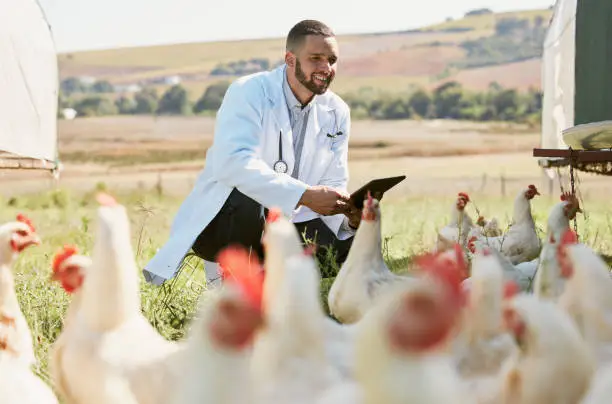
Building a successful poultry farm requires more than just agricultural knowledge. It demands a blend of business acumen, strategic planning, and adaptability. Here are some essential strategies to help you get started:
- Marketing and Branding
Create a unique brand identity that resonates with your target audience. Highlight your farm’s unique selling points, such as organic or hormone-free products, to stand out in the market. - Cycle Optimization
Efficiently manage the poultry lifecycle, from brooding and growth to production and marketing. Timely execution of each phase ensures maximum productivity and profitability. - Adaptability
The poultry industry is dynamic, with challenges like fluctuating feed prices and disease outbreaks. Develop a flexible business model that can adapt to changing conditions. - Continuous Learning
Stay updated on the latest trends, research, and technologies in poultry farming. Attend industry conferences, join online forums, and network with other farmers to stay ahead of the curve. - Integration and Diversification
Integrate your poultry farm with other agricultural activities, such as crop farming, to optimize resources. Diversifying into related products, like organic fertilizers or processed poultry goods, can also create additional revenue streams. - Skilled Workforce
Invest in training your staff to handle birds humanely and manage farm operations efficiently. A well-trained team contributes to better bird welfare and higher productivity. - Stakeholder Engagement
Build strong relationships with customers, suppliers, and local communities. Transparent communication fosters trust and enhances your farm’s reputation.
Feed, Health, and Management: Ensuring Success
The health and productivity of your poultry depend on proper feed, disease management, and efficient farm operations. Here’s how to excel in these areas:
- Nutritional Needs
Provide a balanced diet tailored to the specific needs of your birds. High-quality feed promotes growth, egg production, and overall health. - Disease Prevention
Implement a robust vaccination program and maintain strict biosecurity measures. Regularly inspect your flock for signs of illness and address issues promptly. - Best Practices in Management
Master techniques for egg handling, bird handling, and vaccination. Proper management ensures the well-being of your birds and the success of your farm. - Continuous Improvement
Regularly evaluate your farm’s performance and seek ways to improve. Stay informed about new research, technologies, and market trends to remain competitive.
Common Poultry Farming Mistakes Beginners Should Avoid
One of the most common beginner mistakes in poultry farming is buying chicks before the housing is fully ready. Another is underestimating ventilation, predator protection, feed quality, and biosecurity. A flock may look healthy at first, then develop stress or disease problems quickly if the coop stays damp, crowded, or poorly cleaned.
A second major mistake is starting with too many birds. Beginners usually do better when they learn on a manageable scale, keep simple daily records, and fix small problems early. Good poultry farming is not just about buying birds; it is about consistent routines, close observation, and preventing avoidable losses before
What Does Poultry Farming Cost to Start?
Starting poultry farming in the U.S. usually means paying first for birds, housing, feeders, waterers, bedding, heat for chicks, and feed. For most beginners, feed becomes the biggest ongoing expense, especially when buying bagged feed for a small flock instead of bulk feed.
If you begin with baby chicks, remember that hens usually need about six months before they start laying eggs. That means poultry farming does not produce a quick return at the beginning, because you will still be paying for feed and daily care while the flock is growing.
Final Thought
Poultry farming for beginners works best when you start with a clear goal and prepare the setup before the flock arrives. Choosing the right birds, using safe housing, keeping clean water available, and staying consistent with feed and health checks will give you a much stronger start than trying to figure everything out after the birds are already home.
Common Poultry Farming FAQ for Beginners
What is poultry farming?
Poultry farming is the raising of domesticated birds such as chickens, ducks, turkeys, and geese for eggs, meat, or both. For beginners, poultry farming usually starts with choosing the right birds, preparing safe housing, and learning the basics of feed, water, and flock health before chicks ever arrive.
What should beginners decide before buying birds?
Before buying chicks or pullets, beginners should decide whether they want eggs, meat, or a dual-purpose flock. Extension guidance also recommends planning early, checking local ordinances, and thinking through breed selection, brooder setup, housing, nutrition, and health before making a purchase.
Do I need a coop before bringing birds home?
Yes. A good coop should be ready before your birds arrive. It needs to protect the flock from weather and predators, provide ventilation, and give birds enough room to live comfortably. If you are raising layers, the coop should also include roosts and nest boxes, with about one nest box for every four to five birds. University of Minnesota Extension also recommends at least 3 to 5 square feet of indoor space per bird.
What do chicks need in the first few weeks?
Young chicks need a clean brooder, constant access to clean water, starter feed, and a reliable heat source. NDSU Extension recommends keeping the brooder at about 95°F during the first week, then lowering the temperature by 5°F each week until the chicks are about one month old. Chicks are usually ready to move to the coop once they are fully feathered, which is around six weeks of age, and outside temperatures are mild enough.
How long does it take before hens start laying eggs?
If you start with baby chicks, hens usually do not begin laying eggs right away. Mississippi State Extension notes that it is roughly six months before hens are old enough to lay, and NDSU Extension says pullets typically begin laying at around 24 weeks. That means beginners should expect a waiting period before seeing egg production.
What is the biggest ongoing cost in poultry farming?
For most beginners, feed is the biggest ongoing expense. Mississippi State Extension specifically notes that feed is usually the greatest cost, and it can cost even more when small flock owners buy feed by the sack instead of in bulk.
How can beginners reduce disease risk in a backyard flock?
The best way to lower disease risk is to follow basic biosecurity. That means keeping housing clean, limiting unnecessary visitors, reducing contact between different age groups when possible, controlling rodents, and buying chicks or pullets from reputable sources with good health and sanitation programs. Extension guidance from Penn State and the University of Minnesota both stress that simple biosecurity steps can make a major difference in protecting small flocks from disease.
Is poultry farming good for a backyard or small homestead?
Yes, poultry farming can work well on a small scale, including in backyards and homesteads, as long as local rules allow it and the birds have proper housing, feed, water, and daily care. University of Minnesota Extension specifically notes that chickens can be raised on a small scale for either eggs or meat, which makes poultry farming a practical starting point for many U.S. beginners
Sources & References
- Poultry Beginnings: Raise Your Own Backyard Chickens
- Beginners Guide to Raising Chickens (AS2045 PDF)
- Choosing the Best Poultry Breed for Your Small Farm
- Raising Layer Chicks and Pullets
- Raising Chickens for Eggs
- Raising Chickens for Meat
- Small-Scale Poultry
- Raising Small Flock Poultry
- Defend the Flock
- How to Protect Your Flock from Avian Influenza