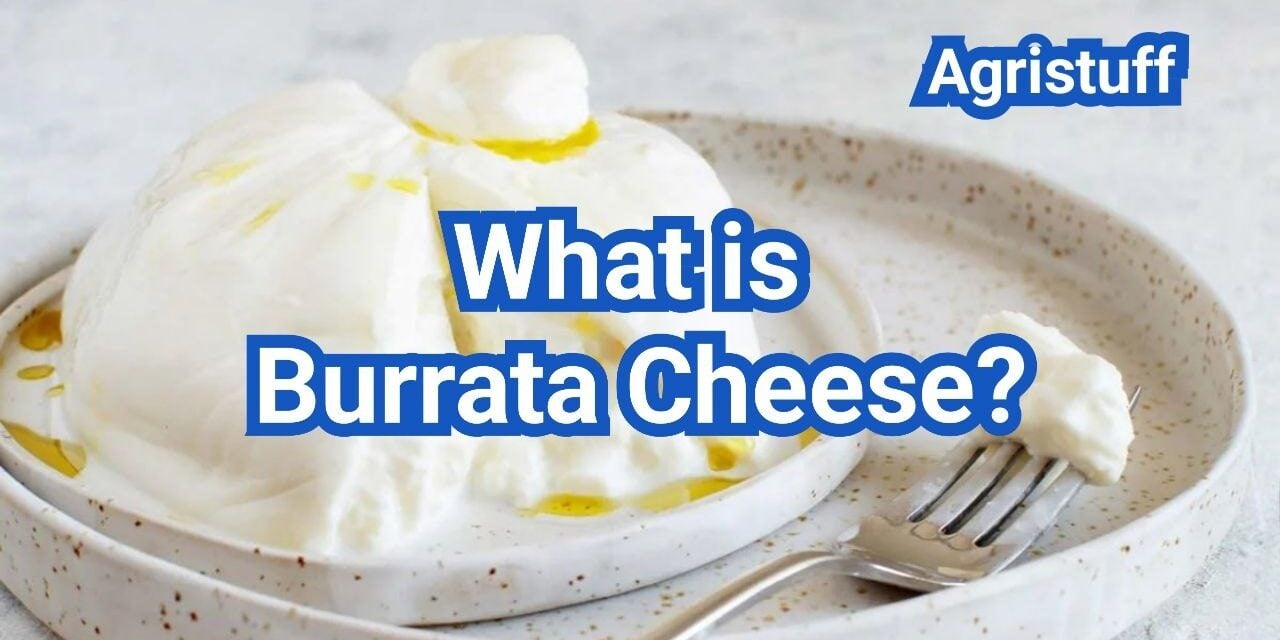
If you have ever wondered what is burrata cheese?, you are not alone. This Italian delicacy is a true masterpiece of dairy craftsmanship. It features a solid outer shell made from fresh mozzarella that hides a soft, buttery interior.
When you slice into this luxurious product, the center spills out in a rich, creamy flow. It offers a mild yet tangy flavor profile that pairs perfectly with seasonal vegetables or crusty bread. Many food lovers consider it the ultimate indulgence for any gourmet meal.
Learning how to eat burrata is simple because it requires very little preparation. Whether served at room temperature with olive oil or added to a fresh salad, this exquisite item elevates every dish. Discover why this unique food has become a staple in modern kitchens across the United States.
Key Takeaways
- It is a fresh Italian product with a solid shell and a creamy center.
- The flavor is mild, milky, and slightly tangy.
- Always serve it at room temperature to enjoy the best texture.
- Pair it with high-quality olive oil, sea salt, and fresh tomatoes.
- It is best consumed fresh shortly after purchase for optimal quality.
What Is Burrata Cheese?
The story of this famous Italian delicacy begins in the early 20th century within the sun-drenched fields of Apulia. This fresh Italian cheese quickly gained a reputation for its luxurious texture and rich, buttery flavor profile. It is often celebrated as the queen of dairy products, representing a pinnacle of traditional craftsmanship.
The Origins of the Queen of Italian Cheeses
Burrata originated in the Apulia region of Southern Italy during the early 1900s. Local artisans sought a way to reduce waste by repurposing leftover mozzarella scraps, blending them with heavy cream to create something entirely new. This innovation transformed simple ingredients into a global culinary sensation.
“The beauty of this cheese lies in its simplicity and the masterful balance of textures that define the authentic experience.”
Defining the Anatomy: The Outer Shell and Creamy Center
At first glance, a burrata cheese ball looks like a standard sphere of mozzarella. However, the magic happens once you slice into the firm outer shell. This protective layer holds a luscious, creamy interior that spills out upon serving.
This creamy soft cheese relies on the contrast between the elastic exterior and the soft, flowing center. Because it is a fresh cheese product, it offers a delicate, milky taste that sets it apart from other varieties. Whether enjoyed on its own or paired with seasonal ingredients, this creamy cheese remains a staple for those who appreciate high-quality burrata.
How Burrata Cheese Is Made?
The transformation of simple milk into a luxurious, creamy pouch is a true testament to Italian cheesemaking. This process relies on high-quality burrata cheese ingredients to achieve the perfect balance of textures. Artisans must work quickly to ensure the final product maintains its signature appeal.
The Role of Stracciatella and Mozzarella
At its core, burrata is a clever construction of two distinct dairy components. The process begins by stretching fresh mozzarella curds into a thin, pliable sheet that forms the outer shell of the cheese.
Once the pouch is shaped, it is filled with a decadent mixture known as stracciatella. This filling consists of:
- Shredded pieces of fresh mozzarella curd.
- Rich, heavy cream that provides a luscious mouthfeel.
- A pinch of salt to enhance the natural sweetness of the dairy.
After filling, the outer shell is carefully gathered and sealed at the top. This step is vital to ensure the creamy center remains safely tucked inside until the moment it is served.
Traditional Craftsmanship vs. Modern Production
Historically, burrata was crafted entirely by hand in small batches. Skilled cheesemakers would stretch the curd in hot water, using their hands to gauge the exact thickness required for the pouch. This traditional method remains the gold standard for many artisanal producers in Italy.
In contrast, modern production facilities often utilize specialized machinery to maintain consistency. While these machines can automate the stretching and filling process, the best cheese makers still prioritize the quality of the raw milk. Whether made by hand or through modern technology, the goal remains the same: delivering a fresh, high-quality product to the consumer.
Burrata vs Mozzarella: Key Differences
While both are beloved Italian staples, understanding the distinction between burrata vs mozzarella is key to elevating your cooking. Many home cooks often confuse these two, yet they offer very different sensory experiences on the plate.
At its core, fresh mozzarella is a firm, elastic ball of stretched curd cheese. It holds its shape well when sliced, making it a reliable choice for various dishes.
Texture and Flavor Profiles Compared
The primary difference lies in the interior structure of the cheese. While mozzarella is solid throughout, burrata features a delicate outer shell of mozzarella filled with a rich, creamy mixture of stracciatella and cream.
When you cut into a piece of burrata, the center spills out, providing a luxurious, buttery texture that standard fresh mozzarella simply cannot replicate. The flavor of burrata is significantly more indulgent and milky, whereas traditional mozzarella offers a mild, clean, and slightly salty profile.
When to Choose One Over the Other
Deciding between these two depends largely on your intended recipe. If you need a cheese that maintains its structure under heat, such as on a pizza or in a baked pasta dish, fresh mozzarella is the superior choice.
However, if you want to create a show-stopping appetizer or a fresh salad, burrata is the clear winner. Its creamy interior acts as a natural sauce, pairing beautifully with ripe tomatoes, balsamic glaze, or crusty bread. Choosing the right option ensures your dish achieves the perfect balance of texture and taste.
What Does Burrata Taste Like?

The unique appeal of burrata lies in its delicate balance of textures and subtle, milky flavors. Many food enthusiasts often wonder what does burrata taste like before their first bite. At its core, this gourmet delicacy offers a rich, buttery profile that feels incredibly luxurious on the palate.
The Sensory Experience of Fresh Cream
When you slice into a ball of burrata, the outer shell of mozzarella gives way to a decadent, flowing center. This interior is a mixture of stracciatella and heavy cream, providing a silky mouthfeel that is unmatched by other varieties. The sensation is light yet indulgent, making it a favorite for those who appreciate high-quality, fresh dairy products.
The cheese itself maintains a mild, milky sweetness that is never overpowering. Because it is served at room temperature, the fats soften, allowing the complex, buttery notes to coat the tongue fully. This sensory experience is exactly why it remains a staple in fine dining.
Flavor Nuances and Pairing Potential
The flavor profile of this creamy delight is versatile enough to bridge the gap between sweet and savory dishes. It carries a very slight tang, which helps cut through the richness of the cream. This balance allows it to pair beautifully with a wide range of ingredients, from acidic balsamic glazes to ripe, sugary stone fruits.
To help you understand how to best utilize this cheese in your kitchen, consider the following flavor pairings that highlight its unique characteristics:
| Ingredient Type | Flavor Profile | Pairing Result |
|---|---|---|
| Fresh Fruit | Sweet/Acidic | Enhances the milky notes |
| Cured Meats | Salty/Savory | Balances the buttery texture |
| Roasted Vegetables | Earthy/Warm | Creates a savory contrast |
| Extra Virgin Olive Oil | Peppery/Rich | Adds depth to the fresh profile |
Whether you are building a simple salad or a complex appetizer, the burrata acts as a neutral canvas. Its ability to absorb and complement other flavors makes it an essential item for any sophisticated fresh food platter.
Nutritional Profile and Health Considerations

Exploring the specific burrata cheese nutrition profile helps you make informed dietary choices when planning your meals. While this dairy product is celebrated for its rich, buttery texture, understanding its composition allows you to enjoy it as part of a balanced lifestyle.
Breaking Down Burrata Cheese Calories
When considering burrata cheese calories, it is helpful to look at standard serving sizes. A 100-gram serving of this indulgent burrata typically contains approximately 250 calories.
This calorie count reflects the high-quality cream and milk used during production. Because of its density, many people find that a small portion is enough to satisfy their cravings for something rich and savory.
Is Burrata Cheese Healthy and Is It Pasteurized
Many consumers often ask, is burrata pasteurized before it reaches the grocery store shelf? In the United States, the vast majority of commercially available cheese products, including this variety, are made with pasteurized milk to ensure food safety.
While it is a calorie-dense food, it can certainly fit into a healthy diet when consumed in moderation. It provides a good source of protein and calcium, making it a luxurious addition to fresh salads or roasted vegetables.
Always check the product label if you have specific dietary concerns or sensitivities. Choosing high-quality, pasteurized options ensures you get the best flavor while maintaining standard safety practices.
How to Serve Burrata Cheese Like a Pro
You can transform a simple meal into a gourmet event by mastering the art of serving this fresh cheese. While the product is inherently delicious, the way you present it dictates the overall dining experience for your guests. Following a few professional guidelines ensures that every bite highlights the rich, buttery profile of the burrata.
Preparing the Cheese for Optimal Temperature
The most critical step in learning how to serve burrata cheese is managing its temperature. You should always remove the container from the refrigerator at least 30 to 45 minutes before you plan to eat. Serving it cold masks the delicate nuances of the cream and the soft, stringy texture of the interior.
Allowing the burrata to reach room temperature lets the fats soften, which creates that signature luxurious mouthfeel. When the core is slightly warm, the flavors become more vibrant and aromatic. This simple adjustment is the secret to unlocking the full potential of this premium cheese.
Artful Plating Techniques for Appetizers
Creating a visually stunning plate is just as important as the taste. Because the center is liquid, you want to place the ball carefully in the center of your serving dish. Use a sharp knife to gently score the top, allowing the creamy interior to spill out naturally for an inviting look.
Consider these professional tips to elevate your presentation:
- Create a bed: Place the burrata on a layer of fresh arugula or sliced heirloom tomatoes to provide color contrast.
- Drizzle with care: Use a high-quality extra virgin olive oil and a sprinkle of flaky sea salt to enhance the natural richness.
- Add texture: Surround the cheese with toasted nuts or balsamic glaze to balance the soft consistency.
- Keep it simple: Avoid overcrowding the plate so that the star of the show remains the focal point.
By focusing on these small details, you ensure that your guests enjoy a restaurant-quality experience at home. Proper preparation and thoughtful plating turn a standard appetizer into a memorable culinary highlight.
Best Bread for Bread for Burrata and Other Pairings

Finding the best bread for burrata is the secret to enjoying every last drop of its rich, milky interior. Because this cheese is so soft and decadent, you need a sturdy base that can hold the weight of the creamy center without falling apart.
Selecting the Perfect Crusty Bread
The ideal bread should offer a satisfying crunch on the outside while remaining soft enough on the inside to soak up the liquid. A rustic sourdough or a freshly baked baguette are excellent choices for this purpose. These options provide a slightly tangy or neutral flavor profile that does not overpower the delicate taste of the burrata.
Avoid using soft, pre-sliced sandwich bread, as it lacks the structural integrity needed for dipping. Instead, look for loaves with a thick, golden crust that has been toasted lightly with a drizzle of olive oil. This simple preparation adds a layer of warmth that enhances the overall sensory experience.
“The beauty of this dish lies in its simplicity; a piece of toasted bread, a touch of salt, and the finest cream-filled cheese create a masterpiece.”
Classic Combinations: Burrata Cheese and Prosciutto
One of the most beloved ways to serve this dish is by pairing burrata cheese and prosciutto. The saltiness of the cured ham creates a perfect contrast to the mild, buttery notes of the cheese. When you combine these two ingredients on a slice of crusty bread, you achieve a balance of textures and flavors that is hard to beat.
You can also add a few fresh basil leaves or a drizzle of balsamic glaze to elevate the platter further. This combination is a staple in Italian cuisine because it highlights the quality of the ingredients without unnecessary complexity.
| Bread Type | Texture | Best Pairing |
|---|---|---|
| Sourdough | Chewy and Tangy | Prosciutto and Fig |
| Baguette | Crispy and Light | Tomato and Basil |
| Ciabatta | Airy and Soft | Roasted Vegetables |
Creative Burrata Cheese Appetizer Ideas
Elevating your next gathering is simple when you feature the rich, creamy texture of burrata as the centerpiece of your appetizer spread. This indulgent cheese offers a luxurious mouthfeel that pairs beautifully with both savory and sweet ingredients. By exploring various burrata cheese appetizer ideas, you can transform a standard snack into a sophisticated culinary experience.
Building the Ultimate Burrata Cheese Platter
When crafting the perfect board, balance is the key to success. Start by placing the burrata in a shallow bowl or directly on a slate board to contain its creamy center. Surround the cheese with a variety of textures and flavors to keep your guests interested.
Consider these essential elements for your next platter:
- Crunchy components: Toasted sourdough, crostini, or artisanal crackers.
- Salty accents: Thinly sliced prosciutto, salami, or marinated olives.
- Fresh herbs: Fresh basil, mint, or arugula to add a pop of color.
- Drizzles: High-quality extra virgin olive oil or a balsamic glaze reduction.
Incorporating Seasonal Fruits and Vegetables
The best burrata recipes often rely on the freshness of the season to shine. Because the flavor of the cheese is mild and milky, it acts as a perfect canvas for vibrant produce. Whether you are preparing a light salad or a composed plate, seasonal ingredients provide the necessary contrast.
Use the following table to guide your seasonal pairings for a memorable presentation:
| Season | Fruit Pairing | Vegetable Pairing |
|---|---|---|
| Spring | Strawberries | Asparagus |
| Summer | Peaches | Heirloom Tomatoes |
| Autumn | Figs | Roasted Beets |
Experimenting with these combinations allows you to showcase the versatility of this Italian staple. Always serve your cheese at room temperature to ensure the interior remains soft and spreadable for your guests to enjoy.
Mastering the Roasted Tomato and Burrata Salad

The secret to a perfect roasted tomato and burrata salad lies in the contrast between warm, caramelized vegetables and cool, creamy cheese. This dish is a staple for home cooks who want to create a sophisticated meal with minimal effort. By focusing on high-quality ingredients, you can transform simple components into a restaurant-quality experience.
Selecting the Best Tomatoes for Roasting
To achieve the best flavor, you must choose the right variety of fruit. Cherry or grape tomatoes are ideal because they possess a high sugar content that intensifies when roasted. Their small size allows them to blister quickly, creating a jam-like consistency that pairs beautifully with the richness of the burrata.
When shopping, look for tomatoes that are firm and vibrant in color. Avoid any that appear bruised or overly soft, as these will lose their shape too quickly in the oven. For a visually stunning salad, consider mixing different colors like yellow, red, and deep purple varieties.
| Tomato Variety | Flavor Profile | Best Use |
|---|---|---|
| Cherry | Sweet and Tangy | Quick Roasting |
| Roma | Meaty and Dense | Slow Roasting |
| Heirloom | Complex and Floral | Garnish/Fresh |
Assembling the Perfect Burrata Salad
Once your tomatoes are tender and fragrant, the assembly process begins. It is vital to let the roasted tomatoes cool slightly before placing them near the cheese. If they are too hot, the delicate outer shell of the burrata will melt prematurely, losing its signature texture.
“The beauty of a tomato and burrata dish is found in the simplicity of the ingredients; when the produce is at its peak, you need very little else to create a masterpiece.”
— Culinary Arts Journal
Start by arranging the warm tomatoes on a platter, drizzling them with a high-quality balsamic glaze or extra virgin olive oil. Place the ball of burrata in the center, gently breaking the skin with a knife to reveal the creamy interior. Finish your burrata salad with a sprinkle of fresh basil leaves and a pinch of flaky sea salt to tie all the flavors together.
Using Burrata Cheese on Pizza and Hot Dishes
While often enjoyed cold, burrata can transform hot dishes into gourmet experiences. This delicate cheese offers a rich, creamy profile that adds a touch of luxury to any meal. Understanding how to handle this ingredient under heat is the secret to mastering the best burrata recipes.
Timing the Addition of Burrata to Hot Pizza
Many home cooks wonder if they can use burrata cheese on pizza without ruining its delicate texture. The key is to avoid baking the cheese for the entire duration of the cooking process. If you add it too early, the high water content will release, making your crust soggy and the center watery.
Instead, bake your pizza with the base sauce and other toppings first. Once the crust is golden and crisp, remove the pizza from the oven. Carefully place the fresh burrata in the center and let the residual heat gently warm it before serving.
Incorporating Burrata into Pasta and Warm Bowls
Beyond pizza, this creamy delight works wonders in warm pasta dishes or grain bowls. To maintain the integrity of the cheese, stir it into your pasta just before plating. The heat from the noodles will soften the outer shell, allowing the stracciatella center to coat the dish in a luxurious sauce.
When adding it to warm bowls, place a fresh ball on top of your ingredients right before you sit down to eat. This ensures the contrast between the warm base and the cool, fresh center remains intact. Use the following guide to help you decide how to best integrate this ingredient into your cooking.
| Dish Type | Preparation Method | Best Result |
|---|---|---|
| Pizza | Add post-bake | Creamy, intact center |
| Pasta | Stir in at serving | Velvety, rich sauce |
| Warm Bowls | Top just before eating | Fresh, indulgent contrast |
Exploring Gourmet Variations

While traditional recipes are beloved, modern producers are pushing boundaries with bold, gourmet infusions and alternative milk sources. These artisanal options allow food enthusiasts to experience the versatility of this classic Italian staple in entirely new ways.
The Luxury of Burrata with Black Truffle
For those seeking a truly elevated culinary experience, burrata with black truffle offers an earthy and aromatic profile that is hard to match. The infusion of real truffle shavings into the creamy center creates a sophisticated balance between the richness of the dairy and the deep, musky notes of the fungus.
“The true art of cheese making lies in the ability to marry tradition with innovation, creating flavors that linger in the memory long after the meal is finished.”
Smoked and Buffalo Milk Varieties
Beyond truffle infusions, adventurous eaters often turn to smoked or buffalo milk versions of this cheese. Smoked varieties undergo a gentle cold-smoking process, which imparts a subtle, woody aroma that complements the delicate cream inside.
Buffalo milk burrata is prized for its higher fat content and slightly tangier finish compared to standard cow’s milk versions. This results in a more luxurious, velvety texture that feels incredibly decadent on the palate.
| Variety | Flavor Profile | Best Pairing |
|---|---|---|
| Black Truffle | Earthy & Aromatic | Crusty Sourdough |
| Smoked | Woody & Savory | Grilled Vegetables |
| Buffalo Milk | Rich & Tangy | Fresh Heirloom Tomatoes |
Choosing between these gourmet burrata options depends largely on your personal preference for intensity. Whether you prefer the bold punch of truffle or the refined depth of smoked cheese, these variations ensure that every Italian-inspired dish remains exciting.
Finding the Best Burrata Cheese in the USA

If you are searching for the perfect creamy burrata cheese in the USA, you might be surprised by the variety available at your local grocery store. Accessing this Italian delicacy has become significantly easier as national retailers have expanded their gourmet selections. Whether you are a home cook or a professional chef, finding high-quality burrata cheese in the U.S. is now a straightforward task.
Burrata Cheese at Costco and Whole Foods
Many shoppers find that burrata cheese at Costco offers excellent value, especially for those hosting larger gatherings. These stores often carry high-quality brands that provide a consistent, creamy texture. It is a great option if you need a larger quantity of this delicious cheese for a platter or a salad.
Alternatively, burrata cheese whole foods shoppers often enjoy a wider selection of artisanal and imported varieties. Whole Foods typically prioritizes products with clean labels and high-quality ingredients. When shopping here, look for containers that are well-sealed to ensure the liquid brine has kept the product fresh.
Burrata Cheese at Trader Joe’s and Walmart
For those looking for convenience and affordability, burrata cheese trader joes is a popular choice among food enthusiasts. The store is well-known for offering premium items at accessible price points, making it a go-to for casual entertaining. Their version is usually sold in smaller, manageable portions that are perfect for a quick meal.
Similarly, you can find burrata cheese walmart options in many locations, particularly in their expanded deli or specialty food aisles. While availability can vary by region, the chain has made a concerted effort to stock more gourmet items. Always check the expiration date on the packaging to ensure you are getting the freshest burrata possible.
| Retailer | Best For | Price Point |
|---|---|---|
| Costco | Bulk quantities | Budget-friendly |
| Whole Foods | Artisanal quality | Premium |
| Trader Joe’s | Quick, small meals | Affordable |
| Walmart | General accessibility | Value |
When selecting your cheese, always inspect the container for any signs of damage. A high-quality product should be submerged in clear, fresh liquid. By choosing the right retailer for your specific needs, you can ensure that your next dish features the finest ingredients available.
How to Store Burrata and Maintain Freshness
Freshness is the hallmark of a great burrata, so knowing how to store it correctly is vital for the best culinary experience. Because this delicate cheese is highly perishable, you must treat it with care from the moment you bring it home from the store. Proper handling ensures that the creamy center remains intact and the flavor stays vibrant.
Managing the Liquid Burrata Comes In
One of the most important rules for maintaining the quality of your purchase is to never discard the brine. You should always keep the burrata submerged in the liquid it comes in to maintain its moisture levels. This brine acts as a protective barrier that prevents the delicate outer shell from drying out or absorbing unwanted odors from your refrigerator.
If the original container is damaged or you need to transfer the product, use a clean, airtight container. Ensure the cheese is completely covered by the liquid. If you find that you have run out of the original brine, you can create a simple saline solution using water and a pinch of salt to keep the product hydrated.
Shelf Life and Proper Refrigeration Techniques
Burrata is a fresh product meant to be eaten quickly, so it does not have a long shelf life. Always check the expiration date on the packaging and try to consume the item within 24 to 48 hours of opening for the best results. Proper refrigeration is essential to slow down the natural degradation process.
Follow these simple guidelines to keep your product in top condition:
- Store the container in the coldest part of your refrigerator, typically the back of the bottom shelf.
- Keep the temperature between 34°F and 38°F to ensure the fresh quality is preserved.
- Avoid placing the container near strong-smelling foods, as the porous nature of the cheese can easily absorb external aromas.
- Remove the product from the refrigerator about 30 minutes before serving to allow it to reach room temperature, which enhances its creamy texture.
By following these storage tips, you can ensure that your burrata remains as delicious as the day it was crafted. Remember that once the seal is broken, the clock starts ticking, so plan your meals accordingly to enjoy this luxury ingredient at its peak.
Navigating the Best Burrata Cheese Substitutes
Discovering the right burrata cheese substitute is essential for maintaining the quality of your favorite Italian dishes. While the unique texture of this specialty item is hard to replicate, several dairy products can provide a similar sensory experience. Understanding the properties of these alternatives ensures your meal remains delicious even when the primary ingredient is unavailable.
When to Use Fresh Mozzarella or Ricotta
Fresh mozzarella is often the most accessible option when you need a quick fix. Because it lacks the liquid cream center of burrata, you can easily enhance it by mixing it with a small amount of heavy cream or mascarpone. This simple trick mimics the signature richness that makes the original cheese so popular.
Ricotta is another excellent choice, especially for recipes where a spreadable consistency is required. While it lacks the firm outer shell of mozzarella, its mild flavor profile blends seamlessly into many dishes. Consider these factors when choosing your replacement:
- Texture: Mozzarella provides the chew, while ricotta offers a soft, grainy creaminess.
- Flavor: Both options are mild, making them perfect canvases for olive oil, herbs, and sea salt.
- Preparation: Always bring your substitute to room temperature before serving to improve the mouthfeel.
Finding Alternatives for Cooking and Salads
When you are preparing a salad, the goal is to maintain a balance of fresh, light flavors. If you cannot find burrata, using high-quality fresh mozzarella balls—often called bocconcini—is a reliable strategy. These small bites offer a pleasant texture that pairs beautifully with tomatoes and basil.
For cooked dishes like pasta or warm bowls, the specific burrata cheese substitute you choose depends on how the dish is heated. Ricotta works exceptionally well in baked pasta, as it maintains its structure under heat. If you are topping a pizza, stick with fresh mozzarella to ensure the cheese melts evenly without becoming overly watery.
“The best substitute is one that respects the original intent of the dish, whether it requires a firm bite or a luxurious, creamy finish.”
Culinary Expert
Cost and Availability of Burrata Cheese

When shopping for gourmet dairy products, understanding the market dynamics helps you make informed purchasing decisions. The cost of burrata cheese often reflects the labor-intensive process required to create its signature delicate structure. Because this artisan cheese has a very short shelf life, logistics and transportation also play a significant role in the final retail price.
Understanding Burrata Cheese Price Factors
Several variables influence why you might see varying price points at your local grocery store. High-quality burrata is typically handmade, requiring skilled cheesemakers to stretch the mozzarella dough and fill it with fresh cream and stracciatella. This manual labor adds to the production expense compared to mass-produced, machine-made varieties.
Furthermore, the quality of the milk used—whether it is buffalo milk or cow’s milk—affects the overall cheese price. Imported varieties from Italy often carry a premium due to international shipping costs and strict refrigeration requirements. You are essentially paying for the freshness and the specialized craftsmanship that goes into every single ball.
Where to Buy Burrata Cheese Online and Locally
Finding this creamy delicacy has become much easier in the United States over the last decade. Most major national retailers now stock it in their specialty dairy or deli sections. You can frequently find reliable options at stores like Whole Foods, Trader Joe’s, and even larger supermarket chains like Kroger or Walmart.
If you prefer shopping from home, several online gourmet food purveyors specialize in shipping fresh dairy directly to your door. These services often use insulated packaging and expedited shipping to ensure the product arrives in perfect condition. Below is a breakdown of what you might expect regarding availability and pricing tiers.
| Retailer Type | Price Range | Availability |
|---|---|---|
| Local Supermarket | $6.00 – $9.00 | High |
| Specialty Food Store | $9.00 – $14.00 | Medium |
| Online Gourmet Shop | $12.00 – $20.00 | High (Specialized) |
When evaluating the cost of burrata cheese, consider the weight of the package, as many containers include the brine or liquid necessary for preservation. Always check the expiration date, as the freshness is the most critical factor for enjoying the intended flavor profile. By comparing these options, you can find a high-quality product that fits your budget while ensuring a premium culinary experience.
At The End of: Burrata Cheese Guide
Bringing the rich, velvety texture of burrata into your home kitchen transforms an ordinary meal into a gourmet experience. This Italian cheese offers a unique sensory profile that pairs beautifully with fresh, seasonal ingredients found at retailers like Whole Foods or Trader Joe’s.
You now possess the knowledge to select, store, and serve this delicate product with confidence. Whether you choose to highlight its creaminess in a simple salad or melt it over a warm pizza, the versatility of this cheese remains unmatched. Experimenting with different flavor combinations allows you to discover your own signature dish.
Sharing a platter featuring high-quality burrata creates a memorable centerpiece for any gathering. Embrace the art of simple preparation to let the natural quality of the ingredients shine. Your journey into the world of fine dairy starts with these foundational skills.
What creative pairings will you try first? Share your favorite ways to enjoy this luxurious treat with friends and family during your next dinner party.
FAQ
Is Burrata Cheese eaten cold or at room temperature?
It is usually best served slightly cool or after a short rest out of the refrigerator, because that helps the creamy center loosen and improves aroma and flavor without keeping it warm long enough to create safety problems.
Is Burrata Cheese the same as mozzarella?
No, although the shell is mozzarella-like, the center is filled with cream and soft curd, so the eating experience is much richer, looser, and more spoonable once the cheese is opened. Burrata overview
Can Burrata Cheese be cooked?
Yes, but it is usually better used as a finishing cheese than as a long-cooking cheese, since extended heat can flatten the creamy contrast that makes it special in the first place. Cooked burrata example
Do you eat the skin of Burrata Cheese?
Yes, the outer layer is fully edible, and it is meant to be eaten together with the creamy interior so you get both the tender shell and the soft filling in the same bite. Edible shell explanation
Is Burrata Cheese usually pasteurized in U.S. stores?
Many nationally distributed brands are made with pasteurized milk and cream, but you should still verify that on the label instead of assuming every package is the same. Fresh cheese labeling and handling tips
How long does Burrata Cheese last after opening?
The safest plan is to treat it as a very short-life fresh cheese, keep it cold, and eat it as soon as possible after opening rather than trying to stretch it through the week. Fresh mozzarella storage guidance
What is burrata cheese and how is it different from mozzarella?
When comparing burrata vs mozzarella, the primary difference lies in the internal structure. While fresh mozzarella is a solid, elastic ball of stretched curd, a burrata cheese ball features a fresh mozzarellaouter shell that conceals a creamy soft cheese center. This filling, known as stracciatella, is a decadent mixture of shredded cheese curds and fresh cream.
What does burrata taste like and how should I eat it?
If you are wondering what does burrata taste like, imagine a rich, buttery, and milky flavor profile that is more intense than standard mozzarella. The fresh Italian cheese has a mild sweetness from the cream. To properly how to eat burrata, break the outer shell with a knife or fork to let the creamy burrata center spill out, then scoop it up with the best bread for burrata, such as a toasted baguette or sourdough.
How many burrata cheese calories are in a standard serving?
Regarding burrata cheese nutrition, a typical 100g burrata serving contains approximately 250 to 300 burrata cheese calories. Because it is made with enriched cream, it is higher in fat than many other fresh cheeses. Most burrata cheese in the U.S., such as BelGioioso burrata or brands found at Whole Foods, is made using pasteurized milk to ensure safety.
Where is the best place to find burrata cheese in the USA?
Finding burrata cheese in USA markets has become much easier. You can find high-quality burrata cheese at Costco (often in multi-packs), burrata cheese trader joes, or burrata cheese walmart for more budget-friendly options. For premium selections like Murray’s burrata or Di Stefano burrata, check specialty grocers or Safeway and Wegmans. The average burrata cheese price usually ranges from $7 to $12 depending on the brand and size.
How should I serve burrata cheese on pizza or as an appetizer?
For the ultimate burrata cheese appetizer ideas, pair the cheese with prosciutto, roasted tomatoes, and a drizzle of balsamic glaze. If you are using burrata cheese on pizza, the pro tip is to add the fresh burrata cheese after the pizza has been removed from the oven. This prevents the creamy cheese from liquefying too much while still allowing the residual heat to warm the burrata mozzarella.
What is a suitable burrata cheese substitute if I can’t find it?
If you need a burrata cheese substitute, the best burrata cheese alternative is fresh mozzarella di bufala mixed with a tablespoon of heavy cream. Alternatively, a dollop of high-quality ricotta cheese can mimic the creamy soft cheese texture in salads and pasta dishes, though it lacks the distinct outer shell.
How to store burrata once the container is opened?
To maintain the quality of fresh burrata, you must know how to store burrata properly. Always keep the cheese submerged in the liquid burrata comes in (usually a light brine or whey) and store it in an airtight container in the refrigerator. Because it is a fresh Italian cheese, it should be consumed within 48 hours of opening for the best flavor and texture.
What are some gourmet variations of burrata available?
For a more elevated experience, look for burrata with black truffle or black truffle burrata, which infuses the stracciatella center with earthy aromatics. Other popular variations include smoked burrata or buffalo burrata (made from water buffalo milk), which provides a tangier and richer flavor than standard cow’s milk varieties.
What are the main burrata cheese ingredients?
The burrata cheese ingredients are remarkably simple, focusing on quality over quantity. Traditional Italian burrata is made from fresh mozzarella (milk, rennet, and salt) and panna (heavy cream). Some artisanal producers, like Lioni Burrata Cheese or Liuzzi Burrata, maintain these traditional methods to ensure the creamy burrata cheese remains the “Queen of Italian cheeses.”
Conclusion of: Burrata Cheese
Burrata Cheese looks simple at first glance, but once you cut into it, the difference becomes obvious. Instead of a firm interior like standard mozzarella, it has a delicate outer shell and a rich center that spills out in soft strands and cream, which is exactly why so many U.S. shoppers see it as a special-occasion cheese that still feels easy to use at home. Wisconsin Cheese
For American cooks, Burrata Cheese fills a very practical gap between fresh mozzarella and richer spreadable cheeses. It gives you the clean, milky freshness people want in salads and appetizers, but with a more luxurious texture that makes a plate feel restaurant-worthy even when the ingredient list is short and the preparation is minimal. Why burrata stands out
What is burrata cheese?
At its core, Burrata Cheese is a fresh Italian cheese made from stretched curd, with an outside layer of mozzarella and an inside filled with stracciatella, which is a mixture of hand-pulled cheese shreds and cream. That structure is the key to understanding why it tastes richer than mozzarella and why it should be handled more gently at the table. Qualigeo Burrata di Andria PGI
The story of Burrata Cheese begins in Puglia in southern Italy, and the best-known traditional version is Burrata di Andria, which received PGI protection in the European Union in 2016. That protected status matters because it shows burrata is not just a trendy deli item, but a cheese with a defined origin, method, and regional identity behind it. EU registration record
How burrata is made?
What makes Burrata Cheese structurally different from many other fresh cheeses is the pasta filata process, also called stretched-curd cheesemaking. In that method, the curd is heated and stretched until it becomes pliable, which creates the elastic outer layer that can be shaped into a pouch before the creamy filling is added. Cheese Science Toolkit
In commercial production, Burrata Cheese may be made with pasteurized cow’s milk and cream, then packed in liquid to protect freshness and texture. That packaging style is not a small detail, because fresh high-moisture cheese loses quality quickly if it dries out, warms up too long, or sits open in the refrigerator without protection. BelGioioso burrata product information
What burrata cheese tastes like?
Flavor is where Burrata Cheese wins people over fast. The shell is mild, milky, and tender, while the center is richer, softer, and more buttery because the cream smooths out the texture and softens the flavor into something closer to fresh dairy than to a salty aged cheese. Stracciatella flavor profile
Because Burrata Cheese is mild rather than sharp, it works best with ingredients that add contrast instead of competition. Acidic tomatoes, ripe stone fruit, grilled vegetables, crusty bread, peppery greens, olive oil, and a little flaky salt all help it taste fuller without drowning out the clean freshness that makes it appealing in the first place. Serving and pairing guidance
Burrata cheese vs mozzarella
Many shoppers compare Burrata Cheese with mozzarella because the outside of both cheeses comes from the same stretched-curd tradition. The practical difference is texture and richness: mozzarella is denser and more elastic, while burrata has a creamy core that makes it softer, looser, and more indulgent once opened. Burrata vs. mozzarella
In the kitchen, Burrata Cheese is not always a direct mozzarella substitute. If you need clean slices for sandwiches, pizza coverage, or a firmer melt, mozzarella is usually the better tool, but if your goal is a creamy finish on a platter, a salad, or warm vegetables, burrata gives a more dramatic result with less effort. What sets burrata apart
Best ways to eat Burrata Cheese
One of the best ways to enjoy Burrata Cheese is the simplest: place it on a plate, let it lose a bit of its refrigerator chill, cut it open, and serve it with good tomatoes, olive oil, bread, and herbs. That approach works because the cheese already brings richness on its own, so the supporting ingredients should mainly add freshness, crunch, and brightness. Tomato and burrata serving idea
Another smart use for Burrata Cheese is to balance sweet, bitter, or smoky ingredients that need a cooling creamy element. It pairs especially well with watermelon, peaches, roasted peppers, charred corn, grilled squash, and peppery greens, which is why it shows up so often on summer menus and appetizer boards across the U.S. Watermelon salad example
If you want something more filling, Burrata Cheese can finish warm pasta, spoon over blistered bread, or top roasted vegetables right before serving. The main point is to avoid aggressive cooking once it is added, because its value is not in a big stretchy melt but in the contrast between warm food underneath and a cool, creamy center on top. Burrata pasta example
How to buy, store, and serve Burrata Cheese
When shopping, Burrata Cheese should usually be in the refrigerated case and packed in liquid or moisture-protective packaging, and the label should clearly tell you whether the milk is pasteurized. For most U.S. consumers, pasteurized versions are the easier and safer default choice, especially when you are serving guests or shopping for a household with pregnant family members or older adults. FDA raw milk and pasteurization guidance
At home, Burrata Cheese should stay cold until you are close to serving, then come out just long enough to improve flavor and texture. Like other high-moisture cheeses, it keeps best when wrapped well, protected from air, and held under proper refrigeration rather than repeatedly opened, sampled, and returned to the fridge uncovered. Cheese handling and storage guidance
For parties and grazing boards, Burrata Cheese should be treated like any other high-moisture dairy food, which means it cannot safely linger all afternoon at room temperature. If you are serving it on a platter, build in small batches, use clean utensils, and replace it rather than letting one large opened piece sit out until the texture breaks down and the food-safety risk increases. Charcuterie food-safety guidance
Nutrition and dietary considerations
From a nutrition standpoint, Burrata Cheese offers protein and calcium like other dairy foods, which can make it a satisfying addition to a meal when used in a reasonable portion. The important thing to remember is that this is still a rich fresh cheese, so it works best as a component that adds texture and flavor rather than as a large main-protein serving. NIH calcium overview
Because Burrata Cheese includes cream in the center, it is typically richer than plain fresh mozzarella and can contribute more saturated fat per serving. That does not mean it has no place in a healthy diet, but it does mean many people will do better using it strategically with vegetables, fruit, beans, or whole-grain toast instead of building an entire meal around several large portions. NHLBI saturated fat guidance
People with dairy allergies should remember that Burrata Cheese is a milk product, and labels matter because milk is one of the major allergens that must be clearly identified in U.S. food labeling. Even when a package looks simple and artisan-style, shoppers still need to read the ingredient statement and allergen information carefully rather than assuming fresh cheese is too basic to present a labeling issue. FDA food allergy information
Pregnant people and others at higher risk from foodborne illness should approach Burrata Cheese with extra care, especially if they cannot confirm pasteurization and safe refrigerated handling. Soft fresh cheeses are more vulnerable than hard cheeses because high moisture and low acidity give harmful bacteria a better chance to survive or grow if the product is mishandled. FDA listeria guidance for pregnancy
Quick checklist
- Buy burrata from the refrigerated case, not from a warm display.
- Check whether the package states pasteurized milk.
- Choose a package with intact seals and clean liquid.
- Plan to eat it the same day or very soon after purchase.
- Let it sit briefly before serving so the center loosens.
- Pair it with acidic or fresh ingredients like tomatoes, herbs, fruit, or crusty bread.
- Cut it open at the table for the best texture and visual appeal.
- Use clean utensils every time you serve it.
- Keep portions small and replenish from the fridge if serving guests.
- Discard leftovers if they sat out too long or smell off.
Common mistakes to avoid
- Buying too early and expecting it to improve with age like hard cheese.
- Serving it straight from the fridge, which dulls flavor and firms the center too much.
- Using it like shreddable pizza mozzarella.
- Drowning it in heavy sauces, vinegar, or too much seasoning.
- Leaving it uncovered in the refrigerator after opening.
- Putting one large ball on a party board for hours instead of replenishing smaller portions.
- Skipping the label check for pasteurization and allergens.
- Assuming “fresh” automatically means safer or healthier in unlimited amounts.
Costs and ROI snapshot
In U.S. grocery retail, Burrata Cheese is usually priced above standard fresh mozzarella because the product is more delicate, more perishable, and more expensive to keep looking and tasting right through packaging and refrigeration. As of April 2026, mainstream U.S. listings show 8-ounce burrata commonly landing around the mid-single-digit price range, which makes it affordable for an appetizer but still premium enough that most shoppers buy it with a specific meal in mind. Example U.S. retail listing
The best return on Burrata Cheese comes from planning how you will serve it before you buy it. If you open it for a tomato plate, toast appetizer, or small dinner spread the same day, the value feels high; if it sits forgotten in the fridge for several days, the short shelf life turns a premium ingredient into avoidable waste very quickly. Delivery marketplace price example
Final thought
Burrata Cheese is one of those foods that rewards simplicity more than complexity. If you buy it fresh, keep it cold, serve it at the right moment, and pair it with ingredients that add brightness rather than heaviness, it delivers exactly what people hope for when they ask what burrata is supposed to taste like: clean dairy flavor, luxurious texture, and a center that feels memorable without being difficult to use. Dietary Guidelines for Americans
Sources & References
- Consorzio Burrata di Andria IGP
- Qualigeo: Burrata di Andria PGI
- Cheese Science Toolkit: Pasta Filata
- Wisconsin Cheese: What Is Burrata Cheese?
- Wisconsin Cheese: Burrata vs Mozzarella
- Wisconsin Cheese: Cheesemaking Basics
- CDC: How Listeria Spreads Through Soft Cheeses and Raw Milk
- FDA: Listeria (Listeriosis)
- FDA: Have Food Allergies? Read the Label
- FDA: Food Allergen Labeling Guidance
- NIH ODS: Calcium Consumer Fact Sheet
- Clemson Extension: Handling of Cheese for Safety and Quality
- University of Nebraska: Charcuterie Boards and Food Safety
- BelGioioso: Burrata Product Page