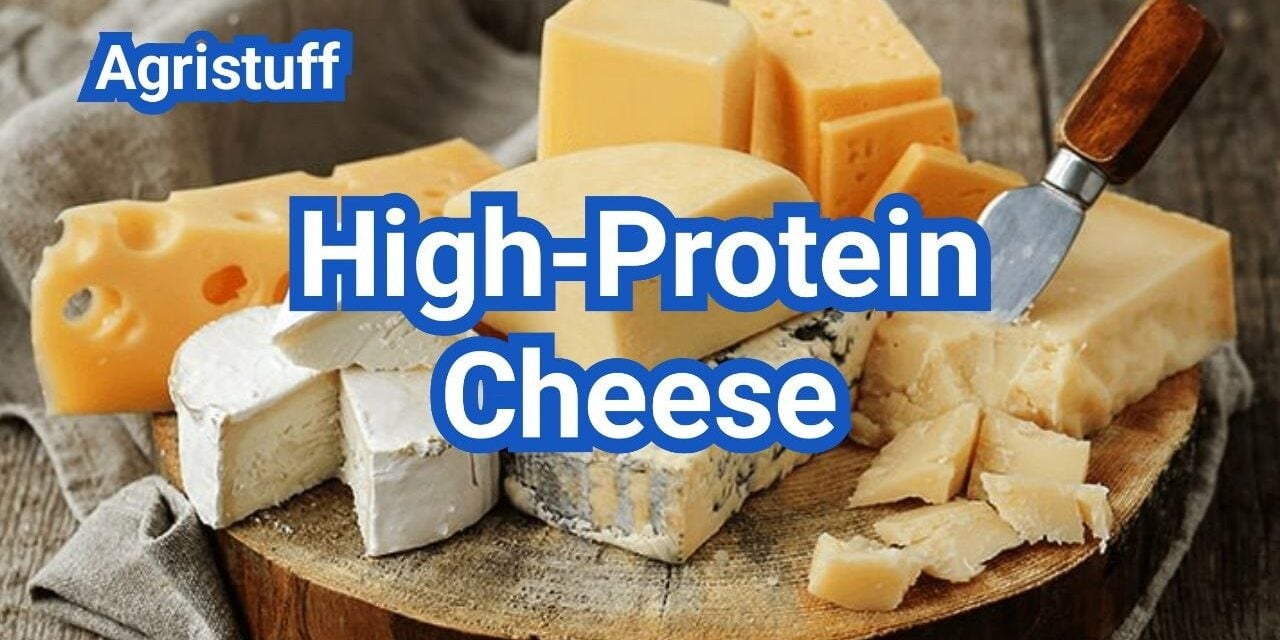
Finding the right snacks to fuel your fitness journey can feel overwhelming. Many people in the U.S. look for convenient ways to boost their daily intake of essential nutrients. A High Protein Cheese selection is a fantastic way to meet those goals while enjoying a savory treat.
Harder varieties generally provide the most protein density per serving. Our comprehensive High Protein Cheese List helps you identify the best high protein cheese options available at your local market. We analyze various High Protein Cheese Types to ensure you make informed dietary decisions.
Understanding high-protein cheeses: which offer the most? is vital for your health. This guide explores the top picks for High Protein Cheese In The U.S. to simplify your grocery shopping. Discover how to select the cheese with the most protein to support your active lifestyle effectively.
Key Takeaways
- Harder dairy varieties typically contain a higher concentration of essential nutrients.
- Incorporating these snacks can help you reach your daily fitness targets.
- Label reading is essential to identify the best nutritional value per ounce.
- Many popular options are widely available in stores across the country.
- Strategic snacking supports muscle recovery and long-term health goals.
Understanding the Role of Protein in Cheese
If you are looking to boost your daily intake, learning about protein in cheese by type is a smart move. Many people enjoy this food for its flavor, but its role as a source of muscle-building nutrients is equally impressive. Whether you are an athlete or simply focused on your health, incorporating the right dairy can be a delicious way to meet your goals.
Why Cheese is a Nutrient-Dense Protein Source
Cheese is rich in protein, but it also provides a wide array of essential vitamins and minerals. Beyond the macronutrients, you will find significant amounts of calcium, vitamin A, and vitamin B12 in most varieties. This makes it a nutrient-dense choice for those who want to maximize the quality of their calories.
Because cheese has protein that is easily absorbed by the body, it serves as an excellent staple for many diets. When you compare different kinds of cheese, you will notice that the concentration of these nutrients varies based on the production method. Choosing the right options ensures you get the most benefit from every bite.
The Science of Casein and Whey in Cheese Varieties | High-Protein Cheese
The protein content of dairy is primarily composed of two types: casein and whey. Most solid cheeses are considered high casein cheese, as the casein proteins coagulate during the cheesemaking process. This structure is what gives hard varieties their dense, satisfying texture.
While whey is often drained away during the production of aged cheeses, it remains a key component in fresh varieties like ricotta. Understanding the protein content of different cheese varieties allows you to tailor your snacks to your specific needs. This definitive guide to the most common types of cheese highlights how these proteins work together to support your body.
How Processing Affects Protein Density
The manufacturing process plays a massive role in the final nutritional profile of your food. As moisture is removed during aging, the remaining solids become more concentrated, which is why aged protein cheeses often pack more punch per ounce. This process naturally increases the density of the nutrients found in the final product.
To help you visualize these differences, the following table outlines how processing impacts the nutritional value of popular options:
| Cheese Type | Processing Style | Protein Density |
|---|---|---|
| Parmesan | Aged/Hard | Very High |
| Cheddar | Semi-Hard | High |
| Mozzarella | Fresh/Soft | Moderate |
| Ricotta | Fresh/Whey-based | Low to Moderate |
Ultimately, cheese is good protein when selected with care. By focusing on the processing methods and the specific variety, you can easily integrate these foods into a balanced lifestyle. Remember that cheese is rich in protein, making it a versatile and satisfying part of your daily menu.
Criteria for Selecting the Best High Protein Cheese

Selecting the best high protein cheese requires looking beyond the bold marketing claims found on the front of product packaging. Many shoppers assume that all dairy is equally beneficial, but understanding what to look for in high-protein cheeses is essential for meeting your fitness goals. By focusing on specific nutritional metrics, you can ensure your snacks provide maximum value.
Evaluating Protein-to-Calorie Ratios
The most effective way to judge a product is by calculating its protein-to-calorie ratio. You want to find the highest protein cheese per ounce that does not come with an excessive amount of saturated fat or unnecessary calories. Experts generally recommend aiming for one to two ounces of cheese per sitting to keep your intake balanced.
When you prioritize this ratio, you ensure that your protein intake supports muscle recovery without causing unwanted weight gain. This approach helps you distinguish between indulgent treats and true nutritional powerhouses.
Identifying Low-Fat High-Protein Cheese Options
If you are strictly monitoring your caloric intake, seeking out a low fat high protein cheese is a smart strategy. Varieties like part-skim mozzarella, cottage cheese, and certain aged hard cheeses often provide the best balance. These options allow you to increase your daily protein content while keeping your overall energy intake in check.
Always check the label to ensure that the reduction in fat has not been compensated with added sugars or fillers. High-quality dairy should remain simple and nutrient-dense.
Reading Nutrition Labels for Accurate Protein Content | High-Protein Cheese
To find the highest protein cheese per serving, you must become comfortable reading the fine print on the back of the package. Pay close attention to the serving size, as manufacturers sometimes use small portions to make the numbers look more impressive. Comparing the protein content across different brands will reveal which products offer the most bang for your buck.
| Cheese Type | Protein (per oz) | Fat (per oz) | Calorie Density |
|---|---|---|---|
| Parmesan | 10g | 7g | High |
| Swiss | 8g | 8g | Moderate |
| Cottage Cheese | 3g | 1g | Low |
| Part-Skim Mozzarella | 7g | 5g | Moderate |
By consistently applying these criteria, you can confidently select products that align with your health objectives. Remember that consistency is key when integrating these foods into your daily routine.
The Definitive High Protein Cheese List
Building a balanced diet starts with identifying the best high protein cheese options available today. By categorizing these dairy products based on their texture and density, you can easily find the perfect match for your fitness goals. This high protein cheese list serves as a roadmap to help you navigate the dairy aisle with confidence.
Hard Cheeses: The Powerhouses of Protein
Hard cheeses are widely considered the best sources of protein because the aging process removes moisture, concentrating the nutrients. When you choose varieties like Parmesan or aged Cheddar, you are getting a protein-rich cheese that packs a significant punch in a small serving. These are often the cheeses high in protein that athletes rely on for muscle recovery.
Soft Cheeses: Balancing Texture and Protein
If you prefer a creamier mouthfeel, you can still find high protein soft cheese options that fit your macros. While these varieties contain more moisture, they remain delicious cheeses that provide a steady supply of amino acids. Balancing texture and nutrition is key when you want to enjoy your food without sacrificing your health targets.
Fresh Cheeses: The Low-Calorie Protein Leaders
Fresh varieties like ricotta cheese and cottage cheese are excellent for those who want to maximize their intake while keeping calories in check. Cottage cheese is a standout, providing 14g of protein per half-cup serving. These are truly among the best high-protein cheeses to eat if you are focused on lean muscle maintenance.
“Incorporating nutrient-dense dairy into your daily routine is a simple, effective strategy for meeting your protein requirements without feeling deprived.”
| Cheese Type | Protein Density | Best Use |
|---|---|---|
| Hard (Parmesan) | Very High | Topping salads |
| Soft (Brie) | Moderate | Snacking |
| Fresh (Cottage) | High | Breakfast |
Whether you are looking for the absolute best high-protein cheeses to try right now or simply want to add more variety to your meals, this selection offers something for everyone. Remember that the cheese with high protein content is one that fits seamlessly into your lifestyle. Start experimenting with these 6 high-protein cheeses you should be eating to see which ones satisfy your cravings best.
Analyzing Parmesan and Hard Aged Varieties

Hard cheeses like Parmesan stand out as the most protein rich cheese options available for your daily diet. When you are looking for the cheese with the most protein, these aged varieties provide a dense nutritional profile that is hard to beat. Their unique production process removes moisture, leaving behind a concentrated source of essential nutrients.
Parmesan Protein Per Ounce Breakdown
Authentic parmigiano reggiano is widely celebrated for its impressive nutritional value. A single ounce of high-quality parmesan cheese typically packs over 10 grams of protein. This makes parmesan (hard) an excellent choice for athletes or anyone looking to boost their intake without adding excessive volume to their meals.
Pecorino Romano and Other Aged Italian Specialties
Beyond the classic options, pecorino romano serves as another powerhouse for those seeking high-quality nutrition. This sheep’s milk cheese offers a sharp, salty profile that complements many savory dishes. Like other aged varieties, romano cheese provides a significant amount of muscle-building fuel in every bite.
Why Hard Cheeses Offer the Highest Protein Concentration
The secret behind these varieties lies in the aging process. As cheese matures, water evaporates, which naturally increases the highest protein cheese per ounce ratio. This concentration makes these products the cheese with highest protein content compared to softer, moisture-heavy alternatives.
| Cheese Variety | Protein per Ounce | Primary Benefit |
|---|---|---|
| Parmigiano Reggiano | 10.5g | High Density |
| Pecorino Romano | 9.8g | Bold Flavor |
| Aged Asiago | 9.5g | Versatile Use |
Cottage Cheese Protein vs Cheddar
When evaluating the protein in cheese by type, cottage cheese and cheddar often stand out as the most popular choices for health-conscious individuals. Comparing cottage cheese protein vs cheddar reveals distinct differences in how these dairy products fit into a balanced diet. Each offers unique benefits depending on your specific nutritional goals.
Nutritional Profiles of Cottage Cheese
Cottage cheese is widely recognized as a powerhouse for those seeking a lean source of nutrition. A high protein cottage cheese option provides a significant amount of casein, which digests slowly to keep you feeling full longer. Many athletes prefer this protein cottage because it is versatile and easy to incorporate into both sweet and savory meals.
When shopping, you will often find that low-fat cottage cheese maintains a high protein density while keeping calorie counts manageable. Whether you choose a standard or cottage cheese (low fat) variety, you are getting a nutrient-dense food. The protein in cottage cheese makes it an excellent choice for post-workout recovery or a late-night snack.
Comparing Cheddar Varieties: Regular vs Reduced Fat
Cheddar cheese is a staple in many American households, prized for its sharp flavor and culinary versatility. A standard 1.8-oz serving of cheddar contains about 12g of protein, making it a reliable way to meet your daily requirements. However, the fat content can vary significantly between brands and styles.
If you are looking to manage your caloric intake, opting for cheddar (reduced fat) is a smart strategy. This version allows you to enjoy the classic taste of cheddar cheese while still benefiting from a substantial protein boost. It is a perfect middle ground for those who want to maintain muscle mass without the extra saturated fat found in full-fat blocks.
When to Choose Fresh Over Aged Varieties | High-Protein Cheese
Deciding between fresh and aged options often comes down to your immediate dietary needs and meal preparation style. Fresh varieties like cottage cheese are typically lower in calories and higher in moisture, making them ideal for breakfast or light lunches. They provide a refreshing texture that pairs well with fruits or vegetables.
In contrast, aged varieties like cheddar are more concentrated and shelf-stable, offering a denser source of nutrients in a smaller volume. You might choose aged cheese when you need a quick, portable snack that provides a high amount of protein in a single bite. Balancing both types in your weekly menu ensures you get the best of both worlds for your health.
Mozzarella Protein Content and Usage

Understanding the nuances of mozzarella protein content can help you make better choices at the grocery store. While many people view this cheese primarily as a pizza topping, it serves as a reliable source of nutrition for those tracking their daily intake. Whether you prefer it fresh or processed, mozzarella cheese offers a unique balance of flavor and essential nutrients.
The Difference Between Fresh and Part-Skim Mozzarella
Fresh mozzarella is typically stored in water or whey, which gives it a soft, delicate texture. Because of its high moisture content, the overall protein content per ounce is slightly lower compared to firmer varieties. It is a delicious choice for salads, but it may not be the most concentrated source of protein for your needs.
In contrast, part-skim mozzarella undergoes a process that removes excess fat while retaining the solid curd. This makes it a preferred option for those who want to maximize their intake without the extra calories. Many people find that high protein string cheese, which is usually made from part-skim milk, is the most convenient way to consume this nutrient on the go.
“Cheese is a concentrated source of high-quality protein and calcium, making it a valuable addition to a balanced diet when consumed in appropriate portions.”
— Registered Dietitian
Incorporating Mozzarella into High-Protein Meals
You can easily boost the nutritional profile of your meals by adding this versatile cheese. For a quick lunch, try layering slices of part-skim mozzarella into a turkey sandwich or a whole-grain wrap. It melts beautifully and adds a satisfying texture that keeps you full for longer periods.
If you are looking for a lighter alternative, consider using mozzarella (non-fat) varieties in your morning omelets. This simple swap ensures your breakfast is mozzarella high in protein without adding unnecessary saturated fats. You can also toss small cubes into a bowl of quinoa or lean chicken salad for an extra boost.
| Cheese Type | Protein (per oz) | Fat (per oz) |
|---|---|---|
| Fresh Mozzarella | 5g | 6g |
| Part-Skim Mozzarella | 7g | 5g |
| Low-Moisture Mozzarella | 8g | 6g |
Why Mozzarella is a Staple for Fitness Enthusiasts
Fitness enthusiasts often choose this cheese because it is easy to digest and provides a steady supply of amino acids. Unlike some aged cheeses that can be very high in sodium, mozzarella is relatively mild. This makes it easier to include in a daily meal plan without exceeding your recommended salt limits.
The convenience of pre-portioned snacks also plays a major role in its popularity. Having a high protein string cheese ready in your gym bag provides an immediate post-workout snack. By prioritizing this food, you ensure that your body receives the necessary building blocks for muscle repair and recovery throughout the day.
Swiss Cheese Protein and Other Alpine Varieties
When you explore the world of high-protein dairy, swiss cheese and its Alpine cousins stand out for their unique quality. These varieties are celebrated for their distinct nutty flavor and firm texture, making them a favorite for both culinary applications and nutritional goals.
The Unique Nutritional Profile of Swiss Cheese
Many fitness enthusiasts turn to this variety because of its impressive protein content. A standard 1.8-ounce serving of swiss cheese protein provides approximately 14 grams of high-quality fuel for your body.
This makes it an excellent choice for those looking to maintain muscle mass while enjoying a savory snack. Its dense structure ensures that you get a significant amount of nutrients in every bite.
Jarlsberg and Gruyère: Flavorful High-Protein Alternatives
Beyond the classic variety, other Alpine-style cheeses offer similar benefits with unique flavor profiles. Jarlsberg (lite) is a fantastic option for those who want a milder, slightly sweet taste while keeping their intake lean.
Gruyère cheese provides a more complex, earthy depth that works perfectly in both hot and cold dishes. Both options serve as reliable sources of essential amino acids.
| Cheese Variety | Protein (per 1.8 oz) | Flavor Profile |
|---|---|---|
| Swiss | 14g | Mild, Nutty |
| Jarlsberg | 13g | Sweet, Buttery |
| Gruyère | 15g | Rich, Earthy |
Health Benefits of Alpine-Style Cheeses | High-Protein Cheese
Incorporating these cheeses into your diet can support your overall health in several ways. They are not just about macronutrients; they also provide essential vitamins and minerals.
- Vitamin K2: Many Alpine varieties are natural sources of this vitamin, which is vital for bone and heart health.
- Calcium Density: These cheeses are packed with calcium to support strong skeletal structure.
- Satiety: The combination of fat and protein helps keep you feeling full for longer periods.
By choosing these traditional varieties, you gain a nutrient-dense food that fits perfectly into a balanced lifestyle. Whether melted over vegetables or enjoyed on its own, this category of cheese is a smart addition to your meal plan.
Tips for Adding High-Protein Cheese to Your Diet

Transforming your eating habits starts with selecting the best cheese for a high-protein diet. Incorporating high protein dairy products into your daily routine is a smart way to boost your nutrition without relying solely on meat. Following these practical tips to work high-protein cheese into your diet will help you reach your fitness goals effectively.
Step 1: Assessing Your Daily Protein Requirements
Before you start, calculate your specific needs based on your activity level and body weight. Most active individuals benefit from consistent intake throughout the day rather than one large meal. Use this baseline to determine how many protein cheeses you can comfortably include in your daily caloric budget.
Step 2: Integrating Cheese into Breakfast and Lunch | High-Protein Cheese
Breakfast is an ideal time to add nutrient-dense options to your plate. You might consider mixing cottage cheese into your morning oats or topping an omelet with a sprinkle of aged cheddar. These protein cheeses to add provide a savory start that keeps you full until your next meal.
Step 3: Creating High-Protein Cheese Snacks
When hunger strikes between meals, reach for high protein cheese snacks to stay on track. A simple serving of string cheese or a few cubes of hard cheese paired with nuts makes for excellent high protein snacks. You can also use high protein shredded cheese to top roasted vegetables for a quick and satisfying bite.
Step 4: Balancing Cheese Intake with Other Protein Sources
Variety is essential for a well-rounded nutritional plan. While cheese is a fantastic tool, ensure you are also consuming lean meats, legumes, and plant-based proteins. Aim for one to two ounces of cheese per sitting to keep portions under control while exploring different high-protein cheeses to add to your diet and high-protein cheeses to add to your menu.
| Cheese Variety | Protein (per oz) | Best Use Case |
|---|---|---|
| Parmesan | 10g | Topping salads or pasta |
| Swiss | 8g | Sandwiches and snacks |
| Cheddar | 7g | Cooking and snacking |
| Mozzarella | 6g | Melting and fresh dishes |
Navigating Low-Fat and Low-Calorie Cheese Options
Achieving your fitness goals often requires choosing a cheese with most protein least fat to maximize your nutritional intake. Finding the right balance between fat content and protein density is essential for those on calorie-restricted diets. By making informed choices, you can enjoy a low fat high protein cheese without exceeding your daily limits.
Finding the Best High-Protein Low-Fat Cheese Brands
When searching for high protein cheese brands, look for labels that prioritize simple ingredients. Options like low-fat cottage cheese remain a gold standard for those seeking a high protein low calorie cheese. Many shoppers find success with specific products like Bega high protein cheese or the Bega low fat high protein cheese line, which are designed for active lifestyles.
Additionally, brands such as Black Diamond high protein cheese offer excellent variety for those who prefer solid blocks. These high protein low fat cheese products provide a convenient way to hit your daily targets. Always check the nutrition label to ensure the high protein cheese low fat profile aligns with your specific health goals.
Understanding the Trade-offs in Low-Fat Processing
Manufacturers often remove milk fat to create a cheese with high protein and low fat profile. This process can sometimes alter the texture, making the product feel firmer or less creamy than full-fat versions. Understanding that a cheese with low fat and high protein may have a different mouthfeel is key to managing expectations.
Some high protein low-fat cheese varieties use stabilizers to maintain consistency after the fat is removed. While these additives are generally safe, reading the ingredient list helps you stay informed about what you consume. Choosing part-skim options is a reliable way to reduce overall fat intake while still benefiting from essential nutrients.
How to Maintain Flavor While Reducing Fat | High-Protein Cheese
Selecting healthy cheese options does not mean you have to settle for bland meals. You can easily enhance the taste of any healthy cheese by incorporating fresh herbs, cracked black pepper, or red pepper flakes. These additions provide a burst of flavor without adding significant calories or fat to your dish.
Pairing your cheese with crunchy vegetables or whole-grain crackers can also improve the overall dining experience. By focusing on quality ingredients, you ensure that your protein intake remains high while keeping your meals exciting. Experimenting with different spices allows you to enjoy the benefits of a lean diet without feeling restricted.
High-Protein Cheese for Specific Dietary Needs

Whether you follow a strict keto regimen or prefer a vegetarian lifestyle, cheese remains a versatile staple that fits many nutritional plans. Adapting your intake to meet specific health goals requires a closer look at the macronutrient profiles of your favorite varieties. By choosing the right options, you can easily boost your daily protein intake without compromising your dietary principles.
Best Cheese for Keto and Low-Carb Diets | High-Protein Cheese
For those adhering to a low-carb lifestyle, finding the best cheese for keto diet success is essential. Many hard cheeses are naturally low in carbohydrates while offering a significant amount of protein. Varieties like monterey jack, colby jack, and provolone cheese are excellent choices that keep your insulin levels stable.
If you are looking for a high protein low carb cheese, consider incorporating edam cheese or gouda cheese into your meals. These options provide a satisfying texture and rich flavor profile. Even brie cheese can be a keto-friendly cheese when consumed in moderation, as it offers a creamy indulgence without the carb spike.
Vegetarian-Friendly High-Protein Cheese Choices
Vegetarians often rely on dairy to meet their daily protein requirements. Fortunately, there is a wide array of high protein vegetarian cheese options available at most grocery stores. Double gloucester and muenster (low-fat) are fantastic additions to a balanced vegetarian menu.
Choosing high-quality, nutrient-dense dairy allows vegetarians to maintain muscle mass and satiety throughout the day.
— Nutritionist Perspective
For those who enjoy unique flavors, goat cheese and goat cheese (hard) provide a distinct tang that elevates any salad or vegetable dish. You can also find high protein cream cheese alternatives, such as Philadelphia high protein cream cheese, which makes a great spread for whole-grain crackers or veggie sticks.
Managing Sodium Intake While Prioritizing Protein
While cheese is a powerhouse of nutrition, it is important to monitor your sodium levels. Some varieties, particularly those cured in brine, can be quite salty. For instance, blue cheese and blue stilton are delicious but should be enjoyed in controlled portions to keep sodium intake in check.
Bleu cheese cheese and other pungent varieties add intense flavor, meaning you can use less while still enjoying the taste. By balancing these with lower-sodium options like monterey jack (low-fat), you can maintain a heart-healthy approach to your diet. Always check the nutrition label to ensure your choices align with your personal health targets.
| Cheese Variety | Dietary Focus | Protein Density |
|---|---|---|
| Colby Cheese | Keto/Low-Carb | High |
| Goat Cheese | Vegetarian | Moderate |
| Blue Stilton | Flavor/Gourmet | High |
| Muenster (Low-Fat) | Low-Calorie | High |
Common Myths About Protein in Cheese

Navigating the world of nutrition often leads to confusion about whether cheese belongs in a healthy lifestyle. Many people worry that dairy products will negatively impact their overall health, but these concerns are often based on outdated information. Understanding the true nutritional value of cheese helps you make better choices for your daily protein intake.
Debunking the High-Fat Myth | High-Protein Cheese
A common misconception is that all cheese is inherently unhealthy due to its fat content. While some varieties are indeed calorie-dense, labeling every option as a high fat low protein cheese is inaccurate. Many delicious varieties offer a fantastic balance of macronutrients that can fit into almost any meal plan.
Choosing the right dairy products allows you to enjoy rich flavors without compromising your dietary targets. By focusing on quality, you can find options that provide essential nutrients like calcium and phosphorus. These minerals are vital for maintaining strong bones and supporting muscle function throughout your life.
Are High-Protein Diets Dangerous When Including Cheese?
Some individuals wonder, are high-protein diets dangerous? when they include regular servings of dairy. For the vast majority of healthy adults, incorporating moderate amounts of cheese into a balanced diet is perfectly safe and beneficial. It provides a convenient way to reach your daily intake targets without relying solely on meat or supplements.
The key lies in moderation and selecting varieties that align with your specific needs. When you prioritize nutrient-dense foods, you create a sustainable approach to eating that avoids the pitfalls of restrictive dieting. Consistency is far more important than eliminating entire food groups from your menu.
Clarifying Serving Sizes and Protein Density | High-Protein Cheese
Understanding portion control is essential when selecting high-protein cheeses that support your health goals. A small serving can provide a significant boost to your meal, but it is easy to underestimate how much you are consuming. Measuring your portions ensures you get the right amount of protein without exceeding your calorie limits.
Always check the nutrition label to see the exact density of the product you are buying. By paying attention to these details, you can enjoy your favorite foods while staying on track with your wellness journey. Making informed decisions is the best way to maintain long-term success.
Dietitian Discover: Expert Recommendations for Your Menu

According to dietitians, selecting the right cheese is a simple way to hit your protein goals. While many people enjoy delicious cheeses, understanding the nutritional nuances is key to optimizing your health. By focusing on the protein content of different cheese varieties, you can make informed choices that support your fitness journey.
How Nutritionists Rank Different Cheese Varieties
When evaluating different kinds of cheese, experts prioritize products that offer high protein density with minimal sodium. According to nutritionists, the best sources of protein are often aged varieties that have undergone natural concentration processes. Always check the nutrition label to ensure you are getting the most value for your caloric intake.
Per dietitians, it is essential to look beyond the marketing claims on packaging. Many delicious options exist, but some may contain hidden additives or excessive salt. By comparing labels, you can identify the protein cheeses that truly align with your wellness objectives.
Strategic Ways to Boost Protein Without Excess Calories
To maximize your intake, consider how you incorporate these items into your daily meals. One effective strategy is to use small amounts of high-protein, sharp-flavored cheese to enhance the flavor of the best high-protein pastas or vegetable dishes. This allows you to add significant nutritional value without relying on large, calorie-dense portions.
| Cheese Variety | Protein (per oz) | Calorie Density |
|---|---|---|
| Parmesan | 10g | High |
| Swiss | 8g | Moderate |
| Cottage Cheese | 3g | Low |
| Mozzarella | 7g | Moderate |
Building a Sustainable High-Protein Lifestyle
According to dietitians, consistency is more important than perfection when building a healthy menu. You do not need to overhaul your entire diet to see results; simply choosing protein cheeses to add to your existing routine can make a significant difference. Focus on variety to keep your meals interesting and enjoyable over the long term.
Ultimately, a sustainable lifestyle celebrates both flavor and function. By following the advice of professionals, you can enjoy your favorite dairy products while maintaining a balanced, high-protein diet. Remember that protein is a vital building block, and finding the right balance is the secret to lasting success.
At The End of: High-Protein Cheese Guide
Integrating high-quality protein into your daily meals serves as a smart strategy for long-term health. Selecting the right cheeses allows you to meet your fitness goals while enjoying rich, savory flavors.
You now possess the tools to evaluate nutrition labels and identify the best options for your lifestyle. Brands like Sargento or Cabot offer excellent varieties that fit perfectly into a balanced diet. Focus on the specific needs of your body to determine which dairy products provide the most value.
Small adjustments to your grocery list lead to significant improvements in your overall intake. Experiment with different types of protein to keep your palate engaged and your energy levels stable. Making informed choices about your favorite cheeses ensures that every bite supports your wellness journey.
Start exploring these nutrient-dense options today to enhance your meals. Your path to a stronger, healthier version of yourself begins with the simple act of choosing better ingredients.
FAQ
Is High Protein Cheese better than Greek yogurt for protein?
Usually not on pure protein density, because Greek yogurt and some other lean dairy foods often deliver more protein for fewer calories. Cheese still earns a place when you want portability, stronger flavor, better melting, or a more satisfying texture in a small serving. Cleveland Clinic protein guidance.
Can High Protein Cheese fit a lower-sodium diet?
Yes, but label reading matters because sodium levels can differ a lot from one type to another and from one brand to the next. Keeping portions moderate and comparing the sodium line before buying is the safest routine if cheese is a frequent part of your week. Penn State Extension cheese guidance.
Does High Protein Cheese include cottage cheese?
Yes, cottage cheese is real cheese and is defined in U.S. food regulations as a soft uncured cheese prepared by mixing dry curd with a creaming mixture. That matters because many people treat it as a separate high-protein food, even though it belongs in the cheese family and often performs very well in protein comparisons. eCFR cottage cheese standard.
How much High Protein Cheese counts as one dairy serving?
USDA MyPlate materials commonly use 1½ ounces of hard cheese as about one cup-equivalent in the dairy group. That makes portion awareness especially important with dense cheeses, because small pieces can add up quickly in calories, sodium, and saturated fat even when the protein looks attractive.
Is High Protein Cheese good for meal prep?
It can be excellent for meal prep when you use it as a protein booster rather than the entire meal. Blocks, slices, cups, and sticks all work well if you pre-portion them and pair them with fruit, vegetables, beans, eggs, or whole grains instead of letting the cheese become the only substantial item. FDA Nutrition Facts label guide.
Why Cheese is a Nutrient-Dense Protein Source?
Cheese is a power-packed dairy product that offers more than just flavor; it is a concentrated source of essential amino acids. As a nutrient-dense food, it provides the necessary building blocks for muscle repair and metabolic health, making it one of the best sources of protein in a vegetarian or keto-friendly diet.
Why Hard Cheeses Offer the Highest Protein Concentration?
The aging process removes moisture, leaving behind a protein-rich matrix. This makes hard cheeses the highest protein cheese per ounce, surpassing softer varieties that contain more water and fat.
When to Choose Fresh Over Aged Varieties?
Opt for fresh protein cottage options when you want a high volume of food for fewer calories. Choose aged Cheddar cheese or Black Diamond high protein cheese when you need a portable, high protein snack that is rich in protein.
Why Mozzarella is a Staple for Fitness Enthusiasts?
Because it is a cheese with high protein and low fat, mozzarella is a favorite for those on a high protein diet. It provides the stretch and flavor people love without the excessive saturated fat of other varieties.
How to Maintain Flavor While Reducing Fat?
If using high protein low fat cheese, pair it with bold spices or herbs. Monterey Jack (low-fat) or Muenster (low-fat) can still provide great flavor when seasoned properly within a high protein diet.
Are High-Protein Diets Dangerous When Including Cheese?
Current research suggests that high-protein diets are safe for healthy individuals. Including high protein cheese in the u.s. diet provides calcium and protein that support metabolic health rather than hindering it.
How Nutritionists Rank Different Cheese Varieties?
According to nutritionists, the 6 best high-protein cheeses are usually Parmesan, Cottage Cheese, Swiss, Mozzarella, Cheddar, and Ricotta. They rank them based on protein-to-calorie efficiency.
What is the highest protein cheese per ounce in the USA?
Parmigiano Reggiano and hard Parmesan are generally the cheeses with the most protein, offering approximately 10-11 grams per ounce. Other hard aged cheeses like Pecorino Romano follow closely behind.
Which high protein cheese brands are best for a low-fat diet?
Brands such as Bega high protein cheese, Black Diamond high protein cheese, and Philadelphia high protein cream cheese are excellent choices for consumers looking for high protein low fat cheese options in the U.S.
Is cottage cheese a good source of protein for muscle building?
Yes, low fat cottage cheese is a premier protein-rich cheese. Because it is a high casein cheese, it provides a slow release of amino acids, making protein cottage an ideal snack before bed or after a workout.
How does mozzarella protein content compare to other cheeses?
Mozzarella (non-fat) or part-skim mozzarella is a high-protein low-calorie cheese favorite. It provides about 7-8 grams of protein per ounce, making mozzarella high in protein relative to its fat content.
What are some keto-friendly cheese options that are also high in protein?
Swiss cheese, Cheddar cheese, and Gouda cheese are excellent low carb cheese choices. These high-protein cheeses provide the necessary fats for a keto diet while ensuring high protein content.
Are there any high protein cheese snacks that are easy to carry?
High protein string cheese, Colby Jack cubes, and Jarlsberg (lite) slices are convenient high protein snacks. These high-protein cheeses to add to your menu are portable and shelf-stable for short periods.
Which cheese has the most protein and the least fat?
Non-fat cottage cheese and fat-free Mozzarella are the leaders for cheese with most protein least fat. These low calorie high protein cheese varieties are staples for those on strict caloric budgets.
Are high-protein diets dangerous if they include a lot of cheese?
Generally, no. According to a dietitian, cheese is a healthy cheese option when consumed in moderation. Concerns about high-protein diets dangerous effects are usually unfounded for healthy individuals, especially when choosing low-fat high-protein cheese.
Can I use blue cheese or goat cheese for protein?
Yes, Blue Stilton, bleu cheese cheese, and goat cheese (hard) are all protein rich cheese varieties. While soft goat cheese has slightly less, the harder versions are cheeses high in protein and flavor.
What are some other high protein vegetarian cheese varieties?
Double Gloucester, Edam cheese, Provolone cheese, and Muenster (low-fat) are all excellent high protein vegetarian cheese options to include in a high-protein cheese list.
Conclusion of: High-Protein Cheese
High Protein Cheese can be a smart choice when you want more protein from a small serving, but the best option depends on whether you care most about protein per ounce, protein per calorie, or protein per dollar. In the U.S., cheese can help fill part of the dairy group while also adding calcium and flavor, yet it still needs portion control because many types also bring sodium and saturated fat. Dietary Guidelines for Americans.
What counts as high in protein?
To judge whether a High Protein Cheese is really worth buying, start with the serving size and the percent Daily Value on the label instead of marketing language on the front of the package. The FDA explains that 20% Daily Value or more is considered high for a nutrient, and because the Daily Value for protein is 50 grams, a serving with about 10 grams or more stands out as a genuinely strong protein choice. FDA Daily Value guidance.
The reason High Protein Cheese varies so much is moisture: as cheese ages and loses water, its nutrients become more concentrated, so hard aged cheeses usually give more protein per ounce than softer fresh cheeses. USDA household-measure tables show this clearly, with Parmesan at the top end, Swiss and part-skim mozzarella in the middle-high range, and softer, wetter cheeses lower ounce for ounce. USDA Nutritive Value of Foods.
Top high-protein cheese types
When people search for High Protein Cheese, they usually want a practical shortlist they can use at the grocery store without overthinking it. Using USDA nutrient references and standard household servings, these are the types that most often rise to the top for protein density, though exact numbers still vary by brand, moisture level, and whether the cheese is reduced-fat, part-skim, grated, sliced, or whipped. USDA protein reference tables.
- Parmesan: about 10–12 grams of protein per ounce, making it one of the strongest ounce-for-ounce choices.
- Low-fat cottage cheese: often around 14–16 grams per half-cup depending on fat level and brand.
- Ricotta: about 14 grams per half-cup in many standard references, especially when measured by cup rather than ounce.
- Swiss: about 8 grams per ounce with a strong calcium contribution.
- Part-skim mozzarella: about 8 grams per ounce and often easier to fit into a lighter meal.
- Cheddar: about 7 grams per ounce, widely available and easy to portion.
- Provolone: about 7 grams per ounce, especially useful for sandwiches and melts.
- Muenster: about 7 grams per ounce, though it is usually chosen more for texture than lean protein value.
Which types give you the most protein?
If you only compare ounce for ounce, High Protein Cheese is led by hard aged styles such as Parmesan because less water means more concentrated nutrients. If you compare realistic snack servings, low-fat cottage cheese often becomes the most practical winner because a half-cup can deliver double-digit protein without the same calorie and fat load as several ounces of hard cheese. U.S. Dairy protein overview.
Best choices for different goals
The best High Protein Cheese depends on what you want from it, because the “highest protein” option is not always the one that fits your meal, budget, or nutrition goals. Cottage cheese works well when you want a bigger serving with more protein and less fat, while Parmesan is better when you want the most protein from a very small amount, and part-skim mozzarella is often the easiest balance between protein, meltability, and moderate calories. Academy of Nutrition and Dietetics guidance.
- Best for the highest protein per ounce: Parmesan.
- Best for a high-protein snack bowl: low-fat cottage cheese.
- Best for melting with decent protein: part-skim mozzarella or provolone.
- Best for sandwiches: Swiss or provolone.
- Best for stronger flavor in a small serving: Parmesan or sharp cheddar.
- Best for everyday convenience: cheddar because it is widely sold in easy-to-portion blocks, slices, and shreds.
A convenient High Protein Cheese for lunchboxes or fast meals is usually one you will actually eat in the right portion, not just the one with the biggest number on paper. Utah State Extension notes that most cheeses supply about 7 grams of protein per ounce, which is why ounce-controlled portions can be a useful starting point when you build meals around fruit, vegetables, crackers, eggs, or lean meats. Utah State University Extension cheese guide.
No matter which High Protein Cheese you choose, protein should not be the only filter because many cheeses are also rich in sodium, calories, and saturated fat. That does not make cheese a bad food, but it does mean the best choice is usually the one that fits your full day of eating instead of the one that looks most impressive in a social-media comparison. Cleveland Clinic cheese nutrition review.
For heart-conscious shoppers, High Protein Cheese is easier to use wisely when you favor smaller portions, read the sodium line carefully, and lean toward lower-fat or part-skim options when they fit the recipe. Mayo Clinic’s general saturated-fat guidance is a helpful reminder here: dairy foods can contribute useful nutrients, but the overall eating pattern still matters more than any one food. Mayo Clinic saturated fat guidance.
How to compare labels in the grocery store
At the store, compare High Protein Cheese in this order: serving size first, protein grams second, saturated fat and sodium third, and calories fourth. The FDA recommends starting with serving information at the top of the Nutrition Facts panel, because a cheese that looks high in protein can be much less impressive once you notice that its serving is larger than the product sitting next to it. FDA serving size guidance.
Quick checklist
- Check protein by the actual serving size, not by the whole package.
- Use ounce-for-ounce comparisons for hard cheeses and half-cup comparisons for cottage cheese or ricotta.
- Look for 10 grams or more of protein when you want a clearly strong serving.
- Watch sodium closely if you eat cheese often.
- Choose part-skim mozzarella when you want a better balance of melt and moderate fat.
- Use Parmesan when you want concentrated flavor and protein in a small amount.
- Pick low-fat cottage cheese when you want more protein with a bigger spoonable serving.
- Compare calories alongside protein, not after you get home.
- Think about how the cheese will be used: snack, sandwich, salad, pasta, or melt.
- Buy the format you portion best, whether block, slice, cup, or stick.
Common mistakes to avoid
- Comparing different serving sizes: one cheese may list ounces while another lists cups, so normalize before judging.
- Chasing protein only: a higher-protein cheese can still be much higher in sodium or saturated fat.
- Ignoring moisture style: fresh cheeses almost always look weaker ounce for ounce than aged cheeses.
- Overpouring shredded cheese: it is easy to turn a one-ounce serving into two or three without noticing.
- Assuming “natural” means lighter: natural cheese can still be calorie-dense.
- Skipping the budget angle: cottage cheese often beats harder cheeses on protein per dollar during sales.
- Using cheese as the only protein in every meal: it works best alongside eggs, beans, yogurt, poultry, seafood, or lean meat rather than replacing all of them.
Costs and ROI snapshot
For shoppers, High Protein Cheese does not have one fixed price because format and promotion matter almost as much as the variety itself. In USDA Agricultural Marketing Service retail ads published in April 2026, 16-ounce cottage cheese was advertised around $2.12 to $2.62, while natural cheese blocks and shreds varied notably by size and region, showing why weekly ads can change the value picture fast. USDA AMS National Retail Dairy report.
From a value perspective, High Protein Cheese is strongest when you match the format to the job and avoid paying a convenience premium you do not need. Federal Reserve data based on BLS average-price reporting showed natural cheddar at $5.573 per pound in March 2026, so block cheese can be a reasonable everyday buy, but cottage cheese often wins on protein-per-dollar when your goal is simply getting more grams of protein into breakfast, snacks, or quick lunches. BLS/FRED cheddar price series.
Final thought
The best High Protein Cheese is not just the one with the biggest protein number, but the one that fits your serving size, meal goal, budget, and overall nutrition pattern. For most U.S. shoppers, Parmesan wins on protein concentration, low-fat cottage cheese wins on practical serving value, and part-skim mozzarella offers one of the easiest everyday balances between protein, flavor, and flexibility.
Sources & References
- USDA National Agricultural Library: Protein Reference Table
- USDA National Agricultural Library: Sodium Reference Table
- USDA National Agricultural Library: Calcium Reference Table
- FDA: Daily Value on the Nutrition Facts Label
- FDA: How to Understand and Use the Nutrition Facts Label
- FDA Food Labeling Guide
- FDA: Reference Amounts Customarily Consumed
- Dietary Guidelines for Americans, 2020–2025
- U.S. Dairy: Does Cheese Have Protein?
- Academy of Nutrition and Dietetics: What to Look for in Cottage Cheese
- Penn State Extension: Selecting Cheese for Health
- USDA AMS National Retail Dairy Report
- FRED: Average Price of Natural Cheddar Cheese