Raising healthy chickens requires a deep understanding of their nutritional needs at different stages of development.
Poultry nutritionists formulate specialized feed to ensure that chickens receive all the necessary nutrients daily.
Different stages of a chicken’s life require different types of feed, and knowing when to switch is crucial for effective flock management.
Key Takeaways
- Understanding the different types of chicken feed is essential for raising healthy chickens.
- Poultry nutritionists formulate specialized feed for different stages of a chicken’s life.
- Starter, grower, and layer feed are the main types of chicken feed.
- Knowing when to switch between these feeds is crucial for effective flock management.
- A well-managed feeding strategy ensures the overall health and productivity of the flock.
Understanding the Basics of Chicken Feed

The foundation of a healthy chicken flock lies in understanding the basics of chicken feed. Chicken feed is more than just a mix of grains; it’s a carefully formulated blend designed to meet the nutritional needs of chickens at various stages of their lives.
What Makes Up Quality Chicken Feed
Quality chicken feed is composed of a balanced mix of nutrients, including proteins, vitamins, and minerals. For instance, starter feeds contain 20-24% protein, which is crucial for the rapid growth and development of young chicks. As chickens grow, their nutritional requirements change; grower feeds typically have 16-18% protein. Layer feeds, on the other hand, are formulated for hens approaching laying age and contain added calcium to support eggshell production.
“The nutritional requirements of chickens vary significantly by age, and feeding the right type of feed at the right stage is crucial for their health and productivity,” says a leading poultry nutrition expert.
The Importance of Age-Appropriate Nutrition
Feeding chickens the appropriate feed for their age is vital. For example, chicks require a starter feed that is high in protein to support their rapid growth. As they mature, transitioning to grower feed and eventually layer feed ensures they receive the necessary nutrients for optimal health and productivity.
- Starter feed (0-8 weeks): High protein for growth
- Grower feed (8-18 weeks): Balanced nutrients for development
- Layer feed (18 weeks and beyond): Calcium-enriched for egg production
How Feed Impacts Health and Productivity
The type of feed and its nutritional content directly impact the health and productivity of chickens. For instance, layer hens require adequate calcium to produce strong eggshells. A deficiency can lead to soft-shelled or broken eggs. Similarly, a diet lacking essential nutrients can result in poor health, reduced egg production, and increased susceptibility to diseases.
By understanding the basics of chicken feed and providing age-appropriate nutrition, backyard chicken keepers can ensure their flock remains healthy and productive.
The Complete Chicken Feed Life Cycle

Chicken feed evolves through various stages, each designed to meet specific nutritional needs. This progression ensures that chickens receive the appropriate nutrients for growth, health, and productivity.
Overview of Feed Progression
The life cycle of chicken feed typically includes starter, grower, and layer feeds. Chick starter feed is used from day one to around 4-6 weeks of age, providing essential nutrients for young chicks. As chickens grow, they are transitioned to grower feed until they reach laying age.
According to poultry experts, “The nutritional needs of chickens change significantly as they mature, requiring adjustments in their feed.” (
This adjustment is crucial for optimizing health and productivity.
Why Different Stages Require Different Nutrition
Different stages of a chicken’s life require different nutrition due to varying growth rates and production needs. For instance, chicks need high-protein starter feed to support rapid growth, while laying hens require calcium-rich layer feed to support eggshell production.
| Feed Type | Age Range | Key Nutritional Requirements |
|---|---|---|
| Chick Starter Feed | 0-4/6 weeks | High protein (18-20%), essential vitamins, and minerals |
| Grower Feed | 4/6-18 weeks | Moderate protein (15-16%), continued vitamin and mineral support |
| Layer Feed | 18 weeks and beyond | Calcium-rich (3.5-4%), balanced protein, and other nutrients for egg production |
Planning Your Feeding Schedule
To plan an effective feeding schedule, it’s essential to understand the nutritional requirements at each stage of your chickens’ lives. Start with medicated or non-medicated chick starter for young chicks, transition to grower feed for chickens as they mature, and finally switch to layer feed when they begin laying eggs.
By understanding the complete chicken feed life cycle and planning accordingly, you can ensure the health, productivity, and well-being of your flock.
Chick Starter Feed: The First 8 Weeks

During the first eight weeks, chicks require a specialized diet that supports their rapid growth and development. Chick starter feed is formulated to meet these nutritional needs, providing a balanced mix of proteins, vitamins, and minerals.
Medicated vs. Non-Medicated Starter Options
One of the critical decisions when choosing a chick starter feed is whether to opt for a medicated or non-medicated formula. Medicated starter feed contains amprolium, which helps protect against coccidiosis, a common intestinal parasite in young chicks. If your chicks have been vaccinated against coccidiosis or you’re raising them in a clean environment with minimal risk of exposure, a non-medicated starter might be suitable.
Key Considerations:
- Risk of coccidiosis in your area
- Vaccination status of your chicks
- Environmental cleanliness and biosecurity measures
Protein Requirements for Healthy Chick Development
Chicks need a high-protein diet to support their rapid growth during the first eight weeks. A starter feed with an appropriate protein content is crucial for healthy development.
| Age | Protein Requirement |
|---|---|
| 0-8 weeks | 18-20% protein |
Step-by-Step Guide to Feeding Baby Chicks
Feeding baby chicks requires attention to detail to ensure they receive the nutrients they need. Here’s a step-by-step guide:
- Provide fresh water and chick starter feed from day one.
- Use a chick feeder that minimizes waste and prevents feed from getting wet.
- Monitor feed consumption and adjust as necessary to prevent overfeeding or underfeeding.
- Ensure the feed is stored properly to maintain freshness.
By following these guidelines and choosing the right chick starter feed, you can give your chicks the best possible start in life.
Grower Feed: Weeks 8-18

The grower feed stage is a pivotal period in a chicken’s life, typically occurring between weeks 8 and 18. During this phase, chickens continue to grow and develop, requiring a diet that supports their ongoing needs without promoting excessive growth that could lead to health issues.
How to Transition from Starter to Grower
Transitioning from starter to grower feed should be done gradually to prevent digestive upset. It’s recommended to start mixing the grower feed with the starter feed over a period of 7-10 days, gradually increasing the proportion of grower feed until it’s the sole feed source. Monitoring the chickens’ response to the new feed is crucial, as some may take longer to adjust.
As stated by poultry experts, “A gradual transition is key to avoiding digestive issues.” This approach ensures that the chickens’ nutritional needs are met without causing undue stress on their digestive systems.
Developer Feed for Pullets
Developer feed, often used for pullets (young hens), is designed to support their growth into healthy laying hens. This feed type is typically lower in protein than starter feed but still provides essential nutrients for development. The right balance of nutrients is critical for ensuring that pullets develop at a healthy rate.
- Lower protein content compared to starter feed
- Essential vitamins and minerals for overall health
- Supports development into healthy laying hens
Monitoring Growth and Adjusting Feed
Monitoring the growth and health of chickens during the grower stage is essential. Farmers should regularly check the chickens’ weight, overall health, and adjust the feed as necessary. Adjustments may be needed based on factors such as breed, size, and environmental conditions.
“Regular monitoring allows farmers to make timely adjustments, ensuring the flock remains healthy and thrives.”
Poultry Farming Expert
By understanding the nutritional needs during the grower stage and making appropriate adjustments, farmers can ensure their chickens develop into healthy adults, whether they’re being raised for eggs or meat.
Layer Feed: Week 18 and Beyond

The transition to layer feed is a critical step in the life cycle of chickens, typically occurring around 18 weeks of age. At this stage, hens begin to lay eggs, and their nutritional requirements change significantly.
Calcium Requirements for Egg Production
Layer feed is formulated with added calcium to support eggshell production. Calcium is crucial for the development of strong eggshells, and a deficiency can lead to thin-shelled or soft eggs. A good layer feed should contain around 3.5% to 4% calcium to meet the needs of laying hens.
Signs Your Chickens Are Ready for Layer Feed
Recognizing when your chickens are ready to switch to layer feed is essential. Signs include the onset of egg laying and physical maturity. Typically, this transition occurs between 18 to 20 weeks of age, but it can vary depending on breed and individual development.
Balancing Nutrition for Optimal Egg Quality
Balancing the nutrition of laying hens is critical for optimal egg quality. This involves not only ensuring adequate calcium but also providing the right balance of proteins, vitamins, and minerals. A well-formulated layer feed should support the overall health of the hen and the quality of the eggs she produces.
| Nutrient | Importance | Recommended Level |
|---|---|---|
| Calcium | Eggshell strength | 3.5% – 4% |
| Protein | Overall health and egg production | 16% – 18% |
| Vitamin D3 | Calcium absorption and eggshell quality | 1,000 – 2,000 IU/kg |
By understanding the nutritional needs of laying hens and providing the appropriate layer feed, you can ensure high-quality egg production and maintain the health of your flock.
When to Switch Between Chicken Feed Types

The transition between different types of chicken feed is a critical aspect of chicken care that directly impacts their overall well-being. Chickens have different nutritional needs at various stages of their lives, and providing the right feed at the right time is essential for their health and productivity.
Key Indicators for Feed Transitions
Several key indicators signal when it’s time to switch your chickens’ feed. Age is a primary factor, as chickens progress through different stages of development. For instance, chicks typically require starter feed until they are about 8 weeks old, after which they can be transitioned to grower feed. As they approach laying age (around 18 weeks), it’s time to switch to layer feed. Monitoring your chickens’ growth rate, health, and egg production can also provide clues about whether a feed change is necessary.
Another important indicator is the chickens’ physical condition and behavior. If they seem to be growing too slowly or too quickly, or if they’re not producing eggs as expected, it may be necessary to adjust their feed accordingly.
Gradual Transition Methods
When switching between feed types, it’s crucial to do so gradually to prevent digestive upset. A gradual transition involves mixing the new feed with the current feed, gradually increasing the proportion of new feed over a period of 7-10 days. For example, start by mixing 10% of the new feed with 90% of the old feed on day one, and gradually increase the ratio until the chickens are fully transitioned to the new feed.
This gradual transition method helps the chickens’ digestive systems adjust to the new feed, reducing the risk of digestive issues. It’s also a good practice to monitor the chickens’ droppings and overall health during this transition period.
Common Mistakes to Avoid When Switching Feeds
One common mistake is switching feeds too abruptly, which can cause digestive upset. Another mistake is not adjusting the feed according to the chickens’ age and nutritional needs. For example, switching to layer feed too early can be detrimental because layer feed has a different calcium content that’s optimized for egg-laying hens. Similarly, failing to transition from starter to grower feed at the appropriate age can impact growth and development.
It’s also important to avoid mixing feeds from different manufacturers unless you’re sure they’re nutritionally compatible. Always check the feed label for nutritional content and follow the manufacturer’s guidelines for transitioning between feeds.
Choosing the Right Chicken Feed Forms: Crumbles, Pellets, and Mash

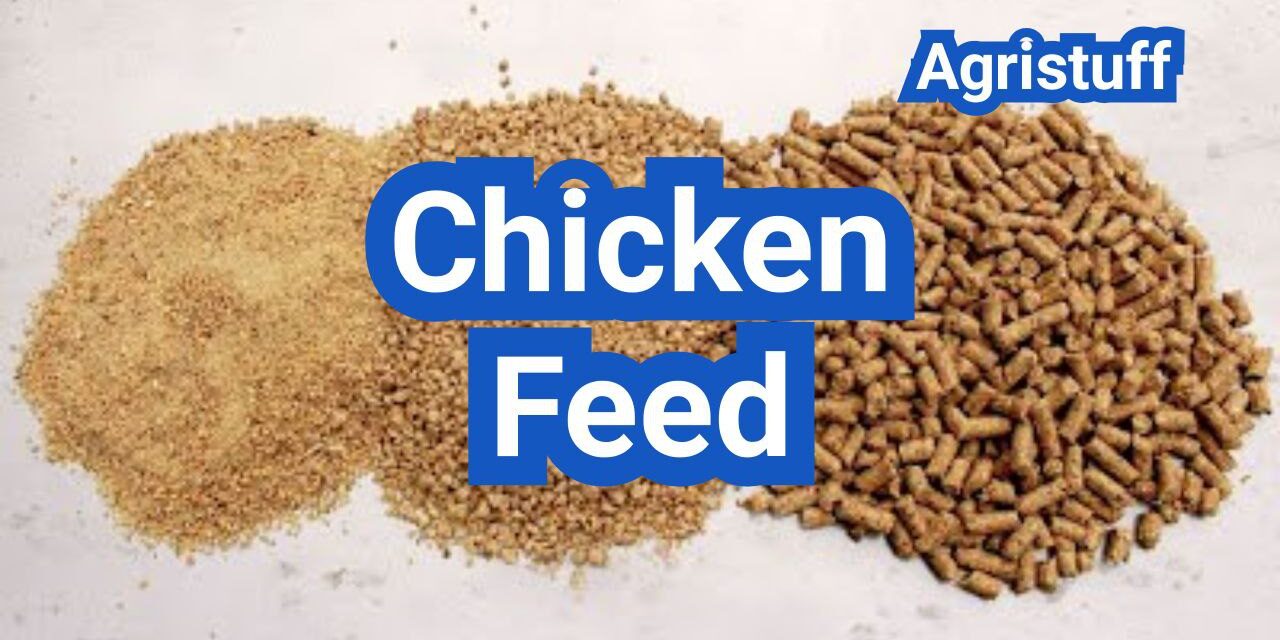
The form of chicken feed you choose can significantly impact how efficiently your chickens eat and how much waste is produced. Chicken feed is available in various forms, including crumbles, pellets, and mash, each with its unique characteristics.
Pros and Cons of Different Feed Textures
Different feed textures cater to different needs and preferences of chickens. Here’s a breakdown of the pros and cons of each form:
- Crumbles: Crumbles are small, uniform pieces of feed that are easy for chickens to eat. They are particularly suitable for young chicks who are just starting to eat solid foods. However, crumbles can be messy and may result in more waste if not managed properly.
- Pellets: Pellets are a popular choice for chicken feed due to their convenience and reduced waste. They are compact and less likely to be scattered by chickens. Pellets are suitable for chickens of all ages but are especially beneficial for older chickens who can easily consume them.
- Mash: Mash feed is a loose, ground mixture that can be less appealing to some chickens due to its texture. However, it allows for a varied diet as it can be mixed with other nutrients. Mash can be more difficult for young chicks to eat, and it may require more labor to manage.
Which Form Works Best for Different Ages
The age of your chickens is a critical factor in determining the most suitable feed form. For instance:
- Chicks typically start with crumbles or mash, as these are easier for them to consume.
- As chickens grow, pellets become a more efficient and less wasteful option.
- For laying hens, pellets or crumbles can be used, depending on their preference and the feeding system’s design.
Reducing Waste with the Right Feed Form
Reducing waste is not only cost-effective but also helps in maintaining a clean and healthy environment for your chickens. Here are some tips:
- Use pellets for older chickens to minimize scattering.
- For younger chicks, start with crumbles and transition to pellets as they grow.
- Consider using feeders that are designed to reduce waste, regardless of the feed form you choose.
By understanding the pros and cons of different chicken feed forms and choosing the right one for your flock’s age and needs, you can optimize their nutrition while reducing waste and costs.
Essential Supplements: Grit, Oyster Shell, and More

Supplements are a critical component of a chicken’s diet, supporting digestion and egg production. While chicken feed provides the necessary nutrients for growth and development, additional supplements can enhance the overall health and productivity of your flock.
Why Grit Is Necessary for Digestion
Grit is a crucial supplement for chickens, aiding in the digestion of food. Since chickens do not have teeth, they swallow their food whole, and grit helps grind the feed in the gizzard, making nutrients more accessible. Providing grit for chickens is essential, especially when they are consuming whole grains or foraging.
There are different types of grit available, including insoluble grit and soluble grit. Insoluble grit is used for grinding food in the gizzard, while soluble grit provides calcium. Choosing the right type of grit depends on the age and diet of your chickens.
How to Provide Calcium Supplements for Laying Hens
Calcium is vital for laying hens, as it supports the production of strong eggshells. Oyster shell is a popular calcium supplement that can be provided alongside layer feed to ensure hens have enough calcium to produce eggs without depleting their bone calcium stores.
| Supplement | Purpose | When to Provide |
|---|---|---|
| Grit | Aids in digestion | Always, especially with whole grains or foraging |
| Oyster Shell | Provides calcium for eggshell production | For laying hens, alongside layer feed |
When and How to Offer Supplements
The timing and method of offering supplements can impact their effectiveness. It’s recommended to provide supplements in a separate feeder to allow chickens to free-feed according to their needs. Ensuring that supplements are fresh and accessible is crucial.
For example, grit should be available at all times for chickens that are foraging or eating whole grains. For laying hens, oyster shell should be introduced when they start laying eggs to support eggshell production.
Optimizing Chicken Feed Protein Levels by Age

Optimizing protein levels in chicken feed is essential for the health and productivity of chickens at various ages. Protein is a critical nutrient that supports growth, maintenance, and egg production. Understanding the protein requirements at different life stages is crucial for providing the right nutrition.
Recommended Protein Percentages from Chick to Adult
The protein requirements for chickens vary significantly as they grow from chicks to adults. For instance, chicks require a higher protein diet to support their rapid growth and development. Typically, starter feeds for chicks contain around 18-20% protein. As chickens grow into pullets, the protein requirement gradually decreases, with grower feeds usually containing about 16-18% protein. Laying hens, on the other hand, require a diet that supports egg production, often around 16-17% protein.
Protein Requirements by Age:
- Chicks (0-8 weeks): 18-20% protein
- Pullets (8-18 weeks): 16-18% protein
- Laying Hens (18 weeks and beyond): 16-17% protein
Signs of Protein Deficiency or Excess
It’s crucial to monitor chickens for signs of protein deficiency or excess, as both can lead to health issues. A deficiency may result in stunted growth, reduced egg production, and poor feather condition. On the other hand, excessive protein can lead to kidney damage and increased feed costs without additional benefits.
Signs of Protein Deficiency:
- Slow growth rate
- Reduced egg production
- Poor feather quality
Signs of Excessive Protein:
- Kidney damage
- Increased feed costs
- Potential for gout
Adjusting Protein for Different Breeds and Purposes
Different chicken breeds and those raised for different purposes (e.g., egg production, meat production) may have varying protein requirements. For example, heritage or dual-purpose breeds might require adjustments in their protein intake based on their specific growth rates and production levels.
When adjusting protein levels, consider the breed’s specific needs, the climate, and the production level. For instance, high-producing laying hens may benefit from a slightly higher protein diet during peak production periods.
By understanding and adjusting the protein levels in chicken feed according to age, breed, and purpose, poultry keepers can optimize the health, growth, and productivity of their flock.
DIY Chicken Feed: Making Your Own Blends

Homemade chicken feed recipes provide a personalized approach to chicken nutrition, ensuring your flock gets exactly what it needs. By creating your own blends, you can tailor the nutritional content to the specific requirements of your chickens at different stages of their lives.
Step-by-Step Homemade Feed Recipes
Creating homemade chicken feed involves mixing various ingredients to achieve a balanced diet. A basic recipe might include a combination of grains, proteins, and supplements. For example, a starter feed for chicks could include oats, corn, soybean meal, and fish meal, providing the necessary protein for growth.
To make a simple starter feed, you can follow this recipe:
- 20% oats
- 30% corn
- 20% soybean meal
- 10% fish meal
- 20% other ingredients (grit, vitamins, etc.)
Sourcing Quality Ingredients
The quality of your homemade chicken feed is directly related to the quality of the ingredients you use. It’s essential to source ingredients from reputable suppliers to ensure they are fresh and free from contaminants.
When sourcing ingredients, consider the following:
- Look for suppliers that provide non-GMO and organic options.
- Check for certifications that ensure the ingredients meet certain standards.
- Buy in bulk to save money, but ensure you have proper storage to maintain freshness.
Cost Comparison: Homemade vs. Commercial
One of the primary motivations for making homemade chicken feed is cost savings. However, the actual cost can vary depending on the ingredients and their sources.
| Feed Type | Cost per Pound | Nutritional Value |
|---|---|---|
| Homemade Starter Feed | $0.50 | Customizable, potentially higher protein |
| Commercial Starter Feed | $0.60 | Standardized nutrition, convenient |
| Homemade Layer Feed | $0.45 | Can be tailored for better egg production |
| Commercial Layer Feed | $0.55 | Formulated for optimal egg laying |
Making your own chicken feed can be cost-effective and allows for customization to meet the specific needs of your flock. By following simple recipes and sourcing quality ingredients, you can ensure your chickens receive the nutrients they need for optimal health and productivity.
Pasture-Raised Chicken Feeding Programs

Pasture-raised chicken feeding programs require a delicate balance between forage and supplemental feed to ensure optimal health and productivity. This balance is crucial for maintaining the overall well-being of the flock and maximizing the benefits of pasture-raising.
Balancing Forage with Supplemental Feed
A well-designed feeding program for pasture-raised chickens combines the nutritional benefits of forage with the consistency of supplemental feed. Forage provides essential vitamins, minerals, and proteins, while supplemental feed ensures that the chickens receive a balanced diet.
Key considerations for balancing forage and supplemental feed include:
- Assessing the quality and quantity of available forage
- Determining the nutritional needs of the chickens at different stages of their life cycle
- Selecting appropriate supplemental feeds that complement the forage
Seasonal Adjustments for Pasture-Raised Flocks
Pasture-raised chicken feeding programs must be adaptable to seasonal changes that affect forage availability and quality. For example, during winter months when forage is scarce, supplemental feed becomes more critical to ensure the chickens’ nutritional needs are met.
Seasonal adjustments may involve:
- Increasing the proportion of supplemental feed during periods of low forage availability
- Rotating pastures to maintain forage quality and prevent overgrazing
- Providing additional nutrients or supplements as needed based on seasonal conditions
Benefits of Pasture-Based Nutrition
Pasture-based nutrition offers numerous benefits for chicken health and productivity. These benefits include improved immune function, better egg quality, and enhanced overall well-being.
“Pasture-raised chickens have been shown to have higher levels of omega-3 fatty acids and vitamins A and E in their eggs compared to those raised in confinement.”
The benefits of pasture-based nutrition underscore the importance of a well-managed pasture-raised chicken feeding program.
Chicken Feed Storage and Safety

Chicken feed storage and safety are critical components of a successful backyard chicken-keeping experience. Proper storage is essential to maintain the quality of the feed and prevent contamination.
Preventing Mold and Pests
Mold and pests are significant concerns when storing chicken feed. To prevent mold, it’s crucial to keep the feed dry and store it in a well-ventilated area. Using airtight containers can help keep moisture out and prevent pest infestations.
Tips for preventing mold and pests:
- Store feed in a cool, dry place.
- Use rodent-proof containers.
- Regularly inspect feed for signs of mold or pests.
Recognizing Moldy Feed Symptoms
Moldy feed can be hazardous to chickens. Signs of moldy feed include a musty smell, visible mold, or clumping. If you notice any of these symptoms, it’s best to discard the feed to avoid health risks to your chickens.
Common symptoms of moldy feed:
- Musty or sour smell.
- Visible mold or fungal growth.
- Clumping or dampness.
Best Storage Containers and Practices
The right storage containers and practices can significantly impact the quality and safety of chicken feed. Airtight, rodent-proof containers are recommended.
| Storage Method | Benefits | Precautions |
|---|---|---|
| Airtight Containers | Prevents moisture and pests | Ensure containers are clean and dry before use |
| Cool, Dry Storage Area | Reduces risk of mold | Avoid storing near heating sources or damp areas |
| First-In, First-Out System | Ensures older feed is used before it spoils | Label containers with purchase dates |
Reducing Feed Waste and Costs for Backyard Chickens

One of the key challenges in keeping backyard chickens is minimizing feed waste and costs. Efficient feeding practices are essential for maintaining a healthy flock while keeping expenses under control.
Selecting Efficient Feeder Designs
The design of the feeder plays a significant role in reducing waste. Efficient feeder designs can significantly minimize spillage and waste. For instance, feeders with adjustable heights and those that allow chickens to access feed without scratching it out are highly effective.
When choosing a feeder, consider the size of your flock and the age of your chickens. Larger flocks require feeders that can hold more feed, while smaller flocks can use smaller feeders. Additionally, feeders designed for specific age groups can help reduce waste by ensuring that the feed is accessible to the chickens.
DIY Feeder Options to Minimize Waste
For those on a tight budget, DIY feeder options can be a cost-effective solution. Creating your own feeders using materials like PVC pipes, buckets, or wooden crates can be an innovative way to minimize waste. These DIY feeders can be designed to meet the specific needs of your flock, reducing spillage and waste.
A simple DIY feeder can be made using a plastic bucket with holes drilled at the bottom for the chickens to access the feed. This design prevents the chickens from scratching out the feed, thereby reducing waste.
Calculating Feed Consumption and Budgeting
To effectively manage feed costs, it’s crucial to calculate feed consumption accurately. Monitoring how much feed your chickens consume over a certain period can help you budget more effectively. Factors such as the size, age, and breed of your chickens, as well as their production level (e.g., egg laying), will influence feed consumption.
By understanding your flock’s feed consumption patterns, you can better plan your budget. Consider the cost of feed per month and look for ways to optimize your feeding strategy to save costs without compromising the health and productivity of your chickens.
Creating Your Optimal Chicken Feeding Program
Creating an optimal chicken feeding program involves understanding the different stages of chicken development and the nutritional requirements at each stage. By following the best practices in managing chicken feed storage and handling, backyard chicken keepers can ensure their flock receives the right feed.
Feeding chickens at different ages requires careful consideration of their nutritional needs. From chick starter feed to layer feed, each stage has its unique requirements. Understanding the basics of feeding chickens is essential to provide the best types of feed for optimal health and productivity.
By considering factors such as age, breed, and production goals, chicken keepers can create a tailored feeding program. This ultimate guide provides the necessary information to make informed decisions about chicken feed, ensuring a healthy and productive flock.
FAQ
What is the difference between medicated and non-medicated chick starter feed?
Medicated chick starter feed contains additives to prevent coccidiosis, a common health issue in young chicks, while non-medicated starter feed does not. The choice between the two depends on the risk of coccidiosis and whether the chicks have been vaccinated.
How often should I switch between different types of chicken feed?
Chickens require different types of feed at various stages of their lives. Typically, you should switch from starter to grower feed around 8 weeks and from grower to layer feed around 18 weeks. The exact timing may vary based on breed and development.
What are the benefits of using crumbles, pellets, or mash as chicken feed?
Crumbles are easy to eat and reduce waste, pellets are less wasteful and can be more nutritious, and mash is a finely ground mix that can be customized. The best form depends on the age and preferences of your chickens.
Why is grit necessary for chickens, and how should it be provided?
Grit is necessary for chickens to digest their food properly, as it helps grind grains and other hard materials in the gizzard. Provide grit in a separate container, allowing chickens to eat it as needed.
How can I ensure my laying hens are getting enough calcium?
Laying hens require a diet rich in calcium to produce strong eggshells. You can provide calcium supplements like oyster shell or crushed eggshells, and ensure their layer feed contains adequate calcium.
What are the signs of protein deficiency or excess in chickens?
Signs of protein deficiency include slow growth, poor feathering, and reduced egg production. Excess protein can lead to kidney damage and other health issues. Monitor your chickens’ health and adjust their feed accordingly.
Can I make my own chicken feed, and what are the benefits?
Yes, you can make your own chicken feed using a mix of grains, proteins, and supplements. The benefits include cost-effectiveness, customization to your flock’s needs, and the ability to avoid unwanted additives found in commercial feeds.
How should I store chicken feed to maintain its quality and safety?
Store chicken feed in a cool, dry place, using airtight containers to prevent moisture and pests. Regularly inspect the feed for signs of mold or spoilage, and discard any compromised feed.
What are some efficient feeder designs to reduce waste?
Efficient feeder designs include treadle feeders, hanging feeders, and feeders with adjustable heights. These designs help minimize waste by allowing chickens to eat comfortably without spilling feed.
How can I calculate my flock’s feed consumption and budget accordingly?
To calculate feed consumption, monitor the amount of feed your flock consumes over a set period. Then, multiply this amount by the cost per unit of feed to determine your monthly expenses. Adjust your feeding program as needed to stay within budget.
Can I use an “all-flock” product instead of separate rations?
Yes for convenience in mixed ages, but chicken feed labeled all-flock usually requires offering calcium separately to active layers so shells stay strong without overdosing youngsters. Colorado State University Extension: Practical Feeding Methods
Do I need grit if I only feed pellets or crumbles?
If chicken feed is the only thing they eat and it’s a complete pellet/crumble, grit needs are often lower, but birds foraging or eating whole grains benefit from access to grit. University of Nebraska Extension (Historical PDF): Pullets & Laying Hens Feeding
How fast should I switch formulas?
Most birds handle a 3–7 day transition well by mixing old and new, and chicken feed changes should be slower if birds are stressed (heat, cold, recent move, parasite pressure). University of Maine Extension: Backyard Chicken Feeding Guidance
How can I tell if feed is going rancid or “off”?
Watch for stale odors, clumping, visible mold, insect activity, and a sudden drop in appetite, because chicken feed spoilage can look subtle until performance crashes. FDA: Proper Storage Basics for Dry Feed Products
Is organic feed worth the price?
It depends on your market and values; chicken feed certified organic can cost more, but may fit premium egg/meat pricing or personal preferences if you can sell (or value) the difference. USDA AMS: Organic Standards Overview
Conclusion of: Chicken Feed Explained
Choosing the right chicken feed is one of the fastest ways to get healthier birds, steadier egg production, and fewer “mystery problems” like slow growth, soft shells, or messy droppings. Mississippi State University Extension: Feeds and Nutrition
The simplest rule is this: buy a complete ration matched to your birds’ age and purpose, because chicken feed is formulated around what the bird is building at that stage—bones, feathers, muscle, or eggshells. University of Maryland Extension: Feeding the Flock
If you learn how to read the tag on the bag, you’ll spot the big differences between chicken feed types in seconds—especially protein, calcium, and whether it’s meant for chicks, growers, or actively laying hens. University of Kentucky Extension: Reading a Feed Tag (PDF)
Chicken feed 101: starter, grower, layer, and what each is designed to do
Most backyard flocks do best on a three-stage plan: starter for hatch to early growth, grower/developer for steady teen growth, and layer once eggs begin—because chicken feed is built around different nutrient “targets,” not just different names on the label. Cornell Cooperative Extension: Feed Chickens Properly (PDF)
The “when to switch” question is also about bird type: meat birds are bred to gain fast, while laying breeds are bred to mature into efficient egg producers, so chicken feed timing should follow your goal (freezer vs egg basket) more than the calendar alone. University of Minnesota Extension: Raising Chickens for Meat
Starter chicken feed: day-old to 6–8 weeks
Starter rations are the most “nutrient-dense” chicken feed most birds will ever eat, because chicks are building organs, immune function, and a skeleton in a short window. Oregon State University Extension: How to Feed Your Laying Hens (PNW 477 PDF)
For best results, keep treats near zero early on and focus on consistency—steady access to fresh water and a balanced chicken feed matters more than any supplement during the first weeks. University of Minnesota Extension: Raising Layer Chicks and Pullets
Grower and developer chicken feed: 6–20 weeks
Once chicks are feathered and growing hard, moving to a grower or developer chicken feed helps prevent “too fast, too fat” growth while still supporting frame size and future production. University of Tennessee Extension: Backyard Chicken Beginnings (PDF)
For broilers, the grower/finisher period is where your feed efficiency is won or lost, so chicken feed decisions here should prioritize a consistent ration and minimizing waste at the feeder. Ohio State University Extension: Raising Meat Chickens (Fact Sheet)
Layer chicken feed: from first egg through production
Layer rations are a different category of chicken feed because eggshell production demands a much higher calcium supply than growing birds need, and that mineral balance is the foundation for shell strength. Alabama Cooperative Extension: Feeding the Laying Hen
Many flocks do best when you offer extra calcium separately (rather than “super-boosting” the main ration), because chicken feed should stay balanced while the hen chooses what she needs day to day. OSU Extension Catalog: PNW 477 (Free-Choice Oyster Shell Note)
A key safety point: don’t feed layer rations to immature birds, because the calcium level in chicken feed for layers can be inappropriate for growing kidneys and bone metabolism. eXtension Poultry: Feeding Chickens for Egg Production
When to switch chicken feed: a timeline you can actually follow
A practical switching plan is: starter from hatch to ~6–8 weeks, grower/developer from ~6–8 weeks to point-of-lay, then layer once eggs start—because chicken feed is meant to match what your bird is doing physiologically, not just the age on the calendar. University of Maryland Extension: Typical Feeding Programs
Make the change gradually if your birds are sensitive: mix old and new for a few days, watch droppings and appetite, and keep everything else stable so chicken feed is the only variable you’re changing. University of Maine Extension: Raising Chickens (Feeding Schedule Guidance)
If you’re raising pullets for eggs, the “switch to layer” moment should be tied to first eggs (or clear point-of-lay signals), because chicken feed with high calcium is most appropriate when the shell gland starts working daily. Colorado State University Extension: Practical Feeding Methods
Medicated vs non-medicated: deciding for your flock
Medicated starter is commonly used to reduce coccidiosis losses in young birds, and the choice matters because chicken feed medication is primarily a prevention tool, not a “fix” for poor brooding hygiene. Merck Veterinary Manual: Coccidiosis in Poultry
If you use medicated rations, follow the exact label directions and understand what the regulations mean, because chicken feed with drugs is treated differently than standard rations in manufacturing and oversight. FDA: Medicated Feeds
Never “guess” on medicated products—stick to the product’s labeled purpose, class of birds, and cautions, because chicken feed labels are the legal instructions that protect both bird health and food safety. FDA: Example Amprolium Type C Medicated Feed Label (PDF)
Reading the bag: how to choose the right chicken feed at the store
Start with the “purpose statement” (starter/grower/layer or all-flock) and the guaranteed analysis—protein, fat, fiber, and key minerals—because chicken feed quality shows up on the tag before it shows up in your coop. University of Kentucky Extension: Reading a Feed Tag (PDF)
Next, check whether the product is a complete feed or a supplement; supplements can be useful, but chicken feed should be “complete” for most backyard keepers unless you have a tested formula and mixing system. Animal Feed Labeling Guide (AAFCO Model-Based PDF)
Finally, match the mineral story to your birds: growers need far less calcium than layers, while high-producing hens may need more, so chicken feed selection is really “protein + calcium + purpose” in plain English. Peer-Reviewed Study (Open Access): Calcium Levels in Laying Hens
Mash, crumbles, or pellets: does form matter?
Feed form can influence intake, waste, and even growth rates, so chicken feed isn’t just “what’s in it,” but also how it’s processed and presented at the feeder. Peer-Reviewed Study (Open Access): Feed Form Effects (Mash vs Crumble/Pellet)
For most small flocks, crumbles are easiest for chicks and small beaks, while pellets can reduce sorting in older birds—so chicken feed form is often a “waste control” decision as much as a nutrition decision. Aviagen (Industry Handbook PDF): Feed Phase Transitions
Supplements, scratch, and treats without wrecking the ration
Grit and oyster shell are not the same: grit helps grind feed in the gizzard when birds eat whole grains/forage, while oyster shell is calcium—so chicken feed supplementation should be targeted, not random. eXtension Poultry: Avian Digestive System (Why Grit Matters)
Treats can be useful for training and enrichment, but keep them limited and avoid risky scraps (moldy foods, certain peels, salty leftovers), because chicken feed should remain the main nutrient source. Colorado State University Extension: Feeding + “Do Not Feed” List
If your flock is pastured, remember that pasture is variable—season, rainfall, and plant maturity change what birds can harvest—so chicken feed should be your consistent “nutrient baseline” even when birds forage well.
Water, weather, and pasture: adjusting chicken feed by season
Heat reduces intake, and birds often drink more to regulate body temperature, so chicken feed programs in summer should focus on cool, clean water and minimizing stressors that suppress appetite. University of Minnesota Extension: Preventing Heat Stress in Poultry
Cold weather can raise maintenance energy needs, so chicken feed in winter may require tighter waste control and smarter timing (feed earlier in the day, keep water available, and watch body condition). University of Minnesota Extension: Caring for Chickens in Cold Weather
If you rotate pasture or use movable pens, manage feeders carefully to prevent rain and mud contamination, because chicken feed losses on wet ground are both expensive and a mold risk.
Storage and safety: keeping chicken feed fresh and non-toxic
Buy a reasonable amount and use it promptly; long storage, heat, and humidity can degrade nutrients, so chicken feed is best treated like a perishable input even if it looks “dry and stable.” University of Maine Extension: Best Practices for Raising Backyard Chickens
Store in sealed containers off the floor, and treat rodents as a nutrition problem (not just a nuisance), because chicken feed contaminated by pests can spread disease and waste a surprising amount of your budget. Mississippi State University Extension: Controlling Rodents on Poultry Farms
Be strict about mold: if it smells musty, clumps, or shows visible growth, discard it, because chicken feed contaminated with toxins like aflatoxin can harm birds quickly and quietly. NC State Extension: Aflatoxins and Animal Food Safety
Quick checklist
Use this checklist any time you buy a new bag or change formulas, because chicken feed changes are easiest to manage when you make them systematic instead of reactive. CDC: Backyard Poultry Health and Hygiene
- Confirm bird purpose: layers, meat birds, or mixed “all-flock.”
- Match stage: starter (chicks), grower/developer (pullets), layer (actively laying).
- Check the tag: crude protein and calcium are the “big two.”
- Choose feed form (crumbles/pellets) that reduces sorting and waste.
- Limit treats so the complete ration stays dominant.
- Offer calcium separately for layers if shells are thin (don’t dose chicks).
- Decide on medicated starter only if your risk and management justify it.
- Keep feed dry, sealed, and off the floor; label bins with purchase date.
- Monitor consumption weekly (a sudden drop often signals stress or illness).
- Adjust seasonally: heat suppresses intake; cold increases energy needs.
Common mistakes to avoid
Most backyard feeding issues come from a handful of repeatable errors, and chicken feed problems are usually preventable when you think in “stage + storage + treats” rather than chasing symptoms. FDA Consumer Update: Storing Food Safely (Spoilage Basics)
- Feeding layer ration to chicks or pullets: wait until point-of-lay; use grower/developer first.
- Switching too early “because they look big”: use age + development (feathering/body size) + first egg signs.
- Too many treats/scratch: keep treats limited so the complete ration stays nutritionally dominant.
- Buying months of feed at once: long storage increases rancidity and mold risk; buy what you’ll use soon.
- Wet feeders or open bins: moisture invites mold; upgrade storage before adding supplements.
- Ignoring water quality: poor water reduces intake; low intake lowers nutrient delivery even with a good ration.
- Over-supplementing “just in case”: random minerals can unbalance diets; supplement only for a clear reason.
- Using medicated feed incorrectly: follow label directions and bird class; don’t improvise.
Costs and ROI snapshot
In most U.S. backyard and small-farm setups, chicken feed is the top recurring cost driver, so the easiest ROI win is reducing waste (spilled feed, rodents, rain exposure) before chasing “fancy” additives. University of Maryland Extension: Economics of Small Poultry Flocks
For layers, a practical budgeting method is “cost per dozen eggs” using local prices: estimate daily intake, convert to monthly pounds, then divide by expected eggs, because chicken feed ROI is really a math problem plus good management. South Dakota State University Extension: Tips for Feeding Poultry Wisely
For small commercial or semi-commercial egg flocks, use an enterprise budget to separate costs (feed, pullets, bedding, labor, packaging), because chicken feed efficiency alone doesn’t guarantee profit if your other costs are unmanaged.
Feed prices move with grain markets, transport, and regional supply, so chicken feed cost ranges should be treated as local and time-sensitive—check your co-op and track trends so you can plan purchases instead of reacting. USDA ERS: Feed Grains Database
Final thought
If you want the most reliable results, keep it boring: choose a stage-appropriate complete ration, store it well, limit treats, and switch with a simple plan—because chicken feed consistency beats “perfect” ingredients that are used inconsistently.
Sources & References
- WSU Extension (PDF): Feed-ology—How to Read a Feed Tag
- University of Kentucky Extension (PDF): Feeds and Feeding for Small-Scale Egg Production
- University of Minnesota Extension: Raising Chickens for Meat
- University of Minnesota Extension: Raising Layer Chicks and Pullets
- Purdue Extension (PDF): Food Safety Implications for Raising Backyard Poultry
- FDA: Animal Foods & Feeds (Regulatory Overview)
- USDA AMS (PDF): Organic Certification—Livestock Guidance (NOP 5030)
- USDA FSIS: Shell Eggs From Farm to Table
- CDC: Backyard Poultry (Healthy Pets, Healthy People)
- NC State Extension: Induced Molting of Commercial Layers
- Peer-Reviewed Review (Open Access): Aflatoxins in Feed and Animal Health
- Oregon State University Extension (PDF): How to Feed Your Laying Hens
- Animal Feed Labeling Guide (AAFCO Model-Based PDF)