Quick Answer
Urban farming can improve access to fresh local food, support jobs, expand green space, and strengthen food-system resilience. Urban farmers manage production, marketing, and distribution while addressing local zoning, soil safety, water use, and food-handling requirements.
This guide moves beyond a basic definition to clarify urban farming for U.S. readers. You will learn how it differs from urban agriculture and urban gardening, which community benefits matter most, what urban farmers actually do, and which city safety issues deserve attention.
Key Takeaways
- Urban farming means growing or producing food inside cities and suburbs.
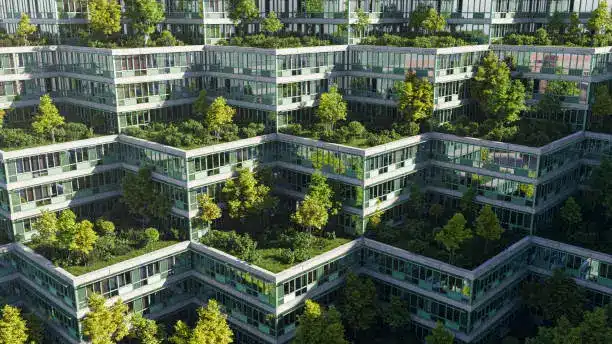
- Urban farming can happen in rooftops, backyards, vacant lots, community gardens, indoor systems, and hydroponic setups.
- An urban farmer is someone who grows or manages food production in a city-based or suburban setting.
- The main benefits of urban farming include local food access, greener city spaces, community education, and shorter food supply chains.
- Urban farming is related to urban agriculture and urban gardening, but it can include more organized production, selling, processing, or community food projects.
What is Urban Farming?
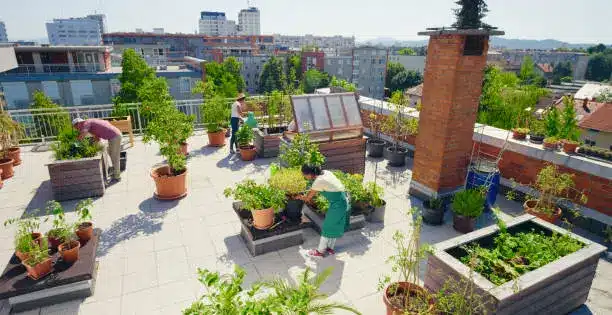
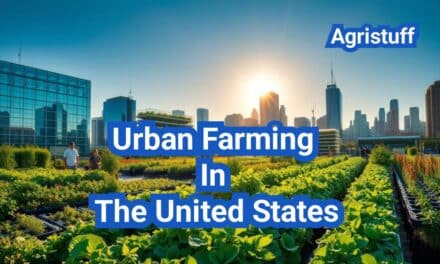
Urban farming, also known as urban agriculture, is the practice of growing, processing, and distributing food within urban areas. It integrates agriculture into the urban ecosystem, creating a symbiotic relationship between food production and city life. This practice includes animal husbandry, aquaculture, agroforestry, urban beekeeping, and horticulture.
Unlike traditional farming, which is typically rural, urban farming thrives in unconventional spaces like rooftops, balconies, vacant lots, and even abandoned buildings. It’s deeply embedded in the urban socioeconomic system, utilizing local labor, resources like organic waste for compost, and urban wastewater for irrigation.
Urban farming also offers ecological benefits, such as improving urban biodiversity and acting as a waste management strategy. It empowers communities by reducing food costs, increasing access to fresh produce, and fostering a sense of responsibility toward the environment.
Urban Farming vs Urban Agriculture vs Urban Gardening

Urban farming is closely related to urban agriculture and urban gardening, but the terms are not always used in exactly the same way. Urban agriculture is the broader term because it can include growing, processing, and distributing agricultural products in urban and suburban areas, including community gardens, rooftop farms, hydroponic systems, aquaponic facilities, and vertical production.
Urban farming often sounds more practical and production-focused because it may involve growing food for households, farmers markets, restaurants, schools, food banks, or local community programs. Urban gardening is usually smaller and more personal, while urban farming can be more organized, commercial, educational, or community-based.
The Benefits of Urban Farming
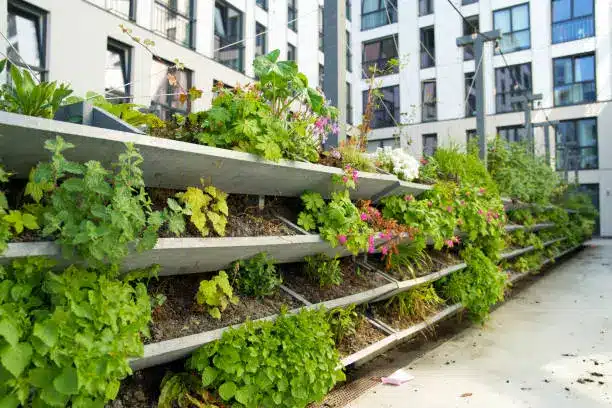
Urban farming is more than just a trend; it’s a transformative practice with far-reaching benefits:
- Food Security: By increasing local food production, urban farming helps address food scarcity in cities. It reduces reliance on long supply chains, ensuring fresher and more nutritious produce.
- Economic Growth: Urban farming creates jobs and entrepreneurial opportunities, from growing and processing to selling and distributing food. It also helps low-income households save on food expenses.
- Ecological Sustainability: Urban farms reduce food miles, lower carbon emissions, and promote waste recycling. They also combat the urban heat island effect and enhance biodiversity.
- Social Cohesion: Community gardens and urban farms bring people together, fostering a sense of belonging and shared responsibility. They also serve as educational spaces, reconnecting urban dwellers with nature.
What Does an Urban Farmer Do?
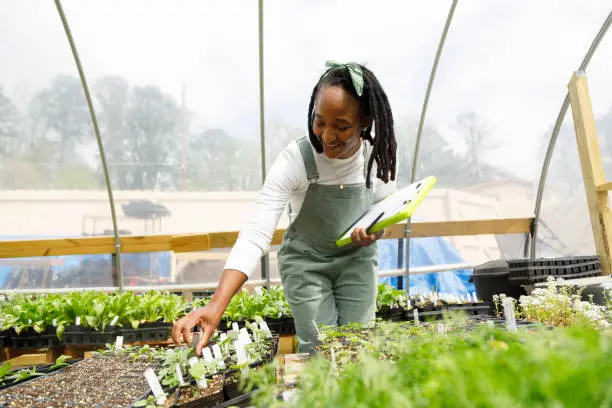
Urban farming depends on urban farmers who know how to grow food in small, crowded, or unconventional spaces. An urban farmer may manage raised beds, rooftop containers, greenhouse crops, hydroponic systems, school gardens, nonprofit food projects, or small commercial plots that sell produce locally.
Urban farming also requires more than planting and harvesting. In many U.S. cities, urban farmers may need to understand local zoning rules, safe soil practices, water access, composting, marketing, food donations, and community education before a project can succeed.
Ecological and Social Impacts of Urban Farming
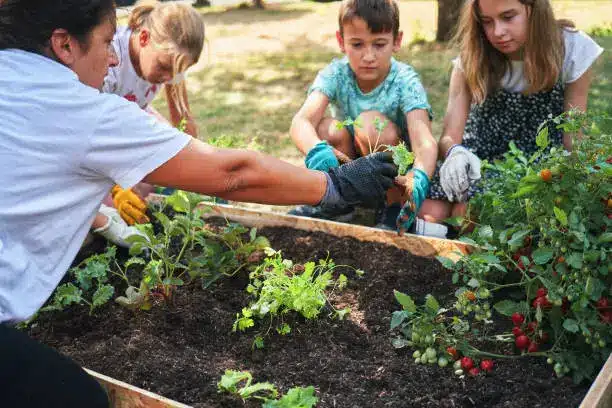
Urban farming is a powerful tool for ecological sustainability. It reduces food miles, minimizes post-harvest losses, and repurposes urban waste into compost. By creating green spaces, it enhances urban biodiversity and helps cities adapt to climate change.
Socially, urban farming strengthens community bonds and combats social isolation. It provides opportunities for intergenerational and intercultural dialogue, fostering inclusivity and mutual respect. Urban farms also serve as hubs for social activities, improving mental health and community well-being.
Is Urban Farming Safe in Cities?
Urban farming can be safe and useful when growers check the site history, understand possible soil risks, and choose the right growing method. In older city lots, soil may need testing before food crops are planted directly in the ground, especially if the area had past industrial, commercial, traffic, or construction activity.
Urban farming does not always require planting directly in existing city soil. Raised beds, clean imported soil, containers, greenhouses, hydroponic systems, aquaponics, and vertical growing systems can reduce risk and make city food production more practical in spaces where the original soil is not ideal.
Conclusion
Urban farming is not just a solution to food insecurity; it’s a pathway to sustainable urban living. By integrating agriculture into cities, it addresses ecological, economic, and social challenges while fostering a deeper connection between people and their environment. As urbanization continues, urban farming will play a crucial role in shaping resilient, healthy, and cohesive cities.