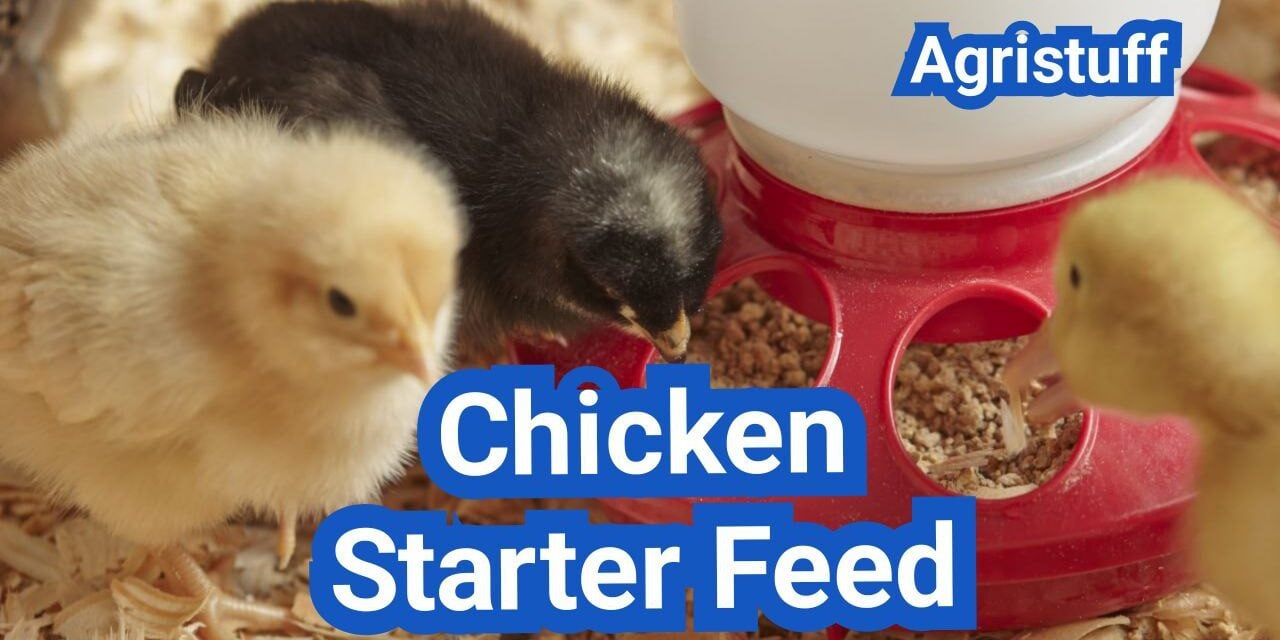
Providing the right nutrition for young chicks is crucial for their healthy development. Chicken starter feed plays a vital role in this process, serving as the primary source of nutrients during the early stages of a chick’s life.
The quality and composition of starter feed can significantly impact the growth and well-being of chicks. Key factors to consider include protein levels, feed texture, and avoiding common mistakes that can hinder a chick’s development.
Key Takeaways
- Protein levels in starter feed are crucial for chick development.
- The texture of the feed, whether crumbles or mash, affects chick growth.
- Avoiding common mistakes in starter feed selection is vital.
- High-quality starter feed supports healthy chick development.
- Understanding the nutritional needs of chicks is essential.
Understanding Chicken Starter Feed

For young chicks, starter feed is the first step towards healthy growth and development. This specialized feed is formulated to meet the unique nutritional needs of chicks during their early stages of life.
The Purpose of Starter Feed for Chicks
Starter feed is designed to provide chicks with the necessary nutrients for optimal growth and development. It is typically high in protein to support the rapid growth rate of young chicks.
Nutritional Requirements: Chicks require a diet rich in protein, vitamins, and minerals. Starter feed is formulated to provide these essential nutrients.
Key Differences Between Starter Feed and Adult Chicken Feed
The nutritional needs of chicks differ significantly from those of adult chickens. While adult chickens require a balanced diet for maintenance, chicks need a nutrient-dense feed to support their rapid growth.
| Nutritional Component | Starter Feed | Adult Chicken Feed |
|---|---|---|
| Protein Percentage | 18-22% | 14-16% |
| Energy Content | High | Moderate |
| Vitamins and Minerals | High levels for growth | Balanced for maintenance |
Understanding these differences is crucial for providing the right nutrition at the right stage of a chicken’s life. By choosing the appropriate feed, chicken keepers can ensure the health and well-being of their flock.
Essential Nutrition in Chicken Starter Feed

Providing chicks with the right nutrition from the start is crucial for their healthy development. Chicken starter feed is specially formulated to meet the unique nutritional needs of young chicks, supporting their rapid growth and development during the initial stages of life.
Optimal Protein Levels for Healthy Development
Protein is a critical component of chicken starter feed, as it provides the building blocks for growth. The optimal protein level in starter feed varies depending on the breed and intended use of the chickens.
Broiler Starter Feed: Why 22% Protein Is Standard
Broiler chicks, which are raised for meat production, require a higher protein content in their starter feed. A standard broiler starter feed typically contains 22% protein. This higher protein level supports the rapid growth rate required for broilers to reach market weight efficiently.
Layer Chick Starter: 18-20% Protein Requirements
Layer chicks, on the other hand, are raised for egg production and have different nutritional requirements. Layer chick starter feed usually contains between 18-20% protein. This level of protein supports healthy growth and development without promoting overly rapid growth, which can lead to health issues later in life.
Vitamins and Minerals Critical for Chick Growth
In addition to protein, vitamins and minerals play a crucial role in the health and development of chicks. Essential nutrients include:
- Vitamin D for bone development
- Calcium for strong bones and eggshell production
- Phosphorus for bone growth and many other bodily functions
- Vitamin B complex for energy metabolism and nerve function
The following table summarizes the key nutritional components and their roles in chick development:
| Nutrient | Role in Chick Development |
|---|---|
| Protein | Building blocks for growth and development |
| Vitamin D | Bone development and calcium absorption |
| Calcium | Strong bones and eggshell production |
| Phosphorus | Bone growth and various bodily functions |
Ensuring that chicks receive a balanced diet that includes these essential nutrients is vital for their health, growth, and future productivity.
Crumbles vs. Mash: Choosing the Right Form

Chicken starter feed comes in various forms, but crumbles and mash are the most common, each with its own set of benefits. The choice between these forms can significantly impact the health and development of young chicks.
Benefits of Starter Crumbles for Young Chicks
Starter crumbles are often preferred for young chicks due to their ease of consumption. Crumbles are smaller and more uniform than mash, making it easier for chicks to eat and digest. This can be particularly beneficial in the first few weeks of life when chicks are still learning to eat and drink.
Advantages of Crumbles:
- Reduced waste: Crumbles are less likely to be kicked out of the feeder or wasted.
- Easier to eat: The uniform size and texture make it simpler for young chicks to consume.
- Improved digestion: The smaller particles can be easier on the chicks’ digestive systems.
When Mash Might Be Preferable
While crumbles have their advantages, mash can be beneficial under certain circumstances. Mash allows chickens to pick and choose the particles they prefer, which can be advantageous for flocks with varying nutritional needs or preferences.
Benefits of Mash:
- Customization: Chicks can select the ingredients they need or prefer.
- Cost-effective: Mash can sometimes be less expensive to produce or purchase.
Pellets: When Are They Appropriate for Chicks?
Pellets are another form of feed that can be used for chicks, though they are generally recommended for older birds. Pellets are made by compressing ingredients into dense, uniform particles. While they can be used for chicks, it’s essential to ensure the pellets are small enough to be safely consumed.
Transitioning Between Different Feed Forms
As chicks grow, it may be necessary to transition them from one feed form to another. For example, starting with crumbles and moving to pellets as they mature. It’s crucial to make these transitions gradually to prevent digestive upset.
Tips for Transitioning:
- Gradual introduction: Start by mixing a small amount of the new feed form with the current feed.
- Monitor health: Keep a close eye on the chicks’ health and adjust the transition pace as needed.
| Feed Form | Benefits | Best For |
|---|---|---|
| Crumbles | Ease of consumption, reduced waste | Young chicks |
| Mash | Customization, cost-effectiveness | Flocks with varied needs |
| Pellets | Uniformity, convenience | Older chicks and adults |
Medicated vs. Unmedicated Starter Feed

Understanding the difference between medicated and unmedicated starter feed is essential for giving your chicks the best start in life. The primary distinction between these two types of feed lies in their approach to preventing coccidiosis, a common and potentially deadly disease in young chicks.
Understanding Coccidiosis Prevention in Medicated Feed
Medicated starter feed contains additives, typically amprolium or other anticoccidial drugs, designed to prevent coccidiosis. Coccidiosis is caused by the Eimeria parasite, which can lead to severe health issues in chicks, including diarrhea, dehydration, and even death. Medicated feed is particularly useful in environments where coccidiosis is prevalent or when raising chicks in conditions that might increase the risk of infection.
When to Choose Medicated Starter Feed
Choosing medicated starter feed is advisable under certain conditions. If you’re raising chicks in an area known to have coccidiosis issues or if you have a large flock that might be more susceptible to outbreaks, medicated feed can be a prudent choice. Additionally, if you’re new to raising chickens and unsure about the health conditions of your chicks, medicated starter feed can provide an added layer of protection.
Benefits of Unmedicated Options
Unmedicated starter feed, on the other hand, is preferred by some chicken keepers who opt for a more natural approach to raising their flock. Unmedicated feed avoids the use of antibiotics and anticoccidial drugs, which can be beneficial for those looking to raise chickens without additives. However, this approach requires careful management of the chicks’ environment to minimize the risk of coccidiosis.
Natural Alternatives to Medicated Feed
For those who prefer to avoid medicated feed, there are natural alternatives that can help prevent coccidiosis. These include using probiotics, prebiotics, and certain herbs known for their anticoccidial properties. While these alternatives can be effective, they require a good understanding of chick health management and may not offer the same level of protection as medicated feed in high-risk environments.
| Feed Type | Coccidiosis Prevention | Use Case |
|---|---|---|
| Medicated Starter Feed | Contains anticoccidial drugs | High-risk environments, large flocks |
| Unmedicated Starter Feed | No additives; relies on natural methods | Small flocks, low-risk environments, natural raising practices |
Commercial Chicken Starter Feed Brands and Options

The right starter feed can significantly impact the health and development of your chicks. With numerous commercial chicken starter feed brands available, it’s essential to understand the options and their characteristics.
Popular Brands Available at Tractor Supply and Other Retailers
Many farmers and backyard chicken keepers rely on well-known brands available at major retailers like Tractor Supply. Some popular options include:
- Purina
- Manna Pro
- Flock Raiser
- Kumina
These brands offer a range of starter feeds formulated for different needs, including medicated and non-medicated options.
Price Comparison of Leading Starter Feeds
Prices for chicken starter feed can vary significantly depending on the brand, formulation, and location. Here’s a comparison of approximate prices for popular brands:
| Brand | Product | Price per 50 lbs |
|---|---|---|
| Purina | Starter Feed | $25-$30 |
| Manna Pro | Starter Crumbles | $28-$32 |
| Flock Raiser | Starter Feed | $22-$28 |
Organic and Non-GMO Alternatives
For those preferring organic or non-GMO options, several brands offer these alternatives. Some popular choices include:
- Organic Valley
- Kalmbach Feeds
- Flint Hill
These feeds are made with organic or non-GMO ingredients and are free from synthetic pesticides and fertilizers.
Specialty Feeds for Heritage Breeds
Heritage breeds may require different nutritional profiles compared to commercial breeds. Specialty feeds catering to these needs are available from brands like:
- Heritage Hatchery
- Country Life
These feeds are formulated to support the unique growth rates and nutritional requirements of heritage breeds.
How Long to Feed Chicks Starter Feed

The length of time chicks should be on starter feed varies based on several factors, including breed, growth rate, and the specific nutritional requirements of the chicks.
Age-Based Feeding Guidelines
Generally, chicks are fed starter feed from day one until they are about 6 to 8 weeks old. For example, broiler chicks typically require starter feed for the first 4 to 6 weeks, while layer chicks may need it for 6 to 8 weeks.
Age-Based Guidelines:
| Chick Type | Starter Feed Duration |
|---|---|
| Broiler Chicks | 4 to 6 weeks |
| Layer Chicks | 6 to 8 weeks |
Signs Your Chicks Are Ready for Grower Feed
Transitioning to grower feed should be based on the chicks’ age, size, and overall health. Signs that chicks are ready for grower feed include:
- Increased activity and foraging behavior
- Visible signs of feathering out
- Reaching the recommended age or weight for their breed
It’s essential to monitor the chicks’ development closely to determine the optimal time for switching feeds.
Transitioning Strategies to Prevent Digestive Issues
To avoid digestive upset when transitioning from starter to grower feed, follow these strategies:
- Start by mixing a small amount of grower feed with the starter feed.
- Gradually increase the proportion of grower feed over 7 to 10 days.
- Monitor the chicks’ droppings and overall health during the transition period.
Gradual transition is key to preventing digestive issues. Ensure that the chicks have access to fresh water at all times during this period.
By following these guidelines and monitoring the health and development of your chicks, you can ensure a smooth transition from starter to grower feed, setting them up for optimal growth and health.
Chicken Starter Feed Ingredients and Formulations

Understanding the composition of chicken starter feed is crucial for raising healthy chicks. The nutritional content of starter feed plays a significant role in the development and health of young chickens.
Common Ingredients in Commercial Starter Feeds
Commercial chicken starter feeds typically contain a mix of grains, proteins, vitamins, and minerals. Grains such as corn and wheat provide energy, while protein sources like soybean meal support growth and development. Other common ingredients include calcium and phosphorus for bone health, as well as various vitamins and minerals.
Understanding Feed Labels and Guaranteed Analysis
Feed labels provide crucial information about the nutritional content of the starter feed. The Guaranteed Analysis section on the label lists the minimum or maximum percentages of certain nutrients, such as crude protein, crude fat, and crude fiber. Understanding these labels helps you choose a feed that meets your chicks’ nutritional needs.
Ingredients to Avoid in Chick Feed
Some ingredients can be harmful to young chicks. It’s essential to avoid feeds containing moldy or spoiled ingredients, as well as those with excessive levels of certain minerals that can be toxic. Always inspect the feed for any signs of spoilage before offering it to your chicks.
The Role of Probiotics and Enzymes in Modern Starter Feeds
Many modern starter feeds include probiotics and enzymes to support digestive health. Probiotics help maintain a healthy gut flora, while enzymes aid in the digestion of complex nutrients. These additives can improve the overall health and growth rate of your chicks.
DIY Chicken Starter Feed Recipes
Making your own chicken starter feed can be a cost-effective and healthy alternative to commercial feeds. By controlling the ingredients, you can ensure that your chicks receive the nutrients they need without unnecessary additives.
Basic Homemade Starter Feed Formula
A basic homemade starter feed formula typically includes a mix of grains, proteins, and supplements. A simple recipe might include 20 pounds of corn, 10 pounds of soybean meal, 5 pounds of alfalfa meal, and various vitamins and minerals. The key is to achieve a balanced mix that provides approximately 20-22% protein, which is ideal for young chicks.
Example Recipe:
- 20 lbs Corn
- 10 lbs Soybean Meal
- 5 lbs Alfalfa Meal
- 1 lb Calcium
- 1/2 lb Vitamin/Mineral Premix
Cost-Effective Ingredients for Homemade Feed
When making homemade starter feed, choosing cost-effective ingredients is crucial. Grains like oats, barley, and wheat can be more economical than corn, depending on your location and supplier. For protein sources, soybean meal is often a cost-effective option, but you can also consider other legumes or even mealworms as alternative protein sources.
| Ingredient | Cost per Pound | Protein Content |
|---|---|---|
| Corn | $0.25 | 8% |
| Soybean Meal | $0.40 | 48% |
| Oats | $0.30 | 11% |
Safety Considerations When Making Your Own Feed
When making your own chicken starter feed, safety is paramount. Ensure that all ingredients are fresh and free from mold or contaminants. It’s also crucial to follow proper food safety guidelines when mixing and storing the feed to prevent spoilage and mycotoxin development.
Tip: Regularly inspect your ingredients and finished feed for any signs of spoilage, and store them in a cool, dry place.
Adjusting Recipes for Different Chicken Breeds
Different chicken breeds may have varying nutritional requirements. For instance, broiler chicks may require a higher protein content (around 22-24%) compared to layer chicks (around 18-20%). Adjusting your homemade starter feed recipe according to the breed and purpose of your chickens can help optimize their growth and health.
By understanding the nutritional needs of your specific chicken breed and making appropriate adjustments to your DIY starter feed recipe, you can provide your chicks with the best possible start in life.
Proper Feeding Techniques for Baby Chicks

Proper feeding techniques are crucial for the healthy development of baby chicks. Ensuring that chicks receive the right nutrients in the correct manner is vital for their growth and productivity.
Feeder Types and Space Requirements | Chicken Starter Feed
Choosing the right feeder type and ensuring adequate feeder space is essential for promoting healthy eating habits among baby chicks. Feeder types vary, including tray feeders, tube feeders, and automatic feeders. Each has its advantages, depending on the size of your flock and your management preferences.
For young chicks, tray feeders are often recommended as they allow easy access to feed. As chicks grow, transitioning to tube feeders can help reduce waste and keep the feeding area clean. Adequate feeder space is critical to prevent competition among chicks. A general rule is to provide at least 1-2 inches of feeder space per chick.
Preventing Feed Waste and Contamination
Preventing feed waste and contamination is crucial for maintaining the health of your chicks. Feeders should be designed to minimize spillage, and placing them in a stable, secure location can help. Regularly cleaning feeders and surrounding areas can prevent the buildup of mold and bacteria.
- Use feeders with narrow openings to reduce spillage.
- Position feeders to avoid easy knocking over.
- Regularly inspect and clean feeders.
Feeding Schedule and Amounts | Chicken Starter Feed
Establishing a consistent feeding schedule helps chicks develop a routine, which is beneficial for their digestive health. The amount of feed provided should be appropriate for the age and breed of the chicks. Overfeeding can lead to waste and health issues, while underfeeding can result in malnutrition.
For the first few weeks, chicks require frequent feeding. As they grow, the frequency can be gradually reduced. It’s essential to monitor the chicks’ weight and overall health to adjust feeding amounts accordingly.
Seasonal Adjustments to Feeding Practices
Seasonal adjustments to feeding practices can help ensure that chicks remain healthy and thrive throughout the year. In colder months, chicks may require more calories to maintain body heat, while in hotter months, ensuring access to fresh water is paramount.
| Season | Feeding Adjustment |
|---|---|
| Winter | Increase calorie intake |
| Summer | Ensure access to fresh water |
By adjusting feeding practices according to seasonal changes, you can better support the health and well-being of your chicks.
Supplements to Starter Feed: Grit and Scratch Grains

Understanding the role of supplements in a chick’s diet is crucial for their overall health. While starter feed provides essential nutrients, additional supplements can support digestive health and overall development.
Do Chicks Need Grit? When and How to Introduce It | Chicken Starter Feed
Grit is a crucial supplement for chicks as it aids in digestion. Chicks start to need grit when they begin to eat solid foods other than starter feed. Initially, chicks don’t require grit because they don’t eat fibrous materials. However, as they grow and start to forage, grit becomes essential.
Introducing Grit: Start with fine grit and gradually move to coarser grit as the chicks grow. It’s essential to provide grit in a separate feeder to allow chicks to eat it freely.
Appropriate Use of Scratch Grains for Young Chicks
Scratch grains can be a nutritious addition to a chick’s diet but should be used appropriately. Scratch grains are treats like cracked corn, oats, or wheat that help chicks learn to forage.
Using Scratch Grains: Introduce scratch grains in moderation, starting around 1-2 weeks of age. Ensure that scratch grains do not make up more than 10% of their diet to avoid nutritional imbalances.
Other Beneficial Supplements for Growing Chicks
Apart from grit and scratch grains, other supplements can benefit growing chicks. Probiotics, for instance, can support gut health, while vitamins and minerals can fill any nutritional gaps.
| Supplement | Benefits | When to Introduce |
|---|---|---|
| Grit | Aids digestion | When starting to eat solid foods |
| Scratch Grains | Encourages foraging, provides treats | Around 1-2 weeks old |
| Probiotics | Supports gut health | From day one |
By understanding and appropriately using these supplements, you can significantly enhance the health and development of your chicks.
Proper Storage of Chicken Starter Feed
Proper storage of chicken starter feed is crucial for maintaining its quality and ensuring the health of your chicks. Chicken starter feed is a critical component in the early stages of a chick’s life, providing essential nutrients for growth and development.
Mold and Mycotoxin Prevention | Chicken Starter Feed
Mold and mycotoxins can develop in chicken starter feed if it is not stored correctly. To prevent this, it’s essential to keep the feed in a cool, dry place. Moisture can lead to mold growth, which in turn can produce mycotoxins harmful to chicks.
Tips for Preventing Mold:
- Store feed in airtight containers to keep moisture out.
- Keep the storage area clean and dry.
- Use feed within a reasonable timeframe to avoid old stock.
Best Containers and Storage Locations | Chicken Starter Feed
The right containers and storage locations can significantly impact the quality of the chicken starter feed. Airtight containers made of durable materials like plastic or metal are ideal. The storage location should be away from direct sunlight, moisture, and pests.
Considerations for Storage Locations:
- Avoid storing feed near heating vents or in attics that can get very hot.
- Keep the storage area well-ventilated to prevent moisture buildup.
- Ensure the area is rodent- and pest-free.
Shelf Life and When to Discard Old Feed
Chicken starter feed typically has a shelf life of several months if stored properly. However, it’s crucial to check the feed’s condition regularly. If the feed smells musty, is moldy, or shows signs of pest infestation, it should be discarded.
| Feed Condition | Action |
|---|---|
| Normal smell and appearance | Use as usual |
| Musty smell or mold visible | Discard immediately |
| Pest infestation | Discard and clean storage area |
Signs of Mycotoxins and Their Effects on Chicks
Mycotoxins can have severe effects on chicks, including reduced growth rates, immune system suppression, and even death in severe cases. Signs that mycotoxins may be present include feed refusal, lethargy, and unusual droppings.
By following proper storage techniques, you can significantly reduce the risk of mold and mycotoxin development in chicken starter feed, ensuring your chicks receive the nutrients they need for healthy growth and development.
Common Mistakes When Feeding Chicks

Feeding chicks can be a challenging task, especially for novice poultry keepers who are unaware of the common pitfalls. Ensuring that chicks receive the proper nutrition during their early stages of development is crucial for their health and growth.
Switching Feeds Too Early or Too Late | Chicken Starter Feed
One of the most significant mistakes in chick rearing is switching feeds too early or too late. Chicks require starter feed until they are about 6-8 weeks old. Switching too early to grower or layer feed can deprive them of essential nutrients needed for their initial growth phase. Conversely, keeping them on starter feed for too long can lead to an imbalance in their nutritional intake, as starter feed is formulated for the specific needs of very young chicks.
It’s essential to monitor the chicks’ age and development to determine the optimal time to transition to the next stage of feed. Generally, this transition occurs when chicks are between 6 to 8 weeks old, but it can vary depending on the breed and growth rate.
Improper Protein Levels for Different Breeds | Chicken Starter Feed
Different chicken breeds have varying protein requirements, especially during their starter phase. For instance, broiler chicks require a higher protein content (around 22-24%) compared to layer chicks (around 18-20%). Using a feed that doesn’t match the protein requirements of your chicks can lead to suboptimal growth or health issues.
It’s crucial to select a starter feed that is appropriate for the specific breed of chicks you are raising. Reading the feed label and understanding the nutritional content can help ensure that you’re providing the right amount of protein.
Ignoring Signs of Nutritional Deficiencies | Chicken Starter Feed
Chicks that are not receiving the proper nutrients may exhibit signs of nutritional deficiencies, such as slow growth, lethargy, or poor feathering. Ignoring these signs can lead to more severe health problems, including increased susceptibility to diseases.
Poultry keepers should be vigilant about monitoring their chicks’ health and behavior. If any signs of nutritional deficiencies are observed, adjusting their feed or consulting with a poultry expert can help address these issues promptly.
Poor Brooder Management Affecting Feed Consumption
The environment in which chicks are raised, known as the brooder, plays a significant role in their overall health and feed consumption. Factors such as temperature, cleanliness, and space can affect how well chicks eat and grow.
Maintaining a clean, well-ventilated brooder with adequate space and appropriate temperature can encourage healthy feeding behavior. Ensuring that feeders are clean and easily accessible is also crucial for maximizing feed consumption.
Setting Your Chicks Up for Success
Raising healthy chicks requires careful consideration of their nutritional needs, and chick starter feed plays a crucial role in their development. By understanding the importance of protein levels, choosing between crumbles and mash, and avoiding common mistakes, you can set your chicks up for successful chick rearing.
The right chick starter feed provides essential nutrients for growth, and selecting a high-quality feed is vital. Whether you opt for medicated or unmedicated feed, it’s essential to follow best practices for feeding and caring for your chicks.
Proper nutrition, combined with good brooder management and a well-planned feeding schedule, will help your chicks thrive. By following the guidelines outlined in this article, you can ensure your chicks receive the nutrients they need for healthy development, ultimately leading to successful chick rearing and a thriving flock.
Investing time and effort into choosing the right chick starter feed and following proper feeding techniques will pay off in the long run, giving you a strong foundation for raising healthy chicks.
FAQ
What is chicken starter feed, and why is it important for chicks?
Chicken starter feed is a specially formulated feed for young chicks, providing essential nutrients for healthy growth and development. It’s crucial during the early stages of a chick’s life.
What are the optimal protein levels for chicken starter feed?
The optimal protein level varies depending on the type of chicken. Broiler starter feed typically contains 22% protein, while layer chick starter feed usually has 18-20% protein.
What is the difference between medicated and unmedicated starter feed?
Medicated starter feed contains additives to prevent coccidiosis, a common health issue in young chicks. Unmedicated feed does not contain these additives, and the choice between them depends on the specific needs of the chicks.
How long should chicks be fed starter feed?
Chicks are typically fed starter feed for the first few weeks of life, usually until they are around 6-8 weeks old. The exact duration depends on factors like breed and growth rate.
Can I make my own homemade chicken starter feed?
Yes, you can make your own homemade chicken starter feed using a combination of grains, proteins, and supplements. However, it’s essential to ensure the recipe is nutritionally balanced and safe for the chicks.
What are the benefits of using crumbles versus mash for young chicks?
Crumbles are often preferred for young chicks because they are easier to eat and reduce waste. Mash can be used, but it may require more effort to ensure the chicks are eating it properly.
Do chicks need grit, and when should it be introduced?
Chicks don’t need grit initially, but as they start eating more solid foods and scratch grains, introducing grit can help with digestion. The timing depends on the individual chick’s development.
How should I store chicken starter feed to prevent mold and mycotoxins?
Store chicken starter feed in a cool, dry place, using airtight containers to prevent moisture and pests. Regularly check for signs of mold or mycotoxins, and discard old feed as needed.
What are some common mistakes to avoid when feeding chicks?
Common mistakes include switching feeds too early or too late, using improper protein levels, ignoring signs of nutritional deficiencies, and poor brooder management. Being aware of these potential issues can help ensure the health and success of the chicks.
Can I use scratch grains as a supplement to starter feed for young chicks?
Scratch grains can be introduced to young chicks, but it’s essential to do so in moderation and ensure they are not replacing the starter feed. Scratch grains should be used as a supplement, not a replacement.
What are the signs that chicks are ready to switch from starter to grower feed?
Signs that chicks are ready for grower feed include reaching a certain age (usually around 6-8 weeks), showing signs of maturity, and having a steady growth rate. It’s essential to transition gradually to prevent digestive issues.
Conclusion of: Chicken Starter Feed
Chicken Starter Feed is the “foundation ration” for newly hatched chicks because it delivers dense nutrition when growth, immune development, and bone formation are moving fast. Most small flocks keep a complete starter ration available free-choice from day one through roughly the first 6 weeks (sometimes longer, depending on bird type and management). The goal isn’t just fast growth—it’s steady, uniform development with fewer setbacks from stress, chilling, or messy brooders OSU Extension: How to Feed Your Laying Hens (Starter feeds)
Chicken Starter Feed works best when you treat it like a “system,” not just a bag of feed, because early feed intake depends on brooder temperature, water access, and feeder placement. In the first 48 hours, chicks are learning where food and water are, and tiny mistakes (drafts, damp litter, empty waterers) can reduce intake and slow the entire batch. A simple routine—warm brooder, clean water first, then feed in easy-to-find trays—usually beats any fancy supplement plan UMN Extension: Raising layer chicks and pullets
Chicken Starter Feed decisions usually come down to three practical questions: what protein level fits your bird type, which physical form (crumbles or mash) keeps chicks eating with less waste, and what “rookie mistakes” cause the most problems. This guide focuses on making those choices using real U.S. backyard and small-farm conditions—humidity swings, mixed-breed brooders, and feed stored in garages, barns, or sheds University of Maryland Extension: Feeding the Flock
What makes starter feed different (and why it matters)
Chicken Starter Feed is formulated to be a complete ration, meaning it’s designed to cover energy, protein, amino acids, vitamins, and minerals without needing extras. That “complete” part is important because adding scratch grains, bread, or too many treats early can dilute nutrients right when chicks need them most. If you want the simplest rule: prioritize consistent intake of a balanced starter before you experiment with anything else MSD Veterinary Manual: Nutritional requirements of poultry
Chicken Starter Feed also protects you from the common “wrong feed at the wrong age” issue, like giving layer feed too early (often higher calcium) or using a diet that isn’t matched to chick growth rate. When the ration doesn’t match the bird, you can see slow feathering, uneven sizes, pasty vents, or chicks that seem constantly hungry. Matching the feed to the class of bird is the quiet difference between a smooth brooder and a stressful one University of Kentucky: Feeds and Feeding for Small-Scale Egg Production
Protein levels: how to pick the right range
Chicken Starter Feed protein is usually discussed as a percentage, but what you’re really buying is a balance of amino acids (especially lysine and methionine) plus energy that allows protein to be used efficiently. For many layer-type chicks, starter feeds commonly sit in the 18–20% crude protein range for the first several weeks. That range generally supports steady skeletal growth without pushing overly rapid weight gain in birds meant for egg production University of Guam (Land Grant): Protein guidance by age
Chicken Starter Feed for meat birds is often higher protein than layer starter, especially in the earliest phase, because broiler genetics are built for faster gain and higher nutrient demand. If you’re raising birds for meat, starter rations around the low 20s are common in practical programs, especially through the first few weeks. The key is not chasing “more protein” blindly, but choosing a proven starter that matches your target growth and your management (space, ventilation, litter) UMN Extension: Raising chickens for meat
Chicken Starter Feed protein choice should also reflect your flock’s “reality,” like mixed breeds, slower-growing heritage birds, or pasture-style systems where growth rate is intentionally moderated. In those cases, moderate protein with excellent consistency and freshness often outperforms “max protein” feed that’s stale, dusty, or frequently diluted with treats. Think in outcomes: uniform body size, bright eyes, good feathering, and steady weekly gain rather than extremes eOrganic: Nutrient requirements context for meat chickens
Chicken Starter Feed labels can look confusing, but the “Guaranteed Analysis” is your fast checkpoint for whether the product fits your plan. Protein is listed as a minimum, and you may also see amino acids like lysine and methionine, plus calcium and phosphorus levels that matter for bone development. If your chicks are struggling, reading the tag carefully often reveals the real issue (wrong product class, not a complete feed, or a mismatch in intent) University of Kentucky: Reading a Feed Tag
Chicken Starter Feed should be selected by bird class and stage, not just brand, because “starter/grower” can mean different things depending on whether the feed is for layer replacements or broilers. Regulatory and labeling frameworks define animal classes and intended uses, which is why two “starter” bags may have different nutrient goals. If you keep a mixed flock, pick one starter that fits your main objective, then manage the exceptions with timing and careful transitions
Crumbles vs mash: what actually changes in the brooder
Chicken Starter Feed in crumble form is often easier for small beaks to pick up, and it tends to reduce “sorting” where chicks peck only the tastiest particles. Crumbles can also help reduce waste because chicks handle them more cleanly than very fine mash, especially when they’re learning to eat. If you’ve ever seen a ring of dusty feed kicked into litter, that’s the mash challenge in a typical backyard brooder University of Maryland Extension: Feed forms and practical notes
Chicken Starter Feed in mash form can still work well, particularly if you keep it fresh, avoid moisture, and use a feeder that reduces scratching. Mash is often less expensive because it’s less processed than crumbles or pellets, which can matter when raising larger batches. The tradeoff is that mash can create more dust and waste if feeders are shallow or placed too low for the chicks UC ANR: Principles of Feeding Small Flocks (PDF)
Chicken Starter Feed texture can influence early intake more than people expect because chicks eat tiny amounts frequently, and “easy access” beats “perfect formulation” if birds aren’t consuming it. In the first few days, scattering a small amount on paper or trays can encourage pecking behavior regardless of whether you chose crumbles or mash. Once chicks recognize the feeder, you can gradually shift all feed into the feeder system you plan to use long-term Mississippi State: Grow Healthy Chicks (PDF)
Chicken Starter Feed choice also interacts with brooder humidity and litter management, because damp litter plus fine feed dust is a recipe for caked floors and dirty feet. If your brooder is in a garage or barn with higher moisture, crumbles can be more forgiving because they stay “feed-like” longer. If you use mash in humid conditions, tighter feeder management and more frequent top-ups usually prevents clumping and spoilage Penn State Extension: Small-scale poultry housing (storage and environment)
How to use starter feed in the first 2 weeks (step-by-step)
Chicken Starter Feed works best when chicks drink first, then eat, because dehydration after shipping or pickup can blunt appetite. As soon as chicks arrive, place them under warmth, guide a few beaks to water, and keep water clean and easy to reach. After you see active drinking, introduce feed in shallow trays near the water so chicks encounter both repeatedly UF/IFAS Extension: Successfully Caring for Chicks
Chicken Starter Feed intake improves when feeder and waterer placement matches chick movement, because weak or chilled chicks won’t travel far. A practical brooder rule is to keep feed and water close enough that every chick can reach them easily without crossing cold zones or crowded corners. If you notice chicks piling away from the feeder or clustering in one area, fix temperature and layout before blaming the feed
Chicken Starter Feed should be offered in a way that prevents “dominant chicks” from monopolizing access, especially in larger brooder groups. Feeder space matters: too little space creates uneven sizes and can make timid chicks fall behind quickly. In practical backyard terms, add feeder length sooner than you think you need it, and watch the smallest birds as your “indicator group” Penn State Extension: Space should increase as birds grow
Chicken Starter Feed is easier to manage when you keep it clean and dry, because chicks will scratch litter into feeders and contaminate feed with droppings if equipment is poorly positioned. Raise feeders gradually as chicks grow so the lip is roughly at back height, which reduces waste and litter mixing. A few minutes of daily feeder cleaning prevents the slow build-up that leads to poor appetite and digestive stress Mississippi State Extension: Grow healthy chicks (sanitation and management)
Chicken Starter Feed becomes more consistent when you adopt a “top up, don’t dump” routine, because dumping old feed and refilling can hide spoilage and encourages clumping at the bottom. Instead, add smaller amounts more often, and discard anything that got wet or smells musty. Fresh feed smell and free-flowing texture are simple signals that your chicks are getting what you paid for University of Kentucky: Maintaining a Backyard Poultry Facility (feed storage and moisture)
Medicated vs non-medicated: making a smart choice
Chicken Starter Feed labeled “medicated” often includes a coccidiostat intended to reduce coccidiosis risk, which is most likely when chicks are on litter and exposed to oocysts in damp conditions. This can be helpful in brooders with higher moisture, reused equipment, or high stocking density, but it’s not a substitute for dry litter and clean waterers. Your best prevention is still management: ventilation, dryness, and reducing fecal buildup Penn State Extension: Managing chicken coccidiosis
Chicken Starter Feed can also be paired with coccidiosis vaccination programs in some settings, so it’s worth knowing what your chicks came with from the hatchery or supplier. If birds are vaccinated, management goals may differ, and “medicated vs non-medicated” becomes a coordination question rather than a default. For small flocks, the safest approach is to match your feed choice to your chick source and your litter risk, then stay consistent through the early period UF/IFAS EDIS: Care of Baby Chicks
Chicken Starter Feed decisions should always be label-driven, because medicated feeds have specific directions and are formulated to be fed as the sole ration for the intended stage. Avoid “mixing your own” medication into feed unless a veterinarian directs it, because dosage errors and uneven mixing are common. If you’re unsure, start with excellent management and a complete non-medicated starter while you learn your brooder conditions and hygiene rhythm FDA example label: Type C medicated feed directions (PDF)
Supplements, treats, and grit: what to do (and what to skip)
Chicken Starter Feed already contains balanced vitamins and minerals, so adding supplements “just in case” can create more problems than it solves, especially if you accidentally push excesses or reduce feed intake. In most brooders, the best “supplement” is making sure chicks are warm, dry, and eating steadily. If you do add anything, make it a targeted decision (for example, a temporary electrolyte after shipping stress) rather than a daily habit MSD Veterinary Manual: Nutrient balance concepts
Chicken Starter Feed should stay the majority of intake in the first weeks, because scratch grains and human foods dilute protein and essential nutrients. A good rule is to delay scratch until birds are older and reliably consuming their complete ration, then offer it as a small, time-limited treat rather than a constant bowl. Treats are fun, but early growth is not the time to trade nutrition for entertainment Poultry Extension: Scratch grains dilute complete feed
Chicken Starter Feed is usually fine without grit if chicks are eating only a commercial starter ration, because the feed is designed to be digestible without extra grinding materials. If you introduce fibrous treats or pasture greens, small amounts of appropriate grit can help, but don’t rush it in the first days. The practical approach is to keep the diet simple early, then add complexity once chicks are thriving and brooder management is stable UF/IFAS EDIS: Notes on chick feeding and grit
Chicken Starter Feed should never be replaced with “whatever is available,” like layer feed, all-corn, or scratch, because those options can create deficiencies fast. Chicks need a tight nutrient package, and “close enough” feeding usually shows up later as poor feathering, delayed growth, or uneven pullet development. If you’re between bags, it’s better to buy a small amount of the correct starter than to improvise with a diet meant for adult birds University of Arkansas Extension: Tips for raising chicks (feed basics)
Storage, spoilage, and freshness (the hidden performance factor)
Chicken Starter Feed freshness matters because vitamins degrade with heat and sunlight, and fats can oxidize in warm storage areas. For many small flocks, the biggest “nutrition problem” isn’t formulation—it’s feed kept too long in a hot shed or stored where humidity clumps it into an unappetizing mess. Buy quantities you can use promptly and store feed in a cool, dry place out of direct sun Penn State Extension: Feed storage basics
Chicken Starter Feed should be protected from moisture and rodents, because wet feed molds quickly and rodents contaminate feed while also increasing disease risk. A tight-lid metal container and a clean storage area make a measurable difference in feed quality over time. If you find wet clumps, off smells, or visible mold, discard the feed—don’t “mix it in” and hope for the best University of Kentucky: Proper storage and rodent prevention
Chicken Starter Feed can be impacted by mycotoxins when ingredients or stored feed are contaminated, which is one reason “musty” feed should be treated as a serious risk. Mycotoxins can affect gut health, immunity, and performance, and problems may show up as poor growth, inconsistent droppings, or increased susceptibility to disease. The safest approach is prevention: keep feed dry, rotate inventory, and don’t feed questionable grain products to young chicks University of Nebraska Extension: Mycotoxins in animal feed (PDF)
Chicken Starter Feed storage practices are part of a broader U.S. feed safety approach, where controlling hazards like mold growth and contamination is a core goal from manufacturing through on-farm handling. Even small producers benefit from thinking like a feed facility: keep surfaces clean, prevent moisture exposure, and reduce cross-contamination from pests. A simple written routine for receiving and storing feed can prevent the most common “mystery problems” FDA CVM Guidance: Ensuring safety of animal feed on-farm (PDF)
Brooder hygiene and human health: don’t ignore the people side
Chicken Starter Feed management overlaps with human health because chick areas can carry germs that make people sick, especially when hands, shoes, or equipment move between the coop and the house. Good habits—handwashing, keeping brooder gear outside living areas, and supervising kids—reduce risk without making chicken keeping complicated. Think of it as basic farm hygiene applied to a small scale CDC: Backyard poultry and health risks
Chicken Starter Feed should be handled with clean scoops and stored away from household food areas, because the same “don’t cross-contaminate” rule that applies to kitchens also applies to animal feed and bedding. If you’re raising chicks indoors, consider dedicated footwear and a clear boundary between brooder chores and home spaces. These habits are especially important if children under five are involved, because they’re more likely to touch faces and forget handwashing CDC archive: Safe practices around live poultry
Chicken Starter Feed storage and feeding areas should also be secured from wild birds and pests, because wildlife can introduce disease and contaminate feed and water. This is a practical biosecurity step: cover feeders when possible, clean up spilled feed, and reduce attractants. Even backyard flocks benefit from “small biosecurity” that keeps surprises out of the brooder USDA APHIS: Protect your poultry (secure feed and water)
Quick checklist of Chicken Starter Feed
Chicken Starter Feed is easiest when you standardize the basics, because consistency is what keeps chicks eating and growing evenly. Use this checklist as a quick “daily reset” to keep your brooder on track Iowa State Extension: Backyard biosecurity and routines
- Pre-warm the brooder before chicks arrive and confirm there are no drafts.
- Provide clean water immediately; check waterer height and refill frequency.
- Offer starter in trays or paper for day 1–2, then transition to feeders.
- Keep feed dry; remove any wet or clumped feed promptly.
- Adjust feeder height as chicks grow to reduce scratching and waste.
- Keep litter dry and fluffy; remove wet spots daily.
- Add feeder space early to prevent “runts” and uneven growth.
- Limit treats; keep complete feed as the main intake for the first weeks.
- Store feed in sealed containers away from heat, sunlight, and rodents.
- Clean waterers and feeder lips routinely to prevent buildup.
Chicken Starter Feed success shows up as uniform chick size, active behavior, and steady daily feeding, not just an empty feeder. If you’re unsure, weigh a small sample weekly and watch the smallest birds closely—your “lagging chicks” usually reveal the first management issue Penn State Extension: Practical space and management benchmarks
Common mistakes to avoid of Chicken Starter Feed
Chicken Starter Feed problems often come from predictable mistakes that reduce intake or increase disease pressure, especially in damp or crowded brooders. Fixing these early usually prevents the spiral of “slow growth → stress → more mess → more health issues” Michigan State VDL: Preventing common mistakes
- Using the wrong feed class: Avoid layer feed for chicks and don’t assume “starter” means the same product for all birds.
- Letting feed get wet: Wet feed molds quickly; keep waterers stable and remove clumps immediately.
- Too many treats too soon: Scratch and table scraps dilute nutrition; keep treats minimal until birds are older.
- Not enough feeder space: Crowding creates runts; expand feeder access as birds grow.
- Dusty, stale feed: Heat and time degrade quality; buy smaller amounts and store properly.
- Dirty waterers: Biofilm reduces water intake; clean frequently and keep water cool and fresh.
- Damp litter: Damp bedding drives coccidiosis pressure; improve ventilation and remove wet spots daily.
- Sudden feed switches: Transition gradually to avoid digestive upset and intake drops.
Chicken Starter Feed becomes far more forgiving when you prioritize dryness, access, and consistency, because most chick issues trace back to intake and litter conditions. When you correct the environment first, you’ll often see appetite and droppings normalize without adding “extra products” Penn State Extension: Management requirements and feeding schedule
Costs and ROI snapshot of Chicken Starter Feed
Chicken Starter Feed cost is driven less by the brand name and more by the protein source mix, ingredient quality, processing form (crumbles usually cost more than mash), and whether the product is medicated or specialty (non-GMO, organic). Storage losses also count as “cost,” because feed that becomes moldy or contaminated is money you can’t recover. For small farms, the cheapest starter is often the one you can store correctly and use quickly FDA: Preventive Controls for Animal Food (hazard control concepts)
Chicken Starter Feed budgeting gets easier if you estimate consumption by stage rather than guessing, because early intake is small but ramps quickly as chicks grow. A practical planning method is to track how long a bag lasts for your flock size, then adjust for season (cold brooders often increase energy demand and feed use). Keeping simple records—bag date, storage location, days to finish—helps you tighten cost control without overcomplicating feeding Mississippi State: Starter feed management and early intake tips (PDF)
Chicken Starter Feed ROI shows up in fewer losses, more uniform birds, better feed efficiency, and smoother transitions into grower rations, which matters whether you’re raising layers or broilers. In practical terms, good starter management reduces “extra weeks to reach target size,” lowers medication needs, and prevents the expensive issue of a batch with wide size variation. Even for hobby flocks, better early nutrition usually means calmer management and fewer “mystery” setbacks Penn State Extension: Performance losses tied to management risks
Chicken Starter Feed waste is one of the fastest ROI killers, so focus on feeder design, feeder height, and keeping litter out of the ration. If switching from mash to crumbles reduces waste and improves intake consistency in your setup, the higher bag price can still pay back through better growth and less feed on the floor. The “best value” choice is the one that produces the most healthy chick-days per pound of feed in your actual brooder UC ANR: Feed forms and practical tradeoffs (PDF)
- Main cost drivers: Protein density, specialty claims (organic/non-GMO), processing (crumbles vs mash), medication status, shipping/handling, and storage losses.
- Simple ROI indicators: Uniform growth, steady weekly weight gain, low mortality, clean droppings, reduced feed waste, and smooth transition to grower feed.
- Where “hidden costs” happen: Wet litter, rodents, stale feed, feeder crowding, and too many early treats.
FAQ of Chicken Starter Feed
Chicken Starter Feed questions usually come from mixing bird types, seeing confusing labels, or dealing with common brooder surprises like damp litter or picky eating. These quick answers keep the focus on high-level decisions without pushing you into niche sub-topics
- How long should chicks stay on starter? Many programs use starter through about 6–8 weeks, then transition to a grower/developer ration based on bird type and goals.
- Is crumble always better than mash? Not always—crumbles can reduce waste and improve ease of eating, but mash can work well if it stays dry and you manage feeders carefully.
- Do chicks need grit with a commercial starter? Usually not if they’re eating only complete starter; grit becomes more relevant when you introduce fibrous treats or pasture greens.
- Should I use medicated starter? It depends on your litter conditions, chick source, and management; clean, dry brooders reduce coccidiosis risk regardless of feed choice.
- Can I give treats in the first weeks? Keep treats minimal early so the complete ration remains the primary nutrient source.
Chicken Starter Feed becomes much simpler when you decide your bird type first (layers vs meat birds), choose a reliable starter that matches that goal, then run a tight brooder routine that keeps feed and litter dry. If you do only one upgrade, improve access—more feeder space and cleaner water usually improves results immediately Penn State Extension: Access and space guidance
Final thought
Chicken Starter Feed is one of the highest-leverage choices you’ll make in poultry keeping because it sets the growth curve and reduces the odds of early stress spirals. Pick the protein range that fits your birds, choose crumbles or mash based on your waste and humidity reality, and protect feed freshness like it’s part of flock health
Sources & References
- CDC: Salmonella outbreaks linked to backyard poultry
- USDA APHIS: Defend the Flock resources
- Iowa State Extension: Backyard biosecurity for poultry
- NC State Extension: How do I care for baby chicks?
- Penn State Extension: Management of coccidiosis in small flocks
- UC ANR: Coccidiosis in Chickens (PDF)
- University of Nebraska Extension: Mycotoxins and animal feed (PDF)
- FDA: Mycotoxins
- eCFR: 21 CFR Part 507 (CGMP and preventive controls for animal food)
- FDA: Example Type C medicated feed label (amprolium) (PDF)
- AAFCO: Feed Inspector’s Manual (PDF)
- University of Kentucky: Reading a Feed Tag (PDF)
- University of Kentucky: Feeds and Feeding for Small-Scale Egg Production (PDF)