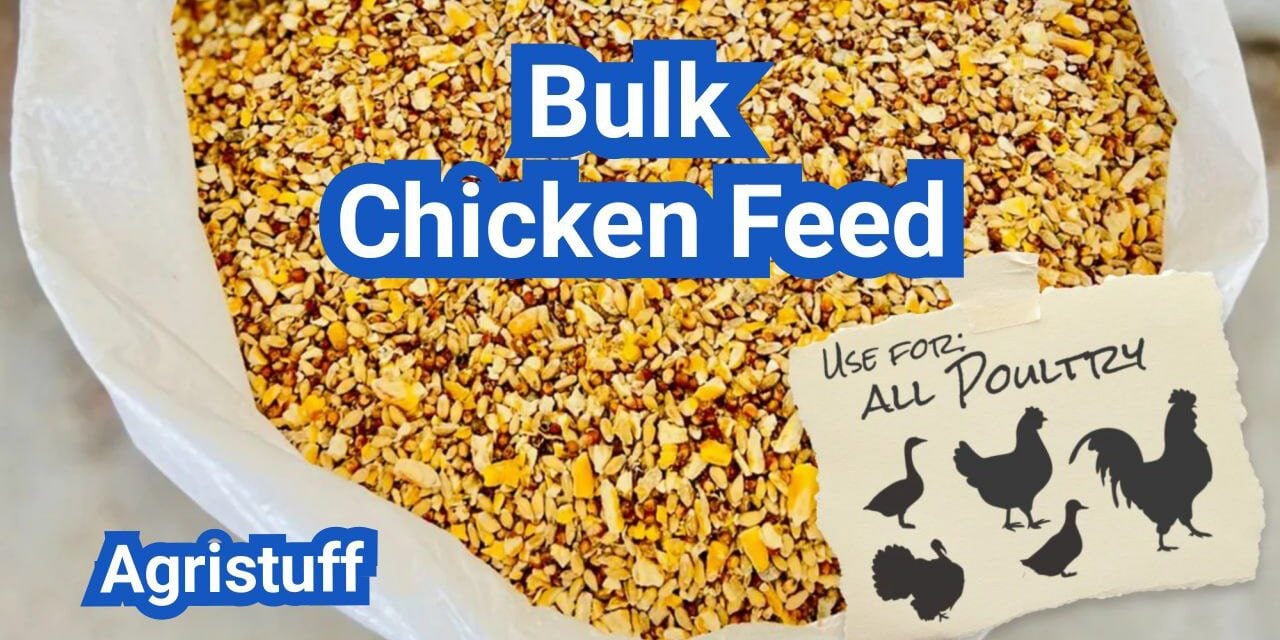
Proper management of bulk poultry feed is crucial for poultry producers to maintain the health and productivity of their flocks. One of the key aspects of this management is ensuring that the feed is stored correctly to prevent spoilage.
Effective storage tips can help safeguard against factors such as moisture, pest infestations, and microbial growth, which can render the feed unusable. By adopting the right storage strategies, producers can achieve significant cost savings and maintain the quality of their feed.
Understanding the importance of spoilage prevention and implementing the right practices can make a substantial difference in the overall efficiency of poultry production.
Key Takeaways
- Proper storage is essential for maintaining feed quality.
- Effective storage strategies can lead to significant cost savings.
- Spoilage prevention is critical for poultry health and productivity.
- Moisture, pests, and microbial growth are major factors in feed spoilage.
- Adopting the right storage practices can improve overall poultry production efficiency.
The Economics of Buying Chicken Feed in Bulk

Buying chicken feed in bulk can be a cost-effective strategy for farmers with large poultry operations. This approach not only reduces the cost per unit of feed but also streamlines the logistics of feed delivery and storage.
Cost Comparison: Bulk vs. Bagged Feed
When comparing the costs of bulk chicken feed to bagged feed, several factors come into play. Bulk feed prices are typically lower per pound than bagged feed, making them an attractive option for large-scale poultry farmers.
The cost savings can be significant, especially for operations with high feed consumption rates. For instance, a farm with 1,000 laying hens may consume over 4,000 pounds of feed per month. Buying in bulk can save hundreds of dollars annually compared to purchasing bagged feed.
Long-term Savings Analysis
To fully understand the long-term savings of buying chicken feed in bulk, it’s essential to consider not just the cost per pound but also the storage and handling costs.
While bulk feed requires larger storage facilities, it can also reduce the labor associated with handling individual bags of feed. Over time, these savings can add up, making bulk purchases an economically viable option for many farmers.
When Bulk Purchases Make Financial Sense
Bulk purchases of chicken feed make financial sense under certain conditions. Farmers with large poultry operations or those who have the necessary storage facilities can benefit significantly from buying in bulk.
Additionally, farmers who can take advantage of bulk chicken feed delivered services can further reduce their costs by minimizing transportation expenses.
In conclusion, buying chicken feed in bulk can offer substantial economic benefits to poultry farmers. By understanding the costs and savings associated with bulk feed purchases, farmers can make informed decisions that positively impact their bottom line.
Understanding Bulk Chicken Feed Options in the U.S. Market

Understanding the bulk chicken feed landscape in the U.S. is essential for farmers looking to optimize their operations. The U.S. market offers a diverse range of bulk chicken feed options, catering to various poultry farming needs.
Commercial Feed Brands and Suppliers
Several commercial feed brands and suppliers operate in the U.S., offering a variety of bulk chicken feed products. Prominent suppliers include companies that specialize in different types of poultry feed, such as starter, grower, and layer feed. According to industry experts, “The quality of feed is crucial for the health and productivity of chickens”
Feed quality directly impacts poultry health and farm profitability.
Some of the key players in the market offer high-quality feeds that are formulated to meet the nutritional needs of chickens at different stages of their growth.
Regional Availability and Pricing Variations
The availability and pricing of bulk chicken feed can vary significantly by region. Factors such as transportation costs, local demand, and competition among suppliers contribute to these variations. Farmers should be aware of these regional differences to make informed decisions about their feed purchases.
For instance, areas with high concentrations of poultry farms may have more competitive pricing due to the larger demand for bulk chicken feed.
Premium Suppliers: Star Milling and Kreamer Feed
Premium suppliers like Star Milling and Kreamer Feed are known for their high-quality products and specialized formulations. These companies often provide feeds that are tailored to specific poultry farming needs, including organic and non-GMO options.
Star Milling, for example, is recognized for its commitment to quality and customer service, while Kreamer Feed offers a range of products that cater to different poultry farming requirements.
Types of Bulk Chicken Feed for Different Purposes

Different stages of chicken growth require specialized bulk feed formulations. Whether you’re raising chickens for eggs, meat, or both, selecting the right type of feed is crucial for their health and productivity.
Bulk Layer Feed Specifications
Bulk layer feed is formulated specifically for hens that produce eggs. This feed typically contains a higher calcium content to support eggshell production and is often fortified with vitamins and minerals that promote overall health and egg production.
The protein content in layer feed usually ranges between 16% to 18%, making it ideal for laying hens. Some layer feeds are also enriched with omega-3 fatty acids to enhance the nutritional profile of the eggs.
Bulk Broiler Feed Requirements
Bulk broiler feed is designed for chickens raised for meat. This feed is typically high in protein (around 20% to 23%) to support rapid growth and muscle development. Broiler feed is often formulated to meet the specific nutritional needs of broiler chickens at different stages of their growth cycle.
All-Purpose Poultry Feed Options
All-purpose poultry feed is a versatile option suitable for various types of chickens, including layers, broilers, and backyard flocks. This feed usually contains a balanced mix of nutrients, with a protein content ranging from 16% to 20%. It’s a good choice for small farms or backyard chicken keepers who have a mixed flock.
Specialty and Supplemental Feeds
Specialty feeds are designed for specific needs, such as starter feeds for young chicks, grower feeds for pullets, or finisher feeds for broilers nearing market weight. Supplemental feeds, on the other hand, are used to enhance the diet of chickens with additional nutrients, such as calcium supplements for laying hens or probiotics for gut health.
| Feed Type | Protein Content | Primary Use |
|---|---|---|
| Layer Feed | 16-18% | Egg Production |
| Broiler Feed | 20-23% | Meat Production |
| All-Purpose Feed | 16-20% | Mixed Flocks |
| Starter Feed | 20-24% | Young Chicks |
Organic and Non-GMO Bulk Chicken Feed Options

Choosing the right chicken feed is crucial for poultry farmers, and organic and non-GMO bulk options are emerging as preferred choices due to their numerous benefits. Organic chicken feed is free from synthetic pesticides, GMOs, and fillers, providing a cleaner and more nutrient-dense diet for chickens.
Benefits of Organic Feed Choices
Opting for organic bulk chicken feed can have several advantages. It promotes healthier chickens by avoiding exposure to harmful chemicals and genetically modified organisms. Organic feed is also often associated with better nutritional quality, which can lead to improved egg production and meat quality.
- Better Nutritional Profile: Organic feed tends to have a more balanced nutritional profile, enhancing the overall health of the chickens.
- Environmental Benefits: Organic farming practices are generally more sustainable and environmentally friendly.
- Market Demand: There’s a growing market demand for organic poultry products, allowing farmers to potentially command higher prices.
Non-GMO Feed Suppliers and Pricing
Non-GMO bulk chicken feed is another option for farmers who are concerned about the presence of genetically modified organisms in their chicken feed. Several suppliers offer non-GMO feed, with pricing varying based on the region and specific product formulations.
Some notable suppliers include:
- Star Milling
- Kreamer Feed
- Local agricultural cooperatives
Certification Standards and What They Mean
Understanding the certification standards for organic and non-GMO feed is essential. Certifications such as USDA Organic and Non-GMO Project Verified ensure that the feed meets specific criteria regarding the absence of GMOs, synthetic pesticides, and other unwanted substances.
USDA Organic certification indicates that the feed is produced without the use of most conventional pesticides, synthetic fertilizers, sewage sludge, bioengineering, or ionizing radiation. Non-GMO Project Verified ensures that the feed has been tested and meets rigorous standards for GMO avoidance.
Nutritional Considerations for Bulk Feed Selection

Bulk chicken feed selection requires careful consideration of nutritional factors to ensure optimal chicken health. Chickens have different nutritional needs at various stages of their life cycle, and the feed must be formulated accordingly.
Protein Content Requirements
The protein content in chicken feed is crucial for growth, egg production, and overall health. Layers require a diet with a specific protein percentage, typically between 16% and 18%, while broilers may need up to 20% protein for rapid growth.
It’s essential to choose a bulk feed that meets the protein requirements of your flock. For instance, Star Milling and Kreamer Feed are known for their high-quality protein content in their feeds.
Essential Vitamins and Minerals
Apart from protein, chickens also require a range of vitamins and minerals. Calcium is crucial for eggshell production, while vitamins like A and D are important for overall health and immune function.
- Vitamin A: Important for vision, immune function, and skin health.
- Vitamin D: Essential for calcium absorption and bone health.
- Calcium: Critical for eggshell production and bone health.
Seasonal Nutritional Adjustments
The nutritional needs of chickens can vary with the seasons. For example, in colder months, chickens may require more energy to maintain body heat, which can be achieved by adjusting the feed formulation.
Farmers should consider these seasonal adjustments when selecting bulk feed to ensure their chickens remain healthy throughout the year.
Supplementing with Flaxseed and Specialty Grains
Some farmers choose to supplement their chickens’ diet with flaxseed or specialty grains to enhance nutritional value. Flaxseed is rich in omega-3 fatty acids, which can improve the nutritional profile of eggs.
When using supplements, it’s crucial to ensure they are compatible with the bulk feed and do not cause an imbalance in the chickens’ diet.
Bulk Chicken Feed Delivery Services

Bulk chicken feed delivery services have become an essential component for farmers looking to optimize their operations. Efficient delivery services help maintain the freshness and quality of bulk chicken feed, which is crucial for the health and productivity of poultry.
National Delivery Options
National delivery options provide farmers with the convenience of receiving bulk chicken feed directly at their farms, regardless of their location. Companies like Star Milling and Kreamer Feed offer extensive delivery networks across the United States.
These national delivery services often utilize advanced logistics to ensure timely and efficient delivery. Farmers can benefit from reduced transportation costs and the assurance that their feed is delivered fresh.
Local Feed Mill Services
Local feed mill services offer a more personalized approach to bulk chicken feed delivery. By sourcing feed from local mills, farmers can reduce their carbon footprint and support the local economy.
Local feed mills often provide customized feed formulations tailored to the specific needs of the farmer’s poultry. This can lead to improved feed efficiency and better overall health of the flock.
Cooperative Buying Groups
Cooperative buying groups allow farmers to pool their resources to purchase bulk chicken feed at discounted rates. This collective bargaining power can lead to significant cost savings.
Cooperatives often provide additional benefits, such as shared knowledge and resources, which can help farmers improve their overall operations.
Full Pallet and Mixed Pallet Options
Bulk chicken feed delivery services often offer both full pallet and mixed pallet options to cater to different farm sizes and needs. A full pallet can be more cost-effective for larger operations, while mixed pallets provide flexibility for smaller or diversified farms.
| Delivery Option | Cost Effectiveness | Flexibility |
|---|---|---|
| Full Pallet | High | Low |
| Mixed Pallet | Medium | High |
By understanding the different bulk chicken feed delivery services available, farmers can make informed decisions that best suit their operational needs and budget constraints.
Essential Equipment for Bulk Feed Storage

Effective bulk feed storage is vital for poultry farmers to ensure feed remains fresh and nutritious. Proper storage equipment is crucial for maintaining the quality of bulk chicken feed.
Commercial Feed Bins and Silos
For large-scale poultry operations, commercial feed bins and silos are indispensable. These structures are designed to store large quantities of feed, protecting it from the elements and pests. When selecting a commercial feed bin or silo, consider factors such as capacity, material durability, and ease of cleaning.
Budget-Friendly Storage Containers
Not all farmers need large-scale storage solutions. For smaller operations, budget-friendly storage containers can be an effective option. These containers come in various sizes and can be used to store different types of feed. It’s essential to choose containers that are rodent-proof and have tight-fitting lids.
Moisture and Temperature Control Systems
Maintaining the right conditions is critical for preserving feed quality. Moisture and temperature control systems help prevent spoilage by keeping the storage environment dry and at a stable temperature. These systems can be integrated into both large and small storage setups.
Chicken Feed Storage Bins for Small Operations
For small-scale poultry farming, specialized chicken feed storage bins are available. These bins are designed to be compact, easy to clean, and secure against pests. They come in various sizes to accommodate different needs.
| Storage Solution | Capacity | Features |
|---|---|---|
| Commercial Feed Bins | Large (1000+ lbs) | Durable, weather-resistant, easy to clean |
| Budget-Friendly Containers | Small to Medium (50-500 lbs) | Affordable, rodent-proof, versatile |
| Specialized Storage Bins | Small (20-100 lbs) | Compact, easy to use, pest-resistant |
DIY Bulk Chicken Feeders: Building and Maintenance

DIY chicken feeders offer a customizable and economical alternative to commercial feeding systems. By building your own feeders, you can tailor the design to your specific needs, reducing waste and improving feeding efficiency.
PVC Pipe Feeder Designs
One popular method for creating DIY chicken feeders is using PVC pipes. These feeders are easy to construct and can be adapted to various flock sizes. To build a PVC pipe feeder, you’ll need:
- PVC pipes and fittings
- A drill with appropriate bits
- Teflon tape or pipe glue
- A container for the feed
Start by cutting the PVC pipes to the desired length. Assemble the pipes and fittings, ensuring a secure connection. Drill holes or slots for the chickens to access the feed. Use Teflon tape or pipe glue to seal any connections and prevent leaks.
Gravity-Fed Systems
Gravity-fed systems are another effective DIY feeding solution. These systems use gravity to dispense feed from a storage container into a feeding tray. To build a gravity-fed system, you’ll need:
- A large storage container or bin
- A feeding tray or trough
- Tubing or piping to connect the container to the tray
The key to a successful gravity-fed system is ensuring a smooth flow of feed from the container to the feeding tray. Adjust the height and angle of the tubing or piping as needed to achieve the desired flow rate.
Automatic Feeding Solutions
For those looking to automate their feeding process, DIY automatic feeders can be a great solution. These feeders can be programmed to dispense feed at set times, reducing labor and ensuring your chickens are fed consistently.
To build an automatic feeder, you may need:
- A timer or automation device
- A motor or actuator
- A feeding mechanism (e.g., a rotating drum or auger)
When designing an automatic feeder, consider factors such as power supply, feed type, and flock size to ensure the system meets your needs.
By implementing a DIY bulk chicken feeder, you can improve feeding efficiency, reduce waste, and provide your chickens with a consistent supply of feed. Whether you choose a PVC pipe design, gravity-fed system, or automatic feeder, the key is to ensure the system is well-maintained and adapted to your flock’s needs.
Preventing Feed Spoilage and Contamination

Preventing feed spoilage is a critical aspect of managing a healthy flock. Feed spoilage can lead to reduced nutritional value, mold growth, and even toxicity, all of which can severely impact poultry health and productivity.
Moisture Control Strategies
One of the primary factors contributing to feed spoilage is moisture. Maintaining dry conditions is essential to prevent mold growth and bacterial contamination. Ensuring that storage facilities are waterproof and using moisture-absorbing materials can significantly reduce the risk of feed spoilage.
It’s also crucial to monitor the moisture content of the feed itself. Using feed with low moisture content and storing it in a dry environment can help in preventing mold and bacterial growth.
Temperature Management
Temperature is another critical factor that affects feed quality. High temperatures can accelerate chemical reactions that lead to feed rancidity. Storing feed in a cool, consistent temperature environment helps in preserving its nutritional value.
It’s recommended to store bulk chicken feed in areas with temperatures between 40°F and 70°F (4°C and 21°C) to slow down the degradation process.
Air Circulation Requirements
Adequate air circulation is vital for maintaining feed quality. Good ventilation helps in removing moisture and reducing the buildup of stale air that can contribute to feed spoilage.
Ensuring that storage containers or bins have sufficient airflow can prevent the accumulation of moisture and heat, thereby preserving the feed’s quality.
Signs of Feed Rancidity and Prevention
Recognizing the signs of feed rancidity is crucial for taking prompt action. Common indicators include a sour or musty smell, visible mold, and clumping of the feed. Regular inspection of the feed for these signs can help in early detection of spoilage.
To prevent rancidity, it’s essential to store feed in airtight containers, keep the storage area clean, and ensure that older feed is used before it has a chance to spoil.
Identifying and Preventing Mold in Poultry Feed
The presence of mold in poultry feed can lead to serious health problems, making it crucial for farmers to identify and prevent it. Mold contamination can result in the production of mycotoxins, which are harmful to chickens.
Common Types of Feed Mold
Several types of mold can contaminate poultry feed, including Aspergillus, Penicillium, and Fusarium. These molds can produce mycotoxins, which are toxic to chickens.
- Aspergillus: Known for producing aflatoxins, which can cause liver damage and impair immune function.
- Penicillium: Can produce ochratoxin, leading to kidney damage.
- Fusarium: Produces trichothecenes, which can cause feed refusal and impair growth.
Health Risks of Mycotoxins and Aflatoxins
Mycotoxins and aflatoxins pose significant health risks to chickens, including:
- Immunosuppression, making chickens more susceptible to diseases.
- Reduced growth rates and egg production.
- Liver and kidney damage.
Prevention and Detection Methods
Preventing mold contamination involves maintaining proper storage conditions, including:
- Controlling moisture levels.
- Ensuring adequate ventilation.
- Regularly inspecting feed for signs of mold.
Testing Feed for Contamination
Regular testing of poultry feed for mycotoxins and mold is crucial. Farmers can use various testing kits and services to detect contamination early, thereby preventing health issues in their flocks.
Rodent and Pest Control for Feed Storage

Rodents and pests pose significant threats to feed storage, necessitating robust control measures. Effective management of these pests is crucial to prevent contamination and ensure the quality of the feed.
Rodent-Proof Storage Solutions
One of the primary methods of controlling rodents is through the use of rodent-proof storage solutions. This includes bins and silos made from durable materials that prevent rodents from chewing through. Sealing all entry points and using tight-fitting lids are also essential strategies.
Managing Stored Product Insects
Stored product insects, such as weevils and beetles, can infest feed and cause significant damage. Managing these insects involves maintaining clean storage areas, using insect-resistant packaging, and implementing regular monitoring programs.
| Insect Type | Damage Caused | Control Measures |
|---|---|---|
| Weevils | Feed grain damage | Insect-resistant packaging |
| Beetles | Feed contamination | Regular monitoring |
Natural Pest Deterrents
Using natural pest deterrents is an effective way to manage pests without resorting to chemicals. Methods include using diatomaceous earth, which dehydrates insects, and introducing natural predators. Essential oils like peppermint and lavender can also deter pests.
Integrated Pest Management for Feed Storage
Integrated Pest Management (IPM) involves a comprehensive approach to managing pests, including identifying pest species, monitoring populations, and using a combination of control methods. IPM strategies for feed storage include sanitation, exclusion, and biological control.
By implementing these strategies, poultry farmers can significantly reduce the risk of pest infestations and maintain the quality of their feed.
Implementing FIFO (First In, First Out) Feed Rotation

To prevent feed spoilage and ensure optimal nutrition, a FIFO rotation system is necessary. This method ensures that the oldest feed is consumed before it deteriorates, maintaining the overall quality of the feed.
Setting Up an Effective Rotation System
Setting up a FIFO rotation system involves organizing your feed storage to facilitate easy access and rotation. Here are some steps to follow:
- Label each feed container or bin with the date it was filled.
- Store new feed behind the existing stock to ensure older feed is used first.
- Implement a regular inspection schedule to monitor feed condition.
By following these steps, you can ensure a smooth rotation process that minimizes waste and maintains feed quality.
Tracking Feed Age and Quality
Tracking the age and quality of your feed is crucial for a successful FIFO system. This involves:
- Maintaining a log of feed deliveries, including dates and quantities.
- Regularly inspecting feed for signs of spoilage or deterioration.
- Using a first-in, first-out inventory system to ensure older feed is used before newer stock.
Regular monitoring allows you to identify and address any issues promptly, ensuring that your flock receives high-quality feed.
Seasonal Considerations for Feed Rotation
Seasonal changes can impact feed quality and rotation. For example:
- During humid summer months, feed may be more prone to mold and spoilage.
- In colder winter months, feed may need to be adjusted to meet the nutritional needs of your flock.
By considering these seasonal factors, you can adjust your FIFO rotation system to better manage feed quality and meet the changing needs of your poultry.
Creating Your Own Bulk Chicken Feed Recipe

Creating a custom bulk chicken feed recipe allows poultry farmers to tailor nutrition to their flock’s specific needs. This approach enables farmers to optimize their chickens’ diet for better health, productivity, and egg production. By selecting the right ingredients and adjusting the recipe seasonally, farmers can ensure their chickens receive the necessary nutrients throughout the year.
Base Grain Selection
The foundation of a good bulk chicken feed recipe starts with the right base grains. Common choices include corn, wheat, oats, and barley. Each of these grains offers different nutritional benefits, so it’s essential to choose the ones that best suit your chickens’ needs. For example, corn is high in energy, while oats are known for their digestibility.
- Corn: High in energy, good for cold weather
- Wheat: Rich in protein, supports overall health
- Oats: Easy to digest, beneficial for chickens with sensitive stomachs
- Barley: High in fiber, supports digestive health
Protein Supplement Options
Protein is a crucial component of chicken feed, supporting growth, egg production, and overall health. Common protein supplements include soybean meal, canola meal, and fish meal. The choice of protein supplement depends on the nutritional requirements of your flock and the cost-effectiveness of the supplement.
- Soybean meal: High in protein, versatile, and cost-effective
- Canola meal: Rich in protein and energy, supports egg production
- Fish meal: High-quality protein source, particularly beneficial for young chickens
Vitamin and Mineral Additions
In addition to grains and protein supplements, vitamins and minerals play a vital role in maintaining the health of your chickens. Essential additions include calcium for eggshell production, vitamin D for bone health, and probiotics for gut health. It’s crucial to balance these additions to avoid over-supplementation, which can be harmful.
Calcium is particularly important for laying hens, as it supports the production of strong eggshells. Vitamin D helps with calcium absorption and bone health. Probiotics support a healthy gut microbiome, enhancing overall health and productivity.
Seasonal Recipe Adjustments
Adjusting your bulk chicken feed recipe seasonally can help ensure your chickens remain healthy and productive throughout the year. For example, in colder months, you may want to increase the energy content of the feed by adding more corn or other high-energy grains. In hotter months, ensuring adequate hydration and possibly reducing energy content can be beneficial.
| Season | Adjustments |
|---|---|
| Winter | Increase energy content (e.g., more corn) |
| Summer | Ensure adequate hydration, consider reducing energy content |
By following these guidelines and adjusting your bulk chicken feed recipe according to the needs of your flock and the season, you can optimize your chickens’ health and productivity while potentially reducing costs.
Cleaning and Maintaining Feed Storage Systems
To prevent contamination and maintain feed quality, regular cleaning of storage systems is essential. This not only ensures the health of your poultry but also protects your investment in feed.
Regular Cleaning Schedule
Establishing a regular cleaning schedule is vital. This involves inspecting storage bins and silos regularly for signs of wear, moisture accumulation, or pest infestation. A monthly inspection is a good starting point, but this may need to be more frequent depending on usage and environmental conditions.
Sanitizing Storage Containers
Sanitizing storage containers is a critical step in maintaining feed quality. Use a mixture of water and a non-toxic sanitizer to clean the bins. Ensure that the sanitizer is safe for use around animal feed and follow the manufacturer’s instructions.
Equipment Maintenance Tips
Regular maintenance of equipment used in feed storage and distribution is crucial. This includes checking for worn-out parts, ensuring that all mechanical components are functioning correctly, and performing repairs promptly.
Farm Feed Bin Cleaning Best Practices
For farm feed bins, specific best practices include ensuring that bins are completely empty before cleaning, using appropriate cleaning solutions, and drying the bins thoroughly to prevent moisture buildup.
| Cleaning Task | Frequency | Notes |
|---|---|---|
| Inspect storage bins | Monthly | Check for wear, moisture, pests |
| Sanitize containers | Quarterly | Use non-toxic sanitizer |
| Maintain equipment | Bi-Annually | Check for worn parts, function |
On-Farm Feed Safety and FSMA Compliance

Maintaining on-farm feed safety requires a comprehensive approach, including adherence to FSMA guidelines. Compliance with FSMA regulations is essential for ensuring feed safety and preventing contamination. On-farm feed safety encompasses various aspects, including proper feed storage, handling, and distribution practices.
Understanding FSMA Requirements
The Food Safety Modernization Act (FSMA) has introduced stringent regulations to enhance feed safety. Farmers must understand these requirements to ensure compliance. Key aspects include implementing preventive controls, conducting regular inspections, and maintaining detailed records.
Preventive controls are measures that prevent hazards from occurring. These may include proper feed storage, pest control, and sanitation practices. Farmers must identify potential risks and implement controls to mitigate these risks.
Record-Keeping Best Practices
Effective record-keeping is crucial for demonstrating FSMA compliance. Records should include details on feed receipts, storage conditions, and pest control measures. Maintaining accurate and detailed records helps in tracing feed sources and identifying potential contamination risks.
- Feed receipt records
- Storage condition logs
- Pest control activity records
Safety Inspections and Protocols
Regular safety inspections are vital for identifying potential hazards and ensuring compliance with FSMA regulations. Inspections should cover feed storage areas, feeding systems, and pest control measures. Implementing safety protocols based on inspection findings helps in maintaining a safe feed environment.
Protocols should be regularly reviewed and updated to reflect changes in farm operations or new regulatory requirements.
Preventing Cross-Contamination
Cross-contamination is a significant risk in feed handling and storage. Preventing cross-contamination involves separating different feed types, using clean equipment, and implementing proper cleaning schedules. Farmers should also be aware of the risks associated with external contaminants, such as pests and environmental pollutants.
By understanding FSMA requirements, maintaining accurate records, conducting regular safety inspections, and preventing cross-contamination, farmers can ensure on-farm feed safety and comply with regulatory standards.
Maximizing the Benefits of Bulk Chicken Feed
Maximizing bulk chicken feed benefits requires careful planning, proper storage, and effective management practices. By understanding the economics of buying chicken feed in bulk, farmers can achieve significant cost savings and improve feed quality.
Bulk chicken feed advantages include reduced costs per unit, improved nutritional consistency, and the ability to customize feed recipes according to specific poultry needs. Proper storage and handling practices, such as maintaining dry conditions, controlling temperature, and implementing FIFO rotation, are crucial to preserving feed quality.
Farmers can further enhance the benefits of bulk chicken feed by selecting the right type of feed for their poultry, whether it’s layer feed, broiler feed, or specialty feeds. Utilizing commercial feed bins and silos, or budget-friendly storage containers, can also help in maintaining feed freshness and quality.
By adopting best practices in bulk chicken feed management, farmers can improve the overall health and productivity of their poultry, leading to better farm profitability. Effective bulk chicken feed management is a key component of successful poultry farming, enabling farmers to maximize their returns on investment.
FAQ
What are the benefits of buying chicken feed in bulk?
Buying chicken feed in bulk can lead to significant cost savings, improved feed quality, and reduced waste. It also allows for better management of feed inventory and reduces the need for frequent purchases.
How do I store bulk chicken feed to prevent spoilage?
To prevent spoilage, store bulk chicken feed in a dry, well-ventilated area, away from direct sunlight and moisture. Use rodent-proof containers or bins, and maintain a clean and organized storage space.
What are the different types of bulk chicken feed available?
There are various types of bulk chicken feed, including layer feed, broiler feed, all-purpose feed, and specialty or supplemental feeds. Each type is formulated to meet the specific nutritional needs of different chicken breeds and production stages.
What is the difference between organic and non-GMO bulk chicken feed?
Organic bulk chicken feed is made from ingredients that are certified organic, while non-GMO feed is made from ingredients that are not genetically modified. Both options offer benefits for chicken health and the environment.
How do I choose the right bulk chicken feed for my flock?
Choose a bulk chicken feed that meets the nutritional needs of your flock, considering factors such as age, breed, and production stage. Consult with a poultry nutritionist or feed supplier to determine the best feed for your operation.
What are the signs of feed spoilage or contamination?
Signs of feed spoilage or contamination include mold, mildew, or rancid odors, as well as changes in texture or color. Regularly inspect feed for these signs and take action promptly if you notice any issues.
How can I prevent mold and mycotoxins in my bulk chicken feed?
To prevent mold and mycotoxins, store feed in a dry, well-ventilated area, and maintain proper moisture and temperature control. Regularly inspect feed for signs of mold or contamination.
What is FIFO feed rotation, and how do I implement it?
FIFO (First In, First Out) feed rotation involves using the oldest feed first to prevent spoilage and ensure feed quality. Implement FIFO by labeling feed containers with dates, tracking inventory, and rotating feed stock regularly.
Can I create my own bulk chicken feed recipe?
Yes, you can create your own bulk chicken feed recipe by selecting base grains, protein supplements, and vitamins and minerals. Consult with a poultry nutritionist to ensure the recipe meets the nutritional needs of your flock.
What are the FSMA requirements for on-farm feed safety?
The Food Safety Modernization Act (FSMA) requires farms to implement practices that prevent contamination and ensure feed safety. This includes maintaining records, conducting safety inspections, and preventing cross-contamination.
How often should I clean and maintain my feed storage systems?
Regularly clean and maintain feed storage systems to prevent contamination and ensure feed quality. Schedule cleaning and maintenance tasks regularly, and follow best practices for sanitizing storage containers and equipment.
How long can Bulk Chicken Feed stay fresh in storage?
Bulk Chicken Feed freshness depends on formulation, temperature, humidity, and how airtight and clean your bin is, so it’s smarter to set a turnover goal (rotate reliably) than to rely on a single “months” number. In practice, faster rotation in hot or humid months protects quality, especially for higher-fat rations that oxidize faster. FDA overview of spoilage signs and safe handling
Is Bulk Chicken Feed better as pellets, crumbles, or mash?
Bulk Chicken Feed form is a management choice: pellets can reduce selective feeding and waste, crumbles work well for younger birds, and mash can be economical but may generate more fines and dust that attract pests and hold moisture. If fines buildup is a recurring problem, focus on handling, bin design, and clean-out routines rather than switching form alone. FDA preventive controls rule context for animal food
Can I store Bulk Chicken Feed in a plastic tote or trash can?
Bulk Chicken Feed is safest in containers that are truly rodent-proof, sealable, and easy to clean between loads, and many household containers fail on at least one of those points. If you must use smaller containers, choose heavy-duty metal or thick-walled, tight-lid storage designed for pests, keep it off the ground, and protect it from sun and heat. Kentucky Extension on proper feed storage and rodent risk
Should I test Bulk Chicken Feed for mycotoxins?
Bulk Chicken Feed testing makes the most sense when you have a known risk window (drought/field mold year), visible spoilage signs, unexplained performance drops, or repeated issues tied to a specific supplier lot. If you suspect risk, talk to your supplier and veterinarian, keep lot records, and consider targeted testing rather than routine testing of every load. Penn State Extension on mycotoxins and poultry impacts
Conclusion of: Bulk Chicken Feed
Why buying in bulk changes the math
Bulk Chicken Feed can lower your cost per pound because you’re paying less for packaging, handling, and frequent retail markups, but the real advantage comes when your purchase size matches your flock’s actual consumption rate. In the U.S., feed ingredient markets (especially corn and soybean meal) can swing quickly, so your “savings” depends on timing, freight, and how long you’ll store the load. The goal is simple: buy enough to earn a better price without storing so long that quality drops. USDA ERS feed grains database documentation
Bulk Chicken Feed is also a labor and logistics decision: fewer trips, fewer bags to haul, and less time restocking feeders—if you have the right storage and delivery setup. Bulk pricing is usually better when you can accept full deliveries and move product efficiently from bin to feeder with minimal waste. If you’re on the fence, compare the delivered bulk price to your true bagged price after taxes, travel time, and bag disposal. OSU Extension on bulk feed cost differences
How to estimate your break-even order size
Bulk Chicken Feed pays off fastest when you can rotate inventory quickly, because freshness is a form of “hidden profit” that shows up as consistent intake and performance. Start by estimating monthly usage: average daily intake per bird × number of birds × 30, then add a cushion for seasonal changes (cold months can increase intake, heat can reduce it). Use that number to choose a delivery size that turns over before quality risks rise. Purdue feed cost indices context
Bulk Chicken Feed ordering is easier when you write down a basic “feed plan” that includes target inventory on hand, reorder point, and where you’ll store spill cleanup tools. Even small operations benefit from documenting what you buy, how you store it, and how you prevent losses from pests and moisture. This kind of planning also helps if you ever expand, add houses, or bring in a custom mill. NRCS feed management plan overview
What to buy: formulation, age class, and performance goals
Bulk Chicken Feed should match bird age and purpose, because “one ration fits all” usually confirms the wrong nutrients for at least one group. If you keep mixed ages, it can be smarter to buy one bulk “base” ration for the largest group and supplement smaller groups with bagged specialty feeds, rather than forcing everyone onto the same formula. This approach protects growth, egg production, and body condition without overbuying the wrong product. AAFCO feed labeling and animal class references
Bulk Chicken Feed is easiest to compare when you read the label like a buyer, not just a chicken keeper: look at guaranteed analysis, ingredient statement, and intended animal class. Pay attention to protein, fat, fiber, and minerals—then check if the feed is complete or a supplement that requires free-choice minerals or additional grains. If you’re switching brands or mills, compare calories and amino acids where available, not just crude protein. WSDA animal feed labeling guide
Delivery logistics and on-farm food safety
Bulk Chicken Feed deliveries work best when you standardize three things: delivery access (turning radius and surface), bin capacity (with a visible fill gauge), and a clear receiving routine. Ask your supplier how they prevent cross-contact, how they handle returns, and what they recommend for bin inspection before a new load. A clean receiving process reduces the chance you “seed” your new feed with old residue that can mold or attract insects. FDA animal foods and feeds resources
Bulk Chicken Feed is still “food” in the regulatory sense, and many commercial operations fall under baseline sanitation expectations even if they’re not a full-scale feed manufacturer. Understanding FSMA’s preventive controls concept helps you think in hazards: moisture, pests, pathogens, and chemical contamination. For most farms, the practical takeaway is to keep storage areas clean, keep records of issues, and fix root causes instead of “masking” problems with additives after the fact. Penn State Extension on FSMA animal food rule
Storage setup: bins, location, and rotation
Bulk Chicken Feed stays higher quality when the storage container is truly feed-ready: weather-tight, rodent-resistant, and easy to empty fully so you can rotate inventory without leaving old pockets behind. Place bins on a well-drained pad, keep vegetation trimmed around the base, and avoid locating bins where roof runoff splashes the foundation. If you store bagged feed as backup, keep it off concrete floors and away from walls where condensation forms. UMaine Extension on poultry feed storage basics
Bulk Chicken Feed is vulnerable to two silent accelerators of spoilage: heat and moisture, which can trigger mold growth and speed nutrient breakdown. Even when feed looks “fine,” warm humid air can raise moisture at the surface layer, especially in metal bins. Your best defense is to keep the feed as dry and cool as practical, and to monitor—not guess—how the bin behaves during weather swings. UT Extension on moisture and temperature in stored grain
Bulk Chicken Feed storage improves when you understand moisture migration: temperature differences inside a bin can move moisture and create localized wet spots that become mold “hot zones.” Aeration is often discussed for grain, but the same principle—equalizing temperature to reduce condensation risk—matters for any bulk material that can hold moisture. If your region has big day-night swings, bin design and venting become more important than people expect. USDA ARS on grain aeration and moisture migration
Bulk Chicken Feed can cake and crust along bin walls when condensation forms, because warm air meets cool metal and dumps moisture back onto the product. This is why bins need sound seals, proper vents, and a location that reduces thermal extremes when possible (shade can help in hot climates, while wind exposure can chill metal rapidly in winter). The more consistently you can keep temperatures stable, the less you fight clumping and spoilage. Kansas State guidance on condensation and moisture migration
Spillage and spoilage: what causes it and how to stop it
Bulk Chicken Feed spoilage is often a mold problem first, and mold can mean mycotoxins even when you don’t see dramatic fuzz or discoloration. Field conditions, harvest, and transport can introduce risk, and storage conditions determine whether that risk stays small or becomes a flock issue. Treat “musty smell,” caking, and warm spots as warnings to investigate immediately. Poultry Extension on mycotoxins in feed
Bulk Chicken Feed deserves extra caution around aflatoxins because poultry can be sensitive to chronic low-level exposure, showing poor performance before you see obvious illness. Prevention is more reliable than “fixes,” which means buying from reputable suppliers, rotating quickly, and keeping storage dry and clean. If you suspect contamination, don’t “dilute and hope”—work with your supplier and consider testing. NC State Extension on aflatoxins and animal food safety
Bulk Chicken Feed mycotoxin management is practical when you break it into steps: keep grains dry, remove fines and dust buildup, prevent water entry, and monitor for heating or crusting. If your operation is large enough, periodic lab screening can be cheaper than the losses from reduced gain, lower egg output, and higher mortality. The key is to treat storage as part of your “feed quality system,” not just a place to park inventory. Purdue Extension on reducing aflatoxin impact
Bulk Chicken Feed can lose quality through oxidation, especially when rations contain added fats or oils that go rancid faster under heat, moisture, and light exposure. Rancidity doesn’t just smell bad; it can reduce palatability and degrade sensitive nutrients, which may show up as lower intake or inconsistent production. Storage temperature control and good rotation are your first-line tools, before you ever consider additives. Peer-reviewed review on oxidation in poultry feed
Bulk Chicken Feed can be protected with antioxidants and mold inhibitors in some formulations, but those tools work best when storage is already solid. Ask your supplier what stabilizers are included, what shelf-life assumptions they use, and how those assumptions change in hot or humid regions. Even the best additive program can’t rescue feed that gets wet in the bin or sits too long in summer heat. Poultry Extension on rancidity and antioxidant use
Bulk Chicken Feed also attracts stored-product insects because it provides food, shelter, and warm microclimates—especially if fines accumulate and airflow is poor. Insect management starts with sanitation (clean receiving area, clean bin base, clean augers) and continues with monitoring so you catch infestations early. If insects become a recurring issue, work with a local extension office or a licensed professional who understands feed storage environments. K-State stored-product pest management guide
Bulk Chicken Feed losses to rodents can be large because mice and rats waste more than they eat, contaminating feed with droppings and urine and creating disease risk. Rodent control is most effective when it combines exclusion (sealing entry points), habitat reduction (short vegetation, no clutter), and targeted trapping or baiting consistent with local rules. Treat rodents as a feed loss problem and a biosecurity problem at the same time. UNL Extension on rodent-proof construction
Bulk Chicken Feed stays safer when you manage “feed dust and spill zones,” because spilled feed invites pests and can support mold growth after rain or irrigation splash. Make spill cleanup part of your delivery day routine: sweep, shovel, and remove residues instead of washing them into soil where they become a recurring attractant. Around poultry housing, sealing and repair work reduces the ways pests move from the environment to feed and birds. Cornell Small Farms on repairs, cleaning, and pest exclusion
Bulk Chicken Feed quality also depends on bin cleanliness, because residues left behind can harbor microbes, absorb moisture, and kick-start spoilage in the next load. The most reliable rotation is “empty to clean,” meaning you fully empty one bin, clean and inspect it, then refill—rather than topping off repeatedly. If you have multiple houses, alternating bins can make this routine realistic without interrupting feeding. UF/IFAS on sanitation and contamination control in feed systems
Bulk Chicken Feed should never be treated casually if you suspect Salmonella contamination, because the organism can move through the supply chain and create animal and human health risk. If you see repeated flock health issues tied to feed lots, talk to your veterinarian and supplier, preserve feed labels and lot numbers, and consider lab testing rather than guessing. Good storage reduces the chances of contamination multiplying, but it doesn’t replace supplier controls. FDA guidance on Salmonella in food for animals
What to do when feed gets wet, clumps, or smells “off”
Bulk Chicken Feed that gets wet is a “time-sensitive” situation: moisture can trigger rapid mold growth and accelerate oxidation, especially in warm weather. Don’t break up clumps and feed them anyway; instead, isolate the affected portion, document what happened, and contact your supplier about next steps. For small operations, the safest rule is to discard compromised feed rather than risking ongoing exposure. FDA tips on storing dry animal food in cool, dry conditions
Bulk Chicken Feed that smells rancid, musty, sour, or “chemical” should be treated as suspect even if birds still peck at it, because palatability is not a safety test. When in doubt, stop feeding it, clean out feeders and hoppers to remove residues, and reset your storage practices before the next delivery. If you’re uncertain, lean conservative—feed problems are usually cheaper to prevent than to diagnose after production drops. CSU Extension on spoilage signs like rancid odors
Quick checklist
Bulk Chicken Feed stays fresher and safer when you manage storage like a system—container, environment, rotation, sanitation, and monitoring—rather than relying on one “magic” fix. Use this checklist as a quick pre-delivery and weekly walk-through so small problems don’t become expensive ones. K-State notes on venting and condensation control
- Match delivery size to a turnover timeline you can realistically hit.
- Keep bins weather-tight, sealed, and elevated on a well-drained pad.
- Use first-in, first-out rotation; avoid topping off without emptying periodically.
- Inspect for caking, crusting, warm spots, and off-odors at least weekly.
- Clean up spills immediately; don’t leave feed dust around bin bases.
- Keep vegetation trimmed and remove clutter to reduce rodent harborage.
- Use rodent exclusion and monitoring (traps/records) around storage.
- Keep feed dry and cool; reduce heat load with smart placement and shade when feasible.
- Plan a full bin clean-out schedule (empty, inspect, clean, refill).
- Keep labels/lot numbers and delivery tickets for traceability.
Common mistakes to avoid
Bulk Chicken Feed problems usually trace back to predictable mistakes—overbuying, storing in the wrong place, ignoring early warning signs, or assuming “it’s fine” because birds keep eating. Fixing one or two habits often prevents most spoilage and waste. Use the list below as a troubleshooting map when something keeps going wrong. OSHA hazard alert on storage-bin risks and safe practices
- Buying too much: Choose an order size you can rotate before heat and humidity peak.
- Topping off forever: Periodically empty bins fully so old residues don’t contaminate new feed.
- Ignoring condensation: Improve venting and placement to reduce moisture cycling on metal walls.
- Storing next to chemicals: Keep feed away from fuels, pesticides, and strong odors that can taint it.
- Letting spills accumulate: Spills invite rodents and insects and can turn moldy after rain.
- Skipping inspections: Weekly checks catch heating, crusting, and pests before they spread.
- Weak rodent exclusion: Seal entry points and reduce habitat; don’t rely on bait alone.
- Feeding “off” product: If it smells musty or rancid, isolate it and don’t gamble with the flock.
Costs and ROI snapshot
Bulk Chicken Feed costs are driven by three big levers: delivered price (including freight), storage investment (bins, pads, augers), and shrink (spoilage, spills, pests). In many areas, bulk pricing can be meaningfully lower than bagged pricing, but your real ROI depends on whether you prevent quality loss and labor inefficiencies. Think of bulk as “buying a system,” not just buying more feed. UMN guidance on safe handling around bins
Bulk Chicken Feed ROI is strongest when you can measure two savings categories: (1) direct feed savings (lower $/ton or $/lb) and (2) operational savings (time, fewer trips, fewer bags, more consistent feeding). Typical cost drivers to plan for include a bin pad, delivery access improvements, bin maintenance, pest control, and occasional clean-outs, while benefits include fewer last-minute purchases and fewer feed-outs from inconsistent stock. Use ranges and scenarios—best case, expected, worst case—instead of assuming one “perfect” outcome. UA Extension on storage-bin hazards and prevention planning
Final thought
Bulk Chicken Feed works best when you treat it as a quality-controlled supply chain on your farm: buy the right volume, store it dry and cool, rotate on purpose, and respond quickly to warning signs before they become flock problems. Done well, bulk buying can reduce costs and stress while keeping performance consistent across seasons. FDA FSMA animal food overview
Sources & References
- FDA: Food Safety Modernization Act and animal food
- FDA CVM GFI #245: Hazard analysis and preventive controls for animal food
- FDA PDF: Hazard analysis and preventive controls guidance (GFI #245)
- CDFA: Commercial feed label guarantee guidance (PDF)
- USDA APHIS: Poultry Industry Manual (PDF)
- USDA APHIS: Checklist for cleaning and disinfecting poultry enclosures (PDF)
- Information manual for implementing poultry biosecurity (PDF)
- UGA Extension: Mycotoxin overview for poultry producers
- Michigan State University: Stored grain management (PDF)
- University of Iowa: Grain engulfment and entrapment safety
- FDA: Guidance on testing for Salmonella species
- UGA: Planning poultry co-product management (includes spilled feed considerations)