Raising healthy chickens requires careful consideration of their diet. For many farmers and backyard flock owners, choosing the right USDA organic chicken feed is crucial. The USDA sets strict guidelines for organic poultry production, including the use of 100% organic and non-GMO feed.
The USDA organic label ensures that the feed is produced without synthetic pesticides, herbicides, or fertilizers, and that producers provide outdoor access and follow strict animal welfare guidelines. Understanding what “USDA Organic” means can help you make informed decisions about your flock’s nutrition.
Key Takeaways
- USDA organic chicken feed must be 100% organic and non-GMO.
- Producers must provide outdoor access and follow strict animal welfare guidelines.
- The USDA organic label ensures the absence of synthetic pesticides, herbicides, and fertilizers.
- Choosing the right USDA organic feed is crucial for the health of your flock.
- Understanding USDA organic guidelines can help you make informed decisions about your flock’s nutrition.
Understanding USDA Organic Standards for Poultry Feed

Understanding the USDA’s organic standards is key to selecting the right feed for your flock. The USDA’s organic certification program ensures that poultry is raised without antibiotics, synthetic growth hormones, or animal byproducts, and that organic feed is 100% organic and non-GMO.
The Definition of “USDA Certified Organic”
The USDA Certified Organic label signifies that the chicken feed meets rigorous standards set by the USDA. This includes using feed that is free from genetically modified organisms (GMOs), synthetic fertilizers, and pesticides.
Key Requirements for Organic Certification
To achieve organic certification, farms and feed producers must adhere to strict guidelines. These include:
- Using 100% organic ingredients in feed
- Avoiding the use of GMOs, synthetic pesticides, and fertilizers
- Maintaining detailed records of feed production and sourcing
- Undergoing regular inspections by USDA-accredited certifying agents
| Requirement | Description |
|---|---|
| 100% Organic Ingredients | All ingredients must be certified organic |
| No GMOs | Feed must not contain genetically modified organisms |
| No Synthetic Pesticides or Fertilizers | Production methods must avoid synthetic chemicals |
| Record Keeping and Inspection | Detailed records must be kept, and regular inspections are mandatory |
The Difference Between “Natural” and “Organic”
Many consumers confuse “natural” with “organic,” but these terms have distinct meanings under USDA regulations. “Natural” refers to feed that is minimally processed and free from artificial ingredients and preservatives. However, “organic” is a more stringent classification that requires adherence to the USDA’s organic standards, including the use of organic ingredients and avoidance of GMOs and synthetic substances.
By understanding these differences and requirements, backyard chicken keepers can make informed decisions about the feed they choose for their flocks, ensuring they meet their standards for health, sustainability, and quality.
Benefits of Choosing Organic Chicken Feed

Choosing organic chicken feed is a decision that can significantly impact the health of your flock, the environment, and the quality of the eggs and meat you produce. “Organic farming practices are not just better for the chickens; they’re also better for the planet,” as noted by experts in sustainable agriculture.
Health Benefits for Your Flock
Organic chicken feed is made from 100% organic ingredients, which can lead to healthier birds with stronger immune systems. By avoiding antibiotics and genetically modified organisms (GMOs), organic feed promotes the overall wellbeing of your flock. This can result in lower mortality rates and better overall health.
Environmental Impact
The environmental benefits of organic chicken feed are substantial. Organic farming practices reduce pollution, conserve water, and promote biodiversity. By choosing organic feed, you’re supporting sustainable agriculture that has a lower environmental impact.
“Sustainable agriculture is not just a trend; it’s a necessity for our future. Organic farming is a key component of this movement.”
Quality of Eggs and Meat
Organic chicken feed can also enhance the quality of eggs and meat produced by your flock. The nutritional profile of organic eggs and meat is often superior, with higher levels of omega-3 fatty acids and vitamins. This results in richer tasting and more nutritious produce for you and your family.
Essential Nutrients in Organic Chicken Feed

Organic chicken feed must be rich in essential nutrients to support the health and productivity of your chickens. A well-balanced diet is crucial for the overall well-being of your flock, influencing their growth, egg production, and resistance to diseases.
Protein Requirements
Protein is a critical component of chicken feed, necessary for growth, repair, and maintenance of body tissues. Chickens require a diet rich in protein, especially during certain life stages such as chickhood and egg-laying. Organic chicken feed typically includes protein sources like soybean meal, alfalfa meal, and mealworms.
- Soybean meal is a common protein source due to its high protein content.
- Alfalfa meal provides not only protein but also fiber and essential vitamins.
- Mealworms are a nutritious and organic protein source that can be included in chicken feed.
Calcium and Mineral Needs
Calcium and minerals are vital for the development of strong bones and eggshell production. Calcium is particularly important for laying hens, as it directly affects eggshell quality. Organic chicken feed must include adequate amounts of calcium and minerals like phosphorus, potassium, and magnesium.
- Calcium supports eggshell production and bone health.
- Phosphorus is essential for bone development and energy production.
- Potassium helps with overall metabolic functions.
The Methionine Challenge in Organic Feeds
Methionine is an essential amino acid that chickens cannot synthesize on their own and must be provided through their diet. The challenge with methionine in organic feeds is sourcing it from organic and sustainable sources. Synthetic methionine is not allowed in organic production, making it necessary to rely on natural sources.
Some natural sources of methionine include:
- Fish meal, which is a good source but must be from sustainable fisheries.
- Sunflower meal, which can contribute to the methionine content.
- Certain legumes and grains that contain methionine, though in varying amounts.
Types of Organic Chicken Feed for Different Life Stages

The nutritional needs of chickens vary significantly across different life stages, necessitating different types of organic chicken feed. Choosing the right feed is crucial for the health, well-being, and productivity of your flock.
Organic Chick Starter Feed
Organic chick starter feed is formulated for young chicks, typically from birth to around 6-8 weeks of age. This feed is high in protein to support rapid growth and development.
Organic Grower Feed
Once chicks outgrow the starter feed, they move to the grower stage, usually from 6-8 weeks to about 14-16 weeks. Organic grower feed continues to support growth while preparing the birds for their adult life stage.
Organic Layer Feed
For hens that are laying eggs, organic layer feed is designed to support egg production. It contains the necessary calcium and other nutrients to maintain strong eggshell production.
Organic Broiler Feed
Organic broiler feed is specifically formulated for chickens raised for meat. It is designed to promote rapid growth while adhering to organic standards.
Here’s a summary of the different types of organic chicken feed for various life stages:
| Life Stage | Feed Type | Key Nutritional Focus |
|---|---|---|
| 0-6/8 weeks | Chick Starter Feed | High protein for growth |
| 6/8-14/16 weeks | Grower Feed | Continued growth, development |
| Laying Hens | Layer Feed | Calcium for eggshell production |
| Broilers | Broiler Feed | Rapid growth, meat production |
Understanding and utilizing the correct type of organic chicken feed for each life stage is essential for maintaining a healthy and productive flock.
Common Ingredients in Organic Chicken Feed

Understanding the common ingredients in organic chicken feed is crucial for chicken owners who want to ensure their flock is receiving the best possible nutrition.
Grain Bases: Corn, Wheat, and Barley
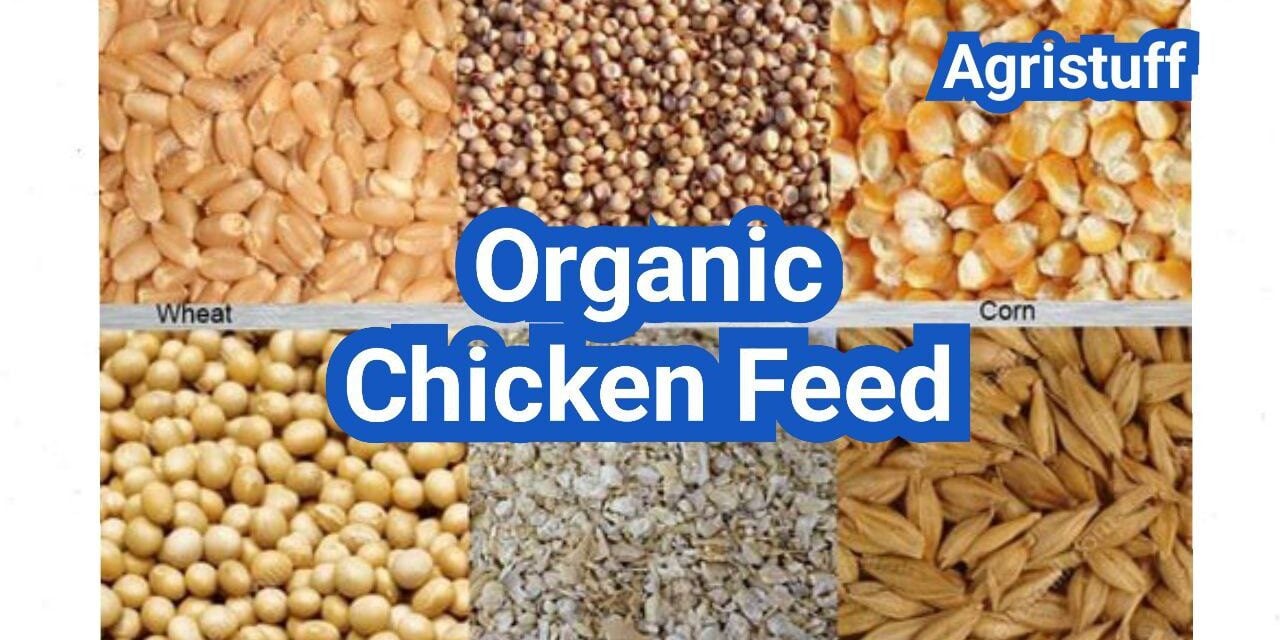
Organic chicken feed often includes grains such as corn, wheat, and barley as primary carbohydrate sources. These grains provide energy and help to formulate a balanced diet.
Corn, for instance, is a rich source of energy, while wheat offers a good mix of fiber and nutrients. Barley, on the other hand, is known for its high fiber content, which can aid in digestion.
Protein Sources: Soy Meal and Alternatives
Protein is a critical component of chicken feed, and organic options often include soy meal as a primary protein source. Soy meal is rich in amino acids, which are essential for chicken growth and development.
However, some organic feeds may use alternative protein sources such as pea protein, sunflower meal, or mealworms. These alternatives can offer a different amino acid profile and can be beneficial for chickens with specific dietary needs.
Natural Supplements and Additives
In addition to grains and proteins, organic chicken feed may contain natural supplements and additives to enhance nutritional value and promote health. Examples include probiotics, prebiotics, and omega-3 fatty acids.
Probiotics and prebiotics support gut health, while omega-3 fatty acids contribute to overall health and can improve the quality of eggs and meat.
| Ingredient | Nutritional Benefit | Example Sources |
|---|---|---|
| Corn | Energy | Yellow corn, corn gluten meal |
| Wheat | Carbohydrates, Fiber | Hard red winter wheat, wheat bran |
| Barley | Fiber, Vitamins | Hulled barley, barley grits |
| Soy Meal | Protein, Amino Acids | Organic soybeans, soy flour |
| Pea Protein | Protein, Amino Acids | Pea meal, pea flour |
Soy-Free Organic Chicken Feed Options

For poultry producers seeking alternatives to traditional soybean-based feeds, soy-free organic chicken feed presents a viable solution. This option is particularly appealing to farmers who are concerned about the potential drawbacks of soybean production or who are looking to diversify their flock’s diet.
Why Choose Soy-Free Feed
Choosing soy-free organic chicken feed can offer several benefits. Some producers may have concerns about the use of soybeans in chicken feed due to potential allergens or the environmental impact of soybean production. Others may simply want to provide a more varied diet for their flock.
The advantages of soy-free feed include:
- Reduced allergy risk: Some chickens may have sensitivities to soy, and removing it from their diet can improve their health.
- Diversified protein sources: Soy-free feeds encourage the use of alternative protein sources, which can lead to a more balanced diet for chickens.
- Market differentiation: Producers can market their products as soy-free, potentially appealing to consumers who have similar concerns.
Alternative Protein Sources
Soy-free organic chicken feed relies on alternative protein sources to meet the nutritional needs of chickens. Some common alternatives include:
- Peas: High in protein and digestible, peas are a popular choice for soy-free feeds.
- Insect meal: Mealworms and other insect-based proteins are gaining popularity as sustainable, high-protein alternatives.
- Sunflower meal: This by-product of sunflower oil production is rich in protein and can be used as a soy substitute.
- Fish meal: For some producers, fish meal remains a viable, protein-rich option, though it must be sourced carefully to ensure sustainability.
Top Soy-Free Brands
Several brands now offer soy-free organic chicken feed options. Some of the top brands include:
- Flock Feed: Known for their non-GMO and soy-free formulas.
- Organic Valley: Offers a range of organic, soy-free feeds for different life stages.
- Kalmbach Feeds: Provides soy-free options with a focus on nutritional balance.
When selecting a soy-free organic chicken feed, producers should carefully review the ingredient list and nutritional content to ensure it meets their flock’s needs.
How to Read an Organic Chicken Feed Label

Reading and understanding organic chicken feed labels is a skill that every poultry keeper should master. With the increasing popularity of organic poultry farming, choosing the right feed has become more complex. The label on your organic chicken feed contains vital information that can impact the health and well-being of your chickens.
Deciphering Guaranteed Analysis
The “Guaranteed Analysis” section on the label provides crucial information about the feed’s nutritional content. This typically includes the minimum percentages of crude protein and crude fat, as well as the maximum percentages of crude fiber and moisture. Understanding these figures is essential for ensuring that the feed meets your chickens’ nutritional needs. For instance, layers require a certain amount of calcium for eggshell production, which should be reflected in the guaranteed analysis.
When examining the guaranteed analysis, consider the life stage of your chickens. For example, chicks require more protein than laying hens. Always match the feed’s nutritional profile to your flock’s specific needs.
Identifying Truly Organic Ingredients
To be labeled as “organic,” the feed must contain ingredients that are certified organic. Look for the USDA Organic seal or a statement indicating that the feed is “100% Organic” or “Organic” (meaning it contains at least 95% organic ingredients). Check the ingredient list to ensure it aligns with your expectations for organic feed. Ingredients should be non-GMO and free from synthetic pesticides, herbicides, and fertilizers.
“The integrity of organic chicken feed depends on the quality and source of its ingredients. Always scrutinize the ingredient list to ensure it meets your standards.”
Red Flags to Watch For
When reading an organic chicken feed label, be aware of potential red flags. These may include:
- Non-organic ingredients listed
- Ambiguous or missing certification information
- Unclear or inconsistent guaranteed analysis
- Presence of artificial preservatives or additives
Be cautious of labels that seem too good to be true or lack transparency. If the feed is significantly cheaper than others on the market, it may be a sign of compromised quality.
Where to Buy Organic Chicken Feed in the U.S.
Organic chicken feed is now more accessible than ever, with a range of purchasing options for farmers and backyard chicken keepers. Whether you’re looking for a specific formulation or a reliable supplier, there are multiple avenues to explore.
Farm and Feed Stores
Farm and feed stores like Tractor Supply Co. are traditional go-to places for chicken feed. Many now carry organic options, catering to the growing demand for organic poultry products.
Key Benefits: Immediate availability, knowledgeable staff, and often competitive pricing.
Retail Options
Some large retail chains, such as Costco, have begun to stock organic chicken feed, both in-store and online, making it more convenient for consumers to purchase without visiting specialty stores.
Advantages: Wide availability, potential for bulk purchasing, and sometimes discounted prices for members.
Online Suppliers
The rise of online shopping has made it easier to buy organic chicken feed directly from suppliers. Companies like Modesto Milling and Kalmbach Feeds offer a range of organic feeds that can be delivered or shipped.
Benefits: Convenience, wide selection, and the ability to read reviews and product descriptions.
Local Mills and Co-ops
Local mills and agricultural co-operatives are another excellent source for organic chicken feed. They often produce feed using locally sourced ingredients, supporting the local economy.
Advantages: Freshness, local economic support, and potentially customized feed formulations.
| Supplier Type | Key Benefits | Notable Examples |
|---|---|---|
| Farm and Feed Stores | Immediate availability, knowledgeable staff | Tractor Supply Co. |
| Retail Options | Wide availability, bulk purchasing | Costco |
| Online Suppliers | Convenience, wide selection | Modesto Milling, Kalmbach Feeds |
| Local Mills and Co-ops | Freshness, local economic support | Varies by region |
Buying Organic Chicken Feed in Bulk: Tips and Considerations

When it comes to feeding your flock, buying organic chicken feed in bulk can be a cost-effective strategy. This approach is particularly beneficial for those with large numbers of chickens or for commercial poultry farmers.
Cost Benefits
Purchasing organic chicken feed in bulk often results in significant cost savings. Suppliers typically offer discounts for larger orders, which can lead to a reduction in the overall cost per pound of feed. For instance, buying a ton of organic layer feed at once might cost less per pound than purchasing smaller quantities.
Key cost benefits include:
- Lower cost per unit
- Reduced frequency of orders
- Potential for negotiating better prices with suppliers
Storage Requirements
One of the primary considerations when buying organic chicken feed in bulk is storage. Adequate storage facilities are crucial to maintaining the quality of the feed.
Proper storage involves:
- Using rodent-proof containers
- Keeping feed in a dry, well-ventilated area
- Protecting feed from direct sunlight
Shelf Life Concerns
Organic chicken feed, like any other feed, has a limited shelf life. When purchasing in bulk, it’s essential to consider how quickly you can use the feed before it becomes stale or potentially spoiled.
Factors affecting shelf life include:
- Storage conditions
- Feed formulation
- Presence of preservatives
By understanding these factors and planning accordingly, you can maximize the benefits of buying organic chicken feed in bulk while minimizing potential drawbacks.
DIY Organic Chicken Feed Recipes

DIY organic chicken feed recipes offer a customizable solution for chicken keepers looking to provide high-quality nutrition to their flock. By making your own feed, you can control the ingredients, ensure the quality of the nutrients, and adjust the formula according to the specific needs of your chickens.
Basic Organic Layer Feed Recipe
A basic organic layer feed recipe can be made with a mix of grains, proteins, and supplements. Here’s a simple formula:
- 50% grains (oats, barley, wheat)
- 20% protein sources (soybean meal, alfalfa meal)
- 10% calcium supplements (crushed oyster shells)
- 20% other ingredients (flaxseed, sunflower seeds)
This recipe provides a balanced diet for laying hens, supporting egg production and overall health.
Soy-Free Organic Feed Formula
For those who prefer to avoid soy in their chicken feed, a soy-free organic feed formula is a great alternative. Here’s a recipe that replaces soy with other protein sources:
- 40% grains (corn, wheat, barley)
- 25% protein sources (alfalfa meal, peas, mealworms)
- 15% calcium supplements (limestone, crushed eggshells)
- 20% other ingredients (sunflower seeds, pumpkin seeds)
This soy-free formula ensures that your chickens receive the necessary nutrients without soy.
Seasonal Adjustments to Homemade Feeds
Seasonal changes can affect the nutritional needs of your chickens. In the winter, they may require more energy-rich foods, while in the summer, they may need more hydration and cooling ingredients. Adjusting your homemade feed recipes seasonally can help meet these changing needs.
“Adjusting the diet of your chickens seasonally can significantly impact their health and productivity.” – Expert Poultry Keeper
Cost Analysis: Homemade vs. Commercial
Making your own organic chicken feed can be cost-effective compared to buying commercial feeds. Here’s a simple cost analysis:
| Feed Type | Cost per Pound |
|---|---|
| Homemade Organic Feed | $0.50 |
| Commercial Organic Feed | $0.75 |
By making your own feed, you can save up to 33% on feed costs, making it a financially viable option for many backyard chicken keepers.
Proper Storage of Organic Chicken Feed

Effective storage is vital for ensuring that organic chicken feed remains safe and nutritious for your flock. Proper storage practices help maintain the feed’s quality, prevent spoilage, and ensure that your chickens receive the nutrients they need.
Containers and Location
The choice of container and storage location is critical for maintaining the quality of organic chicken feed. Containers should be clean, dry, and pest-free to prevent contamination. Consider using:
- Metal or plastic bins with tight-fitting lids
- Buckets or containers made from food-grade materials
When selecting a storage location, choose an area that is:
- Cool and dry
- Well-ventilated
- Protected from direct sunlight
Preventing Moisture and Pests
Moisture and pests are significant threats to stored organic chicken feed. To mitigate these risks:
- Keep containers sealed when not in use
- Use desiccants or silica gel packets to absorb moisture
- Regularly inspect storage areas for signs of pests or moisture
Rodents and insects can damage feed and contaminate it with their waste. Using pest-control measures can help prevent infestations.
Preventing Mycotoxins in Stored Feed
Mycotoxins are toxic compounds produced by mold and fungi that can grow on feed, especially in damp conditions. To prevent mycotoxin formation:
- Store feed in a dry environment
- Monitor feed for signs of mold or fungal growth
- Use feed within a reasonable timeframe
The following table summarizes key strategies for preventing mycotoxins in stored organic chicken feed:
| Strategy | Description | Benefits |
|---|---|---|
| Dry Storage | Keep feed away from moisture | Reduces mold growth |
| Regular Inspection | Check feed for signs of mold | Early detection of potential issues |
| First-In, First-Out | Use older feed before newer stock | Reduces the risk of old feed becoming contaminated |
Troubleshooting Common Organic Chicken Feed Issues
Maintaining a healthy flock on organic chicken feed requires understanding and resolving common feed-related issues. Organic chicken feed is designed to provide a balanced diet for chickens while adhering to strict organic standards. However, even with high-quality feed, problems can arise that affect the health and productivity of your flock.
Addressing Palatability Problems
Palatability issues occur when chickens are reluctant to eat their feed. This can be due to various factors, including the type of ingredients used, the freshness of the feed, or even the feeding method.
- Ensure the feed is fresh and stored properly to maintain its quality.
- Consider gradual changes to new feed formulations to help chickens adjust.
- Provide a varied diet that includes foraging opportunities to stimulate appetite.
According to poultry experts, “Ensuring feed palatability is crucial for maintaining flock health and productivity.”
“Chickens that refuse to eat due to palatability issues can suffer from malnutrition, leading to a range of health problems.”
Poultry Nutritionist
Dealing with Nutritional Deficiencies
Nutritional deficiencies in organic chicken feed can lead to health issues such as poor growth rates, reduced egg production, or weakened immune systems.
| Nutrient | Function | Deficiency Symptoms |
|---|---|---|
| Protein | Essential for growth and repair | Poor growth, feather pecking |
| Calcium | Critical for eggshell production | Thin or soft eggshells |
| Vitamin D | Important for bone health | Rickets, poor bone development |
To address nutritional deficiencies, it’s essential to select a well-formulated organic feed that meets the nutritional needs of your flock.
Solving Waste and Spoilage Issues
Waste and spoilage can significantly impact the cost-effectiveness of using organic chicken feed. Proper storage and handling are key to minimizing these issues.
- Store feed in a cool, dry place to prevent spoilage.
- Use feed within a reasonable timeframe to ensure freshness.
- Implement a feeding system that minimizes waste, such as using feeders that reduce spillage.
By addressing these common issues, you can ensure that your flock remains healthy and productive while minimizing waste and reducing costs associated with organic chicken feed.
Transitioning Your Flock to Organic Chicken Feed

Organic chicken feed offers numerous benefits, but introducing it to your flock requires a gradual and well-monitored process. The transition from conventional to organic feed can be challenging for chickens, and a sudden change can lead to digestive upset or other health issues.
Gradual Introduction Methods
To avoid shocking your chickens’ systems, it’s crucial to introduce organic feed gradually. Start by mixing a small amount of organic feed with their current feed and gradually increase the proportion over 7-10 days. This allows their digestive system to adjust to the new feed.
For example, you can start with a 25% organic feed mix on day one, increasing to 50% by day three, 75% by day five, and finally 100% organic feed by day seven or eight. This gradual transition helps minimize the risk of digestive upset.
Monitoring Flock Health During Transition
During the transition period, it’s essential to closely monitor your flock’s health. Watch for signs of digestive upset, such as diarrhea or decreased appetite. Also, observe their overall behavior and energy levels, as a decrease in activity can indicate stress or discomfort.
Regular health checks during this period can help identify any issues early on, allowing you to adjust the transition process as needed. Keep an eye on egg production and quality, as changes can indicate how well the flock is adapting to the new feed.
| Health Indicator | Normal Behavior/Condition | Abnormal Behavior/Condition |
|---|---|---|
| Appetite | Eager to eat, consuming full feed | Reduced appetite, pecking at feed |
| Digestive Health | Firm, well-formed droppings | Diarrhea, abnormal droppings |
| Energy Levels | Active, engaging in normal behaviors | Lethargic, less active than usual |
Addressing Common Challenges
Despite careful planning, challenges can arise during the transition to organic chicken feed. One common issue is palatability; some chickens may not find the new feed as appealing. To address this, you can try adding a small amount of a treat or supplement that the chickens enjoy to the new feed, making it more enticing.
Another challenge is ensuring that the organic feed meets all the nutritional needs of your flock. This may involve consulting with a poultry nutritionist or adjusting the feed formulation based on the age and production level of your chickens.
By understanding these potential challenges and having strategies in place to address them, you can ensure a smoother transition to organic chicken feed for your flock.
Supplementing Organic Feed: What Else Do Chickens Need?

Beyond organic feed, chickens have additional nutritional needs that must be met to ensure their overall health and productivity.
Grit and Oyster Shell Requirements
Chickens need grit and oyster shells to support their digestive system and egg production. Grit helps grind food in the gizzard, while oyster shells provide calcium necessary for strong eggshells.
- Grit: Essential for grinding food, especially when chickens are fed whole grains or have access to foraging.
- Oyster Shells: Provide calcium, crucial for laying strong eggshells. Offering oyster shells free-choice allows hens to self-regulate their calcium intake.
Foraging and Free-Range Benefits
Allowing chickens to forage and free-range can significantly enhance their nutritional intake and overall well-being. Foraging provides mental stimulation and can reduce stress among the flock.
- Foraging: Encourages natural behavior, improving the welfare of chickens.
- Free-Ranging: Offers chickens the opportunity to exercise and engage with their environment, potentially increasing the nutritional diversity of their diet.
Appropriate Treats and Supplements
While organic feed should be the mainstay of a chicken’s diet, appropriate treats and supplements can provide additional benefits. It’s essential to choose treats that are healthy and safe for chickens.
- Fruits and Vegetables: Provide vitamins and minerals, but avoid giving too much as they can cause digestive upset.
- Mealworms: High in protein, mealworms can be a nutritious treat, especially during molting or for young chickens.
- Probiotics: Can aid in maintaining a healthy gut, supporting the immune system of chickens.
By understanding and meeting these additional nutritional needs, you can ensure your chickens remain healthy, productive, and happy.
Making the Best Organic Feed Choice for Your Flock
Choosing the right organic chicken feed is crucial for the health and well-being of your flock. By considering factors like nutritional needs, life stage, and storage requirements, you can make an informed decision.
When selecting an organic feed, it’s essential to evaluate the ingredients, protein sources, and supplements. Brands like Tractor Supply and Costco offer a range of organic chicken feed options. You should also consider soy-free alternatives and the benefits of foraging and free-range feeding.
Making the best organic feed choice involves balancing nutritional needs with practical considerations like storage and shelf life. By following the guidance provided in this article, you can choose the best organic chicken feed for your flock and ensure they receive the nutrients they need to thrive.
Ultimately, choosing the best organic chicken feed is a critical decision that impacts the overall health of your flock. By being mindful of the factors discussed, you can make an informed organic feed choice that benefits your chickens and the environment.
FAQ
What does “USDA Organic” mean for chicken feed?
“USDA Organic” means that the chicken feed is made from organic ingredients, is produced without the use of synthetic fertilizers, pesticides, or genetically engineered organisms, and meets the USDA’s organic standards.
What are the key requirements for organic certification of chicken feed?
The key requirements include using organic ingredients, avoiding synthetic fertilizers and pesticides, and ensuring outdoor access for chickens.
What is the difference between “natural” and “organic” chicken feed?
“Natural” chicken feed may not contain artificial ingredients, but it doesn’t guarantee organic production methods, whereas “organic” chicken feed adheres to strict USDA organic standards.
What are the benefits of choosing organic chicken feed?
Organic chicken feed provides health benefits for chickens, reduces environmental impact, and improves the quality of eggs and meat.
What are the essential nutrients required in organic chicken feed?
Essential nutrients include protein, calcium, and minerals, which are crucial for the health and well-being of chickens.
What is the methionine challenge in organic chicken feed?
Methionine is an essential amino acid that can be challenging to provide in organic chicken feed due to the limited availability of organic methionine sources.
What types of organic chicken feed are available for different life stages?
Organic chicken feed is available in various formulations, including chick starter feed, grower feed, layer feed, and broiler feed, each tailored to the specific needs of chickens at different life stages.
What are the common ingredients used in organic chicken feed?
Common ingredients include grains like corn, wheat, and barley, protein sources like soy meal and alternatives, and natural supplements and additives.
Why choose soy-free organic chicken feed?
Soy-free organic chicken feed is a viable option for producers who want to avoid soybeans or provide alternative protein sources, which can be beneficial for chickens with soy sensitivities.
How do I read an organic chicken feed label?
To read an organic chicken feed label, look for the guaranteed analysis, identify truly organic ingredients, and watch for red flags like non-organic additives.
Where can I buy organic chicken feed in the U.S.?
Organic chicken feed can be purchased from farm and feed stores, retail stores like Costco, online suppliers, and local mills and co-ops.
What are the benefits of buying organic chicken feed in bulk?
Buying in bulk can be cost-effective, but it’s essential to consider storage requirements and shelf life concerns.
Can I make my own DIY organic chicken feed?
Yes, you can create your own DIY organic chicken feed using recipes that include organic ingredients and natural supplements.
How do I store organic chicken feed properly?
Proper storage involves using suitable containers, keeping the feed in a dry location, and preventing moisture, pests, and mycotoxins.
How do I troubleshoot common issues with organic chicken feed?
Troubleshooting involves addressing palatability problems, dealing with nutritional deficiencies, and solving waste and spoilage issues.
How do I transition my flock to organic chicken feed?
Transitioning involves gradual introduction methods, monitoring flock health during transition, and addressing common challenges.
What else do chickens need besides organic feed?
Chickens require grit, oyster shell, foraging opportunities, and free-ranging, as well as appropriate treats and supplements to maintain their overall health.
Conclusion of: Organic Chicken Feed
Why the label matters more than the marketing
Buying organic chicken feed can feel simple until you’re standing in front of a wall of bags that all look “clean,” “natural,” and “premium.” The truth is that only one of those words has a legal definition backed by inspections and paperwork in the U.S.—and that’s the USDA organic claim. This guide shows you how to shop with confidence, avoid common label traps, and feed your birds well without wasting money. USDA Organic 101: what the label means
This article is written for backyard keepers, homesteaders, and small farms who want organic chicken feed to mean something real: traceable ingredients, clear labeling, and a nutrition plan that matches your birds’ age and purpose. You’ll learn what the organic rules actually cover, how to verify a claim, and how to choose a formula that supports steady growth and reliable eggs in typical U.S. climates and seasons. USDA National Organic Program overview
What “USDA Organic” means in the feed bucket
At the rule level, organic chicken feed is tied to the National Organic Program (NOP), which includes specific requirements for livestock feed and feed additives. In plain English: the ration must be built from organic agricultural ingredients, and anything non-agricultural that’s included has to be explicitly allowed under the organic rules. That’s why “organic” is not just a vibe—it’s a regulated production and handling standard. 7 CFR 205.237 livestock feed requirements
If you’re certified (or working toward certification), organic chicken feed is also a records game: what you bought, from whom, what it contained, and how you kept it separate from non-organic materials. Even if you’re not certified, learning the recordkeeping logic helps you evaluate brands—reputable companies can explain ingredients, processing, and traceability without getting defensive. NOP Policy Memo 5030: Livestock Feed
USDA organic rules aren’t only about what goes into organic chicken feed; they also protect animal welfare and require appropriate treatment when birds are sick. In practice, that means the “organic” goal should never push you to ignore illness—health comes first, and organic status is secondary to proper care. Keeping this principle in mind prevents some of the worst management decisions people make when they’re chasing a label.
One of the simplest ways to understand organic chicken feed is to learn what organic production does not allow. The organic rules prohibit certain inputs and processes (like sewage sludge and irradiation) and set strict boundaries around substances that can be used. When a brand is vague about “ingredients” or leans heavily on buzzwords, the regulation language is your reality check. 7 CFR 205.105 allowed and prohibited substances
Many people buy organic chicken feed mainly to avoid GMOs, and the organic rules address that through “excluded methods” (which includes genetic engineering). This is why “non-GMO” and “organic” aren’t identical: non-GMO is a narrower claim, while organic is a full production standard with inspection and enforcement tools. If your top priority is GMO avoidance plus broader input restrictions, the organic claim is designed to cover both.
How to read an organic feed label like a pro
Start with the big picture: USDA organic labeling rules define when “organic” can appear on a product, what it must represent, and how it must be overseen. With organic chicken feed, you’re looking for a credible organic claim supported by certification, not just a “natural” marketing story. Your goal is to identify the legal claim and the organization accountable for it. USDA AMS organic labeling information
Next, understand the seal: the USDA organic seal has specific rules for when and how it can be used, and misuse can trigger enforcement. For organic chicken feed, the seal is one helpful signal—but it’s not the only one—because the certifier statement and product identity are what you can verify quickly. Think of the seal as the headline and the certifier statement as the receipt. 7 CFR 205.311 USDA organic seal requirements
On the bag, find the certifier line (usually “Certified organic by …”) and treat it as your anchor for trust. If organic chicken feed is truly certified, the label details must be consistent with organic labeling requirements, including the identity of the certifying agent and proper use of the organic claim. If you can’t find a certifier statement, that’s a strong reason to pause. 7 CFR 205.303 labeling of “organic” products
Then validate the certifier itself by checking whether the certifying agent is recognized and operating within the USDA organic program. This matters because organic chicken feed relies on a chain of custody—ingredients and processing steps need oversight, and certifiers are the gatekeepers who audit that chain. If the certifier name on the bag doesn’t show up in official listings, don’t gamble.
If you want an extra layer of confidence, use official database reports to cross-check certifiers and operations tied to an organic claim. For organic chicken feed, this is especially useful when you’re buying from a smaller mill, ordering in bulk, or sourcing ingredients for mixing—verification helps you avoid fraud and honest mistakes.
Now move beyond “organic” and compare nutrition: organic chicken feed should still provide a clear guaranteed analysis so you can compare protein, fat, fiber, minerals, and sometimes amino acids across brands. Guaranteed analysis isn’t perfect, but it’s the closest thing to a standardized snapshot that helps you avoid underfeeding layers or pushing young birds onto the wrong mineral profile.
What to look for in ingredients (and what “allowed” really means)
Ingredient lists can be long because organic chicken feed often uses multiple grains and protein sources to hit a target nutrient profile without relying on some conventional shortcuts. Vitamins and minerals are still part of the story, and additives must be used lawfully and safely under U.S. animal food standards. If a bag includes unfamiliar additives, the right question isn’t “Does it sound natural?” but “Is it an approved, safe ingredient for animal feed?” FDA overview: animal food ingredients
The biggest practical decision is whether you’re buying a complete ration or a partial mix, because organic chicken feed that’s labeled as “scratch,” “treat,” or “grain mix” is usually not designed to be a nutritionally complete diet. A complete feed is formulated to carry the whole job; scratch is a supplement that can dilute vitamins, minerals, and protein if it becomes the main meal. The simplest path to consistent health is complete feed first, extras second. Feeding chickens for egg production (Poultry Extension)
Choose the right formula: starter, grower, layer, and meat birds
Matching feed to age is one of the fastest ways to improve results, because organic chicken feed is usually sold in life-stage formulas for a reason. Chicks need different protein and mineral levels than laying hens, and the wrong formula can cause avoidable problems (especially when young birds consume adult-layer minerals too early). If you only remember one rule: don’t feed layer rations to growing chicks. Feeding the flock (University of Maryland Extension)
For small flocks, it helps to think in “systems,” not just bags, because organic chicken feed costs more and you want that cost to translate into predictable performance. A system means: a starter/grower phase, a transition plan, and a layer or finisher phase—plus a strategy for how you’ll offer calcium, grit, and clean water. When your feeding plan is clear, your buying decisions get simpler and your waste drops. Feeds and feeding for small-scale egg production (UK Extension PDF)
For laying hens, organic chicken feed should support eggshell quality and steady output, not just “keep them full.” If shells are thin, rough, or cracking easily, you may need to review calcium intake and delivery—sometimes a free-choice calcium source helps high-producing birds even when the base diet is complete. The key is to adjust based on results (shell quality and production), not just label claims. How to feed your laying hens (OSU Extension)
For meat birds, organic chicken feed often follows staged diets (starter, grower, sometimes finisher) because growth rate changes fast as birds age. A staged approach helps you avoid overpaying for protein when birds no longer need the highest levels, while still supporting healthy gains. If you raise slower-growing breeds, watch body condition and litter quality closely, since “one-size-fits-all” assumptions don’t always hold. Feeding chickens for meat consumption (Poultry Extension)
Organic doesn’t mean “nutritionally easy”
One of the real challenges with organic chicken feed is balancing amino acids—especially methionine—because organic standards limit what can be used, and different ingredient choices shift the amino acid profile. This is why “soy-free” or “corn-free” formulas can be useful for some flocks but tricky for others: they may need careful balancing to avoid feather issues, slow growth, or lower egg output. The best approach is to judge the full nutrient picture, not just the headline ingredient.
If you’re comparing brands, it helps to know that organic chicken feed can include certain non-agricultural substances, but only if they’re on the National List for organic livestock production. That list is one reason two “organic” bags can feel very different in results—formulators have tools, but they’re more limited than in conventional feed. When you see a specific additive, you can ask whether it’s allowed and why it’s included. 7 CFR 205.603 National List (livestock)
If you mix your own ration, organic chicken feed becomes a precision project, not a guessing game, because you’re responsible for balancing energy, protein, minerals, and vitamins across ingredients that vary by region and season. Home-mixing can work well when you have consistent ingredients and a clear formulation method, but it’s easy to create silent deficiencies without testing and careful measurement. If you’re serious about mixing, use a formulation framework and consider periodic lab checks. Poultry feed formulation basics (University of Idaho PDF)
Feeding management: getting results without waste
Even the best organic chicken feed can underperform if delivery is sloppy—wet feed, dirty feeders, and scattered fines all become hidden costs. Use feeders that keep feed dry, reduce scratching losses, and allow enough space so timid birds aren’t pushed out. A simple routine—fill, observe, adjust—beats complicated tricks, because the birds will tell you quickly if intake and consistency are right. Practical feeding methods for small poultry flocks (Colorado State Extension)
Grit and calcium deserve separate thought, because organic chicken feed doesn’t automatically solve digestion and shell quality if birds lack the right physical aids. Birds that eat whole grains or forage benefit from insoluble grit for grinding, and layers may benefit from access to an appropriate calcium source depending on shell results. Think of these as “support tools” that work alongside the base ration.
Pasture can add value, but it doesn’t replace a balanced ration, so organic chicken feed should remain the nutritional foundation even for birds that roam. Forage intake changes with season, rainfall, and pasture quality, and birds don’t reliably “balance” their own diets just because they’re outside. Use pasture to improve behavior and diversify intake, then use your feed program to keep nutrients consistent.
Storage and safety: keep feed organic, fresh, and safe
Storage is where organic chicken feed can quietly fail, because moisture and pests can turn a good ration into a moldy, contaminated mess. Keep feed in sealed, rodent-resistant containers, store it off the floor in a dry area, and buy quantities that match your flock’s pace so bags don’t sit for months. A “first in, first out” habit prevents stale feed from becoming your default.
Mold risk rises when grain is damp or damaged, and organic chicken feed is not immune to mycotoxins just because it’s organic. If feed smells musty, clumps, looks dusty with visible mold, or birds suddenly reduce intake, treat it as a safety problem—not a “they’ll get used to it” phase. The safest move is prevention through dry storage and careful handling, because mycotoxins are hard to “fix” after the fact.
Aflatoxins are one reason you should be ruthless about moldy feed, because they can cause serious animal health issues and are regulated with action levels in the U.S. If you suspect you have contaminated ingredients (especially corn-based materials), the practical response is to stop feeding it and consult reputable guidance, rather than trying to “dilute” risk at home. When in doubt, replacing one bag is cheaper than dealing with a flock health crash. FDA CPG 683.100 aflatoxin action levels
How the feed gets safer before it reaches you
When you buy organic chicken feed from a local mill or a smaller brand, it’s reasonable to ask how they manage hazards like contamination, allergens (where relevant), and cross-contact with non-organic materials. In the U.S., animal food safety expectations increasingly emphasize preventive controls and documented food safety plans, which can be a helpful framework for evaluating whether a supplier is serious. A good supplier can explain their controls without hiding behind marketing language. FSMA preventive controls for animal food (FDA)
Quick checklist
- Find a clear “Certified organic by …” statement and note the certifier name.
- Confirm the product is a complete feed for your birds’ life stage (starter, grower, layer, or finisher).
- Compare guaranteed analysis (protein, calcium, and key minerals) across options.
- Avoid making scratch grains the main diet—treat them as a supplement only.
- Choose a feed form your flock eats consistently (mash, crumble, or pellet) and stick with it.
- Store feed in sealed, rodent-proof containers in a dry location off the floor.
- Buy quantities you can use while feed stays fresh; rotate stock first-in, first-out.
- Watch shells, droppings, body condition, and feather quality; adjust based on results.
- Use pasture as a benefit, not a replacement for a balanced ration.
- Stop feeding anything that smells musty, clumps, or shows signs of mold.
Common mistakes to avoid
- Assuming “organic” automatically means “balanced.” Always check life-stage and guaranteed analysis.
- Feeding layer ration to chicks. Use starter/grower formulas until birds reach laying age.
- Overusing scratch and treats. Keep supplements small so they don’t dilute nutrients.
- Ignoring shell quality signals. Thin shells often mean calcium delivery or intake needs review.
- Buying huge quantities “for savings.” Savings disappear if feed goes stale or molds.
- Storing feed in open bins or bags. Moisture and rodents turn feed into a health hazard.
- Chasing trendy “free-from” formulas blindly. Judge the full nutrient profile, not one ingredient.
- Making sudden feed switches. Transition gradually to avoid stress and intake drops.
Costs and ROI snapshot
Organic chicken feed typically costs more because organic grains and certified handling add premiums, and regional availability affects freight and freshness. Key cost drivers include the primary grain mix (especially when organic corn and soybean meal are tight), bag size (small bags cost more per pound), and whether you can buy locally to reduce shipping. The practical budget move is to calculate feed cost per week for your flock, then compare that to output (eggs or growth) rather than comparing bag prices alone.
ROI with organic chicken feed usually comes from consistency and market fit, not magic nutrition: fewer setbacks from poor-quality feed, steadier egg production, and (for farms selling eggs/meat) the ability to meet a customer expectation tied to a verified standard. If you’re pursuing certification, remember that certification costs and paperwork time are real inputs—but there are U.S. programs that may help offset a portion of certification expenses, which can improve your payback math over a season.
FAQ
- Is USDA organic the same as non-GMO? No—non-GMO is narrower, while organic covers inputs, processing rules, and oversight, and it also prohibits excluded methods.
- Can I feed only organic scratch grains? Scratch is usually not a complete diet; most flocks do better with a complete ration matched to life stage.
- Do I need extra calcium if I use a layer feed? Sometimes—if shell quality is poor, free-choice calcium may help; always adjust based on results and not guesses.
- Is soy-free always better? Not necessarily—soy-free formulas can work well, but amino acid balance matters, so judge the total nutrient profile.
- How long does feed stay “good”? It depends on storage conditions; keep it dry, sealed, and rotated, and discard anything that smells musty or looks moldy.
Final thought
The smartest way to use organic chicken feed is to treat “USDA organic” as a verification tool first and a nutrition decision second: verify the claim, match the formula to your birds, store it well, then measure outcomes like shell quality, growth, and flock vitality. When you combine label literacy with practical feeding management, you get the real payoff—confidence that you’re buying what you think you’re buying and results you can repeat season after season. USDA Strengthening Organic Enforcement
Sources & References
- USDA Organic 101: what organic doesn’t allow
- USDA AMS Organic 101 (PDF)
- 7 CFR Part 205 (National Organic Program) overview
- USDA AMS organic certification services
- How much will my chickens eat? (UK Extension PDF)
- CDC backyard poultry safety guidance
- FDA action levels for contaminants in food and animal feed
- FDA Animal Foods & Feeds overview
- Feeds and nutrition (Mississippi State University Extension)