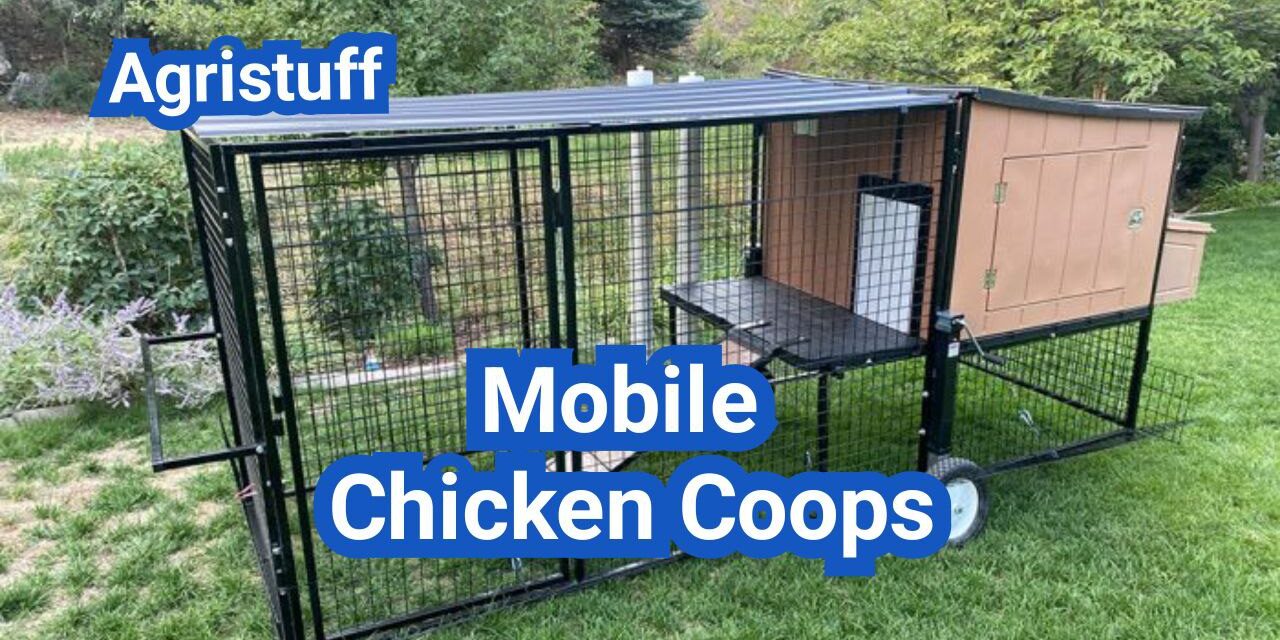
Rotating backyard chickens can be a challenge, especially on rocky and sloped pastures. However, with the right approach, it’s possible to maintain a healthy yard while keeping your birds happy and healthy.
The concept of rotational grazing is simple: move the chickens to different areas of the yard to allow the grass to recover and prevent overgrazing. This not only benefits the yard but also improves the overall health of the chickens.
Using mobile chicken coops is an effective way to implement rotational grazing. These coops can be easily moved around the yard, providing the chickens with fresh pasture and reducing the risk of overgrazing.
Key Takeaways
- Rotational grazing is essential for maintaining a healthy yard with backyard chickens.
- Mobile chicken coops make it easy to rotate chickens around the yard.
- This approach improves the overall health of the chickens and the yard.
- It’s a simple and effective way to manage yard health.
- Proper yard management is crucial for the well-being of backyard chickens.
The Benefits of Rotational Grazing for Chickens

The method of rotational grazing has been proven to enhance soil health, reduce parasite loads, and improve forage quality for chickens. By regularly moving your chickens to fresh pasture, you provide them with a healthier, more natural diet while they handle your pest control and fertilize your lawn for you.
Improved Soil Health and Fertility
Rotational grazing allows the soil to recover between grazing periods, which leads to improved soil structure and fertility. This practice prevents soil compaction and promotes healthy microbial activity, essential for nutrient cycling.
Reduced Parasite Load and Disease Risk
By frequently moving chickens to new areas, you reduce the risk of parasite buildup. This decreases the need for chemical treatments and creates a healthier environment for your flock. Key benefits include:
- Lower risk of internal parasite infestations
- Reduced disease transmission
- Healthier chickens with stronger immune systems
Enhanced Forage Quality for Chickens
Rotational grazing ensures that chickens have access to fresh, nutrient-rich forage. This practice promotes a diverse range of plants, improving the nutritional quality of the chickens’ diet. Benefits include:
- Increased availability of proteins and vitamins
- Better overall health and productivity of chickens
- Enhanced flavor and quality of eggs
Types of Mobile Chicken Coops and Their Features

When it comes to mobile chicken coops, farmers have a range of options to choose from, depending on their specific requirements. Mobile coops come in various styles, each tailored to a particular purpose. For laying hens, you’ll often see coops that resemble miniature barns on wheels.
Chicken Tractors and A-Frames
Chicken tractors are popular for their simplicity and effectiveness. These coops are typically lightweight and easy to move, making them ideal for small to medium-sized flocks. A-frames are another common design, characterized by their triangular shape, which provides excellent structural integrity. “Chicken tractors are a game-changer for small-scale poultry farming,” says Jane Smith, a seasoned farmer. “They allow us to rotate our flock easily, maintaining soil health and reducing parasite loads.”
Wheeled Coops and Skid Designs
Wheeled coops offer the advantage of easy mobility, allowing farmers to move their flocks to fresh grazing areas with minimal effort. Skid designs, on the other hand, provide stability and can be used on various terrains. Both designs are versatile and can be adapted to different farming needs.
Modular and Sectional Coops
Modular coops are designed to be highly adaptable, allowing farmers to add or remove sections as needed. This feature is particularly useful for expanding or reducing flock sizes. Sectional coops offer similar flexibility, making them suitable for a variety of farming operations.
Hoop Houses and Portable Runs
Hoop houses are a type of mobile coop that provides a larger, more enclosed environment for chickens. They are often used for free-range or pasture-raised poultry. Portable runs are another option, offering a secure, movable enclosure that can be easily relocated to fresh areas.
Key Considerations: When choosing a mobile coop design, consider factors such as flock size, terrain, and specific needs like egg production or broiler rearing. Each type of coop has its advantages, and selecting the right one can significantly impact the health and productivity of your flock.
Assessing Your Property for Coop Rotation

Evaluating your property is a critical step in implementing a successful mobile coop system. Before you commit to a coop on wheels, it’s essential to consider the practical realities of your yard’s terrain and climate.
Evaluating Soil Types and Drainage
Understanding your soil type is crucial for determining how it will handle the movement and presence of chickens. Different soils have varying levels of drainage and compaction resistance. For instance, clay soils tend to be more prone to compaction, while sandy soils drain better but may require more frequent watering.
Mapping Rotation Areas and Pathways
Once you understand your soil, map out the areas where you plan to rotate your coop. Consider the layout of your yard, including any slopes, gardens, or other features that might impact coop movement. Creating a clear pathway for rotation can help prevent damage to your lawn.
Identifying Hazards and Protected Areas
Identify any hazards on your property, such as sharp objects, toxic plants, or areas prone to flooding. Also, consider protected areas like gardens or young trees that need to be safeguarded from chicken damage.
| Soil Type | Drainage | Compaction Resistance |
|---|---|---|
| Clay | Poor | Low |
| Sandy | Good | High |
| Loamy | Moderate | Moderate |
Designing a Yard-Friendly Mobile Chicken Coop

Designing a mobile chicken coop that’s both functional and friendly to your yard requires careful consideration of several key factors. A great mobile coop isn’t just a box on wheels; it’s a secure, comfortable, and functional space that makes your life easier and keeps your chickens healthy and happy.
Weight Distribution Considerations
Weight distribution is critical in mobile coop design. A well-balanced coop is easier to move and less likely to damage your yard. To achieve optimal weight distribution, consider the placement of heavy elements like nesting boxes and feeders.
For instance, placing these elements centrally or towards the bottom of the coop can lower its center of gravity, making it more stable and easier to maneuver.
Wheel and Skid Options for Different Terrains
The choice between wheels and skids depends largely on your yard’s terrain. Wheels are ideal for smooth, relatively flat areas, while skids are better suited for rough or uneven terrain.
- Wheels offer ease of movement and can be fitted with different types of tires for various terrains.
- Skids provide stability and can be used in conjunction with wheels for added versatility.
| Terrain Type | Recommended Option | Benefits |
|---|---|---|
| Smooth, Flat | Wheels | Ease of movement, reduced yard damage |
| Rough, Uneven | Skids | Stability, protection from coop damage |
| Mixed Terrain | Wheels and Skids | Versatility, adaptability |
Materials That Balance Durability and Maneuverability
The materials used in your coop’s construction play a significant role in its durability and maneuverability. Lightweight yet sturdy materials can make the coop easier to move without sacrificing protection for your chickens.
“The right materials can make all the difference in the longevity and usability of your mobile chicken coop.”
Experienced Poultry Farmer
Size and Capacity Planning for Your Flock
Determining the right size for your mobile coop depends on the size of your flock and the space available in your yard. A general rule of thumb is to provide at least 2-4 square feet per chicken inside the coop.
Planning for the appropriate size ensures that your chickens have enough space to move around comfortably, which is crucial for their health and happiness.
Creating a Strategic Rotation Schedule

To maximize the benefits of rotational grazing, a strategic rotation schedule is essential. The core benefit of a mobile coop—moving it—can also be its biggest drawback if not done strategically. A well-planned schedule ensures that your flock grazes efficiently without damaging your yard.
Optimal Rotation Frequency
Determining the optimal rotation frequency depends on several factors, including the size of your coop, the number of chickens, and the quality of your pasture. As a general rule, you should rotate your coop often enough to keep the chickens on fresh forage. Rotating too infrequently can lead to overgrazing and soil degradation.
Seasonal adjustments are also crucial. During periods of rapid growth in the spring, you may need to rotate more frequently to keep up with the lush forage. In contrast, during dry summer months, you may need to rotate less often to avoid overgrazing.
Seasonal Adjustments to Your Schedule
Being flexible with your rotation schedule is vital. Weather conditions, such as heavy rain or drought, can significantly impact your pasture’s condition and require adjustments to your rotation frequency. For example, after a heavy rain, it may be necessary to delay rotation to avoid damaging the wet soil.
Record-Keeping for Effective Rotation
Maintaining accurate records is key to effective rotation. Keep track of when you rotate, the condition of the pasture, and any challenges you encounter.
“Record-keeping helps you identify patterns and make informed decisions about future rotations.”
This information will help you refine your rotation schedule over time.
By creating a strategic rotation schedule, determining optimal rotation frequency, making seasonal adjustments, and maintaining detailed records, you can ensure the long-term success of your mobile chicken coop operation.
Preparing Your Yard for Mobile Chicken Coops

Before introducing mobile chicken coops to your yard, it’s crucial to prepare the area to minimize potential damage. Proper yard preparation ensures the health and well-being of your chickens while maintaining the integrity of your lawn.
Reinforcing High-Traffic Areas | Mobile Chicken Coops
High-traffic areas around your yard are likely to be affected by the movement of mobile chicken coops. To mitigate damage, consider reinforcing these areas with durable materials like gravel or wood chips. This will help distribute the weight of the coop and reduce soil compaction.
Creating Dedicated Pathways for Movement
Establishing dedicated pathways for moving the coops can significantly reduce wear and tear on your lawn. Use materials like mulch or straw to create a clear route for coop movement. This not only protects your grass but also makes it easier to maneuver the coops.
Pre-treating Areas to Minimize Damage
Pre-treating areas where the coops will be placed can help minimize damage to your yard. Apply a layer of organic matter like compost or well-rotted manure to improve soil health and fertility. This step can also help reduce the risk of soil compaction and promote healthy drainage.
By taking these steps, you can create a more resilient yard that’s better equipped to handle the presence of mobile chicken coops. This proactive approach will help ensure a harmonious coexistence between your chickens and your outdoor space.
Techniques for Moving Coops Without Strain or Damage

One of the challenges of maintaining a mobile chicken coop is moving it without causing strain or damage. Relocating the coop is a daily or weekly chore that requires physical effort, and if your coop is heavy, your yard is hilly, or the ground is muddy after a rainstorm, this task can quickly become frustrating.
Proper Lifting and Pulling Methods | Mobile Chicken Coops
When moving a coop, it’s essential to use proper lifting techniques to avoid injury. This includes bending at the knees, keeping the back straight, and lifting with the legs rather than the back. For coops with handles, pulling is generally easier than lifting, but be cautious not to pull too hard, which could damage the coop or hurt your back.
Using Mechanical Advantages: Pulleys and Levers
For heavier coops or more challenging terrain, using mechanical advantages can make the task easier. Pulleys can help distribute the weight, making it simpler to move the coop. Levers, such as long boards or pipes, can be used to pry the coop out of muddy or stuck positions. These tools can significantly reduce the physical strain of moving the coop.
Team Lifting Strategies for Larger Coops
For larger or heavier coops, team lifting is a practical solution. By having multiple people lift or pull the coop, you can distribute the weight and effort more evenly. It’s crucial to coordinate the lift to avoid accidents and ensure that everyone is lifting or pulling in sync.
By employing these techniques, you can move your mobile chicken coop without straining yourself or damaging the coop or your yard. This not only makes the task more manageable but also helps in maintaining the health of your chickens and the sustainability of your yard.
Tools and Equipment for Easier Coop Rotation

The right equipment makes all the difference when it comes to rotating your chicken coops efficiently. Having the correct tools can simplify the process, reduce strain, and prevent damage to your coop and yard.
Essential Hand Tools for Coop Movement
For smaller operations or those just starting out, essential hand tools can be sufficient for moving coops. These may include:
- Sturdy gloves for grip and protection
- Ropes or harnesses for pulling the coop
- Levers or pry bars for maneuvering
Motorized Options for Larger Operations | Mobile Chicken Coops
Larger or more complex operations may benefit from motorized equipment to facilitate coop rotation. Some options include:
- ATVs or UTVs for towing coops
- Small tractors with appropriate attachments
- Winches or capstans for controlled movement
For those on a budget, DIY solutions can be a cost-effective way to enhance coop mobility. Some ideas include:
- Using old bicycle wheels or parts
- Creating a skid system from wooden planks
- Repurposing old machinery parts
| Tool/Equipment | Description | Benefit |
|---|---|---|
| Sturdy Gloves | Protects hands during coop movement | Prevents injury |
| ATV/UTV | Tows coops across larger areas | Reduces manual labor |
| DIY Skid System | Facilitates smooth coop movement | Cost-effective solution |
By investing in the right tools and equipment, you can make coop rotation a simpler, more efficient process, ultimately benefiting both you and your chickens.
Protecting Your Lawn During Coop Transitions

Protecting your lawn during chicken coop transitions is crucial for maintaining a healthy yard. Mobile chicken coops offer a flexible way to manage your flock, but moving them can cause significant lawn damage if not done carefully.
Temporary Ground Protection Systems | Mobile Chicken Coops
One effective way to minimize lawn damage is by using temporary ground protection systems. These can include mats or boards placed under the coop’s wheels or skids, distributing the weight more evenly and reducing soil compaction. Such systems are particularly useful in high-traffic areas or when moving coops frequently.
Moving During Optimal Weather Conditions
Weather plays a significant role in lawn protection during coop transitions. Moving coops during dry conditions can help reduce soil compaction compared to wet conditions, which can lead to mud and significant lawn damage. Planning your coop moves according to the weather forecast can help mitigate potential damage.
Recovery Strategies for Affected Areas
Despite best efforts, some areas may still suffer damage. Implementing recovery strategies is crucial for restoring these areas. This can include aerating the soil, applying organic amendments, and reseeding with appropriate grass species. Regular monitoring and maintenance can help affected areas recover more quickly.
By incorporating these strategies, you can protect your lawn during coop transitions, ensuring a healthier yard and more sustainable mobile chicken coop management.
Managing Chicken Behavior During Rotation

Managing chicken behavior during coop rotation is essential for maintaining a healthy and productive flock. Rotating the coop can be stressful for chickens, but with the right strategies, you can minimize this stress and ensure a smooth transition.
Training Chickens for Smooth Transitions
Training your chickens to move to a new coop location can be achieved through gradual introduction to the movement process. Start by moving the coop short distances and gradually increase the length of the moves. This helps the chickens become accustomed to the change.
Reducing Stress During Moves | Mobile Chicken Coops
To reduce stress during coop moves, ensure that the chickens are comfortable and secure in their coop. Providing adequate space, ventilation, and familiar surroundings can help minimize stress. Additionally, moving the coop during cooler parts of the day can reduce heat stress.
Establishing New Territory Quickly
After moving the coop, allow the chickens to explore their new surroundings under supervision. Ensuring that the new area is free from hazards and providing familiar features like feeding and watering stations can help the chickens establish their new territory quickly.
| Stress Reduction Techniques | Benefits |
|---|---|
| Gradual Coop Movement | Reduces stress by allowing chickens to adjust to change |
| Adequate Coop Ventilation | Prevents heat stress and promotes comfort |
| Familiar Surroundings | Provides a sense of security and reduces anxiety |
DIY Modifications to Improve Coop Mobility

DIY modifications can significantly improve the mobility of your chicken coop, making rotation a breeze. By implementing a few simple upgrades, you can enhance the overall health of your flock and the condition of your yard.
Adding Wheels to Existing Structures
One effective way to boost coop mobility is by adding wheels to your existing structure. This can be achieved by attaching sturdy wheels to the bottom of the coop, ensuring they are securely fastened to support the weight. When selecting wheels, consider the terrain and size of your coop to choose the appropriate type.
Creating Removable Skids and Runners
For coops that may not be suitable for wheeling, creating removable skids or runners can be a viable alternative. This involves attaching wooden or metal runners to the bottom of the coop, allowing it to slide across the ground with minimal friction. This method is particularly useful for larger or heavier coops.
Lightweight Material Upgrades | Mobile Chicken Coops
Upgrading to lightweight materials is another strategy to enhance coop mobility. Replacing heavy materials with lighter alternatives, such as aluminum or PVC, can significantly reduce the overall weight of the coop, making it easier to move. This approach also contributes to the durability and longevity of the coop.
Handle and Towing Attachment Options
Adding handles or towing attachments can further simplify the process of moving your chicken coop. These can be as simple as rope handles or more complex towing systems, depending on the size and design of your coop. Ensuring that these attachments are securely fixed is crucial for safe and efficient coop relocation.
By implementing these DIY modifications, you can significantly improve the mobility of your chicken coop, making it easier to rotate and maintain a healthy environment for your flock.
Yard Recovery and Regeneration Techniques

Effective yard recovery techniques are vital after rotating mobile chicken coops to prevent long-term damage. Implementing these strategies can help maintain a healthy and productive landscape for your chickens.
After coop rotation, the yard may be left with bare spots, compacted soil, or uneven terrain. To address these issues, it’s essential to focus on post-rotation soil amendments. Adding organic matter like compost or well-rotted manure can help improve soil structure and fertility. This, in turn, supports the growth of healthy forage for your chickens.
Post-Rotation Soil Amendments
Soil amendments play a crucial role in yard recovery. By incorporating nutrients and organic matter, you can enhance soil health and promote new growth. Some effective amendments include:
- Compost: Rich in nutrients and beneficial microbes
- Well-rotted manure: Provides essential nutrients for plant growth
- Cover crops: Helps to stabilize soil and prevent erosion
Reseeding and Replanting Strategies | Mobile Chicken Coops
Reseeding and replanting are critical steps in yard regeneration. Choose grass species or forage crops that are suitable for your climate and the needs of your chickens. Ensure proper seedbed preparation and maintain adequate soil moisture to support germination and establishment.
Accelerating Recovery with Proper Care
To accelerate yard recovery, it’s essential to provide proper care. This includes maintaining optimal soil moisture, controlling weeds, and managing chicken access to the recovering areas. By following these strategies, you can help your yard recover quickly and remain healthy and productive.
By implementing these yard recovery and regeneration techniques, you can maintain a sustainable and thriving environment for your mobile chicken coops.
Seasonal Challenges in Mobile Coop Management

As the seasons change, mobile chicken coop management faces unique challenges. Managing mobile chicken coops involves adapting to seasonal variations, from winter snow to summer heat.
Winter Snow and Frozen Ground Solutions
During winter, mobile coop management requires special considerations. Frozen ground can make it difficult to move coops, while snow can add weight and stress to the structure. To mitigate these issues, consider using snow-friendly designs that allow snow to slide off easily, and plan coop movements during warmer periods when the ground is slightly thawed.
Managing Spring Mud and Rain | Mobile Chicken Coops
Spring brings its own set of challenges, including mud and rain. To manage muddy conditions, create temporary pathways using wooden planks or gravel to prevent coop damage and reduce stress on the chickens. Regularly inspect the coop for signs of wear and tear, and make necessary repairs to maintain its integrity.
Summer Heat and Drought Adaptations
In the summer, mobile coops need protection from heat and drought. Provide shade structures or move coops to shaded areas during the hottest parts of the day. Ensure chickens have access to plenty of water, and consider using reflective materials on the coop to reduce heat absorption.
Fall Preparation for Winter Rotation | Mobile Chicken Coops
Fall is a critical time to prepare for the upcoming winter. Start by reinforcing coop structures to withstand snow and wind. Clean and maintain the coop, and plan the rotation schedule to ensure that coops are moved to protected areas before the onset of winter.
By understanding and preparing for these seasonal challenges, you can maintain a healthy and productive mobile chicken coop throughout the year.
Sustainable Success with Mobile Chicken Coops
Implementing mobile chicken coops with rotational grazing can be a game-changer for backyard farmers and small-scale poultry producers. By adopting the strategies outlined in this article, you can achieve sustainable success with your mobile chicken coops.
Rotational grazing offers numerous benefits, including improved soil health, reduced parasite load, and enhanced forage quality for your chickens. By rotating your mobile chicken coops effectively, you can maintain a healthy and productive flock while minimizing your environmental footprint.
With the right techniques and equipment, you can protect your lawn and maintain a thriving ecosystem. By choosing the right mobile chicken coop design and implementing a strategic rotation schedule, you can enjoy a bountiful harvest of eggs while promoting sustainable agriculture practices.
By embracing mobile chicken coops and rotational grazing, you can join a growing community of farmers and backyard poultry enthusiasts who are reaping the rewards of sustainable success. Whether you’re a seasoned farmer or just starting out, the benefits of mobile chicken coops are clear: improved soil health, reduced environmental impact, and a more resilient and productive flock.
FAQ
What is rotational grazing and how does it benefit my chickens?
Rotational grazing is a practice that involves moving chickens to different areas of the yard to allow the grass and soil to recover. This benefits chickens by providing them with fresh forage, reducing the risk of parasites and diseases, and improving soil fertility.
What type of mobile chicken coop is best for my yard?
The best type of mobile chicken coop for your yard depends on several factors, including the size of your yard, the number of chickens you have, and the terrain. Options include chicken tractors, A-frames, wheeled coops, and hoop houses.
How do I assess my property for coop rotation?
To assess your property for coop rotation, evaluate soil types, map out rotation areas and pathways, and identify potential hazards such as steep slopes or wet areas.
What are some key considerations when designing a yard-friendly mobile chicken coop?
When designing a yard-friendly mobile chicken coop, consider weight distribution, wheel or skid options, materials that balance durability and maneuverability, and size and capacity planning for your flock.
How often should I rotate my mobile chicken coop?
The frequency of rotation depends on factors such as the size of your yard, the number of chickens, and the quality of forage. A general rule of thumb is to rotate coops every few days to a week.
How can I protect my lawn during coop transitions?
To protect your lawn during coop transitions, consider using temporary ground protection systems, moving coops during optimal weather conditions, and implementing recovery strategies for affected areas.
How can I manage chicken behavior during rotation?
To manage chicken behavior during rotation, train chickens for smooth transitions, reduce stress during moves, and help them establish new territory quickly.
What are some DIY modifications I can make to improve coop mobility?
DIY modifications to improve coop mobility include adding wheels to existing structures, creating removable skids and runners, upgrading to lightweight materials, and adding handles or towing attachments.
How can I accelerate yard recovery after coop rotation?
To accelerate yard recovery after coop rotation, implement post-rotation soil amendments, reseeding and replanting strategies, and provide proper care to affected areas.
What are some seasonal challenges in mobile coop management, and how can I address them?
Seasonal challenges in mobile coop management include managing coops during winter snow and frozen ground, spring mud and rain, summer heat and drought, and fall preparation for winter rotation. Strategies for addressing these challenges include using snow-friendly coop designs, managing mud with proper drainage, providing shade and ventilation during summer, and preparing coops for winter weather.
What tools and equipment can facilitate coop rotation?
Tools and equipment that can facilitate coop rotation include essential hand tools, motorized options for larger operations, and DIY solutions for budget-conscious farmers.
Conclusion of: Mobile Chicken Coops
Mobile chicken coops are one of the simplest ways to keep a backyard flock healthy while protecting your lawn, garden edges, and high-traffic “chicken zones” from turning into bare dirt and mud. ATTRA: Poultry Basics Tipsheet
Mobile chicken coops work best when you treat them like a grazing tool: move birds onto fresh ground, give plants time to recover, and use the flock’s scratching and manure as a controlled benefit instead of an uncontrolled mess. UF/IFAS: Introduction to Pasture-Raised Poultry
Why rotation is the real “secret” behind mobile setups
Mobile chicken coops prevent yard damage because they limit how long birds can peck, scratch, and dust-bathe in one spot, which is what quickly strips grass, exposes soil, and creates smelly, nutrient-heavy patches. USDA NRCS: Soil Health
Mobile chicken coops also let you “spread out” manure in a predictable pattern, so fertility improves over time instead of building up in one corner where runoff risk, flies, and odors are more likely. USDA NRCS: Nutrient Management
Choosing the right style for your property
Mobile chicken coops generally fall into two practical categories: floorless pens (often moved daily) or a movable shelter paired with portable fencing that creates short-term paddocks around the house. University of Wisconsin Extension: Profitable Poultry (Pasture Systems)
Mobile chicken coops should match your goals and your terrain, because a lightweight “tractor” that slides easily on flat grass might be frustrating on uneven ground where a wheeled design is safer and easier to handle. UMN Extension: DIY Mobile Poultry Hut
Stocking rates that protect grass and birds
Mobile chicken coops help your yard only if you avoid overcrowding, since too many birds in too small a footprint will denude vegetation faster than you can rotate and can increase stress behaviors like feather pecking. NC State Extension: Pastured Poultry for Small Farms (PDF)
Mobile chicken coops are easier to manage when you design around “real use” space—where birds actually stand, eat, and rest—rather than just the outside dimensions, because corners, feeders, and shaded spots become wear zones first. OSU Extension: Backyard Chicken Coop Design
Build a rotation plan the grass can survive
Mobile chicken coops rotate best when you think in rest periods, not just movement frequency, because recovery time is what rebuilds leaf area and roots after birds graze and trample the forage. USDA NRCS: Rotational Grazing (Small-Scale PDF)
Mobile chicken coops fit nicely into a simple “paddock map” approach—number zones on your lawn, move in a loop, and adjust rest time longer during slow growth or drought so you don’t graze plants into the ground. USDA NRCS: Management-Intensive Rotational Grazing (PDF)
A practical move schedule for real backyards
Mobile chicken coops are often moved daily for broilers or high-impact flocks, but you can make the schedule flexible by watching the ground—if you see thinning vegetation or manure accumulation, it’s time to move sooner. University of Maine Extension: Pasture Poultry Project
Mobile chicken coops can be moved less frequently in extreme heat when birds spend more time resting and less time foraging, but you still want to avoid letting one shaded spot become a worn-out “dust bowl.” UF/IFAS: Pasture Management Notes for Pastured Poultry (PDF)
Make moving easy so you’ll actually do it
Mobile chicken coops succeed long-term when the move takes minutes, not an hour, so prioritize features like sturdy handles, balanced weight, reliable wheels or skids, and a clear path free of hose reels and garden clutter. UMN Extension: Mobile Hut Build Details
Mobile chicken coops are safer for both you and the birds when you build a routine—close pop doors, secure feeders and waterers, move slowly, and then do a quick headcount so no bird gets pinned or left behind. UMN Extension: Raising Chickens for Eggs (Daily Care)
Ventilation and weather: keep the flock comfortable
Mobile chicken coops need excellent ventilation because moisture and ammonia build up fast in small spaces, and fresh air is one of the biggest differences between a comfortable shelter and a disease-friendly box. UConn Extension: Basic Management of Small Poultry Flocks
Mobile chicken coops also need a weather plan for your region—wind breaks, shade options, and dry bedding matter, and cold snaps or icy rain can be harder on birds outdoors than steady winter conditions. University of Maryland Extension: Winter Weather and Small Flocks
Predator protection while rotating
Mobile chicken coops can increase predation risk if the shelter moves farther from your normal “human activity zone,” so you should plan secure nighttime lockup, hardware cloth on vulnerable areas, and a consistent dusk routine. Colorado State University Extension: Chickens and Predators
Mobile chicken coops pair well with portable electric netting in many areas, especially when you rotate paddocks, because a movable barrier can reduce pressure from common ground predators without permanently fencing your whole yard. Cornell Cooperative Extension: Managing Predation in Poultry Flocks
Biosecurity and parasite control in a mobile system
Mobile chicken coops still require basic biosecurity—limit visitor contact, keep feed secured from wild birds and rodents, and clean tools and footwear—because disease can travel on people, pests, and contaminated equipment. USDA APHIS: Defend the Flock
Mobile chicken coops can reduce some parasite pressure when rotation prevents birds from constantly re-exposing themselves to heavily contaminated ground, but you still need to watch for wet litter, crowding, and other conditions that favor outbreaks. ATTRA: Coccidiosis and Parasite Management
Food safety and family hygiene
Mobile chicken coops don’t eliminate Salmonella risk, so treat the coop area like an “animal zone” and make handwashing the default after collecting eggs, moving equipment, or letting kids handle birds. CDC: Backyard Poultry Safety
Mobile chicken coops support cleaner eggs when nest boxes stay dry and birds aren’t standing in old manure, but you still need safe storage practices—refrigerate promptly and use good handling habits from collection to cooking. FDA: What You Need to Know About Egg Safety
Manure, compost, and “fertilizer without the fallout”
Mobile chicken coops can be a smart fertility tool when you avoid over-applying nutrients to the same spot, because excess nitrogen and phosphorus are more likely to wash into storm drains or leach into soil when concentrated. USDA ERS: Manure Management for Water Quality (PDF)
Mobile chicken coops make composting easier if you periodically collect built-up bedding or “hot spots” and compost in managed batches, which helps stabilize nutrients and reduces odor compared with piling fresh manure indefinitely. OSU Extension: Composting Chicken Manure
Feed, forage, and keeping birds productive
Mobile chicken coops work best when you treat pasture as enrichment and nutrition support rather than a full ration, because most flocks still need balanced feed, consistent access to clean water, and a rotation that keeps foraging interesting. ATTRA: Pastured Poultry Nutrition and Forages
Troubleshooting: fix yard damage before it spreads
Mobile chicken coops may still create weak spots near feeders, waterers, and shade, so rotate those “attractors,” add temporary mulch or sacrifice areas during wet seasons, and keep the shelter dry and well-ventilated to prevent smells. UConn Extension: Small Flock Housing and Ventilation Tips
Mobile chicken coops are easier to improve when you keep simple records—where you placed the coop, how long it stayed, rainfall, and what the grass looked like after a week—so your rotation gets better each season instead of repeating the same mistakes. Farmers.gov: Soil Health Principles and Practices
Final thought
Mobile chicken coops are less about having a clever DIY build and more about committing to a repeatable rotation habit, because consistent movement is what keeps birds healthier, grass greener, and your yard usable year-round. ATTRA: Pastured Poultry Egg Production
Sources & References
- ATTRA: Poultry Basics Tipsheet
- University of Florida IFAS: Introduction to Pasture-Raised Poultry (PDF)
- University of Wisconsin Extension: Profitable Poultry (PDF)
- NC State Extension: Pastured Poultry for Small Farms (PDF)
- Oregon State University Extension: Backyard Chicken Coop Design
- University of Minnesota Extension: DIY Mobile Poultry Hut
- University of Maine Extension: Pasture Poultry Project
- USDA NRCS: Rotational Grazing (Small-Scale PDF)
- USDA NRCS: Nutrient Management
- Colorado State University Extension: Chickens and Predators
- USDA APHIS: Defend the Flock
- CDC: Backyard Poultry Safety
- FDA: Egg Safety
- OSU Extension: Composting Chicken Manure