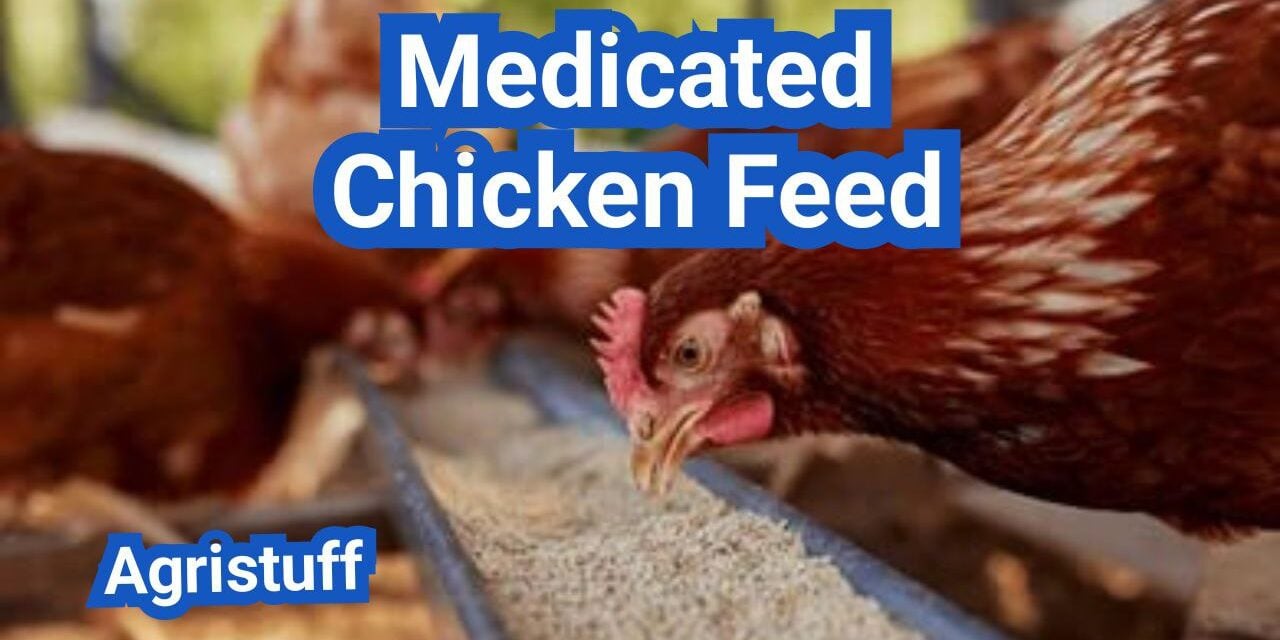
Medicated chicken feed is a common practice in poultry farming, aimed at preventing coccidiosis, a disease caused by protozoan parasites that can devastate chicken flocks.
The use of medicated chick starter feed containing amprolium is a widespread method for controlling this disease. However, understanding when to use such feed is crucial for the health and well-being of the chickens.
As the poultry industry continues to evolve, exploring safer alternatives to traditional medicated feed is becoming increasingly important.
Key Takeaways
- Medicated chicken feed is used to prevent coccidiosis in chicks.
- Amprolium is a common ingredient in medicated chick starter feed.
- Understanding when to use medicated feed is crucial for chicken health.
- Safer alternatives to traditional medicated feed are being explored.
- The poultry industry is evolving to improve chicken health practices.
Understanding Medicated Chicken Feed

Understanding the role of medicated chicken feed is essential for poultry farmers to maintain flock health. Medicated chicken feed is designed to prevent certain diseases in chickens, promoting healthier growth and reducing the risk of outbreaks.
What Is Medicated Chicken Feed?
Medicated chicken feed is a type of feed that contains medications or additives intended to prevent or treat specific health issues in chickens. These feeds are formulated to address common problems such as coccidiosis, a parasitic disease that can significantly impact poultry health.
One common medication found in medicated chick starter feed is Amprolium, a coccidiostat that prevents the proliferation of coccidia. By including such medications, farmers can proactively manage the health of their flocks.
Common Medications in Poultry Feed
Poultry feed can contain various medications depending on the intended purpose. Some common additives include:
- Coccidiostats like Amprolium and Salinomycin
- Antibiotics such as Bacitracin and Virginiamycin
- Antiparasitic agents
These medications are added to the feed to prevent diseases and promote growth. However, their use must be carefully managed to avoid issues like antibiotic resistance.
| Medication Type | Purpose | Examples |
|---|---|---|
| Coccidiostats | Prevent coccidiosis | Amprolium, Salinomycin |
| Antibiotics | Promote growth, prevent bacterial infections | Bacitracin, Virginiamycin |
| Antiparasitic agents | Control internal parasites | Various commercial products |
How to Read Poultry Feed Tags
Understanding how to read poultry feed tags is crucial for ensuring that you’re providing your chickens with the appropriate nutrition and medication. Feed tags contain detailed information about the feed’s ingredients, nutritional content, and any medications included.
When reading a feed tag, look for the following:
- Ingredient list
- Nutritional content (protein, fat, fiber, etc.)
- Medication details (type, amount, purpose)
- Feeding instructions
- Withdrawal periods for medicated feeds
By carefully reviewing the feed tag, you can make informed decisions about your chickens’ diet and health management.
The History and Regulation of Medicated Chicken Feed in the USA

Regulations surrounding medicated chicken feed in the United States have developed over decades, influenced by advances in veterinary medicine and concerns about antibiotic resistance. The use of medicated feed has been a critical component of poultry production, aimed at promoting growth and preventing disease.
Evolution of Medicated Feed Practices
The practice of using medicated feed in poultry production began as a response to the need for more efficient and healthier farming practices. Initially, antibiotics were added to feed to promote growth and prevent disease. Over time, the industry has seen a shift towards more targeted and responsible use of medications in feed.
“The overuse of antibiotics in agriculture has contributed to the rise of antibiotic-resistant bacteria, posing a significant risk to human health.” This statement, made by a leading health expert, underscores the importance of regulating medicated chicken feed.
Current FDA and USDA Regulations
The FDA and USDA play crucial roles in regulating medicated chicken feed. The FDA is responsible for ensuring that animal drugs, including those used in feed, are safe and effective. The USDA, through the Food Safety and Inspection Service, monitors the presence of residues in meat and poultry products.
- The FDA regulates the approval and use of medicated feed.
- The USDA enforces rules related to the inspection of poultry products.
The Veterinary Feed Directive (VFD)
The Veterinary Feed Directive is a regulation that governs the use of certain medications in animal feed. It requires that farmers obtain a VFD from a licensed veterinarian before using medicated feed containing certain antibiotics.
This directive is crucial in ensuring that antibiotics are used judiciously in poultry production, helping to mitigate the risk of antibiotic resistance.
By understanding the history and current regulations surrounding medicated chicken feed, producers can make informed decisions that balance the need for healthy birds with the imperative to protect public health.
Coccidiosis: The Primary Target of Medicated Feed

Understanding coccidiosis is crucial for chicken farmers, as it is the main target of medicated chicken feed. Coccidiosis is a parasitic disease caused by coccidia, which can lead to significant morbidity and mortality in chickens.
Understanding Coccidiosis in Chickens
Coccidiosis affects chickens of all ages but is most severe in young chicks. The disease is caused by various species of the Eimeria parasite. These parasites multiply in the intestinal tract, causing damage to the gut lining and impairing nutrient absorption.
The lifecycle of Eimeria involves several stages, from oocysts ingested from the environment to the reproduction of the parasite within the chicken’s intestines. This lifecycle can be complex, and understanding it is key to managing the disease.
Signs and Symptoms to Watch For
Recognizing the signs of coccidiosis is essential for early intervention. Common symptoms include:
- Diarrhea, which may be bloody
- Weight loss and reduced growth rates
- Lethargy and decreased activity
- Ruffled feathers
- Decreased feed consumption
Severe cases can lead to high mortality rates, especially in young or immunocompromised chickens.
How Anticoccidials Work in Feed
Anticoccidials are medications added to chicken feed to prevent or treat coccidiosis. These drugs work by either killing the coccidia parasites or inhibiting their development.
There are two main types of anticoccidials used in poultry feed: ionophores and synthetic chemicals. Ionophores disrupt the ionic balance within the parasite, while synthetic chemicals target specific stages of the parasite’s lifecycle.
| Type of Anticoccidial | Mode of Action | Examples |
|---|---|---|
| Ionophores | Disrupt ionic balance in parasites | Monensin, Salinomycin |
| Synthetic Chemicals | Inhibit parasite development | Amprolium, Diclazuril |
By understanding how anticoccidials work and using them appropriately, chicken farmers can effectively manage coccidiosis and improve the health and productivity of their flocks.
When to Use Medicated Chicken Feed

The decision to use medicated chicken feed depends on several factors, including the age of your chickens and the environment they’re in. Medicated feed is not a one-size-fits-all solution, and its use should be tailored to the specific needs of your flock.
For Newly Hatched Chicks
Medicated chick starter feed is often recommended for newly hatched chicks to prevent coccidiosis, a common and potentially deadly disease in young chickens. Coccidiosis can cause significant losses in backyard flocks and commercial operations alike. By using medicated starter feed, you can significantly reduce the risk of this disease.
In High-Risk Environments
Flocks raised in high-risk environments, such as those with poor sanitation or high stocking densities, may benefit from medicated feed. These conditions can increase the likelihood of disease outbreaks, and medicated feed can help mitigate this risk. It’s essential to assess your flock’s environment and adjust their feed accordingly.
During Disease Outbreaks
In the event of a disease outbreak, such as coccidiosis, medicated feed can be a valuable tool in controlling the spread of the disease. However, it’s crucial to consult with a veterinarian to determine the best course of action. Medicated feed should be used in conjunction with other management practices, such as improving sanitation and reducing stocking densities.
Seasonal Considerations
Seasonal changes can also impact the decision to use medicated chicken feed. For example, during periods of high humidity or rainfall, the risk of coccidiosis may increase. In these situations, using medicated feed can help prevent outbreaks. Additionally, when introducing new chickens to your flock, using medicated feed can help reduce the risk of disease transmission.
By understanding when to use medicated chicken feed, you can make informed decisions about your flock’s health and reduce the risk of disease. Always consult with a veterinarian for personalized advice on managing your flock’s health.
Medicated Feed Options for Different Life Stages

As chickens grow and develop, their nutritional and health requirements change, necessitating different medicated feed options. The type of medicated feed suitable for chicks is not the same as that for adult chickens or laying hens. Understanding these differences is crucial for maintaining the health and productivity of your flock.
Medicated Chick Starter Feed
Medicated chick starter feed is specifically formulated for newly hatched chicks. This feed typically contains anticoccidial medications to protect against coccidiosis, a common and potentially devastating disease in young chickens. The medication helps chicks develop immunity and reduces the risk of coccidiosis outbreaks.
Key considerations for medicated chick starter feed include:
- The type of anticoccidial medication used
- The duration for which the medicated feed should be used
- Any potential interactions with other health treatments
Grower Feed Considerations
As chicks grow into pullets, their nutritional needs change, and so do the considerations for medicated feed. Grower feeds may contain different medications or concentrations of medications compared to starter feeds. The primary goal is to continue protecting the chickens from diseases while they grow.
Factors to consider when choosing a grower feed include:
- The prevalence of specific diseases in your area
- The growth rate and health status of your chickens
- Any upcoming changes in the chickens’ life stage (e.g., approaching laying age)
Medicated Feed for Adult Chickens
Adult chickens have different health requirements compared to younger chickens. Medicated feed for adult chickens is often used to maintain health and prevent disease rather than treat active infections. The choice of medication and dosage will depend on the specific health challenges faced by the flock.
Important aspects to consider for adult chicken feed include:
- The need for ongoing coccidiosis prevention
- Control measures for internal parasites
- Any necessary adjustments for chickens that are molting or stressed
Special Considerations for Laying Hens
Laying hens have the additional consideration of producing eggs for consumption. Any medicated feed given to laying hens must be carefully chosen to ensure that it does not result in drug residues in the eggs. The timing of medicated feed use relative to the laying cycle is crucial.
“The use of medicated feed in laying hens requires careful management to balance the need for disease control with the necessity of producing safe, residue-free eggs.”
– Poultry Health Expert
Key factors for laying hens include:
| Factor | Consideration |
|---|---|
| Medication Type | Ensure compatibility with egg production |
| Withdrawal Periods | Observe required withdrawal periods before eggs are considered safe for consumption |
| Disease Prevalence | Assess the risk of disease in your flock to determine the need for medicated feed |
Medicated Chicken Feed for Parasite Control

Parasite control is a critical aspect of maintaining a healthy chicken flock, and medicated feed plays a significant role in this effort. Parasites, particularly worms, can cause significant health issues in chickens, ranging from weight loss and decreased egg production to severe health complications.
Treating and Preventing Worms
Medicated chicken feed can be used to control worms in chickens. The most common types of worms affecting chickens are roundworms and tapeworms. Medications such as fenbendazole and albendazole are commonly used in medicated feed to deworm chickens.
The effectiveness of medicated feed in controlling worms depends on several factors, including the type of worm, the medication used, and the duration of treatment.
| Type of Worm | Common Medications | Effectiveness |
|---|---|---|
| Roundworms | Fenbendazole, Albendazole | High |
| Tapeworms | Praziquantel | Moderate to High |
Limitations of Feed-Based Dewormers
While medicated feed can be effective against worms, it has its limitations. One of the main challenges is ensuring that all chickens consume the medicated feed, as some birds may be more dominant or have different feeding habits.
Additionally, overuse or misuse of deworming medications can lead to resistance, making the treatment less effective over time.
Combining Feed Medications with Other Treatments
To enhance the effectiveness of parasite control, combining medicated feed with other treatments can be beneficial. This may include using other deworming methods, such as direct oral administration of deworming medication or using injectable dewormers.
It’s also crucial to implement good flock management practices, such as maintaining clean living conditions, rotating pastures, and monitoring flock health regularly.
The Potential Drawbacks of Medicated Chicken Feed

While medicated chicken feed can be beneficial in preventing certain diseases, it’s crucial to understand its potential drawbacks. Medicated feed is widely used in poultry farming to promote growth and prevent diseases, but its use is not without risks.
Antibiotic Resistance Concerns
One of the most significant concerns associated with medicated chicken feed is the development of antibiotic resistance. The overuse or misuse of antibiotics in feed can lead to the selection and spread of resistant bacteria, making infections harder to treat in both animals and humans. This issue has gained significant attention globally, with many countries implementing stricter regulations on antibiotic use in agriculture.
The risk of antibiotic resistance is not limited to the chickens themselves but can also affect humans who consume poultry products. Therefore, it’s essential to use medicated feed judiciously and follow veterinary guidance to minimize this risk.
Impact on Natural Immunity Development
Another potential drawback of medicated chicken feed is its impact on the natural immunity development of chickens. By suppressing certain pathogens, medicated feed can interfere with the natural process of immunity development in young birds. This might leave them more vulnerable to diseases when they are no longer on medicated feed.
Farmers should consider strategies to support the development of natural immunity, such as providing a healthy environment and using non-medicated feed options when appropriate.
Thiamine Deficiency in Waterfowl
Certain medications in chicken feed, particularly those used to control coccidiosis, can cause thiamine (Vitamin B1) deficiency in waterfowl. This is particularly relevant for farmers who raise ducks or other waterfowl alongside chickens.
Symptoms of thiamine deficiency can include neurological signs and even death in severe cases. Farmers using medicated feed near waterfowl should be aware of this risk and take appropriate precautions.
Residues in Eggs and Meat
The use of medicated chicken feed can result in residues of the medications in eggs and meat, potentially posing a risk to consumers if withdrawal periods are not observed. Withdrawal periods are the times that must elapse between the last administration of a medicated feed and the slaughter of the birds or the collection of eggs.
It’s crucial for farmers to adhere strictly to the recommended withdrawal periods to ensure that eggs and meat are safe for consumption. Regular monitoring and record-keeping can help in managing this risk effectively.
Medicated vs. Non-Medicated Feed: Making the Right Choice
Understanding the differences between medicated and non-medicated feed is crucial for making informed decisions about your chicken’s health. The choice between these two types of feed depends on several factors, including the risk of disease and the cost of the feed.
Comparing Ingredients and Effectiveness
Medicated feed typically contains additives such as antibiotics or anticoccidials to prevent disease. Non-medicated feed, on the other hand, relies on natural ingredients and does not contain these additives. The effectiveness of each type of feed depends on the specific needs of your flock.
For instance, medicated chick starter feed is often recommended for young chicks due to their high susceptibility to diseases like coccidiosis. However, non-medicated feed can be a viable option for healthier flocks or those raised in low-risk environments.
| Feed Type | Key Ingredients | Effectiveness |
|---|---|---|
| Medicated Feed | Antibiotics, Anticoccidials | Highly effective in disease prevention |
| Non-Medicated Feed | Natural ingredients | Effective for healthy flocks or low-risk environments |
Cost Considerations
The cost of medicated feed is generally higher than that of non-medicated feed due to the added medications. However, the cost savings of non-medicated feed must be weighed against the potential risks of disease outbreaks.
For example, in high-risk environments, the use of medicated feed may be more cost-effective in the long run by reducing the incidence of disease.
When to Choose Each Option
The decision to use medicated or non-medicated feed should be based on the specific needs and circumstances of your flock. Factors to consider include the age and health status of your chickens, the risk of disease in your area, and your overall management practices.
- Choose medicated feed for young chicks or in high-risk environments.
- Opt for non-medicated feed for healthier flocks or those raised in low-risk conditions.
Transitioning Between Feed Types
Transitioning between medicated and non-medicated feed should be done carefully to avoid stressing your flock. It’s essential to consult with a veterinarian to determine the best strategy for your specific situation.
For instance, you may start with medicated chick starter feed and transition to non-medicated grower feed as your chickens mature, provided the risk of disease decreases.
Common Misconceptions About Medicated Chicken Feed

Common misconceptions about medicated chicken feed can lead to its misuse or overuse in backyard flocks. Many chicken owners turn to medicated feed as a solution to various health issues, but it’s crucial to understand its limitations and appropriate applications.
It’s Not an All-Purpose Medication
One of the most significant misconceptions is that medicated chicken feed is a cure-all for poultry health issues. In reality, medicated feed is designed to prevent specific diseases, not treat a wide range of conditions. Using medicated feed as a blanket solution can lead to unnecessary medication and potential health risks.
“The indiscriminate use of medicated feed can do more harm than good, potentially leading to antibiotic resistance and other health complications.” – Poultry Health Expert
It Doesn’t Treat Existing Infections
Another misconception is that medicated feed can treat existing infections in chickens. While medicated feed can help prevent certain diseases, it is not a substitute for proper veterinary care when dealing with active infections. Chicken owners should consult a veterinarian to diagnose and treat specific health issues.
It’s Not Always Necessary
Many chicken keepers assume that medicated feed is necessary for all flocks, but this isn’t the case. For healthy chickens in low-risk environments, non-medicated feed may be a more appropriate choice. The decision to use medicated feed should be based on the specific needs and health status of the flock.
By understanding these misconceptions, chicken owners can make more informed decisions about the health and well-being of their flocks, ensuring they use medicated feed judiciously and effectively.
How to Properly Use Medicated Chicken Feed

To maximize the effectiveness of medicated chicken feed, it’s essential to understand how to use it properly. Medicated feed can be a valuable tool in preventing disease in your flock, but its misuse can lead to reduced efficacy and potential harm to your chickens.
Correct Dosage and Duration
Following the manufacturer’s instructions for the correct dosage and duration of medicated feed is crucial. Overdosing or underdosing can lead to ineffective treatment or adverse effects on your chickens. The dosage is typically calculated based on the weight of the feed or the number of chickens being treated.
For example, a common dosage for medicated chick starter feed might be 1 pound of medicated premix per ton of feed. It’s essential to ensure that the feed is mixed thoroughly to achieve a uniform distribution of the medication.
Withdrawal Periods Explained
Withdrawal periods are critical when using medicated chicken feed, especially if you’re raising chickens for eggs or meat. The withdrawal period is the time between the last administration of the medicated feed and the slaughter or consumption of eggs. This period allows the medication to be cleared from the chicken’s system, ensuring that residues do not end up in the food products.
| Medication Type | Withdrawal Period |
|---|---|
| Anticoccidials | 0-5 days |
| Antibiotics | 5-14 days |
| Other Medications | Varies (check label) |
Monitoring Your Flock’s Response
Regular monitoring of your flock’s health and response to the medicated feed is vital. Look for signs of improvement or deterioration in their condition, such as changes in appetite, droppings, or overall behavior. If you notice any adverse effects, consult your veterinarian immediately.
Keep a record of the feed consumption, mortality rates, and any observations about the flock’s health. This information can be invaluable in making future decisions about flock management and feed choices.
When to Consult a Veterinarian
If you’re unsure about any aspect of using medicated chicken feed, it’s always best to consult with a veterinarian. They can provide guidance on the proper use of medicated feed, help diagnose any issues in your flock, and recommend alternative treatments if necessary.
Natural Alternatives to Medicated Feed

As concerns about antibiotic resistance grow, many poultry keepers are seeking natural alternatives to medicated chicken feed. The need for alternatives stems from the increasing awareness of the potential drawbacks of medicated feed, including the development of antibiotic-resistant bacteria.
Probiotic Supplements for Chickens
Probiotic supplements are becoming increasingly popular as a natural alternative to medicated feed. These supplements contain live, beneficial bacteria that can help maintain a healthy gut microbiome in chickens. Research has shown that probiotics can improve poultry health by enhancing digestion and boosting the immune system. When selecting a probiotic supplement, it’s essential to choose a product that is specifically formulated for chickens and contains multiple strains of beneficial bacteria.
“Probiotics have been shown to reduce the incidence of certain diseases in poultry by promoting a healthy balance of gut flora.” –
Poultry Health Expert
A study comparing the effects of probiotic supplements and medicated feed on chicken health found that probiotics can be just as effective, if not more so, in certain cases. The table below summarizes some key findings:
| Health Indicator | Probiotic Supplement | Medicated Feed |
|---|---|---|
| Gut Health | Improved | Variable |
| Immune System | Boosted | Suppressed |
| Disease Incidence | Reduced | Reduced |
Herbal and Plant-Based Options
Herbal and plant-based options offer another avenue for maintaining poultry health without medicated feed. Certain herbs, such as garlic and oregano, have been shown to have antimicrobial properties that can help protect against disease. These natural remedies can be added to the chickens’ feed or water. However, it’s crucial to research the appropriate dosages and potential interactions with other health treatments.
Apple Cider Vinegar and Other Home Remedies
Apple cider vinegar is a popular home remedy among backyard chicken keepers. It’s believed to help maintain a healthy gut pH and improve overall flock health. While the scientific evidence supporting its use is largely anecdotal, many keepers swear by its benefits. Other home remedies include diatomaceous earth for parasite control and various herbal concoctions.
Organic Feed Standards and Certification
For those interested in avoiding medicated feed altogether, organic feed standards and certification offer a structured approach. Organic certification ensures that the feed is produced without the use of synthetic pesticides, herbicides, or fertilizers, and that antibiotics are not used. Choosing organic feed can be a way to ensure that your flock is raised without medicated feed. However, it’s essential to understand the specific standards and certification processes in your region.
In conclusion, natural alternatives to medicated feed offer a range of options for poultry keepers looking to maintain flock health without the potential drawbacks of medicated feed. By understanding and utilizing these alternatives, keepers can make informed decisions about their flock’s health.
Prevention Strategies Beyond Medicated Feed
While medicated chicken feed plays a significant role in disease prevention, additional strategies are necessary for optimal flock health. Effective prevention involves a multi-faceted approach that includes proper brooder hygiene, wet litter management, vaccination against specific diseases, and thoughtful pasture rotation techniques.
Proper Brooder Hygiene
Maintaining a clean brooder is crucial for the health of young chicks. A brooder hygiene checklist should include:
- Daily removal of soiled bedding and waste
- Regular disinfection of all surfaces
- Ensuring proper ventilation
- Monitoring temperature and humidity levels
By following this checklist, poultry farmers can significantly reduce the risk of disease in their young chicks.
Wet Litter Management
Wet litter is a common issue in poultry farming that can lead to various health problems, including ammonia burns and increased risk of disease. Effective wet litter management involves:
- Ensuring proper drainage in the coop
- Regularly turning and drying out the litter
- Monitoring flock behavior to identify potential issues early
- Adjusting feeding and watering systems to prevent spillage
By keeping the litter dry, farmers can create a healthier environment for their chickens.
Coccidiosis Vaccines
Coccidiosis vaccines offer an alternative or complementary approach to medicated feed for controlling coccidiosis. These vaccines expose chickens to controlled amounts of coccidia, helping them develop natural immunity. The decision to use coccidiosis vaccines should be based on factors such as:
- Flock history of coccidiosis
- Farm management practices
- Local disease prevalence
Vaccination can be particularly useful for farms transitioning away from medicated feed or those experiencing issues with anticoccidial resistance.
Pasture Rotation Techniques
For farms using pasture-raised systems, pasture rotation is a key strategy for maintaining flock health. By regularly moving chickens to fresh pasture, farmers can:
- Reduce parasite loads
- Improve soil health
- Enhance forage quality
- Minimize the risk of disease buildup
Effective pasture rotation requires careful planning and monitoring to ensure that pastures have adequate time to recover between uses.
Creating a Balanced Approach to Flock Health
A balanced approach to flock health involves combining medicated chicken feed with other management strategies to promote overall poultry health management. By understanding when to use medicated feed and how it fits into a broader health plan, poultry keepers can optimize their flock’s well-being.
Effective poultry health management requires considering multiple factors, including nutrition, environment, and disease prevention. Medicated chicken feed can play a role in this approach, particularly for young or high-risk birds. However, it’s crucial to balance its use with other strategies such as proper hygiene, vaccination, and pasture rotation.
By adopting a comprehensive approach to flock health, poultry keepers can reduce reliance on medicated feeds and create a more sustainable and healthy environment for their birds. This balanced strategy not only benefits the flock but also contributes to responsible poultry production practices.
FAQ
What is medicated chicken feed?
Medicated chicken feed is a type of feed that contains medications, typically antibiotics or anticoccidials, designed to prevent or treat specific health issues in chickens, such as coccidiosis.
What is the primary purpose of using medicated chicken feed?
The primary purpose of using medicated chicken feed is to prevent or control diseases, particularly coccidiosis, in chickens.
How does medicated chicken feed work?
Medicated chicken feed works by delivering a controlled amount of medication to the chickens through their feed, helping to prevent or treat diseases.
When should I use medicated chicken feed for my chicks?
Medicated chicken feed is often recommended for newly hatched chicks, especially in high-risk environments, to prevent coccidiosis.
Can I use medicated chicken feed for adult chickens?
While medicated feed is primarily used for young chickens, it can be used for adult chickens under certain circumstances, such as during disease outbreaks.
What are the potential drawbacks of using medicated chicken feed?
Potential drawbacks include the risk of antibiotic resistance, impact on natural immunity development, thiamine deficiency, and residues in eggs and meat.
How do I choose between medicated and non-medicated feed?
The choice between medicated and non-medicated feed depends on factors such as the age of your chickens, the risk of disease, and your farm’s health management practices.
Are there natural alternatives to medicated chicken feed?
Yes, alternatives include probiotic supplements, herbal and plant-based options, and home remedies like apple cider vinegar, as well as organic feed standards and certification.
How can I prevent diseases in my flock beyond using medicated feed?
Prevention strategies include proper brooder hygiene, wet litter management, coccidiosis vaccines, and pasture rotation techniques.
What are the regulations surrounding medicated chicken feed in the USA?
Medicated chicken feed is regulated by the FDA and USDA, with guidelines such as the Veterinary Feed Directive (VFD) governing its use.
How do I properly use medicated chicken feed?
Proper use involves following the correct dosage and duration, observing withdrawal periods, monitoring flock health, and consulting a veterinarian when necessary.
Can laying hens eat medicated chick starter?
Generally, it’s not recommended to feed laying hens medicated chick starter, as it may not be formulated for their nutritional needs and could potentially affect egg production or contain residues.
How long do I feed medicated chick starter?
The duration for feeding medicated chick starter varies depending on the product and the health status of your flock, typically until the chicks are a few weeks old.
What is the difference between medicated and non-medicated chick starter?
Medicated chick starter contains medications to prevent diseases like coccidiosis, while non-medicated starter does not contain these additives.
Is medicated chicken feed the same as feeding antibiotics?
Medicated chicken feed often contains a coccidiostat rather than a medically important antibiotic, but you can’t assume what’s inside without reading the feed tag. Some products are meant for prevention only, and the label directions (including cautions and timing) still matter for safety and compliance. When in doubt, match the active ingredient to the problem you’re actually trying to prevent. Approved drugs and classes used in poultry production (poultry.extension.org).
How long should I use it for chicks?
Medicated chicken feed is commonly used during the early starter phase when risk is highest, then replaced with a non-medicated grower/finisher once chicks are stronger and management is stable. The best timeline is the one on your specific label and the one that fits your housing risk (wet litter and crowding push risk higher). If you’re processing meat birds, pay extra attention to any withdrawal instructions tied to your product. Nutrition for backyard chicken flocks and withdrawal considerations (University of Maine Extension).
Will it stop an active outbreak?
Medicated chicken feed is primarily a prevention tool and may not be sufficient once birds are already sick, especially if intake is dropping. In outbreaks, management steps (drying litter, improving ventilation, cleaning waterers) and properly directed treatment are often more effective than hoping preventive feed will “catch up.” If birds are crashing, contact a veterinarian or Extension resource quickly instead of experimenting. Internal parasites and coccidiosis basics (poultry.extension.org).
Do I need to worry about residues if I process at home?
Medicated chicken feed labels exist partly to prevent unsafe residues, and both regulators and processors take residue prevention seriously. Even if you’re not selling product, following labeled directions and keeping simple records protects your household and helps you make consistent decisions from flock to flock. If you sell birds or eggs, you should treat withdrawal compliance as non-negotiable. FSIS residue sampling and verification directive (FSIS).
Conclusion of: Medicated Chicken Feed
Medicated chicken feed is simply poultry feed that includes an approved medication (most often aimed at preventing coccidiosis in young birds), and it’s not automatically “better” or “worse” than non-medicated rations. The right choice depends on your flock’s age, how you raise them (brooder setup, bedding, pasture access), and how much disease pressure you expect in your environment. If you treat it like a tool—not a shortcut—you’ll make safer, more cost-effective decisions. Feeding the flock (University of Maryland Extension).
Medicated chicken feed is most commonly discussed for chicks because coccidia (microscopic parasites) spread easily where manure and moisture meet, especially on litter or soil. Many small-flock outbreaks start after a stress event (shipping, weather swings, overcrowding) when exposure spikes and immunity is still developing. The goal is not “zero exposure,” but keeping exposure low enough that birds build natural resistance without crashing. Management of coccidiosis in small flocks (Penn State Extension).
Medicated chicken feed also sits inside a bigger U.S. stewardship picture: some antimicrobials in animal agriculture are now veterinary-supervised, while many common chick coccidiosis preventives are still sold over the counter. That means you should never assume a bag labeled “medicated” is the same thing as an antibiotic—or that it’s appropriate for every flock goal. When you’re unsure what a product contains or whether it needs veterinary oversight, the feed tag and drug category matter more than the marketing on the front of the bag. FDA fact sheet on the Veterinary Feed Directive.
What “medicated” actually means in chick rations
Medicated chicken feed should always be evaluated by the feed tag: look for the active ingredient, the purpose (prevention vs. treatment), the target species/class (chicks vs. layers), and any cautions or withdrawal instructions. If the label doesn’t clearly state the drug and the reason it’s included, treat it as a red flag and ask your feed supplier or veterinarian for clarification. For small flocks, misreading the tag is one of the most common ways people end up using the wrong product for the wrong birds. Proper feed product protocols (Ohio State University Extension PDF).
Medicated chicken feed in the U.S. is most often a “starter-only” strategy because the highest risk window is early life, when chicks are learning to eat/drink and their immune system is still maturing. Many starter formulas include a coccidiostat to suppress coccidia long enough for chicks to develop protective immunity under lower parasite pressure. After that, management (dry litter, clean waterers, correct stocking density) typically becomes the bigger determinant of health than medication. Feeding meat-type chickens (Oregon State University Extension PDF).
Medicated chicken feed may contain different classes of anticoccidials depending on the product, and some ingredients that control coccidia can be dangerous to other animals if cross-contamination occurs. That’s why you should keep poultry feed sealed, labeled, and separated from horse/goat feed, and why you should be cautious about storing open bags in shared barns. A good rule is: if the tag warns about other species, treat storage and handling as part of your biosecurity plan. Feeding chickens for egg production (poultry.extension.org).
When it helps: the situations where it can be a smart choice
Medicated chicken feed tends to help most when you’re raising chicks on the ground (brooder litter, coop bedding, or soil) where oocysts can build up fast, especially if you’ve raised poultry in the same space before. Disease pressure is often higher in warm, humid periods or when ventilation is poor and bedding stays damp. In these higher-risk setups, a properly labeled starter can reduce early losses while you tighten management and sanitation. Litter quality and broiler performance (University of Georgia).
Medicated chicken feed can also be useful when you know wet litter is likely—think leaky drinkers, high humidity, condensation in cold weather, or inadequate airflow. Moisture is a multiplier for parasite problems because it supports sporulation and increases chick exposure through normal pecking behavior. If you can’t guarantee consistently dry bedding in the first weeks, using a medicated starter while you fix the moisture drivers may prevent a predictable crash. Broiler litter odor and moisture concerns (Mississippi State University Extension).
Medicated chicken feed often performs best when it’s paired with excellent brooder fundamentals: correct heat, strong airflow without drafts, clean water access, and enough feeder space to prevent runts from falling behind. Poor brooding creates uneven intake, and uneven intake means uneven dosing—some chicks may consume too little to benefit, while others are stressed enough to get sick anyway. In practice, the “medicine” rarely fixes a brooder problem; it only buys time if your basics are already solid. Start chicks right (Mississippi State University Extension PDF).
Medicated chicken feed is also commonly chosen when chicks are not vaccinated for coccidiosis and you’re aiming for controlled, low-level exposure rather than a sudden heavy challenge. This is especially common for backyard flocks that will eventually free-range, where exposure pathways are harder to control once birds leave the brooder. If you go this route, plan your transition off the medicated starter so immunity continues developing without a “cliff” in protection. Range-fed broilers (University of Wisconsin Extension).
When it hurts: the situations where it can backfire
Medicated chicken feed can hurt when you are using a live coccidiosis vaccine program, because some anticoccidials can interfere with vaccine cycling—the very process that helps birds develop immunity. In plain terms: if your plan is “vaccinate and let immunity build,” adding a suppressive coccidiostat may undercut that plan. If you’re unsure whether your chicks were vaccinated at the hatchery, confirm before you pick a starter. Anticoccidial medications and vaccines overview (poultry.extension.org).
Medicated chicken feed can also hurt when it creates a false sense of security and delays the management fixes that actually prevent repeat outbreaks. Coccidia control is heavily environmental: wet bedding, manure buildup, overcrowding, and dirty drinkers will overwhelm “prevention” sooner or later. If you find yourself needing medicated starter batch after batch in the same space, that’s usually a sign you should redesign sanitation and moisture control—not “upgrade” medication. Avian coccidiosis (Penn State Extension).
Medicated chicken feed can hurt when dosing becomes inconsistent, which happens easily when people mix feed types, offer too many treats, or switch rations too fast. If chicks fill up on scratch, bread, or kitchen leftovers, they may eat less complete feed and receive less of the intended preventive effect—while still being exposed to the same pathogen pressure. The safest strategy is to treat complete feed as the main ration and keep extras minimal until birds are older and stable. Amprolium product labeling information (DailyMed).
Medicated chicken feed can hurt when people ignore withdrawal instructions, especially in meat birds close to processing or in any setup where eggs might be consumed during an inappropriate phase. Even if a product is over the counter, it is still a drug with label directions that matter for food safety and legal compliance. If you process at home or sell/hand out eggs, you should keep basic records (what you used, when you started, when you stopped) so you can confidently follow the label. Why records help prevent illegal residues (FDA).
Medicated chicken feed can hurt your marketing plan if you are producing under organic rules or labeling claims that restrict what can be used, because prohibited treatments can change whether birds or products can be sold as organic. Organic systems still require treatment when animals are sick, but the consequence is that treated animals/products may no longer be marketable as organic. If you sell premium eggs or meat, align your disease-prevention strategy with your certification and label claims before you buy feed. Organic livestock requirements (USDA AMS PDF).
Quick checklist
Medicated chicken feed decisions go better when you run through a consistent pre-purchase checklist and match the product to your flock’s real risk factors, not social media advice. Use this as a quick screen before you commit to a bag (and re-check every time you change brands or bird type). If two or more boxes are uncertain, it’s worth calling a local poultry vet or Extension office before you proceed. Nutrition for backyard chicken flocks (Alabama Cooperative Extension).
- Confirm whether chicks were vaccinated for coccidiosis at the hatchery.
- Read the feed tag: active ingredient, purpose, target birds, cautions, and directions.
- Decide your “risk level” (reused litter, damp climate, past outbreaks, high stocking density).
- Inspect drinkers for leaks and check bedding for damp spots twice daily in week 1–2.
- Plan brooder ventilation (fresh air exchange) without chilling drafts.
- Ensure enough feeder/waterer space so smaller chicks don’t fall behind on intake.
- Limit treats so complete feed remains the primary diet during early weeks.
- Set a clear transition plan (when you’ll move off starter and what you’ll switch to).
- Store feed dry, sealed, and separated from other species’ feeds to avoid cross-contamination.
- Keep a simple log: brand, lot/date, start/stop dates, and any observed issues.
Safer alternatives that reduce the need for medication
Medicated chicken feed is not the only prevention strategy, and for many flocks the safest “alternative” is an integrated plan that combines vaccination, sanitation, and moisture control. If you can start with vaccinated chicks and then manage the brooder so litter stays dry and intake stays consistent, you often reduce both outbreak risk and the temptation to keep medicating as a habit. The best approach is the one you can execute reliably, week after week, not the one that sounds most advanced. In-ovo vaccination overview (peer-reviewed, PMC).
Medicated chicken feed becomes less necessary when you treat litter as a health system: dry bedding, frequent removal of wet spots, and enough ventilation to prevent ammonia and dampness. Aim for a setup where drinkers don’t splash, airflow moves moisture out, and bedding stays “crumbly” rather than clumped. If you can’t keep litter dry, change your equipment or layout before you change medications. Litter management practices review (peer-reviewed, PMC).
Medicated chicken feed is also easier to avoid when gut health is supported through consistent nutrition and clean water, because reminder: stress and disrupted intake are outbreak accelerators. Practical steps include keeping waterers clean, refreshing water often, avoiding sudden feed changes, and ensuring chicks eat enough complete ration from day one. Some producers explore probiotics as supportive tools, but they should complement—not replace—hygiene and correct brooding. Probiotics in poultry and coccidiosis context (peer-reviewed, PMC).
Medicated chicken feed can’t replace early detection, so build a simple monitoring routine: watch for droopiness, reduced appetite, pasted vents, blood/mucus in droppings, and uneven growth. When you see warning signs, tighten sanitation and consider diagnostic confirmation instead of guessing—because not every “diarrhea day” is coccidiosis. If you need treatment, many protocols involve water-based medication under label directions or veterinary guidance rather than assuming feed prevention will fix an active outbreak. Coccidia in chickens (Cornell Cooperative Extension).
Step-by-step: choosing what to do for your flock
Medicated chicken feed is usually the right call when you have high environmental risk (reused litter, damp conditions, prior outbreaks) and you are not running a coccidiosis vaccine program, while non-medicated starter often fits best when you have excellent sanitation, dry bedding, lower density, and vaccinated chicks. Step one is confirming vaccination status; step two is honestly rating your moisture and manure control; step three is deciding whether you can execute “no-meds” management without slipping. If you keep needing prevention meds year-round, reconsider housing design and sanitation routines first. Drug resistance and food animals (CDC).
Common mistakes to avoid
Medicated chicken feed problems usually come from process mistakes—wrong product, wrong timing, inconsistent intake, or ignoring the environment—rather than from the concept of medicated feed itself. Use this list as a “pre-mortem” to stop avoidable errors before they cost you birds or create residue risk. If any item feels familiar from past flocks, change that one habit first before trying anything more complicated. FDA overview of antimicrobial stewardship policies.
- Assuming “medicated” always means amprolium: verify the active ingredient on the tag every time.
- Using medicated starter with vaccinated chicks: confirm hatchery vaccination and align your plan.
- Letting treats replace complete feed: keep extras minimal so intake stays consistent.
- Ignoring wet litter: fix drinkers, ventilation, and bedding instead of relying on medication.
- Switching feeds abruptly: transition gradually and avoid mid-stress changes.
- Feeding the wrong product to layers: check class-of-bird directions and cautions.
- Poor storage and cross-contamination: keep bags sealed, dry, and separated by species.
- No written notes: record start/stop dates and product details for safety and consistency.
Costs and ROI snapshot
Medicated chicken feed usually carries a modest premium over comparable non-medicated starter at retail, but the “real cost” is driven by your exposure risk and the cost of a preventable outbreak (mortality, stunting, extra labor, treatment supplies). For backyard flocks, the price difference may be small compared with the time you’ll spend cleaning, isolating sick birds, and managing dehydration. If you’re raising meat birds, even short growth setbacks can reduce finish weights and change processing schedules. Corn prices received (USDA NASS).
Medicated chicken feed economics also depend on what’s happening with core ingredients like corn and soybean meal, because those commodity swings often show up in bag and bulk pricing over time. If you buy bulk for a small farm, the per-pound savings versus bagged feed can be significant, but only if you can store feed dry and rotate inventory fast enough to avoid spoilage. In other words: storage capacity and turnover affect ROI just as much as the label on the bag. Feed cost drivers from corn/soy markets (Purdue Extension).
Medicated chicken feed ROI is strongest when it’s used as a short, intentional bridge while you reduce risk factors—better drinker setup, improved ventilation, more frequent litter maintenance—so you don’t pay the premium forever. Budget for the “alternatives” too: extra bedding during wet seasons, better waterers to reduce spills, or a vaccination program if it fits your sourcing. A practical way to evaluate payback is comparing the premium you paid against the value of birds you didn’t lose and the labor you didn’t have to spend on crisis management. USDA ERS feed grains and price documentation.
Final thought
Medicated chicken feed works best when it’s a deliberate, short-term tool paired with strong brooding and sanitation—not a routine substitute for dry litter, clean water, and smart stocking density. If you’re balancing animal health, food safety, and label claims, your safest path is to match prevention to your real risk factors and use medications only as directed, with veterinary input when needed. Over time, most flocks benefit most from improved environment and management, not from stronger products.
Sources & References
- FDA: Veterinary Feed Directive (VFD) Q&As (PDF)
- FDA CVM GFI #213 (medicated feed oversight)
- FDA CVM GFI #209 (judicious use framework)
- Federal Register: judicious use and stewardship context
- FDA: Drug residues overview
- USDA FSIS: Chemical residues and contaminants (NRP)
- USDA FSIS: National Residue Program “Red Book” (PDF)
- Avoiding residues in small poultry and game bird flocks (PNW 564)
- USDA AMS: National List of Allowed and Prohibited Substances
- USDA NOP: Organic Livestock and Poultry Standards (Federal Register)
- Coccidiostats and poultry: comprehensive review (peer-reviewed, PMC)
- Merck Veterinary Manual: Coccidiosis in poultry