Picking the right ration means matching life stage, purpose, and budget without cutting complete nutrition. This article explains how to read labels for protein, calcium, vitamins, and minerals and why a complete diet should provide at least 90% of daily intake.
Texture matters: pellets, crumbles, or mash affect waste and consumption. Grain mixes can lead to selective eating and loss, so prioritize a balanced bag first and treats second.
We will compare starter, grower, and layer options and cover special needs like mixed-age flocks, winter care, heat stress, and molt. You’ll also learn what to check on tags in-store, including Tractor Supply, how to estimate monthly cost, and how feeders and waterers change output and waste.
Remember: the single top product is rarely right for every keeper. The right choice matches your flock, your climate, and your goals for egg count and shell strength.
Key Takeaways
- Choose a complete diet first; treats should be under 10% of intake.
- Match protein and calcium to life stage: starter, grower, layer.
- Texture and storage affect waste and palatability.
- Check tags in-store and compare monthly cost estimates.
- Feeder and waterer setup influence consumption and performance.
What “best chicken feed” means in 2026: complete nutrition first

Choose a complete ration as the base, then add treats sparingly.
The 90% complete feed rule is simple: let the bagged, formulated ration supply roughly 90% of daily intake. Keep scratch, table scraps, and grain mixes to about 10% so birds get consistent protein, calcium, vitamins, and minerals from the primary diet.
The label checklist | Best Chicken Feed
Start with protein and calcium numbers. For layers aim for ~17%+ protein and ~4%+ calcium with a full vitamin/mineral profile on the tag. After that, confirm the manufacturer lists essential vitamins and trace minerals rather than only ingredient names like corn or barley.
Why grain mixes can backfire | Best Chicken Feed
The “ice cream problem”: when birds sort a scratch mix they eat kernels and seeds first and leave the balanced pellets. That causes nutrient gaps, missed protein, and weaker shells.
“A complete ration should do the heavy lifting; treats are for training and enrichment, not daily nutrition.”
| Concern | Cause | Practical fix |
|---|---|---|
| Selective eating | High-value pieces (corn, sunflower) | Limit scratch to |
| Clumping | Molasses-coated mixes + humidity | Store dry; avoid molasses mixes in wet climates; check feeders often |
| Calcium dilution | Too much grain, not enough layer ration | Offer oyster shell free-choice in a separate container |
Use scratch intentionally: for training, cold-weather energy, or enrichment. Keep supplements like grit and oyster shell free-choice so they support digestion and shell quality without diluting the complete diet.
Chicken feed by age: starter, grower, and layer timing

Choosing the correct bag at each life stage keeps birds growing on schedule and prevents costly problems later.
Chick starter basics: high protein, low calcium | Best Chicken Feed
Starter rations deliver concentrated protein for early feathering and muscle growth. Aim for roughly 18–22% protein; some specialized starter products reach 20–25% for fast-growing breeds.
Keep calcium low in starter. Excess calcium can deform bones and stress kidneys during development.
Medicated starter and coccidiosis prevention | Best Chicken Feed
Medicated starter includes a coccidia-control agent used in many flocks to reduce early illness. Use it while chicks are at highest risk, and follow label directions for withdrawal if mixing later with other rations.
When to switch: grower and then layer | Best Chicken Feed
Typical timeline in weeks:
- Starter: 0–6 (some keepers extend to 8) weeks
- Grower: ~8–18 (up to 20–22) weeks, depending on breed
- Layer: switch when the first egg appears
| Stage | Protein | Typical weeks |
|---|---|---|
| Starter | 18–22% | 0–6/8 |
| Grower | 14–18% | 8–18/22 |
| Layer | ~17%+ and higher calcium | Point-of-lay onward |
Mixed-age flocks and safe options | Best Chicken Feed
High-calcium layer rations can harm chicks and non-laying hens. For mixed flocks, consider an all-flock ration and offer oyster shell free-choice to laying hens, or separate groups at feeding time.
Buyer takeaway: match ration to age to protect growth, prevent shell problems, and reduce waste across your flock.
Best chicken feed for laying hens and maximum egg production

For laying flocks, the right bag delivers steady egg output and strong shells without extra supplements.
Protein targets for consistent laying | Best Chicken Feed
Aim for about 16–18% protein, with many keepers preferring ~17%+ to support daily egg production, feather repair, and recovery after stress.
Layer feed calcium percent | Best Chicken Feed
Most hens do well on 2.5–3.5% calcium; premium rations may list ~4% for heavy layers. Too little calcium causes thin or brittle shells and forces hens to leach minerals from bone.
All-flock vs layer feed | Best Chicken Feed
Use an all-flock ration for mixed-age groups or when roosters and young birds share space. Use true layer feed to maximize laying performance when the flock is mostly egg producers.
Free-choice calcium and grit | Best Chicken Feed
Offer oyster shell, crushed limestone, or soluble grit free-choice so laying hens self-regulate intake. Provide grit when birds are confined, eat whole grains or lack pasture access.
“Consistent protein and available calcium cut shell losses and steady egg size.”
Feed type and texture: pellets vs crumbles vs mash for chickens

Particle size drives intake patterns, waste rates, and feeder compatibility for backyard flocks.
Choosing the right form is a performance decision. Texture changes how consistently birds eat, how much food is lost, and which hardware will work best.
Pellets | Best Chicken Feed
Cleaner eating: Pellets reduce picking and limit selective consumption. They flow well in gravity-style feeders and cut scatter in busy coops.
Pelleted rations also lower waste and keep intake more uniform across ages.
Crumbles | Best Chicken Feed
Crumbles suit chicks and smaller birds because the fine texture is easier to swallow. No-grind crumble options make each bite similar, reducing sorting.
Use crumbles for starter rations to help steady growth and consistent protein delivery.
Mash | Best Chicken Feed
Mash can help picky eaters and is handy as a warm, palatable option in cold weather.
Warning: once wetted, mash spoils fast. Do not leave wet mash in the coop, and avoid pre-mixing wet rations for storage.
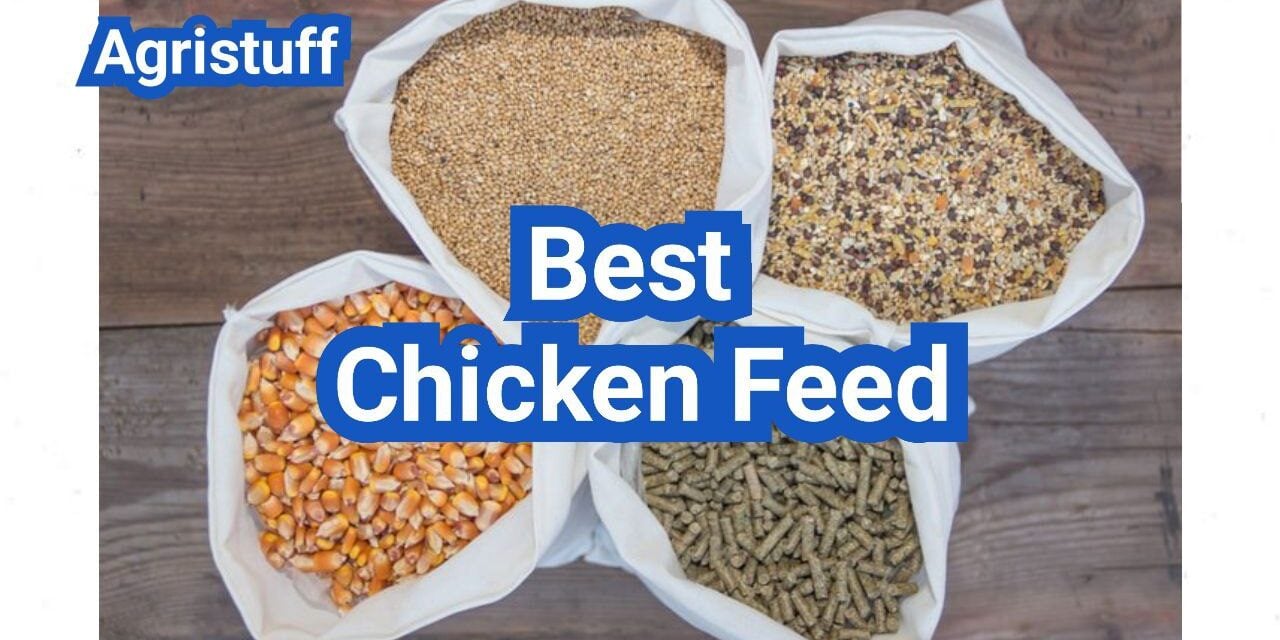
| Texture | Best use | Pros | Cons |
|---|---|---|---|
| Pellets | All-age, gravity feeders | Less waste; uniform intake; good flow | Not ideal for very small chicks unless crumbled |
| Crumbles | Starters, growers, no-grind options | Easy for chicks; reduces sorting | Can clump in humid molasses mixes |
| Mash | Picky birds; winter warm-ups | Palatable; easy to mix with meds | Spoils when wet; higher mold risk |
Buyer checklist: match particle size to bird age, pick feeders that handle pellets or crumbles, avoid textures that invite sorting, and never leave wet mash sitting near water.
Special programs and labels: organic, pasture, and “feed mix” strategies

Certification and pasture access change sourcing and practice, but the core goal stays the same: protect nutrition.
Organic labels usually mean ingredients meet USDA organic standards for sourcing and production. They do not automatically guarantee correct protein or calcium for a bird’s stage of life. Read the tag for protein %, calcium %, and a full vitamin and mineral premix just like you would with any poultry bag.
Pasture program basics | Best Chicken Feed
Foraging adds variety and healthy greens, yet a formulated ration should still supply roughly 90% of intake. If birds eat less commercial feed because they roam, pick a higher-quality bag and watch eggshells and feathers for early signs of shortfalls.
Mixes vs complete rations | Best Chicken Feed
Home grain mixes can work only when you balance vitamins, trace minerals, and essential fatty acids like linoleic acids. Otherwise, birds sort tasty bits and create the “ice cream” problem that leaves nutrient gaps.
- Evaluate any mix for missing nutrients before using it long-term.
- Keep complete rations as the foundation and use grains or treats sparingly.
- Monitor shell strength and feather condition to catch silent deficiencies early.
Practical guardrail: treat pasture and grains as enrichment. Confirm label nutrient profiles so organic or on-range programs deliver the same baseline quality and vitamins as conventional options.
Seasonal feeding in the U.S.: winter and heat stress adjustments
Seasonal care for flocks means small adjustments to energy and protein, not a full diet overhaul. Keep a complete ration as ~90% of intake year-round, then tweak timing and tiny extras to match weather and life stage.
Winter energy without swapping the bag
In cold weeks, add short-term carbs for warmth. Offer modest scratch or corn as an evening treat so grains digest overnight and supply extra energy without displacing the day’s balanced diet.
Winter for laying hens | Best Chicken Feed
Timing matters: give a small portion of grains before roost to boost overnight warmth. Keep the main ration available so eggs and shell quality stay steady.
Heat stress adjustments | Best Chicken Feed
When temperatures rise, birds eat less. Prioritize cool, clean water and slightly denser rations so nutrients and protein arrive in smaller meals.
Molt and feather regrowth | Best Chicken Feed
Feathers are mostly protein. During molt, raise protein slightly and consider vitamin C for stress relief. Watch body condition and shell quality for a week; adjust only via the 10% extras.
“Small, timed changes keep eggs, feathers, and overall health on track without replacing the core diet.”
Where to buy and what to compare in-store: Tractor Supply and beyond

Walk the aisle with a quick plan so shopping time turns into better eggs and less waste.
Aisle checklist for quick decisions | Best Chicken Feed
Scan the bag to confirm starter, grower, or layer. Check the species line so you do not grab a non-poultry mix.
Skip treat-style mixes as your primary ration; they often lack balanced nutrients and encourage selective eating.
Read a tag fast | Best Chicken Feed
- First: note protein % — target ~17% for laying birds.
- Second: check calcium % — higher for layers to support strong shells.
- Third: verify a full vitamin/mineral premix is listed.
Budget vs performance | Best Chicken Feed
Low-cost bags can cost more in the long run. Poor nutrition can cut egg counts per week and raise shell defects.
| Decision | Indicator | Outcome |
|---|---|---|
| Cheap grain mix | Low protein/calcium | More waste; fewer eggs |
| Complete ration | Protein, calcium, vitamins, minerals | Consistent eggs; less scatter |
| Switch test | Keep receipt; track for 4–6 weeks | Judge cost per egg and bird condition |
“Compare cost per pound to cost per egg — better nutrition usually pays off.”
Feeders, storage, and cost control for your coop

Good coop design saves money: reduce spills, block pests, and protect nutrients before the feed even reaches a bird.
Feeder and waterer setups that cut spills and pests
Less scatter equals more nutrition delivered. Choose feeders with protected lips, stable mounts, and weather shields to stop beaks from scooping food onto the ground.
Use gravity or trough designs raised to bird height. Add waterers that prevent splashing; wet bedding invites mold and pests.
Store feed to keep it fresh and dry | Best Chicken Feed
Keep bags off concrete, rotate stock FIFO, and use sealed plastic or metal containers in a cool, dry place.
Humidity plus molasses-coated mixes can clump and bridge feeders; store away from heat and moisture to avoid blockages.
Signs a bag has gone bad
- Sour or rancid smell or visible mold.
- Damp clumps, insects, or rodent droppings in the bag.
- Birds lose appetite or hens drop eggs suddenly; check nutrient loss first.
Intake, waste reduction, and monthly cost
Daily intake changes with age, temperature, and laying status. Young birds and molting birds need different protein and energy levels than mature layers.
Cut waste by matching texture to age, not overfilling trays, and limiting scratch to ≤10% so selective eating stops scatter and pests.
| Area | Action | Result |
|---|---|---|
| Feeder design | Protected lip, raised mount | Less spill; fewer rodents |
| Storage | Sealed container, cool/dry, FIFO | Less mold; stable nutrients |
| Monthly cost method | Daily intake × flock size × days / bag weight × price | Accurate cost per month |
Feed conversion for meat birds | Best Chicken Feed
Broilers use high-protein programs for rapid growth and are judged by feed conversion ratio, not shell quality. Their “best” ration focuses on grams of gain per gram of food over 7–9 weeks.
At The End of: Best Chicken Feed
A clear feeding plan starts with matching a ration to life stage, then shaping choices by goals and budget.
Pick a complete chicken feed as your base—about 90% of the diet—so nutrients, protein, vitamins, and minerals stay steady. For laying hens, prioritize protein and enough calcium and offer oyster shell free-choice.
Choose starter → grower → layer by life, then refine for egg goals, mixed flocks, or meat growth. Read tags in-store: protein %, calcium %, and a full vitamin/mineral profile guide quick decisions.
Protect quality with dry storage, good feeders, and constant water. Try one change now—upgrade to a true complete bag, add free-choice calcium, or fix a spill-prone feeder—and track eggs and feed use for a few weeks to see improvement.
FAQ
What does “complete nutrition first” mean for poultry ?
Complete nutrition first means offering a formulated ration that supplies the essential protein, calcium, vitamins, minerals, fats, and amino acids poultry need daily. A commercial, labeled diet reduces nutrient gaps that treats, scratch, or grain mixes can’t reliably fill. Focus on a product that lists guaranteed protein and calcium percentages and a broad vitamin/mineral premix.
What is the 90% complete feed rule versus giving treats or scratch?
The 90% rule recommends that at least 90% of a flock’s daily calories come from a complete feed, with treats limited to 10% or less. That keeps balance in protein, calcium, and micronutrients and prevents selective feeding where birds eat the tasty bits and miss essential nutrients.
Which core nutrition targets should I check on a bag label?
Look for crude protein, calcium percentage for layers, added vitamins A, D, E, and key minerals like phosphorus and selenium. Also check for amino acids (lysine, methionine) and energy sources like corn or grain blends to ensure the ration matches birds’ life stage and purpose.
Why can grain mixes and free-feeding scratch backfire?
Grain mixes encourage selective feeding, leaving nutrient-rich pellets uneaten and increasing waste. Birds may overconsume energy-rich grains, reducing intake of complete feed and causing nutrient imbalance, poor eggshell quality, or stalled growth.
What should a chick starter contain and why low calcium matters?
A chick starter should be high in protein (typically 18–22%) and low in calcium because excessive calcium can damage developing kidneys and interfere with bone formation. Starter rations prioritize amino acids, vitamins, and minerals for rapid early growth.
When is medicated starter recommended for coccidiosis prevention?
Medicated starter that contains a coccidiostat helps prevent coccidiosis in environments with known risk or higher chick density. Use per label directions and consult a veterinarian if signs of illness appear. Remove or switch to non-medicated feed when appropriate.
When do pullets move from starter to grower feed?
Most pullets switch to grower feed between 6 and 12 weeks, depending on the formulation and growth rate. Grower rations lower protein slightly from starter levels and avoid high calcium until hens approach lay.
What triggers changing pullets to layer feed?
The first egg or consistent egg production signals the need to move to layer feed. Layer rations increase calcium (usually around 3.5–4%) to support eggshell formation; changing too early or too late can harm shell quality and bird health.
How do you manage mixed-age flocks to protect chicks and non-layers?
Avoid feeding high-calcium layer rations to chicks and non-laying birds. Use separate feeders or offer an all-flock ration appropriate for most birds, then provide free-choice oyster shell to layers only. Monitor feeders to prevent younger birds from accessing layer-specific feed.
What protein targets support reliable egg production?
Laying hens perform well on diets with about 16–18% crude protein. Maintain consistent protein and energy to sustain steady lay; inadequate protein leads to fewer eggs and poor feather quality during molt or stress.
How much calcium do laying hens need and why do shells fail without it?
Layers generally need about 3.5–4% calcium in their daily diet. Calcium supports shell formation; if intake is low or uneven, hens draw on bone reserves, which weakens skeletal health and produces thin or soft shells.
When is an all-flock ration acceptable instead of a layer diet?
All-flock feed works for mixed-use backyard flocks where separating birds is impractical, but only if the product provides adequate calcium for layers or you supplement layers separately. For peak table-egg production, a dedicated layer diet is better.
Should I offer free-choice calcium and what options exist?
Yes for layers. Offer separate free-choice oyster shell or crushed limestone so hens take extra calcium as needed. Keep it in a separate dish to prevent younger birds from overeating and consult the label to avoid double-dosing if the feed is already high in calcium.
When do chickens need grit and why?
Provide grit when birds eat whole grains, commercial mixes with whole seeds, or forage in areas with limited access to natural grit. Grit helps the gizzard grind food; it isn’t necessary if birds consume only pelleted or finely crumbled complete rations and have free foraging in mineral-rich soil.
What are the pros and cons of pellets, crumbles, and mash?
Pellets are clean, reduce selective eating, and work well in gravity feeders. Crumbles suit younger birds and reduce waste. Mash aids intake in cold weather but spoils quickly when wet and can increase feed waste if not managed carefully.
How does an organic label change feed choice?
Organic feed must use certified organic ingredients and follow production rules, which can restrict synthetic additives. It doesn’t automatically improve nutrient balance, so check protein, calcium, and vitamin profiles to ensure the ration meets birds’ needs.
How do pasture programs alter feeding strategy?
Pasture programs rely on foraging plus a complete ration. Balance the ration to account for seasonal forage availability and monitor body condition and egg production. Foraging reduces feed cost but can create gaps in trace minerals and protein if pasture is poor.
When should you choose a custom mix versus a complete feed?
Custom mixes give control over ingredients but risk nutrient gaps unless formulated by a poultry nutritionist. Complete feeds are safer for small flocks because they guarantee a balanced profile. Avoid “ice cream” mixes that favor taste over nutrition.
How should I adjust rations for winter energy needs?
Increase energy density slightly—add more carbohydrate or a higher-energy ration—while keeping the feed at least 90% of daily calories from a complete diet. Offer scratch in the evening sparingly to boost warmth without displacing nutrient intake.
What changes help birds during heat stress?
Feed smaller, cooler portions during the hottest part of the day and offer higher-energy, easily digestible feed. Ensure constant cool water access and consider electrolyte supplements to support intake when birds reduce consumption.
How does molt affect protein needs?
During molt hens need higher protein—often 18–20%—to regrow feathers. Increase dietary protein for several weeks and ensure adequate vitamins and minerals to support recovery and return to lay.
What should I check when buying feed at Tractor Supply or similar stores?
Read the tag for crude protein, calcium, guaranteed vitamins/minerals, and any medicated claims. Check the ingredient list for primary grains and premix detail. Compare labels across brands to match life stage and production goals.
How do I read a feed tag quickly in the aisle?
Scan for crude protein first, then calcium for layers, and the vitamin/mineral statement. Note if the product is medicated or organic and check the manufacturer and lot date for freshness.
When does cheap feed end up costing more?
Lower-priced rations may skimp on key nutrients, causing reduced egg output, poorer shell quality, slower growth, or higher mortality. Those losses often outweigh upfront savings in ingredient cost.
Which feeder and waterer setups reduce spills, pests, and clumping?
Use covered, gravity-fed or trough feeders raised off the ground to limit spills and rodent access. Nipples and bell waterers with regular cleaning reduce contamination and humidity issues that cause mold in feed.
How should I store rations to protect freshness and prevent mold?
Store in a cool, dry, airtight container off the floor and away from sunlight. Use first-in, first-out rotation, keep pallets or bins sealed, and inspect regularly for insects, moths, or clumping that indicates moisture.
What are signs that feed has gone bad?
Sour or musty smell, visible mold, clumping from moisture, insect infestations, and a sudden drop in appetite or production all indicate spoiled ration. Dispose of contaminated feed safely and clean containers before restocking.
How much does each bird eat per day and what affects intake?
Intake varies by age, weather, and production. Laying hens typically consume about 0.25–0.33 lb (115–150 g) of feed daily. Cold weather, high production, molt, and growth increase intake; heat and illness reduce it.
What methods reduce feed waste in the coop?
Use feeders with lips or trays to prevent scratching out feed, raise feeders to bird height, limit flock access to feeders during refill, and choose pellet forms that reduce scatter. Good coop habits cut waste significantly.
How do I estimate monthly feed cost for my flock?
Multiply average daily intake per bird by the number of birds and the feed price per pound, then scale to 30 days. Adjust for life stage and seasonal intake changes to refine the estimate for broilers versus layers.
Why is feed conversion ratio different for broilers versus layers?
Broilers are bred for rapid weight gain and efficient feed conversion into meat, so their diets focus on high energy and protein. Layers need a balance for sustained egg production, with higher calcium—so “best” rations differ by production goal.
How fast should I switch feeds?
A gradual transition is usually safest, and the best chicken feed change happens over about a week so birds keep eating well and you avoid digestive upset or a temporary drop in eggs. Mix increasing amounts of the new ration into the old each day and watch droppings and intake. If birds refuse the new texture, consider moving from mash to crumble (or vice versa) rather than forcing an abrupt change. UC ANR (PDF): Principles of Feeding Small Flocks of Chickens
Can I mix my own feed to save money?
You can, but the best chicken feed for most small flocks is still a professionally formulated ration because balancing amino acids, minerals, and vitamins is harder than it looks, and inconsistent mixing can create real deficiencies. If you do mix, use tested formulations, accurate scales, and consistent ingredients, and store components carefully to avoid spoilage. Food safety rules and preventive controls exist for a reason—feed is a safety product, not just “grain in a bucket.” FDA: FSMA Preventive Controls for Animal Food
Are kitchen scraps a good idea?
Small amounts of appropriate scraps can be fine as enrichment, but the best chicken feed should remain the complete ration because scraps are inconsistent in nutrients and can introduce food safety risks if handled poorly. Avoid replacing meaningful portions of the ration with scraps, and keep scraps fresh, clean, and limited so birds don’t lose appetite for the balanced feed. If you’re using food scraps at scale, use structured guidelines and risk controls. Vermont Agency of Agriculture (PDF): Feeding Food Scraps to Laying Hens
How long does feed stay “fresh” once I open the bag?
The best chicken feed stays stable when it’s stored cool, dry, and protected from oxygen, pests, and moisture, but vitamins and fats can degrade faster in hot or humid storage. Buy amounts you can use reasonably quickly, seal containers between uses, and keep storage off concrete floors where condensation can occur. If feed clumps, smells rancid, or shows mold, replace it. University of Wisconsin: Feed Storage Guidelines
Conclusion of: Best Chicken Feed
Choosing the best chicken feed is easier when you treat it like a simple decision: match the ration to your birds’ age, your goal (eggs, meat, or both), and how you actually manage feeders and waterers on your property. The “right” bag is the one that keeps birds productive and healthy without creating waste, messy manure, or preventable health problems. Start by committing to a complete commercial ration as your baseline, then adjust with management—not random add-ons. University of Maryland Extension: Feeding the Flock
What “best” really means for chicken feed
The best chicken feed isn’t a single brand—it’s the feed type that fits your flock’s life stage, environment, and your daily routine (how often you can refill, how you store bags, and whether birds free-range). If your birds are underfed protein or energy, you’ll see slower growth, weak feathering, or fewer eggs; if they’re overfed treats, you’ll pay more for less performance. Think “best” as “most appropriate and consistent.” NC State Extension: Feeds & Nutrition
Before you compare labels, decide whether you want a complete ration (formulated to be fed as the main diet) or a supplement you’re expected to pair with grains or pasture. For most backyard and small-farm setups, a complete ration makes the best chicken feed choice because it reduces guesswork and nutritional gaps that show up fast in egg quality and growth. Use supplements only when you understand what they do and what they don’t cover. Cooperative Extension: Basic Poultry Nutrition
A practical way to pick the best chicken feed is to follow four steps: (1) pick the right life-stage formula, (2) confirm it matches your production goal, (3) read the guaranteed analysis for protein and calcium, and (4) choose a form (crumble/pellet/mash) that your birds will eat with minimal waste. This approach beats “trend shopping” and makes your results repeatable across seasons and flock turnover. Colorado State University Extension: Practical Feeding Methods
Start with the bird’s age: starter, grower, layer, and beyond
Age is the fastest shortcut to the best chicken feed because nutrient needs change sharply as birds move from rapid growth to egg production. A common schedule is starter from hatch to around 6 weeks, grower/developer through the teen weeks, and layer feed when hens are close to or starting lay (often around 18–20 weeks). If you’re unsure, pick the formula that matches the youngest birds in the pen to avoid overdoing calcium. Oregon State Extension: How to Feed Your Laying Hens
For chicks, the best chicken feed is a starter ration designed for early growth, immune support, and steady development, typically offered free-choice so chicks can eat small amounts throughout the day. If coccidiosis is a known risk in your region or housing setup, some producers use a medicated starter under appropriate guidance, but management and sanitation still matter more than “medication alone.” Make transitions gradually so intake doesn’t drop when texture or smell changes. UNH Extension: Raising Broilers
As birds move into the grower/pullet stage, the best chicken feed is a grower or developer ration that supports frame and feather development without pushing excess calcium. Many feed stores carry combo starter/grower options, but you’ll still want a true layer ration later for eggshell strength and consistent production. Treat grower feed like a “foundation phase” that sets up long-term performance. LSU AgCenter: Feeds
Once hens are producing eggs, the best chicken feed is a layer ration with calcium levels appropriate for shells, and you should avoid feeding high-calcium layer diets to young birds because it can create health stress. If you keep mixed ages together, consider an all-flock ration plus separate, free-choice calcium for active layers so juveniles aren’t forced to eat a layer formula. This single change often fixes thin shells and uneven laying. Cooperative Extension: Feeding Chickens for Egg Production
Choose by purpose: eggs, meat, dual-purpose, or pets
For eggs, the best chicken feed supports steady intake, strong shells, and body condition over months, not just a short burst of production. Shell quality depends heavily on adequate calcium, but also on consistent feeding and limiting high-energy treats that dilute nutrients. If you notice shell thinning as hens age or during stress, management plus appropriate calcium access is usually more effective than switching brands repeatedly. Cornell Cooperative Extension: Feeding Laying Hens Tips
For meat birds, the best chicken feed is typically higher protein early and then shifts as growth rate and muscle deposition change, often moving from starter to grower to finisher in a planned sequence. Your real goal is efficient growth with healthy legs and clean litter, so don’t chase “maximum protein” without thinking about energy balance, feeder space, and water availability. Consistent access and good ventilation often outperform fancy additives. Alabama Cooperative Extension: Nutrition for Backyard Chicken Flocks
For dual-purpose flocks or birds kept more like pets, the best chicken feed is one that keeps body condition steady without pushing extreme production in either direction. Many owners do well with an all-purpose ration and then offer extra calcium only to laying hens, especially in mixed groups where pullets and older hens share space. This helps avoid mismatched nutrition that shows up as poor growth in youngsters or weak shells in layers. Oregon State Extension (PDF): How to Feed Your Laying Hens
Read the bag like a pro: guaranteed analysis and ingredient clues
The guaranteed analysis is where the best chicken feed reveals itself, because it shows minimum protein and fat, maximum fiber, and (for many poultry rations) a calcium range. Use it to compare “life stage correctness” first (starter vs layer) before comparing brands, because a perfect label on the wrong stage formula is still the wrong choice. If the bag doesn’t clearly state the intended class of poultry, consider it a red flag. Washington State Dept. of Agriculture (PDF): Animal Feed Labeling Guide
Ingredients matter, but they’re secondary to meeting nutrient targets, because different formulas can hit the same nutrition in different ways. When you’re deciding on the best chicken feed, look for consistency (a reputable mill, stable supply, and clear labeling) rather than chasing buzzwords, and remember that young birds can digest some ingredients differently than mature hens. If you’re trying soy-free or corn-free, treat it as a management experiment and watch body condition and output. Kansas State Research & Extension (PDF): Poultry Nutrition for the Small Flock
Feed safety is part of “best,” because mold, spoilage, and contaminants can turn a good ration into a health risk. The best chicken feed should smell fresh, stay dry, and be stored to prevent moisture and pests; if you see clumping, visible mold, or rancid odor, don’t “feed through it.” Spoiled feed can also invite broader problems because stressed birds become more susceptible to disease. FDA: Mycotoxins
Feed form and management: pellets, crumbles, mash, and feeders
The best chicken feed form depends on waste and intake: pellets can reduce selective eating, crumbles work well for smaller beaks and younger birds, and mash can be fine if your setup prevents birds from sorting or spilling. If you see feed dust, birds flicking feed out, or uneven growth in a group, the issue may be form and feeder design more than the formula itself. Choose the form your birds eat cleanly and consistently. Penn State Extension: Feeding Pelleted Diets to Laying Hens
Feeder height, space, and cleanliness can decide whether your “good bag” becomes the best chicken feed in practice, because wasted feed is wasted money and dirty feeders increase contamination risk. Set feeders so birds can eat comfortably without raking feed out, protect feed from rain and litter, and clean waterers frequently because water intake controls feed intake. When feed and water are managed well, performance becomes easier to predict. Texas A&M AgriLife Extension (PDF): The Small Laying Flock
Special cases: medicated feed, organic labels, and pasture flocks
Medicated products can be appropriate in specific situations, but the best chicken feed for most flocks is still driven by nutrition, housing, and sanitation rather than “medication as a shortcut.” If you’re considering medicated starter or any medicated option, understand what the medication is for, the class of birds it’s intended for, and whether veterinary oversight is required. Keep records so you don’t accidentally feed the wrong product to the wrong group. FDA: Animal Medication and Medicated Feed
Organic labeling changes what ingredients and additives can be used, so the best chicken feed in organic systems is the one that fits your certification goals while still meeting nutrient needs year-round. Organic rations can vary more by region and season, so you’ll want to monitor body condition and egg quality closely, especially during winter or drought when pasture contribution drops. Buy from suppliers who can document compliance and maintain consistent milling quality. USDA AMS Organic Handbook: Livestock Feed
Pasture and free-range setups can still use the same best chicken feed base ration, because forage is variable and rarely supplies consistent amino acids and minerals on its own. What changes is management: birds eating whole grains or significant forage may need grit for digestion, while layers may still need separate calcium even if they’re outdoors. Don’t assume “greens” replace the bag; treat them as a supplement. Cooperative Extension: Avian Digestive System and Grit
Storage and safety: keep feed fresh and reduce risk
Good hygiene is part of the best chicken feed choice because pathogens can move through dirty scoops, damp bins, and contaminated surfaces around feeders. Keep feed dry, clean up spills, and avoid storing open bags where rodents and wild birds can access them. If you’re raising birds near your home, treat feed handling like food handling: clean, covered, and consistent. University of Maryland Extension: Understanding Salmonella in Live Poultry
Rodent control protects your investment in best chicken feed and helps prevent contamination that can hurt bird health and egg safety. Store feed in a tight-lidded metal container, rotate stock so older bags get used first, and avoid buying more than you can use in a reasonable window for freshness. If you smell mustiness or see moisture damage, replace the feed rather than “stretching” it. University of Kentucky Extension (PDF): Maintaining a Backyard Poultry Facility
Mycotoxins are another reason “cheap” isn’t always the best chicken feed, especially when grain-based rations are stored in humid conditions or become wet in the bin. If you suspect moldy feed, stop feeding it, clean the storage area, and consult guidance on contamination risks rather than guessing. Knowing that regulatory action levels exist can help you take the issue seriously without panic. FDA: Action Levels for Aflatoxins in Animal Feeds
Seasonal adjustments: cold snaps, heat waves, and routine changes
In cold weather, birds often eat more, so the best chicken feed plan includes extra inventory, protected storage, and steady access so birds don’t run out during the coldest nights. Keep water from freezing, because reduced water intake quickly reduces feed intake and egg output. Avoid “doubling treats” as a winter strategy; it can dilute nutrients if it replaces the complete ration. University of Minnesota Extension: Caring for Chickens in Cold Weather
In hot weather, the best chicken feed management shifts toward hydration, timing, and stress reduction because birds naturally eat less when temperatures rise. Offer cool, clean water, consider electrolyte support during heat events, and try feeding during cooler hours so birds consume enough nutrients. Heat stress is a management problem first, and a feed problem second. University of Minnesota Extension: Preventing Heat Stress in Poultry
Quick checklist
Use this list to confirm your best chicken feed choice before you buy a full month of bags, especially if you’re switching life stages or changing suppliers. The goal is to prevent mismatches (like layer feed for pullets), reduce waste, and keep performance predictable across seasons. If you want to forecast how much you’ll need, estimate consumption first and then scale by flock size. University of Kentucky Extension (PDF): How Much Will My Chickens Eat?
- Match the feed to the youngest birds in the pen (starter/grower vs layer).
- Confirm the bag states the intended poultry class (chicks, pullets, layers, broilers).
- Check protein and calcium in the guaranteed analysis for your goal.
- Choose a feed form (crumble/pellet/mash) that minimizes waste in your feeders.
- Plan a 7–10 day transition when switching formulas or brands.
- Limit treats/scratch so the complete ration stays the main diet.
- Store feed dry, covered, and rodent-proof; rotate older bags first.
- Keep water clean and available at all times; intake drives performance.
- Watch droppings, feathers, body condition, and eggshell quality weekly.
- Re-check results after weather shifts (heat waves, cold snaps, prolonged rain).
Common mistakes to avoid
Most “feed problems” are actually management problems that make a decent bag look like it isn’t the best chicken feed for your flock. Fixing these mistakes usually improves results faster than switching brands, because you remove the hidden reasons birds under-eat, over-waste, or get nutritionally diluted by treats and scraps. Start with the biggest mismatches and you’ll see the most immediate impact. Alabama Cooperative Extension: Feeding the Laying Hen
- Feeding layer ration to chicks or pullets (use starter/grower until close to lay).
- Overfeeding scratch grains and treats (they dilute vitamins, minerals, and amino acids).
- Switching feed suddenly (transition over 7–10 days to protect intake and digestion).
- Using “supplements” instead of fixing water access, ventilation, or feeder setup.
- Storing feed in humid areas or open bags (mold and pests follow quickly).
- Letting feeders sit empty for hours (birds binge and waste; production drops).
- Assuming pasture replaces the ration (forage is inconsistent by season and pasture quality).
- Ignoring shell quality and body condition (they are early signals of nutritional mismatch).
Costs and ROI snapshot
Because feed is usually the largest ongoing expense, the best chicken feed decision should consider what drives cost: protein level, specialty claims (organic/non-GMO/soy-free), pellet processing, packaging, and regional freight. Prices also move with grain markets, so budgeting works best when you track cost per pound and update it monthly instead of relying on one “good deal” you can’t repeat. A simple spreadsheet with cost per bag and usage rate makes your decisions clearer. USDA ERS (PDF): Livestock, Dairy, and Poultry Outlook
To estimate monthly cost, start with intake: a typical adult hen may consume roughly a quarter-pound of feed per day, but actual use changes with weather, bird size, and diet energy density, so build a range and monitor your real numbers. The best chicken feed plan uses your measured weekly consumption (not guesses) and then evaluates eggs or growth produced per pound of feed purchased. When you manage intake and waste, you often improve outcomes without changing the formula. University of Missouri Extension: Nutrient Requirements of Chickens and Turkeys
ROI isn’t just “cheapest bag,” because the best chicken feed can lower hidden costs like cracked eggs, slow growth, extra bedding from wet manure, and preventable illness from poor storage or inconsistent access. For meat birds, feed efficiency (how much feed is needed per pound of gain) is a major driver of profitability, and reducing waste at the feeder often improves efficiency more than chasing marginally different nutrient specs. Treat your feeder setup as part of your “feed program.” University of Kentucky: Broiler Performance and Feed Efficiency
Final thought
The best chicken feed is the one that matches life stage and purpose, is fed consistently with clean water, and is protected from waste and contamination through good storage and feeder management. When you treat feed as a system—formula, form, access, and hygiene—you’ll get steadier eggs, better growth, and fewer “mystery problems” that waste time and money. If you want to go deeper on safety and manufacturing standards, start with the official animal food framework and then apply it at your scale. eCFR: Current Good Manufacturing Practice for Animal Food (21 CFR Part 507)
Sources & References
- AAFCO: Feed Inspector’s Manual (Guaranteed Analysis and Labeling)
- AAFCO: Feed Labeling Committee Materials (Poultry Guarantees)
- FDA (PDF): Action Levels for Aflatoxins in Animal Food
- FDA: Action Levels for Poisonous or Deleterious Substances
- USDA AMS (PDF): Mycotoxin Handbook
- USDA AMS: Mycotoxin Testing Program
- CDC: Backyard Poultry and Healthy Pet Practices
- Penn State Extension: Quick Guide to Raising Pastured Broilers
- Penn State Extension: Successfully Raising a Small Flock of Laying Chickens
- University of Florida IFAS: Raising Backyard Chickens for Eggs
- Purdue Extension (PDF): Rodent Control in Poultry Operations
- NC State Extension: Broiler Meat Flocks
- USDA AMS: Organic Regulations and Resources
- Crop Protection Network: Storing Mycotoxin-Affected Grain
- University of Kentucky Extension (PDF): Managing Backyard Chickens