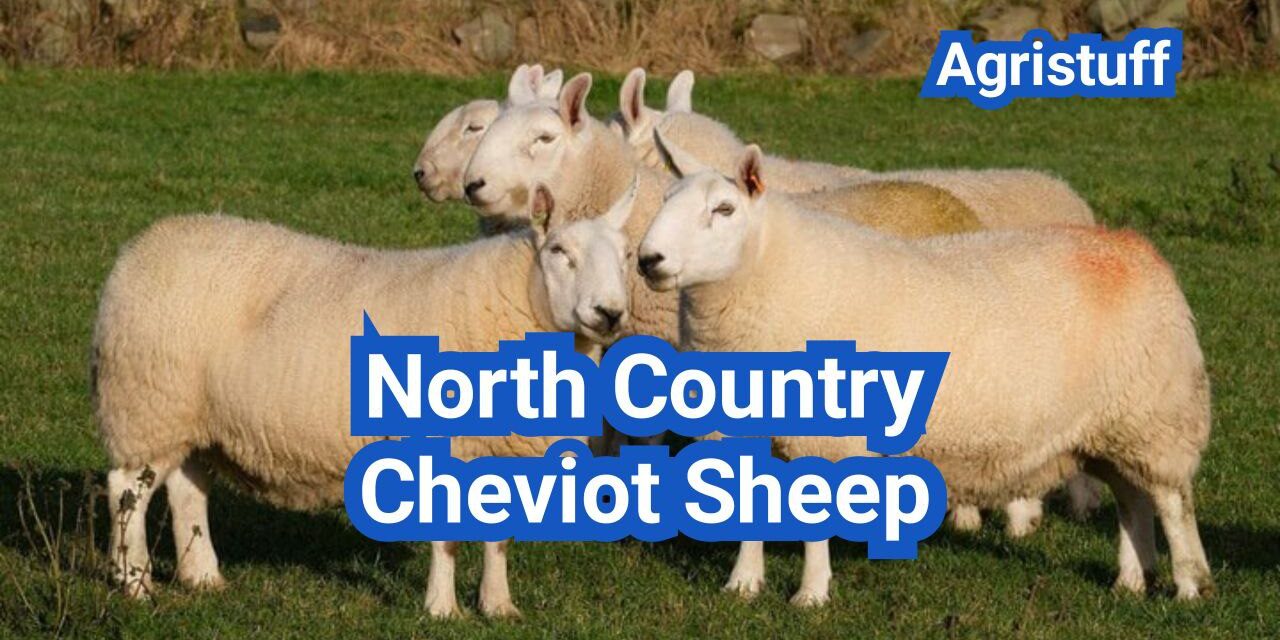
The North Country Cheviot Sheep is a hardy breed known for its dual-purpose use in meat and wool production. Originating from the Cheviot Hills between England and Scotland, this breed has a rich history and has been a significant part of sheep farming.
Their resilience and adaptability make them a popular choice among farmers. With a strong focus on both meat and wool production, the North Country Cheviot Sheep breed offers a versatile option for livestock farming.
Key Takeaways
- Originates from the Cheviot Hills between England and Scotland.
- Dual-purpose breed for meat and wool production.
- Known for resilience and adaptability.
- Popular in sheep farming due to versatility.
- Significant in livestock farming for both meat and wool.
The North Country Cheviot Sheep: An Overview

With its origins in the harsh climates of the Anglo-Scottish border, the North Country Cheviot Sheep has developed unique characteristics that make it stand out.
The North Country Cheviot Sheep is recognized for its hardiness and adaptability to challenging environmental conditions. This breed is known for its distinctive white face and black nose, making it easily identifiable.
What Makes North Country Cheviot Sheep Unique
One of the key factors that contribute to the uniqueness of the North Country Cheviot Sheep is its temperament. They are known to be active and hardy, traits that are beneficial for grazing in rugged terrains.
The weight of North Country Cheviot Sheep varies, with rams typically weighing between 85-110 kg (187-243 lbs) and ewes weighing between 55-80 kg (121-176 lbs). This size, combined with their hardiness, makes them suitable for a variety of farming conditions.
Brief Introduction to the Breed’s Significance
The North Country Cheviot Sheep has played a significant role in agriculture, particularly in regions with challenging climates. Their ability to thrive in such conditions has made them a valuable asset for farmers.
| Characteristic | Description |
|---|---|
| Face Color | White |
| Nose Color | Black |
| Ram Weight | 85-110 kg (187-243 lbs) |
| Ewe Weight | 55-80 kg (121-176 lbs) |
The breed’s significance extends beyond its physical characteristics, as it is also valued for its meat production quality and wool characteristics.
History and Origin of North Country Cheviot Sheep

Originating in the Scottish Borders, the North Country Cheviot Sheep has a storied past that is deeply intertwined with the region’s agricultural history. The breed’s development is a testament to the innovative spirit of Scottish farmers who sought to create a hardy and productive sheep suited to the challenging climate and terrain of the area.
Scottish Roots and Development
The North Country Cheviot Sheep breed was developed in the late 18th and early 19th centuries through selective breeding of local sheep in the Cheviot Hills, which form part of the border between Scotland and England. The goal was to create a sheep that was not only resilient to the harsh weather conditions but also capable of producing high-quality wool. The breed’s early development was influenced by the need for sheep that could thrive on the rugged hillsides and produce a valuable fleece.
Evolution of the Breed Over Time
Over the centuries, the North Country Cheviot Sheep has undergone significant changes through selective breeding, adapting to the needs of farmers and the demands of the market. The breed has been refined to enhance its hardiness, growth rate, and wool production. Despite these changes, the North Country Cheviot Sheep has retained its distinctive characteristics, making it a sought-after breed for both its wool and meat production.
Historical Importance in Agriculture
The North Country Cheviot Sheep played a crucial role in Scottish agriculture, particularly in the Borders region. The breed’s ability to thrive in challenging conditions made it an essential component of local farming systems. Its contribution to the agricultural economy was significant, with both its wool and meat being highly valued. The breed’s influence can still be seen in modern sheep farming practices in the region.
North Country Cheviot Sheep in North America

With roots tracing back to the 19th century, the North Country Cheviot Sheep has established itself as a valuable asset in North American agriculture. The breed’s introduction to the United States marked the beginning of its integration into American sheep farming.
Introduction to the United States
The North Country Cheviot Sheep was first introduced to the United States in the 19th century. This introduction was pivotal in shaping the American sheep farming industry, as the breed brought with it hardiness and adaptability.
Key characteristics of the North Country Cheviot Sheep, such as its robust constitution and high-quality wool, made it an attractive choice for American farmers.
Growth and Popularity in American Agriculture
Over time, the North Country Cheviot Sheep gained popularity in American agriculture due to its resilience and productivity. The breed’s ability to thrive in various conditions made it a favorite among farmers.
- The breed’s hardiness allowed it to adapt well to different climates.
- Its high-quality wool and meat production capabilities made it a valuable commodity.
- The North Country Cheviot Sheep’s temperament made it easier for farmers to manage.
American North Country Cheviot Sheep Association
The establishment of the American North Country Cheviot Sheep Association further boosted the breed’s popularity. The association played a crucial role in promoting the breed and providing resources to farmers.
The association’s efforts included:
- Breeding programs to enhance the breed’s quality.
- Registration services to authenticate the breed.
- Educational resources for farmers to improve their management practices.
The North Country Cheviot Sheep’s presence in North America is a testament to its versatility and the value it brings to the agricultural sector. With continued support from associations and farmers, the breed is likely to remain a significant part of American sheep farming.
Physical Characteristics of North Country Cheviot Sheep

The physical characteristics of the North Country Cheviot Sheep make it a unique breed. This breed is distinguished by its robust build, high-quality wool, and distinctive features.
Size and Weight Specifications
North Country Cheviot Sheep are known for their impressive size and weight. Rams typically weigh between 160-200 lbs, while ewes usually weigh between 120-160 lbs. This size and weight range makes them suitable for various agricultural purposes.
Distinctive Physical Features
One of the breed’s most notable features is its white face and black nose. This distinctive coloring is a hallmark of the North Country Cheviot Sheep. They also have a sturdy build, which contributes to their hardiness and adaptability.
Wool Type and Quality
The North Country Cheviot Sheep is renowned for its high-quality wool. The fleece is characterized by its fineness and density, making it highly valued. The wool type is well-suited for various textile applications, contributing to the breed’s economic viability.
Meat Production Characteristics
In addition to their wool, North Country Cheviot Sheep are also recognized for their meat production qualities. The breed is known for producing high-quality lamb, with a good balance of muscle and fat. This makes them an attractive choice for farmers looking to produce premium meat products.
| Characteristic | Description | Value/Range |
|---|---|---|
| Weight – Rams | Typical weight range for male North Country Cheviot Sheep | 160-200 lbs |
| Weight – Ewes | Typical weight range for female North Country Cheviot Sheep | 120-160 lbs |
| Wool Quality | Description of the wool characteristics | Fine, dense |
| Meat Quality | Description of the meat production characteristics | High-quality lamb |
Temperament and Behavior

North Country Cheviot Sheep exhibit a unique blend of hardiness and docility, making them an excellent choice for various farming systems. Their temperament is characterized by an alert and hardy nature, which contributes to their ease of handling and adaptability to different management practices.
Personality Traits
The North Country Cheviot Sheep breed is known for its intelligent and active nature. They are generally docile and easy to manage, which makes them suitable for farmers of all experience levels. Some key personality traits include:
- Alertness: They are naturally vigilant, which helps in detecting potential threats.
- Hardiness: Their robust constitution enables them to withstand harsh weather conditions.
- Intelligence: They are known to be smart and responsive to training.
Working with North Country Cheviot Sheep
Working with North Country Cheviot Sheep can be a rewarding experience due to their cooperative nature. Farmers appreciate their ability to move well in groups and their relatively calm demeanor during handling. To work effectively with them:
- Establish a routine to provide a sense of security.
- Use positive reinforcement techniques during training.
- Ensure adequate space for movement to reduce stress.
Adaptability to Different Management Systems
One of the significant advantages of North Country Cheviot Sheep is their adaptability to various farming systems. Whether it’s intensive grazing or more extensive management practices, they can thrive. Their adaptability is attributed to:
- Their hardy constitution, which allows them to cope with different environmental conditions.
- Their ability to graze on a variety of pasture types.
- Their resilience to diseases, which reduces the need for intensive veterinary care.
In conclusion, the temperament and behavior of North Country Cheviot Sheep make them an attractive option for farmers looking for a breed that is both hardy and manageable. Their intelligence, docility, and adaptability contribute to their popularity across different farming systems.
Hill North Country Cheviot vs. Park North Country Cheviot

The North Country Cheviot breed is divided into two main types: Hill and Park, each with distinct characteristics and advantages. Understanding the differences between these two types is crucial for farmers and breeders to make informed decisions.
Key Differences Between the Two Types
The Hill North Country Cheviot and Park North Country Cheviot have several key differences, primarily in their physical attributes and adaptability to different farming conditions. Hill North Country Cheviot sheep are known for their hardiness and ability to thrive in challenging, hilly terrains. In contrast, Park North Country Cheviot sheep are generally larger and have a more refined appearance.
The Hill type is well-suited to rugged landscapes and can withstand harsh weather conditions, making them ideal for farms with hilly or mountainous terrain. On the other hand, Park North Country Cheviot sheep are often preferred for their higher quality wool and meat production, making them suitable for farms focused on these products.
Specific Advantages of Each Type
Each type of North Country Cheviot sheep has its specific advantages. The Hill North Country Cheviot is advantageous for its:
- Hardiness and adaptability to harsh environments
- Ability to graze on poor-quality land
- Strong foraging ability
In contrast, the Park North Country Cheviot offers:
- Higher quality wool
- Better meat production characteristics
- A more refined appearance, which can be advantageous for certain markets
Choosing the Right Type for Your Needs
When deciding between Hill and Park North Country Cheviot sheep, farmers should consider their specific farming conditions, goals, and market demands. Factors such as land quality, climate, and the intended use of the sheep (breeding, meat, or wool production) should guide the decision-making process.
For instance, farmers with rugged terrain may find the Hill North Country Cheviot more suitable, while those with better-quality grazing land and a focus on high-quality wool or meat production might prefer the Park North Country Cheviot.
Setting Up Your Farm for North Country Cheviot Sheep

Setting up a farm for North Country Cheviot sheep involves several key considerations to ensure the health and productivity of your flock. The North Country Cheviot breed is known for its hardiness and adaptability, making it a popular choice for farmers in various climates.
Land Requirements and Considerations
The first step in establishing a North Country Cheviot sheep farm is to assess your land. The breed thrives in well-drained areas with adequate pasture. It’s essential to evaluate the quality of your grazing land to ensure it can support your flock’s nutritional needs.
- Pasture Quality: Ensure that your pastures are rich in nutrients and have a good mix of grasses and legumes.
- Land Drainage: North Country Cheviot sheep prefer dry conditions. Poorly drained areas can lead to health issues.
- Space: Provide enough space for your sheep to roam. Overcrowding can stress the animals and lead to disease.
Shelter and Fencing Needs
Adequate shelter and fencing are critical components of a successful sheep farm. North Country Cheviot sheep need protection from harsh weather conditions and predators.
Shelter Requirements:
- Provide a dry, well-ventilated shelter to protect your flock from wind and rain.
- Ensure the shelter is easily accessible for feeding and health checks.
Fencing Needs:
- Install sturdy fencing that is at least 4 feet high to contain your sheep and protect them from predators.
- Regularly inspect and maintain your fencing to prevent escapes and breaches.
Essential Equipment for Beginners
For those new to sheep farming, investing in the right equipment is crucial. Here are some essentials:
- Feeding Equipment: Hay feeders, water troughs, and mineral feeders.
- Handling Equipment: Sheep handling crates, gates, and sorting equipment.
- Health Management Tools: Vaccination equipment, hoof trimming tools, and parasite control measures.
By carefully planning your farm’s infrastructure and equipment, you can create a thriving environment for your North Country Cheviot sheep, ensuring their health and productivity.
Feeding and Nutrition Guide

North Country Cheviot Sheep have specific dietary requirements that vary throughout the year, making a well-planned feeding strategy essential. Their nutritional needs are influenced by factors such as age, season, and production stage. A comprehensive understanding of these needs is crucial for maintaining their health and optimizing their productivity.
Dietary Requirements Throughout the Year
The dietary requirements of North Country Cheviot Sheep change with the seasons. During the grazing season, they require high-quality pasture to meet their nutritional needs. In contrast, during the winter months, they may need supplemental feeding to compensate for the lack of lush grazing.
Nutritional Needs by Season:
- Spring: High-quality pasture is essential for ewes during lambing and lactation.
- Summer: Grazing on lush pastures supports growth in lambs and maintains the condition of ewes.
- Autumn: Preparing for winter, sheep may require additional nutrition to build up body reserves.
- Winter: Supplemental feeding is often necessary to maintain body condition and support pregnancy in ewes.
Grazing Practices for Optimal Health
Grazing is a critical component of the diet for North Country Cheviot Sheep. Effective grazing practices not only ensure the health of the sheep but also contribute to the sustainability of the pasture.
Key Grazing Practices:
- Rotational grazing to prevent overgrazing and maintain pasture health.
- Monitoring pasture quality and quantity to adjust grazing plans accordingly.
- Ensuring access to clean water at all times.
Supplemental Feeding Strategies
While grazing is a primary source of nutrition, supplemental feeding is often necessary, especially during periods of poor pasture quality or when nutritional demands are high, such as during late pregnancy or lactation.
Considerations for Supplemental Feeding:
- The quality and type of supplement should be chosen based on the nutritional needs of the sheep.
- Feed should be introduced gradually to prevent digestive upset.
- Monitoring the body condition of the sheep to adjust the level of supplementation.
By understanding and implementing these feeding and nutrition strategies, farmers can ensure the health and productivity of their North Country Cheviot Sheep.
Pasture Management for North Country Cheviot Sheep
To maximize the health and productivity of North Country Cheviot Sheep, effective pasture management is essential. Proper pasture management not only ensures the well-being of the sheep but also contributes to the sustainability of the farm.
Rotational Grazing Techniques
Rotational grazing is a critical component of pasture management for North Country Cheviot Sheep. This technique involves dividing the pasture into smaller sections and rotating the sheep through these areas to prevent overgrazing. By doing so, it allows the pasture to recover, maintaining its health and productivity.
Benefits of Rotational Grazing:
- Improved pasture utilization
- Enhanced soil health
- Increased biodiversity
- Better parasite control
Maintaining Healthy Pastures
Maintaining healthy pastures is vital for the overall health of North Country Cheviot Sheep. This involves monitoring pasture conditions, controlling weeds, and ensuring adequate fertilization. Healthy pastures provide nutritious forage, which is essential for the sheep’s growth and productivity.
Key factors in maintaining healthy pastures include:
- Regular monitoring of pasture health
- Appropriate fertilization strategies
- Effective weed control measures
Adapting Pasture Management for Different Seasons
Adapting pasture management practices to different seasons is crucial for North Country Cheviot Sheep. Seasonal changes affect pasture growth and quality, requiring adjustments in grazing management. For example, during periods of drought or extreme weather, additional care must be taken to ensure the pastures remain healthy and productive.
Seasonal Considerations:
- Spring: Manage grazing to allow pastures to recover from winter
- Summer: Monitor pasture health and adjust grazing pressure as needed
- Autumn/Fall: Prepare pastures for the upcoming winter by ensuring adequate cover
- Winter: Implement strategies to protect pastures from damage
Breeding North Country Cheviot Sheep
The success of a North Country Cheviot Sheep breeding program hinges on understanding the intricacies of the breeding season. Breeding North Country Cheviot Sheep requires careful planning, a thorough understanding of the breed’s characteristics, and effective management of the breeding process.
Understanding the Breeding Season
The breeding season for North Country Cheviot Sheep typically occurs in the fall, with the exact timing varying depending on the region and climate. Farmers should prepare their ewes and rams well in advance to ensure optimal breeding conditions.
Key factors to consider during the breeding season include:
- Ewe and ram health and nutrition
- Breeding stock selection and quality
- Monitoring breeding activity and fertility
Ewe Lamb Breeding Considerations
Breeding ewe lambs requires careful consideration of their age, size, and health. Ewe lambs should be bred at the optimal age to ensure successful pregnancies and healthy lambs.
| Age of Ewe Lamb | Breeding Considerations |
|---|---|
| 6-8 months | Ensure ewe lambs are of adequate size and health for breeding |
| 8-12 months | Optimal breeding age for most ewe lambs |
| Over 12 months | May be too old for first breeding; assess individual health |
Ram Selection and Management
Selecting the right ram is crucial for a successful breeding program. Rams should be chosen based on their genetic quality, fertility, and breed characteristics.
Effective ram management involves:
- Regular health checks and vaccinations
- Proper nutrition to maintain fertility and health
- Monitoring ram behavior and fertility
Lambing Process and Management

North Country Cheviot Sheep lambing requires a comprehensive approach, from preparation to post-lambing care. Ensuring the health and well-being of both ewes and lambs during this critical period is paramount for successful breeding outcomes.
Preparing for Lambing Season
Preparation is key to a successful lambing season. Farmers should start by ensuring that the lambing area is clean, safe, and well-equipped with necessary supplies such as obstetric gloves, iodine for navel treatment, and a lambing pen or jugs for newborns.
Key preparations include:
- Reviewing the breeding schedule to anticipate lambing dates
- Ensuring ewes are in optimal health through proper nutrition and health checks
- Preparing lambing pens or jugs to isolate newborns and their dams
Assisting with Births
While many ewes can lamb without assistance, being prepared to intervene when necessary is crucial. Monitoring ewes closely during labor can help identify those that may need help.
“Assistance during lambing should be timely and gentle to avoid stressing the ewe or lamb,” notes an experienced breeder. Key signs that assistance may be needed include prolonged labor or abnormal presentations of the lamb.
Post-Lambing Care
After lambing, ensuring the ewe and lamb are healthy and bonding properly is essential. This includes checking for any signs of illness or distress, ensuring the lamb is nursing, and administering any necessary treatments like iodine to the lamb’s navel.
Post-lambing care tasks:
- Monitoring ewe and lamb health closely
- Ensuring proper nutrition for the ewe to support lactation
- Recording lambing data for future breeding decisions
By focusing on these aspects of lambing process and management, North Country Cheviot Sheep breeders can improve the chances of a successful and healthy lamb crop, ultimately benefiting their flock’s overall productivity and well-being.
Health Management and Parasite Control

Managing the health of North Country Cheviot Sheep involves several key strategies. Effective health management is crucial for maintaining a productive flock and ensuring the overall well-being of the animals.
Common Health Issues and Prevention
North Country Cheviot Sheep are generally hardy, but they can be susceptible to certain health issues. Common problems include internal parasites, foot rot, and respiratory infections. Preventive measures such as vaccinations, regular monitoring, and maintaining a clean living environment can help mitigate these risks.
Vaccination Programs are an essential part of preventive care. They help protect the flock from diseases such as Clostridial infections and Pasteurellosis. Consult with a veterinarian to develop a vaccination schedule tailored to your flock’s needs.
Parasite Prevention Strategies
Internal parasites are a significant concern for sheep farmers. Implementing a parasite control program involves regular monitoring of parasite loads, strategic deworming, and grazing management practices. Rotational grazing can help reduce parasite burdens by breaking the parasite life cycle.
A comprehensive parasite control program may include:
- Regular fecal egg counts to monitor parasite loads
- Targeted deworming treatments based on parasite load
- Grazing management strategies, such as rotational grazing
- Selection of parasite-resistant breeds or lines
Foot Care Practices
Foot health is critical for the overall well-being and productivity of North Country Cheviot Sheep. Regular foot trimming and inspection can help prevent issues such as foot rot and lameness.
| Foot Care Practice | Benefits |
|---|---|
| Regular Foot Trimming | Prevents lameness, reduces risk of foot rot |
| Foot Baths | Helps control foot rot and other infections |
| Monitoring for Hoof Damage | Early detection of issues, reduces lameness |
By implementing these health management strategies, farmers can help ensure the health and productivity of their North Country Cheviot Sheep flock.
Handling Facilities and Techniques

Proper handling facilities and techniques play a vital role in ensuring the welfare and productivity of North Country Cheviot Sheep. Well-designed handling facilities are essential for managing these sheep efficiently and with minimal stress.
Designing Efficient Handling Systems
Designing an efficient handling system for North Country Cheviot Sheep involves creating a layout that minimizes stress and maximizes ease of use. The system should include a well-constructed handling pen or crowding pen that leads to a chute or race where sheep can be easily examined or treated.
The handling area should be designed to reduce stress by avoiding sharp corners and ensuring that the sheep have a clear path through the system. Using solid sides on the chute can help reduce stress by limiting the sheep’s visual distractions.
Low-Stress Handling Methods
Low-stress handling methods are critical for maintaining the welfare of North Country Cheviot Sheep. Techniques such as moving slowly, using gentle pressure, and understanding sheep behavior can significantly reduce stress during handling.
It’s essential to understand that sheep are prey animals and have a natural flight zone. Handling them requires working at the edge of this zone to move them in the desired direction without causing undue stress. Using pointers or flags can help guide sheep through the handling system without direct contact.
Training Your North Country Cheviot Sheep
Training North Country Cheviot Sheep to move through handling facilities calmly can make a significant difference in their management. Regular, gentle handling from an early age can help sheep become more docile and easier to manage.
Training sessions should be short and positive, rewarding the sheep for calm behavior. Over time, this training can lead to a more efficient and less stressful handling process for both the sheep and the handler.
Commercial Uses of North Country Cheviot Sheep
With their robust characteristics, North Country Cheviot Sheep are utilized in several commercial ventures. Their versatility makes them valuable for various agricultural purposes.
Meat Production and Quality
North Country Cheviot Sheep are known for their high-quality meat production. The breed’s meat is characterized by its tenderness and flavor, making it a sought-after product in the market.
The characteristics of North Country Cheviot Sheep meat include:
- Tender texture
- Rich flavor profile
- Lean meat with optimal fat distribution
| Meat Characteristic | Description |
|---|---|
| Tenderness | Known for its tender texture, making it suitable for various cooking methods |
| Flavor | Rich and distinct, enhancing the dining experience |
| Leaness | Optimal fat distribution, contributing to its overall quality |
Wool Characteristics and Markets
The wool of North Country Cheviot Sheep is another valuable commodity. It is known for its crimped texture and durability, making it suitable for a variety of textile applications.
The characteristics of North Country Cheviot wool include:
- Crimped texture
- Durable and long-lasting
- Versatile for different textile products
Breeding Stock Value
North Country Cheviot Sheep are also valued for their breeding potential. They are used to improve other breeds due to their hardiness and desirable traits.
The advantages of using North Country Cheviot Sheep in breeding programs include:
- Hardiness and adaptability
- Desirable meat and wool traits
- Robust genetic makeup
Crossbreeding Applications
In addition to purebred breeding, North Country Cheviot Sheep are used in crossbreeding programs to enhance the characteristics of other breeds.
The benefits of crossbreeding with North Country Cheviot Sheep include:
- Improved hardiness and adaptability
- Enhanced meat and wool production
- Increased genetic diversity
North Country Cheviot Sheep for Homesteads and Small Farms
For small-scale farmers and homesteaders, the North Country Cheviot Sheep is an excellent choice due to its hardiness and versatility. This breed offers numerous benefits that make it particularly suitable for smaller operations.
Advantages for Small-Scale Farmers
North Country Cheviot Sheep are known for their ease of handling and robust health, making them ideal for small-scale farmers who may not have extensive resources or experience. Some key advantages include:
- Hardiness and resistance to disease
- Ease of management
- Multiple uses (meat, wool, breeding stock)
Their hardiness reduces the need for costly veterinary interventions, and their ease of management makes them suitable for farmers with limited experience.
Adaptability to Cold Climates
One of the significant benefits of North Country Cheviot Sheep is their ability to thrive in cold climates. Their thick coats and hardy nature allow them to withstand harsh weather conditions, making them suitable for farms in colder regions.
This adaptability is particularly valuable for farmers in northern climates, where harsh winters can be challenging for less resilient breeds.
Integration with Other Farm Activities
North Country Cheviot Sheep can be easily integrated into diverse farm activities. They can be used for land management through grazing, providing a sustainable way to maintain pastures.
By incorporating North Country Cheviot Sheep into their operations, farmers can diversify their products and improve the overall sustainability of their farms.
Success Stories from Small Producers
Many small producers have found success with North Country Cheviot Sheep. Their stories highlight the breed’s potential for small-scale farming operations.
For example, a small farm in the northeastern United States reported significant improvements in pasture quality and biodiversity after introducing North Country Cheviot Sheep to their grazing program.
Finding and Purchasing North Country Cheviot Sheep
The process of buying North Country Cheviot Sheep involves several key steps, from locating a reliable breeder to ensuring the health and quality of the sheep. Whether you’re a seasoned farmer or just starting out, it’s crucial to approach this process with diligence to ensure the success of your sheep farming venture.
Locating Reputable Breeders
Finding a reputable breeder is the cornerstone of purchasing healthy North Country Cheviot Sheep. Start by researching local breeders through agricultural directories, online forums, or by contacting local sheep associations. Attend sheep shows and agricultural events to network with breeders and inspect their sheep firsthand.
- Check for membership in the American North Country Cheviot Sheep Association.
- Ask for references from other farmers.
- Visit the breeder’s farm to assess the conditions and health of their sheep.
What to Look for When Buying
When purchasing North Country Cheviot Sheep, there are several factors to consider. Health and genetic diversity are paramount. Look for sheep that are well-conformed to the breed standard and free from obvious health issues.
- Inspect the sheep’s overall condition and conformation.
- Review health records, including vaccinations and parasite control measures.
- Consider the genetic lineage and breeding goals of the breeder.
Questions to Ask Sellers
Engaging with the seller and asking the right questions can provide valuable insights into the quality and health of the sheep. Prepare a list of questions to ensure you cover all necessary aspects.
- What is the sheep’s breeding history?
- Can I see health records and veterinary care documentation?
- What kind of feeding and nutrition program is in place?
Transportation and Introduction to Your Farm
Once you’ve purchased your North Country Cheviot Sheep, the next critical step is transporting them to your farm and introducing them to their new environment. Plan ahead to minimize stress on the animals.
Ensure you have appropriate facilities for receiving new sheep, including secure fencing and adequate shelter. A gradual introduction to your farm’s feeding and grazing practices can help reduce stress and promote a healthy transition.
Is the North Country Cheviot Right for You?
Deciding to raise North Country Cheviot Sheep requires careful consideration of their characteristics, uses, and your specific farming needs. This breed is known for its hardiness, versatility, and high-quality wool and meat production.
When evaluating the suitability of North Country Cheviot Sheep for your farm, consider factors such as land availability, climate, and market demand. Their adaptability to various management systems and cold climates makes them a viable option for many farmers.
The North Country Cheviot Sheep breed selection process involves understanding their breeding, lambing, and health management needs. By weighing these factors, you can make an informed decision about whether this breed aligns with your agricultural goals.
Ultimately, the North Country Cheviot Sheep’s suitability for your operation depends on your ability to provide the necessary care and management. With proper handling and facilities, this breed can be a valuable addition to your farm, offering a range of benefits and opportunities.
FAQ
What is the origin of the North Country Cheviot Sheep breed?
The North Country Cheviot Sheep breed originated in Scotland, where it was developed for its hardiness and versatility in harsh, rugged environments.
What are the key characteristics of North Country Cheviot Sheep?
North Country Cheviot Sheep are known for their hardiness, distinctive white faces, and high-quality wool. They are also recognized for their meat production capabilities and adaptability to various farming practices.
How do North Country Cheviot Sheep differ from other sheep breeds?
North Country Cheviot Sheep are distinguished by their ability to thrive in challenging climates and terrains, making them ideal for farms in rugged or cold regions. They also have a unique temperament that is generally docile and easy to handle.
What are the dietary requirements of North Country Cheviot Sheep?
North Country Cheviot Sheep require a diet that includes high-quality grazing and may need supplemental feeding, especially during certain times of the year or in areas with poor pasture quality.
How do I manage pasture for North Country Cheviot Sheep?
Effective pasture management for North Country Cheviot Sheep involves rotational grazing techniques to maintain healthy pastures, adapting management practices to different seasons, and ensuring adequate forage quality and quantity.
What are the breeding considerations for North Country Cheviot Sheep?
Breeding North Country Cheviot Sheep involves understanding the breeding season, selecting appropriate rams, and considering ewe lamb breeding. Effective breeding practices are crucial for maintaining the health and quality of the flock.
How do I care for North Country Cheviot Sheep during lambing?
Caring for North Country Cheviot Sheep during lambing involves preparing for the lambing season, assisting with births as necessary, and providing appropriate post-lambing care to ensure the health of both ewes and lambs.
What health issues are common in North Country Cheviot Sheep?
Common health issues in North Country Cheviot Sheep include parasites and foot problems. Implementing parasite prevention strategies and practicing good foot care are essential for maintaining flock health.
How can I handle North Country Cheviot Sheep effectively?
Effective handling of North Country Cheviot Sheep involves designing efficient handling facilities, using low-stress handling methods, and training the sheep to move through handling systems calmly.
What are the commercial uses of North Country Cheviot Sheep?
North Country Cheviot Sheep are used for meat production, wool production, and as breeding stock. They are also valued for crossbreeding applications to improve the hardiness and productivity of other sheep breeds.
Are North Country Cheviot Sheep suitable for small farms or homesteads?
Yes, North Country Cheviot Sheep are well-suited for small farms and homesteads due to their adaptability, hardiness, and the potential for integrating them with other farm activities.
Where can I find North Country Cheviot Sheep breeders?
You can find North Country Cheviot Sheep breeders through the American North Country Cheviot Sheep Association or by searching online for reputable breeders in your region.
What should I consider when buying North Country Cheviot Sheep?
When buying North Country Cheviot Sheep, consider the health and quality of the animals, the reputation of the breeder, and ask relevant questions about the sheep’s history, breeding, and health status.
Conclusion of: North Country Cheviot Sheep Breed
Introduction
The North Country Cheviot Sheep is a hardy, white-faced breed known for thriving in challenging environments while still producing useful lamb and wool, which is exactly why many U.S. small farms and range-based operations look at it when they want a “doer” that can handle wind, cold, and variable forage without falling apart.
In this guide, you’ll learn where the North Country Cheviot Sheep came from, what makes it different from other Cheviots, how to recognize key traits, and how to manage feeding, breeding, lambing, and health in a practical way. Whether your goal is replacement ewes, terminal lambs, or a resilient homestead flock, understanding the North Country Cheviot Sheep helps you set realistic expectations and make better breeding and management choices from day one. Oklahoma State University: North Country Cheviot Sheep breed profile
History and origin in the British Isles
The North Country Cheviot Sheep developed in the far north of Scotland, where selection pressure was simple and unforgiving: sheep that couldn’t walk, forage, mother, and maintain body condition in rough weather didn’t last. Over time, the North Country Cheviot Sheep became associated with upland and hill systems, where ewes are expected to cover ground efficiently and raise lambs with limited inputs.
That origin story matters for U.S. producers because it explains why the breed is often described as “thrifty” and why its management strengths show up most clearly in pasture-based systems and in climates with harsh winters or windy, exposed conditions. When you match the North Country Cheviot Sheep to the environment it was built for, you usually get the best return on labor and feed. British Wool: North Country Cheviot (Hill) breed factsheet (PDF)
How the breed identity stayed distinct
Breed identity isn’t only about appearance; it’s also about community, recordkeeping, and consistent selection over generations, and the North Country Cheviot Sheep has long benefited from organized breed stewardship. Breed societies help define what “true to type” means, support responsible breeding, and keep historical context alive—especially for regional breeds that evolved from specific landscapes.
For a U.S. breeder, that matters because buying registered stock (or at least stock from documented lines) makes your goals easier: it improves predictability for frame size, maternal traits, and adaptation. If you plan to build a seedstock flock or market breeding animals, understanding how the North Country Cheviot Sheep has been described and managed by dedicated breeders gives you a clearer blueprint than relying on random “Cheviot-type” animals. North Country Cheviot Sheep Society: history of the breed
Recognizing Park vs Hill North Country Cheviot Sheep
Within the North Country Cheviot Sheep, you may hear breeders discuss “Park” and “Hill” types, and the distinction is useful because it influences what you can reasonably expect in size, condition, and performance on different forage bases.
While both types share the breed’s classic white face and hardy build, management context can shape how animals express growth and frame. In the U.S., these labels may not always be used consistently, but the underlying idea still helps: some North Country Cheviot Sheep lines may be better suited to improved pasture and moderate supplementation, while others shine where forage is sparse and weather is tough. If you’re buying breeding stock, ask about the environment the flock was selected in—because genetics and management history usually show up in your lamb crop. North Country Cheviot Sheep Society: breed description
Key physical characteristics and breed “look”
The North Country Cheviot Sheep is typically a strong, active sheep with a clean, white face and white legs, set on good bone and feet for walking long distances, which is one reason it’s valued in extensive systems. Many producers also notice the breed’s alert expression and upright carriage—traits often tied to grazing behavior and survivability in open terrain.
While exact mature weights vary by line and management, a practical takeaway is that North Country Cheviot Sheep tend to be “big enough” to raise a substantial lamb yet still athletic and efficient rather than overly heavy. When evaluating individuals, prioritize sound structure (especially feet and legs), a deep body with room for forage, and a functional udder in ewes, because those traits determine longevity more than show-ring style. Oklahoma State University: North Country Cheviot Sheep breed details
Temperament, instincts, and flock behavior
Temperament is often a quiet profit driver, and the North Country Cheviot Sheep is commonly described as alert, active, and capable—traits that can be a plus in harsh country but may require thoughtful handling in small pens. In practical terms, many North Country Cheviot Sheep do well when they have space, routine, and calm stockmanship, but they can become stubborn if rushed or overcrowded.
For U.S. farms, this means planning handling days efficiently: set up alleys and pens that promote forward flow, avoid slippery footing, and minimize chasing. The upside is that these behavioral traits often pair with strong survival instincts and good mothering in extensive settings—exactly what you want if you’re lambing on pasture or dealing with unpredictable spring weather. Alberta Sheep Breeders Association: North Country Cheviot profile
Climate hardiness and pasture performance
The North Country Cheviot Sheep is famous for doing well in exposed, upland conditions, and that hardiness can translate beautifully to many U.S. regions—especially northern states, higher elevations, or windy open range—when you manage grazing with intention.
Hardiness does not mean “no management,” but it does mean the breed often stays productive with fewer inputs when forage and shelter are planned well. A strong grazing plan helps you protect pasture recovery, maintain ground cover, and keep ewes in steady body condition, which directly improves conception and lamb survival in North Country Cheviot Sheep flocks. If you want the breed’s efficiency to show up, focus on stocking rate, rest periods, and seasonal forage quality so the sheep can harvest their own feed as much as possible. USDA NRCS: Grazing Management (Conservation Practice Standard 528) (PDF)
Feeding North Country Cheviot Sheep across life stages
Feeding North Country Cheviot Sheep starts with forage first, then smart supplementation based on stage of production—growing lambs, breeding season, late gestation, early lactation, and recovery after weaning. A common mistake is feeding “one ration fits all,” which usually wastes money and can even increase metabolic risk around lambing. Instead, monitor body condition and adjust: thin ewes need better forage or targeted energy, while over-conditioned ewes may need controlled intake to avoid lambing complications.
In the U.S., mineral strategy matters too—use sheep-specific minerals (copper sensitivity is a real concern), provide clean water 24/7, and match protein and energy to what your hay test and pasture can actually deliver. This practical approach keeps North Country Cheviot Sheep productive without turning them into high-cost animals. University of Florida IFAS Extension: Sheep nutrition and feeding basics
Breeding season, selection, and flock improvement
When you breed North Country Cheviot Sheep, think beyond “get them pregnant” and focus on repeatable lifetime performance: sound feet, fertility, mothering, and lamb vigor should outrank flashy traits. Ram selection is especially important because one ram influences many lambs, so choose a ram with proven structure, good testicle development, and a performance background that fits your system (pasture-based vs higher input).
If you’re considering breeding ewe lambs, it can improve lifetime output, but only if young females reach appropriate target weight and condition and you’re ready to manage them separately. The key is to avoid pushing immature North Country Cheviot Sheep too hard; steady growth and thoughtful breeding management typically beat aggressive feeding followed by setbacks. South Dakota State University Extension: breeding ewe lambs
Lambing preparation and early lamb care
Lambing success in North Country Cheviot Sheep comes from preparation and observation more than luck: clean lambing spaces (or clean pasture), a simple kit, and a plan for mismothering, cold stress, and weak lambs. Even hardy breeds benefit from basics like dry bedding, draft protection when lambing indoors, and quick intervention when a lamb is chilled or not nursing. Colostrum management is especially critical, because it supports immunity and early energy; if a lamb doesn’t nurse promptly, having a backup plan (stored colostrum, colostrum replacer, or supervised nursing) can save lives.
For U.S. producers, a disciplined “first hours” routine often makes the difference between an easy lambing season and constant problems, even in North Country Cheviot Sheep flocks known for toughness. New Mexico State University Extension: Sheep production from birth to weaning (PDF)
Weaning, post-weaning stress, and growth
Weaning is a stress event for any breed, and North Country Cheviot Sheep lambs are no exception—stress can reduce feed intake, suppress immunity, and slow growth right when you want momentum. The goal is to make the transition predictable: keep lambs on familiar feed, provide highly palatable forage or a well-balanced ration, ensure plenty of bunk space, and keep water clean and obvious (especially if lambs are new to troughs).
Many U.S. operations also benefit from minimizing additional stressors at weaning—avoid combining weaning with long hauling, aggressive regrouping, or poor weather exposure when possible. When post-weaning management is handled well, North Country Cheviot Sheep lambs typically bounce back faster and convert feed more efficiently, supporting either feeder lamb sales or finishing plans. University of Wyoming Extension: managing stress, feed, and water for healthy weaned lambs (PDF)
Health management: parasites, feet, and biosecurity
A resilient breed doesn’t eliminate health risks, so a North Country Cheviot Sheep health plan should be proactive: quarantine new arrivals, maintain vaccination strategy with your veterinarian, and build parasite control around pasture management rather than routine blanket deworming.
Parasite resistance is a growing issue in the U.S., and smarter strategies include targeted selective treatment (treat the animals that truly need it), pasture rest, and monitoring tools like FAMACHA in areas where barber pole worm is common. Foot health is another profit lever: keep lanes and high-traffic areas as dry as possible, trim when needed, and address foot rot quickly to protect performance and prevent spread. Biosecurity is boring, but it’s cheaper than outbreaks—and it protects the long-term productivity of your North Country Cheviot Sheep flock. Cornell University: pasture-based parasite management for small ruminants
Handling facilities and day-to-day management
Good handling reduces stress and injury, and that matters even more with active, alert breeds like the North Country Cheviot Sheep. The simplest rule is: design facilities to work with sheep behavior, not against it—smooth flow, solid sides where needed, good lighting (no dark “dead ends”), and footing that prevents slipping. Small flocks can often use portable panels and a basic working alley, while larger flocks benefit from a permanent system that supports sorting, weighing, foot work, and health treatments without turning every task into a wrestling match.
In the U.S., well-designed facilities also help you manage labor on busy days like lambing checks, vaccination, or marketing. When handling is easy, you do it more often—and your North Country Cheviot Sheep stay healthier and more productive. USDA NRCS: sheep and goat handling and facilities options (PDF)
Wool qualities and fiber uses
Wool is not always the primary income stream for commercial producers, but North Country Cheviot Sheep wool can be a meaningful value-add for small farms, direct marketers, and fiber enthusiasts. Cheviot-type wool is often appreciated for its resilience and structure in yarn, making it useful for items that need durability and “spring,” such as outerwear, traditional knits, and hard-wearing textiles.
Even if you sell wool conventionally, better management improves returns: shear on time, keep fleeces clean, avoid heavy vegetable matter, and store wool dry to protect quality. If you want to build a diversified farm business, pairing lamb sales with clean, well-prepared fleeces from North Country Cheviot Sheep can create multiple income channels from the same flock. British Wool: North Country Cheviot (Hill) wool and breed notes (PDF)
Meat value and marketing expectations in the U.S.
Many U.S. producers raise North Country Cheviot Sheep primarily for lamb, either as purebreds for specialty markets or as part of crossbreeding strategies where maternal ability and hardiness matter. The practical approach is to align your genetics and feeding plan with your target market: lighter pasture lambs, feeder lambs, or finished lambs at specific weights and condition.
Understanding how carcasses are evaluated helps you make smarter decisions about finishing and harvest timing, especially if you direct market or work closely with a processor. While breed alone doesn’t guarantee a particular grade, consistent growth, appropriate finish, and good health management stack the odds in your favor. If you want predictable results from North Country Cheviot Sheep, treat marketing as part of the production plan—not something you figure out at the last minute. USDA Agricultural Marketing Service: lamb grades and standards
Practical uses: purebred, crossbreeding, and small-farm fit
The North Country Cheviot Sheep can fit multiple roles depending on your goals: a rugged maternal base in lower-input systems, a purebred flock for selling breeding stock, or a component in crossbreeding programs where you want functional ewes that can raise lambs efficiently on pasture. On small farms, the breed’s adaptability can be especially valuable because you may be balancing livestock with off-farm work and need sheep that hold condition without constant interventions.
Many producers also like the idea of building a “story” around heritage and regional breeds, then selling lamb, wool, or breeding animals through transparent farm marketing. If your strategy includes direct-to-consumer sales, learning common lamb product expectations and consumer education basics can help you turn North Country Cheviot Sheep production into a more profitable and stable enterprise. American Lamb Board: U.S. lamb education and resources
Finding stock, registration, and building a breeding program
To get the most from North Country Cheviot Sheep, start with quality animals from breeders who can explain their selection goals, environment, and health program, because that background often predicts how the sheep will perform on your farm. If you plan to sell breeding stock, registration and documentation add credibility and help buyers trust what they’re purchasing.
Even if you’re focused on commercial lambs, good records still matter: track lambing percentage, weaning weights, culls, foot problems, parasite issues, and which ewe families consistently perform. Over time, simple selection—keeping daughters from your best mothers and culling chronic problems—builds a tougher, more profitable North Country Cheviot Sheep flock that matches your region and management style. American North Country Cheviot Sheep Association
Final thought
The North Country Cheviot Sheep is not a “miracle sheep,” but it is a proven, practical breed for producers who value resilience, mobility, and maternal function—especially in pasture-based systems where the environment does not forgive weak feet, poor thriftiness, or fragile lambs.
If you match the North Country Cheviot Sheep to your climate, keep forage as the foundation, and use calm, efficient handling with a solid health plan, the breed can repay you with steady lamb crops and dependable ewes that last. For U.S. farmers, the best path is usually simple: start with good stock, keep records, select for function, and improve one generation at a time. Oklahoma State University: North Country Cheviot Sheep overview
Sources & References
- American North Country Cheviot Sheep Association
- North Country Cheviot – Wikipedia
- North Country Cheviot Sheep Society
- Oklahoma State University: North Country Cheviot Sheep breed profile
- British Wool: North Country Cheviot (Hill) factsheet (PDF)
- North Country Cheviot Sheep Society: history
- North Country Cheviot Sheep Society: breed description
- USDA NRCS: Grazing Management standard (PDF)
- University of Florida IFAS Extension: sheep nutrition
- South Dakota State University Extension: breeding ewe lambs
- New Mexico State University Extension: birth to weaning (PDF)
- University of Wyoming Extension: weaned lamb management (PDF)
- USDA NRCS: handling facilities options (PDF)
- USDA AMS: lamb grades and standards
- American Lamb Board