The Leicester Longwool, a “luster longwool” breed, has a rich history dating back to the mid-1700s in England. Developed by Robert Bakewell, this breed is known for its distinctive characteristics and significant contributions to the agricultural world.
The breed’s history and origin are deeply intertwined with the agricultural practices of 18th-century England. As one of the pioneering breeds in the longwool category, the Leicester Longwool has played a crucial role in shaping the sheep industry.
Key Takeaways
- Developed in the mid-1700s by Robert Bakewell.
- Known for its luster longwool characteristics.
- Played a significant role in the sheep industry.
- Originated in England.
- Recognized for its distinctive features.
The Legacy of English Leicester Sheep

With a legacy that dates back to the 18th century, English Leicester sheep have played a pivotal role in shaping the sheep breeding industry. Their influence on modern sheep breeding is a testament to the innovative breeding methods introduced by Robert Bakewell, a pioneering figure in livestock breeding.
Historical Significance in Sheep Breeding
The English Leicester breed was at the forefront of the agricultural revolution in the 18th century, thanks to Bakewell’s revolutionary breeding techniques. These methods not only improved the breed’s characteristics but also set a new standard for sheep breeding. The historical significance of English Leicester sheep lies in their ability to adapt and thrive, making them a foundational element in the development of other breeds.
Key historical milestones include:
- The introduction of selective breeding practices
- The establishment of the Dishley Leicester, a precursor to the modern English Leicester
- The breed’s role in improving other sheep breeds through cross-breeding
Impact on Modern Sheep Industry
The impact of English Leicester sheep on the modern sheep industry is multifaceted. Their influence can be seen in the development of other longwool breeds and in the improvement of wool and meat production. The breed’s adaptability and resilience have made it a valuable resource for farmers worldwide.
| Characteristics | English Leicester | Other Longwool Breeds |
|---|---|---|
| Wool Quality | High-quality longwool | Varies by breed |
| Meat Production | Moderate | High in some breeds |
| Hardiness | High | Varies by breed |
The legacy of English Leicester sheep continues to be felt in modern sheep breeding, with their influence evident in both the physical characteristics and the production capabilities of contemporary breeds.
Origin and Development of the English Leicester Breed

The development of the English Leicester sheep is attributed to the innovative work of Robert Bakewell. In the 18th century, Bakewell, an English agriculturist, pioneered selective breeding techniques that significantly improved livestock quality.
Robert Bakewell’s Revolutionary Breeding Methods
Robert Bakewell’s approach to breeding focused on selecting animals with desirable traits and breeding them to enhance these characteristics. This method, known as “line breeding,” allowed Bakewell to develop the Dishley Leicester, a breed that would later become known as the New Leicester.
Bakewell’s techniques were revolutionary because they introduced a systematic approach to breeding, moving away from random selection. His work had a lasting impact on animal husbandry practices across Europe and beyond.
From Dishley Leicester to New Leicester
The Dishley Leicester, developed by Bakewell, was initially known for its exceptional size, meat production, and fleece quality. Over time, the breed became more refined and was renamed the New Leicester. This transition marked a significant improvement in the breed’s characteristics, making it one of the most sought-after sheep breeds in England.
Here’s a comparison of the Dishley Leicester and New Leicester characteristics:
| Characteristic | Dishley Leicester | New Leicester |
|---|---|---|
| Size | Large | Very Large |
| Fleece Quality | Good | Excellent |
| Meat Production | High | Very High |
The evolution from Dishley Leicester to New Leicester was marked by continuous improvement in these key areas, cementing the breed’s status in the agricultural community.
Physical Characteristics of English Leicester Sheep

English Leicester sheep are characterized by their large size and lustrous fleece. This breed is known for its impressive physical attributes, making it a standout among other sheep breeds.
Distinctive Body Structure and Appearance
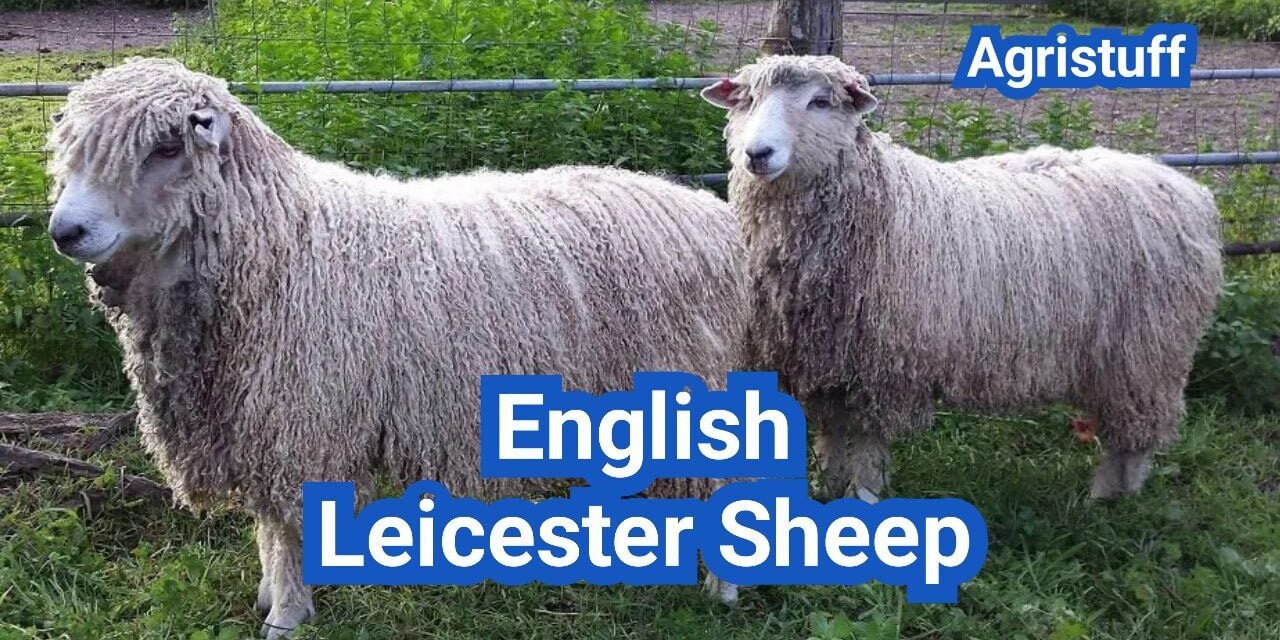
The English Leicester sheep has a robust and muscular body with a broad, deep chest and well-sprung ribs. Their fleece is one of their most distinguishing features, known for being long, lustrous, and having a distinct curl at the end. As described by sheep breeders, “The fleece of the English Leicester is truly its crowning glory, offering a unique combination of length, crimp, and softness.”
The breed’s head is typically white, with some pink around the muzzle and eyes. They have a distinctive arched profile, adding to their majestic appearance. Their ears are of medium size, erect, and alert, indicating their attentive nature.
Size and Weight Specifications
English Leicester sheep are known for their substantial size. Rams typically weigh between 250-350 pounds (113-159 kg), while ewes usually range from 180-250 pounds (82-113 kg). Their height at the withers can range from 26 to 30 inches (66-76 cm) for rams and 24 to 28 inches (61-71 cm) for ewes.
Their large size and impressive fleece make them a prized breed for both their wool and meat production capabilities.
Comparing English Leicester to Other Longwool Breeds
When compared to other longwool breeds, such as the Cotswold or Lincoln, English Leicester sheep stand out due to their refined features and exceptional fleece quality. While they share some similarities with these breeds, their unique fleece characteristics and body structure set them apart.
As noted by agricultural experts, “The English Leicester’s fleece is considered one of the finest among the longwool breeds, offering a superior balance of length, softness, and luster.” This makes them particularly valuable for wool production, catering to the demands of both handspinners and textile manufacturers.
The Prized English Leicester Wool

The wool produced by English Leicester sheep is considered among the finest in the world. Its exceptional quality has made it a favorite among handspinners and textile enthusiasts. English Leicester wool is renowned for its luster, softness, and excellent dyeability.
Unique Qualities of Leicester Longwool
English Leicester Longwool is characterized by its long staple length, typically ranging from 4 to 6 inches. This length, combined with its softness and luster, makes it highly desirable for producing high-quality yarns. The fleece is also known for its crimp, which contributes to its spinning properties.
The unique characteristics of English Leicester wool make it ideal for various textile applications. Its durability and resistance to wear ensure that products made from this wool will last for a long time.
Processing and Applications for Handspinners
For handspinners, English Leicester wool offers a range of possibilities. The fleece can be processed in various ways to create different yarn weights and textures. Handspinners appreciate the wool’s ease of spinning and the excellent results it produces.
| Characteristics | English Leicester Wool | Other Longwool Breeds |
|---|---|---|
| Staple Length | 4-6 inches | 3-5 inches |
| Luster | High | Medium |
| Softness | High | Medium |
English Leicester wool is particularly suited for creating garments that require both warmth and drape, such as shawls and scarves. Its dyeability also makes it a favorite among those who enjoy experimenting with different colors and shades.
Temperament and Behavior of English Leicester Sheep

English Leicester sheep are renowned for their calm demeanor, making them an excellent choice for farmers and hobbyists alike. Their temperament is one of the key factors that have contributed to their popularity in livestock breeding.
Natural Disposition and Handling Techniques
English Leicester sheep are known for their docile nature, which makes them easy to handle. They are generally friendly and outgoing, responding well to gentle handling techniques. This natural disposition makes them an ideal breed for beginners as well as experienced breeders.
When handling English Leicester sheep, it’s essential to move calmly and deliberately to avoid startling them. They respond well to a calm environment and gentle voice commands. Regular handling from an early age can help reinforce their friendly nature, making them even more manageable.
Adaptability to Different Environments
One of the significant advantages of English Leicester sheep is their adaptability to various environments. They can thrive in different climates and management systems, making them a versatile choice for breeders across different regions.
The adaptability of English Leicester sheep is attributed to their robust nature and the breed’s historical development. Originally bred in the UK, they have been introduced to many other countries, where they have adapted well to local conditions.
| Environment | Adaptability Characteristics | Management Tips |
|---|---|---|
| Cold Climates | Thick fleece provides natural insulation | Ensure adequate shelter and nutrition |
| Warm Climates | Can tolerate heat with proper care | Provide shade and ensure access to plenty of water |
| Wet Conditions | Fleece can become wet and heavy | Regular grooming is essential to prevent matting |
By understanding the temperament and behavior of English Leicester sheep, breeders can better manage their flocks and optimize their care. This knowledge is crucial for maintaining the health and productivity of the sheep, ultimately contributing to the success of the breeding program.
How to Raise English Leicester Sheep

Effective management of English Leicester sheep involves a thorough understanding of their housing requirements, nutritional needs, and health management practices. Raising these sheep successfully requires attention to detail and a commitment to providing the best possible care.
Essential Housing and Space Requirements
English Leicester sheep need adequate housing that protects them from extreme weather conditions. The shelter should be well-ventilated, dry, and spacious enough to accommodate the flock comfortably.
Space Requirements: A general rule of thumb is to provide at least 15-20 square feet per sheep inside the barn. Outdoor areas should offer sufficient grazing land, typically 1-2 acres per 5-10 sheep, depending on pasture quality.
Nutrition and Feeding Guidelines
Nutrition plays a critical role in the health and productivity of English Leicester sheep. A balanced diet that includes high-quality hay, grass, and appropriate supplements is essential.
- Provide high-quality hay as the main staple, especially during winter months.
- Ensure access to clean, fresh water at all times.
- Consider supplementing with grains or minerals based on nutritional needs and veterinary advice.
| Nutritional Element | Requirement | Source |
|---|---|---|
| Protein | 15-20% | Legume hay, grains |
| Energy | Adequate for growth and maintenance | Grains, hay |
| Minerals | Varies by mineral | Mineral supplements, salt licks |
Health Management Practices
Regular health checks are vital for early detection of diseases and parasites. Implementing a vaccination program and maintaining a parasite control strategy are crucial.
Key Health Practices:
- Regularly inspect the flock for signs of illness or stress.
- Implement a scheduled vaccination program.
- Monitor for internal parasites and treat as necessary.
By focusing on these critical areas, farmers can ensure the health and productivity of their English Leicester sheep, contributing to a successful sheep farming operation.
Breeding English Leicester Sheep Successfully

Successful breeding of English Leicester sheep involves a combination of quality stock selection and effective breeding season management. Breeding these sheep requires a deep understanding of their characteristics and needs.
Selecting Quality Breeding Stock
Choosing the right breeding stock is crucial for the success of your English Leicester sheep breeding program. Look for animals with desirable traits such as good conformation, robust health, and high-quality fleece. The genetic diversity of your flock should also be considered to avoid inbreeding and ensure the long-term viability of your breeding program.
When selecting breeding stock, it’s essential to evaluate the pedigree and breeding history of potential animals. This information can help you make informed decisions about which sheep to include in your breeding program.
Breeding Season Management
Effective management of the breeding season is vital for achieving successful lambing outcomes. This involves planning the mating season at the right time to ensure that lambing occurs when conditions are favorable.
Monitoring the reproductive cycle of your ewes and ensuring that they are in optimal health before mating are critical steps. Additionally, having a well-planned nutrition strategy in place can significantly impact the success of your breeding program.
Lambing Care and Considerations
Lambing care is a critical aspect of breeding English Leicester sheep. Ensuring that ewes receive proper nutrition and care during pregnancy is essential for the health of both the ewe and the lamb.
During lambing, it’s crucial to monitor the ewes closely to provide assistance when needed and to identify any potential issues early. Post-lambing care, including vaccinations and parasite control, is also vital for the health and well-being of the flock.
Step-by-Step Guide to Shearing English Leicester Sheep
To maximize the quality and quantity of wool from English Leicester sheep, proper shearing techniques are essential. Shearing is not just about cutting the wool; it’s a process that significantly impacts the health and well-being of the sheep.
Preparing for Shearing Day
Preparation is key to a successful shearing day. It involves several steps, including ensuring the sheep are clean and dry, having the right equipment ready, and choosing the appropriate shearing technique.
- Ensure the sheep are clean and dry to prevent contamination of the wool.
- Gather all necessary shearing equipment, including shears, combs, and cutters.
- Choose the right shearing technique based on the sheep’s condition and the desired wool quality.
According to experienced shepherds, “The condition of the sheep before shearing can significantly affect the quality of the wool. Ensuring they are healthy and well-fed is crucial.”
“The art of shearing is not just in the cutting, but in the care and handling of the sheep before, during, and after the process.”
Proper Shearing Techniques for Longwool Breeds
English Leicester sheep have longwool, which requires specific shearing techniques. The goal is to shear the wool as close to the skin as possible without causing injury.
| Shearing Technique | Description | Benefits |
|---|---|---|
| Hand Shearing | Traditional method using hand shears. | Precise control, suitable for small flocks. |
| Machine Shearing | Uses electric shearing machines. | Faster, more efficient for large flocks. |
Shearing should be done with care to avoid cutting the sheep’s skin. Proper training and experience are essential for effective shearing.
Post-Shearing Care and Wool Handling
After shearing, the sheep need care to prevent stress and health issues. The wool also needs to be handled properly to maintain its quality.
- Provide shelter and adequate nutrition post-shearing.
- Monitor the sheep for signs of stress or injury.
- Handle the wool carefully to prevent matting and contamination.
Proper post-shearing care is crucial for the overall health of the flock. Ensuring the sheep are comfortable and secure after shearing can significantly impact their well-being and future productivity.
English Leicester Sheep Uses and Products

English Leicester sheep are renowned for their dual-purpose utility, providing both high-quality wool and meat. This versatility makes them a valuable asset to farmers and shepherds who seek to diversify their agricultural outputs.
The breed’s fleece is particularly prized for its softness, durability, and crimp, making it highly sought after by handspinners and textile manufacturers. The wool produced by English Leicester sheep is characterized by its staple length, which can range from 4 to 6 inches, and its lustrous appearance.
Wool Production and Processing
The wool of English Leicester sheep is considered a premium product due to its exceptional qualities. The fleece is typically harvested once a year through a process known as shearing. Proper shearing techniques are crucial to maintaining the integrity of the wool and ensuring the health of the sheep.
After shearing, the wool is sorted, cleaned, and processed for various applications, including knitting, weaving, and felting. The processing stage is critical as it determines the final quality of the wool product.
Meat Quality and Market Value
In addition to their valuable wool, English Leicester sheep are also raised for their meat, which is known for its tenderness and flavor. The breed’s meat characteristics make it a desirable choice for consumers looking for high-quality lamb and mutton.
The market value of English Leicester meat is influenced by factors such as the animal’s age, breed purity, and feeding regimen. Farmers who raise English Leicester sheep for meat often focus on producing high-quality carcasses that meet the demands of discerning consumers.
Overall, the dual-purpose nature of English Leicester sheep makes them an attractive choice for farmers seeking to capitalize on both the wool and meat markets.
English Leicester Sheep in the United States

George Washington played a pivotal role in bringing English Leicester sheep to America, influencing the country’s agricultural landscape. The introduction of this breed marked the beginning of a new era in U.S. sheep farming, with the English Leicester becoming a foundational element in many American flocks.
Historical Introduction to America
The arrival of English Leicester sheep in the United States can be traced back to the late 18th century when George Washington, an avid farmer and breeder, imported them. Washington’s interest in improving agricultural practices led him to introduce this breed, recognizing its potential for enhancing local sheep stocks. The English Leicester’s hardiness, combined with its superior wool and meat production qualities, made it an attractive choice for early American farmers.
The influence of English Leicester sheep on American agriculture was significant, as they were used to improve local breeds through crossbreeding programs. This practice not only enhanced the quality of wool and meat produced in the U.S. but also contributed to the development of new breeds.
Current Population and Distribution
Today, English Leicester sheep continue to be valued in the United States for their unique characteristics. While their numbers may have fluctuated over the years, dedicated breeders and associations have worked to maintain and promote the breed. The current population is distributed across various states, with a concentration in areas known for their sheep farming traditions.
Breeders across the U.S. are involved in raising English Leicester sheep, with many maintaining purebred flocks. The breed’s adaptability to different environments has contributed to its widespread presence, from the eastern states where they were first introduced to other parts of the country.
American Breed Associations and Resources
Several breed associations in the United States are dedicated to the promotion and preservation of English Leicester sheep. These organizations provide valuable resources for breeders, including registries, breeding guidelines, and educational materials. They also play a crucial role in organizing shows and sales, which help in promoting the breed.
For those interested in English Leicester sheep, resources are available through the American Sheep Industry Association and specific breed clubs. These organizations offer support for both new and experienced breeders, helping to ensure the continued success and growth of English Leicester flocks in the U.S.
Conservation Status and Preservation Efforts
As a rare breed, the English Leicester sheep requires concerted conservation efforts to ensure its survival. The breed’s historical significance and unique characteristics make it an important part of agricultural heritage.
Current Challenges Facing the Breed
The English Leicester sheep faces several challenges that impact its conservation status. These include:
- Declining Population: The number of purebred English Leicester sheep has been decreasing, making conservation efforts critical.
- Genetic Diversity: Maintaining genetic diversity within the breed is essential to prevent health issues and ensure the breed’s long-term viability.
- Lack of Awareness: Limited awareness among farmers and the general public about the breed’s status and importance can hinder conservation efforts.
How to Participate in Conservation Programs
Individuals and organizations can play a crucial role in the conservation of English Leicester sheep. Here are some ways to participate:
- Support Breed Associations: Joining or supporting breed associations can help in promoting the breed and funding conservation efforts.
- Breeding Programs: Participating in breeding programs can help increase the population and improve genetic diversity.
- Education and Awareness: Raising awareness about the breed’s conservation status can encourage more people to get involved in conservation efforts.
| Conservation Method | Description | Impact |
|---|---|---|
| Breeding Programs | Coordinated efforts to breed English Leicester sheep to increase numbers and genetic diversity. | Positive impact on population and genetic health. |
| Awareness Campaigns | Educational initiatives to inform the public about the breed’s conservation status. | Increased support and participation in conservation. |
| Support for Breeders | Financial and technical support for breeders to maintain and improve the breed. | Encourages more breeders to keep English Leicester sheep. |
By understanding the challenges facing the English Leicester breed and participating in conservation programs, we can work together to preserve this valuable agricultural heritage.
English Leicester vs. Border Leicester: Understanding the Differences

English Leicester and Border Leicester sheep are two distinct breeds that have garnered attention for their specific traits and uses. While both are part of the Leicester family, they have evolved with different characteristics that suit various farming needs.
Physical and Wool Distinctions
The physical appearance and wool quality are significant factors that differentiate English Leicester from Border Leicester sheep. English Leicester are known for their larger size and more robust build compared to Border Leicester.
Wool Characteristics: English Leicester produce a heavier fleece with a coarser staple, whereas Border Leicester have a lighter fleece that is often considered finer and more suitable for certain textile applications.
| Characteristic | English Leicester | Border Leicester |
|---|---|---|
| Size | Larger | Smaller |
| Fleece Weight | Heavier | Lighter |
| Wool Staple | Coarser | Finer |
Performance and Breeding Considerations
When it comes to performance and breeding, both English Leicester and Border Leicester have their advantages. Border Leicester are often praised for their hardiness and adaptability, making them suitable for a variety of farming conditions.
Breeding Purposes: English Leicester are typically used for their meat production qualities, while Border Leicester are valued for their maternal traits and are often used in crossbreeding programs to improve flock fertility and lamb survival.
Understanding these differences is crucial for sheep breeders to make informed decisions about which breed to raise based on their specific needs and production goals.
English Leicester Sheep in Tasmania and Australia

With their rich history and versatile applications, English Leicester sheep have become an integral part of Tasmanian and Australian agriculture. The breed’s introduction to the region marked the beginning of a new era in sheep farming, bringing with it new opportunities for farmers and contributing to the development of the local sheep industry.
Historical Significance in Australian Agriculture
The English Leicester breed has played a significant role in Australian agriculture since its introduction. The breed’s high-quality wool and meat made it an attractive choice for local farmers, who valued its potential to improve their flocks. Over time, English Leicester sheep have become a staple in many Tasmanian and Australian farms, contributing to the region’s agricultural prosperity.
Key historical milestones include:
- The introduction of English Leicester sheep to Australia, which marked the beginning of a new era in local sheep farming.
- The breed’s rapid adoption by local farmers due to its high-quality wool and meat.
- The establishment of breeding programs aimed at improving the breed’s characteristics and adapting it to local conditions.
Current Breeding Programs and Flocks
Today, English Leicester sheep continue to be an important part of Tasmanian and Australian agriculture. Breeding programs across the region focus on maintaining the breed’s high standards and improving its characteristics. Many farms in Tasmania and Australia are home to thriving English Leicester flocks, which are prized for their quality wool and meat.
Some notable aspects of current breeding programs include:
- Selective breeding to enhance wool quality and meat production.
- Collaboration between breeders to share best practices and improve the breed as a whole.
- Participation in breed associations to promote the English Leicester breed and support its development.
The ongoing commitment to breeding high-quality English Leicester sheep ensures the breed’s continued success in Tasmania and Australia. As a result, the region remains a significant hub for English Leicester sheep farming, with a strong focus on quality, sustainability, and innovation.
Starting Your Own English Leicester Flock
Starting an English Leicester flock requires careful planning and consideration of several key factors. As a small farm owner, it’s essential to understand the needs and benefits associated with raising this historic breed.
Essential Considerations for Small Farms
Before introducing English Leicester sheep to your farm, consider the space and housing requirements. These sheep need adequate room to roam and graze. Ensure you have sufficient pasture land and appropriate fencing to keep your flock safe and healthy.
Nutrition is another critical factor. English Leicester sheep require a balanced diet that includes high-quality hay, grass, and possibly supplements during certain times of the year. Consult with a veterinarian or experienced breeder to develop a feeding plan tailored to your flock’s needs.
Marketing Your English Leicester Products
Once your flock is established, you may want to explore marketing your English Leicester products, such as their prized wool. Highlighting the unique qualities of your wool, such as its softness, durability, and historical significance, can help attract customers looking for premium products.
“The quality of English Leicester wool is unmatched, making it a sought-after material for handspinners and textile artists.” –
Agricultural Expert
Utilizing online platforms, local craft fairs, and agricultural events can be effective ways to market your products. Consider developing a brand identity that showcases the heritage and quality of your English Leicester wool.
Resources and Support Networks
Joining breed-specific associations and local farming groups can provide valuable resources and support for your English Leicester flock. These organizations often offer guidance on best practices, breeding, and marketing.
- Connect with experienced breeders through local and national English Leicester associations.
- Participate in workshops and conferences to stay updated on the latest farming practices.
- Utilize online forums and social media groups dedicated to sheep farming and the English Leicester breed.
By carefully considering these factors and leveraging available resources, you can successfully start and maintain a thriving English Leicester flock on your small farm.
The Future of English Leicester Sheep
The future of English Leicester sheep is closely tied to the success of conservation efforts and the continued appreciation of the breed’s unique qualities. As a heritage breed, English Leicester sheep play a vital role in preserving genetic diversity within the livestock industry, making their conservation crucial for the long-term health of sheep populations worldwide.
Conservation of English Leicester sheep requires a multifaceted approach, including the support of breeders, conservation organizations, and the broader agricultural community. By promoting the breed’s value and supporting breeding programs, we can ensure the continued survival and success of this historic breed.
The future of English Leicester sheep is bright, with opportunities for breeders to capitalize on the growing demand for high-quality wool and meat products. As the livestock conservation community continues to work together, the English Leicester breed is poised to remain a significant player in the global sheep industry.
FAQ
What is the history of the English Leicester sheep breed?
The English Leicester sheep breed has a rich history dating back to the 18th century when Robert Bakewell developed the Dishley Leicester, a precursor to the modern English Leicester, using his innovative breeding methods.
What are the distinctive physical characteristics of English Leicester sheep?
English Leicester sheep are known for their large size, robust body structure, and longwool fleece. They have a distinctive appearance and are often used in crossbreeding programs to improve wool production and meat quality.
How do I care for English Leicester sheep?
To care for English Leicester sheep, provide adequate housing, nutrition, and health management practices. Ensure they have sufficient space to roam and exercise, and follow proper feeding guidelines to maintain their overall health.
What are the unique qualities of English Leicester wool?
English Leicester wool is prized for its softness, fineness, and crimp, making it ideal for handspinners and textile producers. The fleece is highly valued for its quality and is often used to create high-end garments and textiles.
How do I breed English Leicester sheep successfully?
To breed English Leicester sheep successfully, select quality breeding stock, manage the breeding season effectively, and provide proper lambing care. Understanding the breed’s characteristics and genetics is crucial for successful breeding.
What are the differences between English Leicester and Border Leicester sheep?
English Leicester and Border Leicester sheep differ in their physical characteristics, wool production, and performance. English Leicester sheep are known for their longwool fleece, while Border Leicester sheep are often used for their milking and mothering abilities.
Can I raise English Leicester sheep on a small farm?
Yes, English Leicester sheep can be raised on small farms, but it’s essential to consider the breed’s specific needs, including adequate space, nutrition, and health management. Research local resources and support networks to ensure success.
How do I shear English Leicester sheep?
Shearing English Leicester sheep requires proper preparation, including ensuring the sheep are clean and dry, and using the correct shearing techniques to avoid damaging the fleece or injuring the animal.
What are the uses and products of English Leicester sheep?
English Leicester sheep are used for their wool production, meat quality, and breeding purposes. The fleece is highly valued for its quality, and the meat is considered a delicacy in some markets.
How can I participate in conservation efforts for English Leicester sheep?
To participate in conservation efforts, research local and national breed associations, and consider joining or supporting conservation programs. You can also raise English Leicester sheep and promote the breed’s unique qualities.
What is the current conservation status of English Leicester sheep?
The conservation status of English Leicester sheep varies by region, but the breed is generally considered rare or endangered. Efforts are being made to conserve and promote the breed through breeding programs and conservation initiatives.
Are English Leicester sheep suitable for beginners?
English Leicester sheep can be suitable for beginners, but it’s essential to research and understand the breed’s specific needs and challenges. Seek guidance from experienced breeders and consider starting with a small flock.
Conclusion of: English Leicester Sheep Breed
English Leicester Sheep, often known internationally as Leicester Longwool Sheep, are a historic longwool breed that helped shape modern sheep production while still offering practical benefits for today’s farmers in the United States. For producers who want hardy sheep with outstanding wool and solid meat qualities, English Leicester Sheep provide a unique combination of productivity and heritage value that can support premium markets, agritourism, and conservation-focused branding on diversified farms. Leicester Longwool profile – The Livestock Conservancy
History and origin of English Leicester Sheep
The history of English Leicester Sheep begins in 18th-century England, when the innovative breeder Robert Bakewell developed a new type of longwool sheep by carefully selecting local stock for better meat and wool performance. These “New Leicester” or “Dishley Leicester” animals became the foundation of English Leicester Sheep, renowned for their large frames, improved carcass quality, and heavy, lustrous fleeces that were in high demand among British textile manufacturers. As the breed’s reputation spread, English Leicester Sheep were exported widely, including to North America, where they influenced many early flocks and became an important part of the agricultural story in the United States. Historical overview – Rare Breeds Survival Trust (Leicester Longwool)
English Leicester Sheep and the agricultural revolution
English Leicester Sheep are closely associated with the British Agricultural Revolution because they were one of the first breeds to be improved using systematic selection rather than chance mating. Through the English Leicester Sheep improvement program, Bakewell demonstrated that farmers could significantly increase growth rates, carcass yield, and wool quality over a few generations by choosing only the best animals as breeding stock. This approach with English Leicester Sheep inspired more scientific thinking about animal breeding worldwide and helped set the stage for modern genetics, making the breed a classic example of how intentional selection can transform livestock production. Robert Bakewell and livestock improvement – Encyclopedic summary
Conservation status of English Leicester Sheep today
Despite their historic impact, English Leicester Sheep are now considered a rare breed and are the focus of several conservation efforts around the world. Organizations such as the Rare Breeds Survival Trust in the UK and The Livestock Conservancy in the United States list English Leicester Sheep (Leicester Longwool) on their watchlists because population numbers are relatively low and genetic diversity must be protected. For American producers, choosing English Leicester Sheep can mean participating in an important conservation mission while also building a farm identity around traditional breeds, sustainability, and biodiversity. Heritage breeds watchlist – The Livestock Conservancy
Global and U.S. distribution of English Leicester Sheep
Today, English Leicester Sheep are found in relatively small but dedicated populations in the United Kingdom, the United States, Australia, New Zealand, and a handful of other countries. In the U.S., the modern population of English Leicester Sheep owes a great deal to the Colonial Williamsburg program, which reintroduced the breed in 1990 by importing animals from Australia and then building satellite flocks. Many English Leicester Sheep flocks are now located in the Mid-Atlantic and Northeast, but the breed is slowly spreading as more small farms and fiber-focused operations recognize the value of longwool fleece and heritage sheep. Leicester Longwool in the U.S. – Maryland Sheep & Wool Festival
Physical characteristics of English Leicester Sheep
English Leicester Sheep are easily recognized by their large frames, long bodies, and impressive ringlets of wool that hang in shiny locks from neck to tail. Mature English Leicester Sheep rams often exceed 300 pounds (around 140 kg) and ewes commonly range from 175 to 220 pounds (80–100 kg), making them one of the heavier longwool breeds. The breed standard describes English Leicester Sheep as polled, with a broad forehead, wedge-shaped white face, blue skin under the hair, and strong, straight legs with dark hooves that support their size and movement on pasture. Breed standard – Leicester Longwool Sheep Breeders Association
Wool and fleece qualities of English Leicester Sheep
The wool of English Leicester Sheep is one of their greatest strengths, particularly for handspinners, weavers, and fiber artists who value luster and length. A well-kept English Leicester Sheep fleece is heavy, with many fleeces weighing 11–16 pounds (5–7.5 kg) and boasting staple lengths of 8–10 inches (20–25 cm) or even more in some lines. The fiber from English Leicester Sheep typically falls into the longwool range, often around the low- to mid-30s in micron count, which makes it strong, glossy, and ideal for durable yarns, weaving projects, and high-end handcrafts that command far better prices than commodity wool. Fleece description – The Livestock Conservancy (Leicester Longwool)
Meat production from English Leicester Sheep
Although English Leicester Sheep are often celebrated for their wool, they are fundamentally a dual-purpose breed that can produce high-quality lamb with good carcass weights when managed appropriately. The long, deep bodies and strong hindquarters of English Leicester Sheep allow them to yield meaty, well-muscled carcasses, especially when crossed with other breeds. On many U.S. farms, English Leicester Sheep rams are used as sires in crossbreeding programs to add size, growth, and hybrid vigor to lambs that are destined for direct-sales meat markets, specialty ethnic markets, or farm shops that highlight pastured and heritage lamb. Breed uses – Rare Breeds Survival Trust (Leicester Longwool)
Temperament and general management of English Leicester Sheep
Many breeders describe English Leicester Sheep as calm, docile, and reasonably easy to work with, which is a major advantage for family farms, agritourism settings, and educational programs. Because English Leicester Sheep are large-bodied longwools, they do best in systems that provide secure fencing, good handling facilities, and careful attention to footing to avoid injury, especially when they are carrying heavy fleeces. With patient handling and bucket training, English Leicester Sheep can become very manageable and responsive, reducing stress on both animals and caretakers during routine tasks such as hoof trimming, vaccinations, and shearing. Basics of choosing and managing sheep – Sheep 101
Reproduction and maternal traits of English Leicester Sheep
English Leicester Sheep have a reputation for steady reproductive performance rather than extreme prolificacy, with many flocks reporting lambing percentages around 150 percent under normal conditions. Ewes of English Leicester Sheep generally show good mothering instincts, adequate milk production, and a willingness to bond with their lambs, which is especially valuable in small flocks where every lamb matters. When selecting breeding stock, many producers focus on English Leicester Sheep ewes that consistently wean strong lambs and maintain body condition while producing fleece, ensuring that the flock remains both fertile and economically viable over the long term. Breed profile – Oklahoma State University Breeds of Livestock (Leicester Longwool)
English Leicester Sheep as a foundation for other breeds
The influence of English Leicester Sheep reaches far beyond their own population because they were widely used as improver sires in the 18th and 19th centuries. Bloodlines from English Leicester Sheep contributed to the development of several important breeds, including the Border Leicester, which is now a popular crossing sire in many commercial operations around the world. By continuing to raise English Leicester Sheep, farmers help maintain the genetic resources that once shaped these and other breeds, preserving traits such as growth, hardiness, and longwool fleece that may be crucial for adapting sheep production to future environmental and market changes. Border Leicester history – Encyclopedic overview
English Leicester Sheep and longwool niche markets in the USA
For small and mid-scale farms in the United States, English Leicester Sheep can open doors to high-value niche markets that focus on specialty fiber and heritage livestock. Long, shiny locks from English Leicester Sheep are often sold directly to handspinners, fiber guilds, and small mills at a premium price compared with bulk wool because the texture and luster are ideal for artisanal yarns and show-stopping handcrafts. By building a brand around English Leicester Sheep fiber and telling the conservation story behind the breed, U.S. producers can differentiate their products and attract customers who value sustainability, tradition, and traceable farm-to-fiber supply chains. Sheep breeds and niche markets – Montana State University Extension
Best production systems for English Leicester Sheep
English Leicester Sheep are adaptable animals, but they perform best in systems that provide good-quality pasture, access to shade, and shelter from prolonged rain or heavy snow that can weigh down their long fleeces. Many U.S. farms successfully integrate English Leicester Sheep into rotational grazing systems, where they help utilize taller swards and contribute to pasture health while maintaining body condition and fleece quality. Because English Leicester Sheep carry heavier fleeces than many shortwool breeds, producers should plan for annual or sometimes twice-yearly shearing and consider how shearing schedules, nutrition, and stocking rates interact to support both animal welfare and long-term pasture productivity. Conservation-oriented management – The Livestock Conservancy
Health and welfare considerations for English Leicester Sheep
Good health management is essential for any flock of English Leicester Sheep because their long, dense fleeces can hide early signs of problems if animals are not handled regularly. Routine tasks such as hoof trimming, parasite monitoring, and timely shearing help keep English Leicester Sheep comfortable, reduce the risk of fleece rot or external parasites, and support sound movement across varied pastures. Working with a veterinarian or extension specialist to design a flock health plan that covers vaccination, biosecurity, and parasite control will help English Leicester Sheep stay productive and reduce losses, especially when flocks are small and individual breeding animals have high conservation value. Leicester Longwool sheep health summary – CABI Compendium
Breeding and selection strategies for English Leicester Sheep
Effective breeding programs for English Leicester Sheep focus on structural soundness, fleece quality, and sustainable reproduction rather than simply maximizing size or output. Breed associations provide detailed standards describing how English Leicester Sheep should look and perform, allowing producers to select for traits such as strong feet and legs, correct jaw structure, well-attached udders, and long, lustrous wool with a consistent crimp and lock structure. By using performance records, visual appraisal, and, where available, genetic information, breeders of English Leicester Sheep can maintain both the traditional appearance of the breed and the genetic diversity needed for long-term resilience in changing climates and markets. Leicester Longwool Sheep Breeders Association – Breeding resources
Marketing English Leicester Sheep products in the United States
Marketing products from English Leicester Sheep works best when farmers highlight the breed’s rich history, conservation status, and distinctive appearance rather than competing solely on price with commodity lamb or wool. Many successful producers sell English Leicester Sheep fleeces, locks, and value-added items such as yarn, roving, and felted pieces directly to fiber enthusiasts at festivals, online shops, and farm events. At the same time, English Leicester Sheep meat can be positioned as pasture-raised, heritage lamb with a clear origin story, appealing to consumers who want to support sustainable farms and rare breeds while enjoying flavorful, locally produced food. Fiber festivals and marketing opportunities – Maryland Sheep & Wool Festival
Getting started with English Leicester Sheep on your farm
Farmers who are considering English Leicester Sheep should start by clarifying their goals around wool, meat, conservation, agritourism, or a combination of these enterprises. Visiting flocks that already raise English Leicester Sheep, talking with experienced breeders, and joining the relevant breed association can help new producers learn about practical issues such as shearing schedules, lambing management, and marketing strategies. By starting with a manageable number of English Leicester Sheep that match the farm’s facilities and labor capacity, producers can gradually build a profitable, story-driven enterprise that showcases longwool fiber, heritage livestock, and sustainable land stewardship. Join the Leicester Longwool Sheep Breeders Association
Final thought
English Leicester Sheep offer much more than a glimpse into agricultural history; they provide modern farmers with opportunities to combine high-quality fiber, flavorful meat, and conservation-minded branding into one coherent farm enterprise. As consumers in the United States become increasingly interested in traceable products, animal welfare, and biodiversity, English Leicester Sheep give producers a compelling narrative that connects heritage breeds to contemporary values. For farms willing to manage longwool fleeces and invest in direct marketing, English Leicester Sheep can become the foundation of a resilient, differentiated business that stands out in a crowded marketplace. Why heritage breeds matter – The Livestock Conservancy
Sources & References
The information presented about English Leicester Sheep in this article is drawn from a combination of breed associations, conservation organizations, university resources, and technical references that focus on heritage and longwool sheep. Consulting these sources can help current and prospective breeders of English Leicester Sheep deepen their understanding of breed history, management, and marketing while staying aligned with best practices in conservation and animal husbandry.
- Livestock Conservancy resources on heritage breeds
- Leicester Longwool Sheep – The Livestock Conservancy
- Leicester Longwool – Rare Breeds Survival Trust (UK)
- Breed Standard – Leicester Longwool Sheep Breeders Association
- English Leicester information – Rare Breeds Trust of Australia
- Choosing the Right Breed of Sheep – Montana State University Extension
- Leicester Longwool profile – Maryland Sheep & Wool Festival
- Leicester Longwool Sheep – CABI Compendium
- Leicester Longwool – Encyclopedic overview