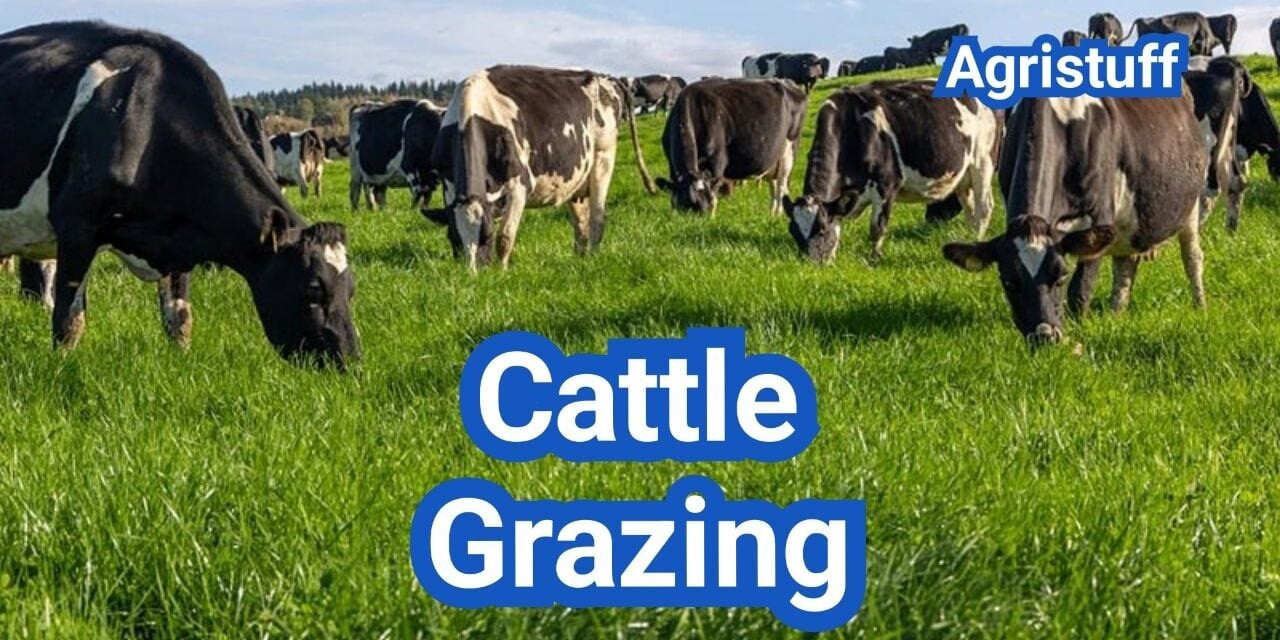
Effective grazing management is crucial for maintaining healthy rangelands and optimizing livestock productivity. In the United States, rotational grazing is a widely adopted practice that involves rotating livestock through multiple pastures to allow for rest and recovery.
According to the Beef Cattle Research Council, healthy rangelands provide numerous benefits, including wildlife habitat, biodiversity, and carbon sequestration opportunities. Well-managed cattle grazing systems can improve forage quality, increase livestock productivity, and promote ecological balance.
Key Takeaways
- Rotational grazing is a key component of effective grazing management.
- Proper stocking rates are essential for maintaining pasture health.
- Rest periods allow pastures to recover and promote ecological balance.
- Healthy rangelands provide numerous ecological benefits.
- Well-managed grazing systems can improve forage quality and livestock productivity.
The Science and Practice of Cattle Grazing

Understanding cattle grazing is crucial for farmers, ranchers, and environmentalists, as it plays a vital role in sustainable agriculture and ecosystem management. Cattle grazing involves the practice of allowing cattle to roam and feed on pastures, which can have significant environmental and economic impacts.
Cattle Grazing Meaning and Importance
Cattle grazing is defined as the practice of raising cattle on pasture lands, where they feed on grasses, forbs, and other vegetation. This practice is important for maintaining open spaces, promoting biodiversity, and supporting rural economies. Effective grazing management is key to achieving these benefits while minimizing negative environmental impacts.
Historical Evolution of Grazing in the U.S.
The history of cattle grazing in the United States is closely tied to the country’s agricultural development and westward expansion. Initially, grazing practices were largely unmanaged, leading to overgrazing and degradation of rangelands. Over time, ranchers and scientists developed more sustainable grazing practices, including rotational grazing and managed intensive grazing.
Current State of Cattle Grazing in USA
Today, cattle grazing is a significant component of U.S. agriculture, with millions of acres dedicated to pasture and rangeland. The practice continues to evolve, with advancements in technology, fencing, and water management allowing for more efficient and sustainable grazing operations.
| Aspect | Historical Practices | Current Practices |
|---|---|---|
| Grazing Management | Largely unmanaged, leading to overgrazing | Rotational grazing, managed intensive grazing |
| Technological Advancements | Limited technology use | Advanced fencing, water management, monitoring systems |
| Environmental Impact | Significant degradation of rangelands | Improved biodiversity, reduced erosion |
Understanding Different Cattle Grazing Systems

Understanding the various cattle grazing systems is essential for optimizing pasture use and cattle production. Different grazing systems offer unique benefits and challenges, and selecting the most appropriate system depends on factors such as climate, pasture type, and cattle breed.
Continuous Grazing: Advantages and Limitations
Continuous grazing involves allowing cattle to graze on the same pasture throughout the grazing season. This method is simple and requires minimal infrastructure. However, it can lead to overgrazing, reduced pasture productivity, and increased soil erosion.
“Continuous grazing can be effective under certain conditions,” notes a study by the USDA. “However, it often results in uneven grazing patterns, with some areas being overgrazed while others remain underutilized.”
Rotational Grazing for Cattle
Rotational grazing involves dividing pastures into smaller paddocks and rotating cattle through them. This system allows for more efficient use of pasture resources, improved forage utilization, and enhanced cattle health.
Rotational grazing is particularly beneficial for improving soil health and biodiversity. By giving pastures adequate rest periods, farmers can promote the regrowth of forage and maintain soil fertility.
Key benefits of rotational grazing include:
- Increased pasture productivity
- Improved cattle health
- Enhanced soil health
- Better forage utilization
Managed Intensive Grazing (MiG)
Managed Intensive Grazing (MiG) is a rotational grazing system that involves high stocking densities and short grazing periods. This approach maximizes forage utilization and promotes rapid pasture recovery.
MiG systems require careful planning and management to ensure that pastures are not overgrazed. Farmers must monitor pasture conditions closely and adjust grazing schedules accordingly.
“Managed Intensive Grazing has the potential to improve pasture productivity and reduce environmental impacts,” according to a report by the Manitoba Agriculture, Food and Rural Initiatives.
Adaptive Multi-Paddock Grazing
Adaptive Multi-Paddock (AMP) grazing is a holistic grazing management approach that involves dividing large pastures into smaller paddocks and rotating cattle through them based on forage availability and pasture condition.
AMP grazing aims to mimic natural grazing patterns, promoting soil health, biodiversity, and ecosystem services. This system requires flexibility and adaptability, as grazing schedules are adjusted based on changing conditions.
By understanding and implementing these different cattle grazing systems, farmers and ranchers can improve the sustainability and productivity of their operations, ultimately contributing to a more environmentally friendly and economically viable agricultural sector.
Mastering Stocking Rates for Optimal Production
Stocking rates play a pivotal role in determining the productivity and sustainability of cattle grazing operations. Achieving the optimal stocking rate is essential for maintaining pasture health, ensuring adequate forage for cattle, and maximizing economic returns.
Carry Capacity vs. Stocking Rate vs. Stock Density
Understanding the nuances between carry capacity, stocking rate, and stock density is crucial for effective grazing management. Carrying capacity refers to the maximum number of animals a pasture can support without degrading the resource. Stocking rate is the actual number of animals on a given area of land at a specific time, while stock density refers to the number of animals per unit area at any given time.
To illustrate the differences, consider the following example:
| Term | Definition | Example |
|---|---|---|
| Carrying Capacity | Maximum animals a pasture can support | 100 cows on 100 acres |
| Stocking Rate | Actual number of animals on land | 80 cows on 100 acres |
| Stock Density | Number of animals per unit area | 20 cows per acre in a paddock |
Animal Unit Month (AUM) Explained
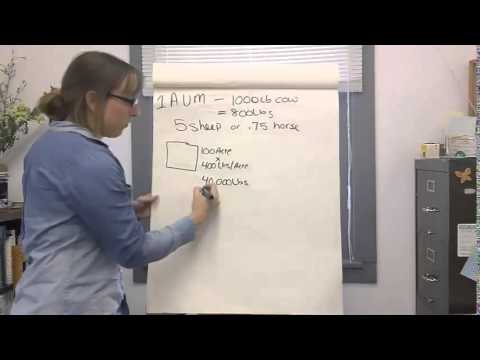
An Animal Unit Month (AUM) is a measure of the amount of forage required by an animal unit (one cow and her calf) for one month. Understanding AUM is vital for calculating stocking rates and managing grazing effectively. It helps in determining how many animals can be supported on a given area of land.
Using Stocking Rate Calculators
A stocking rate calculator is a valuable tool for determining the optimal stocking rate for a grazing operation. By inputting factors such as pasture size, forage production, and animal type, producers can make informed decisions about their stocking rates.
Adjusting Rates for Different Seasons and Conditions
Adjusting stocking rates according to different seasons and pasture conditions is crucial for maintaining pasture health and productivity. For example, during drought conditions, reducing the stocking rate can help prevent overgrazing and allow pastures to recover.
By mastering stocking rates and utilizing tools like stocking rate calculators, producers can optimize their grazing management strategies, leading to more sustainable and productive cattle grazing operations.
Designing Effective Rest Periods for Pastures
Designing effective rest periods is essential for optimizing pasture recovery and overall grazing management. Rest periods allow pastures to regenerate, rebuild soil health, and maintain biodiversity, all of which are critical for sustainable cattle grazing operations.
The Science Behind Pasture Recovery
Pasture recovery is a complex process influenced by factors such as soil type, climate, grazing intensity, and forage species. Research by experts like Dr. Shannon Scott has shown that adequate rest periods are crucial for allowing pastures to recover from grazing pressure. During rest periods, plants can regrow, and soil can replenish its moisture and nutrient reserves.
Key factors influencing pasture recovery include:
- Soil health and fertility
- Forage species composition and density
- Grazing intensity and frequency
- Climate conditions, including rainfall and temperature
Creating a Pasture Rest Period Chart
A pasture rest period chart is a valuable tool for planning and managing rest periods in grazing operations. This chart helps farmers visualize the grazing and rest periods across different paddocks or pastures, ensuring that no area is overgrazed and that adequate recovery time is allowed.
To create a rest period chart:
- Identify the number of paddocks or grazing areas
- Determine the average grazing period per paddock
- Calculate the necessary rest period based on forage growth rates and grazing intensity
- Schedule grazing rotations to ensure adequate rest periods for each paddock
Implementing a Rest Schedule in Your Operation
Implementing a rest schedule requires careful planning and monitoring. It involves regularly assessing pasture conditions, adjusting grazing rotations as needed, and ensuring that rest periods are adequate for pasture recovery.
Best practices for implementing a rest schedule include:
- Regularly monitoring pasture health and forage availability
- Adjusting stocking rates based on pasture conditions
- Using flexible grazing plans that can adapt to changing weather conditions
- Maintaining detailed records of grazing and rest periods
By designing effective rest periods and implementing a well-planned rest schedule, cattle grazing operations can improve pasture productivity, enhance soil health, and contribute to more sustainable agricultural practices.
Monitoring and Evaluating Pasture Recovery

Monitoring pasture recovery is essential for maintaining healthy grazing systems. Effective monitoring enables grazers to assess the health and productivity of their pastures, making informed decisions about grazing management.
Key Pasture Recovery Indicators
Several key indicators can help in evaluating pasture recovery. These include:
- Forage biomass: Measuring the amount of forage available.
- Plant vigor: Assessing the health and growth of plants.
- Soil health: Evaluating soil condition and fertility.
- Water infiltration: Checking how well water penetrates the soil.
Pasture Condition Scoring Systems
Pasture condition scoring systems provide a standardized way to evaluate pasture health. According to resources like the Alberta Agriculture and Forestry’s Alberta Forage Manual, these systems consider factors such as forage availability, plant composition, and signs of erosion.
Using a pasture condition scoring system helps in:
- Assessing the current state of pastures.
- Identifying areas needing improvement.
- Making data-driven decisions for grazing management.
Practical Tools for Regular Monitoring
Several practical tools can aid in regular pasture monitoring. These include:
- Pasture monitoring forms: Standardized forms for recording observations.
- Forage sampling techniques: Methods for measuring forage quantity and quality.
- Soil testing kits: Tools for assessing soil health and nutrient levels.
- Mobile apps: Applications for tracking and analyzing pasture conditions.
By utilizing these tools and indicators, grazers can effectively monitor and evaluate pasture recovery, ensuring the long-term sustainability of their grazing operations.
Strategic Forage Management for Cattle

Managing forage effectively is key to maintaining healthy cattle grazing systems. Strategic forage management involves several critical components, including forage budgeting, improving pasture quality, and stockpiling forage for winter grazing.
Forage Budgeting for Cattle
Forage budgeting is a crucial aspect of cattle grazing management. It involves calculating the available forage and determining how much can be sustainably grazed without depleting the pasture. According to the Ontario Ministry of Agriculture, Food and Rural Affairs’ Pasture Production guide, forage budgeting helps in making informed decisions about stocking rates and grazing periods.
To create a forage budget, one must first assess the total forage available. This involves measuring pasture yield and estimating the nutritional needs of the cattle. A simple formula can be used: Total Forage Available = Pasture Yield x Grazing Area. By understanding the total forage available, farmers can adjust their stocking rates accordingly.
| Component | Description | Unit |
|---|---|---|
| Pasture Yield | Amount of forage produced per unit area | kg/ha |
| Grazing Area | Total area available for grazing | ha |
| Total Forage Available | Total amount of forage available for grazing | kg |
Improving Pasture Quality and Productivity
Improving pasture quality is vital for maintaining the health and productivity of cattle. This can be achieved through various methods, including rotational grazing, fertilization, and reseeding with high-quality forage species.
Rotational grazing allows pastures to rest and recover, thereby improving soil health and increasing biodiversity. Fertilization can enhance soil fertility, promoting better forage growth. Reseeding with improved forage species can increase the nutritional value of the pasture.
Stockpiling Pasture for Winter Grazing
Stockpiling pasture for winter grazing is a cost-effective strategy for maintaining cattle nutrition during the colder months. It involves allowing certain areas of pasture to accumulate forage during the growing season, which can then be grazed during winter.
The choice of forage species is critical for successful stockpiling. Species like tall fescue are well-suited due to their ability to retain quality and quantity into the winter months. Management practices, such as applying nitrogen fertilizer in late summer and controlling grazing during the stockpiling period, are essential for maximizing the effectiveness of stockpiling.
Infrastructure for Successful Grazing Systems

Proper infrastructure is the backbone of any successful grazing system. Effective grazing management requires a combination of well-designed water systems, appropriate fencing, and efficient handling facilities. These elements work together to ensure the health of the cattle, the sustainability of the pasture, and the overall profitability of the operation.
Water Systems for Rotational Grazing
Adequate water supply is critical in rotational grazing systems. Cattle need access to clean water at all times, and the water distribution system must be able to support the herd as it moves through different paddocks. Watering systems can include pipelines, portable tanks, and troughs. The design should consider factors like water source, pressure requirements, and ease of moving the water supply as the cattle rotate through the grazing area.
Temporary Electric Fencing for Cattle
Temporary electric fencing is a key component of rotational grazing, allowing farmers to divide larger pastures into smaller paddocks. This type of fencing is flexible and can be easily moved as needed. It helps in controlling the grazing pattern, reducing overgrazing, and improving pasture utilization. The effectiveness of temporary electric fencing depends on proper installation, regular maintenance, and ensuring that the cattle are accustomed to the fencing.
Handling Facilities for Efficient Management
Efficient handling facilities are essential for managing cattle effectively. These facilities include corrals, chutes, and holding pens designed to make tasks like vaccinations, tagging, and loading cattle easier and safer for both the animals and the handlers. Well-designed handling facilities reduce stress on the cattle and improve the overall efficiency of the grazing operation.
| Infrastructure Component | Purpose | Key Considerations |
|---|---|---|
| Water Systems | Provide clean water to cattle | Water source, pressure, mobility |
| Temporary Electric Fencing | Control grazing patterns | Installation, maintenance, cattle training |
| Handling Facilities | Manage cattle efficiently | Design, safety, ease of use |
In conclusion, the infrastructure for successful grazing systems encompasses a range of critical components. By investing in appropriate water systems, fencing, and handling facilities, farmers can significantly enhance the productivity and sustainability of their grazing operations.
Specialized Applications of Cattle Grazing

Cattle grazing has evolved to include innovative practices that enhance sustainability and productivity. These specialized applications not only improve land use but also offer additional benefits for both grazers and the environment.
Cattle Grazing on Cover Crops
Grazing cattle on cover crops is becoming increasingly popular due to its potential to improve soil health, reduce erosion, and increase biodiversity. Cover crops such as clover, rye, and oats provide high-quality forage for cattle while also protecting and enhancing the soil.
Benefits of Grazing on Cover Crops:
- Improved soil health through increased organic matter and reduced compaction
- Enhanced biodiversity by providing habitat for various species
- Reduced erosion due to soil cover and root growth
- Increased forage quality and quantity for cattle
| Cover Crop | Benefits | Grazing Period |
|---|---|---|
| Clover | High nitrogen fixation, improves soil health | Spring, Fall |
| Rye | Excellent winter hardiness, reduces erosion | Winter, Early Spring |
| Oats | Fast growth, high-quality forage | Spring, Summer |
Cattle Grazing Under Solar Panels
Grazing cattle under solar panels, also known as agrivoltaics, is an emerging practice that combines renewable energy production with livestock grazing. This approach can enhance land use efficiency and provide additional income streams for farmers.
Advantages of Agrivoltaics:
- Increased land use efficiency by combining energy and agriculture
- Improved microclimate for crops or forage under solar panels
- Potential for increased biodiversity
- Additional income through both energy production and livestock grazing
Conservation Grazing Strategies
Conservation grazing involves managing cattle grazing to achieve specific conservation objectives, such as improving wildlife habitat, enhancing ecosystem services, and maintaining open spaces. This approach requires careful planning and management to balance grazing needs with conservation goals.
Key Elements of Conservation Grazing:
- Setting clear conservation objectives
- Managing grazing intensity and duration
- Monitoring ecosystem responses
- Adjusting grazing practices as needed
By adopting these specialized grazing applications, cattle producers can not only improve the sustainability of their operations but also contribute to broader environmental and conservation goals.
Drought Management for Cattle Grazing Operations

Droughts pose a substantial threat to cattle grazing, necessitating proactive management approaches. Effective drought management is crucial for maintaining the health of pastures and the profitability of cattle grazing operations.
Developing a Drought Response Plan
A well-structured drought response plan is essential for mitigating the impacts of drought on cattle grazing operations. This plan should include strategies for reducing stocking rates, identifying alternative forage sources, and implementing rotational grazing practices to conserve pasture resources.
“A proactive approach to drought management can significantly reduce the economic and environmental impacts on cattle grazing operations.” –
Beef Cattle Research Council
To develop an effective drought response plan, operators should:
- Monitor weather forecasts and pasture conditions regularly.
- Maintain flexibility in stocking rates to adjust to changing conditions.
- Identify and secure alternative forage sources in advance.
Early Warning Signs and Preparation
Recognizing early warning signs of drought is critical for timely intervention. These signs may include declining pasture productivity, increased water scarcity, and changes in vegetation composition.
| Early Warning Sign | Action |
|---|---|
| Declining pasture productivity | Reduce stocking rates to prevent overgrazing. |
| Increased water scarcity | Implement water conservation measures. |
| Changes in vegetation composition | Adjust grazing management practices to promote desirable species. |
Adjusting Stocking Rates During Drought
Adjusting stocking rates is one of the most effective strategies for managing cattle grazing operations during drought. By reducing the number of animals on the pasture, operators can prevent overgrazing and allow pastures to recover.
Stocking Rate Adjustment Strategies:
- Reduce the number of cattle on the pasture.
- Implement rotational grazing to distribute grazing pressure evenly.
- Use alternative forage sources to supplement pasture.
Recovery Strategies After Drought
After a drought, recovery strategies are essential for restoring pasture health and productivity. This may involve reseeding, applying fertilizers, and adjusting grazing management practices to promote recovery.
Effective recovery strategies include:
- Reseeding pastures with drought-tolerant species.
- Applying fertilizers to promote pasture growth.
- Implementing rotational grazing to prevent overgrazing.
By adopting these strategies, cattle grazing operations can enhance their resilience to droughts and maintain long-term sustainability.
Navigating Cattle Grazing on Public and Leased Lands

Effective cattle grazing on public and leased lands demands a comprehensive approach to managing grazing rights and lease agreements. This involves understanding the complex regulatory environment and developing strategies that balance economic viability with environmental stewardship.
Grazing Rights on Public Lands
Grazing rights on public lands are a critical component of many cattle operations. These rights are typically managed by government agencies, such as the U.S. Bureau of Land Management (BLM) and the U.S. Forest Service (USFS). To navigate these rights, ranchers must understand the permitting process, grazing regulations, and the environmental considerations that influence grazing practices.
The BLM, for instance, issues permits for grazing on public lands, with permit terms typically lasting 10 years. These permits specify the number of animals allowed to graze, the duration of grazing, and the specific areas where grazing is permitted. Compliance with these regulations is crucial to maintaining grazing rights.
Developing Effective Cattle Grazing Lease Agreements
For cattle grazing on leased lands, developing effective lease agreements is essential. These agreements should clearly outline the terms of the lease, including the duration, rental rate, and any specific conditions related to grazing practices. It’s also important to include provisions for renewal or termination of the lease, as well as mechanisms for resolving disputes.
A well-structured lease agreement can help mitigate risks associated with leased grazing lands, such as overgrazing or disputes with landowners. Ranchers should work closely with legal professionals to ensure that their lease agreements are comprehensive and protect their interests.
Compliance with Regulations and Best Practices
Compliance with regulations is a cornerstone of successful cattle grazing on both public and leased lands. This includes adhering to environmental regulations, such as those related to water quality and wildlife habitat protection. Additionally, adopting best practices for grazing management, such as rotational grazing and monitoring pasture health, can enhance the sustainability of grazing operations.
Ranchers should stay informed about changes in regulations and best practices through ongoing education and engagement with industry associations and government agencies. By doing so, they can ensure that their grazing operations remain compliant and sustainable over the long term.
In conclusion, navigating cattle grazing on public and leased lands requires a multifaceted approach that includes understanding grazing rights, developing effective lease agreements, and complying with regulations and best practices. By adopting these strategies, ranchers can optimize their grazing operations while contributing to the conservation of natural resources.
Technology Tools for Modern Cattle Grazing Management

Technological advancements have transformed cattle grazing, making it more efficient and sustainable. The integration of various technology tools has enabled farmers to optimize grazing practices, improve productivity, and reduce environmental impact.
Cattle Grazing Collars and Monitoring Systems
Cattle grazing collars equipped with GPS and monitoring systems have become invaluable tools for modern grazing management. These collars track the movement and behavior of cattle, providing real-time data on grazing patterns, health, and location.
- Real-time Monitoring: Allows for immediate response to cattle needs and issues.
- Grazing Pattern Analysis: Helps in optimizing pasture utilization and reducing overgrazing.
- Health Monitoring: Enables early detection of health issues through activity tracking.
Mapping and Planning Software
Mapping and planning software plays a crucial role in designing and managing grazing systems. These tools help in creating detailed maps of pastures, planning grazing rotations, and monitoring land use.
- Pasture Mapping: Creates detailed maps to identify areas of high and low productivity.
- Grazing Rotation Planning: Assists in planning and implementing effective grazing rotations.
- Land Use Monitoring: Tracks changes in land use and helps in making informed decisions.
Mobile Apps for On-the-Go Management
Mobile apps have become essential for on-the-go grazing management, providing farmers with the ability to monitor and manage their grazing operations remotely.
- Real-time Data Access: Provides instant access to grazing data, weather forecasts, and cattle health.
- Remote Management: Enables farmers to make decisions and adjustments remotely.
- Record Keeping: Simplifies record-keeping by allowing data entry on the go.
By leveraging these technology tools, farmers can significantly enhance the efficiency and sustainability of their cattle grazing operations.
Economic Analysis of Grazing System Investments
Grazing system investments can significantly impact the financial performance of cattle operations, necessitating a detailed economic evaluation. The choice of grazing system affects not only the productivity and health of the pasture but also the overall profitability of the cattle operation.
Cost-Benefit Analysis of Different Grazing Systems
A thorough cost-benefit analysis is essential for evaluating different grazing systems. This involves assessing both the direct and indirect costs associated with implementing and maintaining a particular grazing system, as well as the potential benefits, such as increased pasture productivity and improved cattle health.
For instance, rotational grazing systems often require higher initial investments in infrastructure, such as fencing and water distribution systems. However, they can lead to significant long-term benefits, including improved pasture recovery and increased carrying capacity.
- Initial investment costs
- Ongoing maintenance expenses
- Potential increases in productivity
- Long-term sustainability benefits
Capital Requirements for System Transitions
Transitioning to a new grazing system can require substantial capital investment. The specific capital requirements will depend on the current state of the operation and the desired changes. For example, moving from a continuous grazing system to a rotational grazing system may necessitate investments in fencing, water infrastructure, and potentially, new cattle handling facilities.
| Grazing System | Initial Investment | Ongoing Costs |
|---|---|---|
| Continuous Grazing | Low | Moderate |
| Rotational Grazing | High | Low-Moderate |
Measuring Return on Investment in Grazing Management
To justify the investments in grazing system improvements, it’s crucial to measure the return on investment (ROI). This involves tracking key performance indicators (KPIs) such as cattle weight gain, pasture productivity, and overall operational profitability.
By conducting a thorough economic analysis, cattle producers can make informed decisions about their grazing systems, ensuring that their investments yield positive returns and contribute to the long-term sustainability of their operations.
Building a Sustainable and Profitable Cattle Grazing Operation
Effective cattle grazing management is crucial for a profitable and sustainable operation. By understanding and implementing optimal stocking rates, rest periods, and pasture recovery strategies, farmers can improve the overall health and productivity of their grazing lands.
Sustainable grazing practices not only enhance the environment but also contribute to a more resilient and profitable cattle grazing operation. By adopting rotational grazing, managed intensive grazing, or adaptive multi-paddock grazing, farmers can better manage their grazing lands and improve their bottom line.
Grazing management is a complex task that requires careful planning, monitoring, and adaptation. By leveraging technology tools, such as cattle grazing collars and monitoring systems, mapping and planning software, and mobile apps, farmers can make informed decisions and optimize their grazing management.
Ultimately, building a sustainable and profitable cattle grazing operation requires a holistic approach that balances economic, environmental, and social considerations. By applying the principles outlined in this article, farmers can create a thriving and sustainable grazing operation that benefits both their business and the environment.
FAQ
What is cattle grazing, and why is it important?
Cattle grazing refers to the practice of allowing cattle to feed on pasture or rangeland. It is a crucial aspect of livestock production, as it provides a cost-effective way to produce high-quality beef while maintaining the health and productivity of pastures.
What are the different types of cattle grazing systems?
The main types of cattle grazing systems include continuous grazing, rotational grazing, managed intensive grazing (MiG), and adaptive multi-paddock grazing. Each system has its advantages and limitations, and the choice of system depends on factors such as climate, pasture quality, and management goals.
How do I determine the optimal stocking rate for my pasture?
To determine the optimal stocking rate, you need to consider factors such as pasture productivity, cattle breed and size, and management goals. Using a stocking rate calculator can help you estimate the carrying capacity of your pasture and adjust your stocking rate accordingly.
What is the difference between carry capacity, stocking rate, and stock density?
Carry capacity refers to the maximum number of animals that a pasture can support over a given period. Stocking rate is the actual number of animals grazing on a pasture, while stock density refers to the number of animals per unit area. Understanding these concepts is essential for managing grazing operations effectively.
How often should I rotate my cattle to different pastures?
The frequency of rotation depends on factors such as pasture productivity, cattle density, and management goals. A general rule of thumb is to rotate cattle when the pasture is grazed to a level that allows for optimal regrowth, typically every few days to a few weeks.
What are the benefits of using temporary electric fencing for cattle?
Temporary electric fencing provides a flexible and cost-effective way to manage grazing operations, allowing for more efficient use of pasture resources and reduced risk of overgrazing.
How can I improve the quality and productivity of my pasture?
Improving pasture quality and productivity involves practices such as fertilizing, reseeding, and managing grazing operations effectively. Regular monitoring of pasture condition and adjusting management practices accordingly can also help.
What are the advantages of grazing cattle on cover crops?
Grazing cattle on cover crops can provide additional forage resources, improve soil health, and reduce erosion. It can also help to integrate crop and livestock production, promoting more diverse and resilient farming systems.
How can I manage drought effectively in my grazing operation?
Effective drought management involves developing a drought response plan, monitoring pasture condition, adjusting stocking rates, and implementing recovery strategies after drought. It requires a proactive and flexible approach to managing grazing operations.
What are the key considerations for grazing cattle on public and leased lands?
Grazing cattle on public and leased lands requires understanding grazing rights, developing effective lease agreements, and complying with regulations and best practices. It is essential to be aware of the specific rules and regulations governing grazing on these lands.
How can technology tools help in modern cattle grazing management?
Technology tools such as cattle grazing collars, mapping and planning software, and mobile apps can enhance grazing management by providing real-time monitoring, improving decision-making, and increasing efficiency.
What are the economic benefits of investing in grazing system improvements?
Investing in grazing system improvements can provide economic benefits such as increased productivity, improved pasture health, and reduced costs. A cost-benefit analysis can help determine the return on investment in grazing management improvements.
Conclusion of: Cattle Grazing Systems
Why Cattle Grazing systems matter more than “how many acres you have”
Cattle Grazing success is usually controlled by three practical decisions: how many animals you run, how long they stay in one place, and how long you protect plants so they can recover before being grazed again. When those pieces work together, you get steadier forage use, more consistent animal performance, and thicker ground cover that protects soil from runoff and summer heat; when they don’t, preferred plants get grazed repeatedly, roots weaken, bare spots spread, weeds gain ground, and you end up feeding more hay than planned. A “system” simply means you’re planning moves and recovery on purpose rather than hoping the pasture rebounds on its own.
Key Cattle Grazing terms: carrying capacity, stocking rate, and stock density
In Cattle Grazing, it helps to separate three similar terms that drive most decisions: carrying capacity (what the land can sustainably provide in a season), stocking rate (how many animals you place on a specific land area for a defined time), and stock density (how tightly animals are packed into a paddock at a moment in time). Carrying capacity changes with rainfall, fertility, and stand health; stocking rate is your management choice; and stock density influences utilization, trampling, and manure distribution during a grazing bout. You can run a “reasonable” stocking rate and still overgraze if cattle stay too long and re-bite regrowth, so definitions matter because they change what you fix first.
Picking a Cattle Grazing system that matches your goals, land, and labor
Cattle Grazing systems range from continuous grazing (one pasture for a long stretch) to rotational grazing (moving through paddocks) to more intensive approaches where grazing periods are short and recovery is protected very carefully. The “best” system is the one that fits your constraints: your forage types, water access, fencing, terrain, and—most importantly—how often you can realistically move cattle during busy weeks. Many U.S. producers start with a simple rotation (4–8 paddocks) to build the habit of rest and observation, then add flexibility as they learn how fast different pastures regrow across seasons.
Start Cattle Grazing planning by measuring forage supply instead of guessing
Cattle Grazing plans improve quickly when you estimate forage dry matter (DM) rather than eyeballing height alone, because height can hide maturity, stemminess, or thin stands. Practical options include using a grazing stick, a pasture plate meter, or clip-and-weigh samples in a few representative spots to estimate DM per acre. Then you budget what’s actually available after accounting for trampling and the residual you must leave behind so plants can regrow fast and protect soil. This “forage budget” approach keeps your decisions tied to reality when weather changes mid-season.
A practical Cattle Grazing stocking rate approach using animal demand
Cattle Grazing stocking rate decisions work best when you match “forage supply” to “animal demand” over time, not just on a per-acre snapshot. Start by estimating usable forage (total production × conservative harvest efficiency), then calculate daily intake needs from your herd (cow size, lactation status, and class of stock all matter). When you do this, you can see quickly how many grazing days each paddock can provide at your planned residual—so you adjust either animal numbers, paddock size, or move frequency before pastures get stressed. Over time, this method becomes a reliable decision tool you can update after rain, fertilizer, or renovation.
Why “time in the paddock” is the hidden lever in Cattle Grazing
Cattle Grazing damage often comes from grazing the same plant twice in one pass, which happens when cattle remain long enough to bite fresh regrowth. That’s why many graziers focus on shortening the grazing period first, especially during spring when growth is fast and regrowth can appear quickly. A shorter grazing period makes it easier to prevent selective re-grazing, keep utilization more even, and protect recovery potential—without needing perfect pasture or expensive infrastructure on day one. If you remember one rule, it’s this: overgrazing is usually about time, not just cow numbers.
Rest periods in Cattle Grazing should flex with the season and growth rate
Cattle Grazing rest periods aren’t a fixed calendar number because forage regrowth speed changes with temperature, day length, rainfall, and soil moisture. In many regions, spring recovery can be fast and rotations must speed up to keep forage from getting overly mature, while summer recovery can slow down and rotations must lengthen to protect plant energy reserves. A useful mindset is “graze the plant when it’s ready, not when the schedule says so,” which means you watch leaf stage, height, and density before you bring cattle back. This adaptive approach protects root systems and keeps pastures productive across variable U.S. weather.
Pasture recovery in Cattle Grazing: what “ready to graze” looks like
Cattle Grazing recovery is easier to manage when you define two targets: an “enter” target (when forage is ready to be grazed) and a “leave” target (how much residual you protect). Height targets are popular because they’re fast to check and correlate with forage quality, but the real goal is protecting enough leaf area so regrowth is powered by photosynthesis instead of root reserve depletion. When you consistently leave a healthy residual, plants regrow faster, ground cover stays thicker, and you reduce erosion risk and weed pressure over time. NC State Extension: Grazing Height Guidelines
“Move before regrowth is grazed” is a practical rule for Cattle Grazing
Cattle Grazing gets more predictable when you move cattle based on a trigger rather than waiting for the paddock to look “finished.” Common triggers include reaching a target residual height, hitting a planned utilization level, or observing that cattle are starting to search harder and graze closer. This protects the first plants grazed in that paddock from being bitten again during the same grazing bout, which is one of the fastest ways to improve pasture recovery without changing your land base. When cattle learn the routine, moves often become easier and stress levels drop for both animals and people. University of Georgia Extension: Grazing Management for Beef Cattle
How Cattle Grazing impacts soil health, infiltration, and long-term productivity
Cattle Grazing is not only an animal-feeding practice; it’s also a soil-cover and water-cycle practice because pasture plants and residues shield the surface and feed soil biology. When ground cover is maintained, rainfall infiltrates more easily, runoff slows, and you reduce the “hardpan” feel that can develop in heavily used areas. Well-managed grazing can also improve nutrient cycling by spreading manure and urine more evenly across paddocks rather than concentrating nutrients around one water point or shade tree. Over time, healthier soil structure supports steadier forage growth during dry spells.
Water placement is a major success factor in Cattle Grazing distribution
Cattle Grazing distribution often improves dramatically when water is closer and more evenly available, because cattle naturally graze heavier near water and underuse far corners when walking distances are long. Portable troughs and strategically planned water lines can help you create smaller paddocks without sacrificing animal comfort, especially during hot weather when water demand rises. Better water distribution also reduces trail formation, mud around one central tank, and pressure on riparian areas. If you’re prioritizing improvements, water often pays back faster than almost any other infrastructure change. University of Missouri Extension: Watering Systems for Grazing Livestock
Fencing strategies that make Cattle Grazing more flexible and affordable
Cattle Grazing doesn’t require permanent cross-fences everywhere to begin; many operations succeed with a strong perimeter fence and temporary interior fencing (polywire/polytape) that lets you right-size paddocks to match forage growth and herd demand. Temporary fencing also helps you experiment with layout before you invest in permanent materials, which is valuable because you’ll learn where cattle prefer to travel, loaf, and graze over time. Good layout reduces wasted steps, improves utilization, and can prevent chronic overuse near gates and corners. Smart fencing is less about building more fence and more about building the right fence. Iowa State Extension: Fencing Costs and Planning
Managing heat, shade, and loafing areas within Cattle Grazing rotations
Cattle Grazing plans should account for animal behavior, especially in hot weather when cattle seek shade and loaf longer near water, which can create uneven grazing and concentrated manure. If shade is limited, you can rotate access to shade or use temporary shade structures to distribute pressure more evenly across the pasture. Paying attention to where cattle spend time helps you prevent bare spots and mud, and it protects the most productive sections of pasture from becoming sacrifice areas unintentionally. Comfortable cattle typically graze more consistently, which supports steadier pasture utilization.
A simple monitoring routine that improves Cattle Grazing decisions fast
Cattle Grazing becomes easier when you track a few repeatable indicators: pre- and post-graze height, rest days achieved, photo points, bare ground percentage, and short notes on weeds and animal performance. This turns grazing from “feel” into feedback you can act on, especially when the season shifts quickly. Monitoring also helps you spot problems early, like paddocks that consistently recover slower or areas that are repeatedly underused, so you can adjust fertility, reseeding, water, or paddock shape. Even a basic notebook or spreadsheet can be enough to make better decisions in the next rotation.
Drought and mud plans protect pasture recovery in Cattle Grazing
Cattle Grazing during drought is where many pastures are permanently set back, not because drought happens, but because managers wait too long to reduce pressure. A practical drought plan can include earlier destocking, creep feeding or supplementation, using a sacrifice area to protect key paddocks, and prioritizing rest so plants keep enough leaf area to rebound when moisture returns. Mud seasons can be just as damaging if hoof action compacts wet soils and tears sod, so having a plan for heavy-use areas and timely moves helps protect stand longevity. The goal is to preserve recovery capacity, not to harvest every last blade in a crisis. UGA Extension: Grazing Management During Drought
Stockpiling is a feed-saver strategy within Cattle Grazing systems
Cattle Grazing profitability often improves when you extend the grazing season and reduce hay feeding days, and stockpiling is one of the most proven ways to do that. Stockpiling means resting selected paddocks late in summer or early fall so forage accumulates for fall and winter grazing, often paired with strip grazing to control utilization and protect residuals. This can lower machinery time, reduce feed costs, and keep nutrients cycling back onto pasture instead of being concentrated in a feeding area. When done with proper recovery and access control, stockpiling supports both pasture health and the bottom line. University of Maryland Extension: Stockpiling Pasture
The economics: how Cattle Grazing changes your biggest cost—feed
Cattle Grazing management matters financially because purchased feed is often the largest cost category on cow-calf and stocker operations. Improving grazing efficiency can reduce hay needs, lower supplemental feeding, and increase the number of grazing days harvested per acre, but it may require investment in fencing, water development, and labor for moves. The cleanest way to evaluate changes is to compare what truly changes in your operation—new infrastructure payments and labor hours—against savings in hay, fuel, equipment wear, and pasture renovation. When grazing becomes a planned harvest system, you’re producing lower-cost feed instead of buying it at retail prices. University of Minnesota Extension: Grazing & Pasture Management
Common Cattle Grazing mistakes that reduce recovery (and how to avoid them)
Cattle Grazing setbacks often come from a few repeat mistakes: leaving cattle too long in one paddock, grazing too short and repeatedly, ignoring water placement, and failing to adjust stocking rate when growth slows. Another common issue is starting rotations but not committing to monitoring, which makes it hard to know whether you should speed up, slow down, or reduce demand. A practical fix is to use simple “rules” that protect recovery—like a minimum residual, avoiding regrazing during the same grazing bout, and extending rest during slow-growth periods—then refine those rules as you collect pasture observations. Small corrections made early usually prevent expensive pasture renovation later.
A quick-start checklist for improving Cattle Grazing this season
Cattle Grazing improvements can start with a short checklist: measure forage in a few paddocks, set an “enter” and “leave” target, plan rest periods that match current growth, and make water/fence changes that reduce underuse and overuse. Then watch how quickly paddocks recover and adjust rotation speed accordingly, because matching grazing pressure to regrowth is where most gains come from. If you’re unsure where to begin, start by shortening time-in-paddock and protecting residuals; those two actions alone often improve pasture recovery noticeably within a season. Consistency matters more than complexity in year one, and your system can become more refined as you learn your land.
Final thought
Cattle Grazing systems don’t need to start complicated: set a realistic stocking rate, shorten the time cattle stay in one place, and protect recovery with rest periods that match the season’s growth. If you do those three things consistently, you’ll typically see thicker ground cover, faster pasture recovery, and fewer “weak paddocks” that require renovation. The most successful graziers are rarely perfect; they simply monitor, adjust quickly, and treat every season as new data about their land and forage growth patterns.
Sources & References
- Grazing – Wikipedia
- Grazing and pasture management for cattle | UMN Extension
- Cattle and forage management for grazing success – Beef Magazin
- NC State Extension: Grazing Height Guidelines
- University of Missouri Extension: Watering Systems for Grazing Livestock
- Iowa State Extension: Fencing Costs and Planning
- University of Georgia Extension: Grazing Management During Drought
- University of Maryland Extension: Stockpiling Pasture
- University of Minnesota Extension: Grazing & Pasture Management