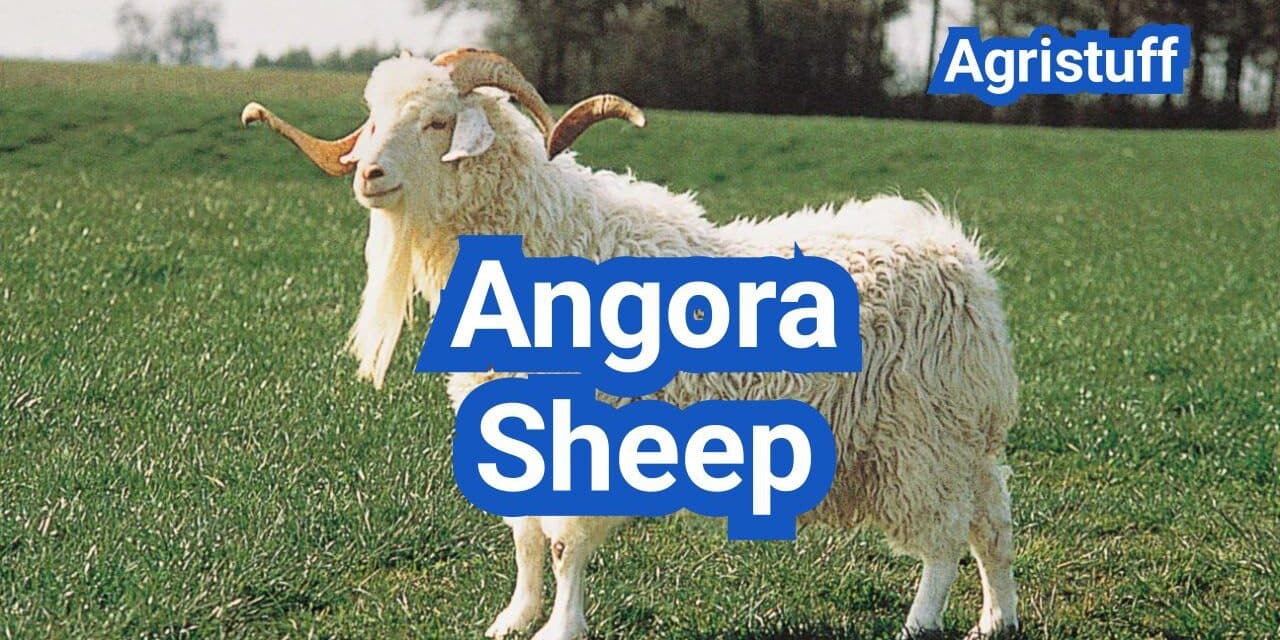
The Angora Sheep, known for producing mohair, have a rich history that dates back centuries. Originating from Ankara, Turkey, these animals have been prized for their soft, lustrous fleece.
Mohair quality is a critical aspect of Angora Sheep farming, as it directly impacts the value of the fleece. Shearing requirements vary depending on factors like climate and nutrition, but regular shearing is essential to maintain the health and productivity of the animals.
Understanding the feeding requirements of Angora Sheep is also crucial, as their nutritional needs are similar to those of other sheep breeds. A balanced diet ensures the production of high-quality mohair.
Key Takeaways
- Mohair quality is crucial for the value of Angora Sheep fleece.
- Regular shearing is necessary for the health and productivity of Angora Sheep.
- A balanced diet is essential for producing high-quality mohair.
- Angora Sheep have specific nutritional needs similar to other sheep breeds.
- The history and origin of Angora Sheep are deeply rooted in Turkey.
The World of Angora Sheep
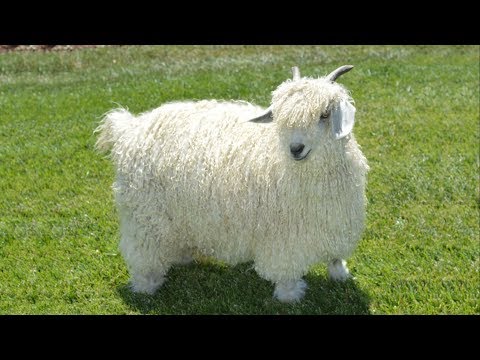
Originating in Asia Minor, Angora sheep have been bred for their mohair, a fiber known for its lustrous appearance and unique properties. This breed has a rich history that is closely tied to the production of high-quality mohair.
History and Origin of the Breed
The history of Angora sheep dates back to the 16th century when they were first bred in Asia Minor, now known as Turkey. The breed was highly valued for its mohair, which was used to create luxurious textiles. Over time, Angora sheep were introduced to other parts of the world, including South Africa and the United States, where they were bred to adapt to local climates while maintaining their distinctive fiber characteristics.
The breed’s development is closely linked to its fiber production capabilities. Angora sheep are known for their ability to produce mohair, a silk-like fiber that is durable, soft, and has a lustrous finish. The history of the breed is a testament to the careful selection and breeding practices that have enhanced its fiber-producing qualities.
Distinctive Characteristics and Uses
Angora sheep are distinguished by their unique fleece, which is characterized by its softness, luster, and durability. The mohair produced by these sheep is highly versatile and is used in a variety of textile products, from clothing and upholstery to crafts and decorative items.
- Mohair from Angora sheep is known for its resistance to wrinkles and its ability to hold dye well.
- The fiber is also valued for its warmth without weight, making it ideal for garments that require both comfort and durability.
- Additionally, mohair is hypoallergenic and has natural insulation properties, making it suitable for a wide range of applications.
The uses of mohair are diverse, ranging from high-fashion garments to home furnishings. The fiber’s unique properties make it a popular choice among textile manufacturers and crafters alike. As a result, Angora sheep continue to be raised not only for their fiber but also for their contribution to the textile industry’s rich heritage.
Angora Sheep vs. Angora Goats: Understanding the Differences

Despite both being mohair producers, Angora sheep and Angora goats have several physical and behavioral differences. Understanding these distinctions is essential for farmers, textile enthusiasts, and anyone involved in the mohair industry.
Physical and Behavioral Distinctions
Angora sheep and Angora goats differ significantly in their physical attributes and behavior. Angora goats, for instance, are generally more agile and robust than sheep, adapting better to certain terrains and climates. Angora goats are known for their independence, requiring more experienced handlers. In contrast, Angora sheep are often more docile and easier to manage for less experienced farmers.
The fleece of Angora goats is typically sheared twice a year, a practice that influences their fiber production quality and quantity. This frequent shearing can result in a higher yield of mohair, but it also demands more labor and resources.
Fiber Production Comparison
The fiber production of Angora sheep and Angora goats varies in several key aspects. Angora goats produce a significant amount of mohair, with some breeds yielding more fiber than Angora sheep. However, the quality and characteristics of the mohair can differ between the two species.
When comparing the mohair from Angora sheep and goats, factors such as staple length, micron measurements, and luster come into play. Mohair from Angora goats is often considered to have a softer texture and is highly valued for certain textile applications.
- Angora goats are sheared twice a year, impacting their mohair production.
- The quality and quantity of mohair from Angora sheep and goats differ.
- Fiber characteristics such as staple length and micron measurements are crucial in determining mohair quality.
Raising Angora Sheep in the United States

The introduction of Angora Sheep to the United States marked the beginning of a new era in fiber production. While the first Angora goats were imported into the U.S. in 1849, Angora Sheep have their own unique history and development in the country.
Angora Sheep were introduced to the U.S. as part of the broader trend of importing exotic livestock to improve domestic fiber production. Over time, American farmers have adapted to raising these sheep, leveraging their mohair production capabilities.
History and Current Status
The history of Angora Sheep in the U.S. is characterized by periods of growth and challenges. Initially, there was significant interest in breeding these animals for their mohair. However, the industry faced various challenges, including market fluctuations and competition from other fiber producers.
Today, raising Angora Sheep continues, albeit on a smaller scale compared to other livestock. The current status is influenced by factors such as market demand, the availability of breeding stock, and the adaptability of farmers to changing agricultural practices.
Regional Considerations for American Farmers
American farmers considering raising Angora Sheep must take into account regional factors that can significantly impact the success of their operations. Climate, for instance, plays a crucial role, as Angora Sheep require specific conditions to thrive.
Regions with dry climates are often more suitable for Angora Sheep, as they are less prone to certain health issues that can arise in more humid environments. Additionally, access to appropriate forage and pasture land is essential for maintaining the health and productivity of the flock.
Farmers in different regions must also be aware of local regulations and market conditions that can affect their business. This includes understanding the demand for mohair in their area and being aware of any support or resources available for sheep farmers.
Understanding Mohair: The Premium Fiber

Mohair, the fiber produced by angora sheep, is celebrated for its superior quality and versatility in textile applications. As a natural fiber, mohair has several distinct properties that make it highly valued in the textile industry.
What Makes Mohair Special
Mohair is known for its exceptional luster, durability, and softness. It has a unique property of taking dye very well, which allows for a wide range of colors and shades. According to industry experts, “Mohair’s ability to hold dye and its durability make it a preferred choice for many textile manufacturers.”
“Mohair is one of the most durable and resilient fibers available, making it ideal for applications where longevity is key.”
The fiber’s loose crimp and silk-like texture contribute to its premium status. Mohair is also resistant to wrinkles and has good insulation properties, making it suitable for various applications, from clothing to upholstery.
Mohair Applications and Market Value
Mohair’s versatility is reflected in its wide range of applications. It is used in clothing, such as sweaters and coats, due to its warmth and lightweight properties. Additionally, mohair is used in home furnishings, including drapery and upholstery, because of its durability and resistance to wear.
The market value of mohair is influenced by several factors, including its quality, staple length, and micron measurement. High-quality mohair with longer staple lengths and finer micron measurements commands a higher price in the market. The global demand for mohair and its supply chain dynamics also play a crucial role in determining its market value.
As the textile industry continues to evolve, the demand for premium fibers like mohair is expected to grow, driven by consumer preferences for high-quality, sustainable products. This trend underscores the importance of understanding mohair’s unique characteristics and its value in the market.
Essential Mohair Quality Factors
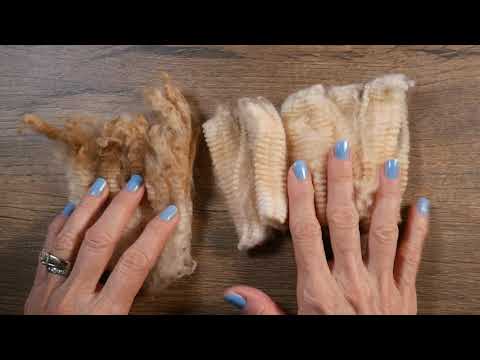
Understanding the essential factors that determine mohair quality is crucial for producers and buyers alike. Mohair quality is a multifaceted trait influenced by various characteristics of the fiber.
Staple Length and Micron Measurements
The quality of mohair is significantly determined by its staple length and micron measurements. Staple length refers to the length of the mohair fibers, which can vary depending on factors such as the age of the Angora sheep and genetics. Generally, longer staple lengths are preferred because they are associated with higher-quality mohair.
Micron measurements, on the other hand, refer to the diameter of the mohair fibers, typically ranging from 20 to 40 microns. Finer fibers (those with lower micron measurements) are usually more valuable due to their softness and comfort.
Kid Mohair vs. Adult Mohair
A significant distinction in mohair quality is between kid mohair and adult mohair. Kid mohair, obtained from young Angora goats or sheep, is known for its exceptional softness and fineness, typically having lower micron measurements.
Adult mohair, while still valuable, tends to be coarser and may have a higher micron measurement. The difference in quality between kid and adult mohair affects their market value and application in textile production.
Luster, Staple Length, Crimp, and Color Evaluation
Evaluating mohair quality involves assessing several key characteristics: luster, staple length, crimp, and color. Luster refers to the fiber’s shine or brightness, with higher luster indicating better quality.
Crimp, or the natural waviness of the fiber, contributes to its elasticity and spinning quality. Color is also an important factor, as it affects the dyeability and aesthetic appeal of the mohair.
Mohair Quality Evaluation Table
| Characteristic | Description | Impact on Quality |
|---|---|---|
| Staple Length | Length of mohair fibers | Longer lengths generally preferred |
| Micron Measurement | Diameter of mohair fibers | Finer fibers (lower microns) more valuable |
| Luster | Shine or brightness of fibers | Higher luster indicates better quality |
| Crimp | Natural waviness of fibers | Contributes to elasticity and spinning quality |
| Color | Natural color of mohair | Affects dyeability and aesthetic appeal |
How to Grade and Class Your Mohair

Mohair grading and classing are essential practices that determine the fiber’s quality, value, and marketability. To achieve the best possible outcomes, producers must adhere to professional standards and employ a meticulous skirting process.
Professional Grading Standards
Professional grading standards for mohair are based on several key factors, including staple length, micron measurement, luster, and color. These characteristics collectively influence the overall quality and, consequently, the market value of the mohair.
The American Mohair Council and other industry bodies have established guidelines for grading mohair. These standards help ensure consistency and fairness in the evaluation process. Grading typically involves assessing the mohair based on its:
- Staple length and strength
- Micron count and uniformity
- Luster and color consistency
- Presence of contaminants or defects
Understanding these criteria is crucial for producers to accurately grade their mohair and make informed decisions about its marketing and sale.
Step-by-Step Skirting Process
The skirting process is a critical step in preparing mohair for sale or further processing. It involves removing contaminated or inferior portions of the fleece to improve the overall quality of the mohair.
Here is a step-by-step guide to the skirting process:
- Lay out the fleece on a clean, flat surface.
- Identify and remove any heavily contaminated or matted areas.
- Separate the fleece into different grades based on the established criteria.
- Carefully inspect each section for any remaining contaminants or defects.
- Package the graded mohair in clean, dry conditions to preserve its quality.
By following these steps, producers can significantly enhance the quality and value of their mohair, making it more attractive to buyers and improving their overall profitability.
Optimal Feeding Requirements for Angora Sheep

Optimal nutrition is crucial for Angora sheep to produce high-quality mohair. A well-balanced diet supports their overall health, fiber production, and reproductive efficiency.
Basic Nutritional Needs by Life Stage
Angora sheep have different nutritional requirements at various stages of their life. For instance, growing kids require a higher protein diet compared to adult sheep.
Nutritional Needs by Life Stage:
| Life Stage | Protein Requirement (%) | Energy Requirement |
|---|---|---|
| Growing Kids | 16-18 | High |
| Lactating Ewes | 14-16 | High |
| Adult Sheep | 12-14 | Moderate |
Best Hay and Forage Options for Fiber Production
The quality of hay and forage significantly impacts mohair production. High-quality hay with adequate protein and low fiber content is ideal.
Recommended Hay and Forage:
- Legume hays like alfalfa
- High-quality grass hays
- Diverse pasture forage
How to Conduct and Interpret Forage Testing
Forage testing is essential to determine the nutritional content of the feed. This involves collecting representative samples and sending them to a laboratory for analysis.
Steps for Forage Testing:
- Collect representative forage samples
- Send samples to a certified laboratory
- Interpret the nutrient analysis report
- Adjust feeding strategies based on test results
By understanding the nutritional value of their forage, farmers can make informed decisions to optimize their feeding programs.
Creating an Effective Mineral Supplementation Program
A carefully planned mineral supplementation program is essential for Angora Sheep farmers to enhance mohair quality and prevent health issues. Angora Sheep have specific mineral requirements that must be met to ensure optimal fiber production and overall health.
Essential Minerals for Mohair Quality
Mohair quality is significantly influenced by the mineral intake of Angora Sheep. Key minerals play a crucial role in determining the strength, luster, and fineness of mohair fibers.
- Zinc: Zinc is vital for maintaining the integrity of the skin and mohair fibers. A deficiency can lead to poor fiber quality and skin issues.
- Copper: Copper is essential for the production of melanin, which affects the color and luster of mohair. However, it must be managed carefully to avoid toxicity.
- Selenium: Selenium works in conjunction with vitamin E to protect cells from damage and support overall health, indirectly affecting mohair quality.
Ensuring adequate levels of these minerals is crucial. Farmers should consult with a veterinarian or animal nutritionist to formulate a mineral supplementation program tailored to their flock’s specific needs.
How to Prevent Copper Toxicity in Your Flock
Copper toxicity is a significant risk in sheep, including Angora Sheep, due to their sensitivity to excessive copper intake. To prevent copper toxicity, farmers must carefully manage copper levels in the mineral supplementation program.
- Monitor Copper Levels: Regularly check the copper levels in the mineral mix and adjust according to the flock’s needs.
- Avoid Over-Supplementation: Ensure that the total diet, including forage and supplements, does not exceed the recommended copper intake.
- Use Copper-Free Mineral Mixes: Consider using copper-free mineral mixes, especially if the flock is at higher risk of copper toxicity.
By carefully managing mineral supplementation, Angora Sheep farmers can enhance mohair quality while safeguarding the health of their flock.
Selenium Management for Healthy Fiber Growth
Effective selenium management is essential for promoting healthy fiber growth in Angora Sheep. Selenium is an essential mineral that plays a critical role in the overall health of sheep, including the quality and quantity of their mohair.
Identifying Selenium Deficiency Signs
Selenium deficiency can manifest in various ways, impacting the overall health and productivity of Angora Sheep. Some common signs include:
- Poor growth rates
- Reproductive issues
- Increased susceptibility to diseases
- Poor fiber quality
Farmers should be vigilant about monitoring their flock for these signs, as early detection is crucial for effective intervention.
Safe Supplementation Methods and Dosages
Supplementation is a common method for addressing selenium deficiency. However, it’s critical to do so safely to avoid toxicity. The recommended dosage varies based on factors such as the sheep’s age, size, and the selenium content in their diet.
Consulting with a veterinarian or a qualified animal nutritionist can help determine the appropriate supplementation strategy. They can recommend the correct dosage and monitor the flock’s response to the supplementation.
It’s crucial to follow recommended guidelines to avoid over-supplementation, which can lead to selenium toxicity. Symptoms of toxicity include:
- Blindness
- Abnormal gait
- Respiratory failure
By carefully managing selenium levels, farmers can promote healthy fiber growth and maintain the overall well-being of their Angora Sheep.
How to Assess and Maintain Proper Body Condition
Body condition scoring is a simple yet effective method for ensuring the well-being of your Angora flock. It involves evaluating the amount of fat reserves in specific areas of the sheep’s body, which is crucial for determining their nutritional status and overall health.
Step-by-Step Body Condition Scoring Guide
To assess the body condition of your Angora sheep, follow these steps:
- Restrain the sheep in a comfortable position to allow easy access to the areas to be scored.
- Feel the spine and the loin area to assess the amount of fat cover.
- Evaluate the fat cover over the ribs.
- Check the sternum and the tail head for fat reserves.
Assign a score from 1 to 5, where 1 is emaciated and 5 is obese. The ideal score for Angora sheep typically ranges between 2.5 and 3.5, depending on factors such as age, stage of production, and environmental conditions.
Adjusting Feed Based on Body Condition Scores
Once you have determined the body condition score of your Angora sheep, you can adjust their feed accordingly. Sheep with lower scores may require more nutritional input, while those with higher scores may need their feed restricted to prevent obesity.
| Body Condition Score | Feed Adjustment |
|---|---|
| 1-2 | Increase nutritional intake with high-quality hay and supplements as necessary. |
| 2.5-3.5 | Maintain current feeding regimen, adjusting as necessary based on production stage. |
| 4-5 | Reduce energy intake by limiting high-calorie feeds and increasing exercise. |
Regular monitoring and adjustments are key to maintaining optimal body condition in your Angora sheep, ensuring they remain healthy and productive.
Developing Your Angora Sheep Shearing Schedule
Angora sheep farmers must carefully plan their shearing schedule to optimize mohair production and animal welfare. A well-planned shearing schedule takes into account various factors, including the climate, the sheep’s growth rate, and the quality of mohair desired.
Unlike Angora goats, which are typically sheared twice a year, Angora sheep may require a different shearing frequency depending on their specific conditions. The key is to balance the need for regular shearing with the risk of cold stress in colder climates.
Seasonal Considerations for Different Climates
The climate in which your Angora sheep are raised plays a significant role in determining the best shearing schedule. In milder climates, sheep can be sheared more frequently, typically twice a year, to maximize mohair production. However, in colder climates, it’s crucial to avoid shearing during the winter months to prevent cold stress.
Farmers in regions with harsh winters should consider shearing their Angora sheep in the spring, just before the onset of warmer weather, and possibly again in late summer or early fall. This timing helps to minimize the risk of cold stress while still allowing for a reasonable shearing frequency.
Frequency Recommendations Based on Growth Rate
The growth rate of your Angora sheep’s mohair is another critical factor in determining the optimal shearing schedule. Sheep with faster-growing mohair may require more frequent shearing to maintain fleece quality and prevent matting.
A general guideline is to shear Angora sheep every 6 to 12 months, depending on their individual growth rates and the desired mohair quality. Regular monitoring of the fleece condition can help farmers adjust their shearing schedule as needed to maximize mohair production and quality.
Step-by-Step Guide to Proper Shearing Techniques

To ensure the highest quality mohair, Angora sheep farmers must adopt proper shearing techniques. Shearing is a critical process that not only affects the quality of the mohair but also the health and well-being of the sheep.
Equipment Selection and Preparation
Selecting the right equipment is the first step towards successful shearing. This includes:
- High-quality shears designed specifically for shearing Angora sheep
- Combs and cutters that are well-maintained and suitable for the type of mohair being sheared
- A clean and well-lit shearing area to minimize contamination and improve visibility
Preparation is key. Ensuring that the equipment is in good condition and that the shearing area is clean and free from debris will significantly impact the quality of the mohair.
The Shearing Process for Maximum Yield
The shearing process should be carried out with care to maximize the yield and quality of the mohair. This involves:
- Carefully planning the shearing schedule based on the growth rate of the mohair and the climate
- Using the correct shearing technique to minimize second cuts and prevent damage to the fleece
- Working efficiently to shear the sheep quickly and humanely
It’s crucial to be mindful of the sheep’s comfort and safety during the shearing process. Stress and injury can be minimized by handling the sheep gently and carefully.
Post-Shearing Care to Prevent Cold Stress
After shearing, providing the right care is essential to prevent cold stress, especially in colder climates. This includes:
- Providing shelter or windbreaks to protect the sheep from harsh weather conditions
- Ensuring access to adequate nutrition to help the sheep recover from the shearing process
- Monitoring the flock closely for signs of cold stress or other health issues
By following these steps and being attentive to the needs of the sheep post-shearing, farmers can help prevent cold stress and ensure the continued health and productivity of their flock.
How to Set Up a Clean Shearing Environment
Shearing Angora Sheep in a clean and well-organized shed is vital for producing high-quality mohair. A clean shearing environment not only enhances the quality of the mohair but also improves the overall efficiency of the shearing process.
Shearing Shed Design and Requirements
A well-designed shearing shed is crucial for maintaining cleanliness and organization during the shearing process. The shed should be well-ventilated and well-lit, providing a comfortable working environment for both the shearers and the sheep.
- A solid, concrete floor is recommended as it is easy to clean and can withstand the rigors of shearing operations.
- The shed should be free from drafts and extreme temperatures to prevent stress on the animals.
- Amenities such as electricity and running water can significantly enhance the shearing process.
Preventing Contamination and Burrs in Mohair
Preventing contamination and burrs in mohair is critical for maintaining its quality. Contaminants can include dirt, debris, and second-cut fibers, which can significantly reduce the value of the mohair.
To minimize contamination:
- Ensure the shearing area is clean and free of debris before shearing begins.
- Use clean equipment and ensure shearers are aware of the importance of minimizing second cuts.
- Sort and class mohair immediately after shearing to remove any contaminated fibers.
To prevent burrs, it’s essential to:
- Keep the sheep’s fleece clean and free of vegetation before shearing.
- Avoid shearing when the fleece is wet, as this can lead to matting and increased risk of contamination.
- Regularly inspect the flock’s environment and remove any plants that could lead to burr formation.
By following these guidelines, farmers can significantly improve the quality of their mohair, leading to higher market value and better returns on their investment.
Managing Common Health Issues in Fiber Flocks
Fiber flocks, such as Angora sheep, face unique health challenges that require careful management. The health of these animals is crucial not only for their well-being but also for the quality of their mohair and the overall productivity of the farm.
Effective Parasite Control Program
One of the significant health challenges faced by fiber flocks is internal parasitism. In damp conditions, Angora goats and sheep are particularly susceptible to internal parasites, which can severely impact their health and productivity. An effective parasite control program is essential to mitigate this issue.
To implement a successful parasite control program, farmers should:
- Conduct regular fecal egg counts to monitor parasite loads.
- Use a strategic deworming program tailored to the specific needs of their flock.
- Maintain clean pastures and avoid overgrazing to reduce the risk of parasite infestation.
- Consider the use of parasite-resistant breeds or genetic lines.
Monitoring and adjusting the parasite control program based on regular assessments is crucial for its success.
Preventing and Treating Fiber-Related Health Problems
Fiber-related health problems can significantly affect the quality of mohair and the overall health of the flock. Issues such as fiber entanglement and dermatitis can be particularly problematic.
To prevent fiber-related health problems, farmers can take several steps:
- Ensure proper shearing techniques to avoid damaging the fleece or skin.
- Provide regular grooming to prevent matting and tangling of fibers.
- Maintain a clean and dry living environment to reduce the risk of skin infections.
By understanding and addressing these common health issues, farmers can improve the health and productivity of their fiber flocks, ultimately enhancing the quality of their mohair and the profitability of their farm.
Marketing Your Mohair in the American Market
Successfully marketing your mohair in the American market requires a strategic approach to attract buyers and maximize profits. The U.S. market presents a significant opportunity for mohair producers due to its large textile industry and growing demand for specialty fibers.
To effectively market your mohair, it’s crucial to understand the competitive landscape and identify potential buyers. This involves researching textile manufacturers, fashion designers, and craft suppliers who might be interested in your product.
Finding Buyers and Setting Competitive Prices
Finding the right buyers for your mohair is pivotal. You can start by attending industry events, such as textile conferences and fiber festivals, where you can network with potential buyers. Online platforms like trade shows and social media can also be effective tools for connecting with buyers.
When it comes to setting prices, you need to be competitive while ensuring you cover your production costs. Researching the current market prices for mohair and understanding the quality factors that influence its value is essential.
| Mohair Type | Price Range ($) | Factors Affecting Price |
|---|---|---|
| Kid Mohair | 50-100 per pound | Staple length, micron, luster |
| Adult Mohair | 30-60 per pound | Staple length, micron, color |
Creating Value-Added Products for Higher Returns
One effective way to increase the value of your mohair is by creating value-added products. This can include spinning your mohair into yarn, knitting or weaving it into garments or textiles, or even creating finished products like scarves or hats.
“By processing mohair into higher-value products, producers can significantly increase their profit margins and appeal to a wider range of customers.”
For instance, a producer could create a line of mohair scarves, leveraging the fiber’s durability and softness to attract premium prices. Marketing these products through online channels or local boutiques can help reach consumers willing to pay more for high-quality, handmade items.
To maximize returns, it’s essential to understand your target market and tailor your products accordingly. This might involve conducting market research to identify trends and consumer preferences.
- Identify your niche market (e.g., luxury fiber enthusiasts, knitting communities)
- Develop products that meet the needs and preferences of your target market
- Utilize effective marketing channels to reach your audience
By focusing on creating value-added products and effectively marketing them, mohair producers can enhance their profitability and establish a strong presence in the American market.
Keys to Successful Angora Sheep Management
Effective angora sheep management is crucial for a thriving fiber enterprise. Successful management requires attention to nutrition, health, and shearing practices. Providing optimal feeding requirements, maintaining proper body condition, and implementing a well-planned shearing schedule are essential for producing high-quality mohair.
A well-managed flock is less prone to health issues, and regular monitoring can help prevent common problems. By understanding the keys to success in angora sheep management, farmers can improve their fiber production and increase their returns. This involves creating a clean shearing environment, grading and classing mohair correctly, and marketing products effectively.
By focusing on these critical aspects, Angora sheep farmers can achieve successful management and enjoy a profitable fiber production business. The keys to success lie in careful planning, attention to detail, and a commitment to best practices in angora sheep management.
FAQ
What is the primary product obtained from Angora Sheep?
The primary product obtained from Angora Sheep is mohair, a type of silk-like fabric made from their fleece.
How often should Angora Sheep be sheared?
Angora Sheep should be sheared twice a year, depending on factors such as climate, growth rate, and the desired length of the mohair.
What are the essential minerals for mohair quality?
Essential minerals for mohair quality include copper, selenium, and other trace minerals that support healthy fiber growth.
How can I prevent copper toxicity in my Angora Sheep flock?
To prevent copper toxicity, ensure that your mineral supplementation program is balanced, and monitor copper levels in your sheep’s diet and environment.
What is the best hay for fiber-producing Angora Sheep?
High-quality hay that is rich in nutrients, such as alfalfa or other legume hays, is suitable for fiber-producing Angora Sheep.
How do I assess and maintain proper body condition in my Angora Sheep?
Use a step-by-step body condition scoring guide to assess your sheep’s condition, and adjust their feed accordingly to maintain optimal health and fiber production.
What are the key factors that determine mohair quality?
Key factors that determine mohair quality include staple length, micron measurements, luster, crimp, and color.
How can I market my mohair in the American market?
To market your mohair, find buyers, set competitive prices, and consider creating value-added products to increase returns.
What are the benefits of raising Angora Sheep?
Raising Angora Sheep provides a sustainable source of income through the sale of mohair, as well as a valuable opportunity for land management and conservation.
How do I develop a shearing schedule for my Angora Sheep?
Consider seasonal factors, growth rate, and desired fleece length when developing a shearing schedule for your Angora Sheep.
What are the differences between Angora Sheep and Angora Goats?
Angora Sheep and Angora Goats differ in their physical characteristics, behavior, and fiber production, with Angora Sheep producing mohair and Angora Goats producing a distinct type of mohair.
How can I prevent contamination and burrs in my mohair?
To prevent contamination and burrs, ensure a clean shearing environment, handle the fleece carefully, and store it in a dry, protected area.
Conclusion of: Angora Sheep Breed
Angora Sheep: What People Usually Mean (and Why It Matters)
If you searched for Angora Sheep, you’re not alone—many people use Angora Sheep as a casual term when they actually mean Angora-type fiber animals raised for mohair. Technically, mohair comes from Angora goats, while “Angora” fiber (often called Angora wool) comes from Angora rabbits, so the wording matters when you’re buying breeding stock, paying for shearing, or selling fiber to a buyer who grades strictly. In this article, “Angora Sheep” is used the way most U.S. readers use it online: a practical guide to producing mohair-grade fiber quality through management, shearing routines, and feeding requirements that protect fleece value and animal health. Texas A&M AgriLife: Angora goats & mohair (PDF)
Angora Sheep and Mohair: The Fiber Basics Before You Invest
From a farm-business standpoint, mohair-style production with Angora Sheep succeeds when you treat fiber like a crop that must be grown, protected, harvested, and stored correctly. Mohair is valued for its shine, drape, and dye performance, but processors and hand-spinners also care about uniformity, staple strength, and cleanliness because those traits reduce waste and make processing predictable. That’s why the biggest profit differences often come from routine choices—pasture selection, bedding, shelter timing, feeder design, and how you sort and bag fleeces on shearing day—rather than from one “magic” supplement or one-time upgrade. UC ANR: Angora goats in small-scale agriculture
Angora Sheep Mohair Quality: What Buyers Pay For in the U.S.
Most markets reward Angora Sheep fiber that is fine, bright, strong, and consistent, with minimal contamination from burrs, weed seeds, dust, or manure tags. Fineness (smaller diameter) influences softness and end use; luster influences appearance and dye response; strength influences whether staples survive handling without breaking; and uniformity influences how well the clip can be processed as a predictable lot. If you sell to processors or cooperatives, consistent quality often matters as much as “best possible” quality, because consistent lots help buyers plan production and reduce the risk of claims, returns, or heavy discounts. Oklahoma State University: Angora breed overview
Angora Sheep Fiber Measurements: Diameter, Yield, and Classing Terms
If you want to scale an Angora Sheep fiber enterprise, learn the language used in classing and grading so you can communicate clearly with buyers. Fiber diameter (often expressed in microns) is strongly linked to softness and product type, while clean yield reflects how much usable fiber remains after removing grease and contamination. Staple length, style/character, and medullation (hollow fibers) can influence processing performance and how finished textiles feel. Even if you sell directly to hand-spinners, these terms help you price fairly, explain why lots differ, and improve your herd through better selection and management. USDA AMS: Wool & mohair grades and standards
Angora Sheep Genetics: Why Age, Sire Choice, and Records Matter
Fiber quality in Angora Sheep is not only about feeding and grooming—genetics sets the ceiling, and management helps you reach it. Many herds see fiber become coarser with age, and some lines show more kemp-like coarse fibers or lower luster even when nutrition is strong. A realistic improvement plan is to keep simple records (clip weights, fleece notes, health events, reproduction outcomes) and select replacements from animals that repeatedly deliver the fleece traits your market rewards. Over time, disciplined selection—especially sire selection—does more for fleece consistency than any short-term “fix,” and it makes your management results more predictable across seasons. British Goat Society: Angora breed notes
Angora Sheep Contamination Control: Burrs, Weed Seeds, and Barn Dust
One of the fastest ways to lose money with Angora Sheep is contamination, because buyers often discount heavily for vegetable matter that takes time and cost to remove. Practical prevention starts in the field: identify burr-prone paddocks, manage weeds near shelters and feeding areas, and avoid grazing mature seed heads during peak risk. Inside, keep bedding dry, reduce dust, and maintain clean pens for the days leading up to shearing, because a clean fleece keeps luster and yields better usable fiber. Contamination control also includes feeder choices and hay handling, since hay chaff and seeds can become “hidden defects” inside otherwise nice-looking fleeces. AusMohair: Mohair classing booklet (PDF)
Angora Sheep Feeding Requirements: Why Fiber Animals Need Better Nutrition
Because Angora Sheep are expected to grow fiber continuously, nutrition shows up directly in the fleece as well as in overall health. Underfeeding can reduce clip weight, weaken staple strength, and contribute to dull or brittle fiber, while inconsistent feeding can add stress that affects reproduction and immunity. A balanced program starts with quality forage and then adds energy and protein strategically for growth, late gestation, and early lactation—times when demand rises quickly. Diet changes should be gradual to protect rumen function, and monitoring should be routine: body condition scoring, forage testing, and steady intake are often more valuable than chasing the newest supplement trend. MSD/Merck Vet Manual: Nutritional requirements of goats
Angora Sheep Forage First: Building a Practical Ration From Hay and Pasture
Most successful Angora Sheep feeding programs treat forage as the foundation and supplements as “fine-tuning.” The same amount of hay can perform very differently depending on maturity at harvest, species mix, storage conditions, and whether it was baled wet or weathered. Pasture quality also swings by season and rainfall, which is why a fiber herd that looks “fine” in spring may struggle in late summer or winter if forage quality drops. Use stage-of-production thinking—maintenance vs. growth vs. late gestation vs. lactation—then adjust based on body condition and fleece performance, not just on the calendar. University of Arkansas Extension: Sheep & goat nutrition (PDF)
Angora Sheep Hay Testing: The Cheapest Way to Improve Feeding Accuracy
If your Angora Sheep are losing condition, producing lighter clips, or showing weaker staples, test your hay before buying multiple supplements. A forage test helps you identify whether the real limitation is protein, energy, or overall digestibility, which prevents wasting money on products that don’t solve the underlying gap. Testing also helps you avoid overfeeding concentrates that can increase metabolic problems or digestive upset when used without clear targets. Over a season, a single hay test can pay for itself many times by improving ration accuracy and reducing “guesswork feeding.” Mississippi State Extension: Hay testing & forage quality
Angora Sheep Protein and Energy: When Grain Helps and When It Hurts
In many Angora Sheep herds, concentrates are most useful when animals cannot maintain condition on forage alone—commonly during rapid growth, late gestation, and early lactation. The key is controlled feeding: start small, increase gradually, and keep forage available so the rumen stays stable. Watch for warning signs like reduced cud chewing, loose manure, or sudden appetite changes, and treat those as signals to slow down and reassess the ration. Grain should support forage, not replace it, and the most profitable approach is usually consistent, measured supplementation rather than big swings that stress digestion and performance. Penn State Extension: Feeding the sheep flock
Angora Sheep Minerals: Don’t Copy Cattle or Goat Programs
Minerals are where Angora Sheep owners get into trouble fastest, especially on mixed farms where the wrong mineral block can be accessible. Sheep are sensitive to copper toxicity, and selenium has a narrow margin between deficiency and toxicity, so a “one mineral fits all” approach can backfire. Use sheep-appropriate minerals, read labels carefully, and consider regional guidance because soil and forage mineral profiles vary across the U.S. A correct mineral strategy supports immune function, reproductive performance, and steady feed intake—three factors that indirectly support better fleece growth and fewer production setbacks. Montana State University Extension: Sheep nutrition & minerals
Angora Sheep Copper Safety: Preventing a Crisis You Don’t See Coming
A practical rule for Angora Sheep management is to treat copper as “controlled” unless a veterinarian recommends otherwise for a documented deficiency. Copper can accumulate in the liver, and animals may appear normal until a stress event triggers sudden illness and losses, making prevention far cheaper than treatment. The safest habits are simple: store non-sheep minerals securely, avoid feeds formulated for other species unless confirmed safe for sheep, and train everyone on the farm to treat cross-feeding risks seriously. If you share feeders, mineral tubs, or storage areas with other livestock, add extra safeguards because a single mistake can affect the entire group. Cornell Sheep Program: Common feeding issues
Angora Sheep Water: A Quiet Driver of Intake, Growth, and Fiber Output
Clean, reliable water is not optional for Angora Sheep because water intake supports rumen fermentation, overall feed intake, and temperature regulation. Needs rise with heat, lactation, and higher dry matter intake, and poor water quality can reduce consumption even when water is plentiful. If performance dips without obvious explanation—lighter clips, poor appetite, or slower growth—checking water availability and quality is an underrated troubleshooting step. In hot U.S. summers, shade, airflow, and easy access to clean water can be the difference between steady fiber growth and a season of stress-related setbacks. SDSU Extension: Water requirements & quality testing
Angora Sheep Shearing Schedule: Planning for Staple Length and Weather Risk
For mohair-style production, many Angora Sheep operations plan shearing about every six months, but the best schedule depends on climate, shelter, and how fast your animals grow fiber. Longer fleeces can increase contamination and handling losses, while shearing too close to harsh weather raises cold-stress risk because insulation is suddenly removed. A solid shearing plan includes a weather “buffer,” a clean shearing area, and a post-shear shelter strategy so animals stay dry and protected. Timing is not just about fiber length—it’s also about keeping animals eating and calm so fiber regrowth starts strong after the clip. Meat & Livestock Australia: Mohair production module (PDF)
Angora Sheep Shearing Technique: Avoiding Second Cuts and Skin Injuries
Shearing quality affects both animal welfare and Angora Sheep fleece value. “Second cuts” create short fibers that reduce processing efficiency and can push a lot into a lower-value category, while nicks and poor restraint increase stress and infection risk. Whether you shear yourself or hire a professional, aim for sharp equipment, a calm and dry environment, and consistent technique that removes the fleece smoothly in a way that supports sorting and bagging. Good shearing is also good stockmanship: lower stress helps animals return to normal intake quickly, which matters for recovery, warmth, and steady fiber regrowth. Goat shearing guide (PDF)
Angora Sheep Post-Shearing Care: Shelter and Cold-Stress Prevention
Right after shearing, Angora Sheep are more vulnerable to cold rain, wind, and sudden temperature drops, so post-shear management should be treated as part of the shearing plan. Provide roofed shelter with wind protection, dry bedding, and enough space to avoid crowding, because chilled animals often reduce feed intake at the exact time they need energy to stay warm. Many producers avoid shearing right before predictable storm seasons and keep an emergency plan for sudden weather shifts. In practical terms, post-shearing shelter is an investment that protects both animal welfare and future fiber yield. MLA: Post-shearing care & shelter (PDF)
Angora Sheep Parasite Control: External Parasites Can Destroy Fleece Value
External parasites such as lice can cause rubbing, irritation, and fiber damage in Angora Sheep, and heavy infestations may reduce condition and production. Integrated control starts with biosecurity for incoming animals, routine observation for itching or patchy fiber, and correct product timing so you don’t miss life-cycle windows. Coordinating treatments with shearing can improve contact with the skin and make control more effective, but always follow labeled directions and consider veterinary guidance for your region. Parasite control is not only a health issue—it’s a fleece-quality issue, because damaged fiber often sells for less even when the animal looks “fine.” MLA: Lice control guidelines (PDF)
Angora Sheep Internal Parasites: Targeted Deworming and Pasture Management
Internal parasites are a major constraint for Angora Sheep performance in many U.S. regions, and routine blanket deworming can accelerate drug resistance. A smarter approach is targeted treatment—using tools like FAMACHA scoring (where appropriate), body condition scoring, and fecal egg counts—so you treat animals that truly need it while preserving dewormer effectiveness. Pair that strategy with pasture management: avoid overgrazing, rotate when possible, and protect young stock because they’re often most vulnerable. When parasites are controlled, animals maintain intake and condition more consistently, which supports steadier fiber growth and fewer “mystery” production drops. WormX (ACSRPC): Parasite management resources
Angora Sheep Mohair Handling: Skirting, Bagging, and Storage Best Practices
After shearing, treat Angora Sheep fiber like a specialty crop: skirt off manure tags and heavily contaminated edges, keep lots separate by age and quality, and store fleeces in breathable bags in a cool, dry place. Avoid long-term storage in airtight plastic because trapped moisture can lead to odor or mildew, which buyers notice immediately. Clear labeling (date, animal group, notes on fineness or contamination) makes selling easier and protects you in pricing discussions. Clean handling and smart storage also preserve luster, which is one of the most visible value markers for mohair-style fiber. USDA AMS: Wool & mohair market reports
Angora Sheep Marketing: Selling Consistency, Not Just “A Nice Fleece”
Marketing Angora Sheep fiber often works best when you sell consistency rather than one-time fleeces. Buyers and processors may pay more when they can rely on predictable lots—clean, well-classed, and documented—because it reduces risk and improves processing efficiency. Depending on your scale, you can explore local fiber mills, cooperative marketing, direct-to-consumer sales to hand-spinners, or specialty organizations focused on mohair education and market development. Start by learning what your target buyers consider “deal-breakers” (contamination, mixed lots, inconsistent classing), then build your routines around avoiding those problems season after season. Mohair Council of America
Angora Sheep Record Keeping: The Shortcut to Better Decisions
The most profitable Angora Sheep herds are usually the best documented ones. Keep simple records: clip weights, sorting notes, breeding dates, birth outcomes, health treatments, and parasite observations; then review those notes before selecting replacements or planning feed changes. Record keeping turns “I think this line does better” into “this line consistently produces heavier, cleaner clips with fewer health issues,” which is exactly the kind of clarity that improves profits over time. Even a basic spreadsheet is enough to identify top performers, justify culling decisions, and show buyers that your management is consistent and professional. University of Maine Extension: Sheep best management practices
Final thought
If you want the best results from Angora Sheep—especially when the goal is mohair-grade fiber—treat fleece like a high-value harvest: feed for it, keep it clean, shear on a weather-smart schedule, and manage minerals and parasites with precision. Over time, consistent routines plus basic measurement tools (forage tests, body condition scoring, fleece sorting notes, and simple records) usually outperform any single “miracle” product. When the basics are strong, you can experiment safely with upgrades, but when the basics are weak, even expensive inputs won’t protect the quality and value you’re trying to grow. MSD/Merck Vet Manual: Goat nutrition reference
Sources & References
These references support the practical recommendations in this Angora Sheep article and can help you go deeper into mohair production, feeding, shearing, health, and market expectations.
- Angora goat – Wikipedia
- Fiber Goats Explained: Breeds, Fleece, and Farm Tips
- Angora goat | History, Fiber Production, Breed Characteristics
- Aboundingful Farm
- Angora Native Sheep – wisconsin-farming.com
- USDA AMS: Wool & mohair standards
- Texas A&M AgriLife: Angora goats & mohair (PDF)
- UC ANR: Angora goats in small-scale agriculture
- Oklahoma State University: Angora breed overview
- USDA AMS: Wool & mohair grades and standards
- British Goat Society: Angora breed notes
- AusMohair: Mohair classing booklet (PDF)
- MSD/Merck Veterinary Manual: Nutritional requirements of goats
- University of Arkansas Extension: Sheep & goat nutrition (PDF)
- Mississippi State Extension: Hay testing and forage quality
- Montana State University Extension: Sheep nutrition and minerals
- Cornell Sheep Program: Sheep feeding issues
- SDSU Extension: Sheep water requirements and quality testing
- Meat & Livestock Australia: Mohair production module (PDF)
- Goat shearing guide (PDF)
- MLA: Post-shearing care and shelter (PDF)
- MLA: Lice control guidelines (PDF)
- WormX (ACSRPC): Parasite management
- University of Maine Extension: Sheep best management practices