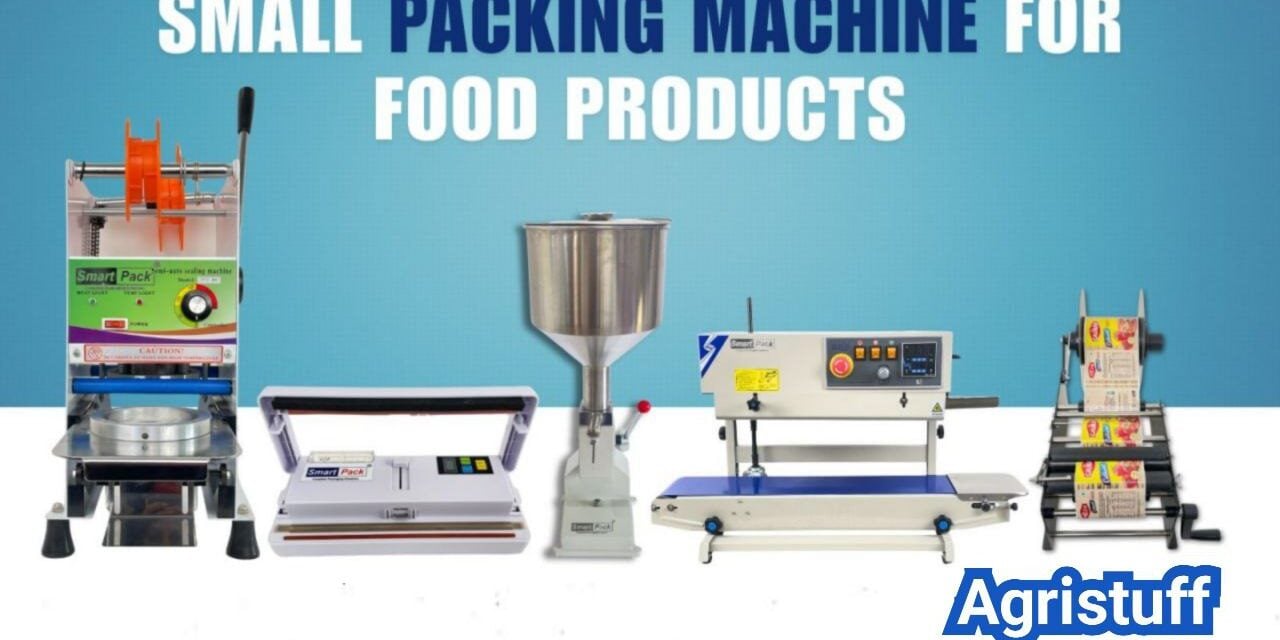
Starting a new grocery brand requires efficient gear. High-quality compact edible goods packaging systems aimed at startups help keep items fresh. These units are essential In the U.S. to meet health rules and customer needs. Proper planning ensures that your operation remains profitable and safe.
Reliability is vital when choosing new technology. A tiny items packing device streamlines your work In USA facilities significantly. These tools allow owners to grow output without needing much space. Strategic investment helps your brand succeed in a busy market.
Key Takeaways
- Automated tools keep items fresh and safe.
- Compact designs save room in small buildings.
- Reliable gear helps meet American health rules.
- Growing production is easier with new tech.
- High-quality looks build professional brand trust.
- Smart equipment choice ensures long-term success.
Why Small Food Businesses in the U.S. Need Packaging Machines

In the competitive landscape of the U.S. food industry, small businesses must adopt food packaging machines to enhance their operational efficiency and reduce waste. The right packaging machine can significantly impact a small business’s bottom line by streamlining packaging processes, ensuring consistency, and minimizing product loss.
Small food businesses face unique challenges, including limited resources and high competition. However, by investing in appropriate packaging machines, they can overcome some of these hurdles. For instance, automated packaging solutions can help reduce labor costs and improve productivity, allowing businesses to allocate resources more effectively.
- Increased efficiency through automated packaging processes
- Improved product consistency and quality
- Reduced labor costs and minimized manual errors
- Enhanced product safety through reduced handling
- Better waste management and reduced material costs
As noted by industry experts, “The adoption of packaging machinery is no longer a luxury but a necessity for small food businesses aiming to stay competitive.” This underscores the importance of integrating the right packaging technology into business operations.
“The future of food packaging lies in efficiency, sustainability, and innovation. Small businesses that adopt packaging machines are better positioned to meet these demands.”
— Food Industry Expert
By understanding the packaging needs of their business and selecting the appropriate machinery, small food businesses can set themselves up for success in a competitive market. Whether it’s improving production speed, ensuring compliance with regulations, or enhancing product presentation, the right packaging machine can be a game-changer.
Assessing Your Startup’s Packaging Requirements Before Buying

Understanding your packaging requirements is the first step towards selecting the right food packaging solutions. Choosing the best packaging machinery requires careful evaluation of several criteria, including product type, production volume, and package format.
Determining Your Product Type and Format
The type and format of your product play a crucial role in determining the right packaging equipment. Different products have unique packaging requirements.
Solid Products: Snacks, Candies, and Baked Goods
Solid products such as snacks, candies, and baked goods require packaging that protects them from moisture, dust, and other contaminants. Vertical Form Fill Seal (VFFS) machines are often used for these products.
Liquids and Semi-Liquids: Sauces, Honey, and Butter
Liquids and semi-liquids, such as sauces, honey, and butter, need packaging that prevents leakage and contamination. Liquid filling machines are designed to handle these products efficiently.
Meal Prep and Fresh Foods Requiring Modified Atmosphere
Meal prep and fresh foods often require Modified Atmosphere Packaging (MAP) to extend shelf life. Tray sealers and vacuum packaging machines are commonly used for these applications.
Calculating Daily and Monthly Production Volume
Calculating your daily and monthly production volume is essential to determine the capacity of the packaging machine you need. Consider your current production levels and potential growth.
- Daily production volume
- Monthly production volume
- Potential growth in production
Defining Your Package Format and Size Range
The format and size of your packaging are critical factors in selecting the right packaging equipment. Consider the type of packaging material, size, and shape that suits your product.
- Determine the packaging material (e.g., plastic, paper, or composite materials)
- Decide on the package size and shape
- Consider any specific packaging requirements (e.g., resealable or tamper-evident)
Small Packing Machine for Food Products: Core Types and Technologies

Small packing machines for food products come in a variety of types and technologies, each designed to meet specific packaging needs. The choice of machine depends on the type of product, packaging material, and production volume. Understanding these options is crucial for food startups and small businesses to make informed decisions.
Vertical Form Fill Seal Machines for Pouches and Sachets
Vertical Form Fill Seal (VFFS) machines are widely used for packaging dry foods such as nuts, coffee, and snacks. They form, fill, and seal pouches or sachets in a continuous motion, offering high efficiency and flexibility. VFFS machines can handle various packaging materials and are suitable for businesses with moderate to high production volumes.
Tabletop Pouch Sealer for Food Startups
For smaller operations or startups, a tabletop pouch sealer is an affordable and compact solution. These machines are designed to seal pre-made pouches, offering a simple and effective way to package food products. They are ideal for businesses with limited space and lower production volumes.
Tray Sealer for Meal Prep Packaging Operations
Tray sealers are used for packaging fresh produce, meats, and ready-to-eat meals. They offer a hygienic and efficient way to seal trays with a variety of films, ensuring product freshness and safety. Tray sealers are essential for meal prep and foodservice operations.
Small Vacuum Packing Machine Systems
Vacuum packing machines remove air from the packaging, extending the shelf life of products. Small vacuum packing systems are suitable for various food products, including meats, cheeses, and bakery items. They are particularly useful for businesses looking to reduce food waste and improve product presentation.
“The right packaging machine can significantly impact a food business’s efficiency, product quality, and customer satisfaction.”
Mini Flow Wrap Machine for Bar and Bakery Products
Mini flow wrap machines are designed for wrapping individual products such as bars, bakery items, and confectionery. They offer a compact and efficient packaging solution, ideal for small to medium-sized businesses.
Premade Pouch Packaging Machines
Premade pouch packaging machines fill and seal pre-made pouches, offering flexibility in packaging formats. They are suitable for a wide range of food products, from powders and granules to liquids and solids.
Capacity Ranges for Compact Food Packaging Equipment for Startups

When selecting a compact food packaging machine, understanding the capacity ranges is crucial for startups to meet their production demands. The capacity of a packaging machine determines the production volume and directly impacts the scalability and efficiency of the operation.
Compact food packaging equipment for startups is available in various capacity ranges, catering to different business needs and growth stages. Understanding these capacity ranges is essential for making an informed decision.
Entry-Level Capacity: 10-50 Packages Per Hour
Entry-level compact food packaging machines are designed for startups with low to moderate production needs. These machines typically have a capacity range of 10-50 packages per hour and are ideal for small businesses testing their products in the market.
These machines are often semi-automatic or manual, requiring more labor to operate. However, they are cost-effective and allow startups to begin packaging operations without a significant initial investment.
Small Business Standard: 50-150 Packages Per Hour
As startups grow, their packaging needs evolve. Machines with a capacity of 50-150 packages per hour are considered the standard for small businesses. These compact food packaging machines offer a balance between production capacity and cost.
They are often semi-automatic packaging lines that can be operated with minimal training. This capacity range is suitable for businesses that have established their product and are looking to increase their production volume.
Growth-Ready Systems: 150-300 Packages Per Hour
For startups that are poised for rapid growth, growth-ready systems with capacities ranging from 150-300 packages per hour are available. These small form fill seal machines or other automated packaging solutions are designed to meet the increasing demands of a growing business.
While these machines represent a higher upfront investment, they offer the scalability and efficiency needed to support business expansion. It’s essential for startups to consider their growth projections when selecting a packaging machine.
| Capacity Range | Packages Per Hour | Business Stage |
|---|---|---|
| Entry-Level | 10-50 | Startups with low production needs |
| Small Business Standard | 50-150 | Growing businesses |
| Growth-Ready | 150-300 | Rapidly expanding businesses |
Understanding the capacity ranges for compact food packaging equipment is vital for startups to make informed decisions about their packaging operations. By choosing a machine that aligns with their current and future needs, businesses can ensure efficient production and scalability.
Food Packaging Machine Cost USA: Complete Price Breakdown

Understanding the costs associated with food packaging machines is crucial for startups and small businesses in the U.S. food industry. The cost of these machines can vary widely based on the type, technology, and brand.
Budget Tabletop Equipment: $2,000-$8,000
For small businesses with limited budgets, tabletop equipment offers an affordable entry point. These machines are ideal for low to moderate production volumes.
Mini Vacuum Sealing Machine Price Range
Mini vacuum sealing machines are available in the range of $2,000 to $4,000. They are perfect for businesses that need to package products with minimal equipment investment.
Small Chips Packing Machine Entry Models
Entry-level small chips packing machines can be found between $3,000 and $6,000. These machines are designed for packaging snack foods and other similar products.
Semi-Automatic Packaging Line for Small Business: $8,000-$35,000
Semi-automatic packaging lines offer a step up in production capacity and efficiency. They are suitable for businesses looking to scale their operations.
Small Form Fill Seal Machine Pricing
Small form fill seal machines are priced between $8,000 and $20,000. They are versatile and can be used for a variety of packaging needs.
Small Tray Sealer Systems
Small tray sealer systems range from $10,000 to $25,000. They are ideal for businesses that need to package products in trays, such as meal prep or bakery items.
Compact Automated Systems: $35,000-$75,000
Compact automated systems offer high efficiency and are suitable for businesses with significant production volumes. These systems can handle a wide range of packaging tasks with minimal manual intervention.
Total Cost of Ownership: Installation, Training, and Maintenance
Beyond the initial purchase price, businesses must consider the total cost of ownership, including installation, training, and maintenance costs.
| Machine Type | Price Range | Installation Cost | Training Cost | Maintenance Cost (Annual) |
|---|---|---|---|---|
| Mini Vacuum Sealing Machine | $2,000-$4,000 | $500-$1,000 | $500-$1,000 | $200-$500 |
| Small Chips Packing Machine | $3,000-$6,000 | $1,000-$2,000 | $1,000-$2,000 | $500-$1,000 |
| Small Form Fill Seal Machine | $8,000-$20,000 | $2,000-$4,000 | $1,500-$3,000 | $1,000-$2,000 |
Snacks Packing Machine Price and Product-Specific Equipment Costs

When it comes to packaging snacks and various food products, the cost of the machinery can vary greatly depending on the type and scale of the operation. Different products require specific packaging machines, and understanding the costs associated with these machines is crucial for businesses looking to optimize their packaging process.
The cost of packaging machinery is influenced by factors such as the type of product being packaged, the desired packaging format, and the production volume. For instance, snack foods like chips and candies require different packaging solutions compared to liquid products like honey.
Small Chips Packing Machine Price and Specifications
For businesses that specialize in snack foods like chips, a small chips packing machine is an essential investment. These machines are designed to efficiently package chips into bags or pouches. The price of a small chips packing machine can range from $3,000 to $10,000, depending on the specifications and features.
Key specifications to consider when selecting a small chips packing machine include the packaging speed, bag size range, and the type of sealing mechanism. Some machines may also offer additional features like date coding and nitrogen flushing.
Small Candy Packaging Machine and Chocolate Wrapping Equipment
Candy and chocolate products require packaging machines that can handle a variety of formats, from individual wrapping to bulk packaging. Small candy packaging machines can be tailored to specific product needs, with prices ranging from $2,500 to $8,000.
Chocolate wrapping equipment, in particular, may require specialized machinery that can handle the melting and tempering of chocolate. The cost of such equipment can be higher, typically ranging from $5,000 to $15,000.
Small Vacuum Packing Machine Price for Meat and Cheese
For businesses dealing with meat and cheese products, vacuum packing is a common preservation method. Small vacuum packing machines are available for businesses with lower production volumes, with prices starting from $1,500 to $4,000.
These machines are designed to remove air from the packaging, thereby extending the shelf life of the products. The cost can vary based on the machine’s capacity, vacuum level, and additional features like gas flushing.
Bread Packing Machine Small Scale Options
Bread and bakery products require packaging solutions that maintain freshness. Small scale bread packing machines are designed for low to medium production volumes, with prices ranging from $2,000 to $6,000.
These machines can be configured to handle various packaging formats, including bags, wrappers, and trays. The choice of machine depends on the specific product requirements and production volume.
Small Honey Filling Machine and Liquid Product Equipment
Liquid products like honey require specialized filling machines that can accurately measure and fill containers. Small honey filling machines are available for small-scale producers, with prices starting from $1,000 to $3,500.
The cost of these machines depends on factors like filling speed, container size range, and the level of automation. Some machines may also offer additional features like capping and labeling.
Net Weight Compliance for Packaged Foods and Regulatory Requirements

Food packaging machines must adhere to various regulatory standards, including net weight compliance and labeling requirements. Ensuring that packaged foods meet these regulations is crucial for food businesses to avoid legal issues and maintain consumer trust.
NIST Handbook 133 Guidelines for Net Weight Compliance
The National Institute of Standards and Technology (NIST) Handbook 133 provides guidelines for net weight compliance in packaged foods. It outlines the procedures for testing and verifying the net weight of packaged products to ensure they meet the labeled quantity. Key aspects include:
- Understanding the average quantity requirement
- Compliance with the maximum allowable variation
- Procedures for lot-by-lot inspection and sampling
Food manufacturers must be aware of these guidelines to ensure their packaging operations are compliant.
Food Label Requirements for Small Producers Under FDA Rules
The FDA mandates specific labeling requirements for food products, including nutrition facts, ingredient lists, and allergen warnings. Small producers must comply with these regulations, which include:
- Displaying the nutrition facts panel
- Listing ingredients in descending order by weight
- Highlighting common allergens
Compliance with FDA labeling requirements is crucial for market access and consumer safety.
Lot Coding and Traceability for Packaged Foods Systems
Lot coding and traceability are essential for food safety and quality control. This involves assigning a unique identifier to each batch of products, enabling efficient recall and tracking in case of contamination or quality issues. Effective lot coding systems help food manufacturers:
- Enhance product safety
- Improve supply chain management
- Facilitate compliance with regulatory requirements
Vacuum Packaging Risks and Reduced Oxygen Packaging FDA Regulations
Vacuum packaging and reduced oxygen packaging (ROP) can pose risks, particularly related to the growth of Clostridium botulinum. The FDA regulates ROP to mitigate these risks, requiring:
| Regulatory Aspect | Description |
|---|---|
| Temperature Control | Maintaining refrigerated temperatures to inhibit bacterial growth |
| Labeling Requirements | Clear labeling to indicate storage and handling requirements |
| Safety Controls | Implementing controls to prevent contamination and ensure safety |
By understanding and complying with these regulatory requirements, food businesses can ensure the safety and quality of their packaged products, maintain consumer trust, and avoid legal repercussions.
Hygienic Design Food Processing Equipment Standards

Hygienic design is a critical aspect of food processing equipment, directly impacting product safety and quality. The importance of hygienic design cannot be overstated, as it prevents contamination and ensures compliance with regulatory requirements.
Food packaging machines, in particular, must be designed with hygiene in mind to prevent contamination and ensure food safety. This involves adhering to strict standards and guidelines set forth by regulatory agencies.
FDA Food Contact Surface Requirements
The FDA sets forth specific requirements for food contact surfaces to ensure that equipment used in food processing does not contaminate food products. These requirements include the use of materials that are non-toxic and resistant to corrosion.
Key considerations for FDA compliance include:
- Material selection: Ensuring that materials used for food contact surfaces are safe and durable.
- Surface finish: Maintaining a smooth surface finish to prevent bacterial growth and facilitate cleaning.
- Design for cleanability: Ensuring that equipment is designed to be easily cleaned and sanitized.
USDA Compliance for Meat and Poultry Packaging
The USDA has specific guidelines for equipment used in meat and poultry processing to ensure that products are safe for consumption. Compliance with USDA regulations is critical for businesses involved in these sectors.
USDA requirements include:
- Equipment design and materials: Ensuring that equipment is designed and constructed to withstand the rigors of meat and poultry processing.
- Sanitation and cleaning protocols: Implementing effective sanitation and cleaning procedures to prevent contamination.
Cleanability Features and Sanitation Protocols
Cleanability is a critical feature of hygienic design, as it enables the effective removal of contaminants and prevents the buildup of bacteria and other microorganisms.
Effective sanitation protocols involve:
- Regular cleaning schedules: Establishing regular cleaning schedules to maintain equipment hygiene.
- Sanitizing agents: Using approved sanitizing agents to ensure that equipment is properly sanitized.
- Training personnel: Ensuring that personnel are trained in proper cleaning and sanitation procedures.
How to Evaluate Small Scale Food Processing Equipment Suppliers

To ensure the longevity and efficiency of your packaging operations, it’s essential to assess potential suppliers carefully.
Evaluating a supplier involves several key factors that can significantly impact your business’s productivity and bottom line.
Critical Questions to Ask Packaging Machine Suppliers
When engaging with potential packaging machine suppliers, it’s crucial to ask the right questions to gauge their reliability and the quality of their equipment.
- What is the machine’s production capacity, and can it be adjusted to meet our needs?
- What materials are compatible with the packaging machine?
- Can the supplier provide references or case studies from similar businesses?
- What kind of after-sales support and maintenance services do they offer?
Warranty Terms and Service Support in the U.S.
Understanding the warranty terms and service support offered by suppliers is vital.
A comprehensive warranty can protect your investment, while responsive service support can minimize downtime.
Suppliers that offer robust warranty terms and dedicated service support in the U.S. can provide peace of mind and ensure that any issues are addressed promptly.
Parts Availability and Technical Support Response Times
The availability of spare parts and the response time of technical support are critical factors.
A supplier with a well-stocked inventory of parts and a responsive technical support team can significantly reduce the risk of prolonged equipment downtime.
| Supplier Criteria | Importance Level | Response Time |
|---|---|---|
| Parts Availability | High | Within 24 hours |
| Technical Support | High | Within 2 hours |
| Warranty Terms | Medium | N/A |
Installation Services and Staff Training Programs
Finally, consider the installation services and staff training programs offered by the supplier.
Proper installation is crucial for the optimal performance of the packaging machine, and comprehensive training ensures that your staff can operate the equipment effectively.
By carefully evaluating these aspects, you can select a supplier that not only meets your current needs but also supports your business’s growth and success.
Calculating ROI for Your Small Food Packaging Machine Investment
The viability of a small food packaging machine for a startup hinges on its ROI, making it a critical calculation. To determine whether investing in packaging equipment is a sound decision, you need to assess various factors that contribute to its overall return on investment.
Labor Cost Reduction Analysis
One of the primary benefits of automating packaging processes is the reduction in labor costs. By minimizing manual packaging, businesses can significantly cut down on the number of employees required for packaging tasks. To analyze labor cost reduction, compare the current labor costs with the projected labor costs after implementing the packaging machine.
For instance, if a business currently spends $5,000 per month on labor for packaging and a machine can reduce this cost by 60%, the monthly savings would be $3,000. Annually, this amounts to $36,000.
Production Speed and Efficiency Gains
Packaging machines not only reduce labor costs but also increase production speed and efficiency. Modern packaging equipment can operate at much higher speeds than manual packaging, allowing businesses to meet growing demand without proportionally increasing labor costs.
To quantify efficiency gains, consider the increase in production capacity. For example, if a packaging machine can produce 200 packages per hour compared to 50 packages per hour manually, this represents a 300% increase in efficiency.
Waste Reduction and Material Savings
Automated packaging systems can also help reduce waste and save on packaging materials. By accurately measuring and filling products, these machines minimize overfilling and underfilling, leading to significant material savings over time.
For example, a machine that reduces packaging material waste by 5% can save a business a substantial amount annually, depending on the volume of packaging materials used.
Realistic Payback Period Calculations for Startups
To calculate the payback period, divide the initial investment cost by the annual savings generated by the packaging machine. For instance, if a machine costs $60,000 and generates $36,000 in annual savings, the payback period would be approximately 1.67 years.
| Initial Investment | Annual Savings | Payback Period |
|---|---|---|
| $60,000 | $36,000 | 1.67 years |
| $80,000 | $40,000 | 2 years |
| $100,000 | $50,000 | 2 years |
By carefully analyzing these factors and performing a thorough ROI calculation, startups can make informed decisions about investing in small food packaging machines.
Financing Packaging Equipment: SBA Loans and USDA Grants
For many food startups, the challenge lies not just in selecting the right packaging equipment but also in securing the necessary funds to purchase it. The initial investment in packaging machinery can be substantial, and exploring various financing options is crucial for managing cash flow and ensuring business growth.
Several financing avenues are available to food businesses looking to acquire packaging equipment. These include government-backed loans and grants designed to support small businesses and agricultural producers.
SBA 7(a) and 504 Loan Programs
The Small Business Administration (SBA) offers loan programs that can be utilized for financing packaging equipment. The SBA 7(a) loan program is versatile and can be used for a variety of business purposes, including purchasing equipment. The SBA 504 loan program, on the other hand, is specifically designed for financing fixed assets such as machinery and equipment.
SBA 7(a) loans offer favorable terms, including lower down payments and longer repayment periods, making them an attractive option for businesses looking to acquire packaging equipment without straining their cash flow.
USDA Value-Added Producer Grant Packaging Equipment Funding
The USDA offers the Value-Added Producer Grant (VAPG) program to support agricultural producers in developing value-added products. This grant can be used to fund packaging equipment necessary for processing and marketing these products.
Eligible applicants include farmers, ranchers, and producers who are looking to differentiate their products through value-added processes. The grant can cover a significant portion of the costs associated with packaging equipment, thereby reducing the financial burden on the business.
Equipment Leasing vs. Purchasing for Cash Flow Management
When it comes to acquiring packaging equipment, businesses have the option to either lease or purchase. Leasing equipment can provide a more manageable cash flow situation, as it typically requires lower upfront costs compared to purchasing outright.
On the other hand, purchasing equipment outright can provide long-term savings and ownership benefits. Businesses must weigh these considerations against their current financial situation and long-term goals.
State and Local Manufacturing Incentive Programs
In addition to federal programs, many states and local governments offer incentive programs for manufacturing businesses, including those in the food sector. These can include grants, tax credits, or low-interest loans specifically for equipment purchases.
Businesses should research the programs available in their area, as these can provide significant support for acquiring packaging equipment and other necessary investments.
Semi-Automatic vs. Fully Automatic: Choosing the Right Level of Automation

The level of automation required for a packaging machine depends on various factors, including production volume and product type, making the choice between semi-automatic and fully automatic crucial.
When deciding on the level of automation, small businesses must consider their current production needs and future growth plans. Semi-automatic packaging machines offer a balance between manual intervention and automated processes, making them suitable for businesses with specific requirements.
When Semi-Automatic Packaging Line for Small Business Makes Sense
A semi-automatic packaging line is ideal for small businesses that require flexibility and have variable production volumes. These systems are often more affordable and can be easily integrated into existing production lines.
Semi-automatic machines are particularly beneficial for businesses with diverse product lines or those that experience fluctuations in demand. They allow for manual intervention when needed, ensuring that packaging operations can adapt to changing circumstances.
Flexibility Benefits of Semi-Automatic Systems
Semi-automatic packaging systems offer several flexibility benefits, including the ability to handle various packaging formats and sizes. This flexibility is crucial for businesses that need to package different products or change packaging specifications frequently.
Additionally, semi-automatic systems can be operated with minimal training, reducing labor costs and enabling businesses to allocate resources more efficiently.
Planning Your Transition to Higher Automation
As businesses grow, their packaging needs evolve. Planning for a transition to higher automation involves assessing current production capacity, forecasting future growth, and evaluating the costs and benefits of upgrading to fully automatic systems.
Businesses should consider factors such as production volume, labor costs, and product complexity when deciding whether to transition to fully automatic packaging machines. A well-planned transition can help ensure seamless integration and maximize the benefits of increased automation.
By understanding the differences between semi-automatic and fully automatic packaging machines, small businesses can make informed decisions about their packaging operations and choose the level of automation that best suits their needs.
Implementation Best Practices for Small Packaging Machines
Implementing a small packaging machine requires meticulous planning to ensure seamless integration into your production line. As you prepare to introduce this new equipment, consider the various factors that will impact its performance and your operation’s overall efficiency. A well-planned implementation is crucial for maximizing the benefits of your packaging machine.
Space Requirements and Facility Layout Planning
Before bringing a new packaging machine into your facility, it’s essential to assess your available space and plan the layout accordingly. Measure the machine’s dimensions and consider the space needed for operator access, maintenance, and material handling. A well-designed layout will help prevent bottlenecks and ensure a smooth workflow.
“Adequate space planning is critical to the successful integration of new packaging equipment,” says an industry expert. “It’s not just about fitting the machine into the available space, but also about creating an efficient workflow that enhances productivity.” A thorough layout plan will also facilitate easier maintenance and reduce the risk of accidents.
Electrical and Utility Requirements
Understanding the electrical and utility requirements of your packaging machine is vital for its proper functioning. Check the machine’s specifications to determine its power needs, as well as any requirements for compressed air, water, or other utilities. Ensuring that your facility can meet these needs will prevent operational disruptions and potential damage to the equipment.
- Verify the machine’s voltage and power consumption requirements.
- Assess your facility’s electrical infrastructure to ensure it can support the machine.
- Plan for any necessary upgrades or modifications to your utility systems.
Staff Training and Safety Protocol Development
Proper training is essential for the safe and effective operation of your packaging machine. Develop a comprehensive training program that covers the machine’s operation, maintenance, and troubleshooting. It’s also crucial to establish clear safety protocols to protect your staff from potential hazards associated with the equipment.
Key aspects to include in your training program:
- Machine operation and control.
- Routine maintenance tasks.
- Emergency stop procedures and safety protocols.
Testing and Validation Procedures Before Full Production
Before commencing full production, it’s vital to test and validate your packaging machine to ensure it’s functioning as expected. Start with trial runs using sample products to identify any issues with the machine’s performance or the packaging process. This step will help you make any necessary adjustments and confirm that the machine meets your production requirements.
As you validate the machine’s performance, pay attention to factors such as packaging quality, production speed, and material usage. Make any necessary adjustments to optimize the machine’s operation and ensure it meets your quality and productivity standards.
Scaling Your Packaging Operation as Your Food Business Grows
Scaling your packaging operation is a critical step in the growth journey of your food business. As demand for your products increases, your packaging needs to evolve to maintain efficiency and meet customer expectations.
A well-planned packaging operation not only supports your current production levels but also anticipates future growth. This involves assessing your current equipment and processes to identify areas for improvement or expansion.
Adding Capacity with Modular Equipment Approach
One effective strategy for scaling your packaging operation is adopting a modular equipment approach. This involves investing in equipment that can be easily upgraded or expanded as your production needs grow.
Modular packaging equipment offers several benefits, including reduced initial investment, flexibility to adapt to changing production demands, and easier maintenance and upgrade paths.
For instance, starting with a tabletop packaging machine and later integrating it with additional modules or upgrading to a floor-standing model can significantly increase your production capacity without requiring a complete overhaul of your packaging line.
| Equipment Type | Initial Capacity | Upgrade Potential |
|---|---|---|
| Tabletop Packaging Machine | 50-100 packages/hour | Upgrade to floor-standing model: 200-500 packages/hour |
| Modular Form Fill Seal Machine | 100-200 packages/hour | Add additional filling or sealing modules: up to 1000 packages/hour |
When to Upgrade from Tabletop to Floor-Standing Models
Deciding when to upgrade from a tabletop to a floor-standing packaging machine depends on several factors, including production volume, labor costs, and the need for increased automation.
If your production demands are consistently pushing the limits of your tabletop equipment, or if labor costs are becoming a significant concern due to the manual effort required, it may be time to consider upgrading to a floor-standing model.
Floor-standing models typically offer higher production speeds, greater automation, and improved consistency, which can help reduce labor costs and increase overall efficiency.
Integrating Upstream and Downstream Equipment
As your packaging operation grows, integrating upstream and downstream equipment becomes crucial for creating a seamless production flow. This includes connecting your packaging machine with other equipment such as conveyors, labelers, and case packers.
Integration can help reduce manual handling, minimize product damage, and increase overall production efficiency. It’s essential to choose equipment that is compatible and can be easily integrated into your existing production line.
By adopting a modular approach, upgrading equipment as needed, and integrating your packaging operation with upstream and downstream processes, you can create a scalable and efficient packaging operation that supports the growth of your food business.
At The End of: Small Packing Machine for Food Products
Selecting the right food packaging machine is crucial for the success of a food business, particularly for small business operations in the competitive food industry. Effective packaging solutions not only enhance product presentation but also ensure compliance with regulatory requirements and improve overall efficiency.
As discussed, various types of food packaging machines are available, catering to different product types and production volumes. Understanding your specific packaging needs and assessing factors such as capacity, cost, and level of automation are essential steps in making an informed decision.
By investing in the appropriate food packaging machine, small businesses can streamline their operations, reduce labor costs, and improve product consistency. As the food industry continues to evolve, the role of packaging machines in maintaining quality, safety, and customer satisfaction becomes increasingly significant.
Ultimately, the right packaging solution can be a key factor in driving business growth and establishing a strong market presence for food producers.
FAQ
These quick answers help you narrow what to buy without overcomplicating your first small packing machine for food products decision. Use them to keep your first-year plan simple while leaving a clear upgrade path.
Should I start with premade pouches or form-fill-seal?
Premade pouches usually cost less to start and are easier to run; upgrade to form-fill-seal when demand and staffing are stable.
How do I estimate the speed I need?
Convert weekly demand into packs/hour, then subtract cleaning and changeover time to find the real running speed required.
What’s the most common startup bottleneck?
Labeling and coding often become the bottleneck before sealing does, especially with multiple SKUs.
Do I need special controls for vacuum/MAP?
Often yes—reduced oxygen packaging can change microbial risk and may trigger additional controls depending on product and jurisdiction.
What should I standardize first?
Standardize packaging materials, label files, and lot code logic before buying higher automation.
What is the typical small chips packing machine price for a startup in the U.S.?
For a startup, a small chips packing machine price can range from $2,500 for a basic semi-automatic tabletop unit to over $25,000 for a compact vertical form fill seal machine that automates the weighing and bagging process. The total cost depends on the required speed and the complexity of the integrated multi-head weigher.
How do I choose between 3-side vs. 4-side seal pouches for my food product?
3-side seal pouches are often more cost-effective and utilize a single piece of film folded over, making them ideal for flexible small sachet packaging machines. 4-side seal pouches provide a more premium, symmetrical look and are frequently used by a small scale candy wrapping machine or for pharmaceutical-grade food supplements where a flat, uniform appearance is required.
What are the specific food label requirements for small producers in the United States?
The FDA requires all small producers to include a statement of identity, the net quantity of contents (compliant with NIST Handbook 133), a nutrition facts label (unless exempt), an ingredient statement, allergen declarations, and the name and address of the manufacturer. Additionally, lot coding and traceability for packaged foods must be clearly printed to manage potential recalls.
Can I use a small milk pouch packing machine for other liquid products like honey or pickles?
While a small milk pouch packing machine is designed for thin liquids, many models are versatile. However, a small honey filling machine requires heated hoppers or heavy-duty pistons for high-viscosity liquids, while a small pickle packing machine must be constructed with high-grade stainless steel to resist corrosion from brine and vinegar, often supplied by specialists like Levapack.
What are the benefits of modified atmosphere packaging (map) for small-scale food businesses?
Modified atmosphere packaging (map) involves replacing the oxygen inside a package with a protective gas mix (usually nitrogen and carbon dioxide). This technology, often integrated into a small vacuum packing machine or tray sealer, significantly extends the shelf life of fresh produce, meats, and snacks without the need for chemical preservatives.
Are there specific grants for purchasing small scale food processing equipment?
Yes, the USDA Value-Added Producer Grant (VAPG) is a prominent source of funding that can help U.S. startups cover the cost of a small packing machine for food products. Additionally, many entrepreneurs utilize SBA 7(a) or 504 loan programs to finance the acquisition of automated food packaging systems while preserving their liquid capital.
What is the difference between a capping machine and a bundling food packaging machine?
A capping machine is used to apply airtight closures to bottles or jars, such as those used in a mini milk packing machine setup. In contrast, a bundling food packaging machine is a secondary packaging solution that wraps groups of finished products together in shrink film for easier transport and wholesale distribution.
Why should a startup consider a mini flow wrap machine for bakery items?
A mini flow wrap machine is the industry standard for products like individual cookies, crackers, or brownies. It provides a high-speed, horizontal solution that protects the product while offering a professional, clear display. Brands like Pac Machinery offer compact versions of these systems that fit within the limited floor space of a small commercial kitchen.
What are the safety risks associated with vacuum packaging and reduced oxygen packaging?
Vacuum packaging risks and reduced oxygen packaging (ROP) involve the potential growth of anaerobic bacteria, such as *Clostridium botulinum*. Small businesses must follow strict FDA and local health department guidelines, which may include maintaining a strict cold chain, using high-barrier films, and implementing a formal HACCP plan for their small vacuum packing machine operations.
How does a small food packing machine improve ROI for a growing business?
Investing in a small food packing machine improves ROI by drastically reducing labor costs and minimizing product giveaway through precise net weight compliance. By transitioning from manual filling to a semi automatic packaging line for small business, producers can often double their daily output while reducing material waste from inconsistent manual seals.
Conclusion of: Small Packing Machine for Food Products
If you’re launching a snack brand, a farm-to-shelf produce pack, or a small-batch sauce line, a small packing machine for food products is usually the first purchase that turns “kitchen production” into “repeatable production.” The goal isn’t just a sealed package—it’s a consistent seal, clean handling, and a finished pack that can survive storage, shipping, and retail handling without leaks or quality loss. Start by thinking about what touches food and what touches the inside of the package, because material choices and cleanability matter from day one. FDA overview of food-contact substances
The fastest way to choose a small packing machine for food products is to write down three numbers: how many sellable units you need per week, how many staffed production hours you can realistically run, and what you can invest without starving ingredients, labor, and marketing. For most startups, it’s smarter to buy the smallest system that meets your quality and compliance needs, then scale with add-ons (better dosing, a labeler, a coder) rather than jumping straight into high automation. If financing is part of the plan, align payments with conservative volume so the machine pays you back even in slow months. SBA microloan basics
Start with a simple decision tree (product, package, and market)
Before you compare models, define your product risk profile (moisture, refrigeration, allergens, pH/acid, and whether it’s ready-to-eat), because that determines cleaning frequency, shelf-life expectations, and packaging barriers. If your operation is subject to preventive controls, your small packing machine for food products should support monitoring steps you can actually document—like seal checks, temperature controls, sanitation verification, and label control—without slowing the line to a crawl. This “process first” approach prevents expensive retrofits later. FDA overview of Preventive Controls (FSMA)
Next, pick the market path you’re building for: direct-to-consumer, farmers markets, local grocery, or wholesale distribution, because each step up increases expectations for traceability and consistency. A small packing machine for food products used in a shared kitchen may need different SOPs than the same machine in a dedicated facility, especially for cleaning responsibility and record retention. Treat “who owns the records” as part of your equipment decision, not a paperwork afterthought. FDA Q&A on food facility registration
Define your package format before you shop machines
Package format narrows your options faster than any feature list: pillow bags and stand-up pouches often point to form-fill-seal or premade pouch sealing, bars and bakery items often fit flow wrapping, and ready meals usually need trays with lidding film. If you choose the package first, your small packing machine for food products selection becomes clearer because film width, seal geometry, and package handling are no longer guesses. This also helps you avoid “one machine that does everything” claims that look good in demos but underperform in real production. PMMI overview of VFFS machines
U.S. packaging isn’t only about shelf appeal—it’s also about accurate net quantity declarations and consistent fill performance. A small packing machine for food products that fills by weight or volume should be paired with a simple sampling routine so you can defend your declared net contents and reduce chronic overfilling (which quietly erodes margins). This matters even more when you move from direct sales to retail, where returns and complaints come fast. NIST packaging and labeling guidance
Match the machine to your real production workflow
Most startups learn that a small packing machine for food products is rarely “one box”—it’s a chain: portioning (scale/auger/piston), package loading or forming, sealing, and then labeling/coding. If any one step is weak, it becomes the bottleneck, so design around your slowest step instead of your fastest. For example, perfect sealing doesn’t help if labels wrinkle in humidity or if fill weights drift and you have to hold product. eCFR: CGMP & preventive controls (21 CFR Part 117)
Cleanability is the difference between “runs great in a demo” and “runs great every week.” When evaluating a small packing machine for food products, look for smooth product-contact surfaces, minimal crevices, easy access to seal jaws and product paths, and parts that can be removed without special tools. In real life, the machine that cleans fastest often produces the most sellable units per day—even if its nameplate speed is lower. FDA guidance on equipment and sanitation practices
Labeling, coding, and traceability built into the line
Label design affects equipment choice because label real estate drives package size, film width, and the kind of printer/labeler you can use. A small packing machine for food products plan should include label version control (who can change a label file, how approvals are recorded) and an in-process check so the right label is always applied to the right lot. This is especially important when you run multiple flavors with similar packaging. FDA Food Labeling Guide
Lot coding is a startup superpower because it protects you during a complaint, a quality hold, or a recall, and buyers increasingly expect it even when you’re small. A small packing machine for food products purchase is a good moment to standardize a traceability lot code format (date/shift/batch) and make sure it stays legible after chilling, condensation, or freezer storage. If you handle foods subject to additional recordkeeping rules, build that structure early so you don’t rebuild your system under pressure later. FDA Food Traceability Final Rule (FSMA Section 204)
Utilities, safety, and “hidden” costs you should budget for
Infrastructure costs can surprise first-time buyers: stable electrical service, dry filtered compressed air, ventilation around heat sealers, and space for staging film, trays, and finished cases. A small packing machine for food products also needs safe operating conditions—guarding, emergency stops, and a clear workflow that keeps hands away from pinch points and heated seal surfaces. Build safety and maintenance access into your layout so the line doesn’t “slow down” because operators avoid running it at normal speed. OSHA machine guarding standard (29 CFR 1910.212)
Maintenance and cleaning are where accidents often happen, not just during production. If you install a small packing machine for food products, you should also plan for lockout/tagout habits so servicing and troubleshooting don’t involve unexpected startup or stored energy hazards. This is practical risk control for small teams because the same person often runs, cleans, and maintains the equipment. OSHA lockout/tagout standard (29 CFR 1910.147)
Quick checklist
Use this checklist before you request quotes because it forces you to define what success looks like for a small packing machine for food products in your first 6–12 months. If you can’t answer an item below in writing, you’re not ready to compare vendors on price alone. NIST Handbook 44 overview
- List your first 2–3 SKUs and the exact package format for each (pouch, tray, clamshell, wrap, jar).
- Set a realistic weekly volume target and number of staffed production hours.
- Define “done”: sealed only, or sealed + labeled + coded + case-ready.
- Confirm your regulatory lane (FDA vs FSIS) and any special categories (acidified/LACF, reduced oxygen packaging, refrigerated RTE).
- Write sanitation needs (dry vs wet cleanup, allergen changeovers, disassembly requirements).
- Measure facility limits (floor space, ceiling height, electrical service, compressed air capacity).
- Decide how you will check seals and net weights during a run (sampling frequency and hold process).
- Ask for a demo run on your real product and your real packaging materials.
- Confirm spare parts lead times, wear parts list, and service options (remote + on-site).
- Budget for “the extras”: coder/printer, conveyors, stainless tables, scales, sanitation tools.
Common mistakes to avoid
Most equipment regrets happen because founders buy a small packing machine for food products for a “perfect day” scenario and ignore cleaning time, label control, or staffing reality. Use the list below as a pre-mortem so you don’t pay twice—once for the machine, and again for fixes and downtime. FDA Small Entity Compliance Guide for 21 CFR Part 117 (PDF)
- Buying for peak speed instead of stable output: Ask vendors to estimate changeover and cleaning time and calculate real units/hour.
- Ignoring packaging supply risk: Standardize on films/trays you can reliably source before buying tooling.
- Underestimating label complexity: Add a label proofing and file version-control step so the right label always prints.
- Skipping routine weight checks: Create a sampling plan and a hold procedure for off-weight packages.
- Choosing hard-to-clean designs: Favor open frames and quick-release parts over designs that trap residue.
- No allergen changeover plan: Separate allergens by day or dedicated parts and verify cleaning with a checklist.
- No preventive maintenance rhythm: Track wear parts and schedule maintenance so “small issues” don’t become shutdowns.
- Forgetting utilities and safety: Confirm power, air, guarding, and lockout steps before delivery day.
Costs and ROI snapshot
Price ranges vary widely, but a small packing machine for food products budget usually falls into three practical tiers: entry tools (tabletop sealers, simple fillers, basic labelers) that often land in the hundreds to a few thousand dollars per station; semi-automatic starter lines (conveyors, better dosing, printer/coder) that often land in the tens of thousands; and automated bagging/tray systems that can reach true production speeds and often move into six figures. Financing options can help for major fixed assets, but match the structure to your growth plan so working capital stays healthy. SBA 504 loan program overview
ROI is usually driven by labor and scrap, not only speed: the small packing machine for food products that reduces hand-sealing, leakers, off-weight holds, and relabeling can pay back faster than a “faster” machine that creates downtime and rework. Include hidden drivers in your model—film waste, label waste, ink/ribbon, nitrogen for MAP, compressor electricity, and technician visits—because these decide real cost per unit. In humid regions, label adhesion and condensation management can also swing labor and defect rates, especially for chilled products. USDA REAP program overview
If you sell by weight, measurement control is a profit lever: a small packing machine for food products that overfills by just a few grams on every pack can quietly erase margin at scale. Build a routine for scale checks, keep calibration records, and set a simple “hold and recheck” flow so borderline lots don’t ship. This is especially useful when you transition from direct sales to grocery, where consistent net contents and complaint handling become part of your brand reputation. NIST Handbook 44 (weights & measures)
Final thought
The best small packing machine for food products is the one that fits your first-year reality: easy to clean, predictable to run, and consistent enough that you can document each lot with confidence. If you build around stable seals, fill accuracy checks, clean changeovers, and safe work habits now, scaling later becomes a controlled upgrade instead of an expensive rescue project. OSHA overview of controlling hazardous energy
Sources & References
- FDA Food Labeling Guide (PDF)
- FSIS Guide to Federal Food Labeling Requirements (PDF)
- FDA Food Facility Registration Step-by-Step Instructions
- eCFR: 21 CFR Part 101 (Food Labeling)
- NIST Handbook 130 (Uniform Packaging and Labeling Regulation) (PDF)
- NIST Handbook 44 (PDF, current edition)
- FDA Small Business Nutrition Labeling Exemption
- FDA: Food Allergen Labeling and Consumer Protection Act (FALCPA)
- FDA: Acidified & Low-Acid Canned Foods Filing and Registration
- eCFR: 21 CFR Part 114 (Acidified Foods)
- eCFR: 21 CFR Part 113 (Low-Acid Canned Foods)
- FSIS HACCP Compliance Guidance
- FSIS Guidebook for the Preparation of HACCP Plans (PDF)
- FDA List of American National Standards for Food Equipment (PDF)
- NSF Food Equipment Standards Portfolio
- UL Foodservice Equipment Sanitation Certification